명시된 세부 정보 · 이유
질문에 나온 사람·시간·장소·수량을 해당 사건과 연결하세요. 실제로 제시된 이유를 찾으세요. 글 밖의 그럴듯한 이유만으로는 부족합니다.
The doors open at eight. The class starts at nine.

수리 카페 안에서 · B1. 질문에 나온 사람·시간·장소·수량을 해당 사건과 연결하세요. 실제로 제시된 이유를 찾으세요. 글 밖의 그럴듯한 이유만으로는 부족합니다.
직접 작성한 영어 자료를 읽고 근거를 찾아 답하세요. 수준 표기는 편집상의 안내이며 인증 결과가 아닙니다.
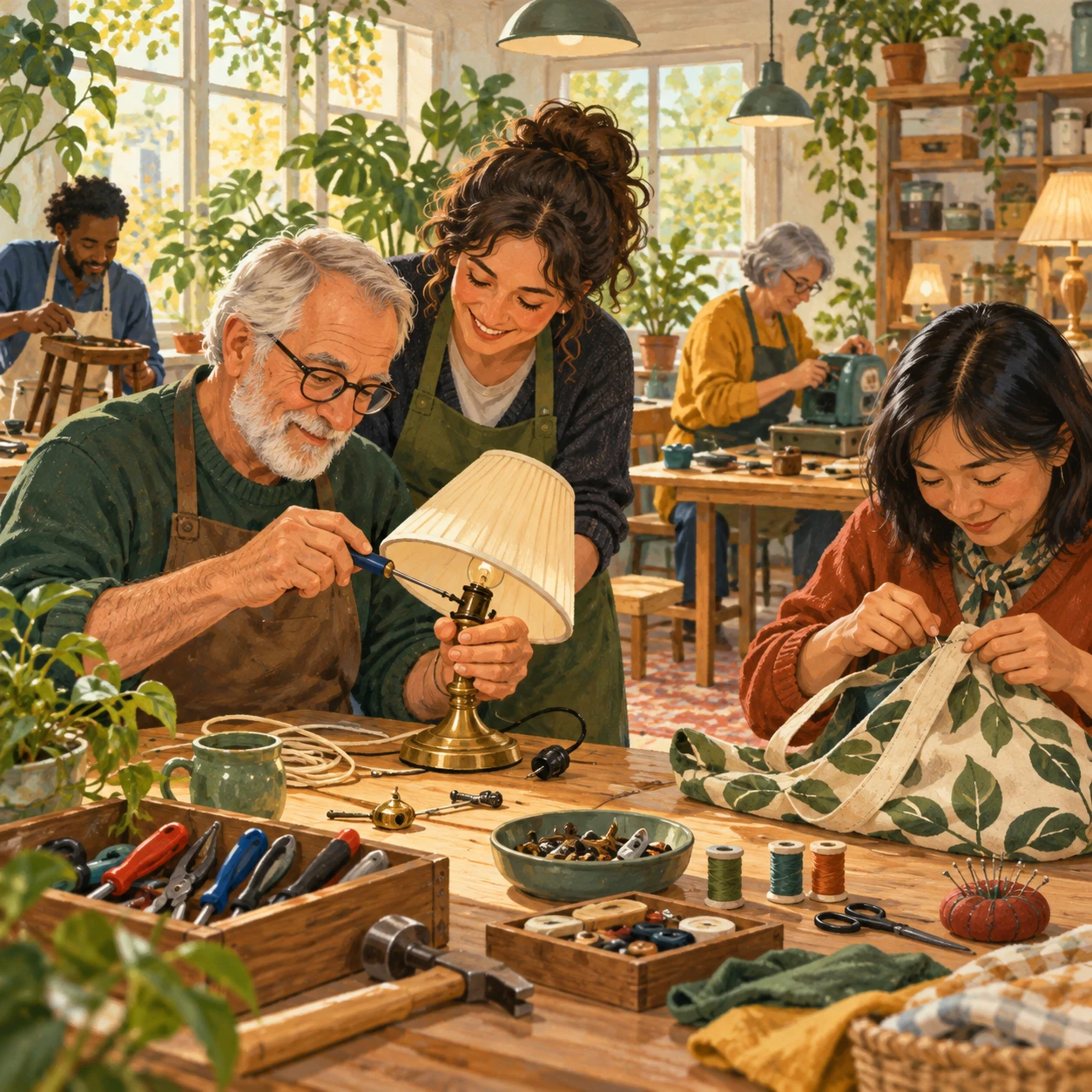
The first thing I noticed at the repair cafe was not a broken machine but a conversation. A visitor was explaining why she wanted to save an old lamp. It had belonged to her grandfather, and buying a new one would not replace that connection. Volunteer Amir listened before examining the cable. He later told me that understanding what an object means to its owner can be as important as identifying the fault.
The cafe meets once a month in a community hall. Visitors bring small household objects and work alongside volunteers. It is not a repair shop: nobody can leave an item and collect it later. The organisers want people to see the process, ask questions and learn a little about looking after their belongings. Some repairs are simple, while others need parts that are not available that day.
Safety sets clear limits. Volunteers do not open gas appliances, and they will refuse electrical work if they cannot test the finished item safely. On my visit, a damaged charger was put aside for specialist attention. The owner looked disappointed, but the volunteer explained the decision rather than making a promise that might be unsafe.
The group does not charge for its time. A donation box helps pay for hall hire and basic materials. When a replacement part is needed, the visitor buys it after discussing the cost. The organisers record the type of object and the outcome, but they do not ask visitors to put a price on the personal value of a repair.
By lunchtime, six items were working again and three were waiting for parts. Those numbers were useful, but they did not tell the whole story. One visitor left with a bag that could not be repaired that morning, yet said she now understood how to stop its zip from getting worse. The event’s value included knowledge and connection, not just a total of successful repairs.
질문에 나온 사람·시간·장소·수량을 해당 사건과 연결하세요. 실제로 제시된 이유를 찾으세요. 글 밖의 그럴듯한 이유만으로는 부족합니다.
The doors open at eight. The class starts at nine.
실제로 제시된 이유를 찾으세요. 글 밖의 그럴듯한 이유만으로는 부족합니다. 질문에 나온 사람·시간·장소·수량을 해당 사건과 연결하세요.
We meet inside because it is raining.
실제 단서를 연결하되 근거 없는 사실을 더하지 마세요. 사람이나 메시지가 누구를 위해 무엇을 이루려는지 생각하세요.
The bag is wet and the umbrella is open: these are clues, not a complete history.
The first thing I noticed at the repair cafe was not a broken machine but a conversation. A visitor was explaining why she wanted to save an old lamp. It had belonged to her grandfather, and buying a new one would not replace that connection. Volunteer Amir listened before examining the cable. He later told me that understanding what an object means to its owner can be as important as identifying the fault.
The cafe meets once a month in a community hall. Visitors bring small household objects and work alongside volunteers. It is not a repair shop: nobody can leave an item and collect it later. The organisers want people to see the process, ask questions and learn a little about looking after their belongings. Some repairs are simple, while others need parts that are not available that day.
Safety sets clear limits. Volunteers do not open gas appliances, and they will refuse electrical work if they cannot test the finished item safely. On my visit, a damaged charger was put aside for specialist attention. The owner looked disappointed, but the volunteer explained the decision rather than making a promise that might be unsafe.
The group does not charge for its time. A donation box helps pay for hall hire and basic materials. When a replacement part is needed, the visitor buys it after discussing the cost. The organisers record the type of object and the outcome, but they do not ask visitors to put a price on the personal value of a repair.
By lunchtime, six items were working again and three were waiting for parts. Those numbers were useful, but they did not tell the whole story. One visitor left with a bag that could not be repaired that morning, yet said she now understood how to stop its zip from getting worse. The event’s value included knowledge and connection, not just a total of successful repairs.
Inside a repair cafe
실제로 제시된 이유를 찾으세요. 글 밖의 그럴듯한 이유만으로는 부족합니다. 질문에 나온 사람·시간·장소·수량을 해당 사건과 연결하세요.
We meet inside because it is raining.실제 단서를 연결하되 근거 없는 사실을 더하지 마세요. 사람이나 메시지가 누구를 위해 무엇을 이루려는지 생각하세요.
The bag is wet and the umbrella is open: these are clues, not a complete history.질문에 나온 사람·시간·장소·수량을 해당 사건과 연결하세요. 실제로 제시된 이유를 찾으세요. 글 밖의 그럴듯한 이유만으로는 부족합니다.
The doors open at eight. The class starts at nine.첫 답을 남기고 근거를 확인한 뒤 다른 문제를 풀어 보세요. 같은 자료에서 맞혔다고 새 지문에도 적용할 수 있다는 뜻은 아니에요.
아직 복습 노트가 없어요. 짧은 워밍업부터 해보세요.
질문에 나온 사람·시간·장소·수량을 해당 사건과 연결하세요. 실제로 제시된 이유를 찾으세요. 글 밖의 그럴듯한 이유만으로는 부족합니다.
The doors open at eight. The class starts at nine.실제로 제시된 이유를 찾으세요. 글 밖의 그럴듯한 이유만으로는 부족합니다. 질문에 나온 사람·시간·장소·수량을 해당 사건과 연결하세요.
We meet inside because it is raining.실제 단서를 연결하되 근거 없는 사실을 더하지 마세요. 사람이나 메시지가 누구를 위해 무엇을 이루려는지 생각하세요.
The bag is wet and the umbrella is open: these are clues, not a complete history.정답을 열면 해당 문제에 도움 사용이 기록돼요.
Inside a repair cafe
정답: “It connected her with her grandfather.”. 근거: “It had belonged to her grandfather, and buying a new one would not replace that connection.”. “It was certain to be cheaper to repair than replace.” 확인: 본문에 이 정보는 없습니다. 임의로 덧붙이지 마세요. “Amir had promised to make every old lamp work again.” 확인: 본문이 허용하는 범위나 확실성보다 과장했습니다.
Inside a repair cafe
정답: “He listened to its owner.”. 근거: “Volunteer Amir listened before examining the cable.”. “He assessed the lamp’s financial value.” 확인: 본문에 이 정보는 없습니다. 임의로 덧붙이지 마세요. “He examined the cable before hearing the owner’s story.” 확인: 행동의 순서를 바꿨습니다.
Inside a repair cafe
정답: “Once a month.”. 근거: “The cafe meets once a month in a community hall.”. “Twice a week.” 확인: 질문에서 묻는 대상의 숫자가 다릅니다. “Only once a year.” 확인: 질문에서 묻는 대상의 숫자가 다릅니다.
Inside a repair cafe
정답: “Visitors stay and take part in the process.”. 근거: “nobody can leave an item and collect it later. The organisers want people to see the process, ask questions and learn”. “Visitors leave a donation instead of taking part in repairs.” 확인: 해당 정보와 반대되는 내용입니다. “Visitors are guaranteed a repair once they buy the parts.” 확인: 본문이 허용하는 범위나 확실성보다 과장했습니다. 근거: “Some repairs are simple, while others need parts that are not available that day.”.
Inside a repair cafe
정답: “A necessary part may be unavailable.”. 근거: “others need parts that are not available that day.”. “Owners must wait until the next meeting before asking questions.” 확인: 해당 정보와 반대되는 내용입니다. 근거: “The organisers want people to see the process, ask questions and learn”. “Personal objects must have their value recorded before work begins.” 확인: 해당 정보와 반대되는 내용입니다. 근거: “they do not ask visitors to put a price on the personal value of a repair.”.
Inside a repair cafe
정답: “Useful learning can happen without an immediate completed repair.”. 근거: “One visitor left with a bag that could not be repaired that morning, yet said she now understood how to stop its zip from getting worse.”. “A zip can be counted as repaired once advice is given.” 확인: 본문이 허용하는 범위나 확실성보다 과장했습니다. “Donations guarantee that repairs will be completed later.” 확인: 본문이 허용하는 범위나 확실성보다 과장했습니다.
Inside a repair cafe
정답: “It needed specialist attention.”. 근거: “a damaged charger was put aside for specialist attention.”. “The owner could not afford the hall-hire donation.” 확인: 본문에 이 정보는 없습니다. 임의로 덧붙이지 마세요. “The cafe had already used all its basic materials.” 확인: 본문에 이 정보는 없습니다. 임의로 덧붙이지 마세요.
Inside a repair cafe
정답: “Hall hire and basic materials.”. 근거: “A donation box helps pay for hall hire and basic materials.”. “Payments for the volunteers’ repair time.” 확인: 해당 정보와 반대되는 내용입니다. 근거: “The group does not charge for its time.”. “The cost of replacing every personally important object.” 확인: 본문이 허용하는 범위나 확실성보다 과장했습니다.
Inside a repair cafe
정답: “The visitor.”. 근거: “the visitor buys it after discussing the cost.”. “The hall manager.” 확인: 행동이나 역할을 다른 사람 또는 집단에 연결했습니다. “The volunteer doing the repair.” 확인: 행동이나 역할을 다른 사람 또는 집단에 연결했습니다.
Inside a repair cafe
정답: “The kind of object and the result.”. 근거: “The organisers record the type of object and the outcome”. “A price for each owner’s memories.” 확인: 해당 정보와 반대되는 내용입니다. “A monetary estimate of each item’s personal meaning.” 확인: 해당 정보와 반대되는 내용입니다. 근거: “they do not ask visitors to put a price on the personal value of a repair.”.
Inside a repair cafe
정답: “Opening gas appliances.”. 근거: “Volunteers do not open gas appliances”. “Helping owners understand a zip.” 확인: 본문에서 도우미들이 하거나 할 수 있는 일입니다. 질문은 서비스 범위 밖의 일을 묻습니다. 근거: “she now understood how to stop its zip from getting worse.”. “Examining a lamp cable.” 확인: 본문에서 도우미들이 하거나 할 수 있는 일입니다. 질문은 서비스 범위 밖의 일을 묻습니다. 근거: “Volunteer Amir listened before examining the cable.”.
Inside a repair cafe
정답: “Repair totals are useful but miss some social and educational value.”. 근거: “The event’s value included knowledge and connection, not just a total of successful repairs.”. “The cafe’s value depends only on completed repairs.” 확인: 본문과 다른 기준으로 성공을 판단했습니다. “Repair totals should be discarded because learning cannot be counted.” 확인: 본문이 허용하는 범위나 확실성보다 과장했습니다. 근거: “Those numbers were useful, but they did not tell the whole story.”.