명시된 세부 정보 · 조건과 허용
질문에 나온 사람·시간·장소·수량을 해당 사건과 연결하세요. 제시된 조건이나 허용 범위를 지키세요. 규칙이 있다고 사건이 실제로 일어났다는 뜻은 아닙니다.
The doors open at eight. The class starts at nine.

두 가지 교통 계획 · B1. 질문에 나온 사람·시간·장소·수량을 해당 사건과 연결하세요. 제시된 조건이나 허용 범위를 지키세요. 규칙이 있다고 사건이 실제로 일어났다는 뜻은 아닙니다.
직접 작성한 영어 자료를 읽고 근거를 찾아 답하세요. 수준 표기는 편집상의 안내이며 인증 결과가 아닙니다.
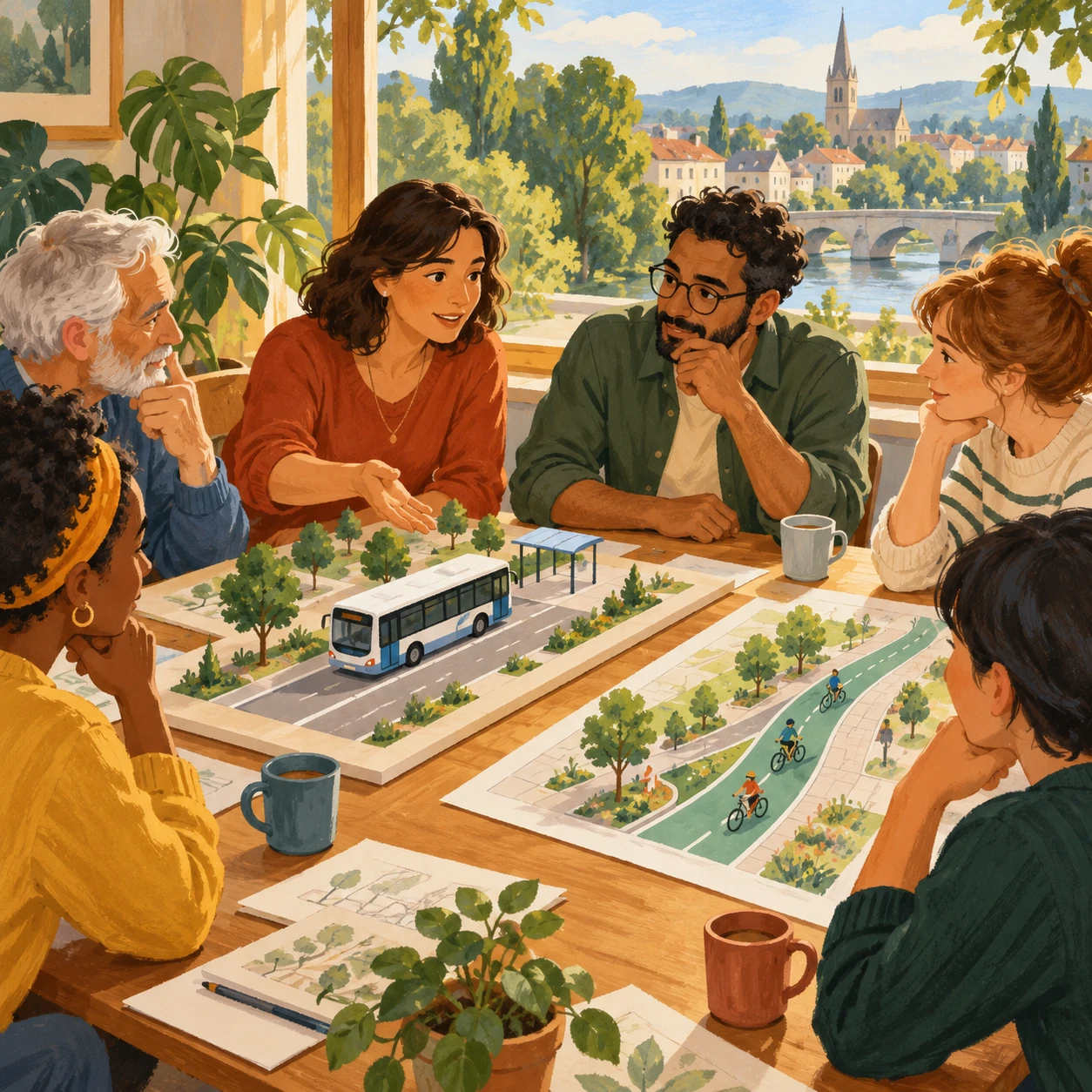
A local newsletter asked two residents to respond to plans for reducing traffic near West Square. Both agreed that the present arrangement was a problem, but they supported different solutions. The council has not yet chosen either plan.
Proposal A would remove parking from one side of Market Road and create a protected cycle lane. Nadia, who runs a small design business, supports this option. She cycles to the square and says that the narrow road makes new riders nervous. A continuous lane, rather than short separate sections, would help them feel safer. She accepts that some customers need to drive, so she wants clear signs to the car park behind the square. Her support depends on the lane being connected to the existing route beside the river.
Proposal B would keep the parking spaces but use part of the road for a bus lane during the morning and evening rush hours. Peter, a hospital receptionist, prefers this plan. His early shift starts before the nearest cycle-hire service opens. He already takes a bus, but delays sometimes mean he arrives at work late. In his view, a reliable service would help more people immediately than a route that is useful mainly to those already willing to cycle.
Nadia worries that the bus lane would simply push traffic into neighbouring streets. Peter replies that the council should measure traffic on those streets during a short trial. He does not claim that a bus lane will solve every transport problem. However, he thinks a trial could show whether the idea is worth developing.
The newsletter editor points out that neither proposal includes a plan for delivery vehicles. Shops need goods even if fewer customers arrive by car. Before deciding, the council must explain where delivery drivers would stop. The editor therefore asks readers to comment on practical details, not just vote for their favourite kind of transport.
질문에 나온 사람·시간·장소·수량을 해당 사건과 연결하세요. 제시된 조건이나 허용 범위를 지키세요. 규칙이 있다고 사건이 실제로 일어났다는 뜻은 아닙니다.
The doors open at eight. The class starts at nine.
실제로 제시된 이유를 찾으세요. 글 밖의 그럴듯한 이유만으로는 부족합니다.
We meet inside because it is raining.
사람이나 메시지가 누구를 위해 무엇을 이루려는지 생각하세요.
This note tells visitors where to wait.
A local newsletter asked two residents to respond to plans for reducing traffic near West Square. Both agreed that the present arrangement was a problem, but they supported different solutions. The council has not yet chosen either plan.
Proposal A would remove parking from one side of Market Road and create a protected cycle lane. Nadia, who runs a small design business, supports this option. She cycles to the square and says that the narrow road makes new riders nervous. A continuous lane, rather than short separate sections, would help them feel safer. She accepts that some customers need to drive, so she wants clear signs to the car park behind the square. Her support depends on the lane being connected to the existing route beside the river.
Proposal B would keep the parking spaces but use part of the road for a bus lane during the morning and evening rush hours. Peter, a hospital receptionist, prefers this plan. His early shift starts before the nearest cycle-hire service opens. He already takes a bus, but delays sometimes mean he arrives at work late. In his view, a reliable service would help more people immediately than a route that is useful mainly to those already willing to cycle.
Nadia worries that the bus lane would simply push traffic into neighbouring streets. Peter replies that the council should measure traffic on those streets during a short trial. He does not claim that a bus lane will solve every transport problem. However, he thinks a trial could show whether the idea is worth developing.
The newsletter editor points out that neither proposal includes a plan for delivery vehicles. Shops need goods even if fewer customers arrive by car. Before deciding, the council must explain where delivery drivers would stop. The editor therefore asks readers to comment on practical details, not just vote for their favourite kind of transport.
Two transport proposals
질문에 나온 사람·시간·장소·수량을 해당 사건과 연결하세요. 제시된 조건이나 허용 범위를 지키세요. 규칙이 있다고 사건이 실제로 일어났다는 뜻은 아닙니다.
The doors open at eight. The class starts at nine.사람이나 메시지가 누구를 위해 무엇을 이루려는지 생각하세요.
This note tells visitors where to wait.실제로 제시된 이유를 찾으세요. 글 밖의 그럴듯한 이유만으로는 부족합니다.
We meet inside because it is raining.첫 답을 남기고 근거를 확인한 뒤 다른 문제를 풀어 보세요. 같은 자료에서 맞혔다고 새 지문에도 적용할 수 있다는 뜻은 아니에요.
아직 복습 노트가 없어요. 짧은 워밍업부터 해보세요.
질문에 나온 사람·시간·장소·수량을 해당 사건과 연결하세요. 제시된 조건이나 허용 범위를 지키세요. 규칙이 있다고 사건이 실제로 일어났다는 뜻은 아닙니다.
The doors open at eight. The class starts at nine.실제로 제시된 이유를 찾으세요. 글 밖의 그럴듯한 이유만으로는 부족합니다.
We meet inside because it is raining.사람이나 메시지가 누구를 위해 무엇을 이루려는지 생각하세요.
This note tells visitors where to wait.정답을 열면 해당 문제에 도움 사용이 기록돼요.
Two transport proposals
정답: “It has not selected either proposal.”. 근거: “The council has not yet chosen either plan.”. “It has approved the cycle lane.” 확인: 계획을 이미 실행한 일로 다뤘습니다. “It has started measuring traffic after permanently choosing the bus lane.” 확인: 계획을 이미 실행한 일로 다뤘습니다.
Two transport proposals
정답: “Parking on one side of Market Road.”. 근거: “Proposal A would remove parking from one side of Market Road”. “The car park behind the square.” 확인: 본문이 허용하는 범위나 확실성보다 과장했습니다. 근거: “she wants clear signs to the car park behind the square.”. “Parking on both sides of Market Road.” 확인: 본문이 허용하는 범위나 확실성보다 과장했습니다.
Two transport proposals
정답: “Separated short sections may not give new riders enough confidence.”. 근거: “A continuous lane, rather than short separate sections, would help them feel safer.”. “She thinks all customers could give up driving immediately.” 확인: 본문이 허용하는 범위나 확실성보다 과장했습니다. 근거: “She accepts that some customers need to drive”. “She expects the protected lane to provide space for delivery stops.” 확인: 본문에 이 정보는 없습니다. 임의로 덧붙이지 마세요. 근거: “neither proposal includes a plan for delivery vehicles.”.
Two transport proposals
정답: “Clear signs to the car park behind the square.”. 근거: “she wants clear signs to the car park behind the square.”. “Keep all existing parking on Market Road.” 확인: 행동이나 역할을 다른 사람 또는 집단에 연결했습니다. 근거: “Proposal B would keep the parking spaces”. “Ask them to park in the protected cycle lane.” 확인: 본문에 이 정보는 없습니다. 임의로 덧붙이지 마세요.
Two transport proposals
정답: “A connection with the existing river route.”. 근거: “Her support depends on the lane being connected to the existing route beside the river.”. “A bus lane during both rush-hour periods.” 확인: 행동이나 역할을 다른 사람 또는 집단에 연결했습니다. 근거: “Proposal B would keep the parking spaces but use part of the road for a bus lane”. “Earlier opening of the cycle-hire service.” 확인: 행동이나 역할을 다른 사람 또는 집단에 연결했습니다. 근거: “His early shift starts before the nearest cycle-hire service opens.”.
Two transport proposals
정답: “How the plans would work in practice.”. 근거: “comment on practical details, not just vote for their favourite kind of transport.”. “Which transport type they like without considering details.” 확인: 해당 정보와 반대되는 내용입니다. “Which proposal can be guaranteed to remove all traffic problems.” 확인: 본문이 허용하는 범위나 확실성보다 과장했습니다. 근거: “He does not claim that a bus lane will solve every transport problem.”.
Two transport proposals
정답: “The cycle-hire service is not open before he starts work.”. 근거: “His early shift starts before the nearest cycle-hire service opens.”. “His bus starts running only after his shift begins.” 확인: 본문에 이 정보는 없습니다. 임의로 덧붙이지 마세요. “He can hire a bicycle but dislikes cycling at all times.” 확인: 본문에 이 정보는 없습니다. 임의로 덧붙이지 마세요.
Two transport proposals
정답: “Bus delays making him late for work.”. 근거: “delays sometimes mean he arrives at work late.”. “Delays caused by making deliveries to the square.” 확인: 행동이나 역할을 다른 사람 또는 집단에 연결했습니다. “Difficulty parking near his own design business.” 확인: 행동이나 역할을 다른 사람 또는 집단에 연결했습니다. 근거: “Nadia, who runs a small design business”.
Two transport proposals
정답: “Move traffic into nearby streets.”. 근거: “Nadia worries that the bus lane would simply push traffic into neighbouring streets.”. “The cycle lane becoming disconnected from the river route.” 확인: 본문은 이를 질문에서 묻는 문제로 제시하지 않습니다. 명시된 문제를 확인하세요. 근거: “Her support depends on the lane being connected to the existing route beside the river.”. “The council removing the car park behind the square.” 확인: 본문에 이 정보는 없습니다. 임의로 덧붙이지 마세요.
Two transport proposals
정답: “Measure nearby traffic during a short trial.”. 근거: “the council should measure traffic on those streets during a short trial.”. “Assume a reliable bus service will remove traffic from nearby streets.” 확인: 본문이 허용하는 범위나 확실성보다 과장했습니다. “Ask only bus passengers which plan they prefer.” 확인: 본문과 다른 기준으로 성공을 판단했습니다.
Two transport proposals
정답: “Arrangements for delivery vehicles.”. 근거: “neither proposal includes a plan for delivery vehicles.”. “The exact price of a hospital bus ticket.” 확인: 본문은 이를 질문에서 묻는 문제로 제시하지 않습니다. 명시된 문제를 확인하세요. “The price of every parking space.” 확인: 본문은 이를 질문에서 묻는 문제로 제시하지 않습니다. 명시된 문제를 확인하세요.
Two transport proposals
정답: “During the morning and evening rush hours.”. 근거: “a bus lane during the morning and evening rush hours.”. “Throughout the working day, but never in the evening.” 확인: 질문에서 묻는 시각이 아닙니다. “Only before Peter’s early hospital shift.” 확인: 질문에서 묻는 시각이 아닙니다.