明示された詳細・理由
問われた人・時刻・場所・量を正しい出来事に結び付けます。 実際に示された理由を使います。文外のもっともらしい理由だけでは足りません。
The doors open at eight. The class starts at nine.

リペアカフェを訪ねて · B1. 問われた人・時刻・場所・量を正しい出来事に結び付けます。 実際に示された理由を使います。文外のもっともらしい理由だけでは足りません。
オリジナルの英文を読み、根拠を基に答えましょう。レベルは編集上の目安で、認定結果ではありません。
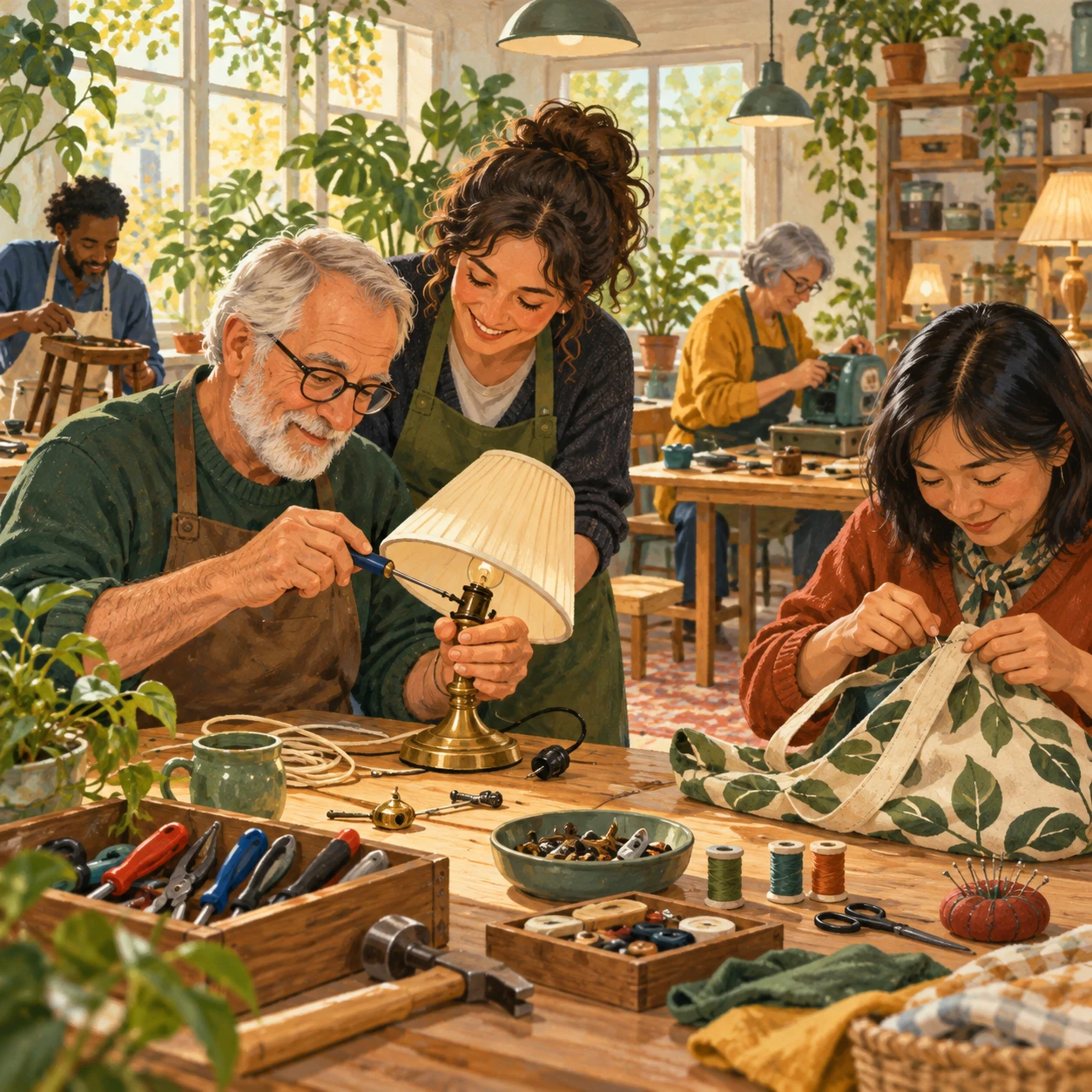
The first thing I noticed at the repair cafe was not a broken machine but a conversation. A visitor was explaining why she wanted to save an old lamp. It had belonged to her grandfather, and buying a new one would not replace that connection. Volunteer Amir listened before examining the cable. He later told me that understanding what an object means to its owner can be as important as identifying the fault.
The cafe meets once a month in a community hall. Visitors bring small household objects and work alongside volunteers. It is not a repair shop: nobody can leave an item and collect it later. The organisers want people to see the process, ask questions and learn a little about looking after their belongings. Some repairs are simple, while others need parts that are not available that day.
Safety sets clear limits. Volunteers do not open gas appliances, and they will refuse electrical work if they cannot test the finished item safely. On my visit, a damaged charger was put aside for specialist attention. The owner looked disappointed, but the volunteer explained the decision rather than making a promise that might be unsafe.
The group does not charge for its time. A donation box helps pay for hall hire and basic materials. When a replacement part is needed, the visitor buys it after discussing the cost. The organisers record the type of object and the outcome, but they do not ask visitors to put a price on the personal value of a repair.
By lunchtime, six items were working again and three were waiting for parts. Those numbers were useful, but they did not tell the whole story. One visitor left with a bag that could not be repaired that morning, yet said she now understood how to stop its zip from getting worse. The event’s value included knowledge and connection, not just a total of successful repairs.
問われた人・時刻・場所・量を正しい出来事に結び付けます。 実際に示された理由を使います。文外のもっともらしい理由だけでは足りません。
The doors open at eight. The class starts at nine.
実際に示された理由を使います。文外のもっともらしい理由だけでは足りません。 問われた人・時刻・場所・量を正しい出来事に結び付けます。
We meet inside because it is raining.
実際の手がかりを組み合わせ、裏付けのない事実を足しません。 人やメッセージが、誰のために何を達成しようとしているか考えます。
The bag is wet and the umbrella is open: these are clues, not a complete history.
The first thing I noticed at the repair cafe was not a broken machine but a conversation. A visitor was explaining why she wanted to save an old lamp. It had belonged to her grandfather, and buying a new one would not replace that connection. Volunteer Amir listened before examining the cable. He later told me that understanding what an object means to its owner can be as important as identifying the fault.
The cafe meets once a month in a community hall. Visitors bring small household objects and work alongside volunteers. It is not a repair shop: nobody can leave an item and collect it later. The organisers want people to see the process, ask questions and learn a little about looking after their belongings. Some repairs are simple, while others need parts that are not available that day.
Safety sets clear limits. Volunteers do not open gas appliances, and they will refuse electrical work if they cannot test the finished item safely. On my visit, a damaged charger was put aside for specialist attention. The owner looked disappointed, but the volunteer explained the decision rather than making a promise that might be unsafe.
The group does not charge for its time. A donation box helps pay for hall hire and basic materials. When a replacement part is needed, the visitor buys it after discussing the cost. The organisers record the type of object and the outcome, but they do not ask visitors to put a price on the personal value of a repair.
By lunchtime, six items were working again and three were waiting for parts. Those numbers were useful, but they did not tell the whole story. One visitor left with a bag that could not be repaired that morning, yet said she now understood how to stop its zip from getting worse. The event’s value included knowledge and connection, not just a total of successful repairs.
Inside a repair cafe
実際に示された理由を使います。文外のもっともらしい理由だけでは足りません。 問われた人・時刻・場所・量を正しい出来事に結び付けます。
We meet inside because it is raining.実際の手がかりを組み合わせ、裏付けのない事実を足しません。 人やメッセージが、誰のために何を達成しようとしているか考えます。
The bag is wet and the umbrella is open: these are clues, not a complete history.問われた人・時刻・場所・量を正しい出来事に結び付けます。 実際に示された理由を使います。文外のもっともらしい理由だけでは足りません。
The doors open at eight. The class starts at nine.初回答を残し、根拠を確かめて別の問題に挑戦します。同じ教材での正解は、新しい文章への応用を証明するものではありません。
まだ復習ノートはありません。まずは短いウォームアップを。
問われた人・時刻・場所・量を正しい出来事に結び付けます。 実際に示された理由を使います。文外のもっともらしい理由だけでは足りません。
The doors open at eight. The class starts at nine.実際に示された理由を使います。文外のもっともらしい理由だけでは足りません。 問われた人・時刻・場所・量を正しい出来事に結び付けます。
We meet inside because it is raining.実際の手がかりを組み合わせ、裏付けのない事実を足しません。 人やメッセージが、誰のために何を達成しようとしているか考えます。
The bag is wet and the umbrella is open: these are clues, not a complete history.解答を開くと、その問題にヒント利用が記録されます。
Inside a repair cafe
答え:「It connected her with her grandfather.」。 根拠:「It had belonged to her grandfather, and buying a new one would not replace that connection.」。 「It was certain to be cheaper to repair than replace.」を確認:本文にはこの情報がありません。付け足さないようにしましょう。 「Amir had promised to make every old lamp work again.」を確認:本文で言える範囲や強さを超えています。
Inside a repair cafe
答え:「He listened to its owner.」。 根拠:「Volunteer Amir listened before examining the cable.」。 「He assessed the lamp’s financial value.」を確認:本文にはこの情報がありません。付け足さないようにしましょう。 「He examined the cable before hearing the owner’s story.」を確認:行動の順番が変わっています。
Inside a repair cafe
答え:「Once a month.」。 根拠:「The cafe meets once a month in a community hall.」。 「Twice a week.」を確認:問われたものの数値とは違います。 「Only once a year.」を確認:問われたものの数値とは違います。
Inside a repair cafe
答え:「Visitors stay and take part in the process.」。 根拠:「nobody can leave an item and collect it later. The organisers want people to see the process, ask questions and learn」。 「Visitors leave a donation instead of taking part in repairs.」を確認:該当する情報と反対のことを述べています。 「Visitors are guaranteed a repair once they buy the parts.」を確認:本文で言える範囲や強さを超えています。 根拠:「Some repairs are simple, while others need parts that are not available that day.」。
Inside a repair cafe
答え:「A necessary part may be unavailable.」。 根拠:「others need parts that are not available that day.」。 「Owners must wait until the next meeting before asking questions.」を確認:該当する情報と反対のことを述べています。 根拠:「The organisers want people to see the process, ask questions and learn」。 「Personal objects must have their value recorded before work begins.」を確認:該当する情報と反対のことを述べています。 根拠:「they do not ask visitors to put a price on the personal value of a repair.」。
Inside a repair cafe
答え:「Useful learning can happen without an immediate completed repair.」。 根拠:「One visitor left with a bag that could not be repaired that morning, yet said she now understood how to stop its zip from getting worse.」。 「A zip can be counted as repaired once advice is given.」を確認:本文で言える範囲や強さを超えています。 「Donations guarantee that repairs will be completed later.」を確認:本文で言える範囲や強さを超えています。
Inside a repair cafe
答え:「It needed specialist attention.」。 根拠:「a damaged charger was put aside for specialist attention.」。 「The owner could not afford the hall-hire donation.」を確認:本文にはこの情報がありません。付け足さないようにしましょう。 「The cafe had already used all its basic materials.」を確認:本文にはこの情報がありません。付け足さないようにしましょう。
Inside a repair cafe
答え:「Hall hire and basic materials.」。 根拠:「A donation box helps pay for hall hire and basic materials.」。 「Payments for the volunteers’ repair time.」を確認:該当する情報と反対のことを述べています。 根拠:「The group does not charge for its time.」。 「The cost of replacing every personally important object.」を確認:本文で言える範囲や強さを超えています。
Inside a repair cafe
答え:「The visitor.」。 根拠:「the visitor buys it after discussing the cost.」。 「The hall manager.」を確認:行動や役割を別の人・集団のものにしています。 「The volunteer doing the repair.」を確認:行動や役割を別の人・集団のものにしています。
Inside a repair cafe
答え:「The kind of object and the result.」。 根拠:「The organisers record the type of object and the outcome」。 「A price for each owner’s memories.」を確認:該当する情報と反対のことを述べています。 「A monetary estimate of each item’s personal meaning.」を確認:該当する情報と反対のことを述べています。 根拠:「they do not ask visitors to put a price on the personal value of a repair.」。
Inside a repair cafe
答え:「Opening gas appliances.」。 根拠:「Volunteers do not open gas appliances」。 「Helping owners understand a zip.」を確認:本文では支援者が行う、または行えることです。問われているのは支援の範囲外のことです。 根拠:「she now understood how to stop its zip from getting worse.」。 「Examining a lamp cable.」を確認:本文では支援者が行う、または行えることです。問われているのは支援の範囲外のことです。 根拠:「Volunteer Amir listened before examining the cable.」。
Inside a repair cafe
答え:「Repair totals are useful but miss some social and educational value.」。 根拠:「The event’s value included knowledge and connection, not just a total of successful repairs.」。 「The cafe’s value depends only on completed repairs.」を確認:本文とは別の基準で成功を判断しています。 「Repair totals should be discarded because learning cannot be counted.」を確認:本文で言える範囲や強さを超えています。 根拠:「Those numbers were useful, but they did not tell the whole story.」。