動詞の構造を確認する
動詞の形を選ぶ前に、主語、時の基準、助動詞を確認します。
Last Saturday, we [1] _____ the train to the coast.

週末の旅行 · A2. 動詞の形を選ぶ前に、主語、時の基準、助動詞を確認します。
英文全体を読んで番号付きの空欄を埋めましょう。各問題は一つの空欄に対応し、文法と意味の両方を確認します。
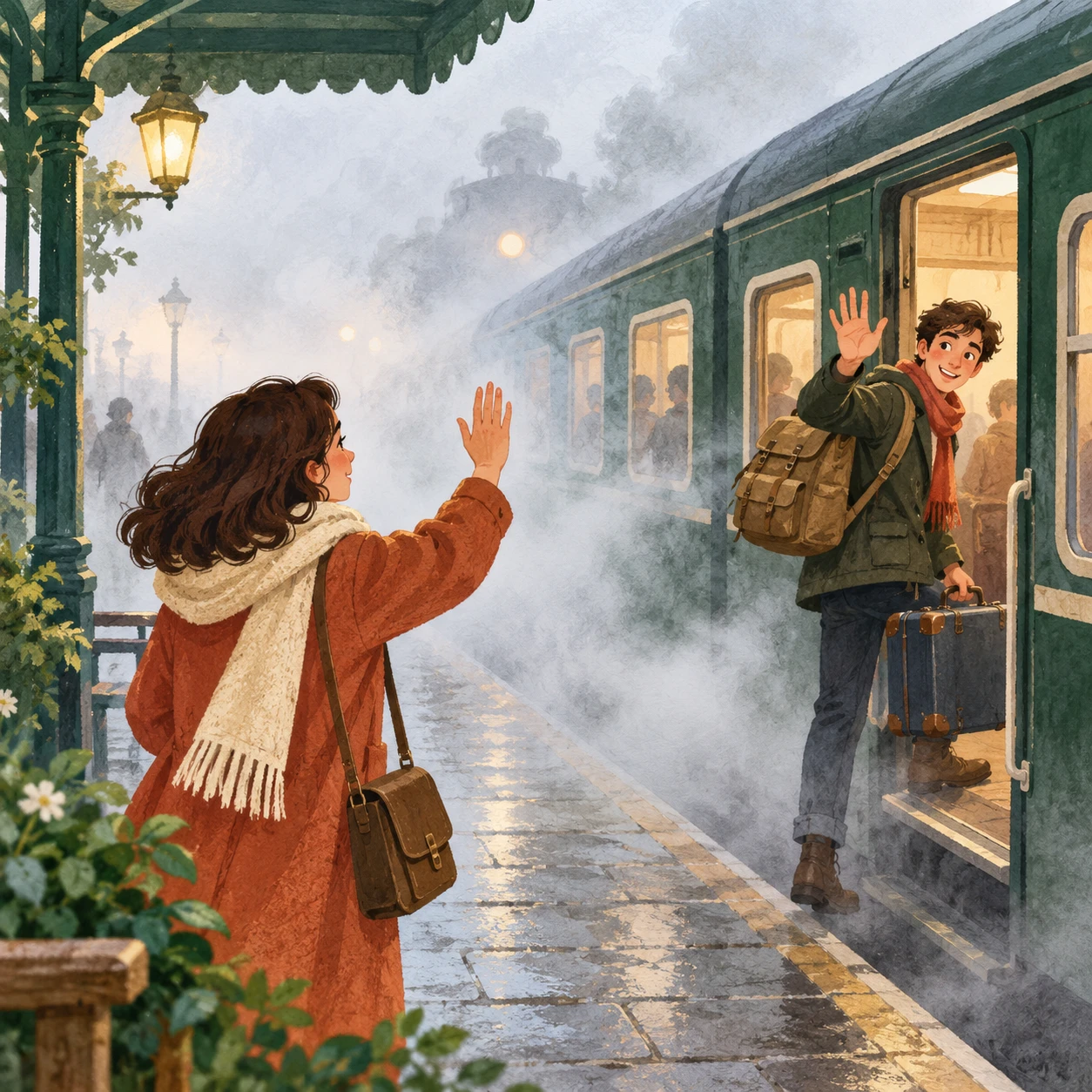
Last Saturday, we [1] _____ the train to the coast. The journey was faster [2] _____ driving. While we [3] _____ for the bus outside the station, it began to rain. We were interested [4] _____ visiting the small sea museum. [5] _____ the weather was wet, the town was full of visitors. We decided [6] _____ lunch before the museum visit. There were only a [7] _____ tables left in the cafe. We chose a seat [8] _____ was beside the window. I [9] _____ a photograph of the harbour before we left the cafe. We went to the museum [10] _____ we wanted to learn about the old fishing boats.
動詞の形を選ぶ前に、主語、時の基準、助動詞を確認します。
Last Saturday, we [1] _____ the train to the coast.
空欄の前後を読み、冠詞、代名詞、前置詞、固定表現をまとまりとして確認します。
The journey was faster [2] _____ driving.
原因、対比、条件、指示の関係を判断し、接続表現に必要な文法も確認します。
[5] _____ the weather was wet, the town was full of visitors.
Last Saturday, we [1] _____ the train to the coast. The journey was faster [2] _____ driving. While we [3] _____ for the bus outside the station, it began to rain. We were interested [4] _____ visiting the small sea museum. [5] _____ the weather was wet, the town was full of visitors. We decided [6] _____ lunch before the museum visit. There were only a [7] _____ tables left in the cafe. We chose a seat [8] _____ was beside the window. I [9] _____ a photograph of the harbour before we left the cafe. We went to the museum [10] _____ we wanted to learn about the old fishing boats.
A weekend at the coast — gap 1
動詞の形を選ぶ前に、主語、時の基準、助動詞を確認します。
Last Saturday, we [1] _____ the train to the coast.空欄の前後を読み、冠詞、代名詞、前置詞、固定表現をまとまりとして確認します。
The journey was faster [2] _____ driving.原因、対比、条件、指示の関係を判断し、接続表現に必要な文法も確認します。
[5] _____ the weather was wet, the town was full of visitors.初回答を残し、変化の理由を理解して、別の場面で確かめます。
まだ復習ノートはありません。まずは短いウォームアップを。
動詞の形を選ぶ前に、主語、時の基準、助動詞を確認します。
Last Saturday, we [1] _____ the train to the coast.空欄の前後を読み、冠詞、代名詞、前置詞、固定表現をまとまりとして確認します。
The journey was faster [2] _____ driving.原因、対比、条件、指示の関係を判断し、接続表現に必要な文法も確認します。
[5] _____ the weather was wet, the town was full of visitors.解答を開くと、その問題にヒント利用が記録されます。
A weekend at the coast — gap 1
「Last Saturday, we [1] _____ the train to the coast.」に注目しましょう。明示された過去の時点で完了した出来事なので、過去形を使います。 完成文:「Last Saturday, we took the train to the coast.」。
A weekend at the coast — gap 2
「than」は比較級「faster」と、その後の比較相手をつなぎます。比較級はすでにあるので、この空欄で問うのは形容詞の作り方ではなく接続する語です。完成文:「The journey was faster than driving.」
A weekend at the coast — gap 3
「While we [3] _____ for the bus outside the station, it began to rain.」に注目しましょう。短い出来事が起きた時、すでに進行中だった動作なので過去進行形を使います。 完成文:「While we were waiting for the bus outside the station, it began to rain.」。
A weekend at the coast — gap 4
「We were interested [4] _____ visiting the small sea museum.」に注目しましょう。動詞・形容詞・名詞の決まった結び付きに合う前置詞を使います。他の前置詞では同じ構文になりません。 完成文:「We were interested in visiting the small sea museum.」。
A weekend at the coast — gap 5
「[5] _____ the weather was wet, the town was full of visitors.」に注目しましょう。内容は対比です。後ろが完全な節なので、名詞句を取る前置詞には置き換えられません。 完成文:「Although the weather was wet, the town was full of visitors.」。
A weekend at the coast — gap 6
「We decided [6] _____ lunch before the museum visit.」に注目しましょう。この動詞の型や目的の表現では、toと動詞の原形を使います。 完成文:「We decided to have lunch before the museum visit.」。
A weekend at the coast — gap 7
「There were only a [7] _____ tables left in the cafe.」に注目しましょう。名詞が単数可算、複数可算、不可算のどれかに合わせて数量表現を選びます。 完成文:「There were only a few tables left in the cafe.」。
A weekend at the coast — gap 8
「We chose a seat [8] _____ was beside the window.」に注目しましょう。関係詞は先行詞と節内の役割に合わせます。人、物、所有のどれを示すか確認します。 完成文:「We chose a seat which was beside the window.」。
A weekend at the coast — gap 9
「I [9] _____ a photograph of the harbour before we left the cafe.」に注目しましょう。明示された過去の時点で完了した出来事なので、過去形を使います。 完成文:「I took a photograph of the harbour before we left the cafe.」。
A weekend at the coast — gap 10
「We went to the museum [10] _____ we wanted to learn about the old fishing boats.」に注目しましょう。後の節が前の節の理由を示すので、対比や結果ではなく原因の接続語を選びます。 完成文:「We went to the museum because we wanted to learn about the old fishing boats.」。