A2

Travel and transport Exercises

About this lesson

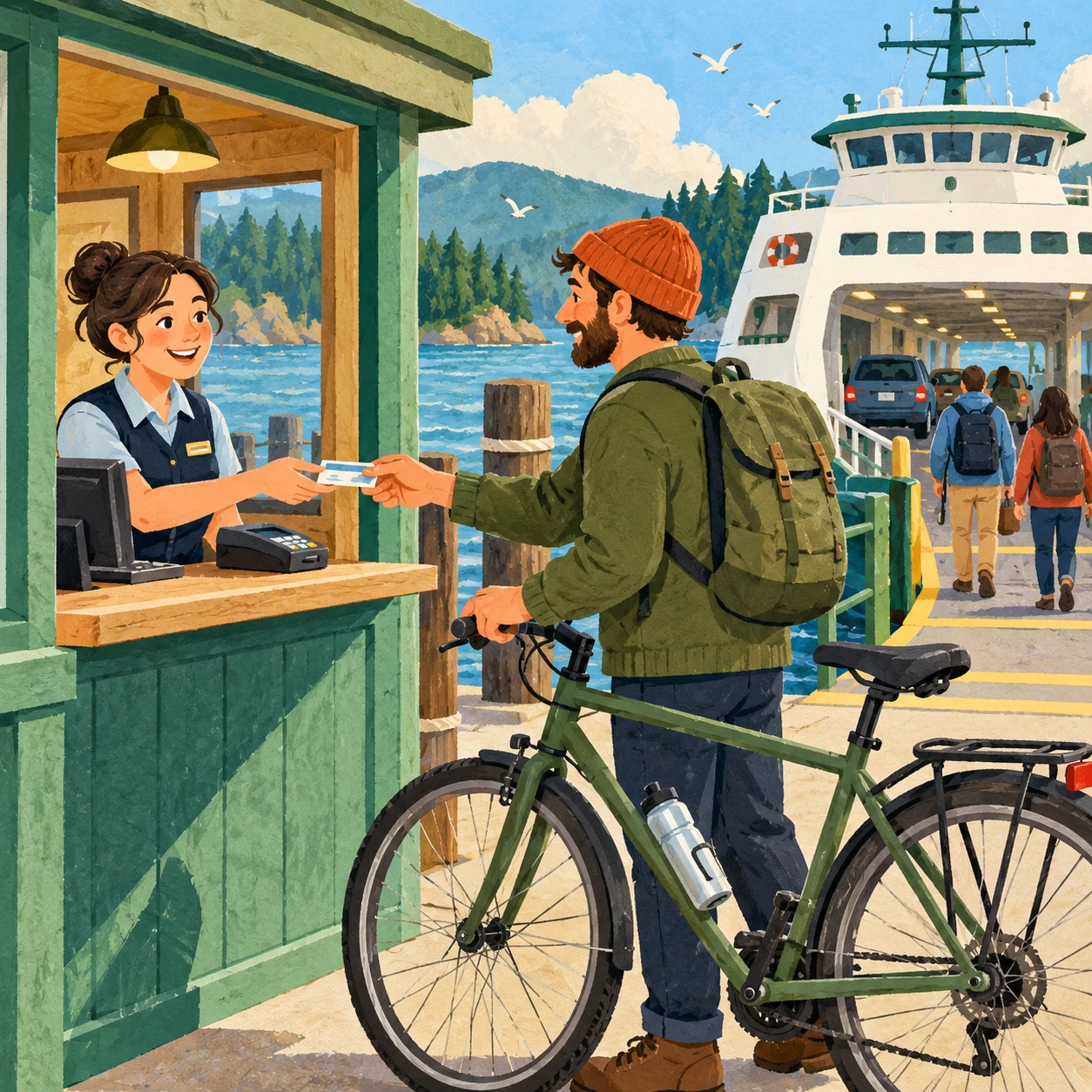
Travel and transport · A2. Use the situation to distinguish these meanings: fare = the price paid for a journey on public transport; return ticket = a ticket for a journey to a place and back; single ticket = a ticket for travel in one direction only; boarding pass = the document allowing a passenger to board a flight.

Practise Travel and transport in short situations. Read the clue, choose or write a form, then check the reason. The level is an editorial guide. Explore 12 study cards and 24 contextual questions, including fresh review and transfer situations.

24 items
Save it to find it in My collection.
Vocabulary

Learning cards

1/12
fare
fare
A2
01 / 12
Save it to find it in My collection.

fare

the price paid for a journey on public transport

The price paid for a journey on public transport.

In a sentence

The ferry fare includes one bicycle.

The ferry fare includes one bicycle.

Useful combinations
pay the farea bus fare

Word forms & family

fares (n.)

Similar meanings & paraphrases

travel charge

These match this sense. Word families can change meaning; near meanings are not always interchangeable.

Use “fare” for the price paid for a journey on public transport. Compare “return ticket” (a ticket for a journey to a place and back); these are different meanings.

0 Saved words

A little clarity first

fare · return ticket · single ticket · boarding pass

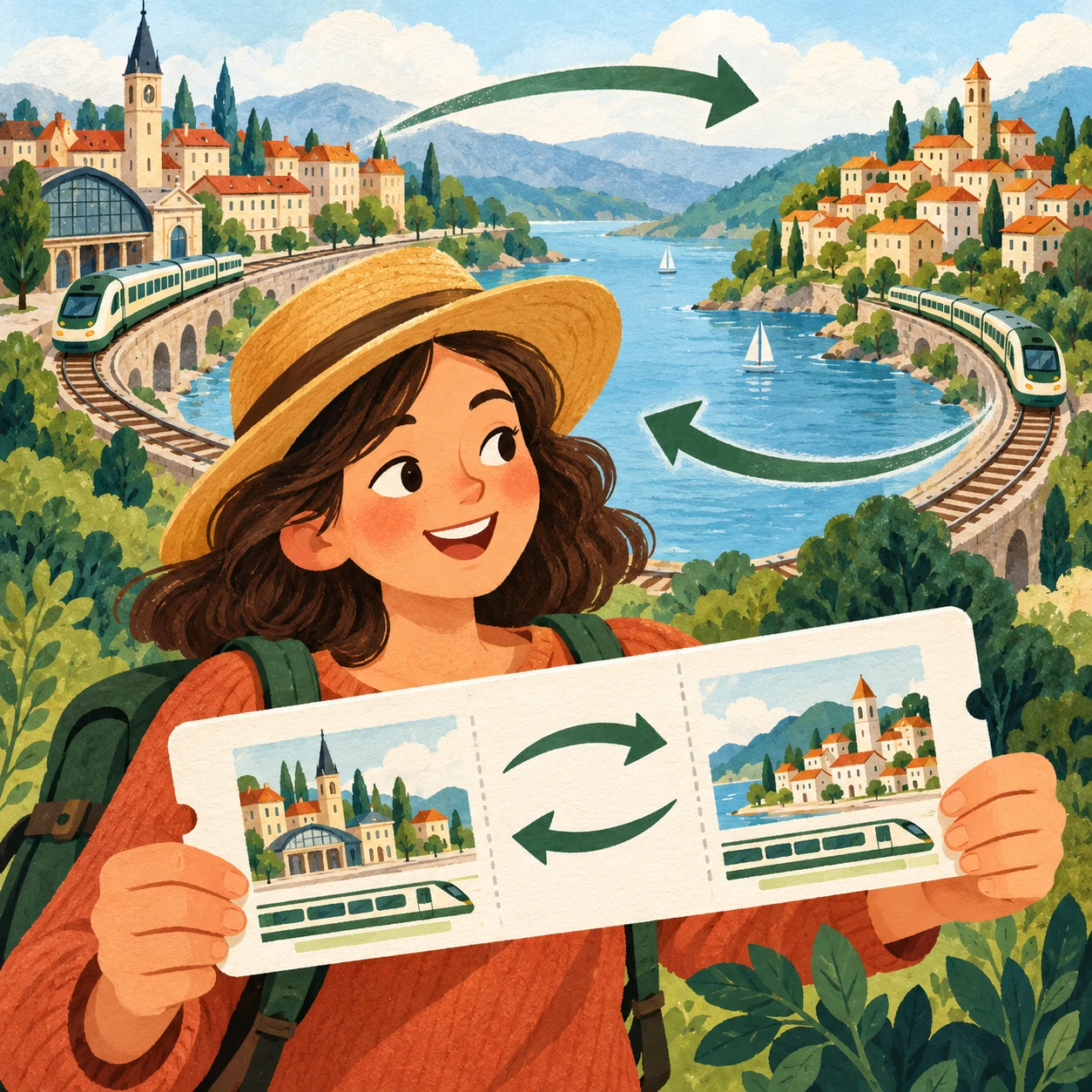
Use the situation to distinguish these meanings: fare = the price paid for a journey on public transport; return ticket = a ticket for a journey to a place and back; single ticket = a ticket for travel in one direction only; boarding pass = the document allowing a passenger to board a flight.

The amount you pay for a bus journey is the fare.
platform · departure · arrival · delay

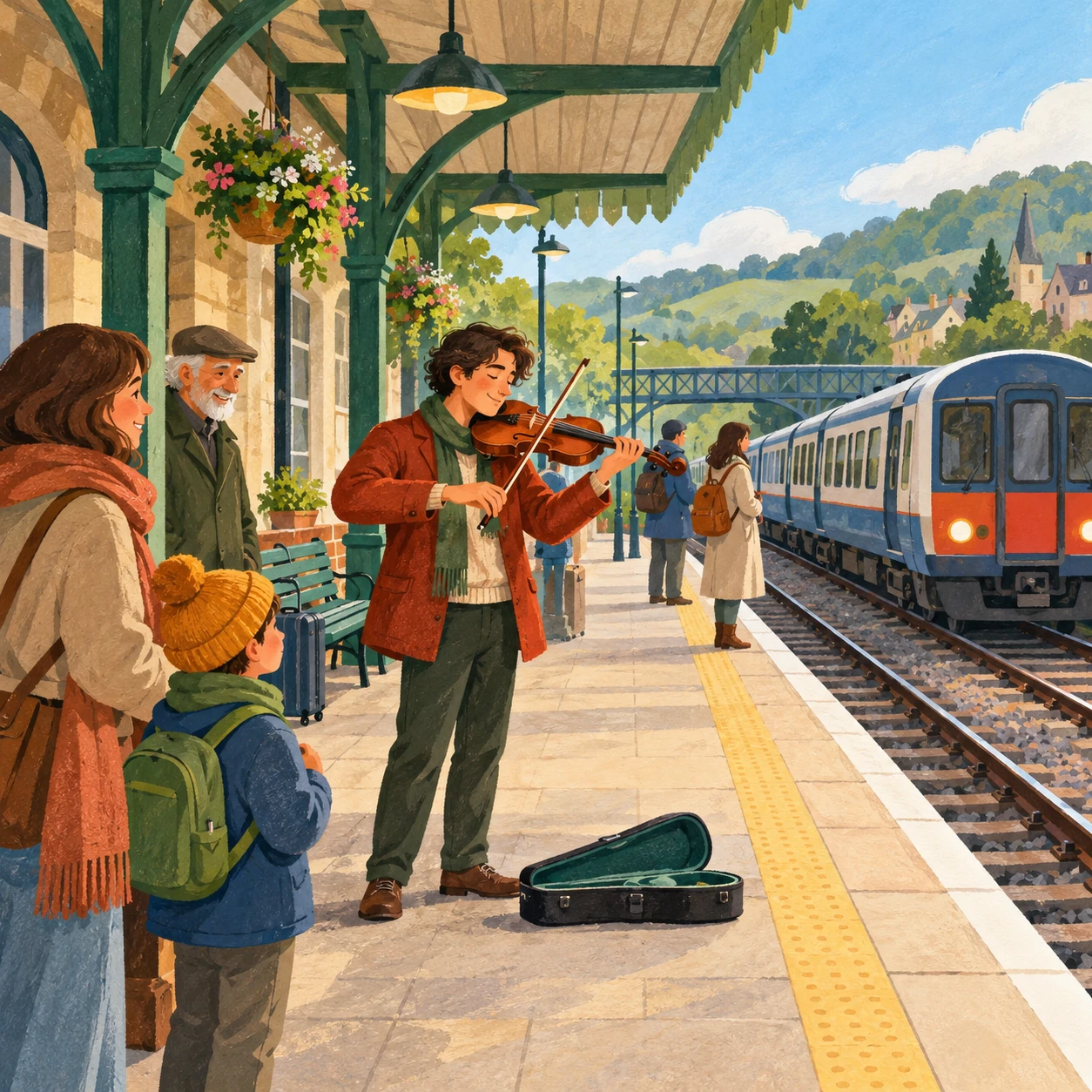
Use the situation to distinguish these meanings: platform = the area beside a railway track where passengers board; departure = the act or time of leaving a place; arrival = the act or time of reaching a destination; delay = a period of waiting beyond the expected time.

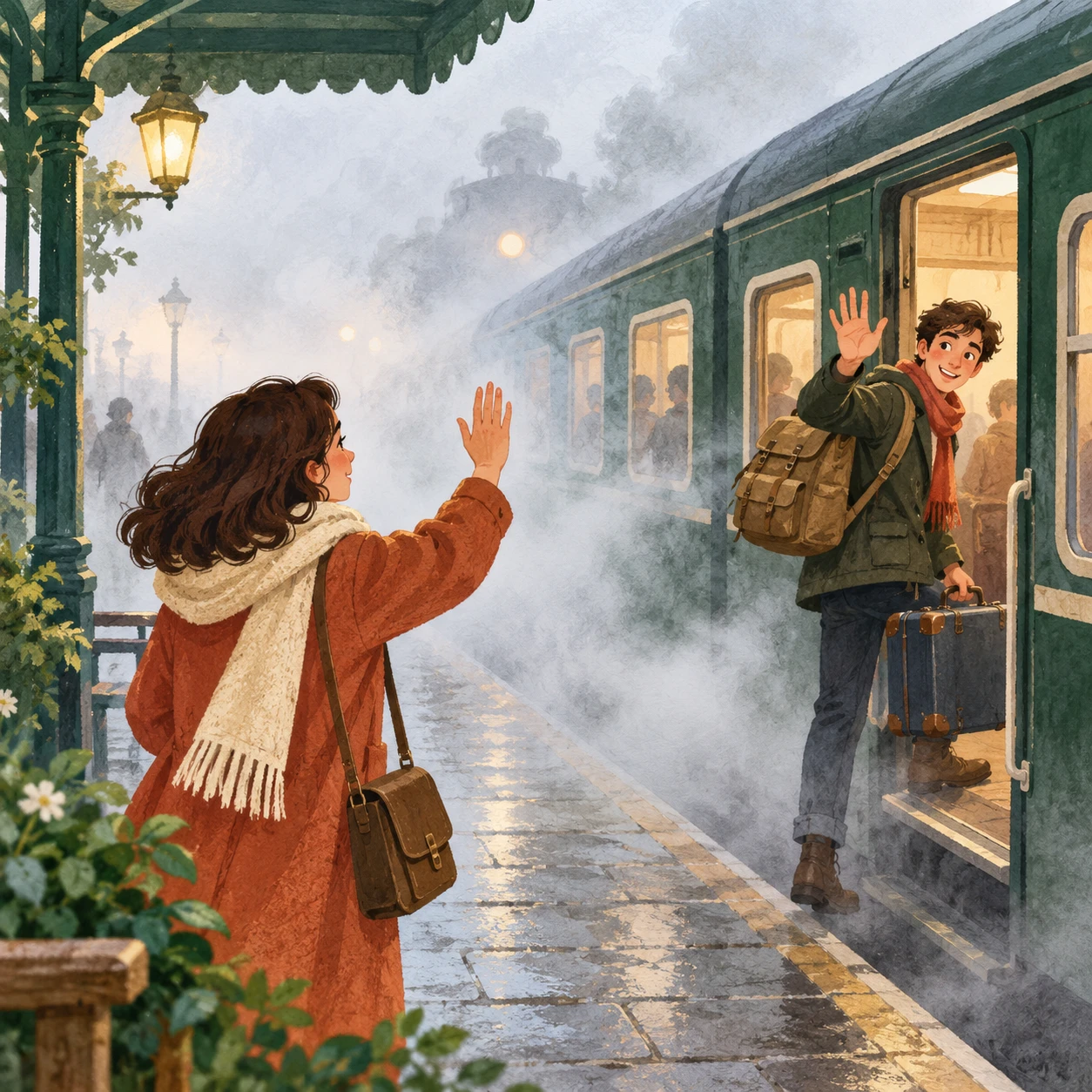
At the station, the raised area beside the train track is the platform.

luggage · passport · suitcase · passenger

Use the situation to distinguish these meanings: luggage = bags and cases taken on a journey; passport = an official identity document for international travel; suitcase = a case with a handle for carrying clothes; passenger = a traveller in a vehicle who is not driving.

The general uncountable word for the bags we take on a trip is luggage.

0/24
Questions
01 / 24D01Save it to find it in My collection.

The amount you pay for a bus journey is the ___.

Choose the option that completes the gap in this situation.

Your answer
1 / 24

Your learning route

01
Step 1 · Warm-up

Warm-up

0/3
02
Step 2 · Build the skill

fare · return ticket · single ticket · boarding pass

0/2

Use the situation to distinguish these meanings: fare = the price paid for a journey on public transport; return ticket = a ticket for a journey to a place and back; single ticket = a ticket for travel in one direction only; boarding pass = the document allowing a passenger to board a flight.

The amount you pay for a bus journey is the fare.

03
Step 3 · Build the skill

platform · departure · arrival · delay

0/1

Use the situation to distinguish these meanings: platform = the area beside a railway track where passengers board; departure = the act or time of leaving a place; arrival = the act or time of reaching a destination; delay = a period of waiting beyond the expected time.

At the station, the raised area beside the train track is the platform.
04
Step 4 · Build the skill

luggage · passport · suitcase · passenger

0/1

Use the situation to distinguish these meanings: luggage = bags and cases taken on a journey; passport = an official identity document for international travel; suitcase = a case with a handle for carrying clothes; passenger = a traveller in a vehicle who is not driving.

The general uncountable word for the bags we take on a trip is luggage.
05
Step 5 · New contexts

New contexts

0/9
06
Step 6 · A fresh challenge

A fresh challenge

0/8
Practice notes in this unit

Make mistakes useful.

Keep the first try. Understand the change. Check it in a fresh situation.

0

No practice notes yet. Try a short warm-up.

Questions & answers

Opening an answer records help for that question.

D01 · Warm-up

The amount you pay for a bus journey is the ___.

Choose the option that completes the gap in this situation.

  1. single ticket
  2. return ticket
  3. fare
  4. boarding pass
Answer & explanation
fare

Look at “amount you pay”. Here we need “The price paid for a journey on public transport”: “fare”. Separate the journey’s price from a ticket, and a one-way ticket from a there-and-back ticket. A boarding pass gives entry to a particular flight. Completed sentence: “The amount you pay for a bus journey is the fare.”.

D02 · Warm-up

At the station, the raised area beside the train track is the ___.

Choose the option that completes the gap in this situation.

  1. delay
  2. departure
  3. platform
  4. arrival
Answer & explanation
platform

Look at “beside the train track”. Here we need “The area beside a railway track where passengers board”: “platform”. Leaving, reaching a destination and being late are different events. A platform is a place, not a time event. Completed sentence: “At the station, the raised area beside the train track is the platform.”.

D03 · Warm-up

The general uncountable word for the bags we take on a trip is ___.

Choose the option that completes the gap in this situation.

  1. passport
  2. passenger
  3. suitcase
  4. luggage
Answer & explanation
luggage

Look at “general uncountable word”. Here we need “Bags and cases taken on a journey”: “luggage”. Distinguish bags as a whole, one case, an identity document and the person travelling. Completed sentence: “The general uncountable word for the bags we take on a trip is luggage.”.

P01 · Build the skill

I need a ticket to go to York and come back: a ___.

Choose the option that completes the gap in this situation.

  1. return ticket
  2. boarding pass
  3. single ticket
  4. fare
Answer & explanation
return ticket

Look at “go to York and come back”. Here we need “A ticket for a journey to a place and back”: “return ticket”. Separate the journey’s price from a ticket, and a one-way ticket from a there-and-back ticket. A boarding pass gives entry to a particular flight. Completed sentence: “I need a ticket to go to York and come back: a return ticket.”.

P02 · Build the skill

The train leaves at six. Its ___ time is six.

Choose the option that completes the gap in this situation.

  1. platform
  2. delay
  3. arrival
  4. departure
Answer & explanation
departure

Look at “train leaves”. Here we need “The act or time of leaving a place”: “departure”. Leaving, reaching a destination and being late are different events. A platform is a place, not a time event. Completed sentence: “The train leaves at six. Its departure time is six.”.

P03 · Build the skill

This official document identifies you when you cross national borders: a ___.

Choose the option that completes the gap in this situation.

  1. suitcase
  2. passenger
  3. passport
  4. luggage
Answer & explanation
passport

Look at “official document”. Here we need “An official identity document for international travel”: “passport”. Distinguish bags as a whole, one case, an identity document and the person travelling. Completed sentence: “This official document identifies you when you cross national borders: a passport.”.

P04 · Build the skill

I am buying a train ticket for a journey in one direction only, with no return journey included. I need a ___.

Choose the option that completes the gap in this situation.

  1. single ticket
  2. boarding pass
  3. fare
  4. return ticket
Answer & explanation
single ticket

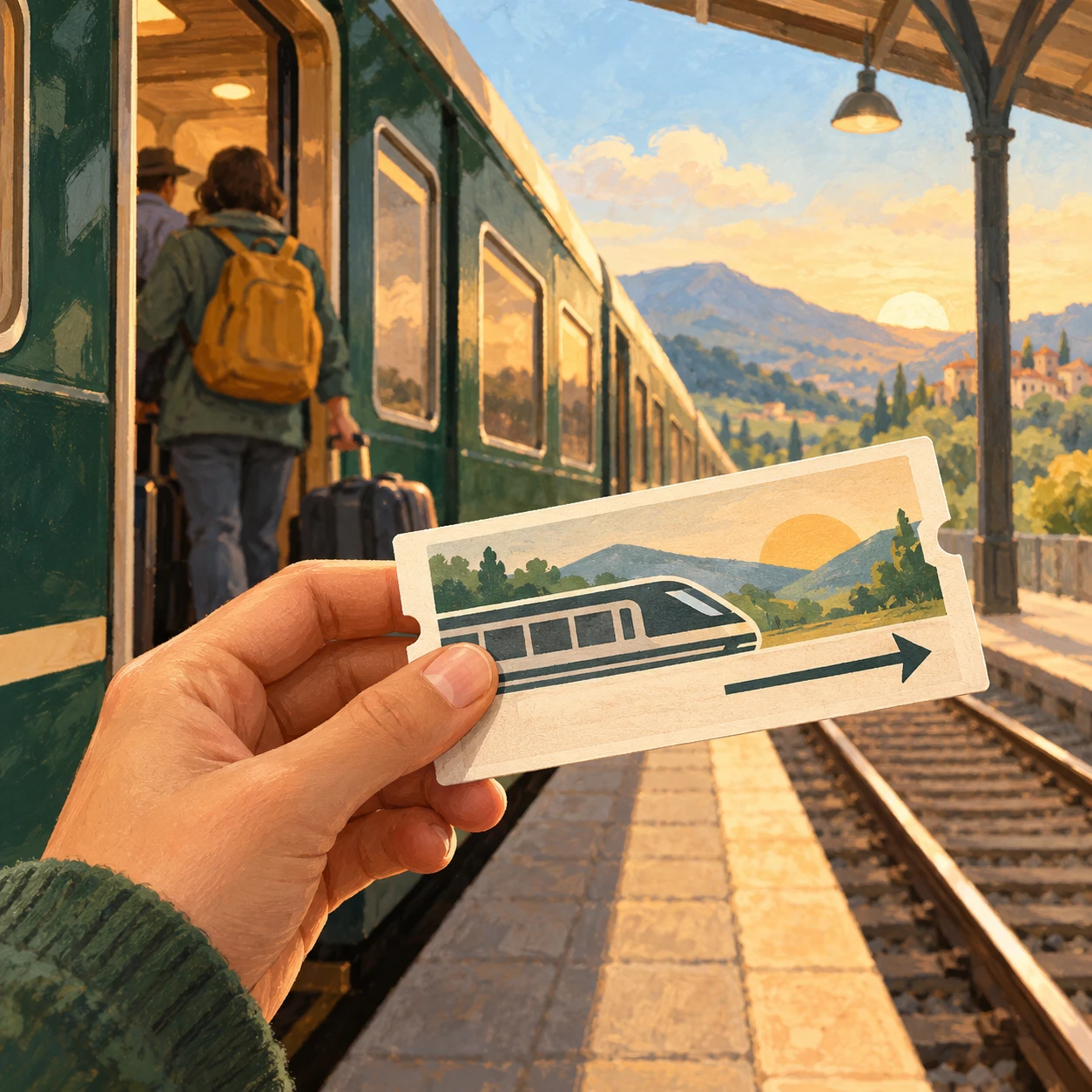
Look at “train ticket for a journey in one direction only”. Here we need “A ticket for a journey in one direction only”: “single ticket”. Separate the journey’s price from a ticket, and a one-way ticket from a there-and-back ticket. A boarding pass gives entry to a particular flight. Completed sentence: “I am buying a train ticket for a journey in one direction only, with no return journey included. I need a single ticket.” / “I am travelling only one way and not coming back. I need a single ticket.”.

R01 · New contexts

After checking in, I receive the document with my flight seat and gate: my ___.

Choose the option that completes the gap in this situation.

  1. return ticket
  2. boarding pass
  3. single ticket
  4. fare
Answer & explanation
boarding pass

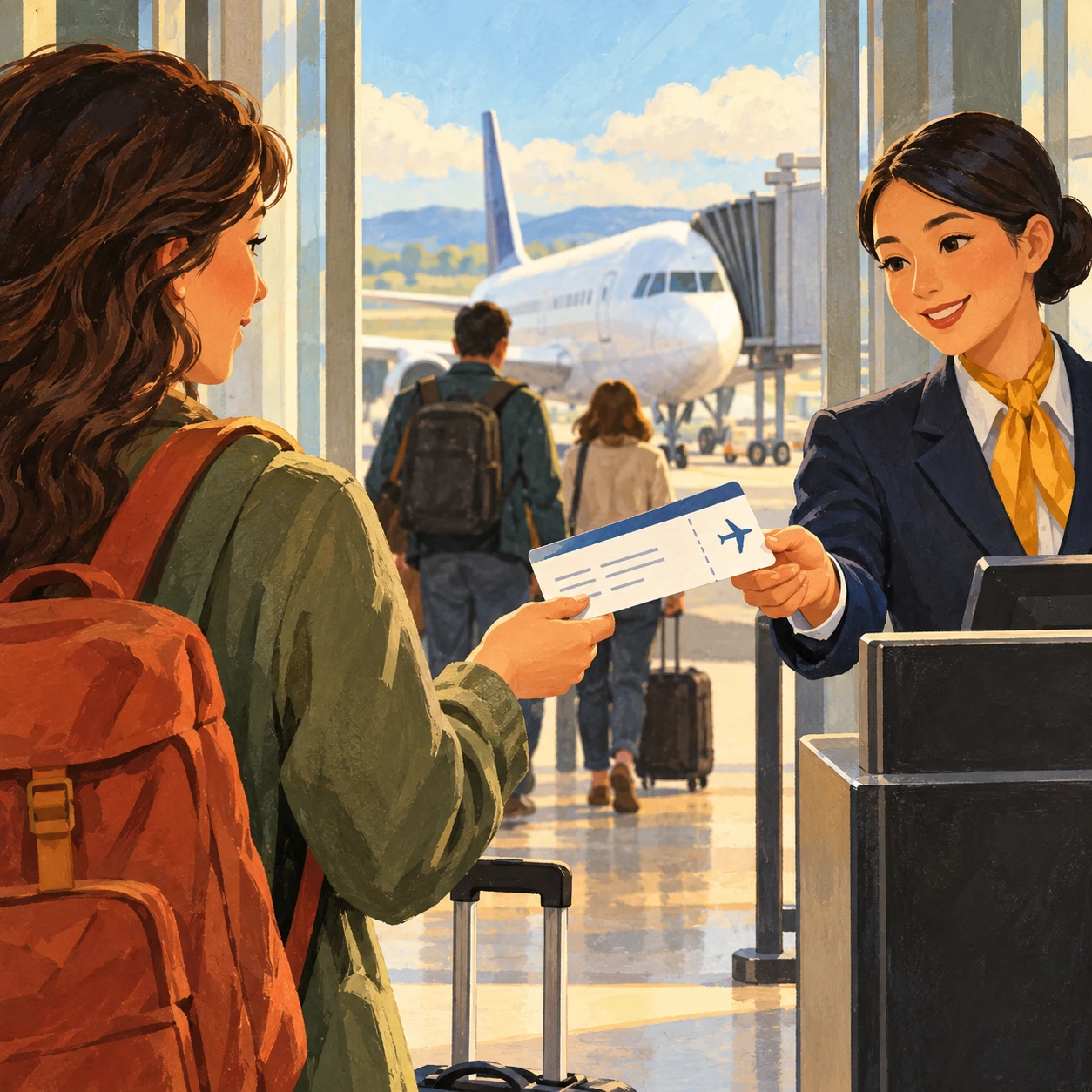
Look at “flight seat and gate”. Here we need “A document that allows a passenger to board a plane after check-in”: “boarding pass”. Separate the journey’s price from a ticket, and a one-way ticket from a there-and-back ticket. A boarding pass gives entry to a particular flight. Completed sentence: “After checking in, I receive the document with my flight seat and gate: my boarding pass.”.

R02 · New contexts

The plane reaches our airport at ten. Its ___ time is ten.

Choose the option that completes the gap in this situation.

  1. platform
  2. departure
  3. arrival
  4. delay
Answer & explanation
arrival

Look at “plane reaches”. Here we need “The act or time of reaching a place”: “arrival”. Leaving, reaching a destination and being late are different events. A platform is a place, not a time event. Completed sentence: “The plane reaches our airport at ten. Its arrival time is ten.”.

R03 · New contexts

I pack clothes in one large rectangular case with a handle: a ___.

Choose the option that completes the gap in this situation.

  1. passport
  2. passenger
  3. suitcase
  4. luggage
Answer & explanation
suitcase

Look at “one large rectangular case”. Here we need “A large case with a handle used for carrying clothes when travelling”: “suitcase”. Distinguish bags as a whole, one case, an identity document and the person travelling. Completed sentence: “I pack clothes in one large rectangular case with a handle: a suitcase.”.

X01 · A fresh challenge

The train is forty minutes late. There is a forty-minute ___.

Choose the option that completes the gap in this situation.

  1. arrival
  2. delay
  3. platform
  4. departure
Answer & explanation
delay

Look at “forty minutes late”. Here we need “A period of waiting because something happens later than planned”: “delay”. Leaving, reaching a destination and being late are different events. A platform is a place, not a time event. Completed sentence: “The train is forty minutes late. There is a forty-minute delay.”.

X02 · A fresh challenge

A person travelling in a vehicle but not driving it is a ___.

Choose the option that completes the gap in this situation.

  1. passport
  2. passenger
  3. suitcase
  4. luggage
Answer & explanation
passenger

Look at “not driving”. Here we need “Someone travelling in a vehicle who is not its driver”: “passenger”. Distinguish bags as a whole, one case, an identity document and the person travelling. Completed sentence: “A person travelling in a vehicle but not driving it is a passenger.”.

R04 · New contexts

On this bus, children pay a lower ___ than adults.

Choose the option that completes the gap in this situation.

  1. boarding pass
  2. return ticket
  3. fare
  4. single ticket
Answer & explanation
fare

Look at “children pay a lower”. Here we need “The price paid for a journey on public transport”: “fare”. Separate the journey’s price from a ticket, and a one-way ticket from a there-and-back ticket. A boarding pass gives entry to a particular flight. Completed sentence: “On this bus, children pay a lower fare than adults.”.

R05 · New contexts

The passengers wait beside the railway track on the ___.

Choose the option that completes the gap in this situation.

  1. departure
  2. delay
  3. arrival
  4. platform
Answer & explanation
platform

Look at “beside the railway track”. Here we need “The area beside a railway track where passengers board”: “platform”. Leaving, reaching a destination and being late are different events. A platform is a place, not a time event. Completed sentence: “The passengers wait beside the railway track on the platform.”.

R06 · New contexts

All the bags and cases you take on a trip are your ___.

Choose the option that completes the gap in this situation.

  1. suitcase
  2. luggage
  3. passport
  4. passenger
Answer & explanation
luggage

Look at “All the bags and cases”. Here we need “Bags and cases taken on a journey”: “luggage”. Distinguish bags as a whole, one case, an identity document and the person travelling. Completed sentence: “All the bags and cases you take on a trip are your luggage.”.

R07 · New contexts

I need one train ticket for the journey there and back. I buy a ___.

Choose the option that completes the gap in this situation.

  1. return ticket
  2. single ticket
  3. boarding pass
  4. fare
Answer & explanation
return ticket

Look at “there and back”. Here we need “A ticket for a journey to a place and back”: “return ticket”. Separate the journey’s price from a ticket, and a one-way ticket from a there-and-back ticket. A boarding pass gives entry to a particular flight. Completed sentence: “I need one train ticket for the journey there and back. I buy a return ticket.”.

R08 · New contexts

The plane leaves at 14:10. The board shows 14:10 as its ___ time.

Choose the option that completes the gap in this situation.

  1. delay
  2. platform
  3. arrival
  4. departure
Answer & explanation
departure

Look at “plane leaves”. Here we need “The act or time of leaving a place”: “departure”. Leaving, reaching a destination and being late are different events. A platform is a place, not a time event. Completed sentence: “The plane leaves at 14:10. The board shows 14:10 as its departure time.”.

R09 · New contexts

At the border, I show the official document with my photo and nationality: my ___.

Choose the option that completes the gap in this situation.

  1. luggage
  2. passport
  3. passenger
  4. suitcase
Answer & explanation
passport

Look at “photo and nationality”. Here we need “An official identity document for international travel”: “passport”. Distinguish bags as a whole, one case, an identity document and the person travelling. Completed sentence: “At the border, I show the official document with my photo and nationality: my passport.”.

X03 · A fresh challenge

I am buying a train ticket for one journey to my destination, with no journey back included. I buy a ___.

Choose the option that completes the gap in this situation.

  1. single ticket
  2. boarding pass
  3. return ticket
  4. fare
Answer & explanation
single ticket

Look at “train ticket for one journey to my destination”. Here we need “A ticket for a journey in one direction only”: “single ticket”. Separate the journey’s price from a ticket, and a one-way ticket from a there-and-back ticket. A boarding pass gives entry to a particular flight. Completed sentence: “I am buying a train ticket for one journey to my destination, with no journey back included. I buy a single ticket.” / “I am only travelling one way. I buy a single ticket.”.

X04 · A fresh challenge

After checking in, I receive the document with my seat number that lets me enter the plane: my ___.

Choose the option that completes the gap in this situation.

  1. boarding pass
  2. single ticket
  3. return ticket
  4. fare
Answer & explanation
boarding pass

Look at “seat number”. Here we need “A document that allows a passenger to board a plane after check-in”: “boarding pass”. Separate the journey’s price from a ticket, and a one-way ticket from a there-and-back ticket. A boarding pass gives entry to a particular flight. Completed sentence: “After checking in, I receive the document with my seat number that lets me enter the plane: my boarding pass.”.

X05 · A fresh challenge

Our train reaches its final station at 17:30. Its ___ time is 17:30.

Choose the option that completes the gap in this situation.

  1. departure
  2. delay
  3. arrival
  4. platform
Answer & explanation
arrival

Look at “reaches its final station”. Here we need “The act or time of reaching a place”: “arrival”. Leaving, reaching a destination and being late are different events. A platform is a place, not a time event. Completed sentence: “Our train reaches its final station at 17:30. Its arrival time is 17:30.”.

X06 · A fresh challenge

I pack my clothes into a large rectangular ___ with wheels and a handle.

Choose the option that completes the gap in this situation.

  1. luggage
  2. passenger
  3. passport
  4. suitcase
Answer & explanation
suitcase

Look at “wheels and a handle”. Here we need “A large case with a handle used for carrying clothes when travelling”: “suitcase”. Distinguish bags as a whole, one case, an identity document and the person travelling. Completed sentence: “I pack my clothes into a large rectangular suitcase with wheels and a handle.”.

X07 · A fresh challenge

The train is twenty minutes late. There is a twenty-minute ___.

Choose the option that completes the gap in this situation.

  1. delay
  2. arrival
  3. platform
  4. departure
Answer & explanation
delay

Look at “twenty minutes late”. Here we need “A period of waiting because something happens later than planned”: “delay”. Leaving, reaching a destination and being late are different events. A platform is a place, not a time event. Completed sentence: “The train is twenty minutes late. There is a twenty-minute delay.”.

X08 · A fresh challenge

I am travelling on the bus, but I am not driving it. I am a ___.

Choose the option that completes the gap in this situation.

  1. passenger
  2. passport
  3. suitcase
  4. luggage
Answer & explanation
passenger

Look at “not driving”. Here we need “Someone travelling in a vehicle who is not its driver”: “passenger”. Distinguish bags as a whole, one case, an identity document and the person travelling. Completed sentence: “I am travelling on the bus, but I am not driving it. I am a passenger.”.