A2

Reisen und Verkehr Übungen

Über diese Lektion

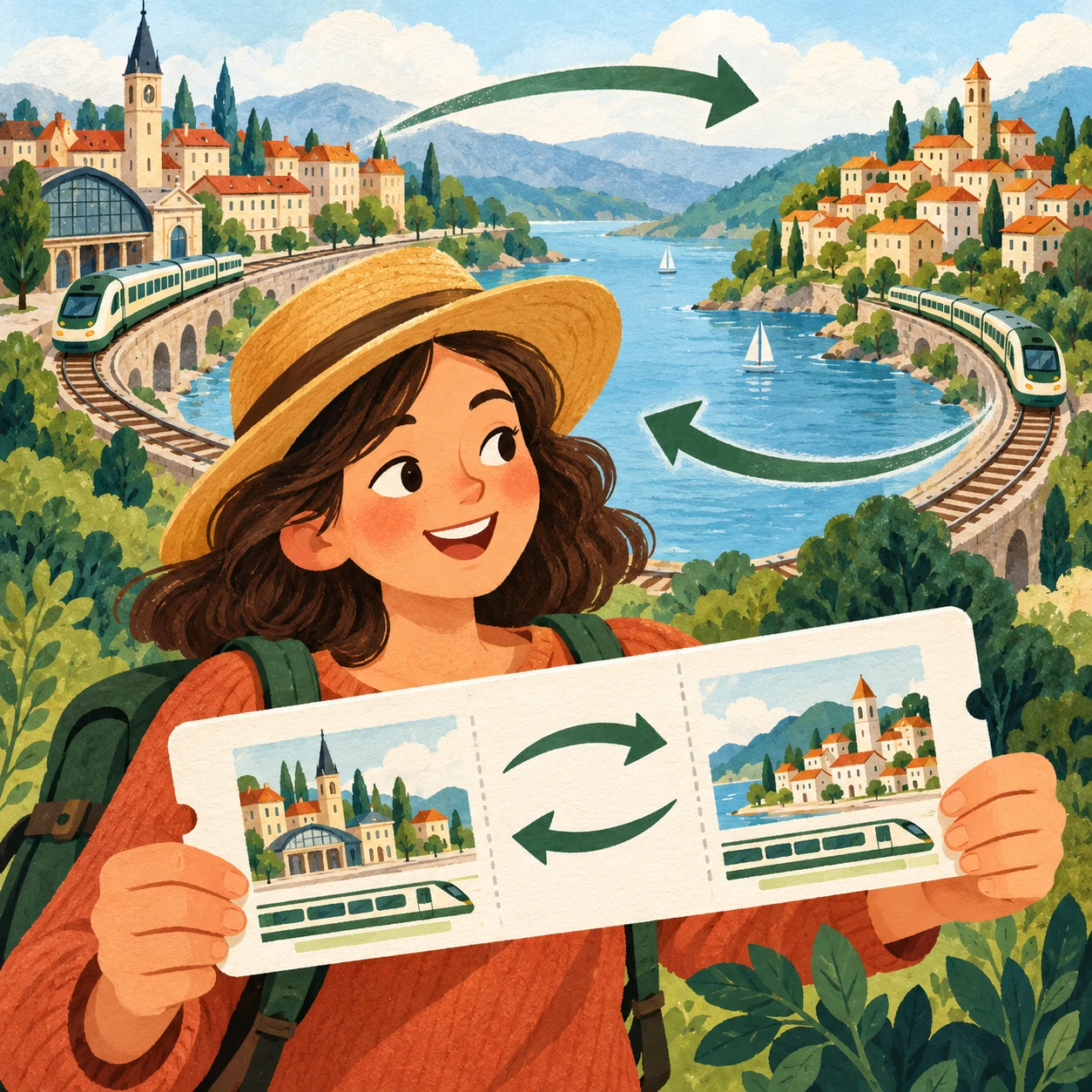
Reisen und Verkehr · A2. Unterscheide diese Bedeutungen anhand der Situation: fare = Fahrpreis; return ticket = Rückfahrkarte; single ticket = einfache Fahrkarte; boarding pass = Bordkarte.

Übe Reisen und Verkehr in kurzen Situationen. Lies den Hinweis, wähle oder schreibe eine Form und prüfe die Begründung. Die Stufe dient der redaktionellen Orientierung. Erkunde 12 Lernkarten und 24 Kontextfragen, einschließlich neuer Wiederholungs- und Transferaufgaben.

24 Aufgaben
Speichere es für deine Sammlung.
Wortschatz

Lernkarten

1/12
fare
fare
A2
01 / 12
Speichere es für deine Sammlung.

fare

Fahrpreis

The price paid for a journey on public transport.

Im Satz

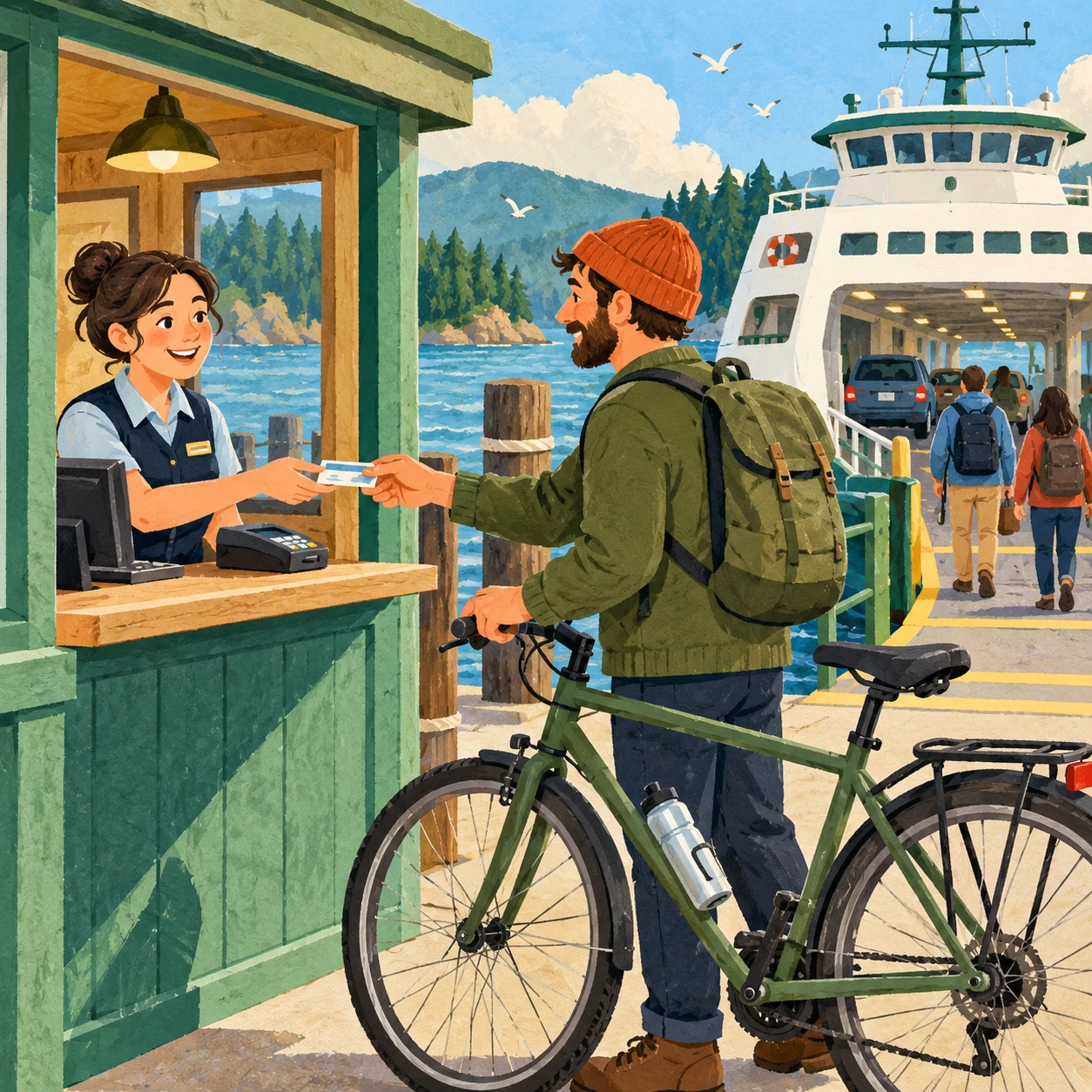
The ferry fare includes one bicycle.

Der Fährpreis beinhaltet ein Fahrrad.

Nützliche Wortverbindungen
pay the farea bus fare

Wortformen & Wortfamilie

fares (n.)

Ähnliche Bedeutungen & Umschreibungen

travel charge

Diese Angaben beziehen sich auf diese Bedeutung. Verwandte Wörter können andere Bedeutungen haben; ähnliche Ausdrücke sind nicht immer austauschbar.

Verwende „fare“ für Fahrpreis. Vergleiche „return ticket“ (Rückfahrkarte); die Bedeutungen sind verschieden.

0 Gespeicherte Wörter

Erst ein wenig Klarheit

Fahrpreis · Rückfahrkarte · einfache Fahrkarte · Bordkarte

Unterscheide diese Bedeutungen anhand der Situation: fare = Fahrpreis; return ticket = Rückfahrkarte; single ticket = einfache Fahrkarte; boarding pass = Bordkarte.

The amount you pay for a bus journey is the fare.
Bahnsteig · Abfahrt · Ankunft · Verspätung

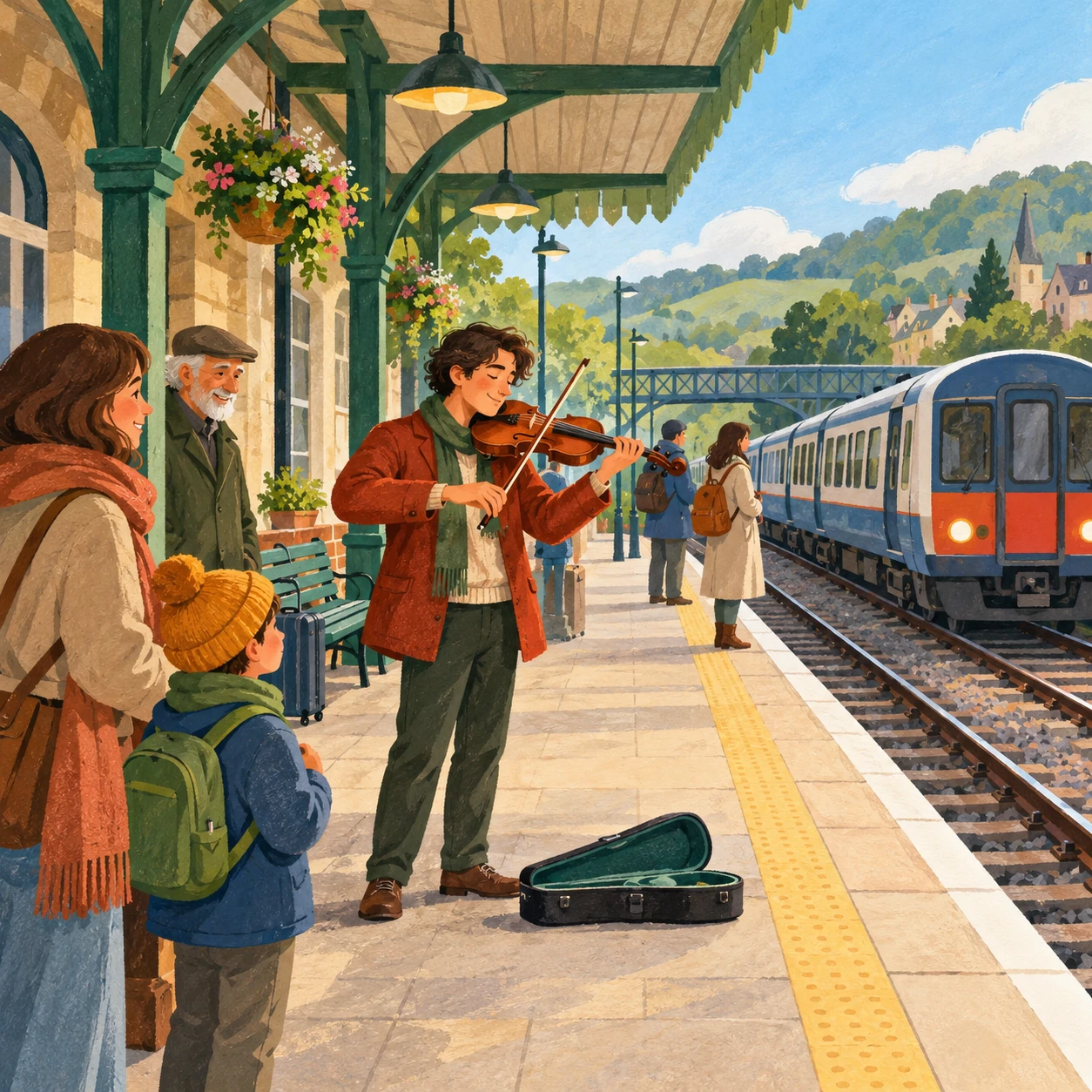
Unterscheide diese Bedeutungen anhand der Situation: platform = Bahnsteig; departure = Abfahrt; arrival = Ankunft; delay = Verspätung.

At the station, the raised area beside the train track is the platform.

Gepäck · Reisepass · Koffer · Fahrgast

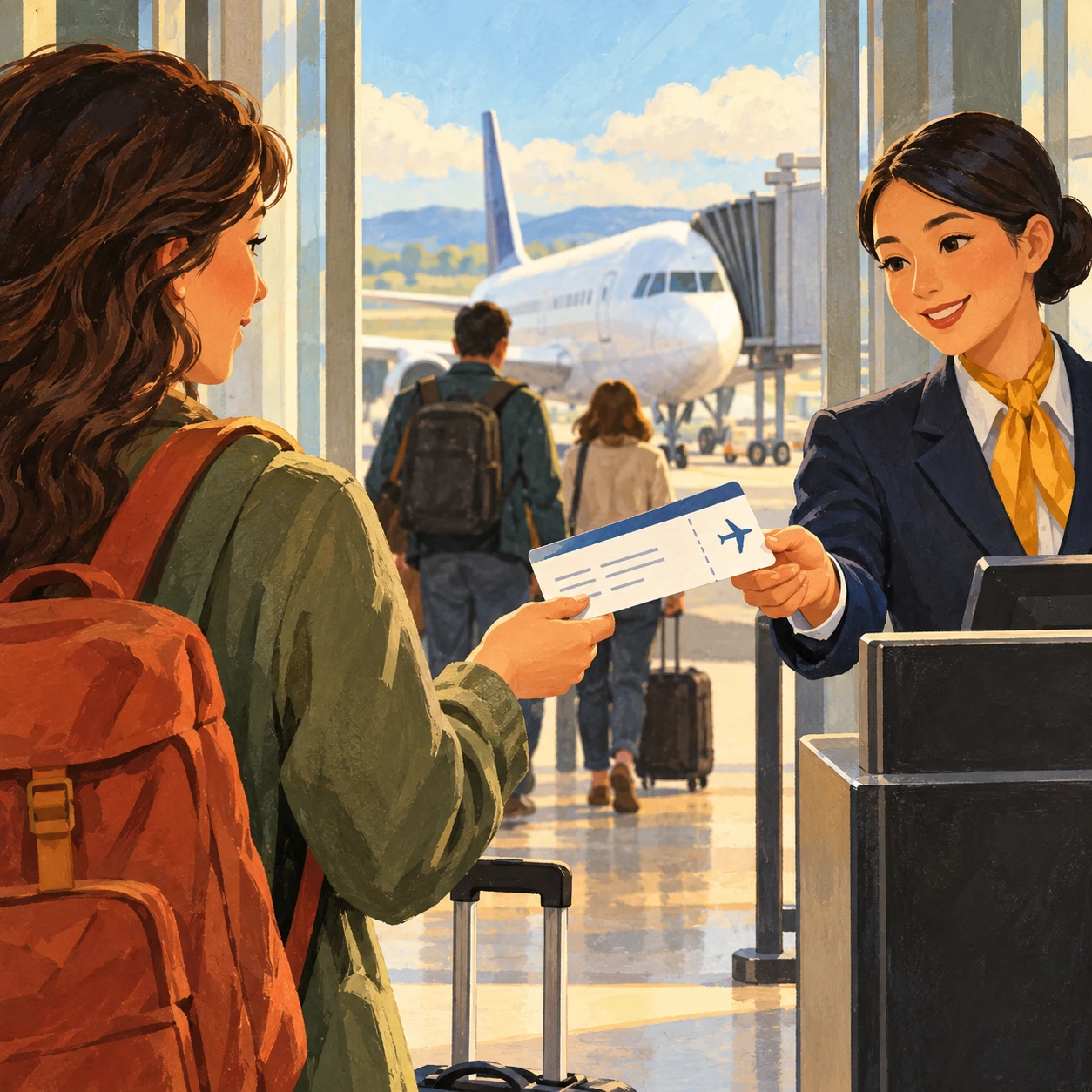
Unterscheide diese Bedeutungen anhand der Situation: luggage = Gepäck; passport = Reisepass; suitcase = Koffer; passenger = Fahrgast.

The general uncountable word for the bags we take on a trip is luggage.

0/24
Aufgaben
01 / 24D01Speichere es für deine Sammlung.

The amount you pay for a bus journey is the ___.

Choose the option that completes the gap in this situation.

Deine Antwort
1 / 24

Dein Lernweg

01
Schritt 1 · Einstieg

Einstieg

0/3
02
Schritt 2 · Gezielt üben

Fahrpreis · Rückfahrkarte · einfache Fahrkarte · Bordkarte

0/2

Unterscheide diese Bedeutungen anhand der Situation: fare = Fahrpreis; return ticket = Rückfahrkarte; single ticket = einfache Fahrkarte; boarding pass = Bordkarte.

The amount you pay for a bus journey is the fare.

03
Schritt 3 · Gezielt üben

Bahnsteig · Abfahrt · Ankunft · Verspätung

0/1

Unterscheide diese Bedeutungen anhand der Situation: platform = Bahnsteig; departure = Abfahrt; arrival = Ankunft; delay = Verspätung.

At the station, the raised area beside the train track is the platform.
04
Schritt 4 · Gezielt üben

Gepäck · Reisepass · Koffer · Fahrgast

0/1

Unterscheide diese Bedeutungen anhand der Situation: luggage = Gepäck; passport = Reisepass; suitcase = Koffer; passenger = Fahrgast.

The general uncountable word for the bags we take on a trip is luggage.
05
Schritt 5 · Neue Situationen

Neue Situationen

0/9
06
Schritt 6 · Neue Herausforderung

Neue Herausforderung

0/8
Lernnotizen dieser Einheit

Aus Fehlern lernen.

Bewahre den ersten Versuch. Verstehe die Änderung. Prüfe sie in einer neuen Situation.

0

Noch keine Lernnotizen. Starte mit einem kurzen Einstieg.

Fragen & Antworten

Das Öffnen einer Antwort wird für diese Aufgabe als Hilfe erfasst.

D01 · Einstieg

The amount you pay for a bus journey is the ___.

Choose the option that completes the gap in this situation.

  1. single ticket
  2. return ticket
  3. fare
  4. boarding pass
Antwort und Erklärung
fare

Achte auf „amount you pay“. Hier ist „Fahrpreis“ gemeint: „fare“. Unterscheide Fahrpreis und Fahrschein sowie einfache und Hin-und-Rückfahrt. Eine Bordkarte erlaubt den Zugang zu einem bestimmten Flug. Vollständiger Satz: „The amount you pay for a bus journey is the fare.“.

D02 · Einstieg

At the station, the raised area beside the train track is the ___.

Choose the option that completes the gap in this situation.

  1. delay
  2. departure
  3. platform
  4. arrival
Antwort und Erklärung
platform

Achte auf „beside the train track“. Hier ist „Bahnsteig“ gemeint: „platform“. Abfahren, Ankommen und Verspätung sind verschieden. Ein Bahnsteig ist ein Ort, kein Zeitereignis. Vollständiger Satz: „At the station, the raised area beside the train track is the platform.“.

D03 · Einstieg

The general uncountable word for the bags we take on a trip is ___.

Choose the option that completes the gap in this situation.

  1. passport
  2. passenger
  3. suitcase
  4. luggage
Antwort und Erklärung
luggage

Achte auf „general uncountable word“. Hier ist „Gepäck“ gemeint: „luggage“. Unterscheide Gepäck insgesamt, einen Koffer, ein Identitätsdokument und die reisende Person. Vollständiger Satz: „The general uncountable word for the bags we take on a trip is luggage.“.

P01 · Gezielt üben

I need a ticket to go to York and come back: a ___.

Choose the option that completes the gap in this situation.

  1. return ticket
  2. boarding pass
  3. single ticket
  4. fare
Antwort und Erklärung
return ticket

Achte auf „go to York and come back“. Hier ist „Rückfahrkarte“ gemeint: „return ticket“. Unterscheide Fahrpreis und Fahrschein sowie einfache und Hin-und-Rückfahrt. Eine Bordkarte erlaubt den Zugang zu einem bestimmten Flug. Vollständiger Satz: „I need a ticket to go to York and come back: a return ticket.“.

P02 · Gezielt üben

The train leaves at six. Its ___ time is six.

Choose the option that completes the gap in this situation.

  1. platform
  2. delay
  3. arrival
  4. departure
Antwort und Erklärung
departure

Achte auf „train leaves“. Hier ist „Abfahrt“ gemeint: „departure“. Abfahren, Ankommen und Verspätung sind verschieden. Ein Bahnsteig ist ein Ort, kein Zeitereignis. Vollständiger Satz: „The train leaves at six. Its departure time is six.“.

P03 · Gezielt üben

This official document identifies you when you cross national borders: a ___.

Choose the option that completes the gap in this situation.

  1. suitcase
  2. passenger
  3. passport
  4. luggage
Antwort und Erklärung
passport

Achte auf „official document“. Hier ist „Reisepass“ gemeint: „passport“. Unterscheide Gepäck insgesamt, einen Koffer, ein Identitätsdokument und die reisende Person. Vollständiger Satz: „This official document identifies you when you cross national borders: a passport.“.

P04 · Gezielt üben

I am buying a train ticket for a journey in one direction only, with no return journey included. I need a ___.

Choose the option that completes the gap in this situation.

  1. single ticket
  2. boarding pass
  3. fare
  4. return ticket
Antwort und Erklärung
single ticket

Achte auf „train ticket for a journey in one direction only“. Hier ist „einfache Fahrkarte“ gemeint: „single ticket“. Unterscheide Fahrpreis und Fahrschein sowie einfache und Hin-und-Rückfahrt. Eine Bordkarte erlaubt den Zugang zu einem bestimmten Flug. Vollständiger Satz: „I am buying a train ticket for a journey in one direction only, with no return journey included. I need a single ticket.” / “I am travelling only one way and not coming back. I need a single ticket.“.

R01 · Neue Situationen

After checking in, I receive the document with my flight seat and gate: my ___.

Choose the option that completes the gap in this situation.

  1. return ticket
  2. boarding pass
  3. single ticket
  4. fare
Antwort und Erklärung
boarding pass

Achte auf „flight seat and gate“. Hier ist „Bordkarte“ gemeint: „boarding pass“. Unterscheide Fahrpreis und Fahrschein sowie einfache und Hin-und-Rückfahrt. Eine Bordkarte erlaubt den Zugang zu einem bestimmten Flug. Vollständiger Satz: „After checking in, I receive the document with my flight seat and gate: my boarding pass.“.

R02 · Neue Situationen

The plane reaches our airport at ten. Its ___ time is ten.

Choose the option that completes the gap in this situation.

  1. platform
  2. departure
  3. arrival
  4. delay
Antwort und Erklärung
arrival

Achte auf „plane reaches“. Hier ist „Ankunft“ gemeint: „arrival“. Abfahren, Ankommen und Verspätung sind verschieden. Ein Bahnsteig ist ein Ort, kein Zeitereignis. Vollständiger Satz: „The plane reaches our airport at ten. Its arrival time is ten.“.

R03 · Neue Situationen

I pack clothes in one large rectangular case with a handle: a ___.

Choose the option that completes the gap in this situation.

  1. passport
  2. passenger
  3. suitcase
  4. luggage
Antwort und Erklärung
suitcase

Achte auf „one large rectangular case“. Hier ist „Koffer“ gemeint: „suitcase“. Unterscheide Gepäck insgesamt, einen Koffer, ein Identitätsdokument und die reisende Person. Vollständiger Satz: „I pack clothes in one large rectangular case with a handle: a suitcase.“.

X01 · Neue Herausforderung

The train is forty minutes late. There is a forty-minute ___.

Choose the option that completes the gap in this situation.

  1. arrival
  2. delay
  3. platform
  4. departure
Antwort und Erklärung
delay

Achte auf „forty minutes late“. Hier ist „Verspätung“ gemeint: „delay“. Abfahren, Ankommen und Verspätung sind verschieden. Ein Bahnsteig ist ein Ort, kein Zeitereignis. Vollständiger Satz: „The train is forty minutes late. There is a forty-minute delay.“.

X02 · Neue Herausforderung

A person travelling in a vehicle but not driving it is a ___.

Choose the option that completes the gap in this situation.

  1. passport
  2. passenger
  3. suitcase
  4. luggage
Antwort und Erklärung
passenger

Achte auf „not driving“. Hier ist „Fahrgast“ gemeint: „passenger“. Unterscheide Gepäck insgesamt, einen Koffer, ein Identitätsdokument und die reisende Person. Vollständiger Satz: „A person travelling in a vehicle but not driving it is a passenger.“.

R04 · Neue Situationen

On this bus, children pay a lower ___ than adults.

Choose the option that completes the gap in this situation.

  1. boarding pass
  2. return ticket
  3. fare
  4. single ticket
Antwort und Erklärung
fare

Achte auf „children pay a lower“. Hier ist „Fahrpreis“ gemeint: „fare“. Unterscheide Fahrpreis und Fahrschein sowie einfache und Hin-und-Rückfahrt. Eine Bordkarte erlaubt den Zugang zu einem bestimmten Flug. Vollständiger Satz: „On this bus, children pay a lower fare than adults.“.

R05 · Neue Situationen

The passengers wait beside the railway track on the ___.

Choose the option that completes the gap in this situation.

  1. departure
  2. delay
  3. arrival
  4. platform
Antwort und Erklärung
platform

Achte auf „beside the railway track“. Hier ist „Bahnsteig“ gemeint: „platform“. Abfahren, Ankommen und Verspätung sind verschieden. Ein Bahnsteig ist ein Ort, kein Zeitereignis. Vollständiger Satz: „The passengers wait beside the railway track on the platform.“.

R06 · Neue Situationen

All the bags and cases you take on a trip are your ___.

Choose the option that completes the gap in this situation.

  1. suitcase
  2. luggage
  3. passport
  4. passenger
Antwort und Erklärung
luggage

Achte auf „All the bags and cases“. Hier ist „Gepäck“ gemeint: „luggage“. Unterscheide Gepäck insgesamt, einen Koffer, ein Identitätsdokument und die reisende Person. Vollständiger Satz: „All the bags and cases you take on a trip are your luggage.“.

R07 · Neue Situationen

I need one train ticket for the journey there and back. I buy a ___.

Choose the option that completes the gap in this situation.

  1. return ticket
  2. single ticket
  3. boarding pass
  4. fare
Antwort und Erklärung
return ticket

Achte auf „there and back“. Hier ist „Rückfahrkarte“ gemeint: „return ticket“. Unterscheide Fahrpreis und Fahrschein sowie einfache und Hin-und-Rückfahrt. Eine Bordkarte erlaubt den Zugang zu einem bestimmten Flug. Vollständiger Satz: „I need one train ticket for the journey there and back. I buy a return ticket.“.

R08 · Neue Situationen

The plane leaves at 14:10. The board shows 14:10 as its ___ time.

Choose the option that completes the gap in this situation.

  1. delay
  2. platform
  3. arrival
  4. departure
Antwort und Erklärung
departure

Achte auf „plane leaves“. Hier ist „Abfahrt“ gemeint: „departure“. Abfahren, Ankommen und Verspätung sind verschieden. Ein Bahnsteig ist ein Ort, kein Zeitereignis. Vollständiger Satz: „The plane leaves at 14:10. The board shows 14:10 as its departure time.“.

R09 · Neue Situationen

At the border, I show the official document with my photo and nationality: my ___.

Choose the option that completes the gap in this situation.

  1. luggage
  2. passport
  3. passenger
  4. suitcase
Antwort und Erklärung
passport

Achte auf „photo and nationality“. Hier ist „Reisepass“ gemeint: „passport“. Unterscheide Gepäck insgesamt, einen Koffer, ein Identitätsdokument und die reisende Person. Vollständiger Satz: „At the border, I show the official document with my photo and nationality: my passport.“.

X03 · Neue Herausforderung

I am buying a train ticket for one journey to my destination, with no journey back included. I buy a ___.

Choose the option that completes the gap in this situation.

  1. single ticket
  2. boarding pass
  3. return ticket
  4. fare
Antwort und Erklärung
single ticket

Achte auf „train ticket for one journey to my destination“. Hier ist „einfache Fahrkarte“ gemeint: „single ticket“. Unterscheide Fahrpreis und Fahrschein sowie einfache und Hin-und-Rückfahrt. Eine Bordkarte erlaubt den Zugang zu einem bestimmten Flug. Vollständiger Satz: „I am buying a train ticket for one journey to my destination, with no journey back included. I buy a single ticket.” / “I am only travelling one way. I buy a single ticket.“.

X04 · Neue Herausforderung

After checking in, I receive the document with my seat number that lets me enter the plane: my ___.

Choose the option that completes the gap in this situation.

  1. boarding pass
  2. single ticket
  3. return ticket
  4. fare
Antwort und Erklärung
boarding pass

Achte auf „seat number“. Hier ist „Bordkarte“ gemeint: „boarding pass“. Unterscheide Fahrpreis und Fahrschein sowie einfache und Hin-und-Rückfahrt. Eine Bordkarte erlaubt den Zugang zu einem bestimmten Flug. Vollständiger Satz: „After checking in, I receive the document with my seat number that lets me enter the plane: my boarding pass.“.

X05 · Neue Herausforderung

Our train reaches its final station at 17:30. Its ___ time is 17:30.

Choose the option that completes the gap in this situation.

  1. departure
  2. delay
  3. arrival
  4. platform
Antwort und Erklärung
arrival

Achte auf „reaches its final station“. Hier ist „Ankunft“ gemeint: „arrival“. Abfahren, Ankommen und Verspätung sind verschieden. Ein Bahnsteig ist ein Ort, kein Zeitereignis. Vollständiger Satz: „Our train reaches its final station at 17:30. Its arrival time is 17:30.“.

X06 · Neue Herausforderung

I pack my clothes into a large rectangular ___ with wheels and a handle.

Choose the option that completes the gap in this situation.

  1. luggage
  2. passenger
  3. passport
  4. suitcase
Antwort und Erklärung
suitcase

Achte auf „wheels and a handle“. Hier ist „Koffer“ gemeint: „suitcase“. Unterscheide Gepäck insgesamt, einen Koffer, ein Identitätsdokument und die reisende Person. Vollständiger Satz: „I pack my clothes into a large rectangular suitcase with wheels and a handle.“.

X07 · Neue Herausforderung

The train is twenty minutes late. There is a twenty-minute ___.

Choose the option that completes the gap in this situation.

  1. delay
  2. arrival
  3. platform
  4. departure
Antwort und Erklärung
delay

Achte auf „twenty minutes late“. Hier ist „Verspätung“ gemeint: „delay“. Abfahren, Ankommen und Verspätung sind verschieden. Ein Bahnsteig ist ein Ort, kein Zeitereignis. Vollständiger Satz: „The train is twenty minutes late. There is a twenty-minute delay.“.

X08 · Neue Herausforderung

I am travelling on the bus, but I am not driving it. I am a ___.

Choose the option that completes the gap in this situation.

  1. passenger
  2. passport
  3. suitcase
  4. luggage
Antwort und Erklärung
passenger

Achte auf „not driving“. Hier ist „Fahrgast“ gemeint: „passenger“. Unterscheide Gepäck insgesamt, einen Koffer, ein Identitätsdokument und die reisende Person. Vollständiger Satz: „I am travelling on the bus, but I am not driving it. I am a passenger.“.