A2

Voyages et transports : exercices

À propos de cette leçon

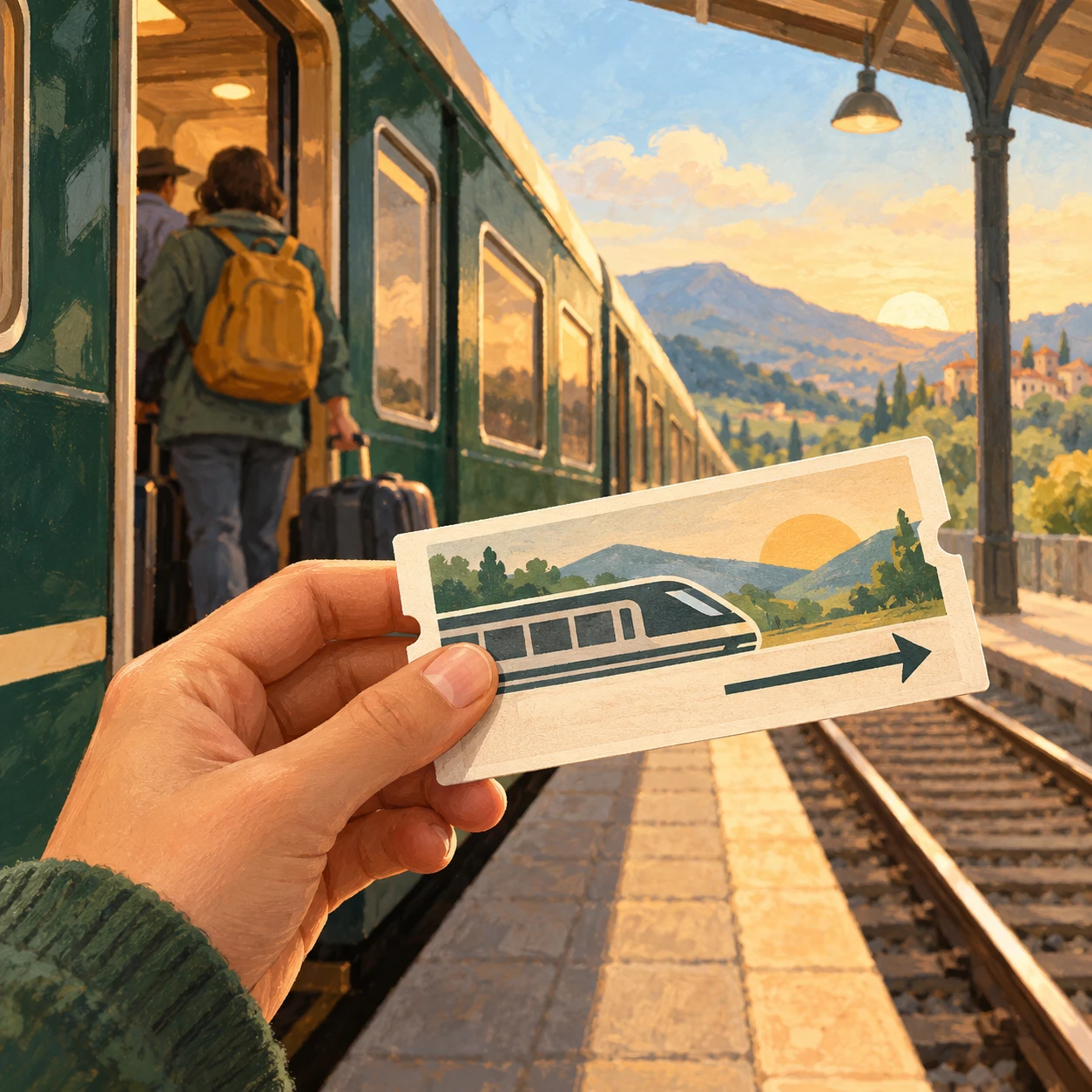
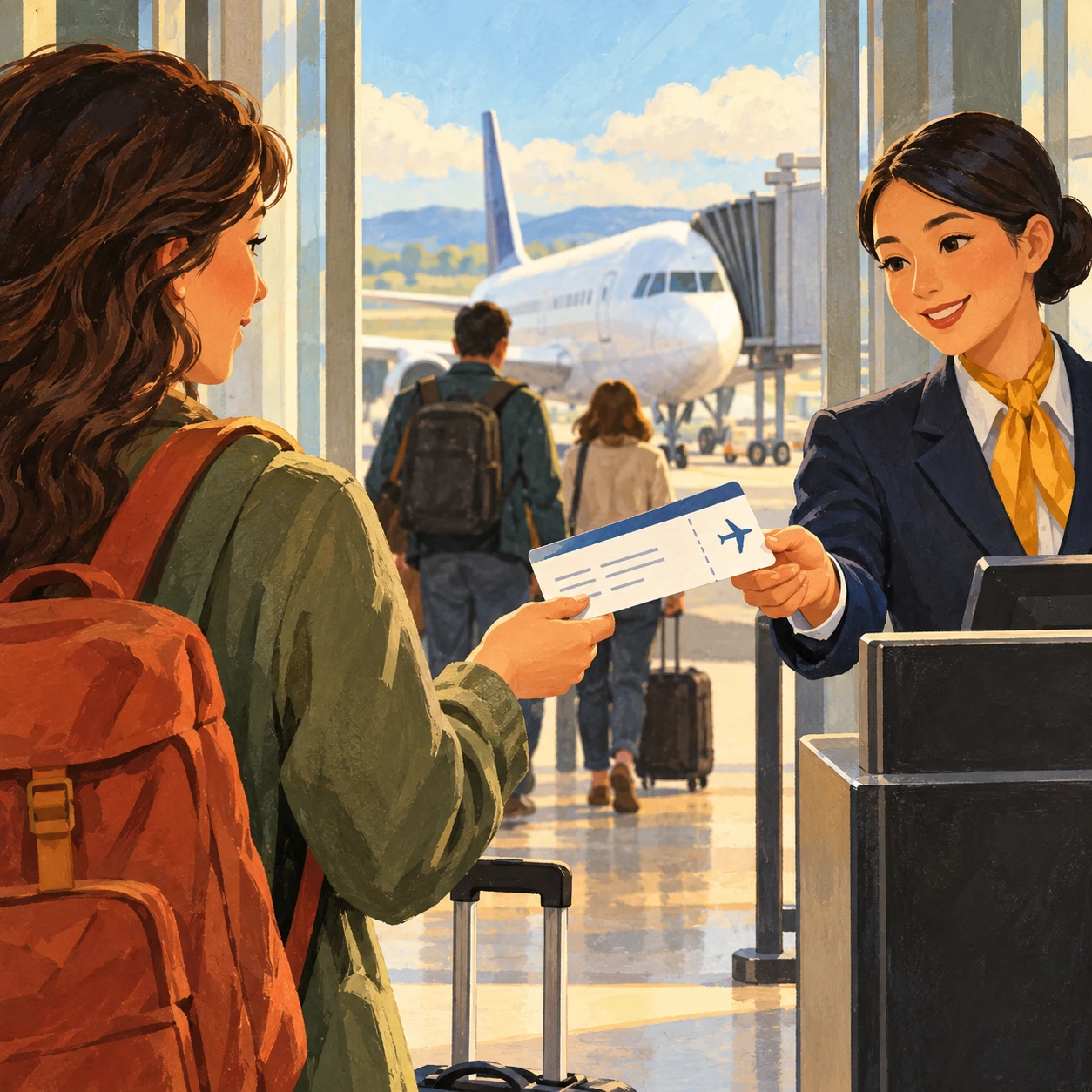
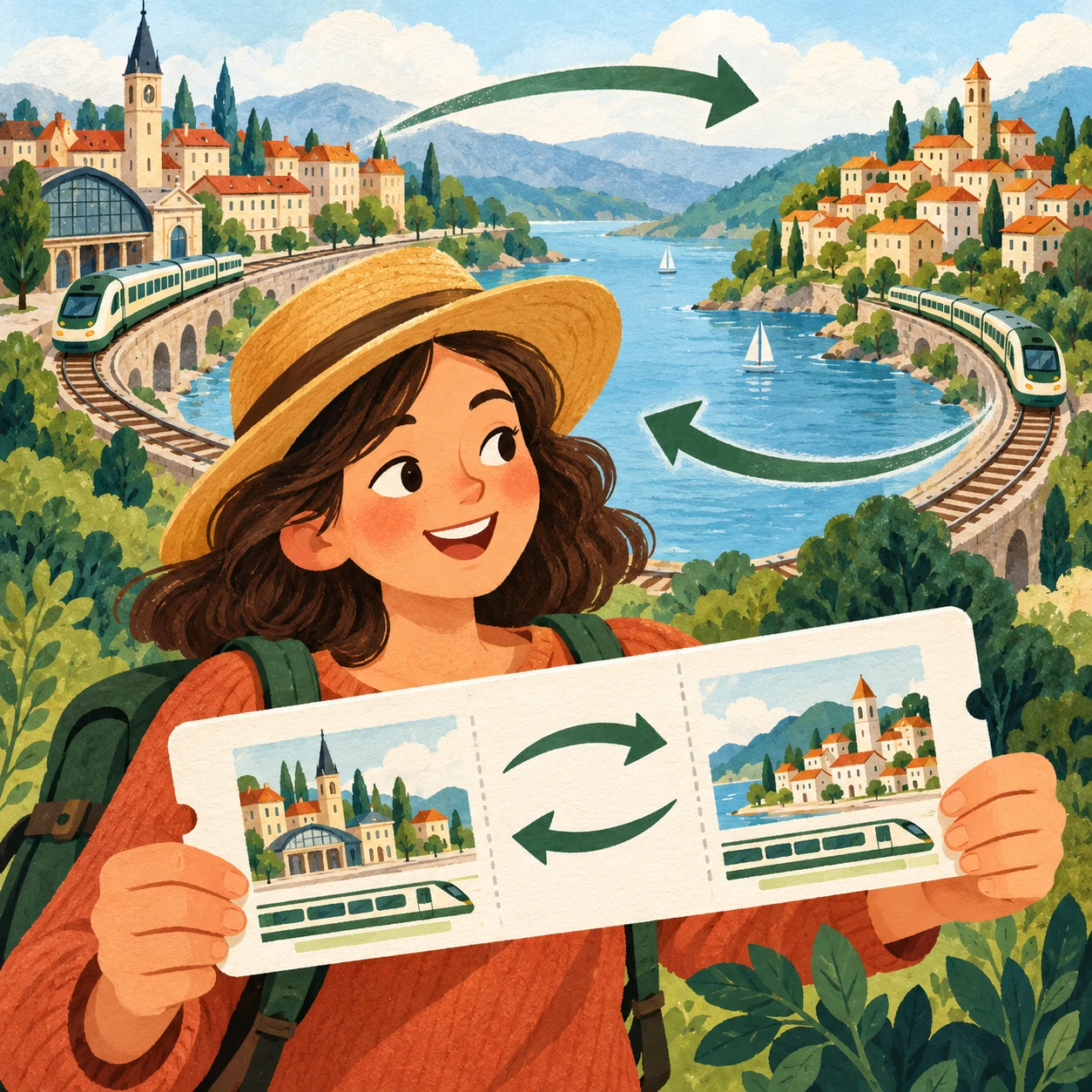
Voyages et transports · A2. Distingue ces sens à partir de la situation : fare = tarif du trajet; return ticket = billet aller-retour; single ticket = billet aller simple; boarding pass = carte d’embarquement.

Travaille Voyages et transports dans de courtes situations. Lis l’indice, choisis ou écris une forme, puis vérifie l’explication. Le niveau est une indication éditoriale. Découvre 12 fiches et 24 questions en contexte, avec de nouvelles situations de révision et de transfert.

24 questions
Retrouvez-le dans Ma collection après enregistrement.
Vocabulaire

Fiches d’apprentissage

1/12
fare
fare
A2
01 / 12
Retrouvez-le dans Ma collection après enregistrement.

fare

tarif du trajet

The price paid for a journey on public transport.

Dans une phrase

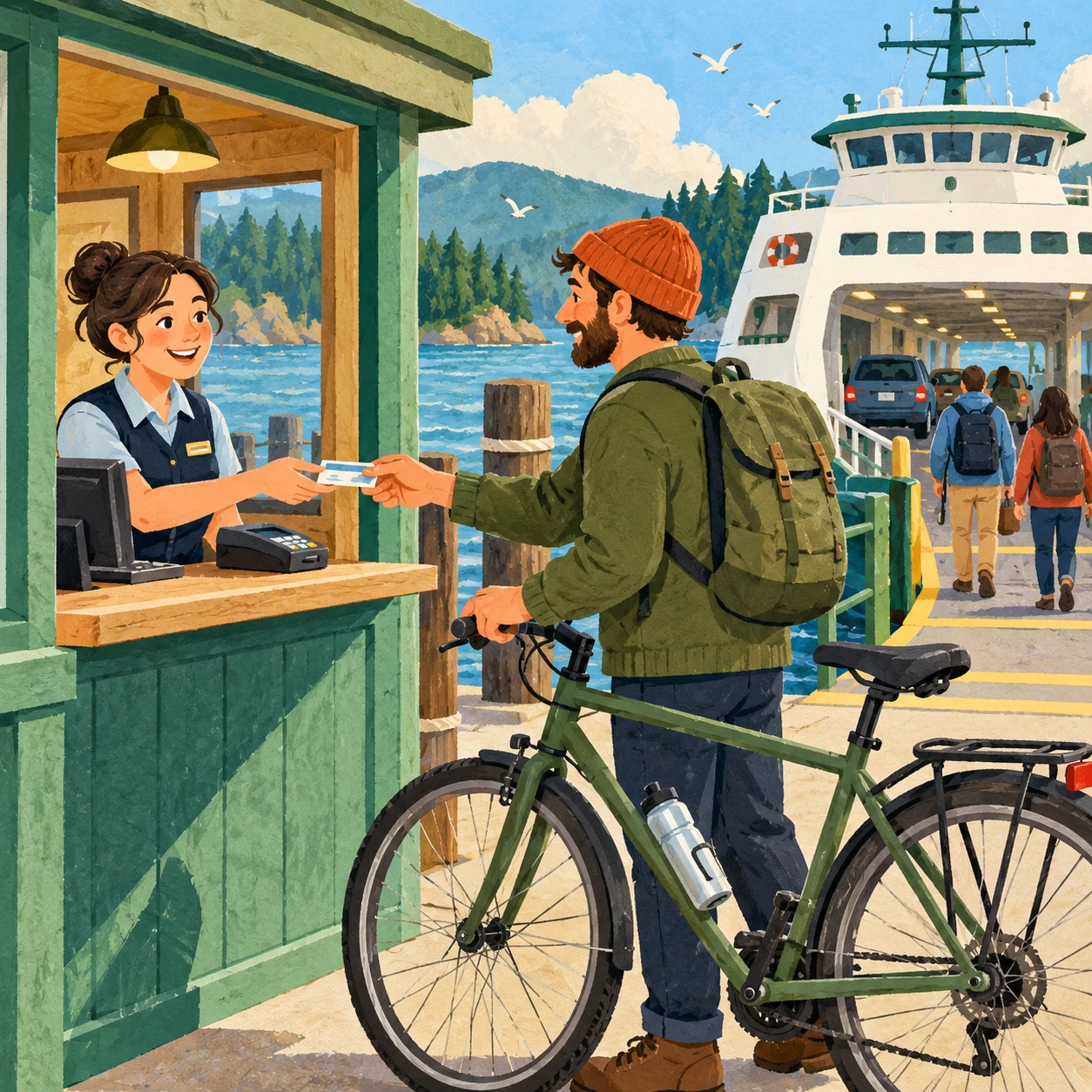
The ferry fare includes one bicycle.

Le tarif du ferry comprend un vélo.

Associations utiles
pay the farea bus fare

Formes et famille de mots

fares (n.)

Sens proches et reformulations

travel charge

Ces indications concernent ce sens. Les mots de la famille peuvent changer de sens ; les expressions proches ne sont pas toujours interchangeables.

Utilise «fare» pour tarif du trajet. Compare avec «return ticket» (billet aller-retour) : les sens diffèrent.

0 Mots enregistrés

Quelques repères

tarif du trajet · billet aller-retour · billet aller simple · carte d’embarquement

Distingue ces sens à partir de la situation : fare = tarif du trajet; return ticket = billet aller-retour; single ticket = billet aller simple; boarding pass = carte d’embarquement.

The amount you pay for a bus journey is the fare.
quai · départ · arrivée · retard

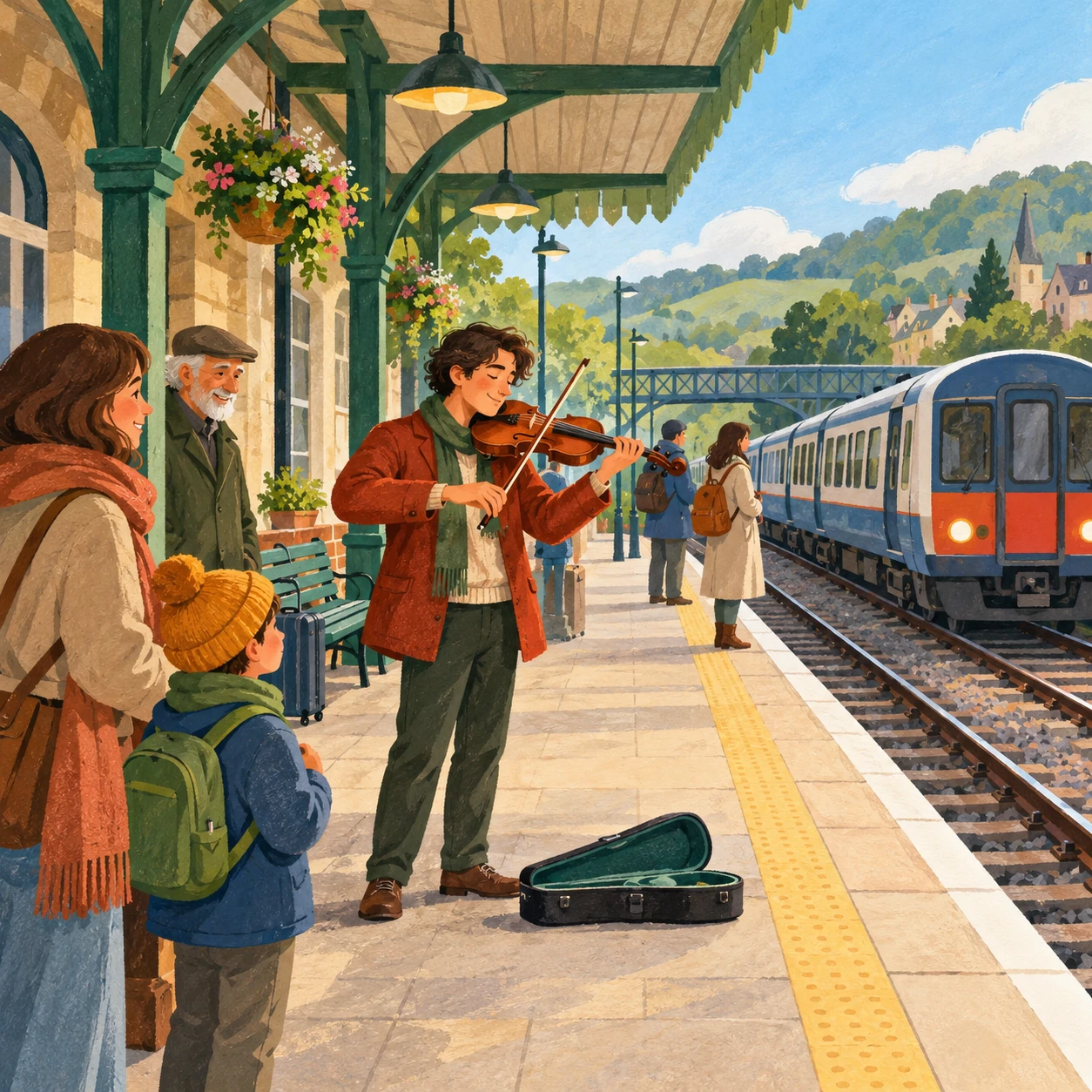
Distingue ces sens à partir de la situation : platform = quai; departure = départ; arrival = arrivée; delay = retard.

At the station, the raised area beside the train track is the platform.

bagages · passeport · valise · passager

Distingue ces sens à partir de la situation : luggage = bagages; passport = passeport; suitcase = valise; passenger = passager.

The general uncountable word for the bags we take on a trip is luggage.

0/24
Questions
01 / 24D01Retrouvez-le dans Ma collection après enregistrement.

The amount you pay for a bus journey is the ___.

Choose the option that completes the gap in this situation.

Votre réponse
1 / 24

Votre parcours

01
Étape 1 · Échauffement

Échauffement

0/3
02
Étape 2 · Développer la compétence

tarif du trajet · billet aller-retour · billet aller simple · carte d’embarquement

0/2

Distingue ces sens à partir de la situation : fare = tarif du trajet; return ticket = billet aller-retour; single ticket = billet aller simple; boarding pass = carte d’embarquement.

The amount you pay for a bus journey is the fare.

03
Étape 3 · Développer la compétence

quai · départ · arrivée · retard

0/1

Distingue ces sens à partir de la situation : platform = quai; departure = départ; arrival = arrivée; delay = retard.

At the station, the raised area beside the train track is the platform.
04
Étape 4 · Développer la compétence

bagages · passeport · valise · passager

0/1

Distingue ces sens à partir de la situation : luggage = bagages; passport = passeport; suitcase = valise; passenger = passager.

The general uncountable word for the bags we take on a trip is luggage.
05
Étape 5 · Nouveaux contextes

Nouveaux contextes

0/9
06
Étape 6 · Un nouveau défi

Un nouveau défi

0/8
Révisions de cette unité

Apprenez de vos erreurs.

Gardez la première tentative, comprenez le changement et essayez dans une nouvelle situation.

0

Pas encore de notes. Essayez un court échauffement.

Questions et réponses

Ouvrir une réponse enregistre une aide pour cette question.

D01 · Échauffement

The amount you pay for a bus journey is the ___.

Choose the option that completes the gap in this situation.

  1. single ticket
  2. return ticket
  3. fare
  4. boarding pass
Réponse et explication
fare

Regarde « amount you pay ». Ici, on cherche « tarif du trajet » : « fare ». Distingue prix et billet, aller simple et aller-retour. La carte d’embarquement donne accès à un vol précis. Phrase complète : « The amount you pay for a bus journey is the fare. ».
D02 · Échauffement

At the station, the raised area beside the train track is the ___.

Choose the option that completes the gap in this situation.

  1. delay
  2. departure
  3. platform
  4. arrival
Réponse et explication
platform

Regarde « beside the train track ». Ici, on cherche « quai » : « platform ». Partir, arriver et être en retard diffèrent. Un quai est un lieu, pas un événement temporel. Phrase complète : « At the station, the raised area beside the train track is the platform. ».

D03 · Échauffement

The general uncountable word for the bags we take on a trip is ___.

Choose the option that completes the gap in this situation.

  1. passport
  2. passenger
  3. suitcase
  4. luggage
Réponse et explication
luggage

Regarde « general uncountable word ». Ici, on cherche « bagages » : « luggage ». Distingue l’ensemble des bagages, une valise, un document d’identité et le voyageur. Phrase complète : « The general uncountable word for the bags we take on a trip is luggage. ».

P01 · Développer la compétence

I need a ticket to go to York and come back: a ___.

Choose the option that completes the gap in this situation.

  1. return ticket
  2. boarding pass
  3. single ticket
  4. fare
Réponse et explication
return ticket

Regarde « go to York and come back ». Ici, on cherche « billet aller-retour » : « return ticket ». Distingue prix et billet, aller simple et aller-retour. La carte d’embarquement donne accès à un vol précis. Phrase complète : « I need a ticket to go to York and come back: a return ticket. ».

P02 · Développer la compétence

The train leaves at six. Its ___ time is six.

Choose the option that completes the gap in this situation.

  1. platform
  2. delay
  3. arrival
  4. departure
Réponse et explication
departure

Regarde « train leaves ». Ici, on cherche « départ » : « departure ». Partir, arriver et être en retard diffèrent. Un quai est un lieu, pas un événement temporel. Phrase complète : « The train leaves at six. Its departure time is six. ».

P03 · Développer la compétence

This official document identifies you when you cross national borders: a ___.

Choose the option that completes the gap in this situation.

  1. suitcase
  2. passenger
  3. passport
  4. luggage
Réponse et explication
passport

Regarde « official document ». Ici, on cherche « passeport » : « passport ». Distingue l’ensemble des bagages, une valise, un document d’identité et le voyageur. Phrase complète : « This official document identifies you when you cross national borders: a passport. ».

P04 · Développer la compétence

I am buying a train ticket for a journey in one direction only, with no return journey included. I need a ___.

Choose the option that completes the gap in this situation.

  1. single ticket
  2. boarding pass
  3. fare
  4. return ticket
Réponse et explication
single ticket

Regarde « train ticket for a journey in one direction only ». Ici, on cherche « billet aller simple » : « single ticket ». Distingue prix et billet, aller simple et aller-retour. La carte d’embarquement donne accès à un vol précis. Phrase complète : « I am buying a train ticket for a journey in one direction only, with no return journey included. I need a single ticket.” / “I am travelling only one way and not coming back. I need a single ticket. ».

R01 · Nouveaux contextes

After checking in, I receive the document with my flight seat and gate: my ___.

Choose the option that completes the gap in this situation.

  1. return ticket
  2. boarding pass
  3. single ticket
  4. fare
Réponse et explication
boarding pass

Regarde « flight seat and gate ». Ici, on cherche « carte d’embarquement » : « boarding pass ». Distingue prix et billet, aller simple et aller-retour. La carte d’embarquement donne accès à un vol précis. Phrase complète : « After checking in, I receive the document with my flight seat and gate: my boarding pass. ».

R02 · Nouveaux contextes

The plane reaches our airport at ten. Its ___ time is ten.

Choose the option that completes the gap in this situation.

  1. platform
  2. departure
  3. arrival
  4. delay
Réponse et explication
arrival

Regarde « plane reaches ». Ici, on cherche « arrivée » : « arrival ». Partir, arriver et être en retard diffèrent. Un quai est un lieu, pas un événement temporel. Phrase complète : « The plane reaches our airport at ten. Its arrival time is ten. ».

R03 · Nouveaux contextes

I pack clothes in one large rectangular case with a handle: a ___.

Choose the option that completes the gap in this situation.

  1. passport
  2. passenger
  3. suitcase
  4. luggage
Réponse et explication
suitcase

Regarde « one large rectangular case ». Ici, on cherche « valise » : « suitcase ». Distingue l’ensemble des bagages, une valise, un document d’identité et le voyageur. Phrase complète : « I pack clothes in one large rectangular case with a handle: a suitcase. ».

X01 · Un nouveau défi

The train is forty minutes late. There is a forty-minute ___.

Choose the option that completes the gap in this situation.

  1. arrival
  2. delay
  3. platform
  4. departure
Réponse et explication
delay

Regarde « forty minutes late ». Ici, on cherche « retard » : « delay ». Partir, arriver et être en retard diffèrent. Un quai est un lieu, pas un événement temporel. Phrase complète : « The train is forty minutes late. There is a forty-minute delay. ».

X02 · Un nouveau défi

A person travelling in a vehicle but not driving it is a ___.

Choose the option that completes the gap in this situation.

  1. passport
  2. passenger
  3. suitcase
  4. luggage
Réponse et explication
passenger

Regarde « not driving ». Ici, on cherche « passager » : « passenger ». Distingue l’ensemble des bagages, une valise, un document d’identité et le voyageur. Phrase complète : « A person travelling in a vehicle but not driving it is a passenger. ».

R04 · Nouveaux contextes

On this bus, children pay a lower ___ than adults.

Choose the option that completes the gap in this situation.

  1. boarding pass
  2. return ticket
  3. fare
  4. single ticket
Réponse et explication
fare

Regarde « children pay a lower ». Ici, on cherche « tarif du trajet » : « fare ». Distingue prix et billet, aller simple et aller-retour. La carte d’embarquement donne accès à un vol précis. Phrase complète : « On this bus, children pay a lower fare than adults. ».

R05 · Nouveaux contextes

The passengers wait beside the railway track on the ___.

Choose the option that completes the gap in this situation.

  1. departure
  2. delay
  3. arrival
  4. platform
Réponse et explication
platform

Regarde « beside the railway track ». Ici, on cherche « quai » : « platform ». Partir, arriver et être en retard diffèrent. Un quai est un lieu, pas un événement temporel. Phrase complète : « The passengers wait beside the railway track on the platform. ».

R06 · Nouveaux contextes

All the bags and cases you take on a trip are your ___.

Choose the option that completes the gap in this situation.

  1. suitcase
  2. luggage
  3. passport
  4. passenger
Réponse et explication
luggage

Regarde « All the bags and cases ». Ici, on cherche « bagages » : « luggage ». Distingue l’ensemble des bagages, une valise, un document d’identité et le voyageur. Phrase complète : « All the bags and cases you take on a trip are your luggage. ».

R07 · Nouveaux contextes

I need one train ticket for the journey there and back. I buy a ___.

Choose the option that completes the gap in this situation.

  1. return ticket
  2. single ticket
  3. boarding pass
  4. fare
Réponse et explication
return ticket

Regarde « there and back ». Ici, on cherche « billet aller-retour » : « return ticket ». Distingue prix et billet, aller simple et aller-retour. La carte d’embarquement donne accès à un vol précis. Phrase complète : « I need one train ticket for the journey there and back. I buy a return ticket. ».

R08 · Nouveaux contextes

The plane leaves at 14:10. The board shows 14:10 as its ___ time.

Choose the option that completes the gap in this situation.

  1. delay
  2. platform
  3. arrival
  4. departure
Réponse et explication
departure

Regarde « plane leaves ». Ici, on cherche « départ » : « departure ». Partir, arriver et être en retard diffèrent. Un quai est un lieu, pas un événement temporel. Phrase complète : « The plane leaves at 14:10. The board shows 14:10 as its departure time. ».

R09 · Nouveaux contextes

At the border, I show the official document with my photo and nationality: my ___.

Choose the option that completes the gap in this situation.

  1. luggage
  2. passport
  3. passenger
  4. suitcase
Réponse et explication
passport

Regarde « photo and nationality ». Ici, on cherche « passeport » : « passport ». Distingue l’ensemble des bagages, une valise, un document d’identité et le voyageur. Phrase complète : « At the border, I show the official document with my photo and nationality: my passport. ».

X03 · Un nouveau défi

I am buying a train ticket for one journey to my destination, with no journey back included. I buy a ___.

Choose the option that completes the gap in this situation.

  1. single ticket
  2. boarding pass
  3. return ticket
  4. fare
Réponse et explication
single ticket

Regarde « train ticket for one journey to my destination ». Ici, on cherche « billet aller simple » : « single ticket ». Distingue prix et billet, aller simple et aller-retour. La carte d’embarquement donne accès à un vol précis. Phrase complète : « I am buying a train ticket for one journey to my destination, with no journey back included. I buy a single ticket.” / “I am only travelling one way. I buy a single ticket. ».

X04 · Un nouveau défi

After checking in, I receive the document with my seat number that lets me enter the plane: my ___.

Choose the option that completes the gap in this situation.

  1. boarding pass
  2. single ticket
  3. return ticket
  4. fare
Réponse et explication
boarding pass

Regarde « seat number ». Ici, on cherche « carte d’embarquement » : « boarding pass ». Distingue prix et billet, aller simple et aller-retour. La carte d’embarquement donne accès à un vol précis. Phrase complète : « After checking in, I receive the document with my seat number that lets me enter the plane: my boarding pass. ».

X05 · Un nouveau défi

Our train reaches its final station at 17:30. Its ___ time is 17:30.

Choose the option that completes the gap in this situation.

  1. departure
  2. delay
  3. arrival
  4. platform
Réponse et explication
arrival

Regarde « reaches its final station ». Ici, on cherche « arrivée » : « arrival ». Partir, arriver et être en retard diffèrent. Un quai est un lieu, pas un événement temporel. Phrase complète : « Our train reaches its final station at 17:30. Its arrival time is 17:30. ».

X06 · Un nouveau défi

I pack my clothes into a large rectangular ___ with wheels and a handle.

Choose the option that completes the gap in this situation.

  1. luggage
  2. passenger
  3. passport
  4. suitcase
Réponse et explication
suitcase

Regarde « wheels and a handle ». Ici, on cherche « valise » : « suitcase ». Distingue l’ensemble des bagages, une valise, un document d’identité et le voyageur. Phrase complète : « I pack my clothes into a large rectangular suitcase with wheels and a handle. ».

X07 · Un nouveau défi

The train is twenty minutes late. There is a twenty-minute ___.

Choose the option that completes the gap in this situation.

  1. delay
  2. arrival
  3. platform
  4. departure
Réponse et explication
delay

Regarde « twenty minutes late ». Ici, on cherche « retard » : « delay ». Partir, arriver et être en retard diffèrent. Un quai est un lieu, pas un événement temporel. Phrase complète : « The train is twenty minutes late. There is a twenty-minute delay. ».

X08 · Un nouveau défi

I am travelling on the bus, but I am not driving it. I am a ___.

Choose the option that completes the gap in this situation.

  1. passenger
  2. passport
  3. suitcase
  4. luggage
Réponse et explication
passenger

Regarde « not driving ». Ici, on cherche « passager » : « passenger ». Distingue l’ensemble des bagages, une valise, un document d’identité et le voyageur. Phrase complète : « I am travelling on the bus, but I am not driving it. I am a passenger. ».