A2

Viajes y transporte: ejercicios

Sobre esta lección

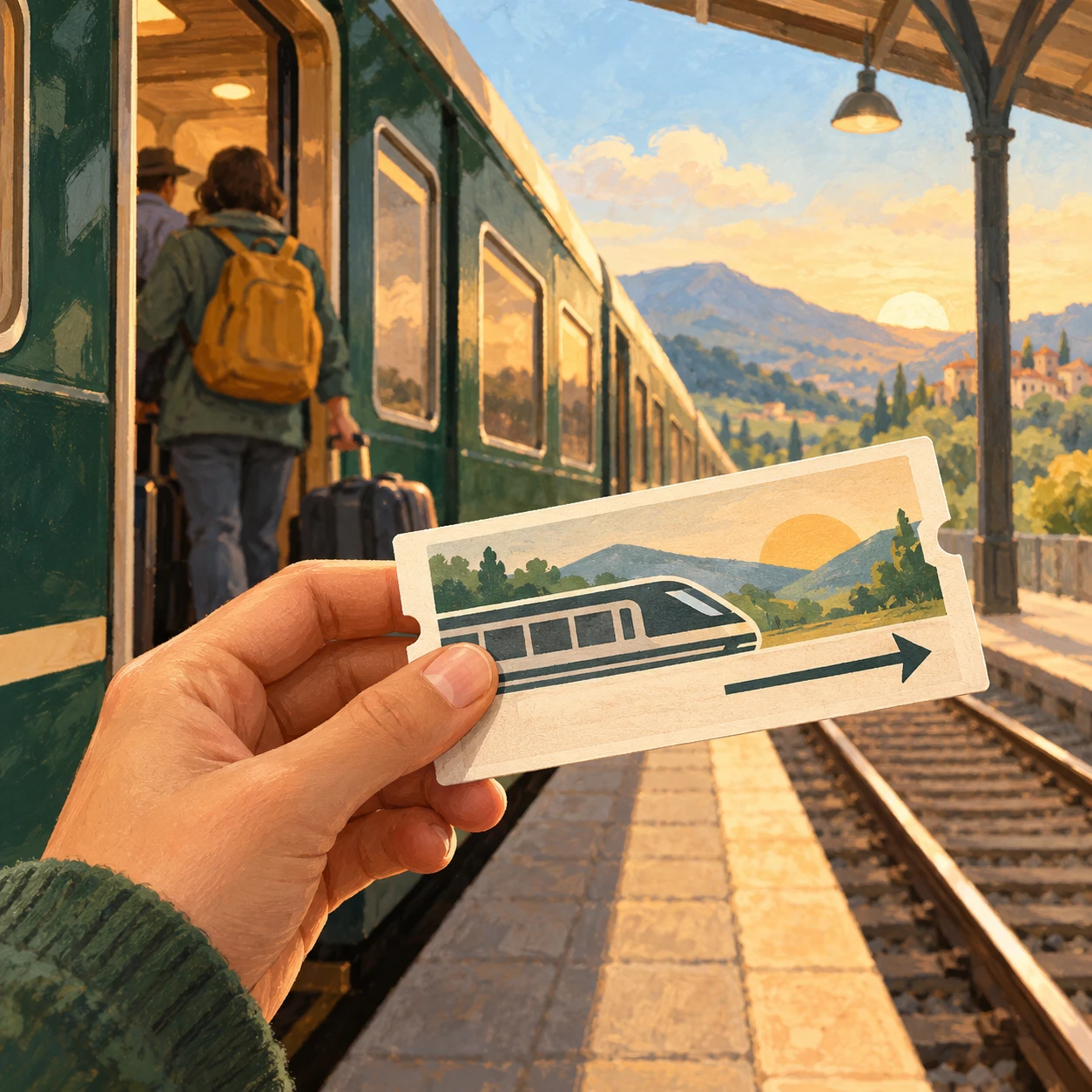
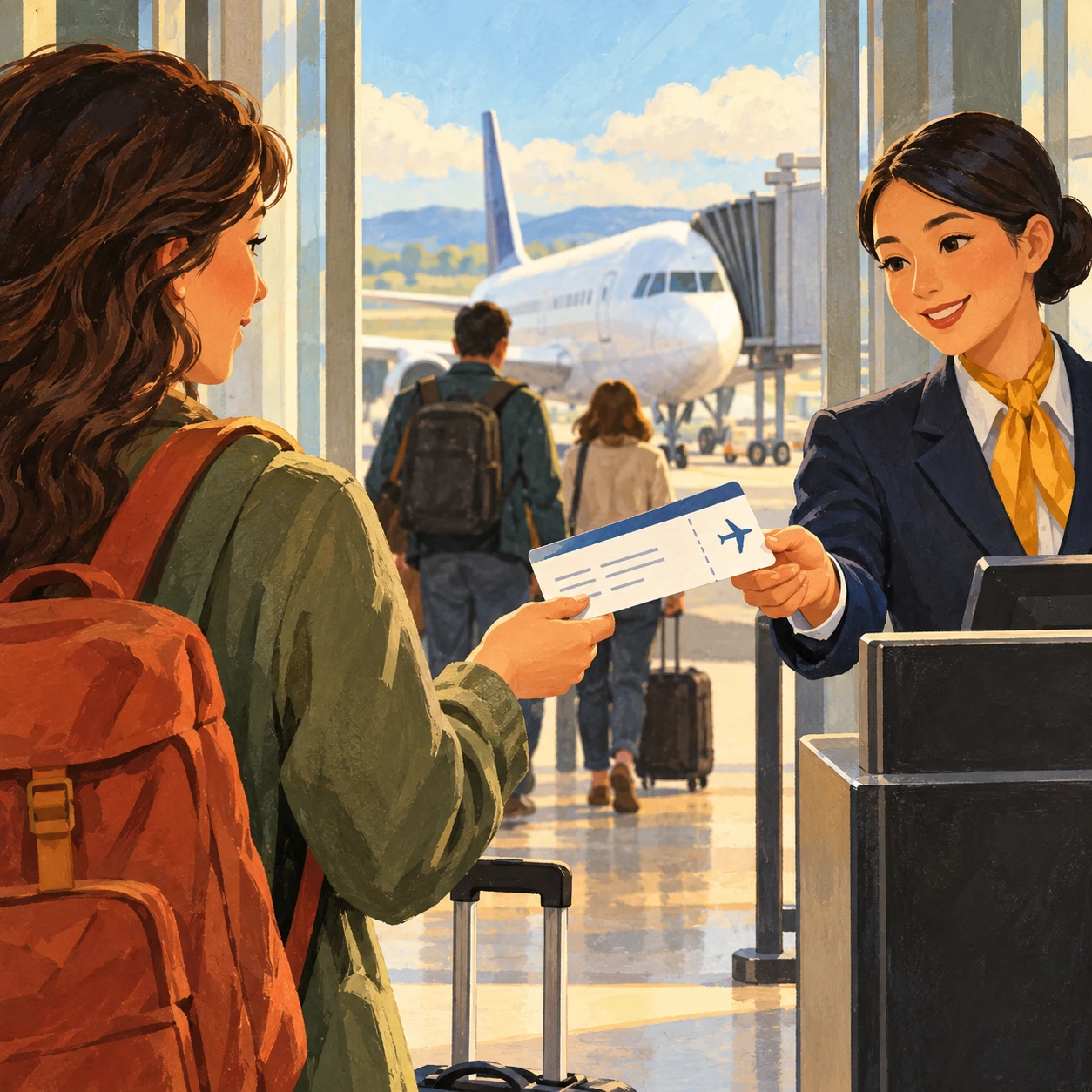
Viajes y transporte · A2. Distingue estos significados según la situación: fare = tarifa; return ticket = billete de ida y vuelta; single ticket = billete de ida; boarding pass = tarjeta de embarque.

Practica Viajes y transporte en situaciones breves. Lee la pista, elige o escribe una forma y revisa la explicación. El nivel es una orientación editorial. Explora 12 tarjetas y 24 preguntas contextualizadas, con nuevas situaciones de repaso y aplicación.

24 preguntas
Guárdalo para encontrarlo en Mi colección.
Vocabulario

Tarjetas de aprendizaje

1/12
fare
fare
A2
01 / 12
Guárdalo para encontrarlo en Mi colección.

fare

tarifa

The price paid for a journey on public transport.

En una frase

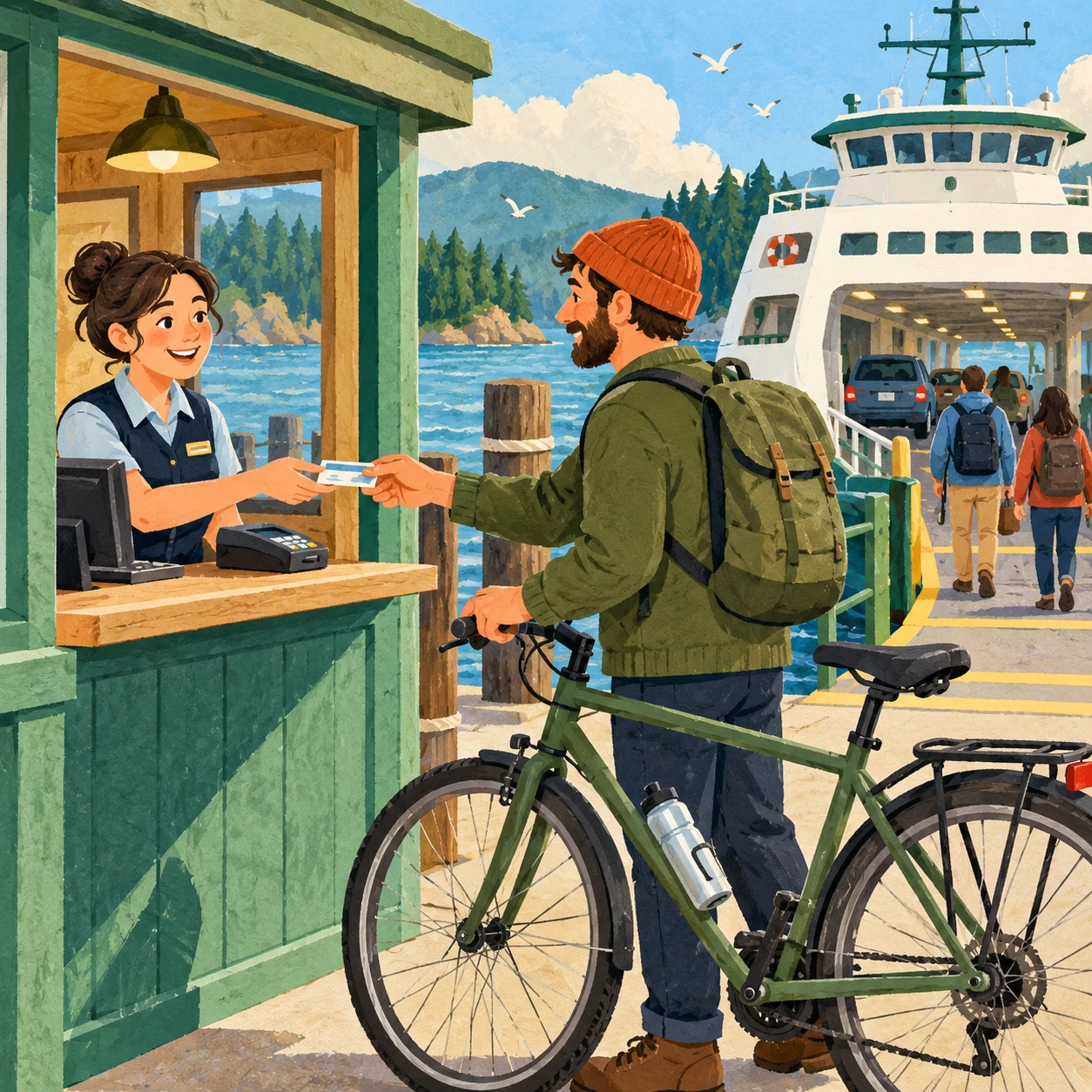
The ferry fare includes one bicycle.

La tarifa del ferry incluye una bicicleta.

Combinaciones útiles
pay the farea bus fare

Formas y familia de palabras

fares (n.)

Significados próximos y paráfrasis

travel charge

Se refieren a este sentido. La familia puede cambiar de significado; las expresiones próximas no siempre son intercambiables.

Usa «fare» para tarifa. Compáralo con «return ticket» (billete de ida y vuelta); son sentidos distintos.

0 Palabras guardadas

Un poco de claridad

tarifa · billete de ida y vuelta · billete de ida · tarjeta de embarque

Distingue estos significados según la situación: fare = tarifa; return ticket = billete de ida y vuelta; single ticket = billete de ida; boarding pass = tarjeta de embarque.

The amount you pay for a bus journey is the fare.
andén · salida · llegada · retraso

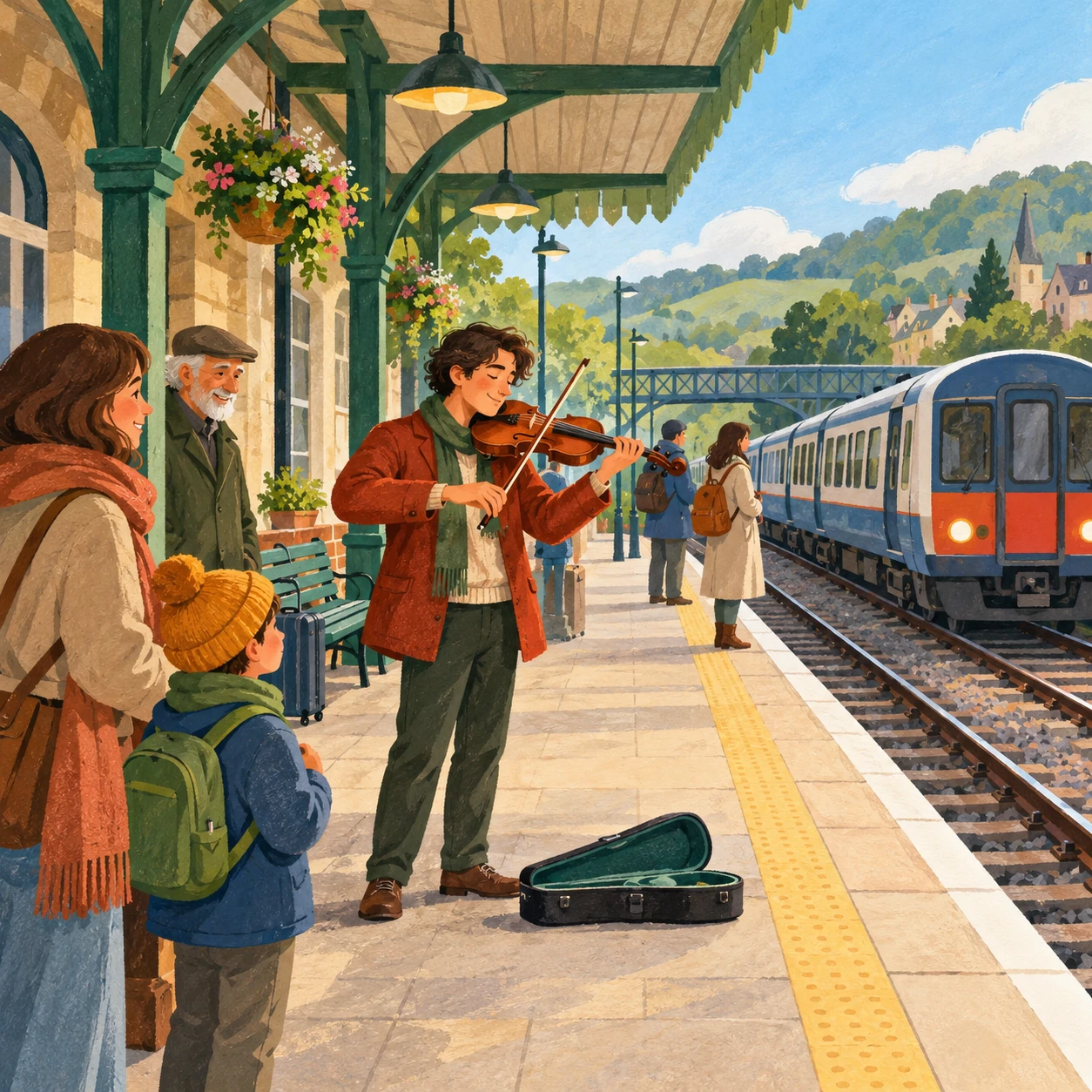
Distingue estos significados según la situación: platform = andén; departure = salida; arrival = llegada; delay = retraso.

At the station, the raised area beside the train track is the platform.

equipaje · pasaporte · maleta · pasajero

Distingue estos significados según la situación: luggage = equipaje; passport = pasaporte; suitcase = maleta; passenger = pasajero.

The general uncountable word for the bags we take on a trip is luggage.

0/24
Preguntas
01 / 24D01Guárdalo para encontrarlo en Mi colección.

The amount you pay for a bus journey is the ___.

Choose the option that completes the gap in this situation.

Tu respuesta
1 / 24

Tu ruta de aprendizaje

01
Paso 1 · Calentamiento

Calentamiento

0/3
02
Paso 2 · Practicar la habilidad

tarifa · billete de ida y vuelta · billete de ida · tarjeta de embarque

0/2

Distingue estos significados según la situación: fare = tarifa; return ticket = billete de ida y vuelta; single ticket = billete de ida; boarding pass = tarjeta de embarque.

The amount you pay for a bus journey is the fare.

03
Paso 3 · Practicar la habilidad

andén · salida · llegada · retraso

0/1

Distingue estos significados según la situación: platform = andén; departure = salida; arrival = llegada; delay = retraso.

At the station, the raised area beside the train track is the platform.
04
Paso 4 · Practicar la habilidad

equipaje · pasaporte · maleta · pasajero

0/1

Distingue estos significados según la situación: luggage = equipaje; passport = pasaporte; suitcase = maleta; passenger = pasajero.

The general uncountable word for the bags we take on a trip is luggage.
05
Paso 5 · Nuevos contextos

Nuevos contextos

0/9
06
Paso 6 · Un nuevo reto

Un nuevo reto

0/8
Repasos de esta unidad

Haz que los errores sirvan.

Conserva el primer intento, entiende el cambio y compruébalo en otra situación.

0

Aún no hay repasos. Prueba un calentamiento corto.

Preguntas y respuestas

Abrir una respuesta registra ayuda para esa pregunta.

D01 · Calentamiento

The amount you pay for a bus journey is the ___.

Choose the option that completes the gap in this situation.

  1. single ticket
  2. return ticket
  3. fare
  4. boarding pass
Respuesta y explicación
fare

Fíjate en «amount you pay». Aquí se pide «tarifa»: «fare». Distingue precio y billete, y solo ida e ida y vuelta. La tarjeta de embarque permite subir a un vuelo concreto. Frase completa: «The amount you pay for a bus journey is the fare.».

D02 · Calentamiento

At the station, the raised area beside the train track is the ___.

Choose the option that completes the gap in this situation.

  1. delay
  2. departure
  3. platform
  4. arrival
Respuesta y explicación
platform

Fíjate en «beside the train track». Aquí se pide «andén»: «platform». Salir, llegar y retrasarse son distintos. Un andén es un lugar, no un suceso temporal. Frase completa: «At the station, the raised area beside the train track is the platform.».

D03 · Calentamiento

The general uncountable word for the bags we take on a trip is ___.

Choose the option that completes the gap in this situation.

  1. passport
  2. passenger
  3. suitcase
  4. luggage
Respuesta y explicación
luggage

Fíjate en «general uncountable word». Aquí se pide «equipaje»: «luggage». Distingue equipaje en conjunto, una maleta, un documento de identidad y quien viaja. Frase completa: «The general uncountable word for the bags we take on a trip is luggage.».

P01 · Practicar la habilidad

I need a ticket to go to York and come back: a ___.

Choose the option that completes the gap in this situation.

  1. return ticket
  2. boarding pass
  3. single ticket
  4. fare
Respuesta y explicación
return ticket

Fíjate en «go to York and come back». Aquí se pide «billete de ida y vuelta»: «return ticket». Distingue precio y billete, y solo ida e ida y vuelta. La tarjeta de embarque permite subir a un vuelo concreto. Frase completa: «I need a ticket to go to York and come back: a return ticket.».

P02 · Practicar la habilidad

The train leaves at six. Its ___ time is six.

Choose the option that completes the gap in this situation.

  1. platform
  2. delay
  3. arrival
  4. departure
Respuesta y explicación
departure

Fíjate en «train leaves». Aquí se pide «salida»: «departure». Salir, llegar y retrasarse son distintos. Un andén es un lugar, no un suceso temporal. Frase completa: «The train leaves at six. Its departure time is six.».

P03 · Practicar la habilidad

This official document identifies you when you cross national borders: a ___.

Choose the option that completes the gap in this situation.

  1. suitcase
  2. passenger
  3. passport
  4. luggage
Respuesta y explicación
passport

Fíjate en «official document». Aquí se pide «pasaporte»: «passport». Distingue equipaje en conjunto, una maleta, un documento de identidad y quien viaja. Frase completa: «This official document identifies you when you cross national borders: a passport.».

P04 · Practicar la habilidad

I am buying a train ticket for a journey in one direction only, with no return journey included. I need a ___.

Choose the option that completes the gap in this situation.

  1. single ticket
  2. boarding pass
  3. fare
  4. return ticket
Respuesta y explicación
single ticket

Fíjate en «train ticket for a journey in one direction only». Aquí se pide «billete de ida»: «single ticket». Distingue precio y billete, y solo ida e ida y vuelta. La tarjeta de embarque permite subir a un vuelo concreto. Frase completa: «I am buying a train ticket for a journey in one direction only, with no return journey included. I need a single ticket.” / “I am travelling only one way and not coming back. I need a single ticket.».

R01 · Nuevos contextos

After checking in, I receive the document with my flight seat and gate: my ___.

Choose the option that completes the gap in this situation.

  1. return ticket
  2. boarding pass
  3. single ticket
  4. fare
Respuesta y explicación
boarding pass

Fíjate en «flight seat and gate». Aquí se pide «tarjeta de embarque»: «boarding pass». Distingue precio y billete, y solo ida e ida y vuelta. La tarjeta de embarque permite subir a un vuelo concreto. Frase completa: «After checking in, I receive the document with my flight seat and gate: my boarding pass.».

R02 · Nuevos contextos

The plane reaches our airport at ten. Its ___ time is ten.

Choose the option that completes the gap in this situation.

  1. platform
  2. departure
  3. arrival
  4. delay
Respuesta y explicación
arrival

Fíjate en «plane reaches». Aquí se pide «llegada»: «arrival». Salir, llegar y retrasarse son distintos. Un andén es un lugar, no un suceso temporal. Frase completa: «The plane reaches our airport at ten. Its arrival time is ten.».

R03 · Nuevos contextos

I pack clothes in one large rectangular case with a handle: a ___.

Choose the option that completes the gap in this situation.

  1. passport
  2. passenger
  3. suitcase
  4. luggage
Respuesta y explicación
suitcase

Fíjate en «one large rectangular case». Aquí se pide «maleta»: «suitcase». Distingue equipaje en conjunto, una maleta, un documento de identidad y quien viaja. Frase completa: «I pack clothes in one large rectangular case with a handle: a suitcase.».

X01 · Un nuevo reto

The train is forty minutes late. There is a forty-minute ___.

Choose the option that completes the gap in this situation.

  1. arrival
  2. delay
  3. platform
  4. departure
Respuesta y explicación
delay

Fíjate en «forty minutes late». Aquí se pide «retraso»: «delay». Salir, llegar y retrasarse son distintos. Un andén es un lugar, no un suceso temporal. Frase completa: «The train is forty minutes late. There is a forty-minute delay.».

X02 · Un nuevo reto

A person travelling in a vehicle but not driving it is a ___.

Choose the option that completes the gap in this situation.

  1. passport
  2. passenger
  3. suitcase
  4. luggage
Respuesta y explicación
passenger

Fíjate en «not driving». Aquí se pide «pasajero»: «passenger». Distingue equipaje en conjunto, una maleta, un documento de identidad y quien viaja. Frase completa: «A person travelling in a vehicle but not driving it is a passenger.».

R04 · Nuevos contextos

On this bus, children pay a lower ___ than adults.

Choose the option that completes the gap in this situation.

  1. boarding pass
  2. return ticket
  3. fare
  4. single ticket
Respuesta y explicación
fare

Fíjate en «children pay a lower». Aquí se pide «tarifa»: «fare». Distingue precio y billete, y solo ida e ida y vuelta. La tarjeta de embarque permite subir a un vuelo concreto. Frase completa: «On this bus, children pay a lower fare than adults.».

R05 · Nuevos contextos

The passengers wait beside the railway track on the ___.

Choose the option that completes the gap in this situation.

  1. departure
  2. delay
  3. arrival
  4. platform
Respuesta y explicación
platform

Fíjate en «beside the railway track». Aquí se pide «andén»: «platform». Salir, llegar y retrasarse son distintos. Un andén es un lugar, no un suceso temporal. Frase completa: «The passengers wait beside the railway track on the platform.».

R06 · Nuevos contextos

All the bags and cases you take on a trip are your ___.

Choose the option that completes the gap in this situation.

  1. suitcase
  2. luggage
  3. passport
  4. passenger
Respuesta y explicación
luggage

Fíjate en «All the bags and cases». Aquí se pide «equipaje»: «luggage». Distingue equipaje en conjunto, una maleta, un documento de identidad y quien viaja. Frase completa: «All the bags and cases you take on a trip are your luggage.».

R07 · Nuevos contextos

I need one train ticket for the journey there and back. I buy a ___.

Choose the option that completes the gap in this situation.

  1. return ticket
  2. single ticket
  3. boarding pass
  4. fare
Respuesta y explicación
return ticket

Fíjate en «there and back». Aquí se pide «billete de ida y vuelta»: «return ticket». Distingue precio y billete, y solo ida e ida y vuelta. La tarjeta de embarque permite subir a un vuelo concreto. Frase completa: «I need one train ticket for the journey there and back. I buy a return ticket.».

R08 · Nuevos contextos

The plane leaves at 14:10. The board shows 14:10 as its ___ time.

Choose the option that completes the gap in this situation.

  1. delay
  2. platform
  3. arrival
  4. departure
Respuesta y explicación
departure

Fíjate en «plane leaves». Aquí se pide «salida»: «departure». Salir, llegar y retrasarse son distintos. Un andén es un lugar, no un suceso temporal. Frase completa: «The plane leaves at 14:10. The board shows 14:10 as its departure time.».

R09 · Nuevos contextos

At the border, I show the official document with my photo and nationality: my ___.

Choose the option that completes the gap in this situation.

  1. luggage
  2. passport
  3. passenger
  4. suitcase
Respuesta y explicación
passport

Fíjate en «photo and nationality». Aquí se pide «pasaporte»: «passport». Distingue equipaje en conjunto, una maleta, un documento de identidad y quien viaja. Frase completa: «At the border, I show the official document with my photo and nationality: my passport.».

X03 · Un nuevo reto

I am buying a train ticket for one journey to my destination, with no journey back included. I buy a ___.

Choose the option that completes the gap in this situation.

  1. single ticket
  2. boarding pass
  3. return ticket
  4. fare
Respuesta y explicación
single ticket

Fíjate en «train ticket for one journey to my destination». Aquí se pide «billete de ida»: «single ticket». Distingue precio y billete, y solo ida e ida y vuelta. La tarjeta de embarque permite subir a un vuelo concreto. Frase completa: «I am buying a train ticket for one journey to my destination, with no journey back included. I buy a single ticket.” / “I am only travelling one way. I buy a single ticket.».

X04 · Un nuevo reto

After checking in, I receive the document with my seat number that lets me enter the plane: my ___.

Choose the option that completes the gap in this situation.

  1. boarding pass
  2. single ticket
  3. return ticket
  4. fare
Respuesta y explicación
boarding pass

Fíjate en «seat number». Aquí se pide «tarjeta de embarque»: «boarding pass». Distingue precio y billete, y solo ida e ida y vuelta. La tarjeta de embarque permite subir a un vuelo concreto. Frase completa: «After checking in, I receive the document with my seat number that lets me enter the plane: my boarding pass.».

X05 · Un nuevo reto

Our train reaches its final station at 17:30. Its ___ time is 17:30.

Choose the option that completes the gap in this situation.

  1. departure
  2. delay
  3. arrival
  4. platform
Respuesta y explicación
arrival

Fíjate en «reaches its final station». Aquí se pide «llegada»: «arrival». Salir, llegar y retrasarse son distintos. Un andén es un lugar, no un suceso temporal. Frase completa: «Our train reaches its final station at 17:30. Its arrival time is 17:30.».

X06 · Un nuevo reto

I pack my clothes into a large rectangular ___ with wheels and a handle.

Choose the option that completes the gap in this situation.

  1. luggage
  2. passenger
  3. passport
  4. suitcase
Respuesta y explicación
suitcase

Fíjate en «wheels and a handle». Aquí se pide «maleta»: «suitcase». Distingue equipaje en conjunto, una maleta, un documento de identidad y quien viaja. Frase completa: «I pack my clothes into a large rectangular suitcase with wheels and a handle.».

X07 · Un nuevo reto

The train is twenty minutes late. There is a twenty-minute ___.

Choose the option that completes the gap in this situation.

  1. delay
  2. arrival
  3. platform
  4. departure
Respuesta y explicación
delay

Fíjate en «twenty minutes late». Aquí se pide «retraso»: «delay». Salir, llegar y retrasarse son distintos. Un andén es un lugar, no un suceso temporal. Frase completa: «The train is twenty minutes late. There is a twenty-minute delay.».

X08 · Un nuevo reto

I am travelling on the bus, but I am not driving it. I am a ___.

Choose the option that completes the gap in this situation.

  1. passenger
  2. passport
  3. suitcase
  4. luggage
Respuesta y explicación
passenger

Fíjate en «not driving». Aquí se pide «pasajero»: «passenger». Distingue equipaje en conjunto, una maleta, un documento de identidad y quien viaja. Frase completa: «I am travelling on the bus, but I am not driving it. I am a passenger.».