운임 · 왕복표 · 편도표 · 탑승권
상황의 단서로 다음 뜻을 구별하세요: fare = 운임; return ticket = 왕복표; single ticket = 편도표; boarding pass = 탑승권.
The amount you pay for a bus journey is the fare.

여행과 교통 · A2. 상황의 단서로 다음 뜻을 구별하세요: fare = 운임; return ticket = 왕복표; single ticket = 편도표; boarding pass = 탑승권.
짧은 상황에서 ‘여행과 교통’을 연습합니다. 단서를 읽고 형태를 고르거나 쓴 뒤 이유를 확인하세요. 수준은 편집상 안내입니다. 학습 카드 12개와 상황별 문제 24개로 학습하세요. 새로운 복습·응용 문제도 포함됩니다.

The price paid for a journey on public transport.
The ferry fare includes one bicycle.
페리 운임에는 자전거 한 대가 포함돼요.
이 카드의 뜻을 기준으로 정리했어요. 어족 단어는 뜻이 달라질 수 있고, 비슷한 표현도 항상 서로 바꿔 쓸 수는 없어요.
목표 표현: “fare”. 뜻: ‘운임’. 비교 표현: “return ticket”. 비교 뜻: ‘왕복표’. 두 표현의 뜻을 구별하세요.
상황의 단서로 다음 뜻을 구별하세요: fare = 운임; return ticket = 왕복표; single ticket = 편도표; boarding pass = 탑승권.
The amount you pay for a bus journey is the fare.
상황의 단서로 다음 뜻을 구별하세요: platform = 승강장; departure = 출발; arrival = 도착; delay = 지연.
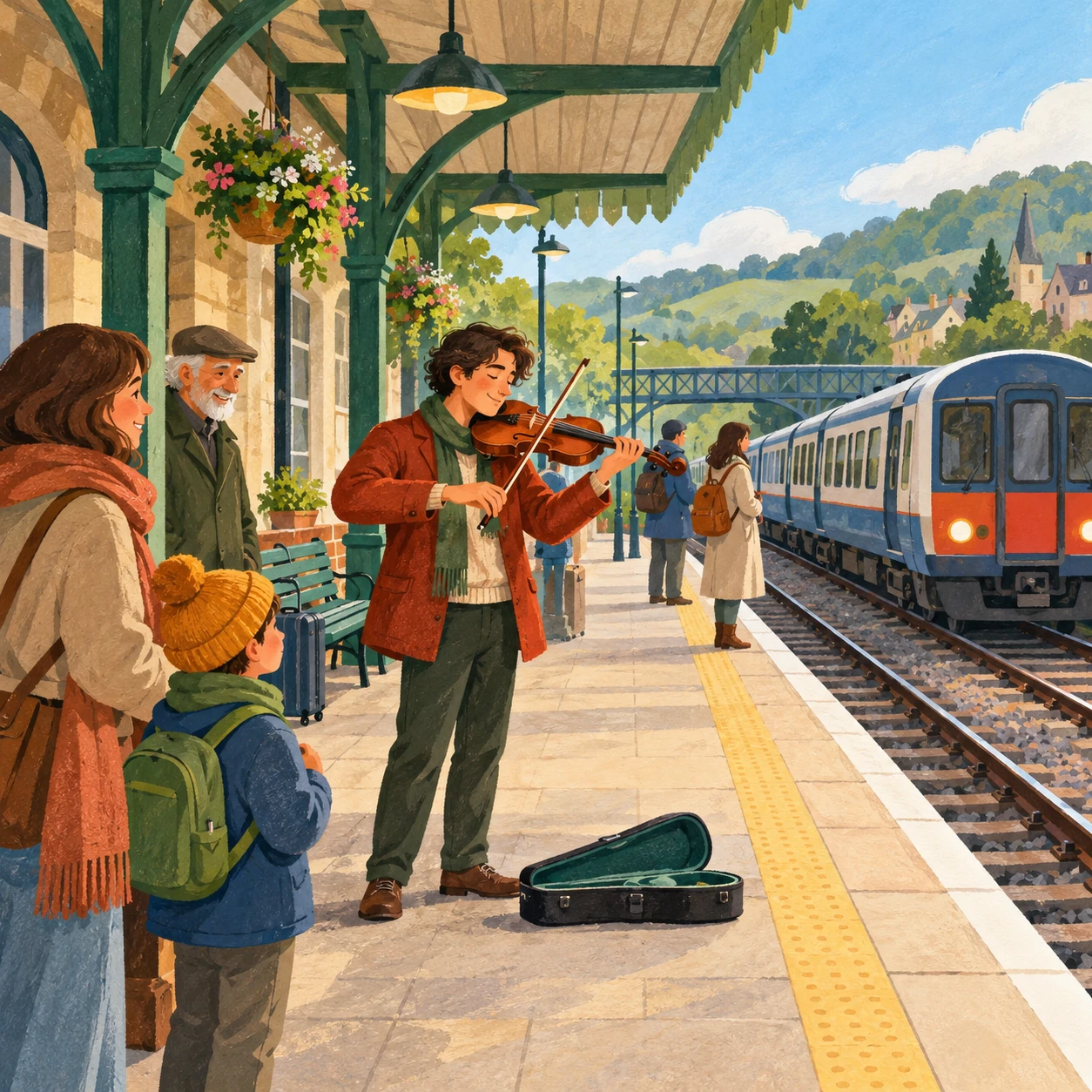
At the station, the raised area beside the train track is the platform.
상황의 단서로 다음 뜻을 구별하세요: luggage = 짐; passport = 여권; suitcase = 여행 가방; passenger = 승객.
The general uncountable word for the bags we take on a trip is luggage.
The amount you pay for a bus journey is the ___.
상황의 단서로 다음 뜻을 구별하세요: fare = 운임; return ticket = 왕복표; single ticket = 편도표; boarding pass = 탑승권.
The amount you pay for a bus journey is the fare.상황의 단서로 다음 뜻을 구별하세요: platform = 승강장; departure = 출발; arrival = 도착; delay = 지연.
At the station, the raised area beside the train track is the platform.상황의 단서로 다음 뜻을 구별하세요: luggage = 짐; passport = 여권; suitcase = 여행 가방; passenger = 승객.
The general uncountable word for the bags we take on a trip is luggage.첫 시도를 남기고 변화의 이유를 이해한 뒤 새로운 상황에서 확인해 보세요.
아직 복습 노트가 없어요. 짧은 워밍업부터 해보세요.
정답을 열면 해당 문제에 도움 사용이 기록돼요.
The amount you pay for a bus journey is the ___.
문장의 단서: “amount you pay”. 필요한 뜻: ‘운임’. 정답 표현: “fare”. 요금과 표, 편도와 왕복을 구별하세요. 탑승권은 특정 항공편에 타기 위한 서류입니다. 완성된 문장: “The amount you pay for a bus journey is the fare.”.
At the station, the raised area beside the train track is the ___.
문장의 단서: “beside the train track”. 필요한 뜻: ‘승강장’. 정답 표현: “platform”. 출발·도착·지연은 다른 사건입니다. 승강장은 시간이 아니라 장소입니다. 완성된 문장: “At the station, the raised area beside the train track is the platform.”.
The general uncountable word for the bags we take on a trip is ___.
문장의 단서: “general uncountable word”. 필요한 뜻: ‘짐’. 정답 표현: “luggage”. 짐 전체·가방 하나·신분 증명서·여행하는 사람을 구별하세요. 완성된 문장: “The general uncountable word for the bags we take on a trip is luggage.”.
I need a ticket to go to York and come back: a ___.
문장의 단서: “go to York and come back”. 필요한 뜻: ‘왕복표’. 정답 표현: “return ticket”. 요금과 표, 편도와 왕복을 구별하세요. 탑승권은 특정 항공편에 타기 위한 서류입니다. 완성된 문장: “I need a ticket to go to York and come back: a return ticket.”.
The train leaves at six. Its ___ time is six.
문장의 단서: “train leaves”. 필요한 뜻: ‘출발’. 정답 표현: “departure”. 출발·도착·지연은 다른 사건입니다. 승강장은 시간이 아니라 장소입니다. 완성된 문장: “The train leaves at six. Its departure time is six.”.
This official document identifies you when you cross national borders: a ___.
문장의 단서: “official document”. 필요한 뜻: ‘여권’. 정답 표현: “passport”. 짐 전체·가방 하나·신분 증명서·여행하는 사람을 구별하세요. 완성된 문장: “This official document identifies you when you cross national borders: a passport.”.
I am buying a train ticket for a journey in one direction only, with no return journey included. I need a ___.
문장의 단서: “train ticket for a journey in one direction only”. 필요한 뜻: ‘편도표’. 정답 표현: “single ticket”. 요금과 표, 편도와 왕복을 구별하세요. 탑승권은 특정 항공편에 타기 위한 서류입니다. 완성된 문장: “I am buying a train ticket for a journey in one direction only, with no return journey included. I need a single ticket.” / “I am travelling only one way and not coming back. I need a single ticket.”.
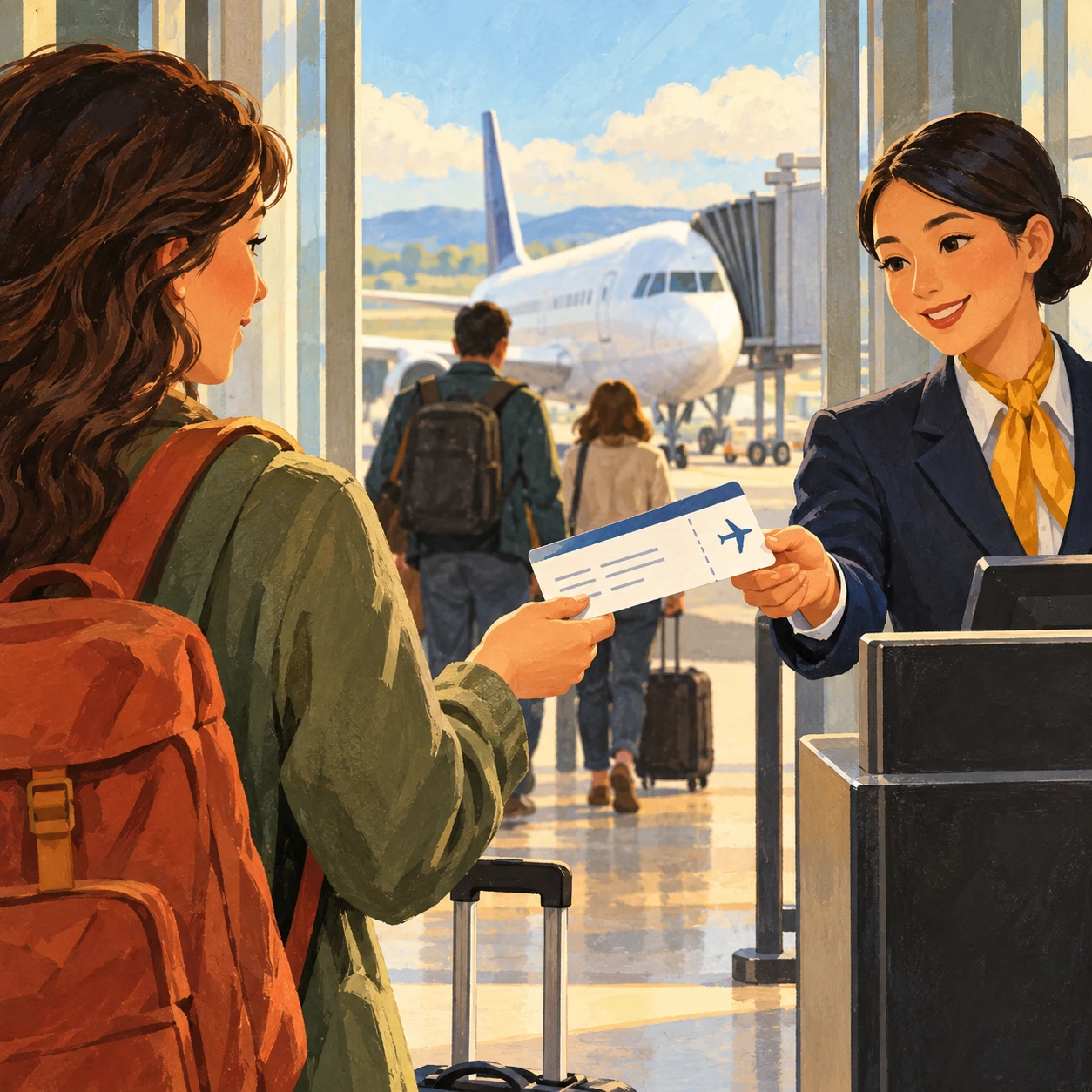
After checking in, I receive the document with my flight seat and gate: my ___.
문장의 단서: “flight seat and gate”. 필요한 뜻: ‘탑승권’. 정답 표현: “boarding pass”. 요금과 표, 편도와 왕복을 구별하세요. 탑승권은 특정 항공편에 타기 위한 서류입니다. 완성된 문장: “After checking in, I receive the document with my flight seat and gate: my boarding pass.”.
The plane reaches our airport at ten. Its ___ time is ten.
문장의 단서: “plane reaches”. 필요한 뜻: ‘도착’. 정답 표현: “arrival”. 출발·도착·지연은 다른 사건입니다. 승강장은 시간이 아니라 장소입니다. 완성된 문장: “The plane reaches our airport at ten. Its arrival time is ten.”.
I pack clothes in one large rectangular case with a handle: a ___.
문장의 단서: “one large rectangular case”. 필요한 뜻: ‘여행 가방’. 정답 표현: “suitcase”. 짐 전체·가방 하나·신분 증명서·여행하는 사람을 구별하세요. 완성된 문장: “I pack clothes in one large rectangular case with a handle: a suitcase.”.
The train is forty minutes late. There is a forty-minute ___.
문장의 단서: “forty minutes late”. 필요한 뜻: ‘지연’. 정답 표현: “delay”. 출발·도착·지연은 다른 사건입니다. 승강장은 시간이 아니라 장소입니다. 완성된 문장: “The train is forty minutes late. There is a forty-minute delay.”.
A person travelling in a vehicle but not driving it is a ___.
문장의 단서: “not driving”. 필요한 뜻: ‘승객’. 정답 표현: “passenger”. 짐 전체·가방 하나·신분 증명서·여행하는 사람을 구별하세요. 완성된 문장: “A person travelling in a vehicle but not driving it is a passenger.”.
On this bus, children pay a lower ___ than adults.
문장의 단서: “children pay a lower”. 필요한 뜻: ‘운임’. 정답 표현: “fare”. 요금과 표, 편도와 왕복을 구별하세요. 탑승권은 특정 항공편에 타기 위한 서류입니다. 완성된 문장: “On this bus, children pay a lower fare than adults.”.
The passengers wait beside the railway track on the ___.
문장의 단서: “beside the railway track”. 필요한 뜻: ‘승강장’. 정답 표현: “platform”. 출발·도착·지연은 다른 사건입니다. 승강장은 시간이 아니라 장소입니다. 완성된 문장: “The passengers wait beside the railway track on the platform.”.
All the bags and cases you take on a trip are your ___.
문장의 단서: “All the bags and cases”. 필요한 뜻: ‘짐’. 정답 표현: “luggage”. 짐 전체·가방 하나·신분 증명서·여행하는 사람을 구별하세요. 완성된 문장: “All the bags and cases you take on a trip are your luggage.”.
I need one train ticket for the journey there and back. I buy a ___.
문장의 단서: “there and back”. 필요한 뜻: ‘왕복표’. 정답 표현: “return ticket”. 요금과 표, 편도와 왕복을 구별하세요. 탑승권은 특정 항공편에 타기 위한 서류입니다. 완성된 문장: “I need one train ticket for the journey there and back. I buy a return ticket.”.
The plane leaves at 14:10. The board shows 14:10 as its ___ time.
문장의 단서: “plane leaves”. 필요한 뜻: ‘출발’. 정답 표현: “departure”. 출발·도착·지연은 다른 사건입니다. 승강장은 시간이 아니라 장소입니다. 완성된 문장: “The plane leaves at 14:10. The board shows 14:10 as its departure time.”.
At the border, I show the official document with my photo and nationality: my ___.
문장의 단서: “photo and nationality”. 필요한 뜻: ‘여권’. 정답 표현: “passport”. 짐 전체·가방 하나·신분 증명서·여행하는 사람을 구별하세요. 완성된 문장: “At the border, I show the official document with my photo and nationality: my passport.”.
I am buying a train ticket for one journey to my destination, with no journey back included. I buy a ___.
문장의 단서: “train ticket for one journey to my destination”. 필요한 뜻: ‘편도표’. 정답 표현: “single ticket”. 요금과 표, 편도와 왕복을 구별하세요. 탑승권은 특정 항공편에 타기 위한 서류입니다. 완성된 문장: “I am buying a train ticket for one journey to my destination, with no journey back included. I buy a single ticket.” / “I am only travelling one way. I buy a single ticket.”.
After checking in, I receive the document with my seat number that lets me enter the plane: my ___.
문장의 단서: “seat number”. 필요한 뜻: ‘탑승권’. 정답 표현: “boarding pass”. 요금과 표, 편도와 왕복을 구별하세요. 탑승권은 특정 항공편에 타기 위한 서류입니다. 완성된 문장: “After checking in, I receive the document with my seat number that lets me enter the plane: my boarding pass.”.
Our train reaches its final station at 17:30. Its ___ time is 17:30.
문장의 단서: “reaches its final station”. 필요한 뜻: ‘도착’. 정답 표현: “arrival”. 출발·도착·지연은 다른 사건입니다. 승강장은 시간이 아니라 장소입니다. 완성된 문장: “Our train reaches its final station at 17:30. Its arrival time is 17:30.”.
I pack my clothes into a large rectangular ___ with wheels and a handle.
문장의 단서: “wheels and a handle”. 필요한 뜻: ‘여행 가방’. 정답 표현: “suitcase”. 짐 전체·가방 하나·신분 증명서·여행하는 사람을 구별하세요. 완성된 문장: “I pack my clothes into a large rectangular suitcase with wheels and a handle.”.
The train is twenty minutes late. There is a twenty-minute ___.
문장의 단서: “twenty minutes late”. 필요한 뜻: ‘지연’. 정답 표현: “delay”. 출발·도착·지연은 다른 사건입니다. 승강장은 시간이 아니라 장소입니다. 완성된 문장: “The train is twenty minutes late. There is a twenty-minute delay.”.
I am travelling on the bus, but I am not driving it. I am a ___.
문장의 단서: “not driving”. 필요한 뜻: ‘승객’. 정답 표현: “passenger”. 짐 전체·가방 하나·신분 증명서·여행하는 사람을 구별하세요. 완성된 문장: “I am travelling on the bus, but I am not driving it. I am a passenger.”.