cheville · poignet · genou · épaule
Distingue ces sens à partir de la situation : ankle = cheville; wrist = poignet; knee = genou; shoulder = épaule.
The joint joining the foot to the leg is the ankle.

Santé et corps · A2. Distingue ces sens à partir de la situation : ankle = cheville; wrist = poignet; knee = genou; shoulder = épaule.
Travaille Santé et corps dans de courtes situations. Lis l’indice, choisis ou écris une forme, puis vérifie l’explication. Le niveau est une indication éditoriale. Découvre 12 fiches et 24 questions en contexte, avec de nouvelles situations de révision et de transfert.

The joint between the foot and the leg.
There is a small scar on my left ankle.
J’ai une petite cicatrice sur la cheville gauche.
Ces indications concernent ce sens. Les mots de la famille peuvent changer de sens ; les expressions proches ne sont pas toujours interchangeables.
Utilise «ankle» pour cheville. Compare avec «wrist» (poignet) : les sens diffèrent.
Distingue ces sens à partir de la situation : ankle = cheville; wrist = poignet; knee = genou; shoulder = épaule.
The joint joining the foot to the leg is the ankle.
Distingue ces sens à partir de la situation : headache = mal de tête; cough = toux; fever = fièvre; cold = rhume.
Pain in the head is called a headache.
Distingue ces sens à partir de la situation : appointment = rendez-vous; prescription = ordonnance; treatment = traitement; recovery = guérison.
We agreed that I will see the doctor at three. I have an appointment.
The joint joining the foot to the leg is the ___.
Distingue ces sens à partir de la situation : ankle = cheville; wrist = poignet; knee = genou; shoulder = épaule.
The joint joining the foot to the leg is the ankle.Distingue ces sens à partir de la situation : headache = mal de tête; cough = toux; fever = fièvre; cold = rhume.
Pain in the head is called a headache.Distingue ces sens à partir de la situation : appointment = rendez-vous; prescription = ordonnance; treatment = traitement; recovery = guérison.
We agreed that I will see the doctor at three. I have an appointment.Gardez la première tentative, comprenez le changement et essayez dans une nouvelle situation.
Pas encore de notes. Essayez un court échauffement.
Ouvrir une réponse enregistre une aide pour cette question.
The joint joining the foot to the leg is the ___.
Regarde « foot to the leg ». Ici, on cherche « cheville » : « ankle ». Situe l’articulation par les parties reliées. Phrase complète : « The joint joining the foot to the leg is the ankle. ».
Pain in the head is called a ___.
Regarde « Pain in the head ». Ici, on cherche « mal de tête » : « headache ». Nomme le symptôme ou la maladie décrite, pas un autre problème qui pourrait coexister. Phrase complète : « Pain in the head is called a headache. ».
We agreed that I will see the doctor at three. I have an ___.
Regarde « see the doctor at three ». Ici, on cherche « rendez-vous » : « appointment ». Distingue rendez-vous, prescription de médicament, soins et guérison. Phrase complète : « We agreed that I will see the doctor at three. I have an appointment. ».
The joint joining the hand to the arm is the ___.
Regarde « hand to the arm ». Ici, on cherche « poignet » : « wrist ». Situe l’articulation par les parties reliées. Phrase complète : « The joint joining the hand to the arm is the wrist. ».
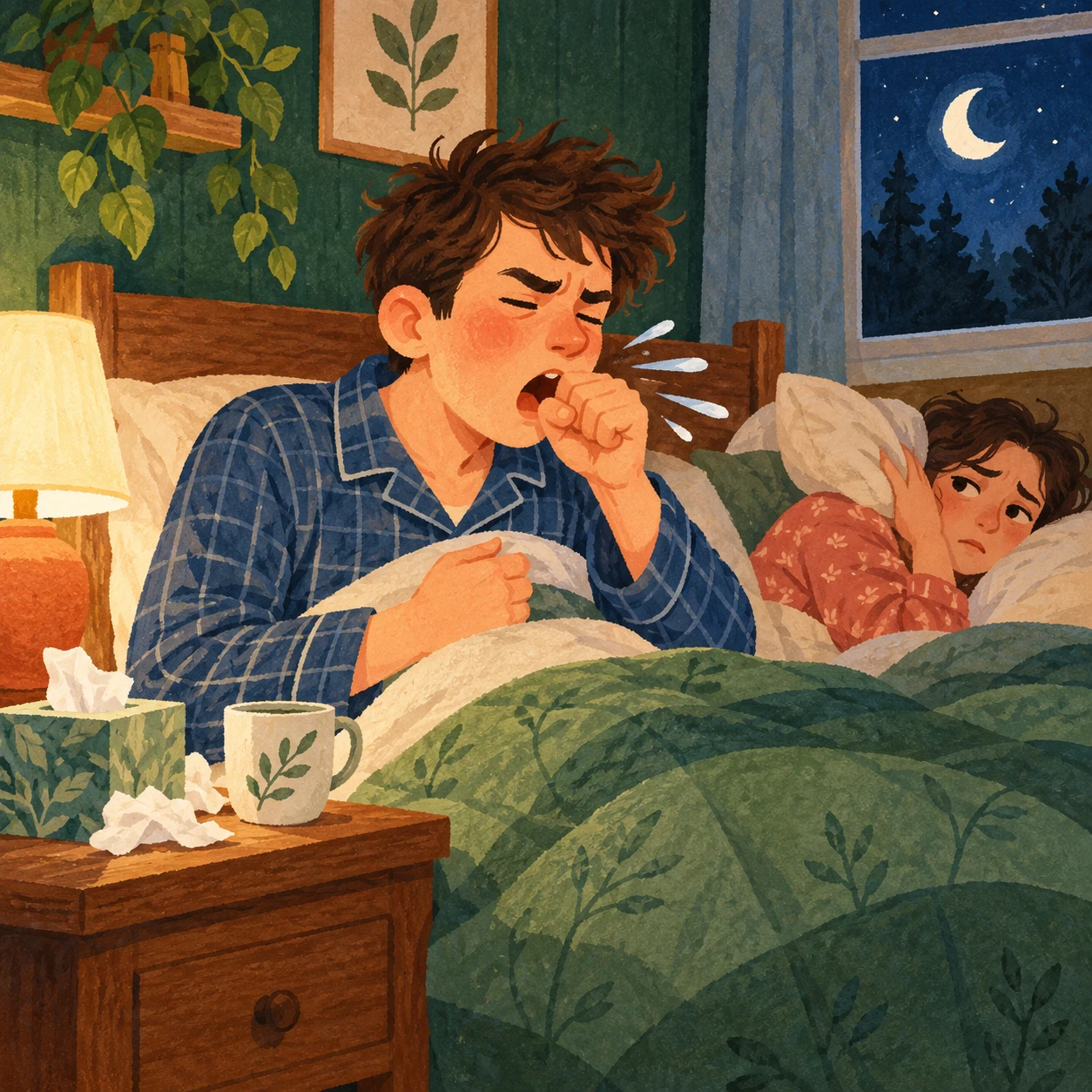
A sudden noisy push of air from your throat is a ___.
Regarde « push of air from your throat ». Ici, on cherche « toux » : « cough ». Nomme le symptôme ou la maladie décrite, pas un autre problème qui pourrait coexister. Phrase complète : « A sudden noisy push of air from your throat is a cough. ».
The doctor’s written order that authorises specific medicine is a ___.
Regarde « written order ». Ici, on cherche « ordonnance » : « prescription ». Distingue rendez-vous, prescription de médicament, soins et guérison. Phrase complète : « The doctor’s written order that authorises specific medicine is a prescription. ».
The joint in the middle of the leg that bends is the ___.
Regarde « middle of the leg ». Ici, on cherche « genou » : « knee ». Situe l’articulation par les parties reliées. Phrase complète : « The joint in the middle of the leg that bends is the knee. ».
The joint where the upper arm meets the body is the ___.
Regarde « upper arm meets the body ». Ici, on cherche « épaule » : « shoulder ». Situe l’articulation par les parties reliées. Phrase complète : « The joint where the upper arm meets the body is the shoulder. ».
A body temperature higher than normal is called a ___.
Regarde « temperature higher than normal ». Ici, on cherche « fièvre » : « fever ». Nomme le symptôme ou la maladie décrite, pas un autre problème qui pourrait coexister. Phrase complète : « A body temperature higher than normal is called a fever. ».
Medical care given to improve an illness or injury is called ___.
Regarde « Medical care ». Ici, on cherche « traitement » : « treatment ». Distingue rendez-vous, prescription de médicament, soins et guérison. Phrase complète : « Medical care given to improve an illness or injury is called treatment. ».
A common minor illness with a runny nose and sneezing is a ___.
Regarde « runny nose and sneezing ». Ici, on cherche « rhume » : « cold ». Nomme le symptôme ou la maladie décrite, pas un autre problème qui pourrait coexister. Phrase complète : « A common minor illness with a runny nose and sneezing is a cold. ».
The process of getting well after an illness is ___.
Regarde « getting well ». Ici, on cherche « guérison » : « recovery ». Distingue rendez-vous, prescription de médicament, soins et guérison. Phrase complète : « The process of getting well after an illness is recovery. ».
The joint between my foot and my lower leg is my ___.
Regarde « foot and my lower leg ». Ici, on cherche « cheville » : « ankle ». Situe l’articulation par les parties reliées. Phrase complète : « The joint between my foot and my lower leg is my ankle. ».
I have a pain in my head. I have a ___.
Regarde « pain in my head ». Ici, on cherche « mal de tête » : « headache ». Nomme le symptôme ou la maladie décrite, pas un autre problème qui pourrait coexister. Phrase complète : « I have a pain in my head. I have a headache. ».
My doctor has agreed to see me at a fixed time tomorrow. I have an ___.
Regarde « fixed time ». Ici, on cherche « rendez-vous » : « appointment ». Distingue rendez-vous, prescription de médicament, soins et guérison. Phrase complète : « My doctor has agreed to see me at a fixed time tomorrow. I have an appointment. ».
The joint between my hand and my arm is my ___.
Regarde « hand and my arm ». Ici, on cherche « poignet » : « wrist ». Situe l’articulation par les parties reliées. Phrase complète : « The joint between my hand and my arm is my wrist. ».
Air comes out of my mouth suddenly with a rough sound. This action is a ___.
Regarde « rough sound ». Ici, on cherche « toux » : « cough ». Nomme le symptôme ou la maladie décrite, pas un autre problème qui pourrait coexister. Phrase complète : « Air comes out of my mouth suddenly with a rough sound. This action is a cough. ».
The doctor gives me written instructions for the pharmacy to supply medicine: a ___.
Regarde « pharmacy to supply medicine ». Ici, on cherche « ordonnance » : « prescription ». Distingue rendez-vous, prescription de médicament, soins et guérison. Phrase complète : « The doctor gives me written instructions for the pharmacy to supply medicine: a prescription. ».
The joint in the middle of my leg, where it bends, is my ___.
Regarde « middle of my leg ». Ici, on cherche « genou » : « knee ». Situe l’articulation par les parties reliées. Phrase complète : « The joint in the middle of my leg, where it bends, is my knee. ».
The part where my arm joins the top of my body is my ___.
Regarde « arm joins the top ». Ici, on cherche « épaule » : « shoulder ». Situe l’articulation par les parties reliées. Phrase complète : « The part where my arm joins the top of my body is my shoulder. ».
A body temperature much higher than normal is called a ___.
Regarde « temperature much higher ». Ici, on cherche « fièvre » : « fever ». Nomme le symptôme ou la maladie décrite, pas un autre problème qui pourrait coexister. Phrase complète : « A body temperature much higher than normal is called a fever. ».
Care or medicine given to help an illness is ___.
Regarde « Care or medicine ». Ici, on cherche « traitement » : « treatment ». Distingue rendez-vous, prescription de médicament, soins et guérison. Phrase complète : « Care or medicine given to help an illness is treatment. ».
I have a common minor illness with a runny nose and sneezing. I have a ___.
Regarde « runny nose and sneezing ». Ici, on cherche « rhume » : « cold ». Nomme le symptôme ou la maladie décrite, pas un autre problème qui pourrait coexister. Phrase complète : « I have a common minor illness with a runny nose and sneezing. I have a cold. ».
The process of becoming well again after being ill is ___.
Regarde « becoming well again ». Ici, on cherche « guérison » : « recovery ». Distingue rendez-vous, prescription de médicament, soins et guérison. Phrase complète : « The process of becoming well again after being ill is recovery. ».