tobillo · muñeca · rodilla · hombro
Distingue estos significados según la situación: ankle = tobillo; wrist = muñeca; knee = rodilla; shoulder = hombro.
The joint joining the foot to the leg is the ankle.

Salud y cuerpo · A2. Distingue estos significados según la situación: ankle = tobillo; wrist = muñeca; knee = rodilla; shoulder = hombro.
Practica Salud y cuerpo en situaciones breves. Lee la pista, elige o escribe una forma y revisa la explicación. El nivel es una orientación editorial. Explora 12 tarjetas y 24 preguntas contextualizadas, con nuevas situaciones de repaso y aplicación.

The joint between the foot and the leg.
There is a small scar on my left ankle.
Tengo una pequeña cicatriz en el tobillo izquierdo.
Se refieren a este sentido. La familia puede cambiar de significado; las expresiones próximas no siempre son intercambiables.
Usa «ankle» para tobillo. Compáralo con «wrist» (muñeca); son sentidos distintos.
Distingue estos significados según la situación: ankle = tobillo; wrist = muñeca; knee = rodilla; shoulder = hombro.
The joint joining the foot to the leg is the ankle.
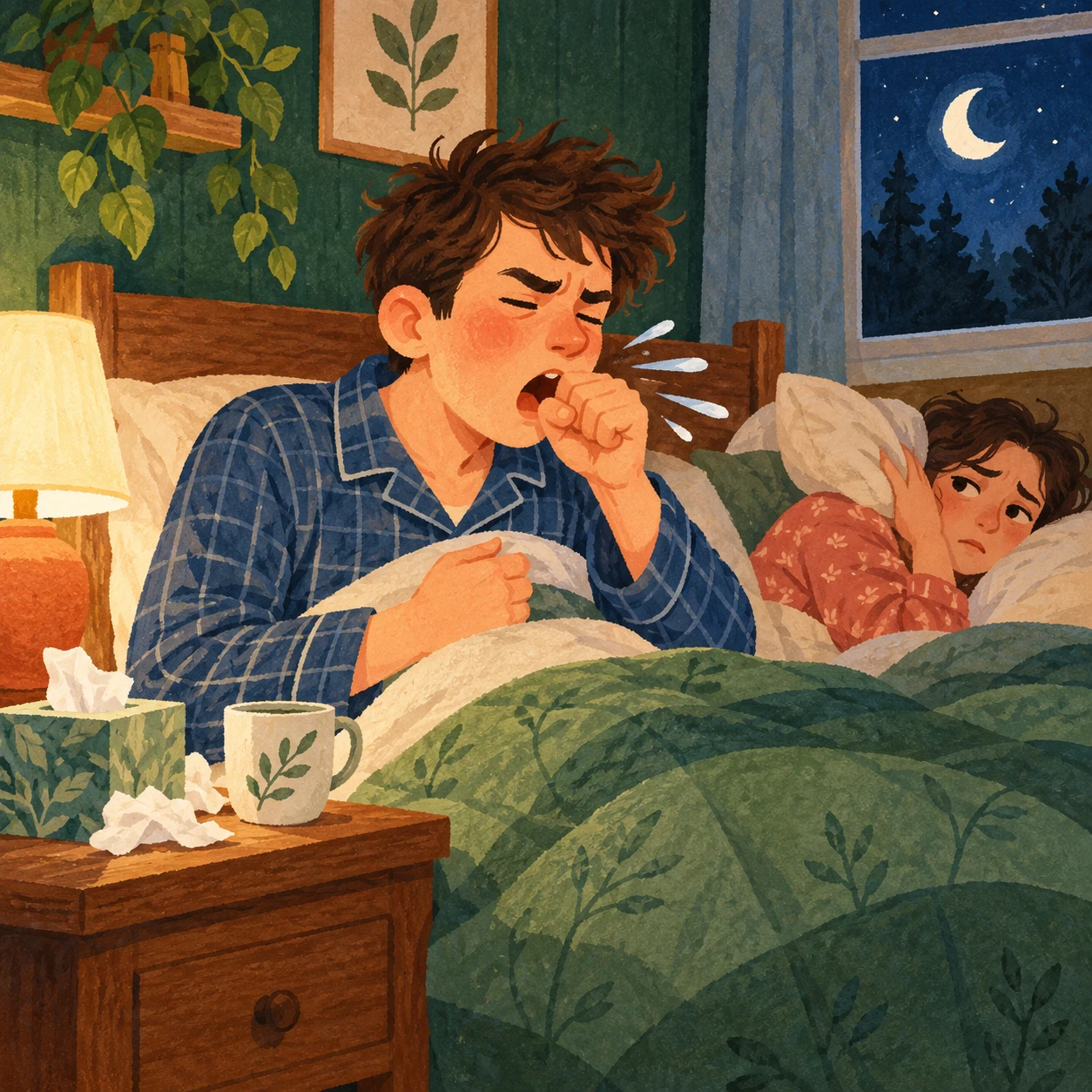
Distingue estos significados según la situación: headache = dolor de cabeza; cough = tos; fever = fiebre; cold = resfriado.
Pain in the head is called a headache.
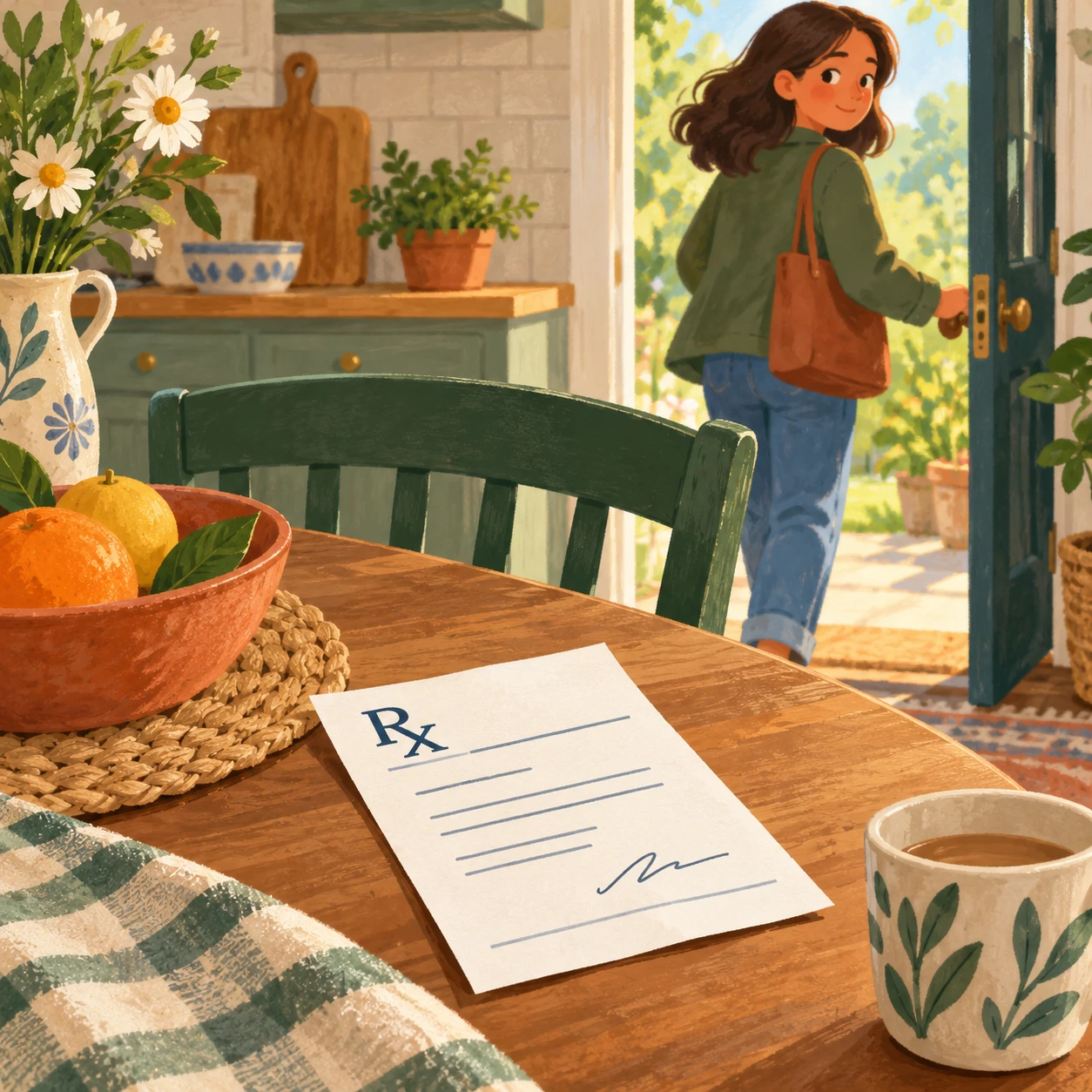
Distingue estos significados según la situación: appointment = cita; prescription = receta médica; treatment = tratamiento; recovery = recuperación.
We agreed that I will see the doctor at three. I have an appointment.
The joint joining the foot to the leg is the ___.
Distingue estos significados según la situación: ankle = tobillo; wrist = muñeca; knee = rodilla; shoulder = hombro.
The joint joining the foot to the leg is the ankle.Distingue estos significados según la situación: headache = dolor de cabeza; cough = tos; fever = fiebre; cold = resfriado.
Pain in the head is called a headache.Distingue estos significados según la situación: appointment = cita; prescription = receta médica; treatment = tratamiento; recovery = recuperación.
We agreed that I will see the doctor at three. I have an appointment.Conserva el primer intento, entiende el cambio y compruébalo en otra situación.
Aún no hay repasos. Prueba un calentamiento corto.
Abrir una respuesta registra ayuda para esa pregunta.
The joint joining the foot to the leg is the ___.
Fíjate en «foot to the leg». Aquí se pide «tobillo»: «ankle». Localiza la articulación por las partes que une. Frase completa: «The joint joining the foot to the leg is the ankle.».
Pain in the head is called a ___.
Fíjate en «Pain in the head». Aquí se pide «dolor de cabeza»: «headache». Nombra el síntoma o enfermedad descrito, no otro problema que pueda coincidir. Frase completa: «Pain in the head is called a headache.».
We agreed that I will see the doctor at three. I have an ___.
Fíjate en «see the doctor at three». Aquí se pide «cita»: «appointment». Distingue concertar una visita, recetar medicina, dar atención y recuperarse. Frase completa: «We agreed that I will see the doctor at three. I have an appointment.».
The joint joining the hand to the arm is the ___.
Fíjate en «hand to the arm». Aquí se pide «muñeca»: «wrist». Localiza la articulación por las partes que une. Frase completa: «The joint joining the hand to the arm is the wrist.».
A sudden noisy push of air from your throat is a ___.
Fíjate en «push of air from your throat». Aquí se pide «tos»: «cough». Nombra el síntoma o enfermedad descrito, no otro problema que pueda coincidir. Frase completa: «A sudden noisy push of air from your throat is a cough.».
The doctor’s written order that authorises specific medicine is a ___.
Fíjate en «written order». Aquí se pide «receta médica»: «prescription». Distingue concertar una visita, recetar medicina, dar atención y recuperarse. Frase completa: «The doctor’s written order that authorises specific medicine is a prescription.».
The joint in the middle of the leg that bends is the ___.
Fíjate en «middle of the leg». Aquí se pide «rodilla»: «knee». Localiza la articulación por las partes que une. Frase completa: «The joint in the middle of the leg that bends is the knee.».
The joint where the upper arm meets the body is the ___.
Fíjate en «upper arm meets the body». Aquí se pide «hombro»: «shoulder». Localiza la articulación por las partes que une. Frase completa: «The joint where the upper arm meets the body is the shoulder.».
A body temperature higher than normal is called a ___.
Fíjate en «temperature higher than normal». Aquí se pide «fiebre»: «fever». Nombra el síntoma o enfermedad descrito, no otro problema que pueda coincidir. Frase completa: «A body temperature higher than normal is called a fever.».
Medical care given to improve an illness or injury is called ___.
Fíjate en «Medical care». Aquí se pide «tratamiento»: «treatment». Distingue concertar una visita, recetar medicina, dar atención y recuperarse. Frase completa: «Medical care given to improve an illness or injury is called treatment.».
A common minor illness with a runny nose and sneezing is a ___.
Fíjate en «runny nose and sneezing». Aquí se pide «resfriado»: «cold». Nombra el síntoma o enfermedad descrito, no otro problema que pueda coincidir. Frase completa: «A common minor illness with a runny nose and sneezing is a cold.».
The process of getting well after an illness is ___.
Fíjate en «getting well». Aquí se pide «recuperación»: «recovery». Distingue concertar una visita, recetar medicina, dar atención y recuperarse. Frase completa: «The process of getting well after an illness is recovery.».
The joint between my foot and my lower leg is my ___.
Fíjate en «foot and my lower leg». Aquí se pide «tobillo»: «ankle». Localiza la articulación por las partes que une. Frase completa: «The joint between my foot and my lower leg is my ankle.».
I have a pain in my head. I have a ___.
Fíjate en «pain in my head». Aquí se pide «dolor de cabeza»: «headache». Nombra el síntoma o enfermedad descrito, no otro problema que pueda coincidir. Frase completa: «I have a pain in my head. I have a headache.».
My doctor has agreed to see me at a fixed time tomorrow. I have an ___.
Fíjate en «fixed time». Aquí se pide «cita»: «appointment». Distingue concertar una visita, recetar medicina, dar atención y recuperarse. Frase completa: «My doctor has agreed to see me at a fixed time tomorrow. I have an appointment.».
The joint between my hand and my arm is my ___.
Fíjate en «hand and my arm». Aquí se pide «muñeca»: «wrist». Localiza la articulación por las partes que une. Frase completa: «The joint between my hand and my arm is my wrist.».
Air comes out of my mouth suddenly with a rough sound. This action is a ___.
Fíjate en «rough sound». Aquí se pide «tos»: «cough». Nombra el síntoma o enfermedad descrito, no otro problema que pueda coincidir. Frase completa: «Air comes out of my mouth suddenly with a rough sound. This action is a cough.».
The doctor gives me written instructions for the pharmacy to supply medicine: a ___.
Fíjate en «pharmacy to supply medicine». Aquí se pide «receta médica»: «prescription». Distingue concertar una visita, recetar medicina, dar atención y recuperarse. Frase completa: «The doctor gives me written instructions for the pharmacy to supply medicine: a prescription.».
The joint in the middle of my leg, where it bends, is my ___.
Fíjate en «middle of my leg». Aquí se pide «rodilla»: «knee». Localiza la articulación por las partes que une. Frase completa: «The joint in the middle of my leg, where it bends, is my knee.».
The part where my arm joins the top of my body is my ___.
Fíjate en «arm joins the top». Aquí se pide «hombro»: «shoulder». Localiza la articulación por las partes que une. Frase completa: «The part where my arm joins the top of my body is my shoulder.».
A body temperature much higher than normal is called a ___.
Fíjate en «temperature much higher». Aquí se pide «fiebre»: «fever». Nombra el síntoma o enfermedad descrito, no otro problema que pueda coincidir. Frase completa: «A body temperature much higher than normal is called a fever.».
Care or medicine given to help an illness is ___.
Fíjate en «Care or medicine». Aquí se pide «tratamiento»: «treatment». Distingue concertar una visita, recetar medicina, dar atención y recuperarse. Frase completa: «Care or medicine given to help an illness is treatment.».
I have a common minor illness with a runny nose and sneezing. I have a ___.
Fíjate en «runny nose and sneezing». Aquí se pide «resfriado»: «cold». Nombra el síntoma o enfermedad descrito, no otro problema que pueda coincidir. Frase completa: «I have a common minor illness with a runny nose and sneezing. I have a cold.».
The process of becoming well again after being ill is ___.
Fíjate en «becoming well again». Aquí se pide «recuperación»: «recovery». Distingue concertar una visita, recetar medicina, dar atención y recuperarse. Frase completa: «The process of becoming well again after being ill is recovery.».