A1

Rutinas diarias: ejercicios

Sobre esta lección

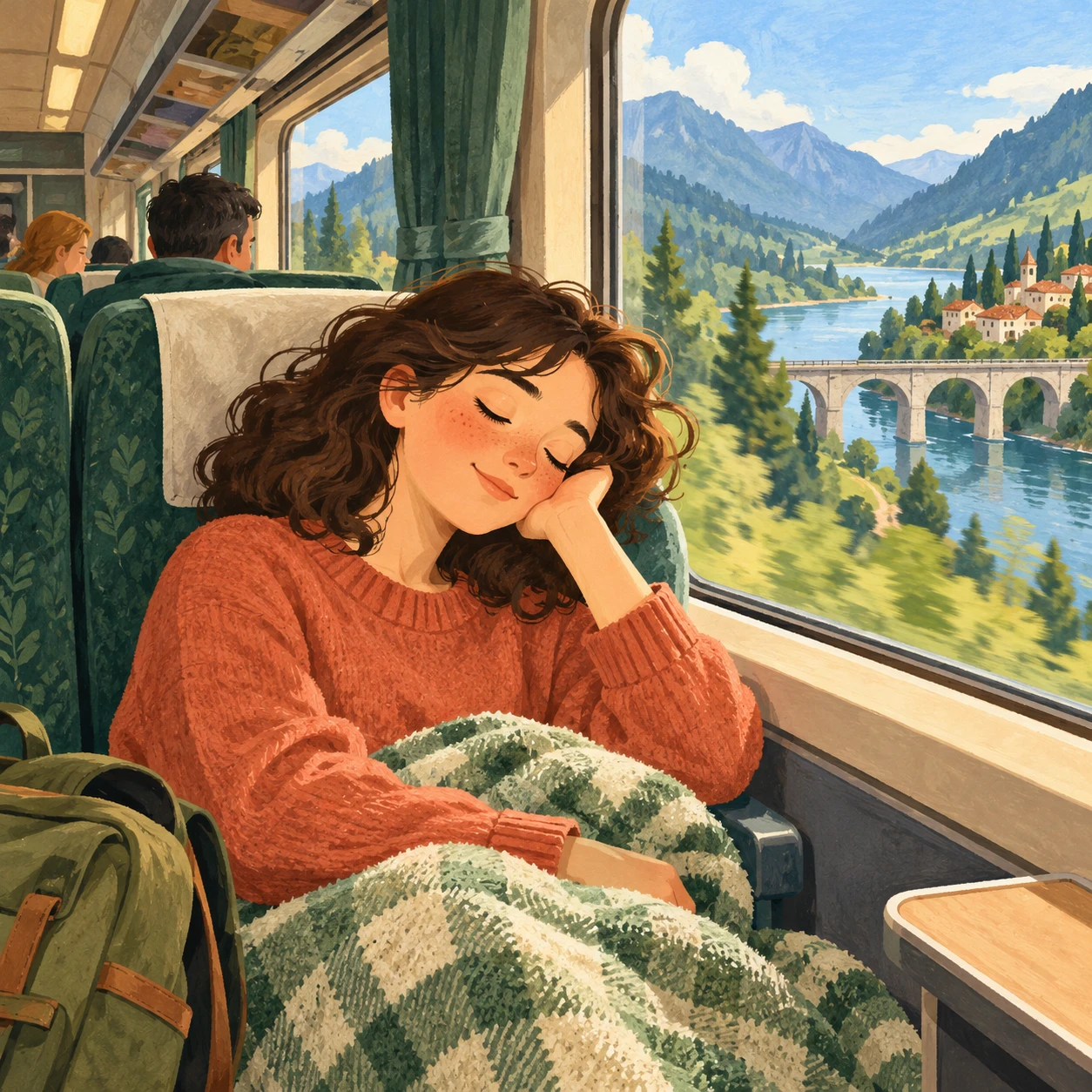
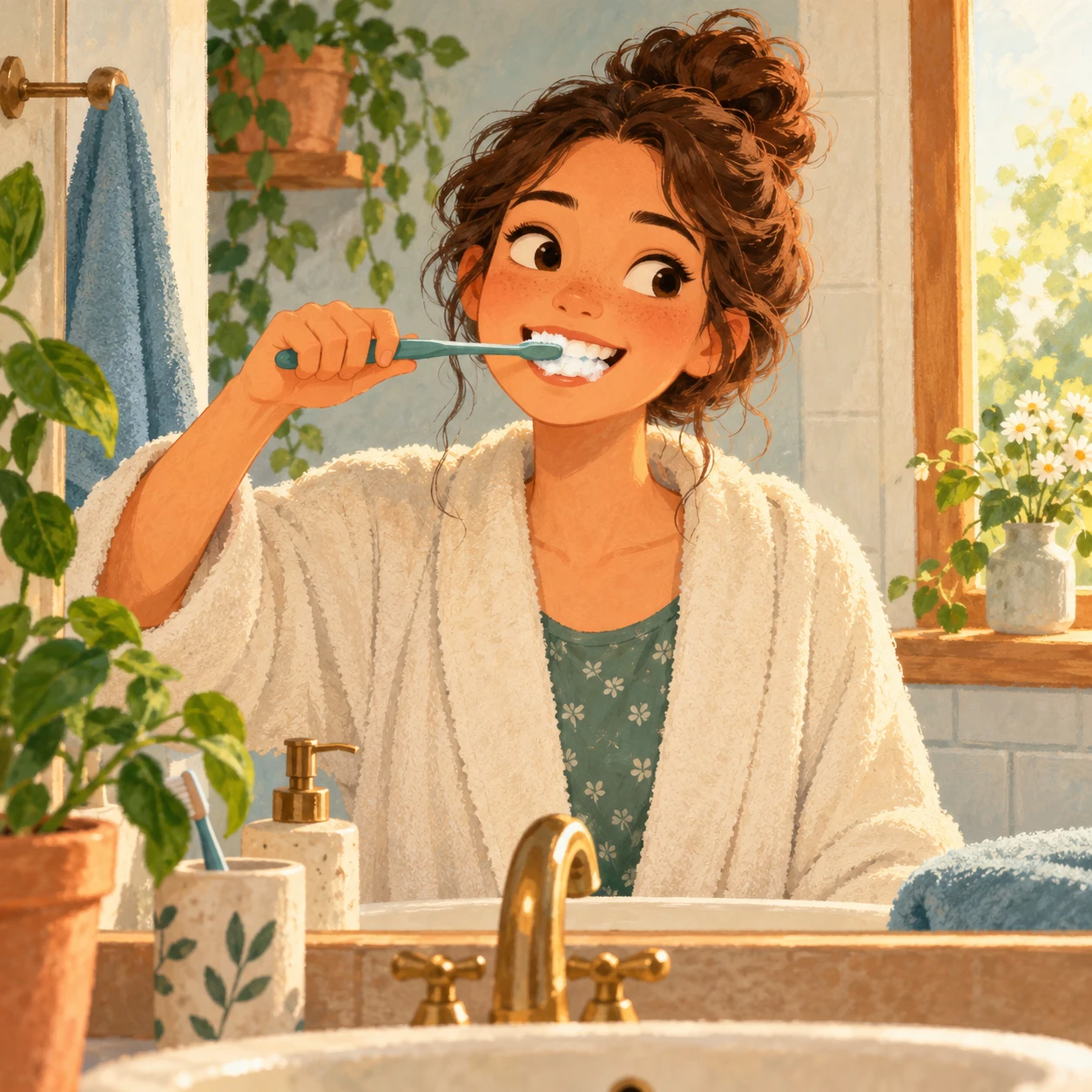
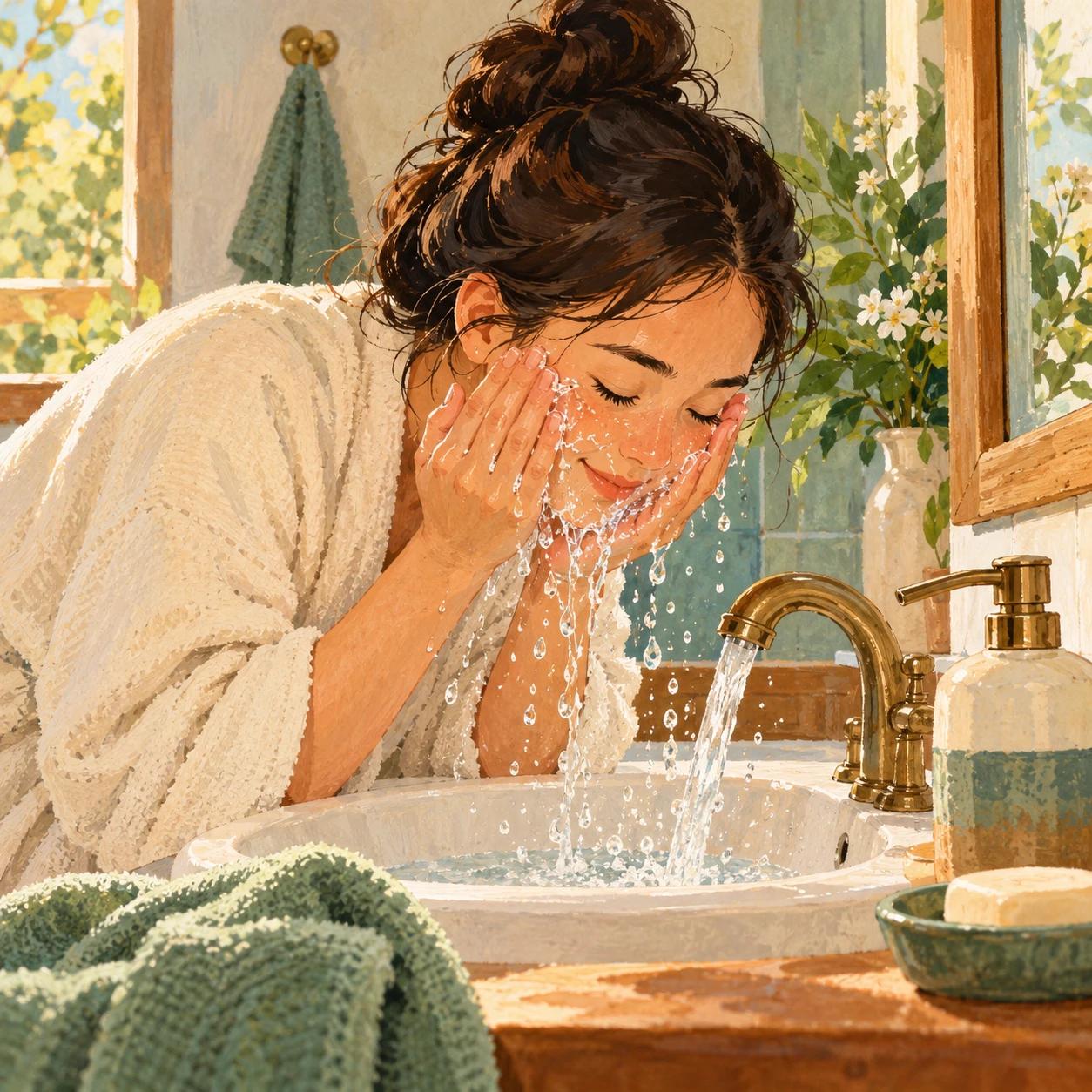
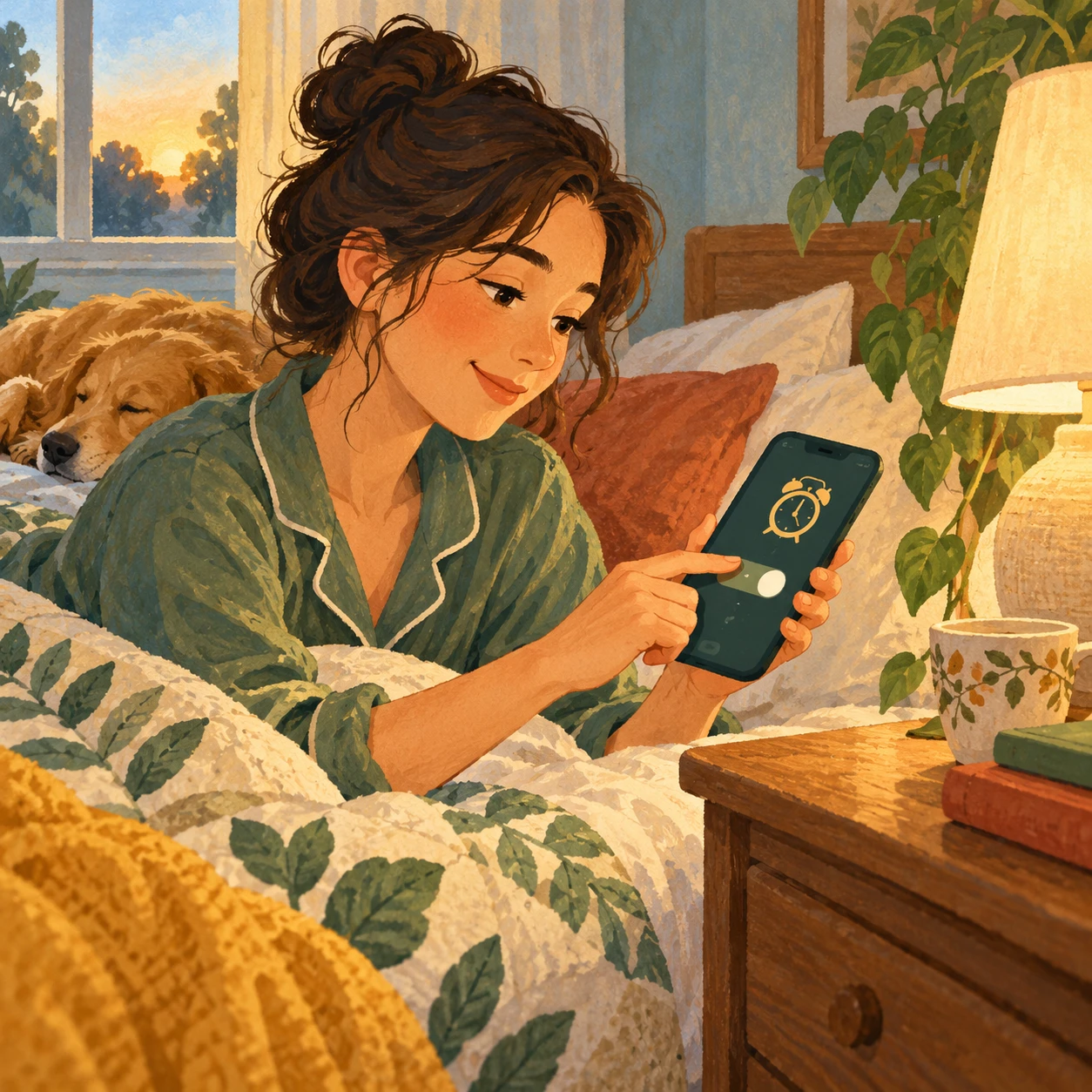
Rutinas diarias · A1. Distingue estos significados según la situación: wake up = despertarse; get dressed = vestirse; brush my teeth = cepillarme los dientes; wash my face = lavarme la cara.

Practica Rutinas diarias en situaciones breves. Lee la pista, elige o escribe una forma y revisa la explicación. El nivel es una orientación editorial. Explora 12 tarjetas y 24 preguntas contextualizadas, con nuevas situaciones de repaso y aplicación.

24 preguntas
Guárdalo para encontrarlo en Mi colección.
Vocabulario

Tarjetas de aprendizaje

1/12
wake up
wake up
A1
01 / 12
Guárdalo para encontrarlo en Mi colección.

wake up

despertarse

To stop sleeping.

En una frase

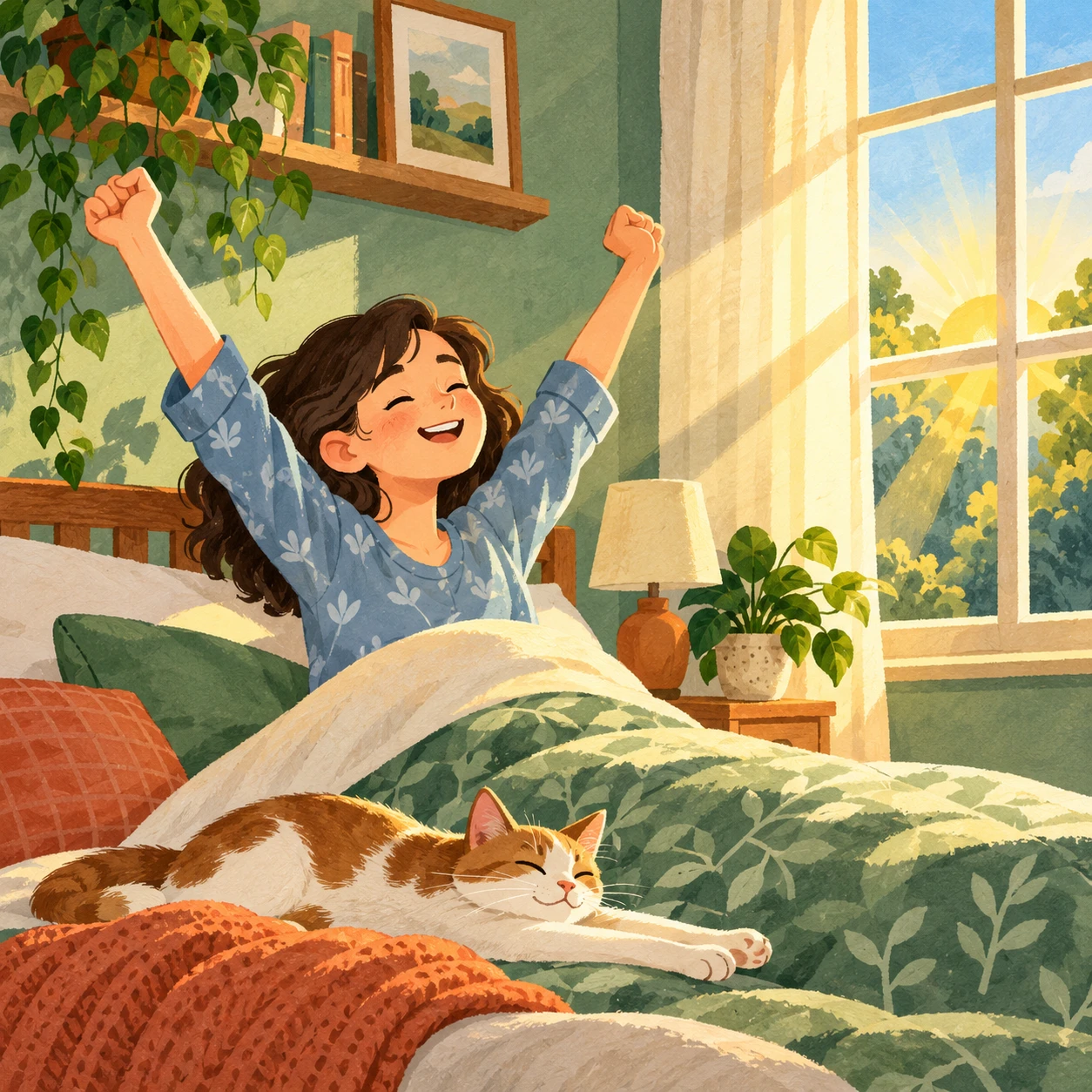
I wake up earlier when sunlight enters the room.

Me despierto antes cuando entra la luz del sol en la habitación.

Combinaciones útiles
wake up earlywake up at seven

Formas y familia de palabras

woke upwoken upwaking up

Significados próximos y paráfrasis

awaken

Se refieren a este sentido. La familia puede cambiar de significado; las expresiones próximas no siempre son intercambiables.

Usa «wake up» para despertarse. Compáralo con «get dressed» (vestirse); son sentidos distintos.

0 Palabras guardadas

Un poco de claridad

despertarse · vestirse · cepillarme los dientes · lavarme la cara

Distingue estos significados según la situación: wake up = despertarse; get dressed = vestirse; brush my teeth = cepillarme los dientes; wash my face = lavarme la cara.

When my sleep ends at seven, I wake up.

desayunar · almorzar · cenar · ir al trabajo

Distingue estos significados según la situación: have breakfast = desayunar; have lunch = almorzar; have dinner = cenar; go to work = ir al trabajo.

I eat my first meal in the morning. I have breakfast.

acostarse · quedarse dormido · poner una alarma · apagar la luz

Distingue estos significados según la situación: go to bed = acostarse; fall asleep = quedarse dormido; set an alarm = poner una alarma; turn off the light = apagar la luz.

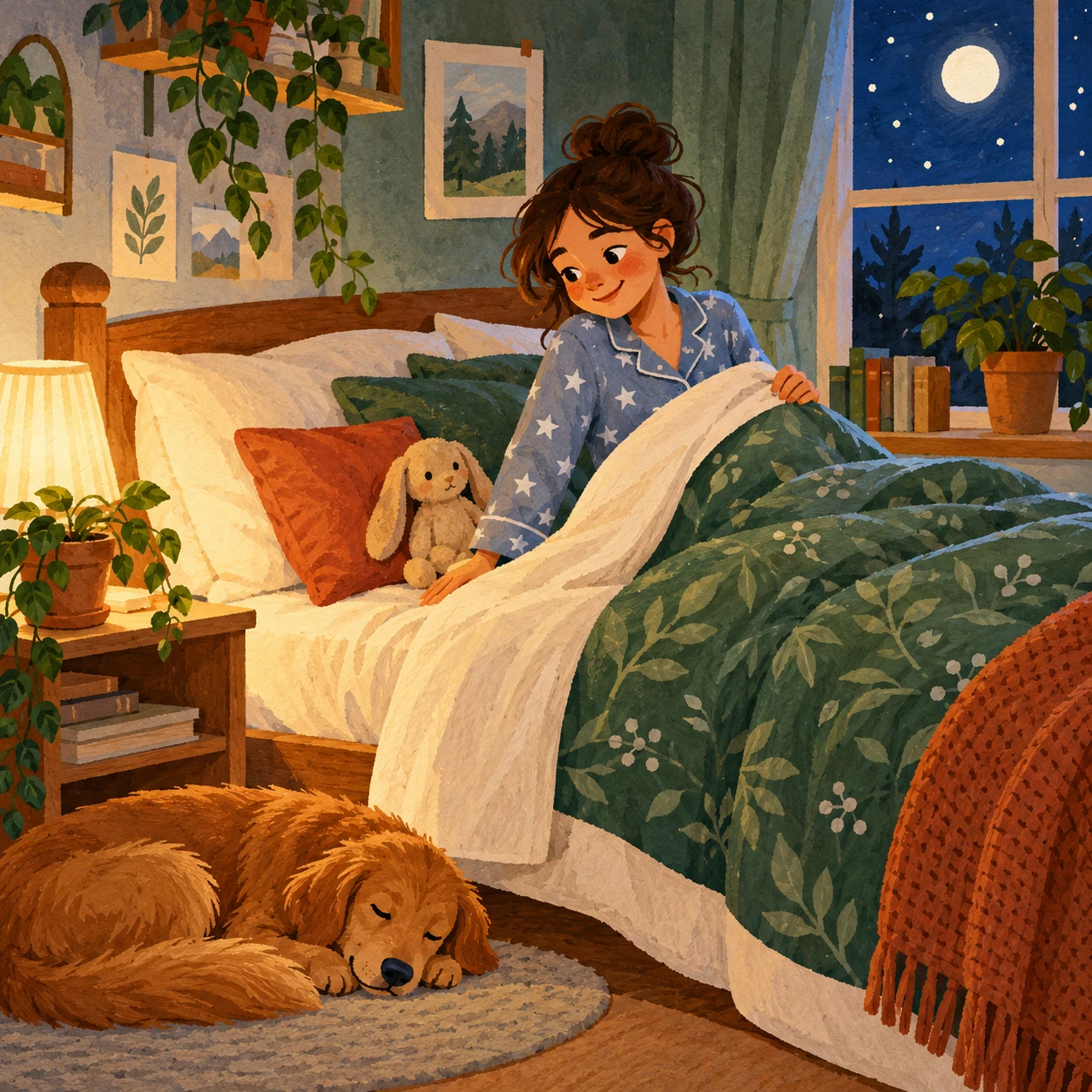
At ten I put on my pyjamas and get under the covers. I go to bed.

0/24
Preguntas
01 / 24D01Guárdalo para encontrarlo en Mi colección.

When my sleep ends at seven, I ___.

Choose the option that completes the gap in this situation.

Tu respuesta
1 / 24

Tu ruta de aprendizaje

01
Paso 1 · Calentamiento

Calentamiento

0/3
02
Paso 2 · Practicar la habilidad

despertarse · vestirse · cepillarme los dientes · lavarme la cara

0/2

Distingue estos significados según la situación: wake up = despertarse; get dressed = vestirse; brush my teeth = cepillarme los dientes; wash my face = lavarme la cara.

When my sleep ends at seven, I wake up.
03
Paso 3 · Practicar la habilidad

desayunar · almorzar · cenar · ir al trabajo

0/1

Distingue estos significados según la situación: have breakfast = desayunar; have lunch = almorzar; have dinner = cenar; go to work = ir al trabajo.

I eat my first meal in the morning. I have breakfast.
04
Paso 4 · Practicar la habilidad

acostarse · quedarse dormido · poner una alarma · apagar la luz

0/1

Distingue estos significados según la situación: go to bed = acostarse; fall asleep = quedarse dormido; set an alarm = poner una alarma; turn off the light = apagar la luz.

At ten I put on my pyjamas and get under the covers. I go to bed.
05
Paso 5 · Nuevos contextos

Nuevos contextos

0/9
06
Paso 6 · Un nuevo reto

Un nuevo reto

0/8
Repasos de esta unidad

Haz que los errores sirvan.

Conserva el primer intento, entiende el cambio y compruébalo en otra situación.

0

Aún no hay repasos. Prueba un calentamiento corto.

Preguntas y respuestas

Abrir una respuesta registra ayuda para esa pregunta.

D01 · Calentamiento

When my sleep ends at seven, I ___.

Choose the option that completes the gap in this situation.

  1. brush my teeth
  2. get dressed
  3. wash my face
  4. wake up
Respuesta y explicación
wake up

Fíjate en «sleep ends». Aquí se pide «despertarse»: «wake up». Acostarse, dormirse y despertarse son distintos. Programar una alarma o apagar la luz son otras acciones. Frase completa: «When my sleep ends at seven, I wake up.».

D02 · Calentamiento

I eat my first meal in the morning. I ___.

Choose the option that completes the gap in this situation.

  1. go to work
  2. have lunch
  3. have breakfast
  4. have dinner
Respuesta y explicación
have breakfast

Fíjate en «first meal in the morning». Aquí se pide «desayunar»: «have breakfast». Usa la hora de la comida indicada. Ir al lugar de trabajo es un trayecto, no una comida. Frase completa: «I eat my first meal in the morning. I have breakfast.».

D03 · Calentamiento

At ten I put on my pyjamas and get under the covers. I ___.

Choose the option that completes the gap in this situation.

  1. go to bed
  2. set an alarm
  3. turn off the light
  4. fall asleep
Respuesta y explicación
go to bed

Fíjate en «get under the covers». Aquí se pide «acostarse»: «go to bed». Acostarse, dormirse y despertarse son distintos. Programar una alarma o apagar la luz son otras acciones. Frase completa: «At ten I put on my pyjamas and get under the covers. I go to bed.».

P01 · Practicar la habilidad

After my shower, I put on my clothes. I ___.

Choose the option that completes the gap in this situation.

  1. wake up
  2. brush my teeth
  3. wash my face
  4. get dressed
Respuesta y explicación
get dressed

Fíjate en «put on my clothes». Aquí se pide «vestirse»: «get dressed». Usa la parte del cuerpo y la acción: vestirse, limpiar dientes o lavar la cara. Frase completa: «After my shower, I put on my clothes. I get dressed.».

P02 · Practicar la habilidad

In my family, dinner means the evening meal. At midday I eat a sandwich as my main meal. I ___.

Choose the option that completes the gap in this situation.

  1. have lunch
  2. go to work
  3. have breakfast
  4. have dinner
Respuesta y explicación
have lunch

Fíjate en «At midday». Aquí se pide «almorzar»: «have lunch». Usa la hora de la comida indicada. Ir al lugar de trabajo es un trayecto, no una comida. Frase completa: «In my family, dinner means the evening meal. At midday I eat a sandwich as my main meal. I have lunch.” / “At midday I eat a sandwich as my main meal. I have lunch.».

P03 · Practicar la habilidad

I close my eyes and stop being awake. I ___.

Choose the option that completes the gap in this situation.

  1. set an alarm
  2. turn off the light
  3. fall asleep
  4. go to bed
Respuesta y explicación
fall asleep

Fíjate en «stop being awake». Aquí se pide «quedarse dormido»: «fall asleep». Acostarse, dormirse y despertarse son distintos. Programar una alarma o apagar la luz son otras acciones. Frase completa: «I close my eyes and stop being awake. I fall asleep.».

P04 · Practicar la habilidad

I use a toothbrush and toothpaste. I ___.

Choose the option that completes the gap in this situation.

  1. wake up
  2. get dressed
  3. wash my face
  4. brush my teeth
Respuesta y explicación
brush my teeth

Fíjate en «toothbrush and toothpaste». Aquí se pide «cepillarme los dientes»: «brush my teeth». Usa la parte del cuerpo y la acción: vestirse, limpiar dientes o lavar la cara. Frase completa: «I use a toothbrush and toothpaste. I brush my teeth.».

R01 · Nuevos contextos

I clean my cheeks and forehead with water. I ___.

Choose the option that completes the gap in this situation.

  1. get dressed
  2. wash my face
  3. wake up
  4. brush my teeth
Respuesta y explicación
wash my face

Fíjate en «cheeks and forehead». Aquí se pide «lavarme la cara»: «wash my face». Usa la parte del cuerpo y la acción: vestirse, limpiar dientes o lavar la cara. Frase completa: «I clean my cheeks and forehead with water. I wash my face.».

R02 · Nuevos contextos

In the evening I sit down for my final main meal. I ___.

Choose the option that completes the gap in this situation.

  1. go to work
  2. have dinner
  3. have lunch
  4. have breakfast
Respuesta y explicación
have dinner

Fíjate en «final main meal». Aquí se pide «cenar»: «have dinner». Usa la hora de la comida indicada. Ir al lugar de trabajo es un trayecto, no una comida. Frase completa: «In the evening I sit down for my final main meal. I have dinner.».

R03 · Nuevos contextos

I program my phone to ring at six tomorrow. I ___.

Choose the option that completes the gap in this situation.

  1. turn off the light
  2. fall asleep
  3. set an alarm
  4. go to bed
Respuesta y explicación
set an alarm

Fíjate en «phone to ring at six». Aquí se pide «poner una alarma»: «set an alarm». Acostarse, dormirse y despertarse son distintos. Programar una alarma o apagar la luz son otras acciones. Frase completa: «I program my phone to ring at six tomorrow. I set an alarm.».

X01 · Un nuevo reto

I leave home and travel to my office for my job. I ___.

Choose the option that completes the gap in this situation.

  1. have dinner
  2. go to work
  3. have lunch
  4. have breakfast
Respuesta y explicación
go to work

Fíjate en «travel to my office». Aquí se pide «ir al trabajo»: «go to work». Usa la hora de la comida indicada. Ir al lugar de trabajo es un trayecto, no una comida. Frase completa: «I leave home and travel to my office for my job. I go to work.».

X02 · Un nuevo reto

I press the switch so the bedroom becomes dark. I ___.

Choose the option that completes the gap in this situation.

  1. turn off the light
  2. fall asleep
  3. set an alarm
  4. go to bed
Respuesta y explicación
turn off the light

Fíjate en «room becomes dark». Aquí se pide «apagar la luz»: «turn off the light». Acostarse, dormirse y despertarse son distintos. Programar una alarma o apagar la luz son otras acciones. Frase completa: «I press the switch so the bedroom becomes dark. I turn off the light.».

R04 · Nuevos contextos

My sleep ends at six, but I stay in bed for a minute. I ___ at six.

Choose the option that completes the gap in this situation.

  1. wake up
  2. get dressed
  3. brush my teeth
  4. wash my face
Respuesta y explicación
wake up

Fíjate en «sleep ends». Aquí se pide «despertarse»: «wake up». Acostarse, dormirse y despertarse son distintos. Programar una alarma o apagar la luz son otras acciones. Frase completa: «My sleep ends at six, but I stay in bed for a minute. I wake up at six.».

R05 · Nuevos contextos

In the morning, I sit down for my first meal. I ___ before school.

Choose the option that completes the gap in this situation.

  1. have dinner
  2. go to work
  3. have lunch
  4. have breakfast
Respuesta y explicación
have breakfast

Fíjate en «first meal». Aquí se pide «desayunar»: «have breakfast». Usa la hora de la comida indicada. Ir al lugar de trabajo es un trayecto, no una comida. Frase completa: «In the morning, I sit down for my first meal. I have breakfast before school.».

R06 · Nuevos contextos

Which phrase means getting into bed to rest, even if you stay awake for a while? I ___.

Choose the option that completes the gap in this situation.

  1. set an alarm
  2. go to bed
  3. fall asleep
  4. turn off the light
Respuesta y explicación
go to bed

Fíjate en «even if you stay awake». Aquí se pide «acostarse»: «go to bed». Acostarse, dormirse y despertarse son distintos. Programar una alarma o apagar la luz son otras acciones. Frase completa: «Which phrase means getting into bed to rest, even if you stay awake for a while? I go to bed.».

R07 · Nuevos contextos

Before I leave my bedroom, I put on my clothes. I ___.

Choose the option that completes the gap in this situation.

  1. wash my face
  2. get dressed
  3. wake up
  4. brush my teeth
Respuesta y explicación
get dressed

Fíjate en «put on my clothes». Aquí se pide «vestirse»: «get dressed». Usa la parte del cuerpo y la acción: vestirse, limpiar dientes o lavar la cara. Frase completa: «Before I leave my bedroom, I put on my clothes. I get dressed.».

R08 · Nuevos contextos

In my family, breakfast is at seven in the morning and dinner means our evening meal. For the main meal between them, I ___ with my work friends.

Choose the option that completes the gap in this situation.

  1. have dinner
  2. have breakfast
  3. go to work
  4. have lunch
Respuesta y explicación
have lunch

Fíjate en «main meal between them». Aquí se pide «almorzar»: «have lunch». Usa la hora de la comida indicada. Ir al lugar de trabajo es un trayecto, no una comida. Frase completa: «In my family, breakfast is at seven in the morning and dinner means our evening meal. For the main meal between them, I have lunch with my work friends.».

R09 · Nuevos contextos

I am awake at first, but then I begin to sleep. I ___.

Choose the option that completes the gap in this situation.

  1. turn off the light
  2. go to bed
  3. fall asleep
  4. set an alarm
Respuesta y explicación
fall asleep

Fíjate en «begin to sleep». Aquí se pide «quedarse dormido»: «fall asleep». Acostarse, dormirse y despertarse son distintos. Programar una alarma o apagar la luz son otras acciones. Frase completa: «I am awake at first, but then I begin to sleep. I fall asleep.».

X03 · Un nuevo reto

I use a toothbrush and toothpaste when I ___.

Choose the option that completes the gap in this situation.

  1. wash my face
  2. brush my teeth
  3. get dressed
  4. wake up
Respuesta y explicación
brush my teeth

Fíjate en «toothbrush and toothpaste». Aquí se pide «cepillarme los dientes»: «brush my teeth». Usa la parte del cuerpo y la acción: vestirse, limpiar dientes o lavar la cara. Frase completa: «I use a toothbrush and toothpaste when I brush my teeth.».

X04 · Un nuevo reto

I put water on my cheeks and nose when I ___.

Choose the option that completes the gap in this situation.

  1. get dressed
  2. brush my teeth
  3. wake up
  4. wash my face
Respuesta y explicación
wash my face

Fíjate en «water on my cheeks and nose». Aquí se pide «lavarme la cara»: «wash my face». Usa la parte del cuerpo y la acción: vestirse, limpiar dientes o lavar la cara. Frase completa: «I put water on my cheeks and nose when I wash my face.».

X05 · Un nuevo reto

In the evening, I sit down for my main meal. I ___ at seven.

Choose the option that completes the gap in this situation.

  1. go to work
  2. have lunch
  3. have dinner
  4. have breakfast
Respuesta y explicación
have dinner

Fíjate en «main meal». Aquí se pide «cenar»: «have dinner». Usa la hora de la comida indicada. Ir al lugar de trabajo es un trayecto, no una comida. Frase completa: «In the evening, I sit down for my main meal. I have dinner at seven.».

X06 · Un nuevo reto

I want my phone to wake me at six. Before bed, I ___.

Choose the option that completes the gap in this situation.

  1. turn off the light
  2. go to bed
  3. set an alarm
  4. fall asleep
Respuesta y explicación
set an alarm

Fíjate en «phone to wake me». Aquí se pide «poner una alarma»: «set an alarm». Acostarse, dormirse y despertarse son distintos. Programar una alarma o apagar la luz son otras acciones. Frase completa: «I want my phone to wake me at six. Before bed, I set an alarm.».

X07 · Un nuevo reto

On weekday mornings, I leave home and travel to my office. I ___.

Choose the option that completes the gap in this situation.

  1. go to work
  2. have dinner
  3. have lunch
  4. have breakfast
Respuesta y explicación
go to work

Fíjate en «travel to my office». Aquí se pide «ir al trabajo»: «go to work». Usa la hora de la comida indicada. Ir al lugar de trabajo es un trayecto, no una comida. Frase completa: «On weekday mornings, I leave home and travel to my office. I go to work.».

X08 · Un nuevo reto

When I leave a bright room, I press the switch to make it dark. I ___.

Choose the option that completes the gap in this situation.

  1. go to bed
  2. fall asleep
  3. turn off the light
  4. set an alarm
Respuesta y explicación
turn off the light

Fíjate en «make it dark». Aquí se pide «apagar la luz»: «turn off the light». Acostarse, dormirse y despertarse son distintos. Programar una alarma o apagar la luz son otras acciones. Frase completa: «When I leave a bright room, I press the switch to make it dark. I turn off the light.».