camisa · abrigo · pantalones · zapatos
Distingue estos significados según la situación: shirt = camisa; coat = abrigo; trousers = pantalones; shoes = zapatos.
This upper-body garment has a collar, buttons and sleeves: a shirt.

Ropa y colores · A1. Distingue estos significados según la situación: shirt = camisa; coat = abrigo; trousers = pantalones; shoes = zapatos.
Practica Ropa y colores en situaciones breves. Lee la pista, elige o escribe una forma y revisa la explicación. El nivel es una orientación editorial. Explora 12 tarjetas y 24 preguntas contextualizadas, con nuevas situaciones de repaso y aplicación.
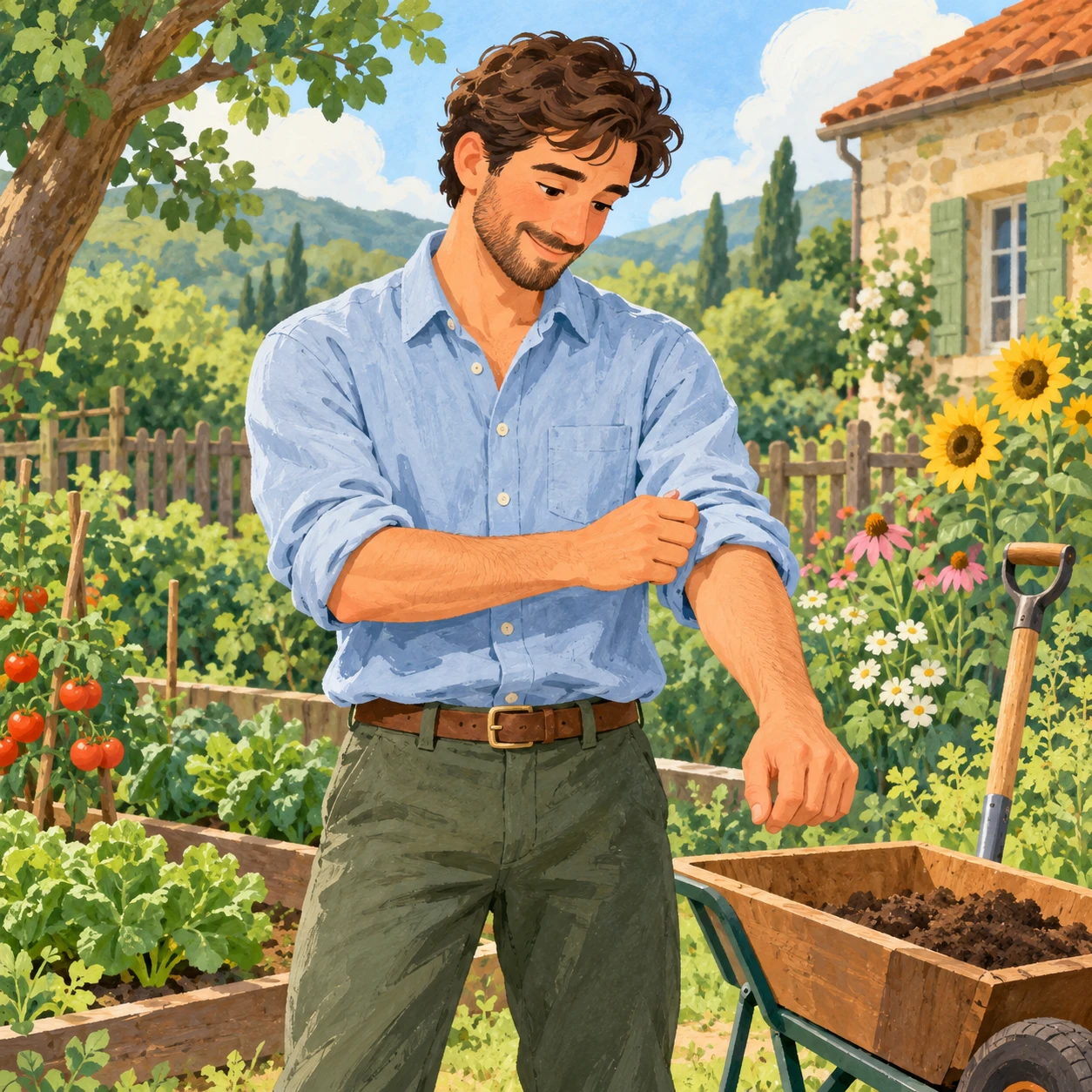
Clothing for the upper body, often with buttons and a collar.
He rolled up the sleeves of his shirt.
Se remangó la camisa.
Se refieren a este sentido. La familia puede cambiar de significado; las expresiones próximas no siempre son intercambiables.
Usa «shirt» para camisa. Compáralo con «coat» (abrigo); son sentidos distintos.
Distingue estos significados según la situación: shirt = camisa; coat = abrigo; trousers = pantalones; shoes = zapatos.
This upper-body garment has a collar, buttons and sleeves: a shirt.
Distingue estos significados según la situación: red = rojo; blue = azul; green = verde; black = negro.
A ripe tomato is usually this colour: red.
Distingue estos significados según la situación: hat = sombrero; scarf = bufanda; gloves = guantes; belt = cinturón.
I wear this on top of my head in the sun: a hat.
This light cotton top is worn under a coat. It has a collar, buttons and sleeves. It is a ___.
Distingue estos significados según la situación: shirt = camisa; coat = abrigo; trousers = pantalones; shoes = zapatos.
This upper-body garment has a collar, buttons and sleeves: a shirt.Distingue estos significados según la situación: red = rojo; blue = azul; green = verde; black = negro.
A ripe tomato is usually this colour: red.Distingue estos significados según la situación: hat = sombrero; scarf = bufanda; gloves = guantes; belt = cinturón.
I wear this on top of my head in the sun: a hat.Conserva el primer intento, entiende el cambio y compruébalo en otra situación.
Aún no hay repasos. Prueba un calentamiento corto.
Abrir una respuesta registra ayuda para esa pregunta.
This light cotton top is worn under a coat. It has a collar, buttons and sleeves. It is a ___.
Fíjate en «light cotton top». Aquí se pide «camisa»: «shirt». Usa la parte del cuerpo, la forma y la función de la prenda. Frase completa: «This light cotton top is worn under a coat. It has a collar, buttons and sleeves. It is a shirt.” / “This upper-body garment has a collar, buttons and sleeves: a shirt.».
A ripe tomato is usually this colour: ___.
Fíjate en «ripe tomato». Aquí se pide «rojo»: «red». Se pide el color habitual indicado, no una excepción rara. Frase completa: «A ripe tomato is usually this colour: red.».
I wear this covering with a wide brim on top of my head in the sun: a ___.
Fíjate en «wide brim». Aquí se pide «sombrero»: «hat». Usa la parte del cuerpo, la forma y la función de la prenda. Frase completa: «I wear this covering with a wide brim on top of my head in the sun: a hat.” / “I wear this on top of my head in the sun: a hat.».
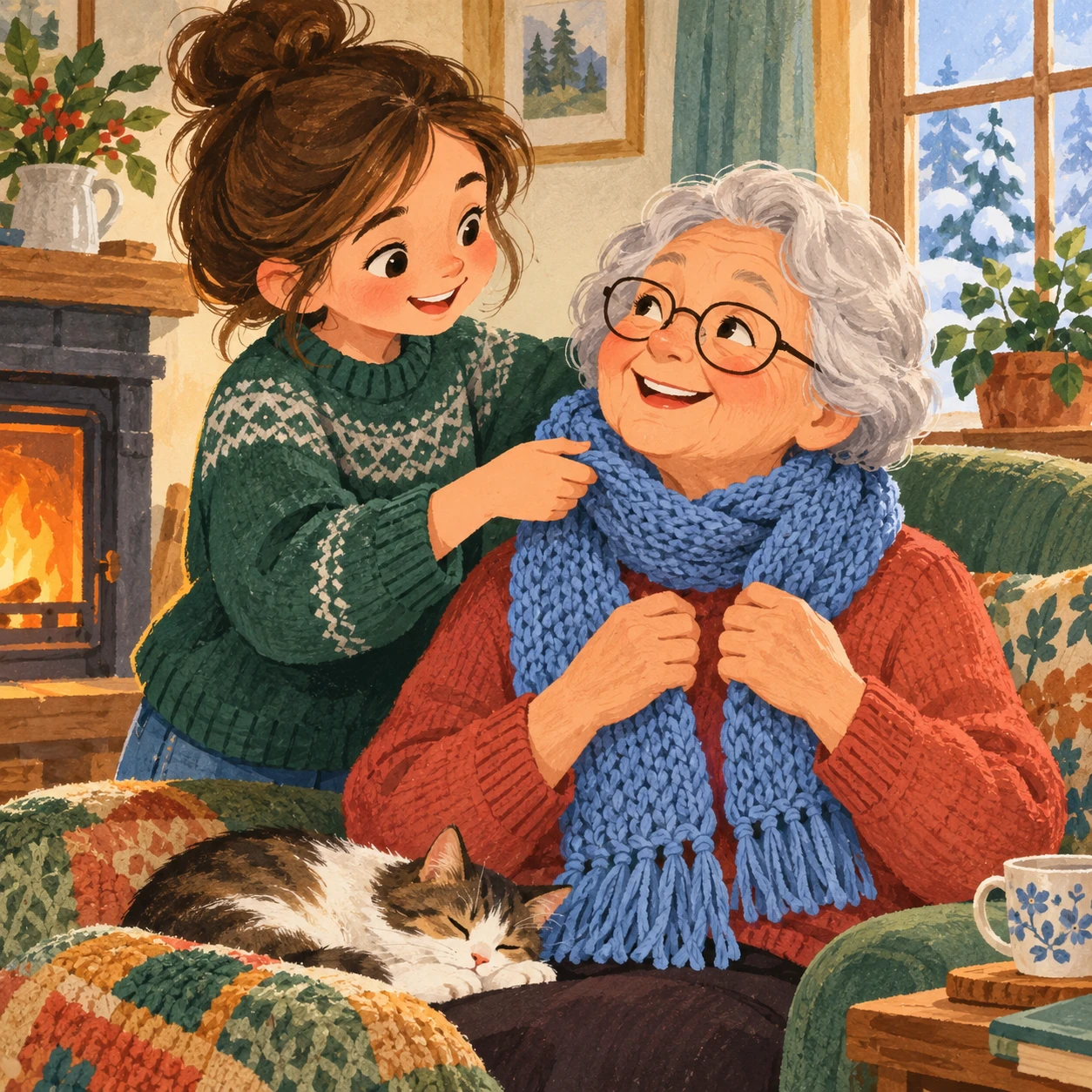
I wear this warm outer garment over my other clothes in winter: a ___.
Fíjate en «warm outer garment». Aquí se pide «abrigo»: «coat». Usa la parte del cuerpo, la forma y la función de la prenda. Frase completa: «I wear this warm outer garment over my other clothes in winter: a coat.».
The clear daytime sky is usually this colour: ___.
Fíjate en «clear daytime sky». Aquí se pide «azul»: «blue». Se pide el color habitual indicado, no una excepción rara. Frase completa: «The clear daytime sky is usually this colour: blue.».
I wrap this long soft strip around my neck: a ___.
Fíjate en «strip around my neck». Aquí se pide «bufanda»: «scarf». Usa la parte del cuerpo, la forma y la función de la prenda. Frase completa: «I wrap this long soft strip around my neck: a scarf.».
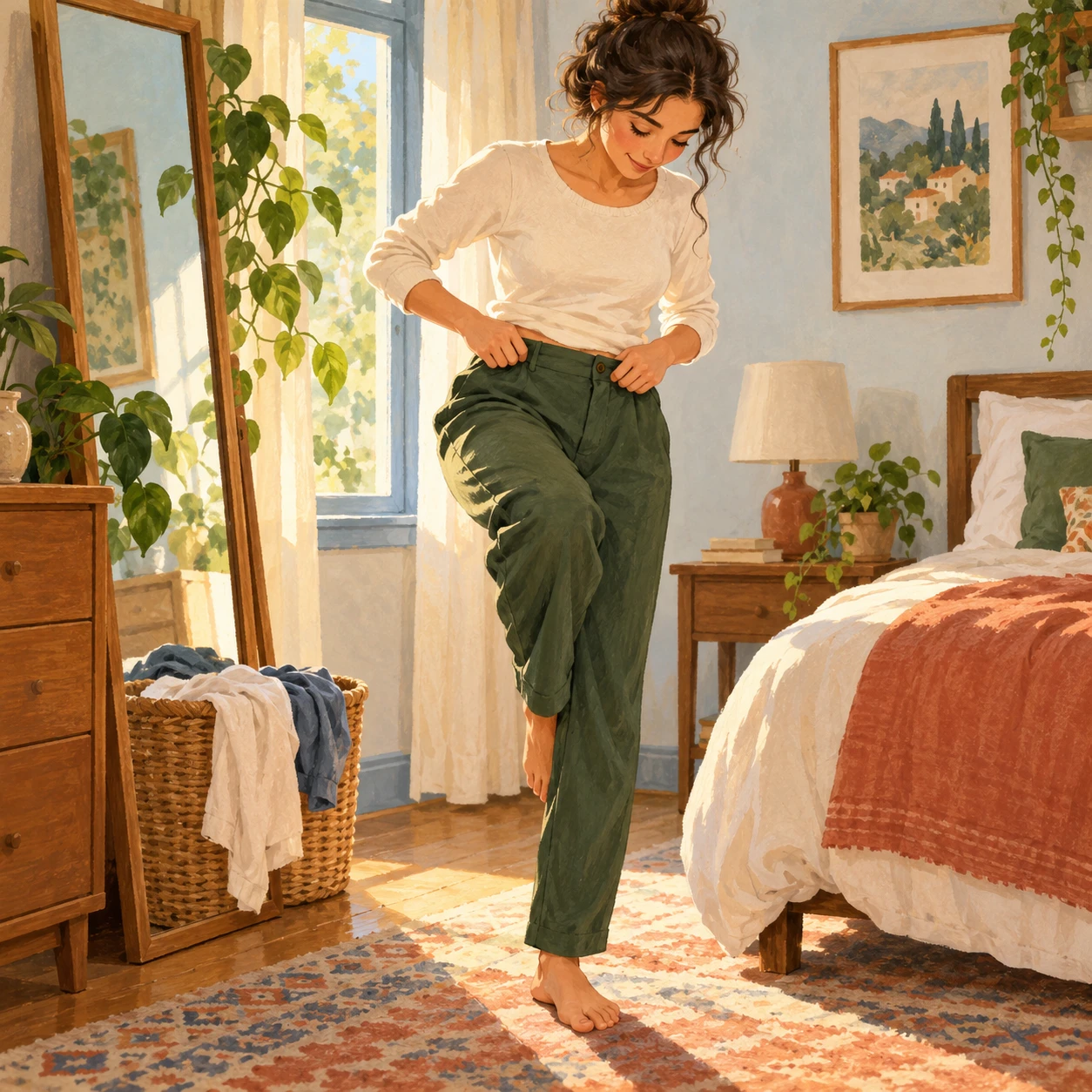
This garment covers both legs separately from waist to ankle: ___.
Fíjate en «both legs separately». Aquí se pide «pantalones»: «trousers». Usa la parte del cuerpo, la forma y la función de la prenda. Frase completa: «This garment covers both legs separately from waist to ankle: trousers.».
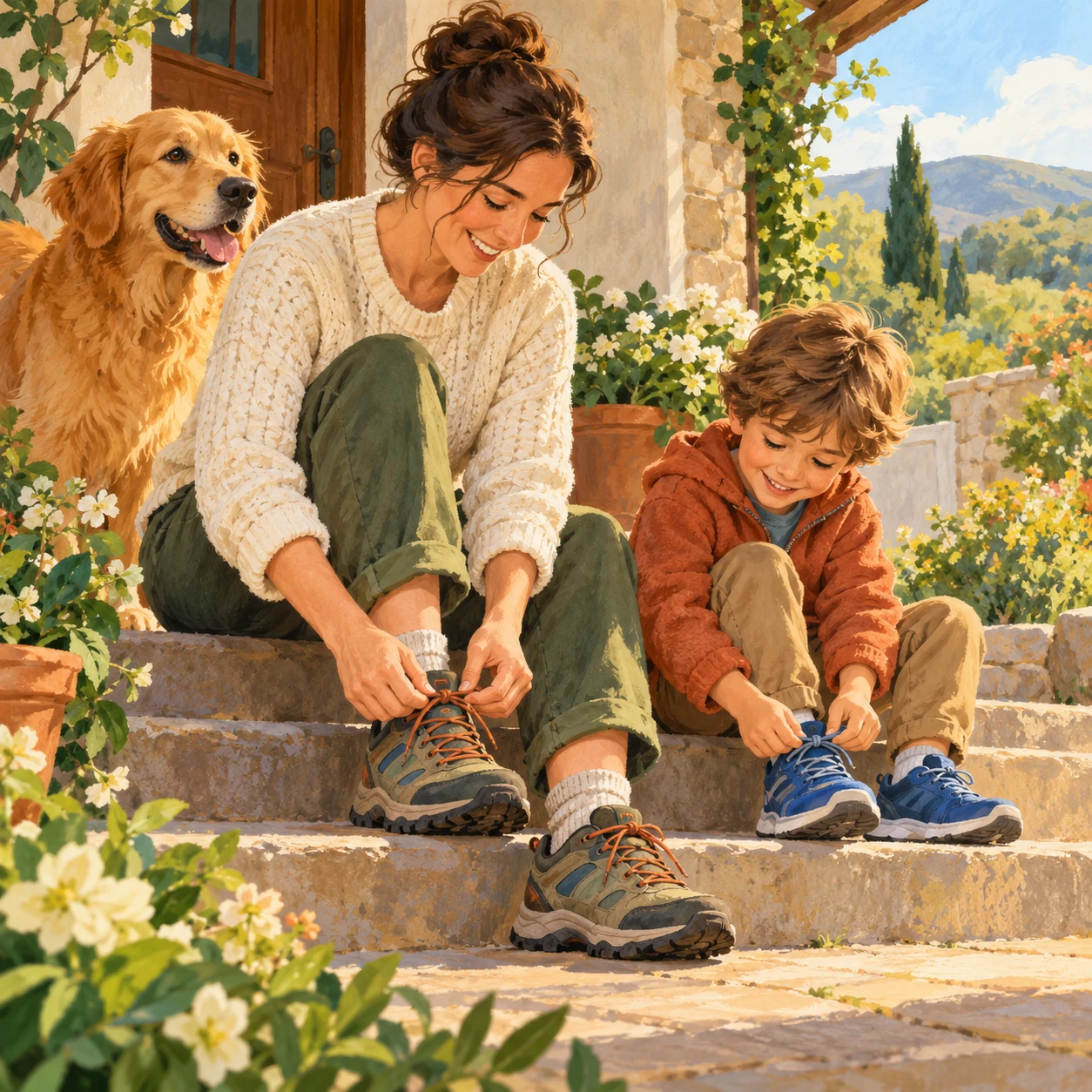
We wear these on our feet outdoors: ___.
Fíjate en «on our feet». Aquí se pide «zapatos»: «shoes». Usa la parte del cuerpo, la forma y la función de la prenda. Frase completa: «We wear these on our feet outdoors: shoes.».
Fresh grass is usually this colour: ___.
Fíjate en «Fresh grass». Aquí se pide «verde»: «green». Se pide el color habitual indicado, no una excepción rara. Frase completa: «Fresh grass is usually this colour: green.».
These cover my hands and have separate places for each finger: ___.
Fíjate en «separate places for each finger». Aquí se pide «guantes»: «gloves». Usa la parte del cuerpo, la forma y la función de la prenda. Frase completa: «These cover my hands and have separate places for each finger: gloves.».
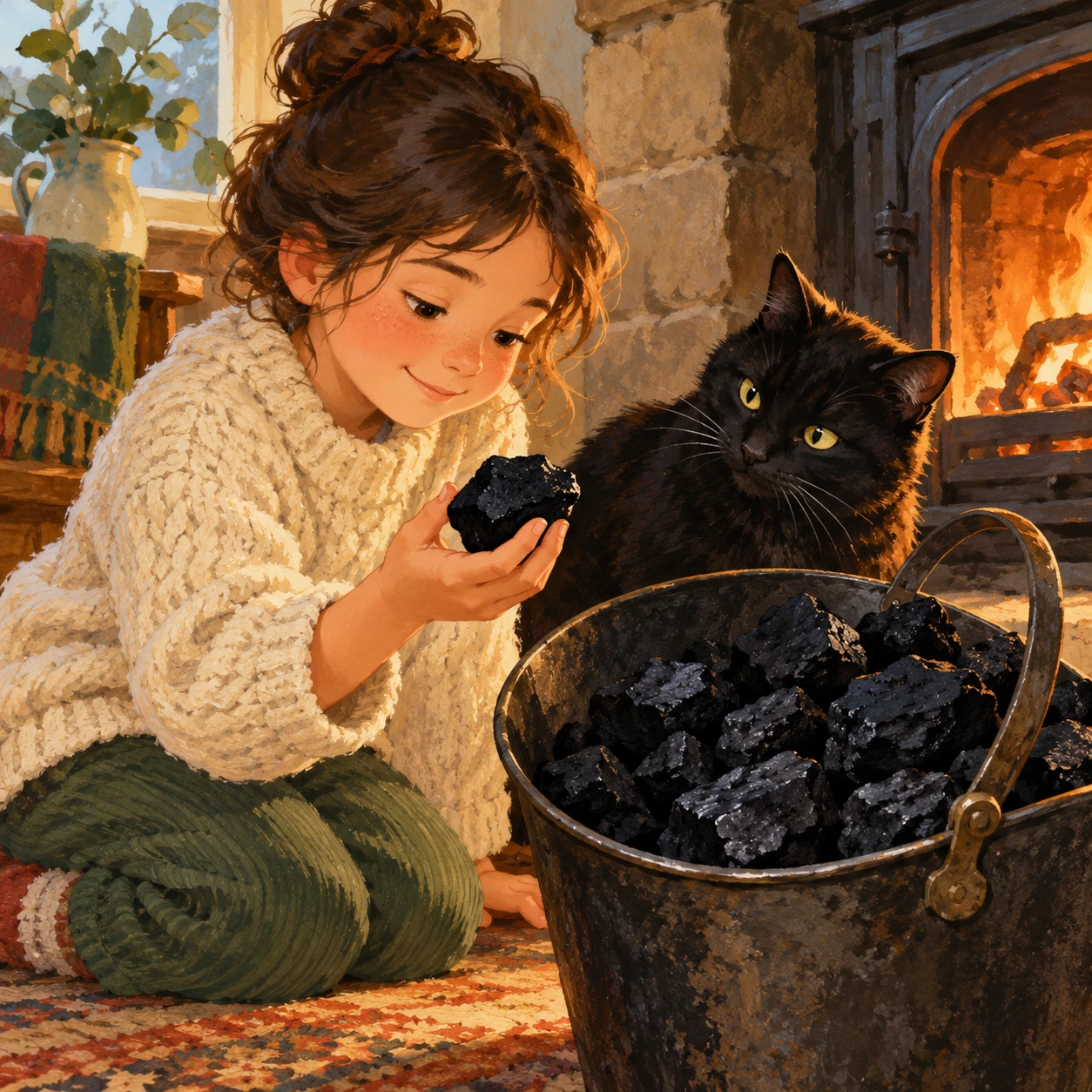
The darkest colour, like coal, is ___.
Fíjate en «darkest colour». Aquí se pide «negro»: «black». Se pide el color habitual indicado, no una excepción rara. Frase completa: «The darkest colour, like coal, is black.».
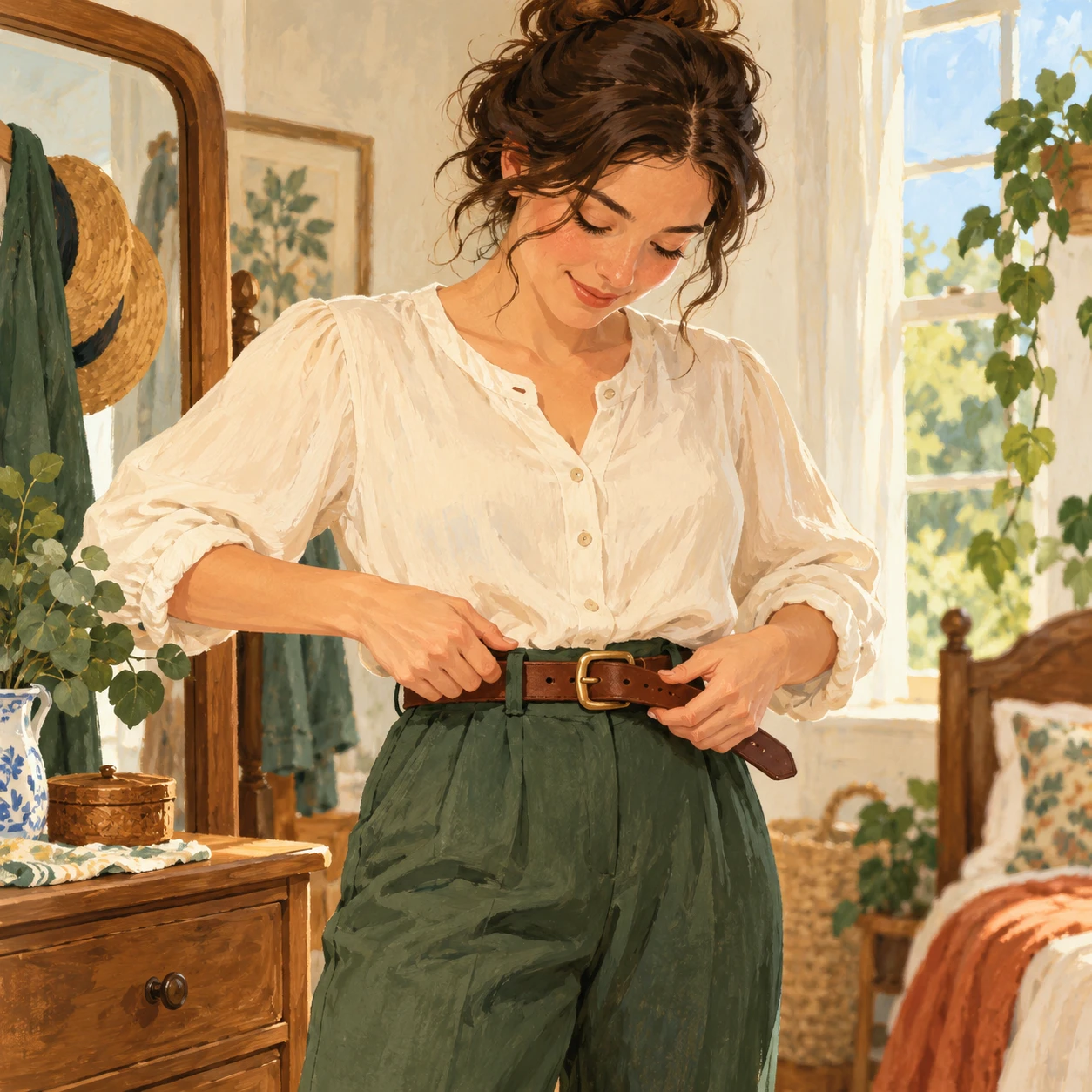
This strap goes around my waist to hold up my trousers: a ___.
Fíjate en «around my waist». Aquí se pide «cinturón»: «belt». Usa la parte del cuerpo, la forma y la función de la prenda. Frase completa: «This strap goes around my waist to hold up my trousers: a belt.».
I wear this light cotton top under my jumper. It has a collar and buttons. It is a ___.
Fíjate en «under my jumper». Aquí se pide «camisa»: «shirt». Usa la parte del cuerpo, la forma y la función de la prenda. Frase completa: «I wear this light cotton top under my jumper. It has a collar and buttons. It is a shirt.».
A ripe tomato is usually the colour ___.
Fíjate en «ripe tomato». Aquí se pide «rojo»: «red». Se pide el color habitual indicado, no una excepción rara. Frase completa: «A ripe tomato is usually the colour red.».
I wear a ___ with a wide, round brim on my head to keep the sun off my face.
Fíjate en «wide, round brim». Aquí se pide «sombrero»: «hat». Usa la parte del cuerpo, la forma y la función de la prenda. Frase completa: «I wear a hat with a wide, round brim on my head to keep the sun off my face.».
Which word means a warm, usually long piece of clothing worn over your other clothes outside? A ___.
Fíjate en «over your other clothes». Aquí se pide «abrigo»: «coat». Usa la parte del cuerpo, la forma y la función de la prenda. Frase completa: «Which word means a warm, usually long piece of clothing worn over your other clothes outside? A coat.».
On a sunny day at noon, a clear sky is the colour ___.
Fíjate en «clear sky». Aquí se pide «azul»: «blue». Se pide el color habitual indicado, no una excepción rara. Frase completa: «On a sunny day at noon, a clear sky is the colour blue.».
I wrap a long soft strip of cloth around my neck for warmth. It is a ___.
Fíjate en «strip of cloth». Aquí se pide «bufanda»: «scarf». Usa la parte del cuerpo, la forma y la función de la prenda. Frase completa: «I wrap a long soft strip of cloth around my neck for warmth. It is a scarf.” / “I wrap a warm scarf around my neck.».
These clothes cover both my legs from waist to ankle. They are ___.
Fíjate en «both my legs». Aquí se pide «pantalones»: «trousers». Usa la parte del cuerpo, la forma y la función de la prenda. Frase completa: «These clothes cover both my legs from waist to ankle. They are trousers.».
Before walking outside, I put ___ on my feet.
Fíjate en «on my feet». Aquí se pide «zapatos»: «shoes». Usa la parte del cuerpo, la forma y la función de la prenda. Frase completa: «Before walking outside, I put shoes on my feet.».
Fresh grass is usually the colour ___.
Fíjate en «Fresh grass». Aquí se pide «verde»: «green». Se pide el color habitual indicado, no una excepción rara. Frase completa: «Fresh grass is usually the colour green.».
My hands are cold. I need a pair of ___ for my fingers.
Fíjate en «hands are cold». Aquí se pide «guantes»: «gloves». Usa la parte del cuerpo, la forma y la función de la prenda. Frase completa: «My hands are cold. I need a pair of gloves for my fingers.».
The screen is off. It is as dark as the colour ___.
Fíjate en «as dark as». Aquí se pide «negro»: «black». Se pide el color habitual indicado, no una excepción rara. Frase completa: «The screen is off. It is as dark as the colour black.».
My trousers are loose at the waist. I need a ___ to hold them up.
Fíjate en «hold them up». Aquí se pide «cinturón»: «belt». Usa la parte del cuerpo, la forma y la función de la prenda. Frase completa: «My trousers are loose at the waist. I need a belt to hold them up.».