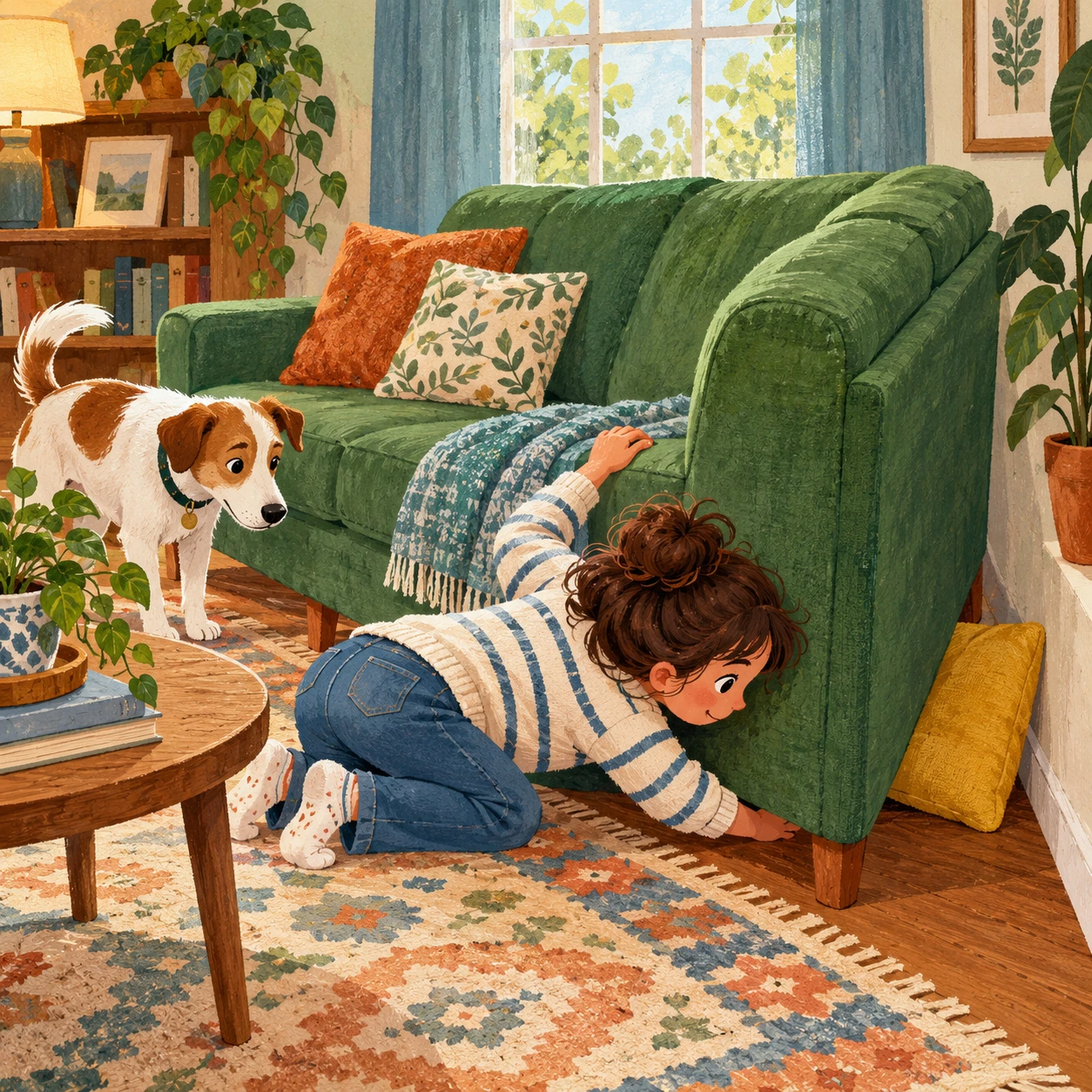
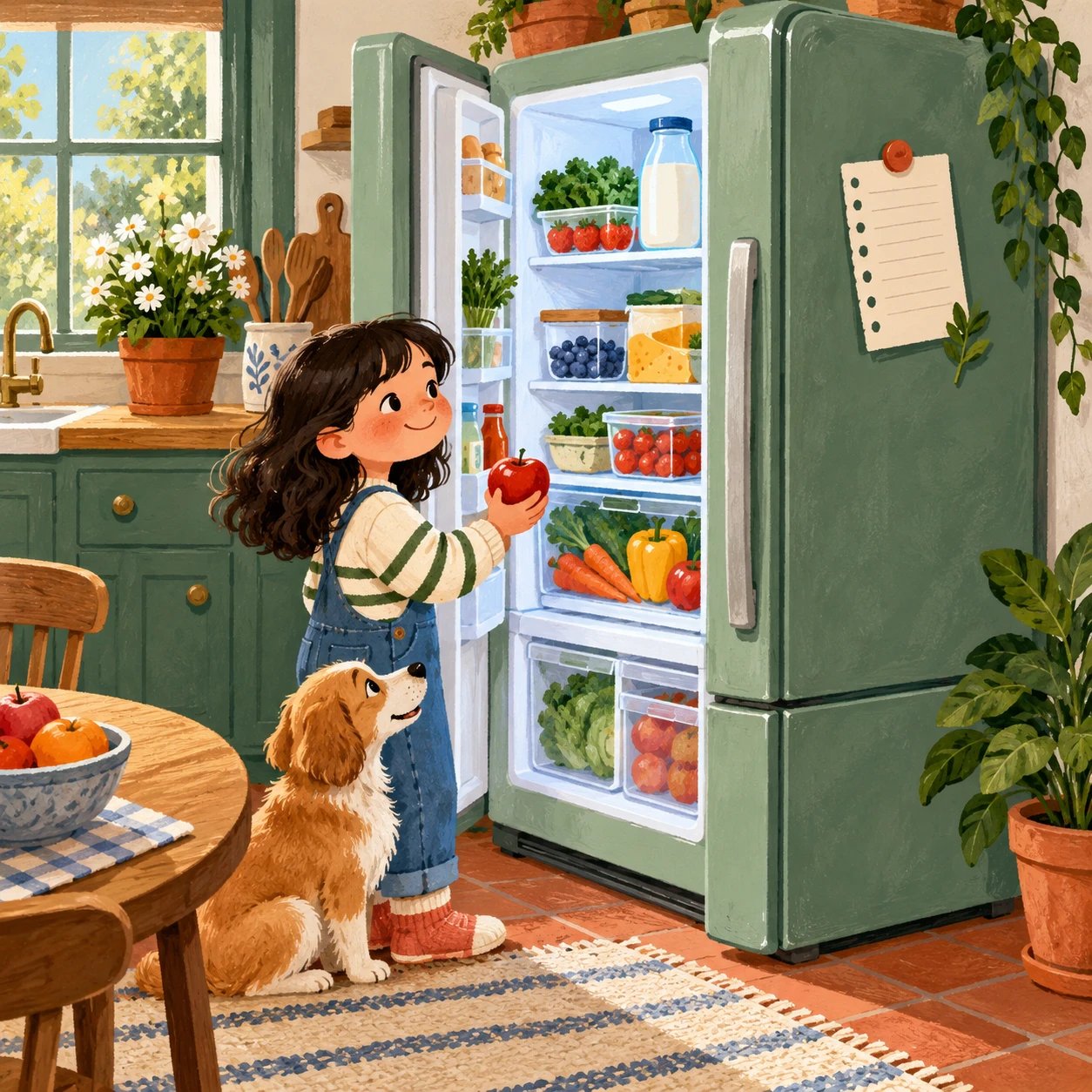
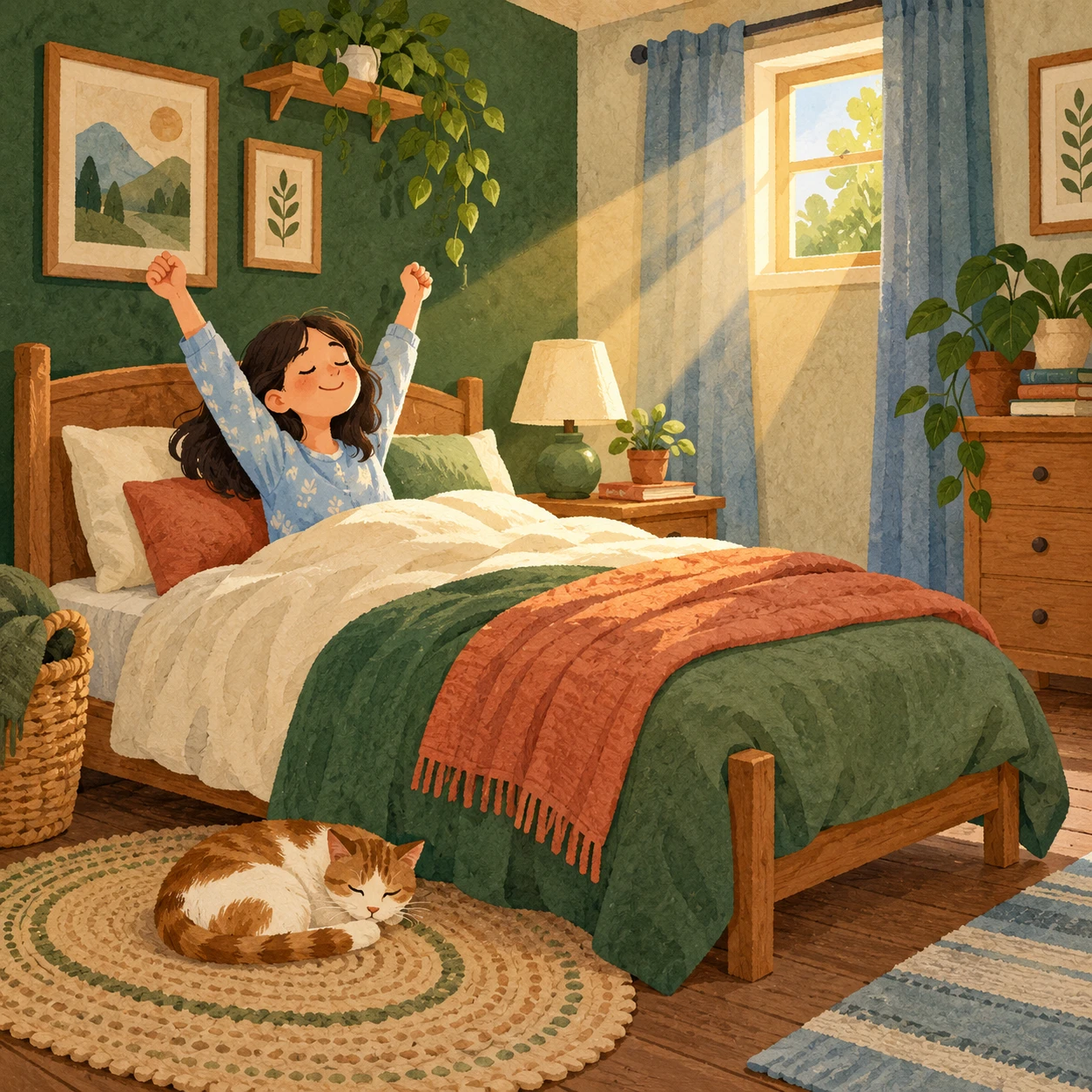
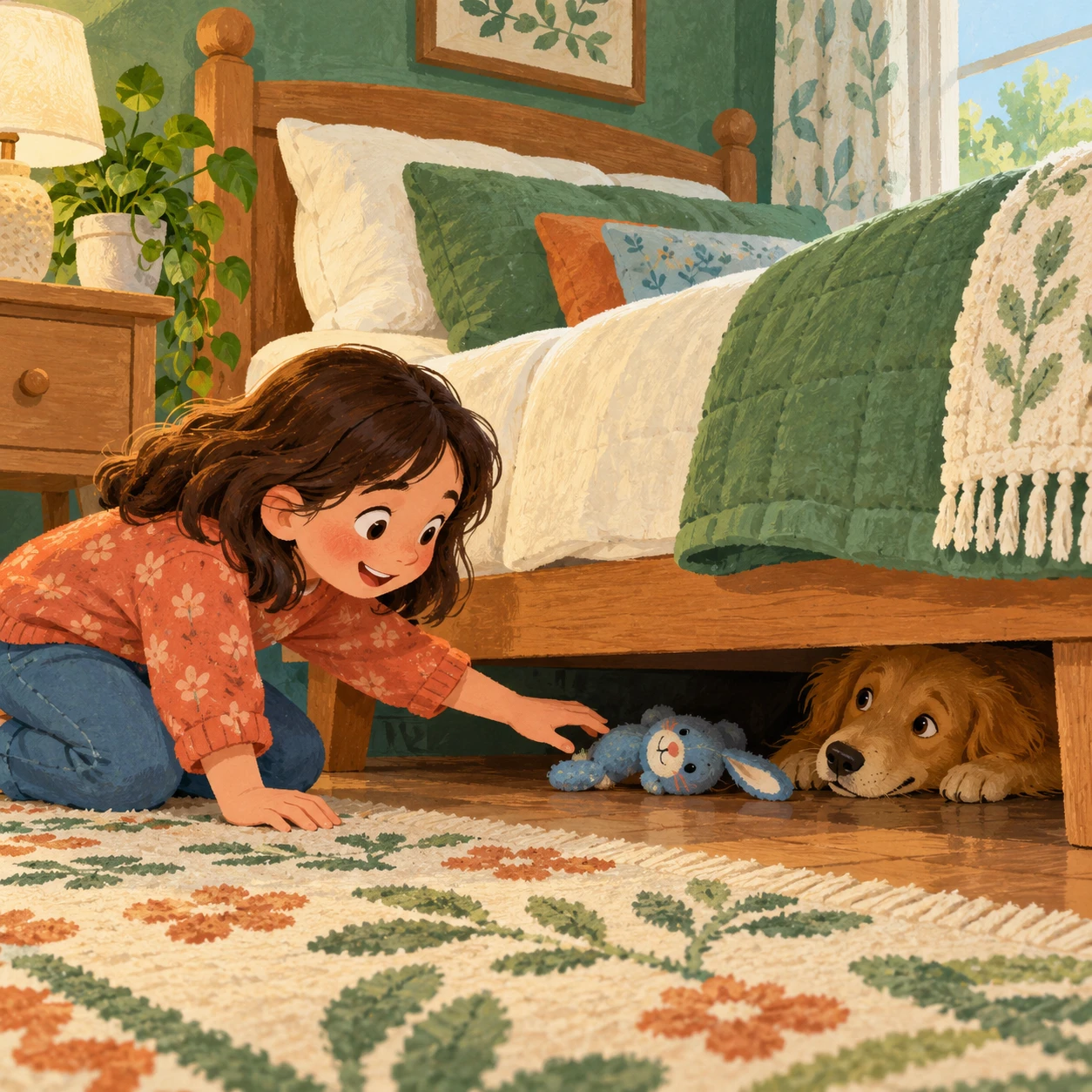
cocina · dormitorio · baño · salón
Distingue estos significados según la situación: kitchen = cocina; bedroom = dormitorio; bathroom = baño; living room = salón.
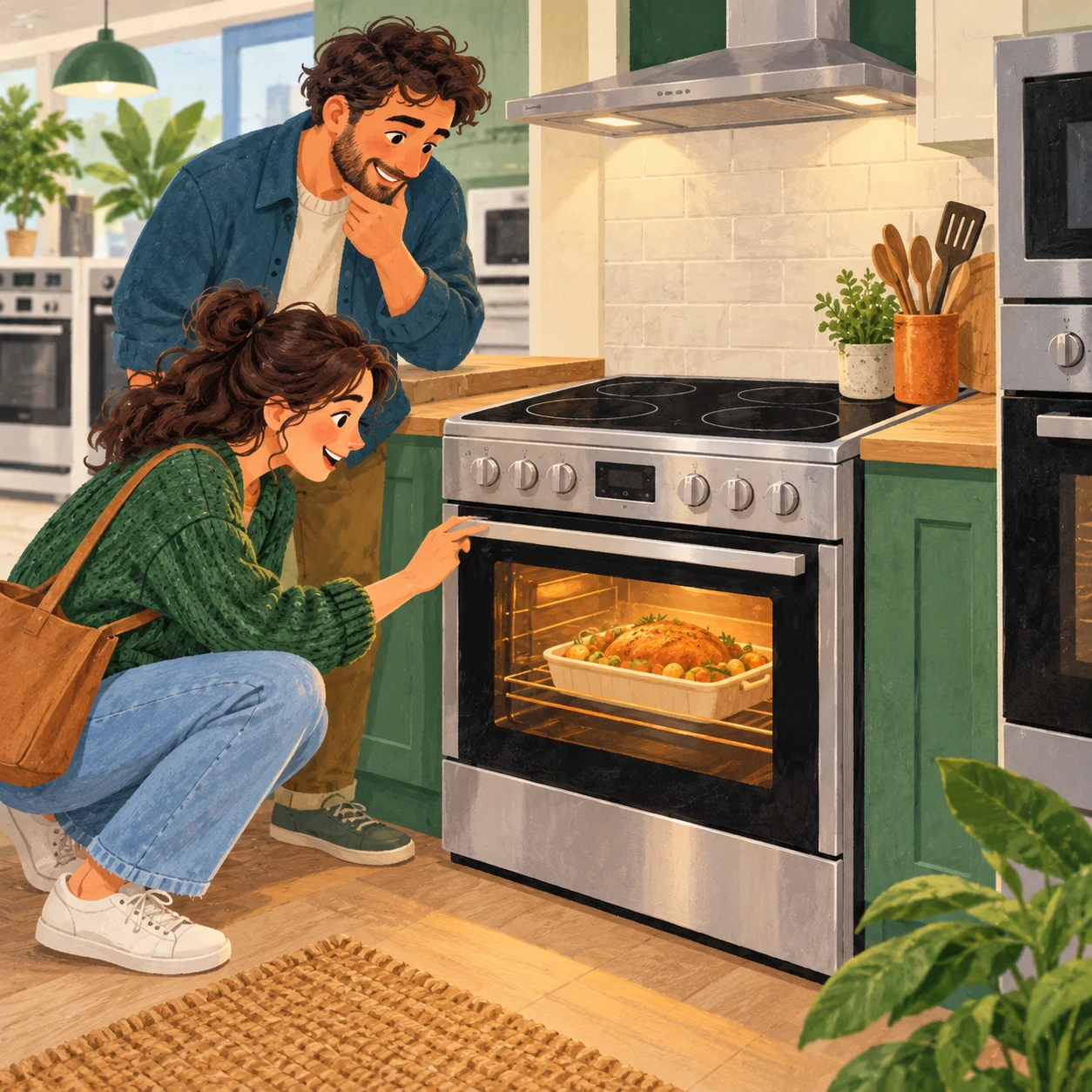
The room where we cook is the kitchen.

Casa y muebles · A1. Distingue estos significados según la situación: kitchen = cocina; bedroom = dormitorio; bathroom = baño; living room = salón.
Practica Casa y muebles en situaciones breves. Lee la pista, elige o escribe una forma y revisa la explicación. El nivel es una orientación editorial. Explora 12 tarjetas y 24 preguntas contextualizadas, con nuevas situaciones de repaso y aplicación.
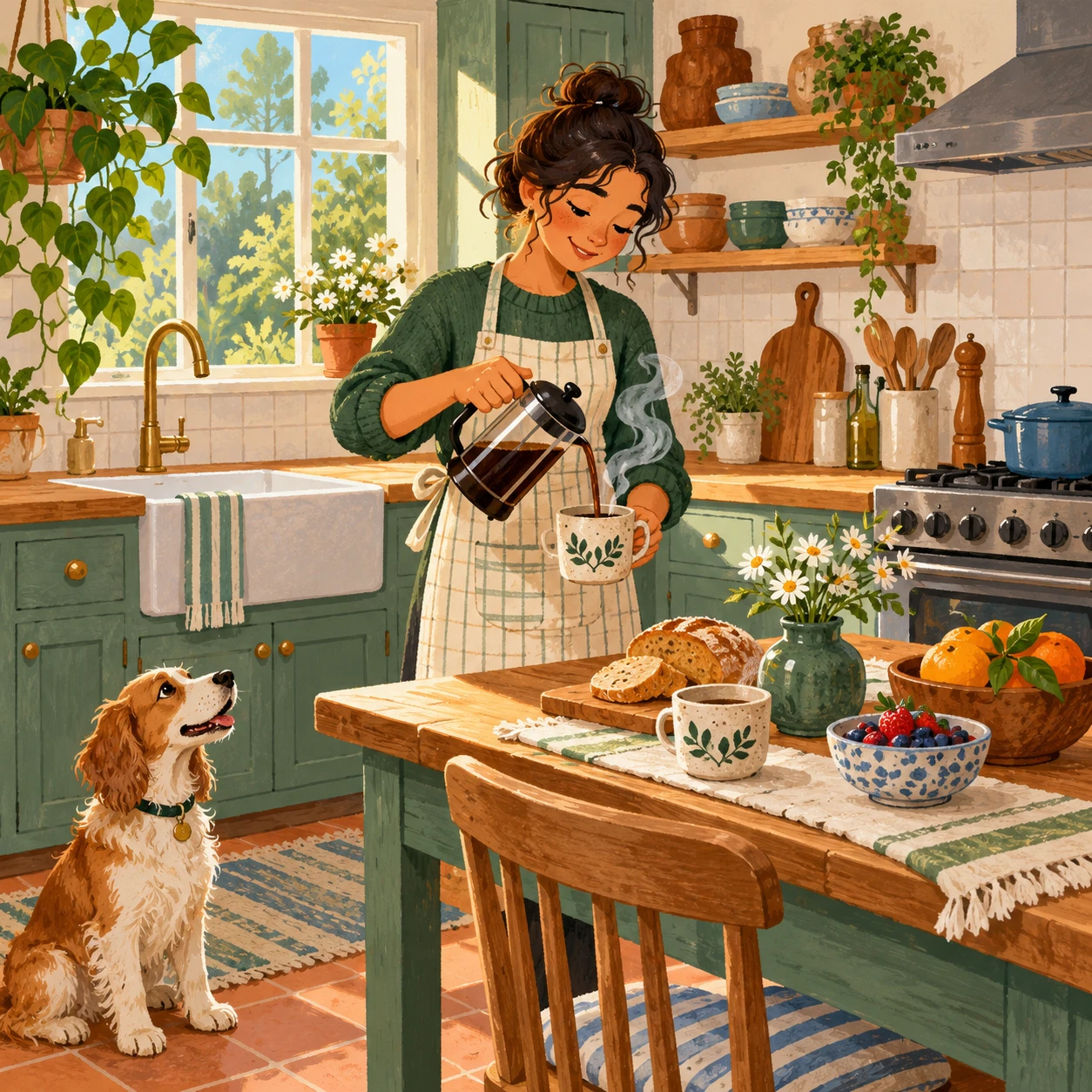
A room used for preparing food.
The smell of fresh coffee filled the kitchen.
El olor a café recién hecho llenó la cocina.
Se refieren a este sentido. La familia puede cambiar de significado; las expresiones próximas no siempre son intercambiables.
Usa «kitchen» para cocina. Compáralo con «bedroom» (dormitorio); son sentidos distintos.
Distingue estos significados según la situación: kitchen = cocina; bedroom = dormitorio; bathroom = baño; living room = salón.
The room where we cook is the kitchen.
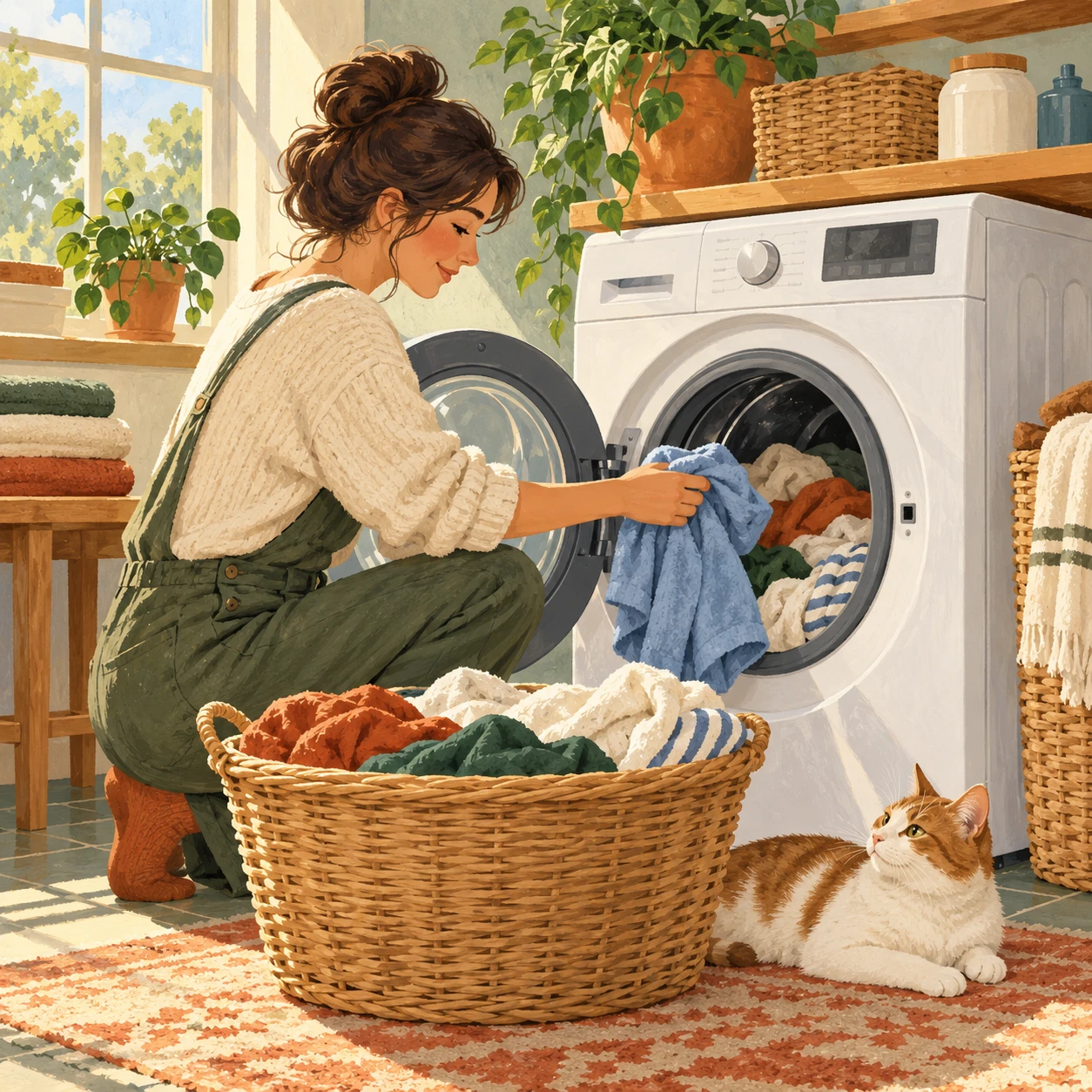
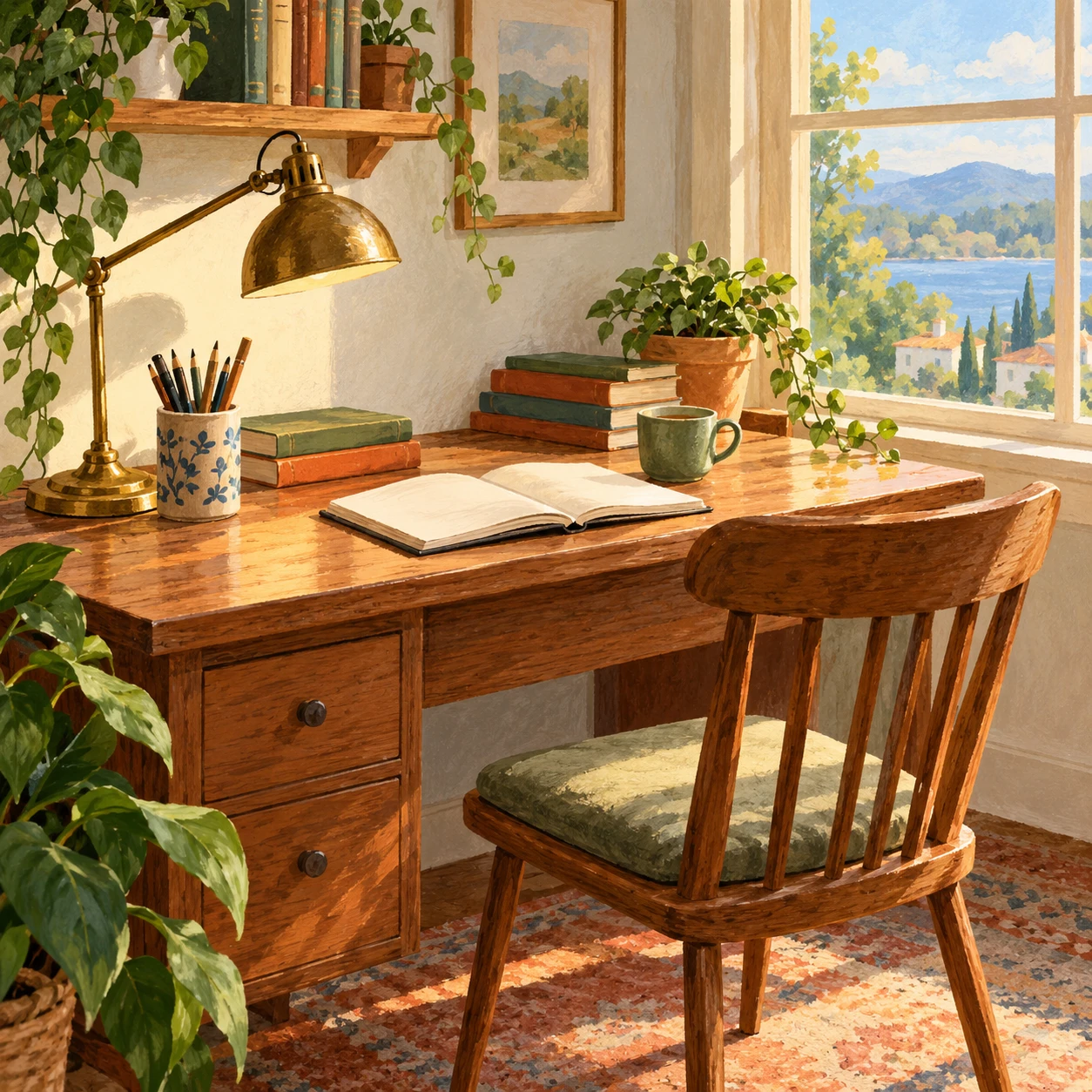
Distingue estos significados según la situación: sofa = sofá; bed = cama; wardrobe = armario; desk = escritorio.
Three people can sit on this long soft seat: a sofa.
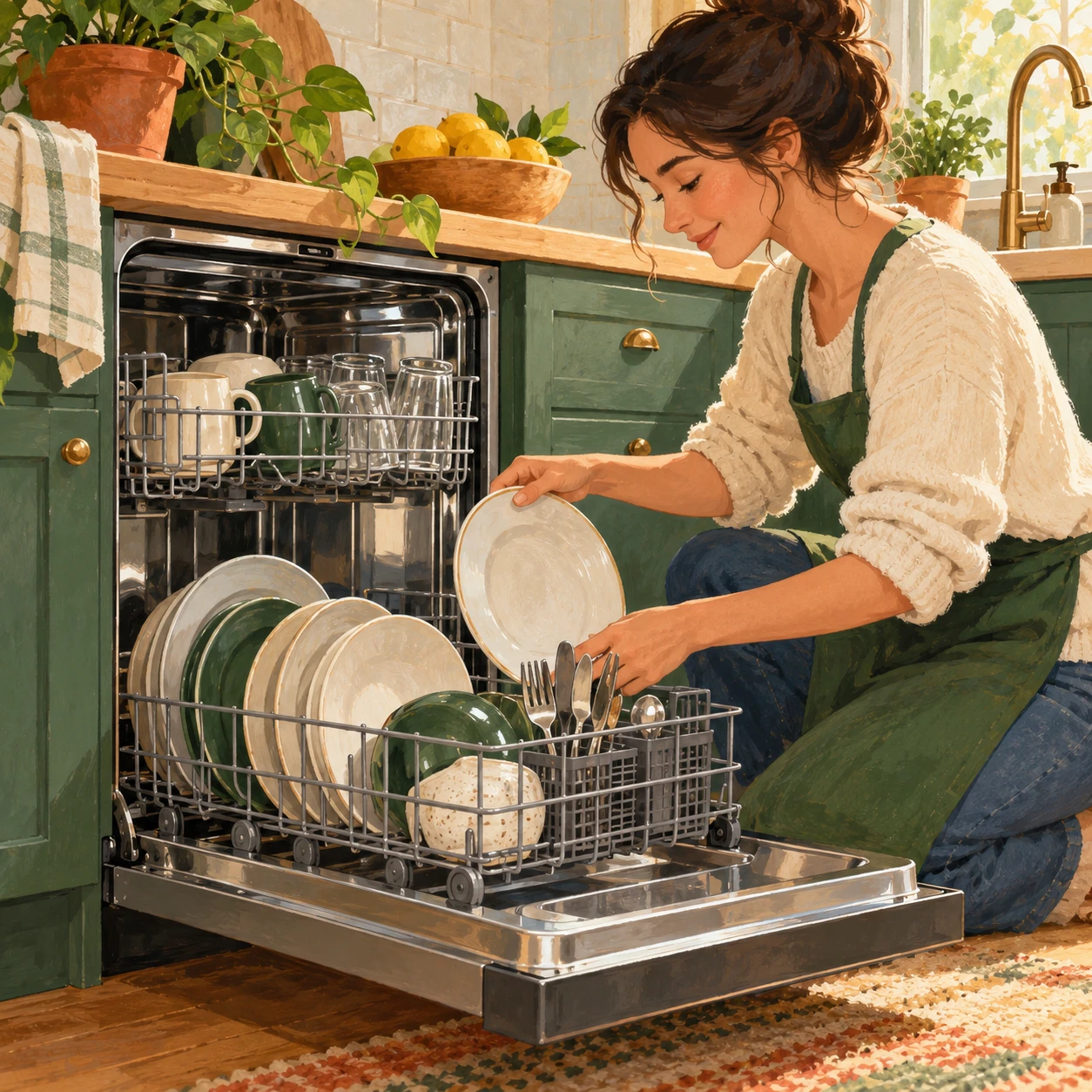
Distingue estos significados según la situación: fridge = nevera; cooker = cocina de fuegos; washing machine = lavadora; dishwasher = lavavajillas.
We keep milk cold in the fridge.
The room where we cook is the ___.
Distingue estos significados según la situación: kitchen = cocina; bedroom = dormitorio; bathroom = baño; living room = salón.
The room where we cook is the kitchen.Distingue estos significados según la situación: sofa = sofá; bed = cama; wardrobe = armario; desk = escritorio.
Three people can sit on this long soft seat: a sofa.Distingue estos significados según la situación: fridge = nevera; cooker = cocina de fuegos; washing machine = lavadora; dishwasher = lavavajillas.
We keep milk cold in the fridge.Conserva el primer intento, entiende el cambio y compruébalo en otra situación.
Aún no hay repasos. Prueba un calentamiento corto.
Abrir una respuesta registra ayuda para esa pregunta.
The room where we cook is the ___.
Fíjate en «room where we cook». Aquí se pide «cocina»: «kitchen». La habitación se nombra por su uso habitual. Frase completa: «The room where we cook is the kitchen.».
Three people can sit on this long soft seat: a ___.
Fíjate en «long soft seat». Aquí se pide «sofá»: «sofa». Mira si el mueble es para sentarse, dormir, escribir o guardar ropa. Frase completa: «Three people can sit on this long soft seat: a sofa.».
We keep milk cold in the ___.
Fíjate en «keep milk cold». Aquí se pide «nevera»: «fridge». Enfriar comida, calentarla, lavar ropa y lavar platos son funciones distintas. Frase completa: «We keep milk cold in the fridge.».
What is the usual name for a room mainly intended for sleeping? My ___.
Fíjate en «room mainly intended for sleeping». Aquí se pide «dormitorio»: «bedroom». La habitación se nombra por su uso habitual. Frase completa: «What is the usual name for a room mainly intended for sleeping? My bedroom.” / “The room where I sleep is my bedroom.».
In my bedroom, a frame holds my mattress. This furniture is made for sleeping in every night. I sleep under a blanket on my ___.
Fíjate en «frame holds my mattress». Aquí se pide «cama»: «bed». Mira si el mueble es para sentarse, dormir, escribir o guardar ropa. Frase completa: «In my bedroom, a frame holds my mattress. This furniture is made for sleeping in every night. I sleep under a blanket on my bed.” / “I sleep under a blanket on my bed.».
We heat pans and cook meals on the ___.
Fíjate en «heat pans and cook meals». Aquí se pide «cocina de fuegos»: «cooker». Enfriar comida, calentarla, lavar ropa y lavar platos son funciones distintas. Frase completa: «We heat pans and cook meals on the cooker.».
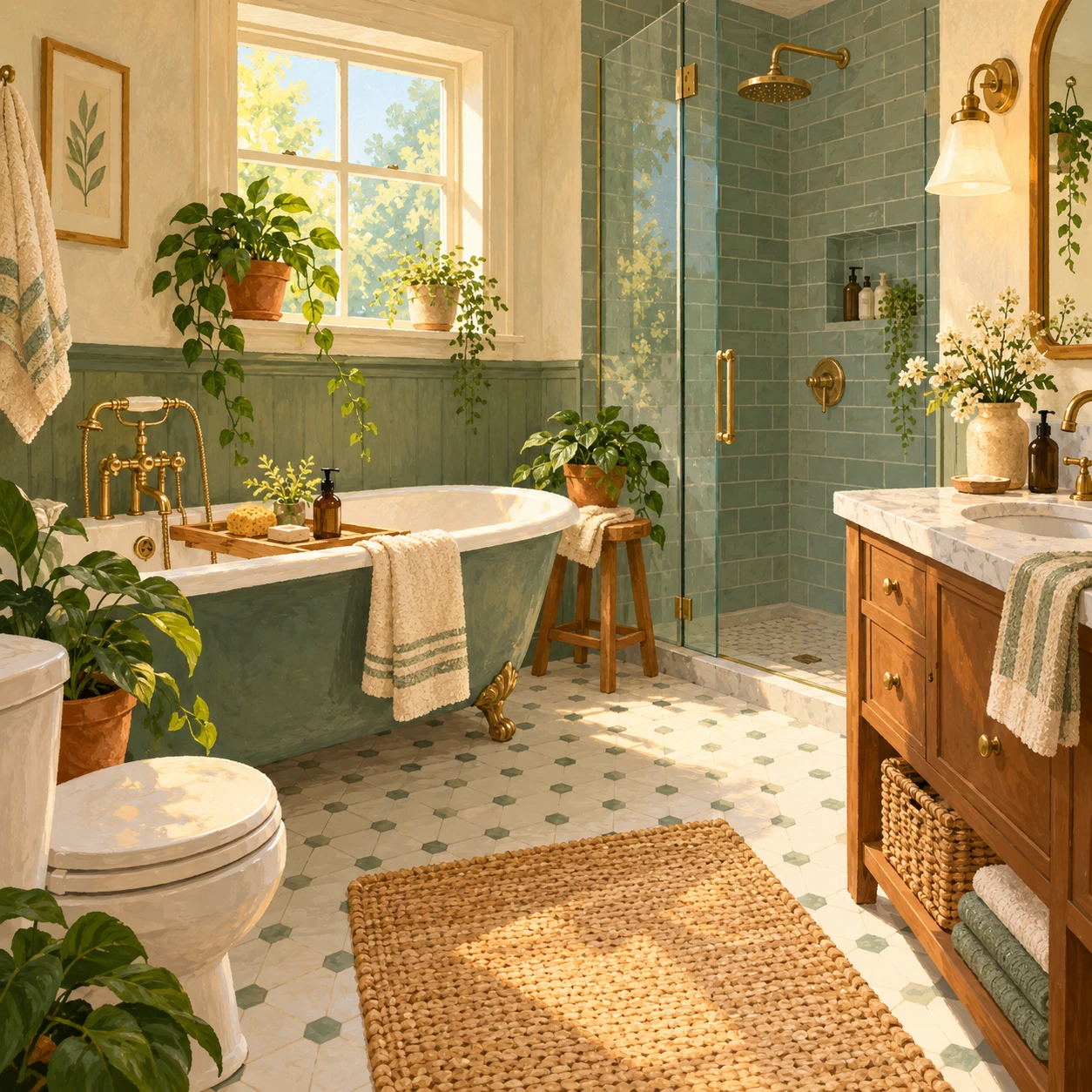
The room with the shower and washbasin is the ___.
Fíjate en «shower and washbasin». Aquí se pide «baño»: «bathroom». La habitación se nombra por su uso habitual. Frase completa: «The room with the shower and washbasin is the bathroom.».
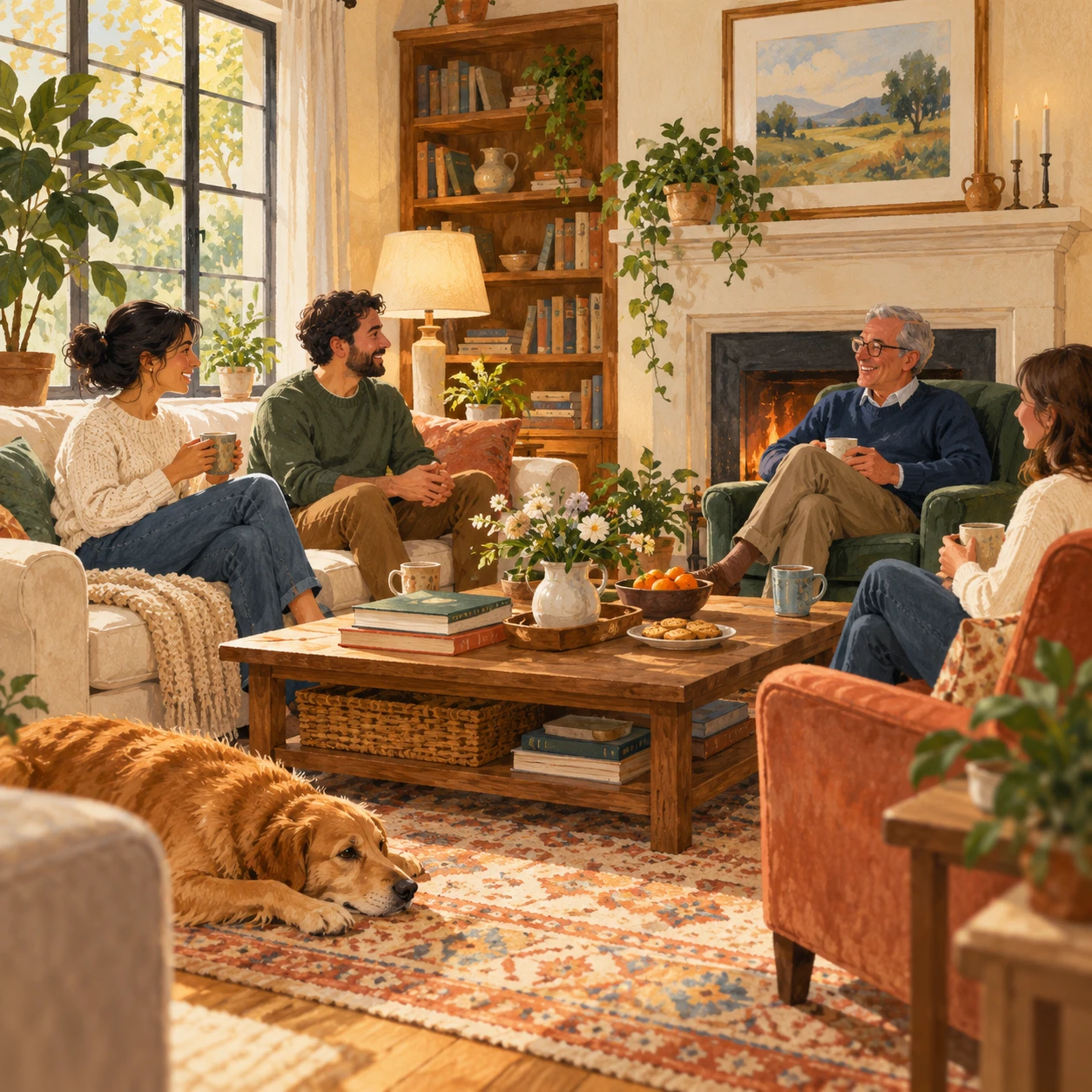
What is the usual name for the main sitting room of a home, where the family relaxes together? The ___.
Fíjate en «main sitting room». Aquí se pide «salón»: «living room». La habitación se nombra por su uso habitual. Frase completa: «What is the usual name for the main sitting room of a home, where the family relaxes together? The living room.” / “We relax together on the sofa in the living room.».
I hang my coats inside the tall ___.
Fíjate en «hang my coats». Aquí se pide «armario»: «wardrobe». Mira si el mueble es para sentarse, dormir, escribir o guardar ropa. Frase completa: «I hang my coats inside the tall wardrobe.».
The ___ washes our dirty clothes.
Fíjate en «dirty clothes». Aquí se pide «lavadora»: «washing machine». Enfriar comida, calentarla, lavar ropa y lavar platos son funciones distintas. Frase completa: «The washing machine washes our dirty clothes.».
This piece of furniture is a table made for writing and schoolwork. I write and do my homework at my ___.
Fíjate en «table made for writing and schoolwork». Aquí se pide «escritorio»: «desk». Mira si el mueble es para sentarse, dormir, escribir o guardar ropa. Frase completa: «This piece of furniture is a table made for writing and schoolwork. I write and do my homework at my desk.” / “I write and do my homework at my desk.».
We put dirty plates in the ___ to wash them automatically.
Fíjate en «dirty plates». Aquí se pide «lavavajillas»: «dishwasher». Enfriar comida, calentarla, lavar ropa y lavar platos son funciones distintas. Frase completa: «We put dirty plates in the dishwasher to wash them automatically.».
We make breakfast in the room with the cooker. This room is the ___.
Fíjate en «room with the cooker». Aquí se pide «cocina»: «kitchen». La habitación se nombra por su uso habitual. Frase completa: «We make breakfast in the room with the cooker. This room is the kitchen.».
There is a long soft seat for three people in our living room. It is a ___.
Fíjate en «seat for three people». Aquí se pide «sofá»: «sofa». Mira si el mueble es para sentarse, dormir, escribir o guardar ropa. Frase completa: «There is a long soft seat for three people in our living room. It is a sofa.».
Put the fresh milk in the ___ so it stays cold.
Fíjate en «stays cold». Aquí se pide «nevera»: «fridge». Enfriar comida, calentarla, lavar ropa y lavar platos son funciones distintas. Frase completa: «Put the fresh milk in the fridge so it stays cold.».
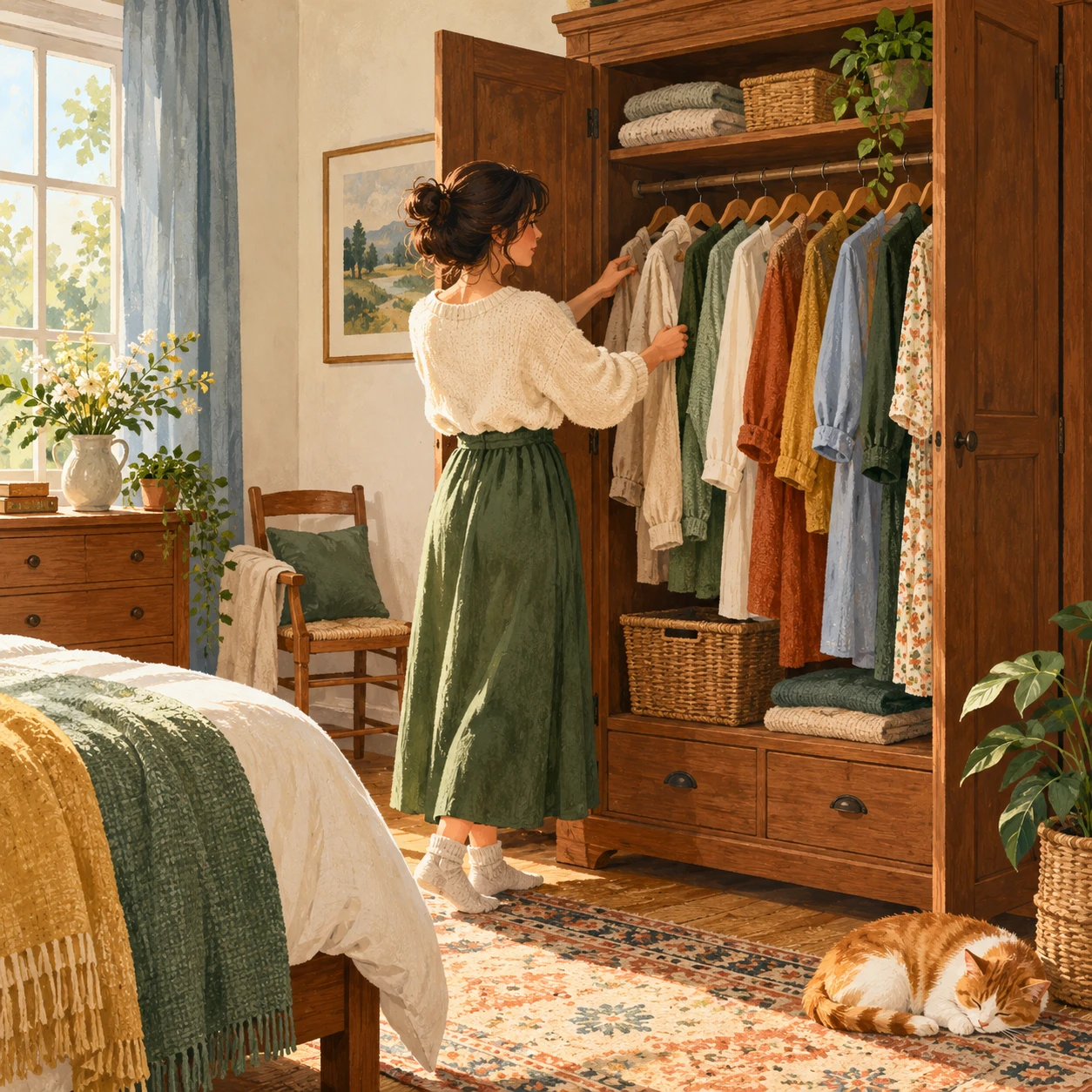
The room where Anna sleeps has a bed and a wardrobe. It is her ___.
Fíjate en «room where Anna sleeps». Aquí se pide «dormitorio»: «bedroom». La habitación se nombra por su uso habitual. Frase completa: «The room where Anna sleeps has a bed and a wardrobe. It is her bedroom.».
This bedroom furniture has a frame holding my mattress and is made for sleeping in every night. It is my ___.
Fíjate en «frame holding my mattress». Aquí se pide «cama»: «bed». Mira si el mueble es para sentarse, dormir, escribir o guardar ropa. Frase completa: «This bedroom furniture has a frame holding my mattress and is made for sleeping in every night. It is my bed.».
The kitchen has an electric ___ with four rings for pans.
Fíjate en «four rings for pans». Aquí se pide «cocina de fuegos»: «cooker». Enfriar comida, calentarla, lavar ropa y lavar platos son funciones distintas. Frase completa: «The kitchen has an electric cooker with four rings for pans.».
The shower, toilet and washbasin are in our ___.
Fíjate en «shower, toilet and washbasin». Aquí se pide «baño»: «bathroom». La habitación se nombra por su uso habitual. Frase completa: «The shower, toilet and washbasin are in our bathroom.».
What is the usual name for a home’s main sitting room, where the family relaxes together? The ___.
Fíjate en «main sitting room». Aquí se pide «salón»: «living room». La habitación se nombra por su uso habitual. Frase completa: «What is the usual name for a home’s main sitting room, where the family relaxes together? The living room.».
I open the ___ to choose a coat from the clothes hanging inside.
Fíjate en «clothes hanging inside». Aquí se pide «armario»: «wardrobe». Mira si el mueble es para sentarse, dormir, escribir o guardar ropa. Frase completa: «I open the wardrobe to choose a coat from the clothes hanging inside.».
My shirts are dirty. I put them in the ___ and choose a wash programme.
Fíjate en «shirts are dirty». Aquí se pide «lavadora»: «washing machine». Enfriar comida, calentarla, lavar ropa y lavar platos son funciones distintas. Frase completa: «My shirts are dirty. I put them in the washing machine and choose a wash programme.».
At school, each student has a table made for writing and schoolwork. Each student sits at a ___ to write.
Fíjate en «table made for writing and schoolwork». Aquí se pide «escritorio»: «desk». Mira si el mueble es para sentarse, dormir, escribir o guardar ropa. Frase completa: «At school, each student has a table made for writing and schoolwork. Each student sits at a desk to write.” / “At school, each student sits at a desk to write.».
The plates are dirty. Put them in the ___ and start the cleaning programme.
Fíjate en «plates are dirty». Aquí se pide «lavavajillas»: «dishwasher». Enfriar comida, calentarla, lavar ropa y lavar platos son funciones distintas. Frase completa: «The plates are dirty. Put them in the dishwasher and start the cleaning programme.».