잠에서 깨다 · 옷을 입다 · 이를 닦다 · 세수하다
상황의 단서로 다음 뜻을 구별하세요: wake up = 잠에서 깨다; get dressed = 옷을 입다; brush my teeth = 이를 닦다; wash my face = 세수하다.
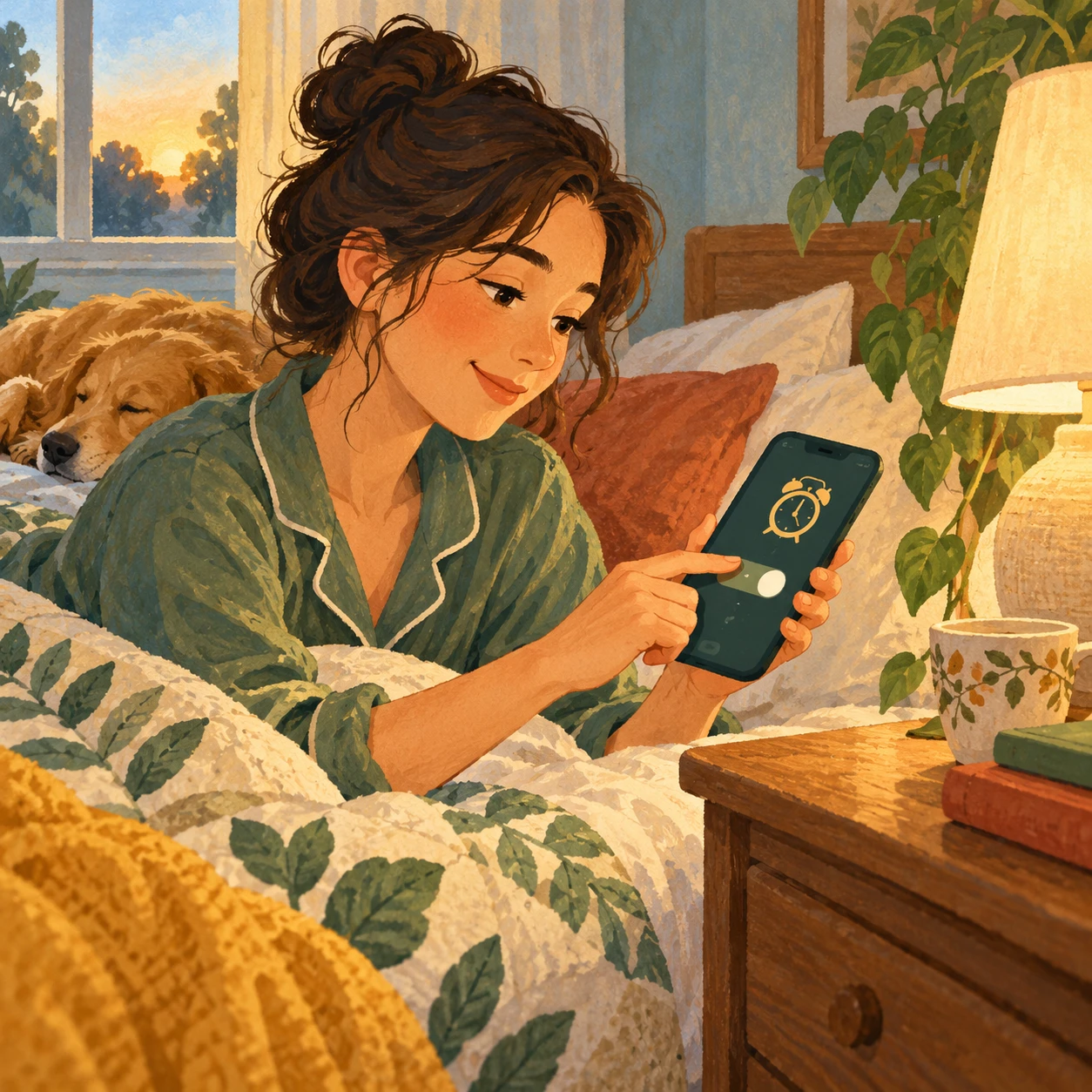
When my sleep ends at seven, I wake up.

일상생활 · A1. 상황의 단서로 다음 뜻을 구별하세요: wake up = 잠에서 깨다; get dressed = 옷을 입다; brush my teeth = 이를 닦다; wash my face = 세수하다.
짧은 상황에서 ‘일상생활’을 연습합니다. 단서를 읽고 형태를 고르거나 쓴 뒤 이유를 확인하세요. 수준은 편집상 안내입니다. 학습 카드 12개와 상황별 문제 24개로 학습하세요. 새로운 복습·응용 문제도 포함됩니다.

To stop sleeping.
I wake up earlier when sunlight enters the room.
방에 햇빛이 들어오면 더 일찍 잠에서 깨요.
이 카드의 뜻을 기준으로 정리했어요. 어족 단어는 뜻이 달라질 수 있고, 비슷한 표현도 항상 서로 바꿔 쓸 수는 없어요.
목표 표현: “wake up”. 뜻: ‘잠에서 깨다’. 비교 표현: “get dressed”. 비교 뜻: ‘옷을 입다’. 두 표현의 뜻을 구별하세요.
상황의 단서로 다음 뜻을 구별하세요: wake up = 잠에서 깨다; get dressed = 옷을 입다; brush my teeth = 이를 닦다; wash my face = 세수하다.
When my sleep ends at seven, I wake up.
상황의 단서로 다음 뜻을 구별하세요: have breakfast = 아침을 먹다; have lunch = 점심을 먹다; have dinner = 저녁을 먹다; go to work = 출근하다.
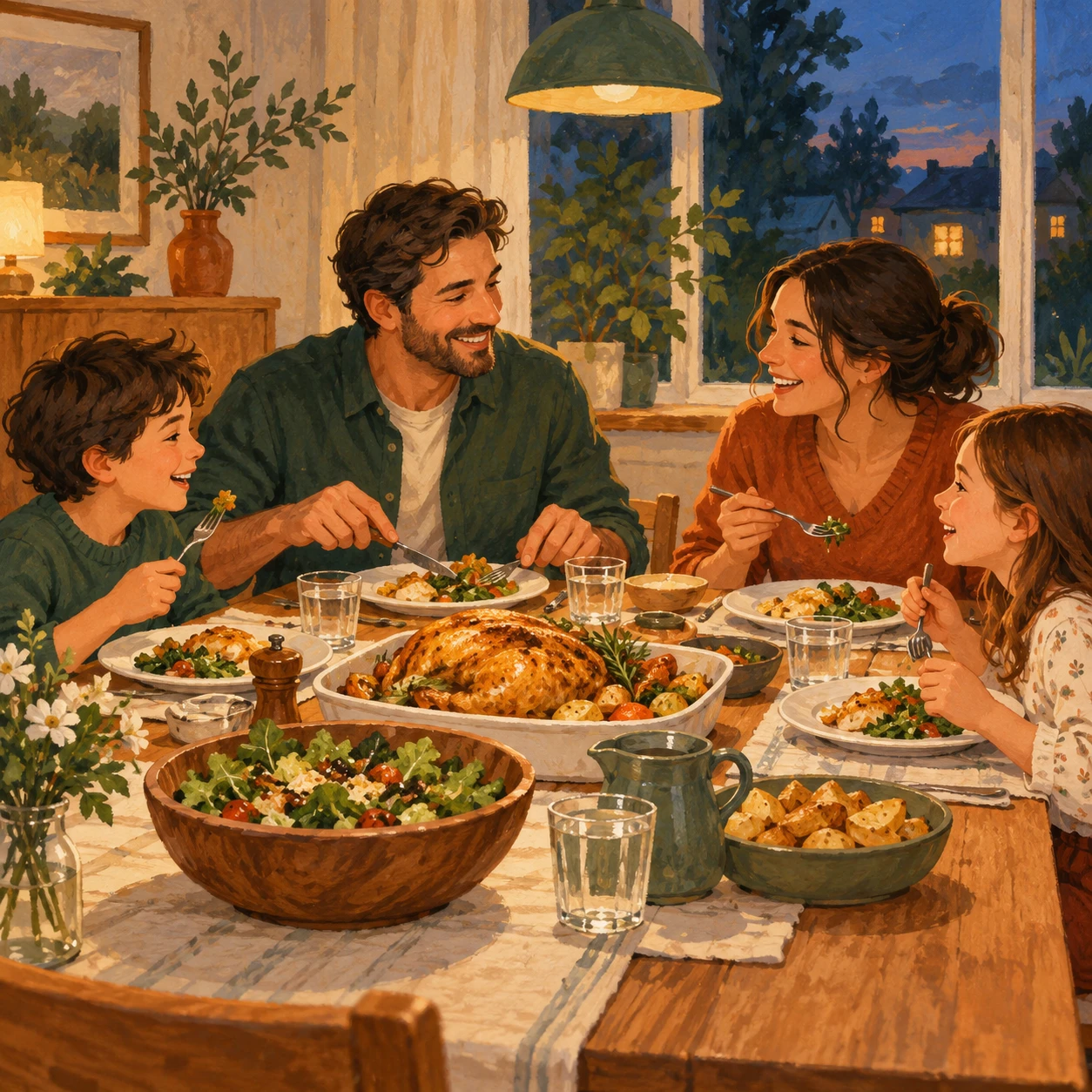
I eat my first meal in the morning. I have breakfast.
상황의 단서로 다음 뜻을 구별하세요: go to bed = 잠자리에 들다; fall asleep = 잠들다; set an alarm = 알람을 맞추다; turn off the light = 불을 끄다.
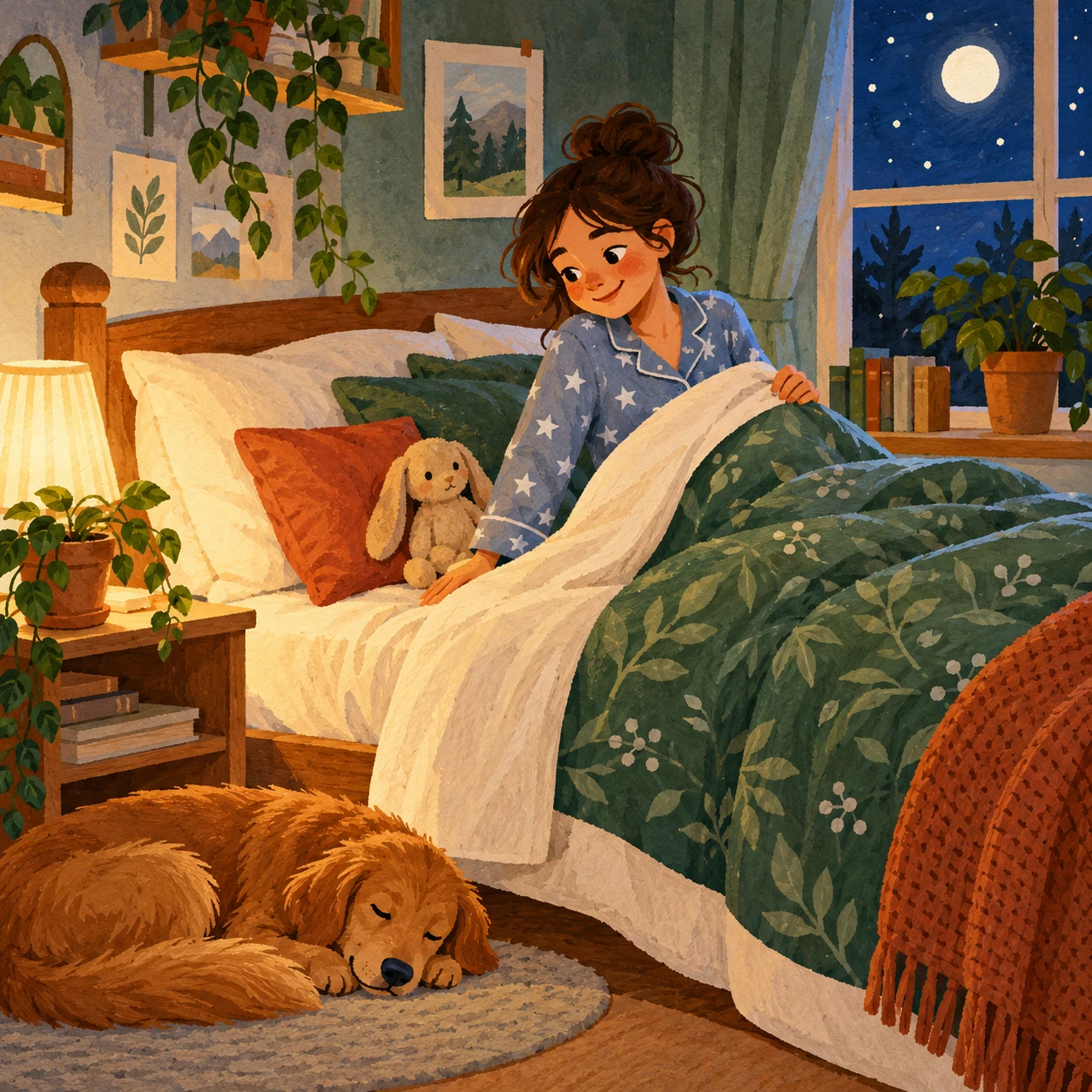
At ten I put on my pyjamas and get under the covers. I go to bed.
When my sleep ends at seven, I ___.
상황의 단서로 다음 뜻을 구별하세요: wake up = 잠에서 깨다; get dressed = 옷을 입다; brush my teeth = 이를 닦다; wash my face = 세수하다.
When my sleep ends at seven, I wake up.상황의 단서로 다음 뜻을 구별하세요: have breakfast = 아침을 먹다; have lunch = 점심을 먹다; have dinner = 저녁을 먹다; go to work = 출근하다.
I eat my first meal in the morning. I have breakfast.상황의 단서로 다음 뜻을 구별하세요: go to bed = 잠자리에 들다; fall asleep = 잠들다; set an alarm = 알람을 맞추다; turn off the light = 불을 끄다.
At ten I put on my pyjamas and get under the covers. I go to bed.첫 시도를 남기고 변화의 이유를 이해한 뒤 새로운 상황에서 확인해 보세요.
아직 복습 노트가 없어요. 짧은 워밍업부터 해보세요.
정답을 열면 해당 문제에 도움 사용이 기록돼요.
When my sleep ends at seven, I ___.
문장의 단서: “sleep ends”. 필요한 뜻: ‘잠에서 깨다’. 정답 표현: “wake up”. 잠자리에 들기·잠들기·깨기는 다릅니다. 알람이나 조명 조작도 별개입니다. 완성된 문장: “When my sleep ends at seven, I wake up.”.
I eat my first meal in the morning. I ___.
문장의 단서: “first meal in the morning”. 필요한 뜻: ‘아침을 먹다’. 정답 표현: “have breakfast”. 제시된 식사 시간을 보세요. 직장에 가는 것은 이동이지 식사가 아닙니다. 완성된 문장: “I eat my first meal in the morning. I have breakfast.”.
At ten I put on my pyjamas and get under the covers. I ___.
문장의 단서: “get under the covers”. 필요한 뜻: ‘잠자리에 들다’. 정답 표현: “go to bed”. 잠자리에 들기·잠들기·깨기는 다릅니다. 알람이나 조명 조작도 별개입니다. 완성된 문장: “At ten I put on my pyjamas and get under the covers. I go to bed.”.
After my shower, I put on my clothes. I ___.
문장의 단서: “put on my clothes”. 필요한 뜻: ‘옷을 입다’. 정답 표현: “get dressed”. 옷 입기·양치·세수의 대상과 동작을 구별하세요. 완성된 문장: “After my shower, I put on my clothes. I get dressed.”.
In my family, dinner means the evening meal. At midday I eat a sandwich as my main meal. I ___.
문장의 단서: “At midday”. 필요한 뜻: ‘점심을 먹다’. 정답 표현: “have lunch”. 제시된 식사 시간을 보세요. 직장에 가는 것은 이동이지 식사가 아닙니다. 완성된 문장: “In my family, dinner means the evening meal. At midday I eat a sandwich as my main meal. I have lunch.” / “At midday I eat a sandwich as my main meal. I have lunch.”.
I close my eyes and stop being awake. I ___.
문장의 단서: “stop being awake”. 필요한 뜻: ‘잠들다’. 정답 표현: “fall asleep”. 잠자리에 들기·잠들기·깨기는 다릅니다. 알람이나 조명 조작도 별개입니다. 완성된 문장: “I close my eyes and stop being awake. I fall asleep.”.
I use a toothbrush and toothpaste. I ___.
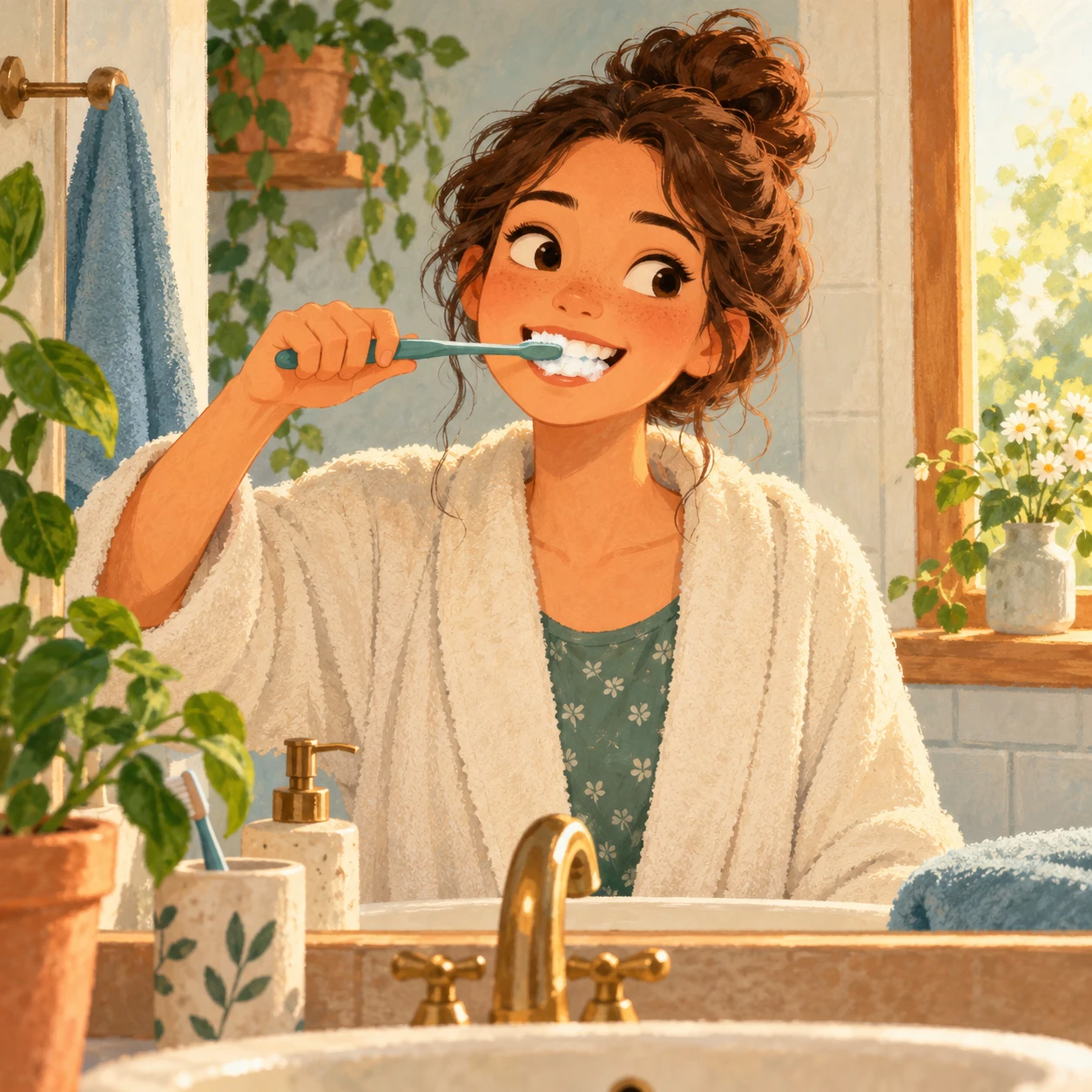
문장의 단서: “toothbrush and toothpaste”. 필요한 뜻: ‘이를 닦다’. 정답 표현: “brush my teeth”. 옷 입기·양치·세수의 대상과 동작을 구별하세요. 완성된 문장: “I use a toothbrush and toothpaste. I brush my teeth.”.
I clean my cheeks and forehead with water. I ___.
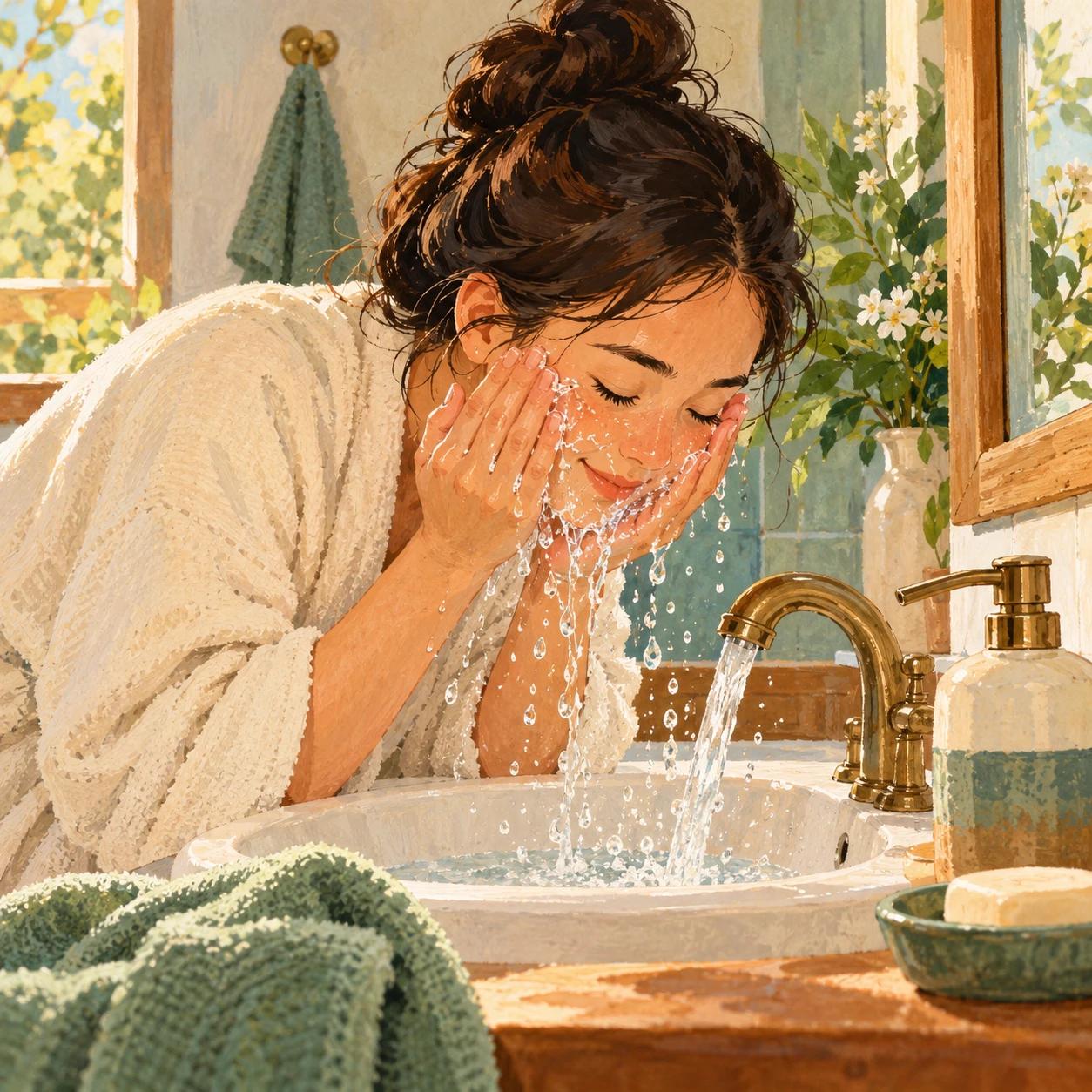
문장의 단서: “cheeks and forehead”. 필요한 뜻: ‘세수하다’. 정답 표현: “wash my face”. 옷 입기·양치·세수의 대상과 동작을 구별하세요. 완성된 문장: “I clean my cheeks and forehead with water. I wash my face.”.
In the evening I sit down for my final main meal. I ___.
문장의 단서: “final main meal”. 필요한 뜻: ‘저녁을 먹다’. 정답 표현: “have dinner”. 제시된 식사 시간을 보세요. 직장에 가는 것은 이동이지 식사가 아닙니다. 완성된 문장: “In the evening I sit down for my final main meal. I have dinner.”.
I program my phone to ring at six tomorrow. I ___.
문장의 단서: “phone to ring at six”. 필요한 뜻: ‘알람을 맞추다’. 정답 표현: “set an alarm”. 잠자리에 들기·잠들기·깨기는 다릅니다. 알람이나 조명 조작도 별개입니다. 완성된 문장: “I program my phone to ring at six tomorrow. I set an alarm.”.
I leave home and travel to my office for my job. I ___.
문장의 단서: “travel to my office”. 필요한 뜻: ‘출근하다’. 정답 표현: “go to work”. 제시된 식사 시간을 보세요. 직장에 가는 것은 이동이지 식사가 아닙니다. 완성된 문장: “I leave home and travel to my office for my job. I go to work.”.
I press the switch so the bedroom becomes dark. I ___.
문장의 단서: “room becomes dark”. 필요한 뜻: ‘불을 끄다’. 정답 표현: “turn off the light”. 잠자리에 들기·잠들기·깨기는 다릅니다. 알람이나 조명 조작도 별개입니다. 완성된 문장: “I press the switch so the bedroom becomes dark. I turn off the light.”.
My sleep ends at six, but I stay in bed for a minute. I ___ at six.
문장의 단서: “sleep ends”. 필요한 뜻: ‘잠에서 깨다’. 정답 표현: “wake up”. 잠자리에 들기·잠들기·깨기는 다릅니다. 알람이나 조명 조작도 별개입니다. 완성된 문장: “My sleep ends at six, but I stay in bed for a minute. I wake up at six.”.
In the morning, I sit down for my first meal. I ___ before school.
문장의 단서: “first meal”. 필요한 뜻: ‘아침을 먹다’. 정답 표현: “have breakfast”. 제시된 식사 시간을 보세요. 직장에 가는 것은 이동이지 식사가 아닙니다. 완성된 문장: “In the morning, I sit down for my first meal. I have breakfast before school.”.
Which phrase means getting into bed to rest, even if you stay awake for a while? I ___.
문장의 단서: “even if you stay awake”. 필요한 뜻: ‘잠자리에 들다’. 정답 표현: “go to bed”. 잠자리에 들기·잠들기·깨기는 다릅니다. 알람이나 조명 조작도 별개입니다. 완성된 문장: “Which phrase means getting into bed to rest, even if you stay awake for a while? I go to bed.”.
Before I leave my bedroom, I put on my clothes. I ___.
문장의 단서: “put on my clothes”. 필요한 뜻: ‘옷을 입다’. 정답 표현: “get dressed”. 옷 입기·양치·세수의 대상과 동작을 구별하세요. 완성된 문장: “Before I leave my bedroom, I put on my clothes. I get dressed.”.
In my family, breakfast is at seven in the morning and dinner means our evening meal. For the main meal between them, I ___ with my work friends.
문장의 단서: “main meal between them”. 필요한 뜻: ‘점심을 먹다’. 정답 표현: “have lunch”. 제시된 식사 시간을 보세요. 직장에 가는 것은 이동이지 식사가 아닙니다. 완성된 문장: “In my family, breakfast is at seven in the morning and dinner means our evening meal. For the main meal between them, I have lunch with my work friends.”.
I am awake at first, but then I begin to sleep. I ___.
문장의 단서: “begin to sleep”. 필요한 뜻: ‘잠들다’. 정답 표현: “fall asleep”. 잠자리에 들기·잠들기·깨기는 다릅니다. 알람이나 조명 조작도 별개입니다. 완성된 문장: “I am awake at first, but then I begin to sleep. I fall asleep.”.
I use a toothbrush and toothpaste when I ___.
문장의 단서: “toothbrush and toothpaste”. 필요한 뜻: ‘이를 닦다’. 정답 표현: “brush my teeth”. 옷 입기·양치·세수의 대상과 동작을 구별하세요. 완성된 문장: “I use a toothbrush and toothpaste when I brush my teeth.”.
I put water on my cheeks and nose when I ___.
문장의 단서: “water on my cheeks and nose”. 필요한 뜻: ‘세수하다’. 정답 표현: “wash my face”. 옷 입기·양치·세수의 대상과 동작을 구별하세요. 완성된 문장: “I put water on my cheeks and nose when I wash my face.”.
In the evening, I sit down for my main meal. I ___ at seven.
문장의 단서: “main meal”. 필요한 뜻: ‘저녁을 먹다’. 정답 표현: “have dinner”. 제시된 식사 시간을 보세요. 직장에 가는 것은 이동이지 식사가 아닙니다. 완성된 문장: “In the evening, I sit down for my main meal. I have dinner at seven.”.
I want my phone to wake me at six. Before bed, I ___.
문장의 단서: “phone to wake me”. 필요한 뜻: ‘알람을 맞추다’. 정답 표현: “set an alarm”. 잠자리에 들기·잠들기·깨기는 다릅니다. 알람이나 조명 조작도 별개입니다. 완성된 문장: “I want my phone to wake me at six. Before bed, I set an alarm.”.
On weekday mornings, I leave home and travel to my office. I ___.
문장의 단서: “travel to my office”. 필요한 뜻: ‘출근하다’. 정답 표현: “go to work”. 제시된 식사 시간을 보세요. 직장에 가는 것은 이동이지 식사가 아닙니다. 완성된 문장: “On weekday mornings, I leave home and travel to my office. I go to work.”.
When I leave a bright room, I press the switch to make it dark. I ___.
문장의 단서: “make it dark”. 필요한 뜻: ‘불을 끄다’. 정답 표현: “turn off the light”. 잠자리에 들기·잠들기·깨기는 다릅니다. 알람이나 조명 조작도 별개입니다. 완성된 문장: “When I leave a bright room, I press the switch to make it dark. I turn off the light.”.