A1

Daily routines Exercises

About this lesson

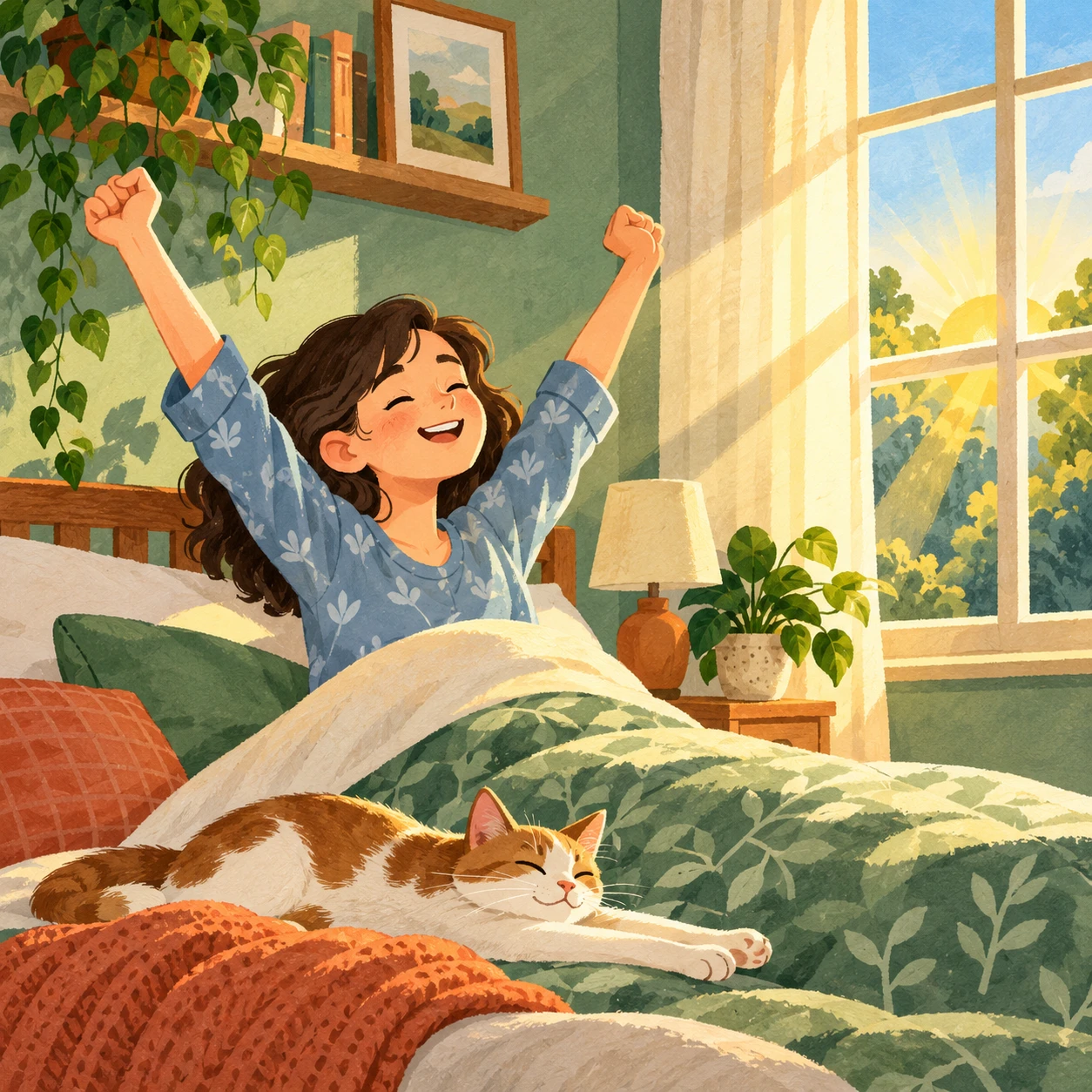
Daily routines · A1. Use the situation to distinguish these meanings: wake up = to stop sleeping; get dressed = to put clothes on your body; brush my teeth = to clean my teeth with a toothbrush; wash my face = to clean the skin of my face with water.

Practise Daily routines in short situations. Read the clue, choose or write a form, then check the reason. The level is an editorial guide. Explore 12 study cards and 24 contextual questions, including fresh review and transfer situations.

24 items
Save it to find it in My collection.
Vocabulary

Learning cards

1/12
wake up
wake up
A1
01 / 12
Save it to find it in My collection.

wake up

to stop sleeping

To stop sleeping.

In a sentence

I wake up earlier when sunlight enters the room.

I wake up earlier when sunlight enters the room.

Useful combinations
wake up earlywake up at seven

Word forms & family

woke upwoken upwaking up

Similar meanings & paraphrases

awaken

These match this sense. Word families can change meaning; near meanings are not always interchangeable.

Use “wake up” for to stop sleeping. Compare “get dressed” (to put clothes on your body); these are different meanings.

0 Saved words

A little clarity first

wake up · get dressed · brush my teeth · wash my face

Use the situation to distinguish these meanings: wake up = to stop sleeping; get dressed = to put clothes on your body; brush my teeth = to clean my teeth with a toothbrush; wash my face = to clean the skin of my face with water.

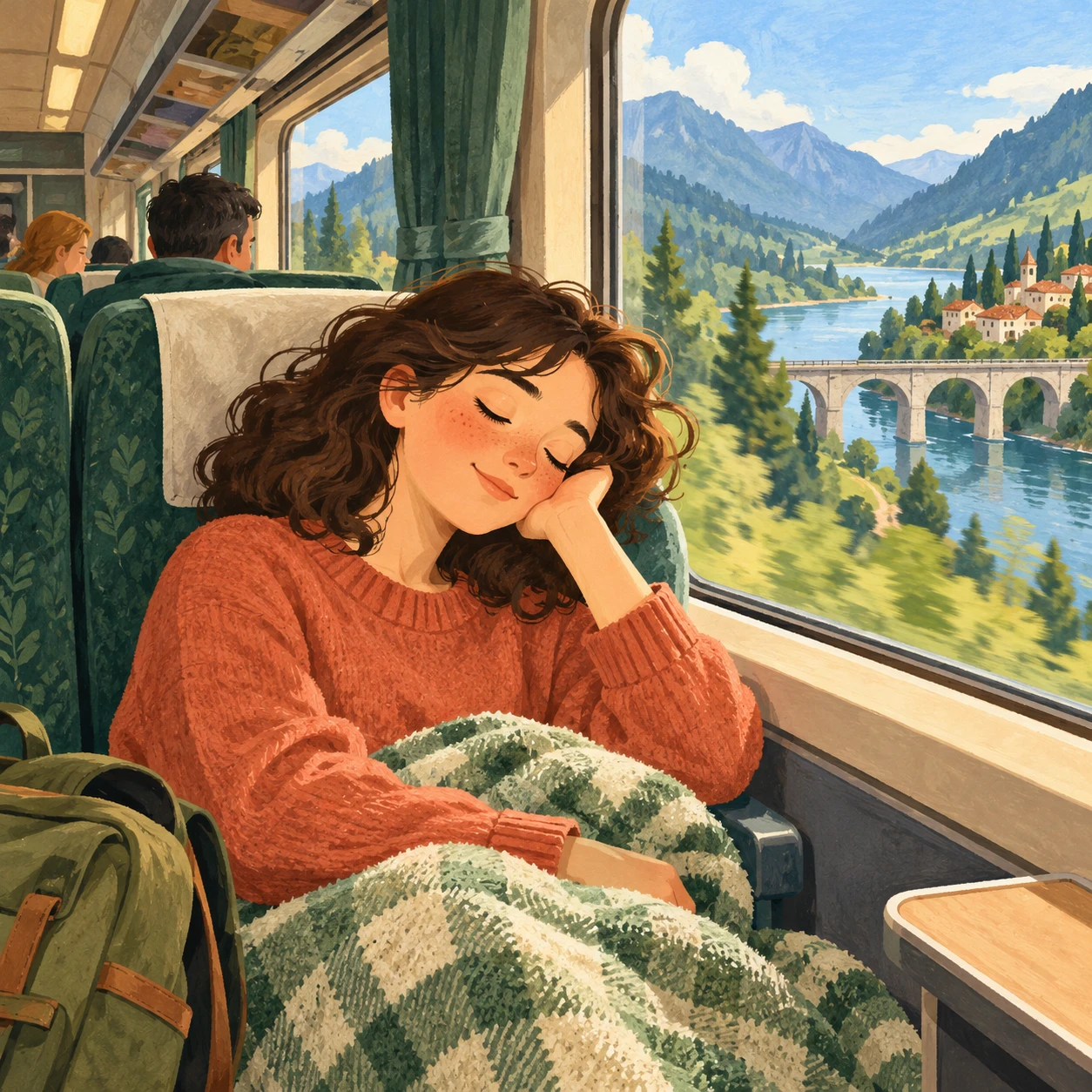
When my sleep ends at seven, I wake up.

have breakfast · have lunch · have dinner · go to work

Use the situation to distinguish these meanings: have breakfast = to eat the morning meal; have lunch = to eat the meal around the middle of the day; have dinner = to eat the main evening meal; go to work = to travel to the place where I do my job.

I eat my first meal in the morning. I have breakfast.

go to bed · fall asleep · set an alarm · turn off the light

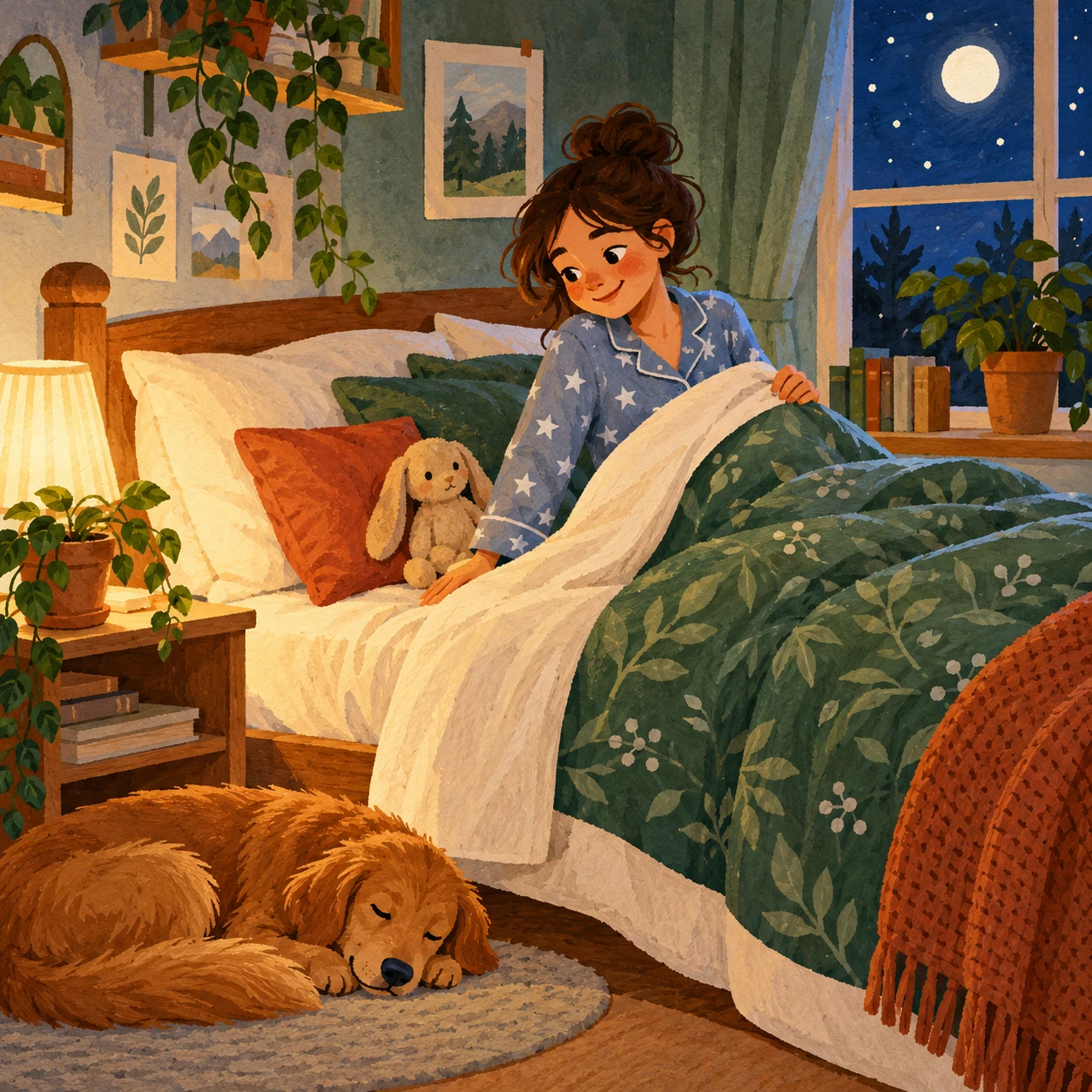
Use the situation to distinguish these meanings: go to bed = to get into bed in order to sleep; fall asleep = to begin sleeping; set an alarm = to program a device to ring at a chosen time; turn off the light = to stop a lamp from shining using its switch.

At ten I put on my pyjamas and get under the covers. I go to bed.

0/24
Questions
01 / 24D01Save it to find it in My collection.

When my sleep ends at seven, I ___.

Choose the option that completes the gap in this situation.

Your answer
1 / 24

Your learning route

01
Step 1 · Warm-up

Warm-up

0/3
02
Step 2 · Build the skill

wake up · get dressed · brush my teeth · wash my face

0/2

Use the situation to distinguish these meanings: wake up = to stop sleeping; get dressed = to put clothes on your body; brush my teeth = to clean my teeth with a toothbrush; wash my face = to clean the skin of my face with water.

When my sleep ends at seven, I wake up.
03
Step 3 · Build the skill

have breakfast · have lunch · have dinner · go to work

0/1

Use the situation to distinguish these meanings: have breakfast = to eat the morning meal; have lunch = to eat the meal around the middle of the day; have dinner = to eat the main evening meal; go to work = to travel to the place where I do my job.

I eat my first meal in the morning. I have breakfast.
04
Step 4 · Build the skill

go to bed · fall asleep · set an alarm · turn off the light

0/1

Use the situation to distinguish these meanings: go to bed = to get into bed in order to sleep; fall asleep = to begin sleeping; set an alarm = to program a device to ring at a chosen time; turn off the light = to stop a lamp from shining using its switch.

At ten I put on my pyjamas and get under the covers. I go to bed.
05
Step 5 · New contexts

New contexts

0/9
06
Step 6 · A fresh challenge

A fresh challenge

0/8
Practice notes in this unit

Make mistakes useful.

Keep the first try. Understand the change. Check it in a fresh situation.

0

No practice notes yet. Try a short warm-up.

Questions & answers

Opening an answer records help for that question.

D01 · Warm-up

When my sleep ends at seven, I ___.

Choose the option that completes the gap in this situation.

  1. brush my teeth
  2. get dressed
  3. wash my face
  4. wake up
Answer & explanation
wake up

Look at “sleep ends”. Here we need “To stop sleeping”: “wake up”. Getting into bed, starting sleep and ending sleep are different. An alarm or light switch is a separate action. Completed sentence: “When my sleep ends at seven, I wake up.”.

D02 · Warm-up

I eat my first meal in the morning. I ___.

Choose the option that completes the gap in this situation.

  1. go to work
  2. have lunch
  3. have breakfast
  4. have dinner
Answer & explanation
have breakfast

Look at “first meal in the morning”. Here we need “To eat the morning meal”: “have breakfast”. Use the meal time stated. Going to the workplace names a journey, not a meal. Completed sentence: “I eat my first meal in the morning. I have breakfast.”.

D03 · Warm-up

At ten I put on my pyjamas and get under the covers. I ___.

Choose the option that completes the gap in this situation.

  1. go to bed
  2. set an alarm
  3. turn off the light
  4. fall asleep
Answer & explanation
go to bed

Look at “get under the covers”. Here we need “To get into bed in order to sleep”: “go to bed”. Getting into bed, starting sleep and ending sleep are different. An alarm or light switch is a separate action. Completed sentence: “At ten I put on my pyjamas and get under the covers. I go to bed.”.

P01 · Build the skill

After my shower, I put on my clothes. I ___.

Choose the option that completes the gap in this situation.

  1. wake up
  2. brush my teeth
  3. wash my face
  4. get dressed
Answer & explanation
get dressed

Look at “put on my clothes”. Here we need “To put clothes on your body”: “get dressed”. Use the body part and action stated: clothes on the body, cleaning teeth or washing the face. Completed sentence: “After my shower, I put on my clothes. I get dressed.”.

P02 · Build the skill

In my family, dinner means the evening meal. At midday I eat a sandwich as my main meal. I ___.

Choose the option that completes the gap in this situation.

  1. have lunch
  2. go to work
  3. have breakfast
  4. have dinner
Answer & explanation
have lunch

Look at “At midday”. Here we need “To eat the meal around the middle of the day”: “have lunch”. Use the meal time stated. Going to the workplace names a journey, not a meal. Completed sentence: “In my family, dinner means the evening meal. At midday I eat a sandwich as my main meal. I have lunch.” / “At midday I eat a sandwich as my main meal. I have lunch.”.

P03 · Build the skill

I close my eyes and stop being awake. I ___.

Choose the option that completes the gap in this situation.

  1. set an alarm
  2. turn off the light
  3. fall asleep
  4. go to bed
Answer & explanation
fall asleep

Look at “stop being awake”. Here we need “To begin sleeping”: “fall asleep”. Getting into bed, starting sleep and ending sleep are different. An alarm or light switch is a separate action. Completed sentence: “I close my eyes and stop being awake. I fall asleep.”.

P04 · Build the skill

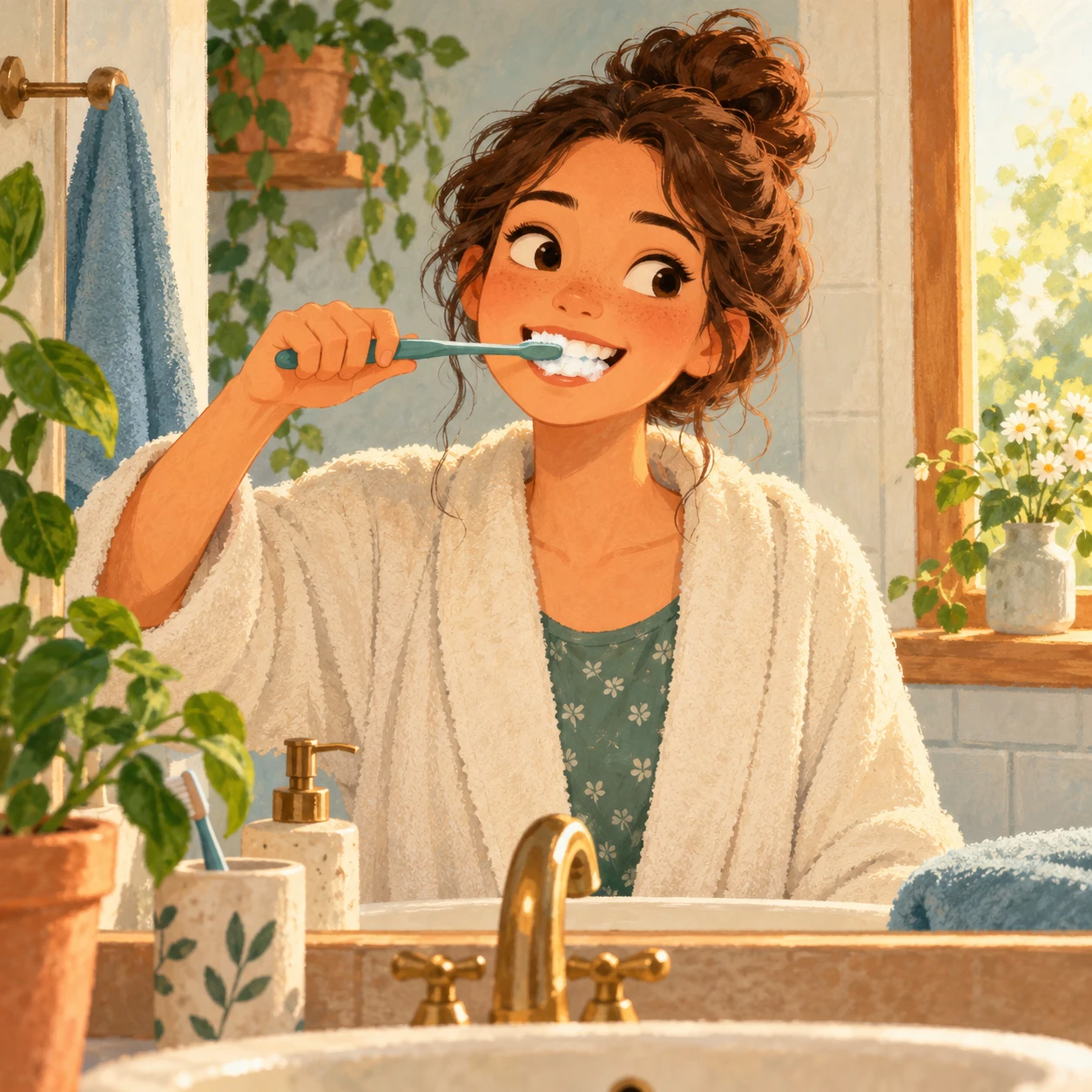
I use a toothbrush and toothpaste. I ___.

Choose the option that completes the gap in this situation.

  1. wake up
  2. get dressed
  3. wash my face
  4. brush my teeth
Answer & explanation
brush my teeth

Look at “toothbrush and toothpaste”. Here we need “To clean my teeth with a toothbrush”: “brush my teeth”. Use the body part and action stated: clothes on the body, cleaning teeth or washing the face. Completed sentence: “I use a toothbrush and toothpaste. I brush my teeth.”.

R01 · New contexts

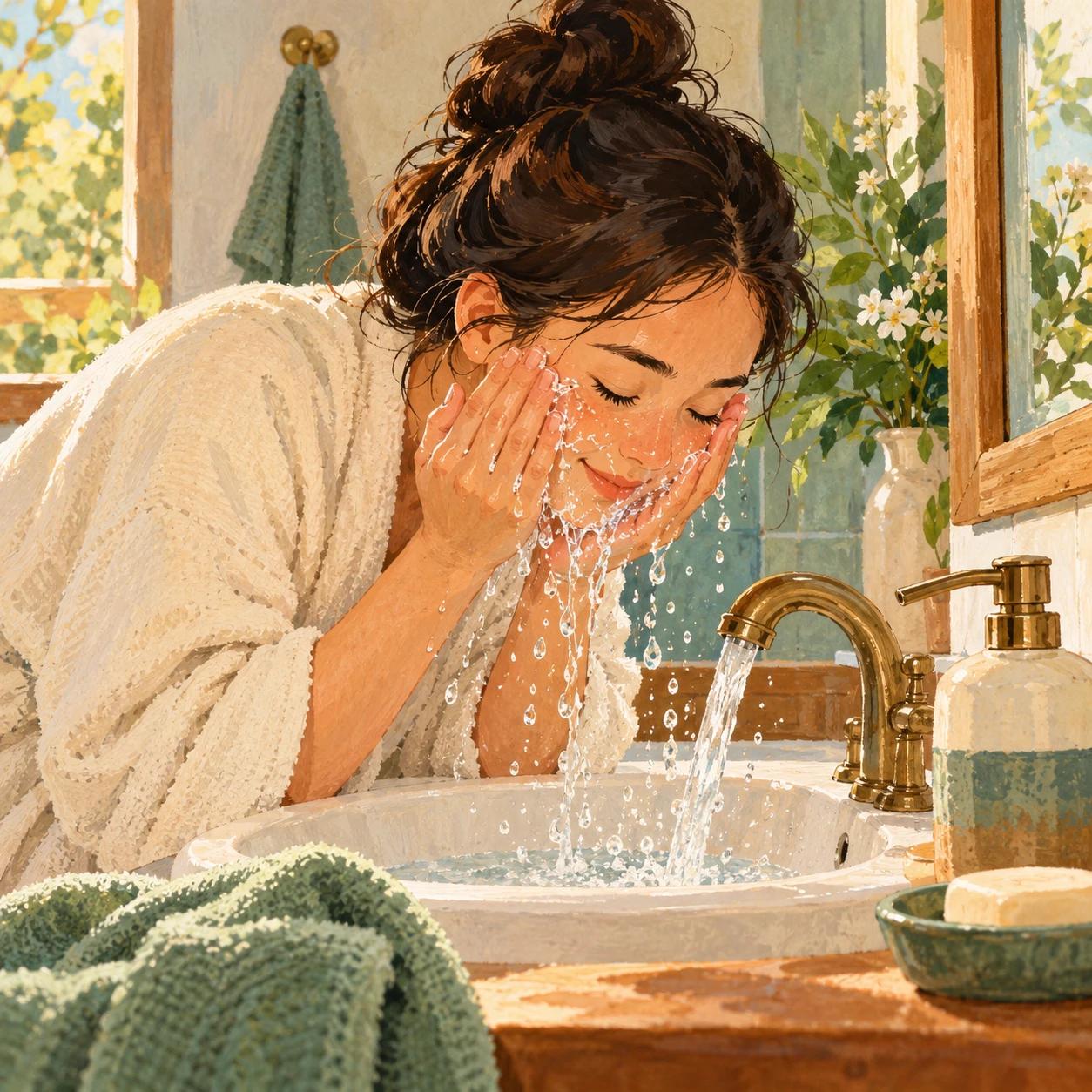
I clean my cheeks and forehead with water. I ___.

Choose the option that completes the gap in this situation.

  1. get dressed
  2. wash my face
  3. wake up
  4. brush my teeth
Answer & explanation
wash my face

Look at “cheeks and forehead”. Here we need “To clean my face with water”: “wash my face”. Use the body part and action stated: clothes on the body, cleaning teeth or washing the face. Completed sentence: “I clean my cheeks and forehead with water. I wash my face.”.

R02 · New contexts

In the evening I sit down for my final main meal. I ___.

Choose the option that completes the gap in this situation.

  1. go to work
  2. have dinner
  3. have lunch
  4. have breakfast
Answer & explanation
have dinner

Look at “final main meal”. Here we need “To eat an evening meal”: “have dinner”. Use the meal time stated. Going to the workplace names a journey, not a meal. Completed sentence: “In the evening I sit down for my final main meal. I have dinner.”.

R03 · New contexts

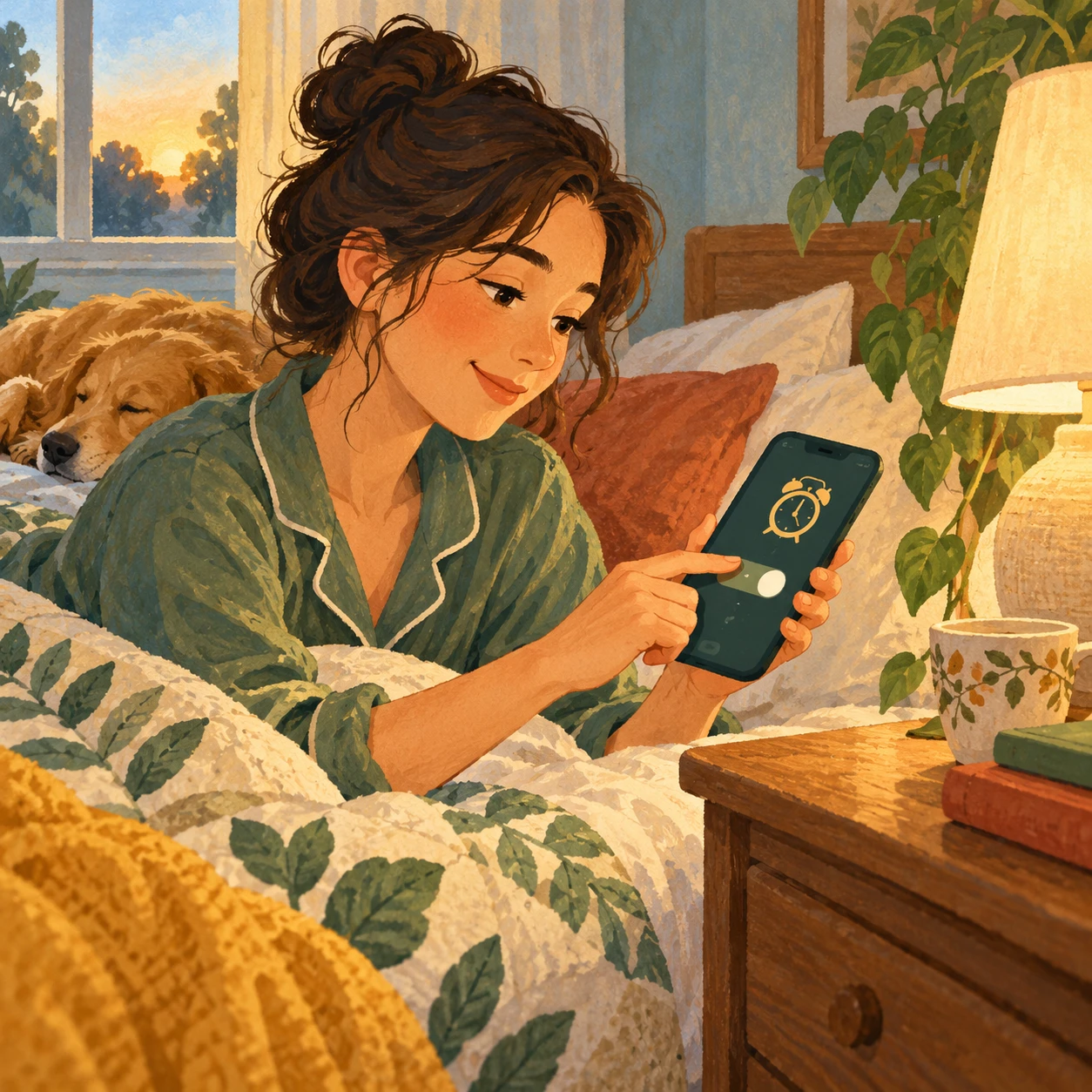
I program my phone to ring at six tomorrow. I ___.

Choose the option that completes the gap in this situation.

  1. turn off the light
  2. fall asleep
  3. set an alarm
  4. go to bed
Answer & explanation
set an alarm

Look at “phone to ring at six”. Here we need “To choose a time for an alarm to sound”: “set an alarm”. Getting into bed, starting sleep and ending sleep are different. An alarm or light switch is a separate action. Completed sentence: “I program my phone to ring at six tomorrow. I set an alarm.”.

X01 · A fresh challenge

I leave home and travel to my office for my job. I ___.

Choose the option that completes the gap in this situation.

  1. have dinner
  2. go to work
  3. have lunch
  4. have breakfast
Answer & explanation
go to work

Look at “travel to my office”. Here we need “To travel to the place where you do your job”: “go to work”. Use the meal time stated. Going to the workplace names a journey, not a meal. Completed sentence: “I leave home and travel to my office for my job. I go to work.”.

X02 · A fresh challenge

I press the switch so the bedroom becomes dark. I ___.

Choose the option that completes the gap in this situation.

  1. turn off the light
  2. fall asleep
  3. set an alarm
  4. go to bed
Answer & explanation
turn off the light

Look at “room becomes dark”. Here we need “To stop a light from shining using its switch”: “turn off the light”. Getting into bed, starting sleep and ending sleep are different. An alarm or light switch is a separate action. Completed sentence: “I press the switch so the bedroom becomes dark. I turn off the light.”.

R04 · New contexts

My sleep ends at six, but I stay in bed for a minute. I ___ at six.

Choose the option that completes the gap in this situation.

  1. wake up
  2. get dressed
  3. brush my teeth
  4. wash my face
Answer & explanation
wake up

Look at “sleep ends”. Here we need “To stop sleeping”: “wake up”. Getting into bed, starting sleep and ending sleep are different. An alarm or light switch is a separate action. Completed sentence: “My sleep ends at six, but I stay in bed for a minute. I wake up at six.”.

R05 · New contexts

In the morning, I sit down for my first meal. I ___ before school.

Choose the option that completes the gap in this situation.

  1. have dinner
  2. go to work
  3. have lunch
  4. have breakfast
Answer & explanation
have breakfast

Look at “first meal”. Here we need “To eat the morning meal”: “have breakfast”. Use the meal time stated. Going to the workplace names a journey, not a meal. Completed sentence: “In the morning, I sit down for my first meal. I have breakfast before school.”.

R06 · New contexts

Which phrase means getting into bed to rest, even if you stay awake for a while? I ___.

Choose the option that completes the gap in this situation.

  1. set an alarm
  2. go to bed
  3. fall asleep
  4. turn off the light
Answer & explanation
go to bed

Look at “even if you stay awake”. Here we need “To get into bed in order to sleep”: “go to bed”. Getting into bed, starting sleep and ending sleep are different. An alarm or light switch is a separate action. Completed sentence: “Which phrase means getting into bed to rest, even if you stay awake for a while? I go to bed.”.

R07 · New contexts

Before I leave my bedroom, I put on my clothes. I ___.

Choose the option that completes the gap in this situation.

  1. wash my face
  2. get dressed
  3. wake up
  4. brush my teeth
Answer & explanation
get dressed

Look at “put on my clothes”. Here we need “To put clothes on your body”: “get dressed”. Use the body part and action stated: clothes on the body, cleaning teeth or washing the face. Completed sentence: “Before I leave my bedroom, I put on my clothes. I get dressed.”.

R08 · New contexts

In my family, breakfast is at seven in the morning and dinner means our evening meal. For the main meal between them, I ___ with my work friends.

Choose the option that completes the gap in this situation.

  1. have dinner
  2. have breakfast
  3. go to work
  4. have lunch
Answer & explanation
have lunch

Look at “main meal between them”. Here we need “To eat the meal around the middle of the day”: “have lunch”. Use the meal time stated. Going to the workplace names a journey, not a meal. Completed sentence: “In my family, breakfast is at seven in the morning and dinner means our evening meal. For the main meal between them, I have lunch with my work friends.”.

R09 · New contexts

I am awake at first, but then I begin to sleep. I ___.

Choose the option that completes the gap in this situation.

  1. turn off the light
  2. go to bed
  3. fall asleep
  4. set an alarm
Answer & explanation
fall asleep

Look at “begin to sleep”. Here we need “To begin sleeping”: “fall asleep”. Getting into bed, starting sleep and ending sleep are different. An alarm or light switch is a separate action. Completed sentence: “I am awake at first, but then I begin to sleep. I fall asleep.”.

X03 · A fresh challenge

I use a toothbrush and toothpaste when I ___.

Choose the option that completes the gap in this situation.

  1. wash my face
  2. brush my teeth
  3. get dressed
  4. wake up
Answer & explanation
brush my teeth

Look at “toothbrush and toothpaste”. Here we need “To clean my teeth with a toothbrush”: “brush my teeth”. Use the body part and action stated: clothes on the body, cleaning teeth or washing the face. Completed sentence: “I use a toothbrush and toothpaste when I brush my teeth.”.

X04 · A fresh challenge

I put water on my cheeks and nose when I ___.

Choose the option that completes the gap in this situation.

  1. get dressed
  2. brush my teeth
  3. wake up
  4. wash my face
Answer & explanation
wash my face

Look at “water on my cheeks and nose”. Here we need “To clean my face with water”: “wash my face”. Use the body part and action stated: clothes on the body, cleaning teeth or washing the face. Completed sentence: “I put water on my cheeks and nose when I wash my face.”.

X05 · A fresh challenge

In the evening, I sit down for my main meal. I ___ at seven.

Choose the option that completes the gap in this situation.

  1. go to work
  2. have lunch
  3. have dinner
  4. have breakfast
Answer & explanation
have dinner

Look at “main meal”. Here we need “To eat an evening meal”: “have dinner”. Use the meal time stated. Going to the workplace names a journey, not a meal. Completed sentence: “In the evening, I sit down for my main meal. I have dinner at seven.”.

X06 · A fresh challenge

I want my phone to wake me at six. Before bed, I ___.

Choose the option that completes the gap in this situation.

  1. turn off the light
  2. go to bed
  3. set an alarm
  4. fall asleep
Answer & explanation
set an alarm

Look at “phone to wake me”. Here we need “To choose a time for an alarm to sound”: “set an alarm”. Getting into bed, starting sleep and ending sleep are different. An alarm or light switch is a separate action. Completed sentence: “I want my phone to wake me at six. Before bed, I set an alarm.”.

X07 · A fresh challenge

On weekday mornings, I leave home and travel to my office. I ___.

Choose the option that completes the gap in this situation.

  1. go to work
  2. have dinner
  3. have lunch
  4. have breakfast
Answer & explanation
go to work

Look at “travel to my office”. Here we need “To travel to the place where you do your job”: “go to work”. Use the meal time stated. Going to the workplace names a journey, not a meal. Completed sentence: “On weekday mornings, I leave home and travel to my office. I go to work.”.

X08 · A fresh challenge

When I leave a bright room, I press the switch to make it dark. I ___.

Choose the option that completes the gap in this situation.

  1. go to bed
  2. fall asleep
  3. turn off the light
  4. set an alarm
Answer & explanation
turn off the light

Look at “make it dark”. Here we need “To stop a light from shining using its switch”: “turn off the light”. Getting into bed, starting sleep and ending sleep are different. An alarm or light switch is a separate action. Completed sentence: “When I leave a bright room, I press the switch to make it dark. I turn off the light.”.