A1

Habitudes quotidiennes : exercices

À propos de cette leçon

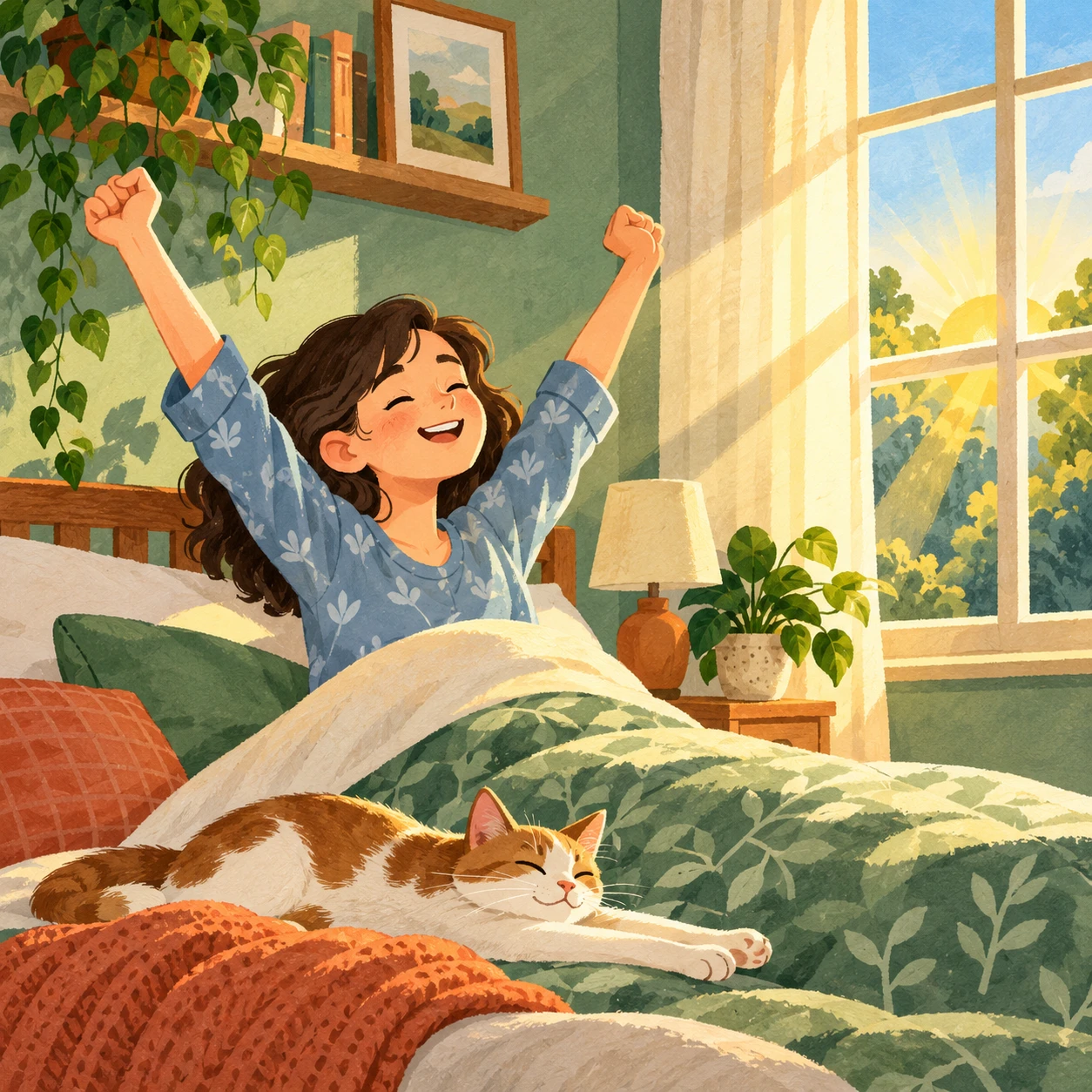
Habitudes quotidiennes · A1. Distingue ces sens à partir de la situation : wake up = se réveiller; get dressed = s’habiller; brush my teeth = me brosser les dents; wash my face = me laver le visage.

Travaille Habitudes quotidiennes dans de courtes situations. Lis l’indice, choisis ou écris une forme, puis vérifie l’explication. Le niveau est une indication éditoriale. Découvre 12 fiches et 24 questions en contexte, avec de nouvelles situations de révision et de transfert.

24 questions
Retrouvez-le dans Ma collection après enregistrement.
Vocabulaire

Fiches d’apprentissage

1/12
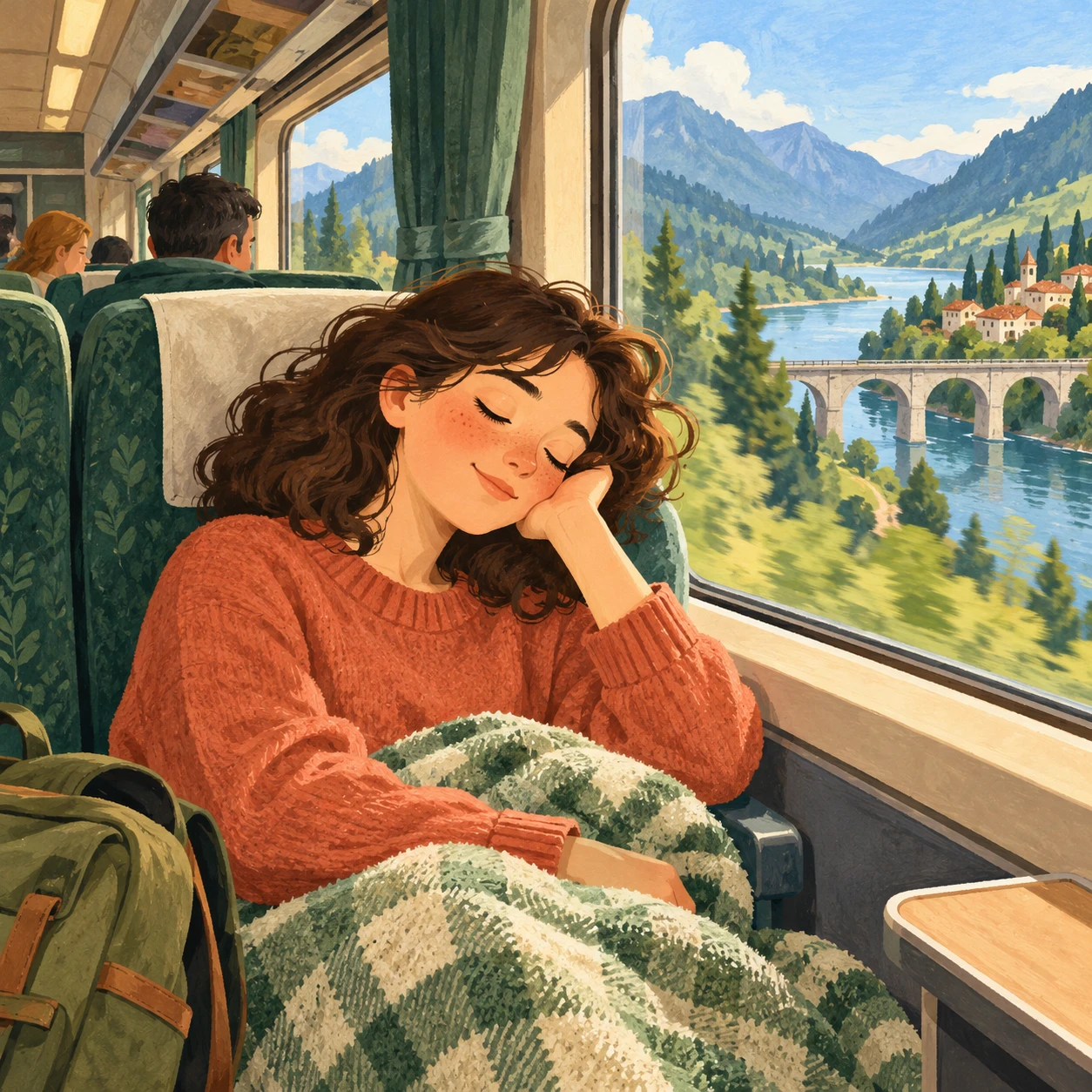
wake up
wake up
A1
01 / 12
Retrouvez-le dans Ma collection après enregistrement.

wake up

se réveiller

To stop sleeping.

Dans une phrase

I wake up earlier when sunlight enters the room.

Je me réveille plus tôt quand le soleil entre dans la pièce.

Associations utiles
wake up earlywake up at seven

Formes et famille de mots

woke upwoken upwaking up

Sens proches et reformulations

awaken

Ces indications concernent ce sens. Les mots de la famille peuvent changer de sens ; les expressions proches ne sont pas toujours interchangeables.

Utilise «wake up» pour se réveiller. Compare avec «get dressed» (s’habiller) : les sens diffèrent.

0 Mots enregistrés

Quelques repères

se réveiller · s’habiller · me brosser les dents · me laver le visage

Distingue ces sens à partir de la situation : wake up = se réveiller; get dressed = s’habiller; brush my teeth = me brosser les dents; wash my face = me laver le visage.

When my sleep ends at seven, I wake up.

prendre le petit-déjeuner · déjeuner · dîner · aller au travail

Distingue ces sens à partir de la situation : have breakfast = prendre le petit-déjeuner; have lunch = déjeuner; have dinner = dîner; go to work = aller au travail.

I eat my first meal in the morning. I have breakfast.

se coucher · s’endormir · régler un réveil · éteindre la lumière

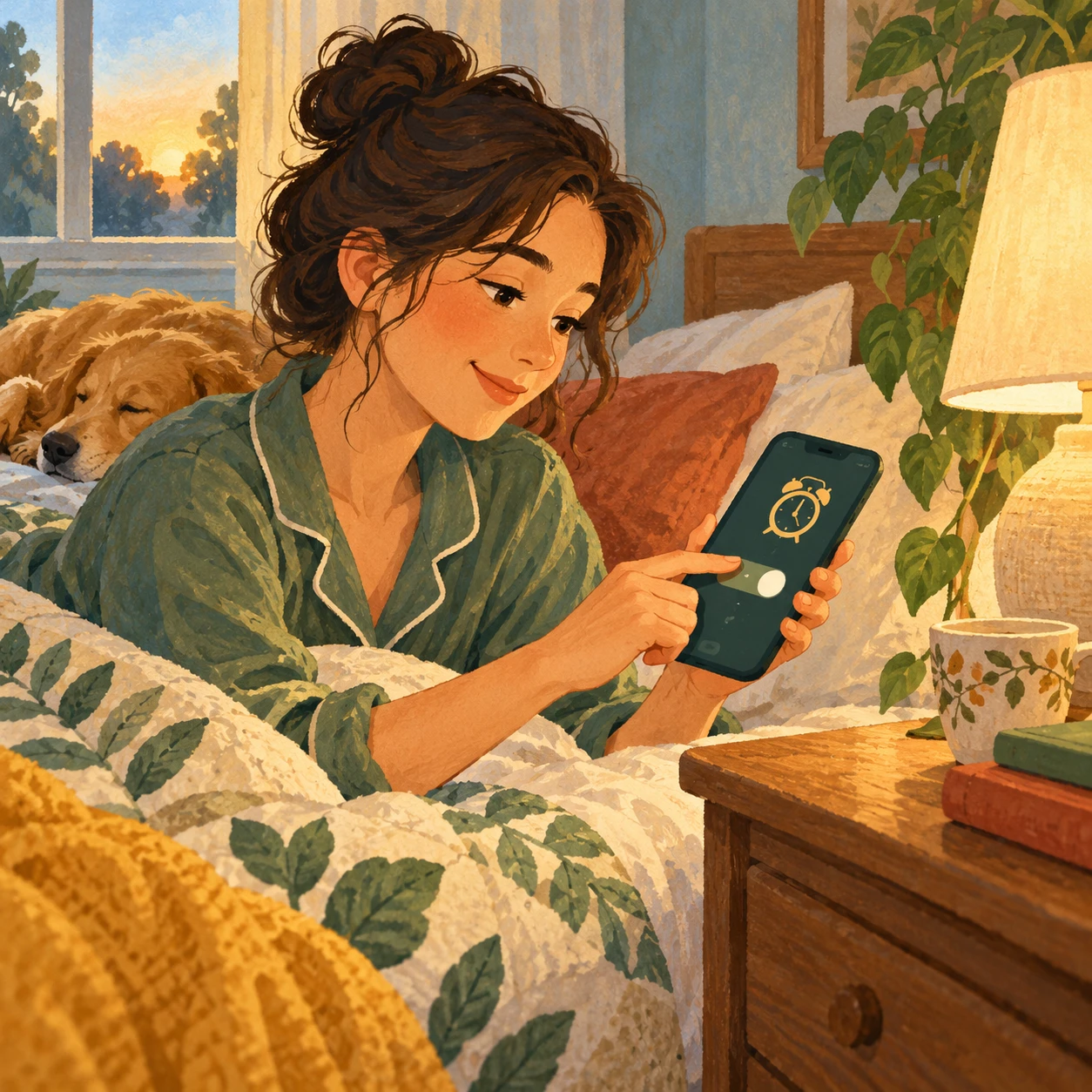
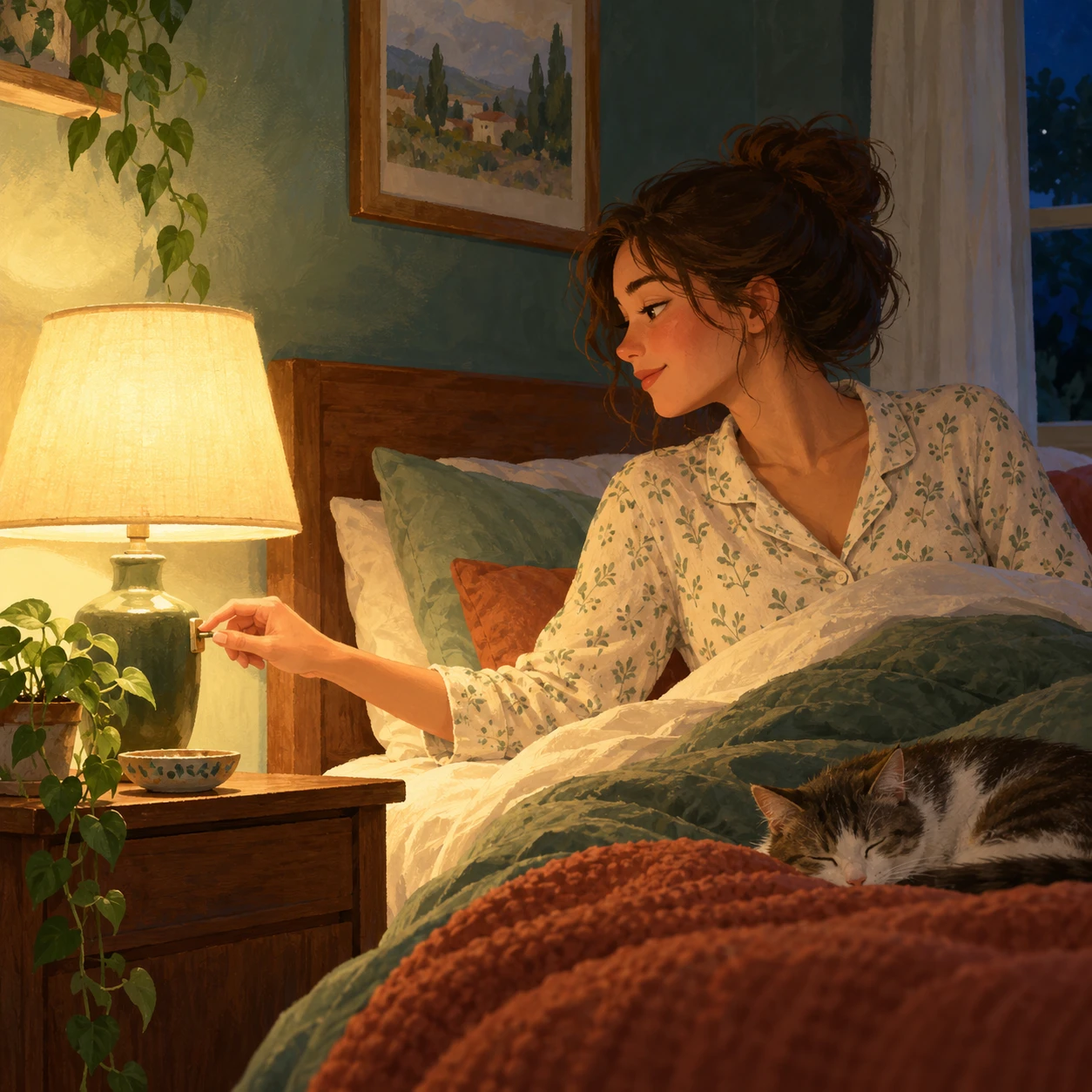
Distingue ces sens à partir de la situation : go to bed = se coucher; fall asleep = s’endormir; set an alarm = régler un réveil; turn off the light = éteindre la lumière.

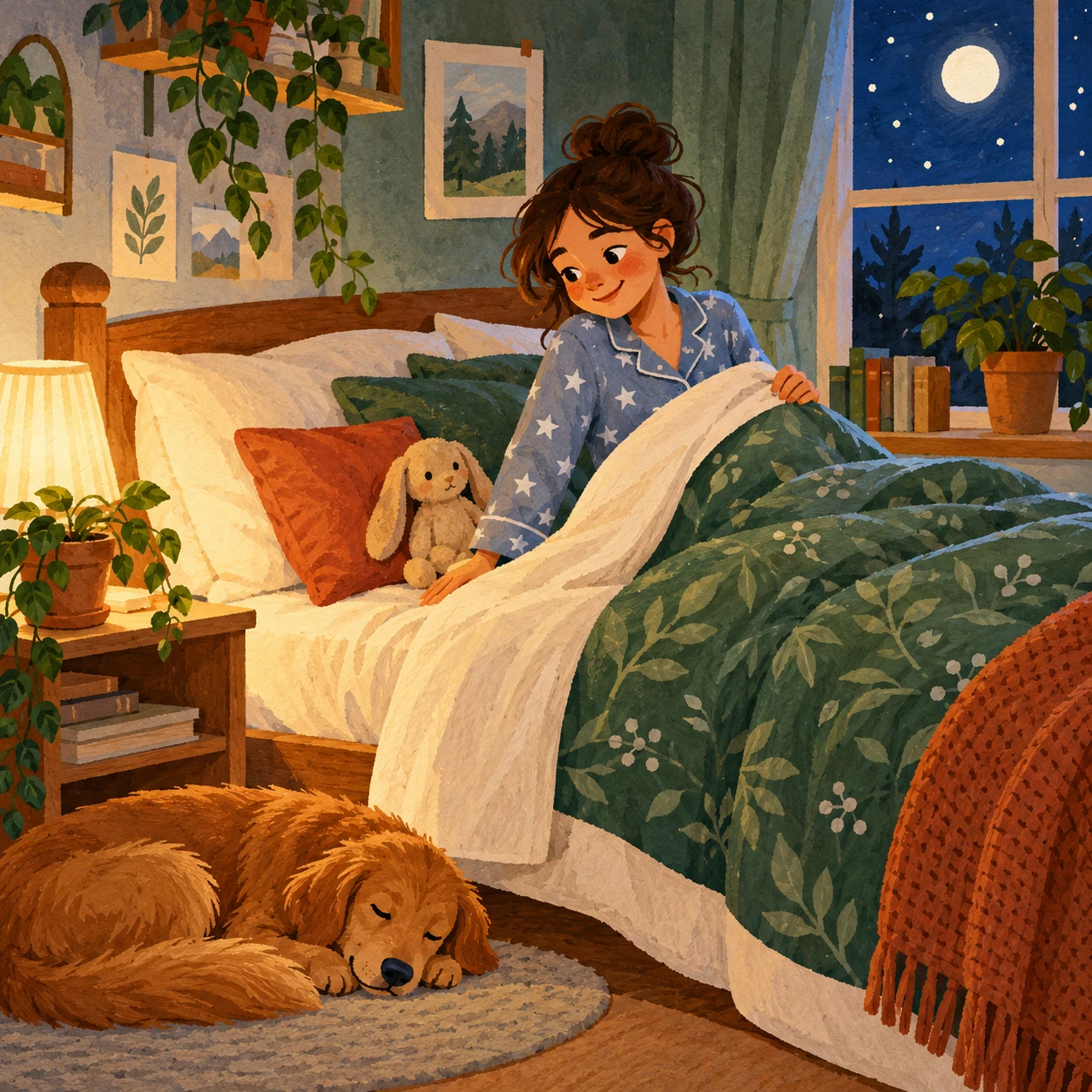
At ten I put on my pyjamas and get under the covers. I go to bed.

0/24
Questions
01 / 24D01Retrouvez-le dans Ma collection après enregistrement.

When my sleep ends at seven, I ___.

Choose the option that completes the gap in this situation.

Votre réponse
1 / 24

Votre parcours

01
Étape 1 · Échauffement

Échauffement

0/3
02
Étape 2 · Développer la compétence

se réveiller · s’habiller · me brosser les dents · me laver le visage

0/2

Distingue ces sens à partir de la situation : wake up = se réveiller; get dressed = s’habiller; brush my teeth = me brosser les dents; wash my face = me laver le visage.

When my sleep ends at seven, I wake up.
03
Étape 3 · Développer la compétence

prendre le petit-déjeuner · déjeuner · dîner · aller au travail

0/1

Distingue ces sens à partir de la situation : have breakfast = prendre le petit-déjeuner; have lunch = déjeuner; have dinner = dîner; go to work = aller au travail.

I eat my first meal in the morning. I have breakfast.
04
Étape 4 · Développer la compétence

se coucher · s’endormir · régler un réveil · éteindre la lumière

0/1

Distingue ces sens à partir de la situation : go to bed = se coucher; fall asleep = s’endormir; set an alarm = régler un réveil; turn off the light = éteindre la lumière.

At ten I put on my pyjamas and get under the covers. I go to bed.
05
Étape 5 · Nouveaux contextes

Nouveaux contextes

0/9
06
Étape 6 · Un nouveau défi

Un nouveau défi

0/8
Révisions de cette unité

Apprenez de vos erreurs.

Gardez la première tentative, comprenez le changement et essayez dans une nouvelle situation.

0

Pas encore de notes. Essayez un court échauffement.

Questions et réponses

Ouvrir une réponse enregistre une aide pour cette question.

D01 · Échauffement

When my sleep ends at seven, I ___.

Choose the option that completes the gap in this situation.

  1. brush my teeth
  2. get dressed
  3. wash my face
  4. wake up
Réponse et explication
wake up

Regarde « sleep ends ». Ici, on cherche « se réveiller » : « wake up ». Se coucher, s’endormir et se réveiller diffèrent. Régler une alarme ou éteindre la lumière est une autre action. Phrase complète : « When my sleep ends at seven, I wake up. ».

D02 · Échauffement

I eat my first meal in the morning. I ___.

Choose the option that completes the gap in this situation.

  1. go to work
  2. have lunch
  3. have breakfast
  4. have dinner
Réponse et explication
have breakfast

Regarde « first meal in the morning ». Ici, on cherche « prendre le petit-déjeuner » : « have breakfast ». Utilise l’heure du repas indiquée. Aller au travail est un trajet, pas un repas. Phrase complète : « I eat my first meal in the morning. I have breakfast. ».

D03 · Échauffement

At ten I put on my pyjamas and get under the covers. I ___.

Choose the option that completes the gap in this situation.

  1. go to bed
  2. set an alarm
  3. turn off the light
  4. fall asleep
Réponse et explication
go to bed

Regarde « get under the covers ». Ici, on cherche « se coucher » : « go to bed ». Se coucher, s’endormir et se réveiller diffèrent. Régler une alarme ou éteindre la lumière est une autre action. Phrase complète : « At ten I put on my pyjamas and get under the covers. I go to bed. ».

P01 · Développer la compétence

After my shower, I put on my clothes. I ___.

Choose the option that completes the gap in this situation.

  1. wake up
  2. brush my teeth
  3. wash my face
  4. get dressed
Réponse et explication
get dressed

Regarde « put on my clothes ». Ici, on cherche « s’habiller » : « get dressed ». Utilise la partie du corps et l’action : s’habiller, se brosser les dents ou se laver le visage. Phrase complète : « After my shower, I put on my clothes. I get dressed. ».

P02 · Développer la compétence

In my family, dinner means the evening meal. At midday I eat a sandwich as my main meal. I ___.

Choose the option that completes the gap in this situation.

  1. have lunch
  2. go to work
  3. have breakfast
  4. have dinner
Réponse et explication
have lunch

Regarde « At midday ». Ici, on cherche « déjeuner » : « have lunch ». Utilise l’heure du repas indiquée. Aller au travail est un trajet, pas un repas. Phrase complète : « In my family, dinner means the evening meal. At midday I eat a sandwich as my main meal. I have lunch.” / “At midday I eat a sandwich as my main meal. I have lunch. ».

P03 · Développer la compétence

I close my eyes and stop being awake. I ___.

Choose the option that completes the gap in this situation.

  1. set an alarm
  2. turn off the light
  3. fall asleep
  4. go to bed
Réponse et explication
fall asleep

Regarde « stop being awake ». Ici, on cherche « s’endormir » : « fall asleep ». Se coucher, s’endormir et se réveiller diffèrent. Régler une alarme ou éteindre la lumière est une autre action. Phrase complète : « I close my eyes and stop being awake. I fall asleep. ».

P04 · Développer la compétence

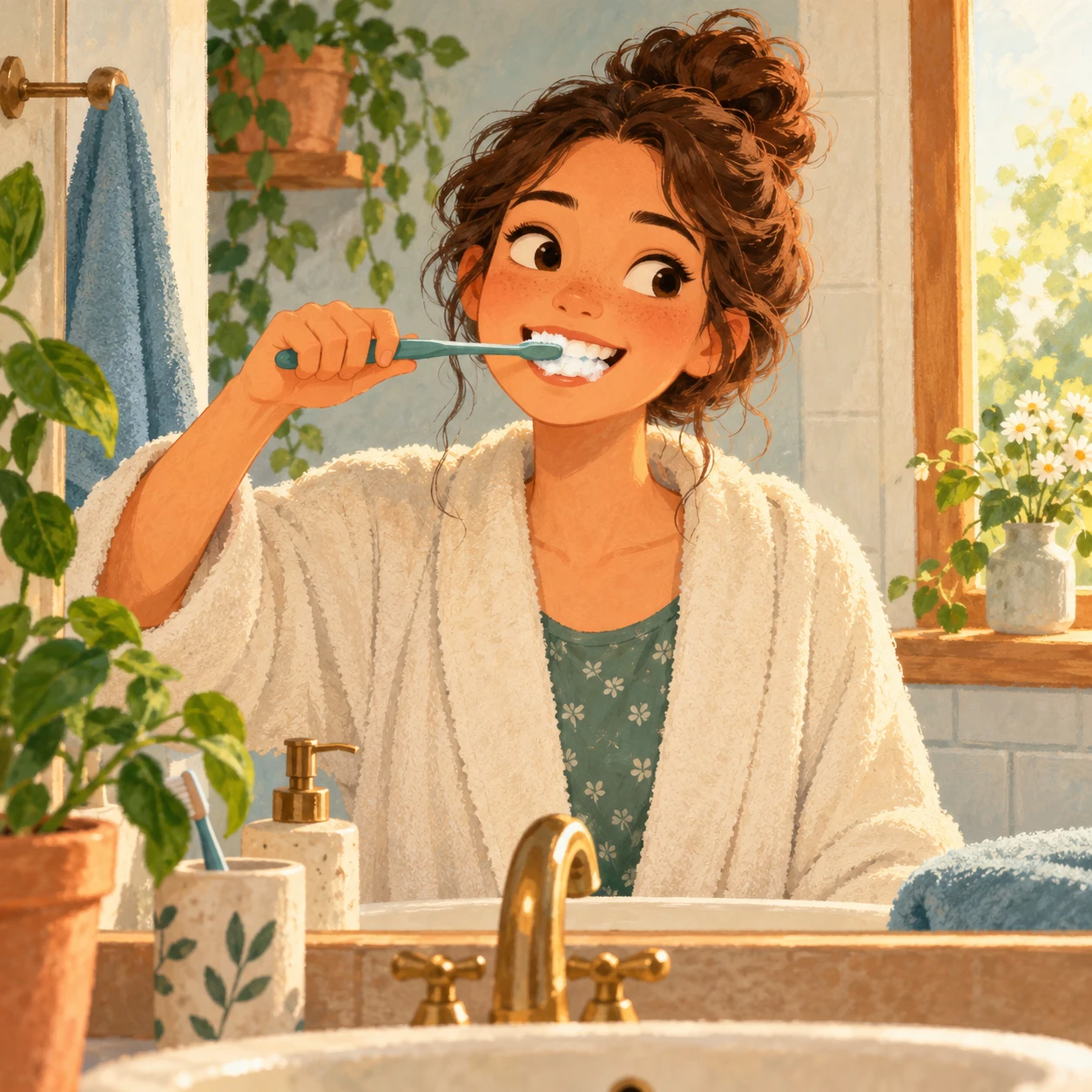
I use a toothbrush and toothpaste. I ___.

Choose the option that completes the gap in this situation.

  1. wake up
  2. get dressed
  3. wash my face
  4. brush my teeth
Réponse et explication
brush my teeth

Regarde « toothbrush and toothpaste ». Ici, on cherche « me brosser les dents » : « brush my teeth ». Utilise la partie du corps et l’action : s’habiller, se brosser les dents ou se laver le visage. Phrase complète : « I use a toothbrush and toothpaste. I brush my teeth. ».

R01 · Nouveaux contextes

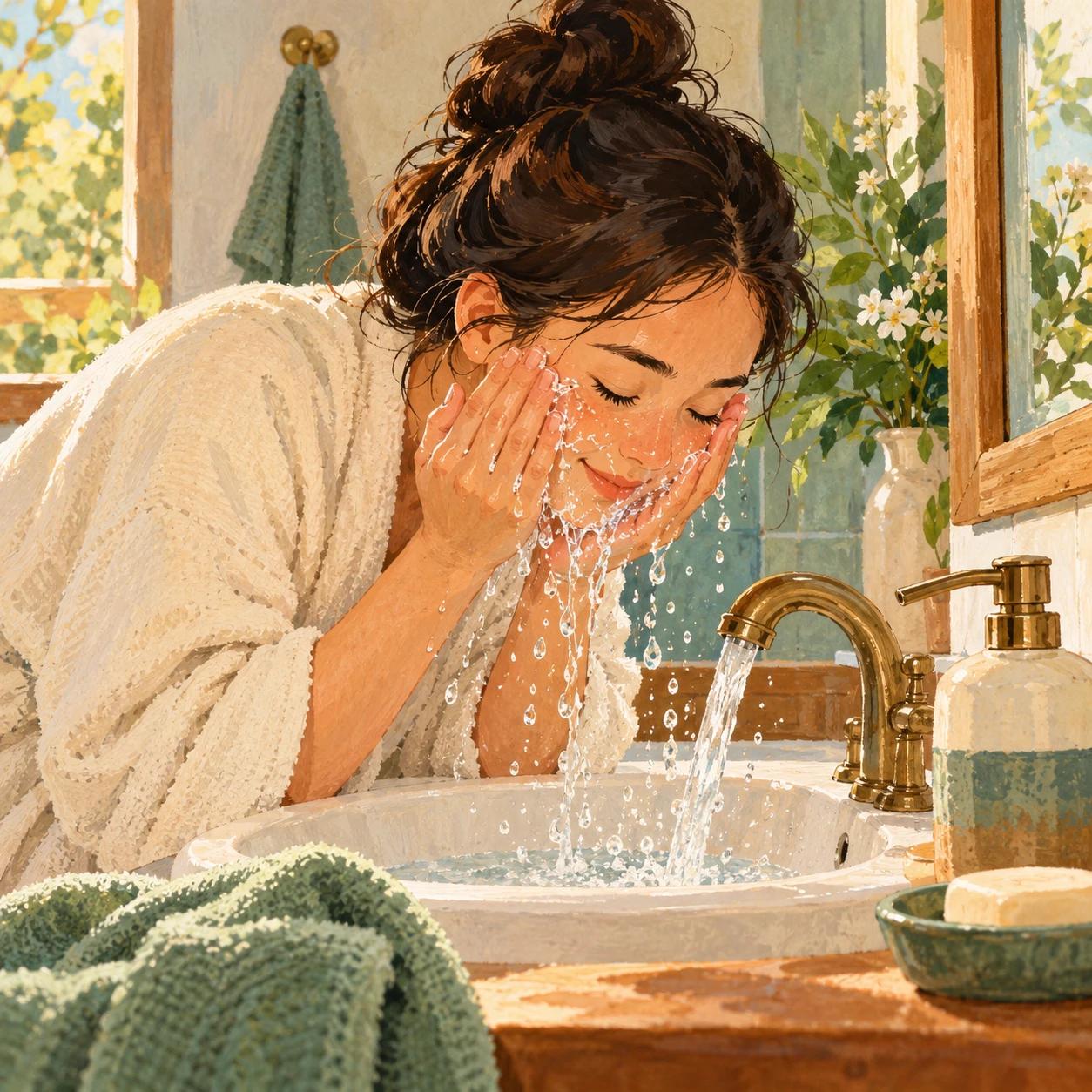
I clean my cheeks and forehead with water. I ___.

Choose the option that completes the gap in this situation.

  1. get dressed
  2. wash my face
  3. wake up
  4. brush my teeth
Réponse et explication
wash my face

Regarde « cheeks and forehead ». Ici, on cherche « me laver le visage » : « wash my face ». Utilise la partie du corps et l’action : s’habiller, se brosser les dents ou se laver le visage. Phrase complète : « I clean my cheeks and forehead with water. I wash my face. ».

R02 · Nouveaux contextes

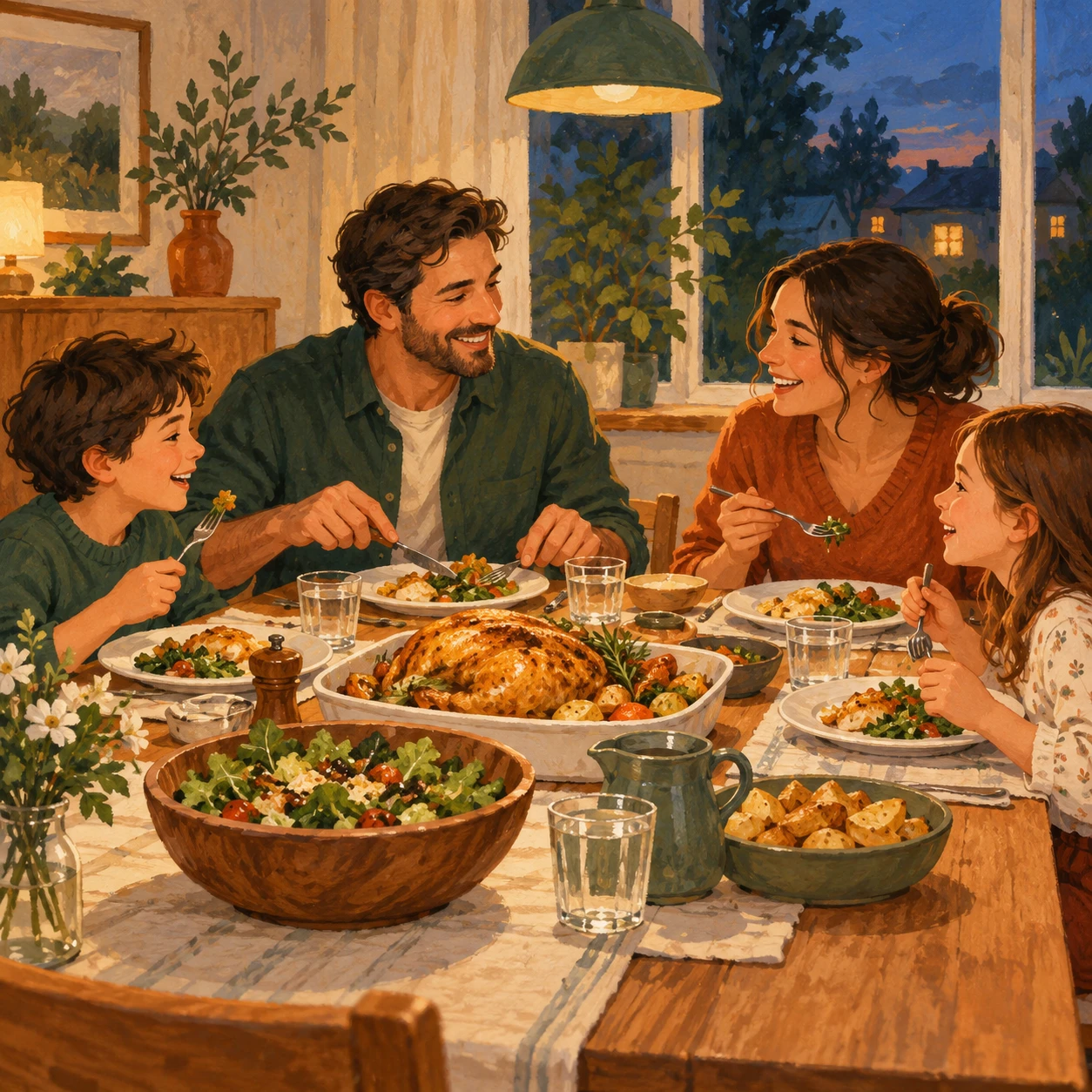
In the evening I sit down for my final main meal. I ___.

Choose the option that completes the gap in this situation.

  1. go to work
  2. have dinner
  3. have lunch
  4. have breakfast
Réponse et explication
have dinner

Regarde « final main meal ». Ici, on cherche « dîner » : « have dinner ». Utilise l’heure du repas indiquée. Aller au travail est un trajet, pas un repas. Phrase complète : « In the evening I sit down for my final main meal. I have dinner. ».

R03 · Nouveaux contextes

I program my phone to ring at six tomorrow. I ___.

Choose the option that completes the gap in this situation.

  1. turn off the light
  2. fall asleep
  3. set an alarm
  4. go to bed
Réponse et explication
set an alarm

Regarde « phone to ring at six ». Ici, on cherche « régler un réveil » : « set an alarm ». Se coucher, s’endormir et se réveiller diffèrent. Régler une alarme ou éteindre la lumière est une autre action. Phrase complète : « I program my phone to ring at six tomorrow. I set an alarm. ».

X01 · Un nouveau défi

I leave home and travel to my office for my job. I ___.

Choose the option that completes the gap in this situation.

  1. have dinner
  2. go to work
  3. have lunch
  4. have breakfast
Réponse et explication
go to work

Regarde « travel to my office ». Ici, on cherche « aller au travail » : « go to work ». Utilise l’heure du repas indiquée. Aller au travail est un trajet, pas un repas. Phrase complète : « I leave home and travel to my office for my job. I go to work. ».

X02 · Un nouveau défi

I press the switch so the bedroom becomes dark. I ___.

Choose the option that completes the gap in this situation.

  1. turn off the light
  2. fall asleep
  3. set an alarm
  4. go to bed
Réponse et explication
turn off the light

Regarde « room becomes dark ». Ici, on cherche « éteindre la lumière » : « turn off the light ». Se coucher, s’endormir et se réveiller diffèrent. Régler une alarme ou éteindre la lumière est une autre action. Phrase complète : « I press the switch so the bedroom becomes dark. I turn off the light. ».

R04 · Nouveaux contextes

My sleep ends at six, but I stay in bed for a minute. I ___ at six.

Choose the option that completes the gap in this situation.

  1. wake up
  2. get dressed
  3. brush my teeth
  4. wash my face
Réponse et explication
wake up

Regarde « sleep ends ». Ici, on cherche « se réveiller » : « wake up ». Se coucher, s’endormir et se réveiller diffèrent. Régler une alarme ou éteindre la lumière est une autre action. Phrase complète : « My sleep ends at six, but I stay in bed for a minute. I wake up at six. ».

R05 · Nouveaux contextes

In the morning, I sit down for my first meal. I ___ before school.

Choose the option that completes the gap in this situation.

  1. have dinner
  2. go to work
  3. have lunch
  4. have breakfast
Réponse et explication
have breakfast

Regarde « first meal ». Ici, on cherche « prendre le petit-déjeuner » : « have breakfast ». Utilise l’heure du repas indiquée. Aller au travail est un trajet, pas un repas. Phrase complète : « In the morning, I sit down for my first meal. I have breakfast before school. ».

R06 · Nouveaux contextes

Which phrase means getting into bed to rest, even if you stay awake for a while? I ___.

Choose the option that completes the gap in this situation.

  1. set an alarm
  2. go to bed
  3. fall asleep
  4. turn off the light
Réponse et explication
go to bed

Regarde « even if you stay awake ». Ici, on cherche « se coucher » : « go to bed ». Se coucher, s’endormir et se réveiller diffèrent. Régler une alarme ou éteindre la lumière est une autre action. Phrase complète : « Which phrase means getting into bed to rest, even if you stay awake for a while? I go to bed. ».

R07 · Nouveaux contextes

Before I leave my bedroom, I put on my clothes. I ___.

Choose the option that completes the gap in this situation.

  1. wash my face
  2. get dressed
  3. wake up
  4. brush my teeth
Réponse et explication
get dressed

Regarde « put on my clothes ». Ici, on cherche « s’habiller » : « get dressed ». Utilise la partie du corps et l’action : s’habiller, se brosser les dents ou se laver le visage. Phrase complète : « Before I leave my bedroom, I put on my clothes. I get dressed. ».

R08 · Nouveaux contextes

In my family, breakfast is at seven in the morning and dinner means our evening meal. For the main meal between them, I ___ with my work friends.

Choose the option that completes the gap in this situation.

  1. have dinner
  2. have breakfast
  3. go to work
  4. have lunch
Réponse et explication
have lunch

Regarde « main meal between them ». Ici, on cherche « déjeuner » : « have lunch ». Utilise l’heure du repas indiquée. Aller au travail est un trajet, pas un repas. Phrase complète : « In my family, breakfast is at seven in the morning and dinner means our evening meal. For the main meal between them, I have lunch with my work friends. ».

R09 · Nouveaux contextes

I am awake at first, but then I begin to sleep. I ___.

Choose the option that completes the gap in this situation.

  1. turn off the light
  2. go to bed
  3. fall asleep
  4. set an alarm
Réponse et explication
fall asleep

Regarde « begin to sleep ». Ici, on cherche « s’endormir » : « fall asleep ». Se coucher, s’endormir et se réveiller diffèrent. Régler une alarme ou éteindre la lumière est une autre action. Phrase complète : « I am awake at first, but then I begin to sleep. I fall asleep. ».

X03 · Un nouveau défi

I use a toothbrush and toothpaste when I ___.

Choose the option that completes the gap in this situation.

  1. wash my face
  2. brush my teeth
  3. get dressed
  4. wake up
Réponse et explication
brush my teeth

Regarde « toothbrush and toothpaste ». Ici, on cherche « me brosser les dents » : « brush my teeth ». Utilise la partie du corps et l’action : s’habiller, se brosser les dents ou se laver le visage. Phrase complète : « I use a toothbrush and toothpaste when I brush my teeth. ».

X04 · Un nouveau défi

I put water on my cheeks and nose when I ___.

Choose the option that completes the gap in this situation.

  1. get dressed
  2. brush my teeth
  3. wake up
  4. wash my face
Réponse et explication
wash my face

Regarde « water on my cheeks and nose ». Ici, on cherche « me laver le visage » : « wash my face ». Utilise la partie du corps et l’action : s’habiller, se brosser les dents ou se laver le visage. Phrase complète : « I put water on my cheeks and nose when I wash my face. ».

X05 · Un nouveau défi

In the evening, I sit down for my main meal. I ___ at seven.

Choose the option that completes the gap in this situation.

  1. go to work
  2. have lunch
  3. have dinner
  4. have breakfast
Réponse et explication
have dinner

Regarde « main meal ». Ici, on cherche « dîner » : « have dinner ». Utilise l’heure du repas indiquée. Aller au travail est un trajet, pas un repas. Phrase complète : « In the evening, I sit down for my main meal. I have dinner at seven. ».

X06 · Un nouveau défi

I want my phone to wake me at six. Before bed, I ___.

Choose the option that completes the gap in this situation.

  1. turn off the light
  2. go to bed
  3. set an alarm
  4. fall asleep
Réponse et explication
set an alarm

Regarde « phone to wake me ». Ici, on cherche « régler un réveil » : « set an alarm ». Se coucher, s’endormir et se réveiller diffèrent. Régler une alarme ou éteindre la lumière est une autre action. Phrase complète : « I want my phone to wake me at six. Before bed, I set an alarm. ».

X07 · Un nouveau défi

On weekday mornings, I leave home and travel to my office. I ___.

Choose the option that completes the gap in this situation.

  1. go to work
  2. have dinner
  3. have lunch
  4. have breakfast
Réponse et explication
go to work

Regarde « travel to my office ». Ici, on cherche « aller au travail » : « go to work ». Utilise l’heure du repas indiquée. Aller au travail est un trajet, pas un repas. Phrase complète : « On weekday mornings, I leave home and travel to my office. I go to work. ».

X08 · Un nouveau défi

When I leave a bright room, I press the switch to make it dark. I ___.

Choose the option that completes the gap in this situation.

  1. go to bed
  2. fall asleep
  3. turn off the light
  4. set an alarm
Réponse et explication
turn off the light

Regarde « make it dark ». Ici, on cherche « éteindre la lumière » : « turn off the light ». Se coucher, s’endormir et se réveiller diffèrent. Régler une alarme ou éteindre la lumière est une autre action. Phrase complète : « When I leave a bright room, I press the switch to make it dark. I turn off the light. ».