目覚める · 服を着る · 歯を磨く · 顔を洗う
場面の手がかりから次の意味を区別しましょう:wake up = 目覚める; get dressed = 服を着る; brush my teeth = 歯を磨く; wash my face = 顔を洗う。
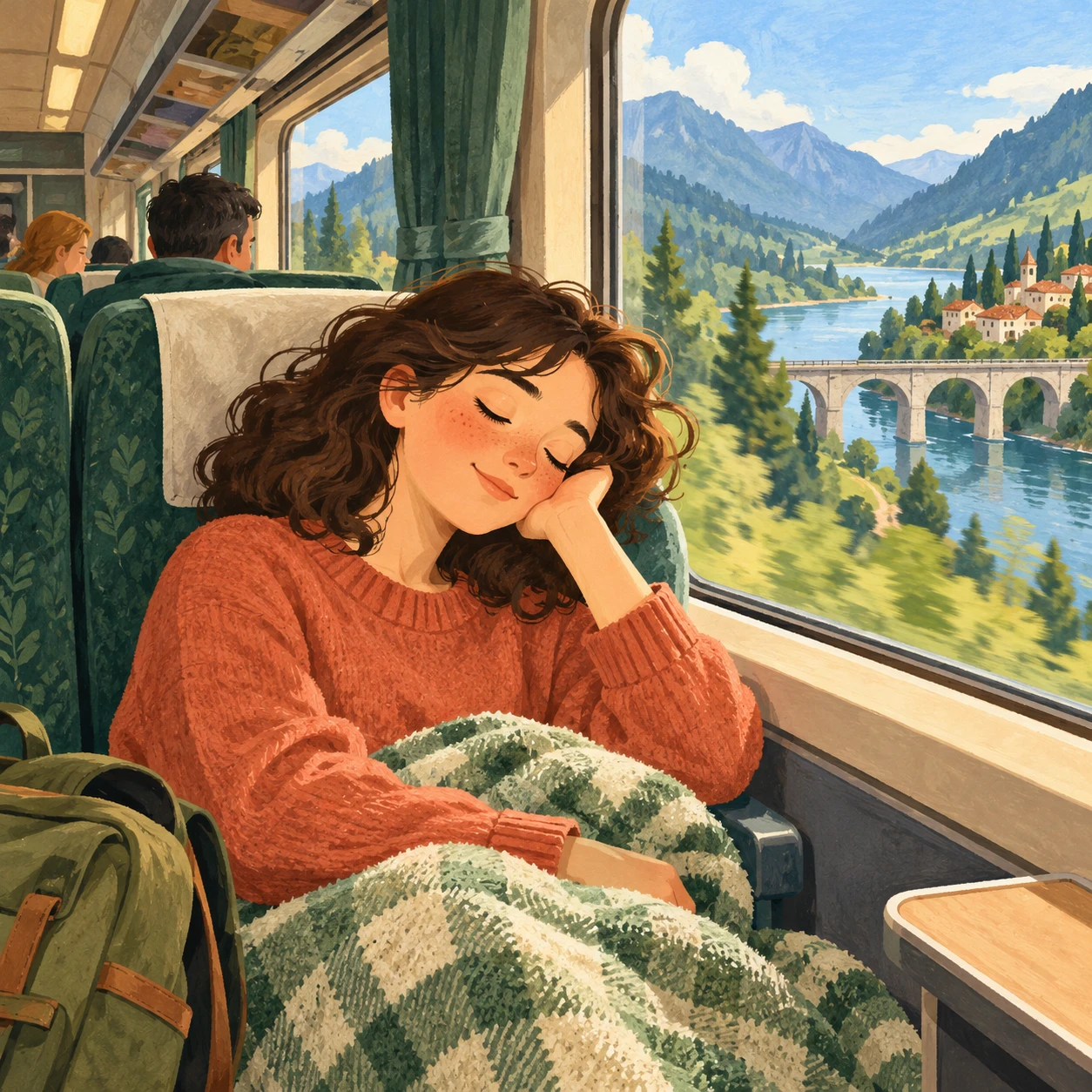
When my sleep ends at seven, I wake up.

毎日の習慣 · A1. 場面の手がかりから次の意味を区別しましょう:wake up = 目覚める; get dressed = 服を着る; brush my teeth = 歯を磨く; wash my face = 顔を洗う。
短い場面で「毎日の習慣」を練習します。手がかりを読み、形を選ぶか入力してから理由を確認しましょう。レベルは編集上の目安です。 12枚の学習カードと24問の場面問題で学びます。新しい復習・応用問題も含みます。

To stop sleeping.
I wake up earlier when sunlight enters the room.
部屋に日光が入ると早く目が覚めます。
このカードの意味に合わせた表現です。関連語では意味が変わる場合があり、言い換えがいつも使えるとは限りません。
「目覚める」には「wake up」を使います。「get dressed」(服を着る)とは意味が違います。
場面の手がかりから次の意味を区別しましょう:wake up = 目覚める; get dressed = 服を着る; brush my teeth = 歯を磨く; wash my face = 顔を洗う。
When my sleep ends at seven, I wake up.
場面の手がかりから次の意味を区別しましょう:have breakfast = 朝食を取る; have lunch = 昼食を取る; have dinner = 夕食を取る; go to work = 仕事に行く。
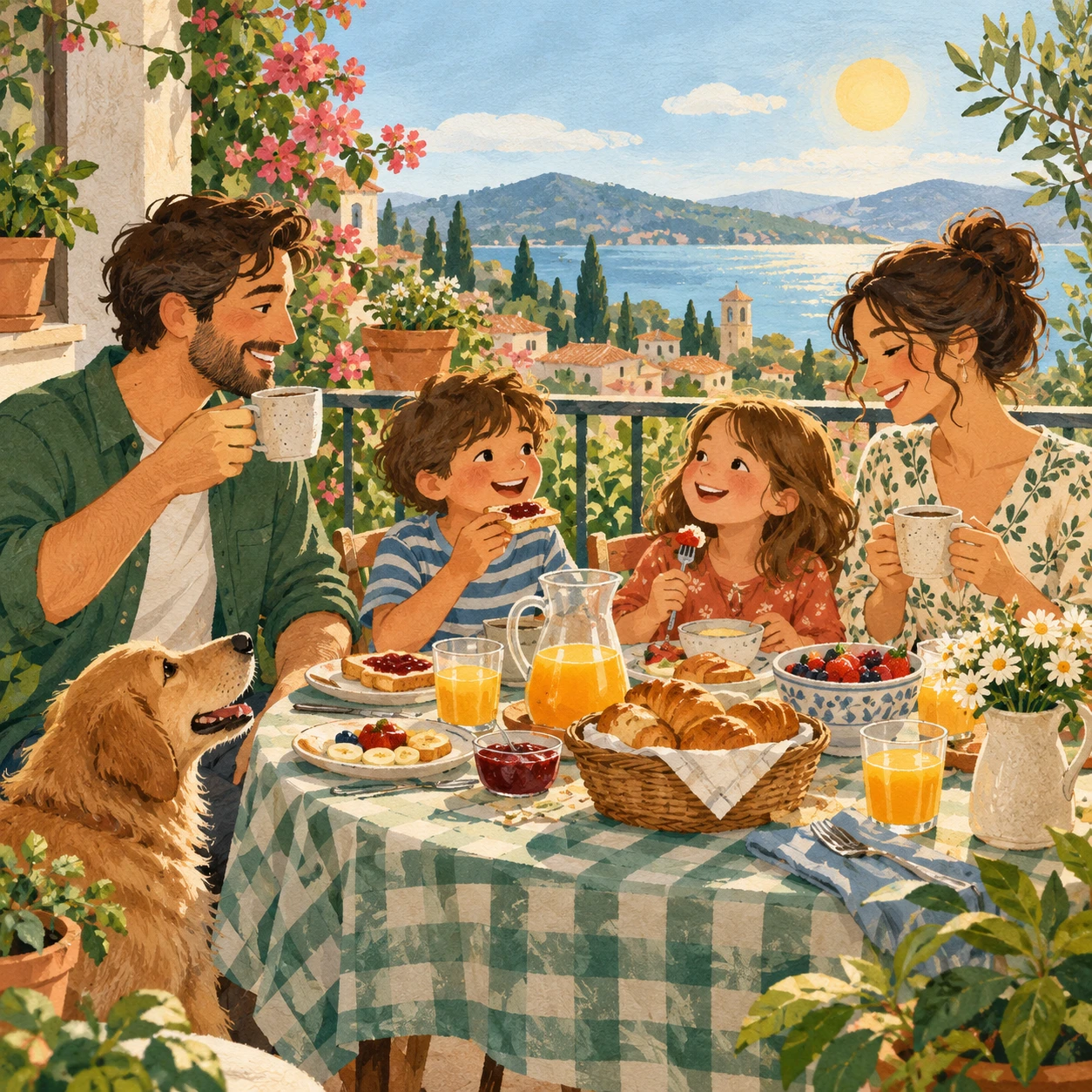
I eat my first meal in the morning. I have breakfast.
場面の手がかりから次の意味を区別しましょう:go to bed = 寝床に入る; fall asleep = 眠りに落ちる; set an alarm = 目覚ましを設定する; turn off the light = 明かりを消す。
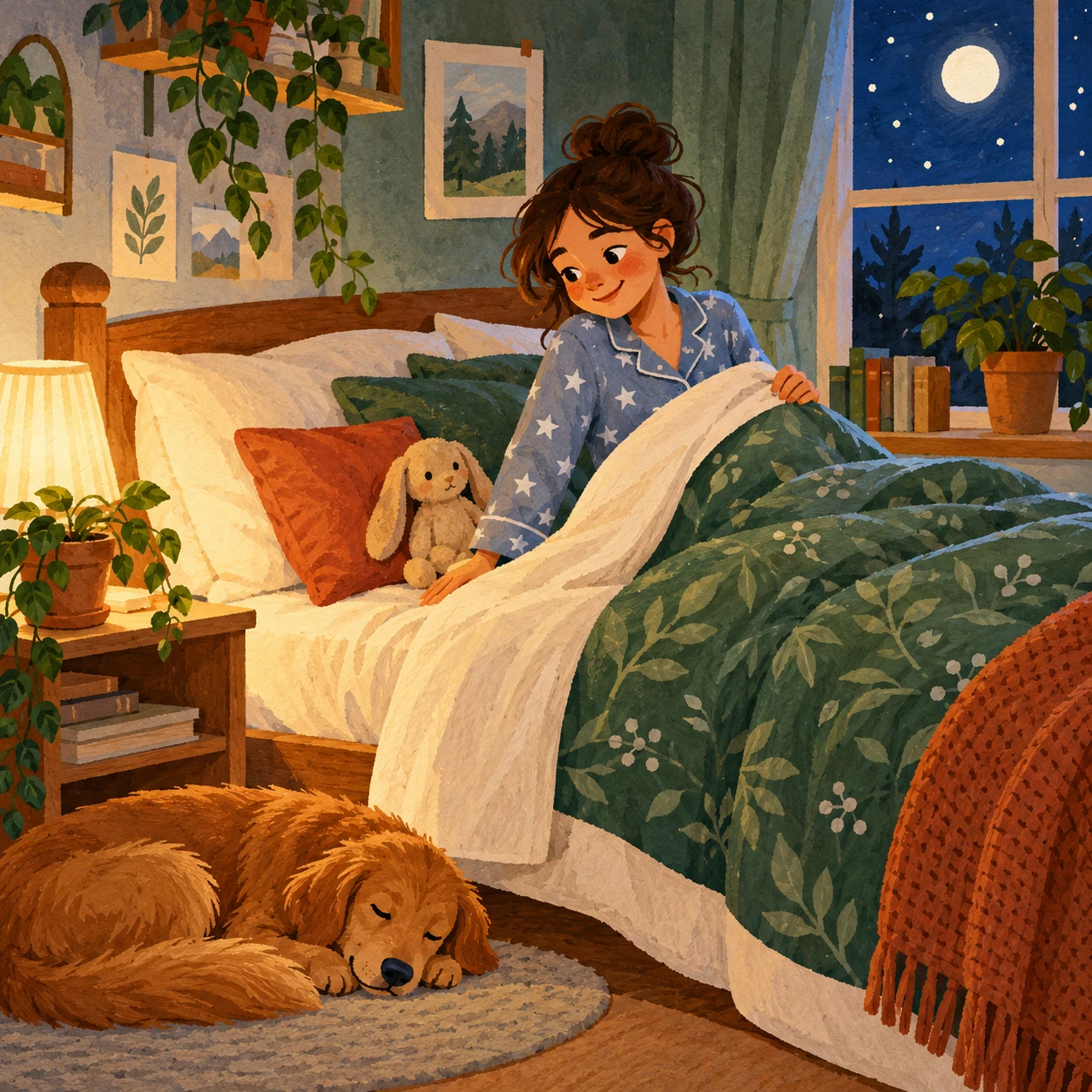
At ten I put on my pyjamas and get under the covers. I go to bed.
When my sleep ends at seven, I ___.
場面の手がかりから次の意味を区別しましょう:wake up = 目覚める; get dressed = 服を着る; brush my teeth = 歯を磨く; wash my face = 顔を洗う。
When my sleep ends at seven, I wake up.場面の手がかりから次の意味を区別しましょう:have breakfast = 朝食を取る; have lunch = 昼食を取る; have dinner = 夕食を取る; go to work = 仕事に行く。
I eat my first meal in the morning. I have breakfast.場面の手がかりから次の意味を区別しましょう:go to bed = 寝床に入る; fall asleep = 眠りに落ちる; set an alarm = 目覚ましを設定する; turn off the light = 明かりを消す。
At ten I put on my pyjamas and get under the covers. I go to bed.初回答を残し、変化の理由を理解して、別の場面で確かめます。
まだ復習ノートはありません。まずは短いウォームアップを。
解答を開くと、その問題にヒント利用が記録されます。
When my sleep ends at seven, I ___.
「sleep ends」に注目します。ここで必要なのは「目覚める」を表す「wake up」です。寝床に入る・眠り始める・目覚める、は別です。アラームや照明の操作も別の動作です。完成した文:「When my sleep ends at seven, I wake up.」。
I eat my first meal in the morning. I ___.
「first meal in the morning」に注目します。ここで必要なのは「朝食を取る」を表す「have breakfast」です。示された食事の時間を見ます。職場へ行くのは移動で、食事ではありません。完成した文:「I eat my first meal in the morning. I have breakfast.」。
At ten I put on my pyjamas and get under the covers. I ___.
「get under the covers」に注目します。ここで必要なのは「寝床に入る」を表す「go to bed」です。寝床に入る・眠り始める・目覚める、は別です。アラームや照明の操作も別の動作です。完成した文:「At ten I put on my pyjamas and get under the covers. I go to bed.」。
After my shower, I put on my clothes. I ___.
「put on my clothes」に注目します。ここで必要なのは「服を着る」を表す「get dressed」です。服を着る・歯を磨く・顔を洗う、という対象と動作で区別します。完成した文:「After my shower, I put on my clothes. I get dressed.」。
In my family, dinner means the evening meal. At midday I eat a sandwich as my main meal. I ___.
「At midday」に注目します。ここで必要なのは「昼食を取る」を表す「have lunch」です。示された食事の時間を見ます。職場へ行くのは移動で、食事ではありません。完成した文:「In my family, dinner means the evening meal. At midday I eat a sandwich as my main meal. I have lunch.” / “At midday I eat a sandwich as my main meal. I have lunch.」。
I close my eyes and stop being awake. I ___.
「stop being awake」に注目します。ここで必要なのは「眠りに落ちる」を表す「fall asleep」です。寝床に入る・眠り始める・目覚める、は別です。アラームや照明の操作も別の動作です。完成した文:「I close my eyes and stop being awake. I fall asleep.」。
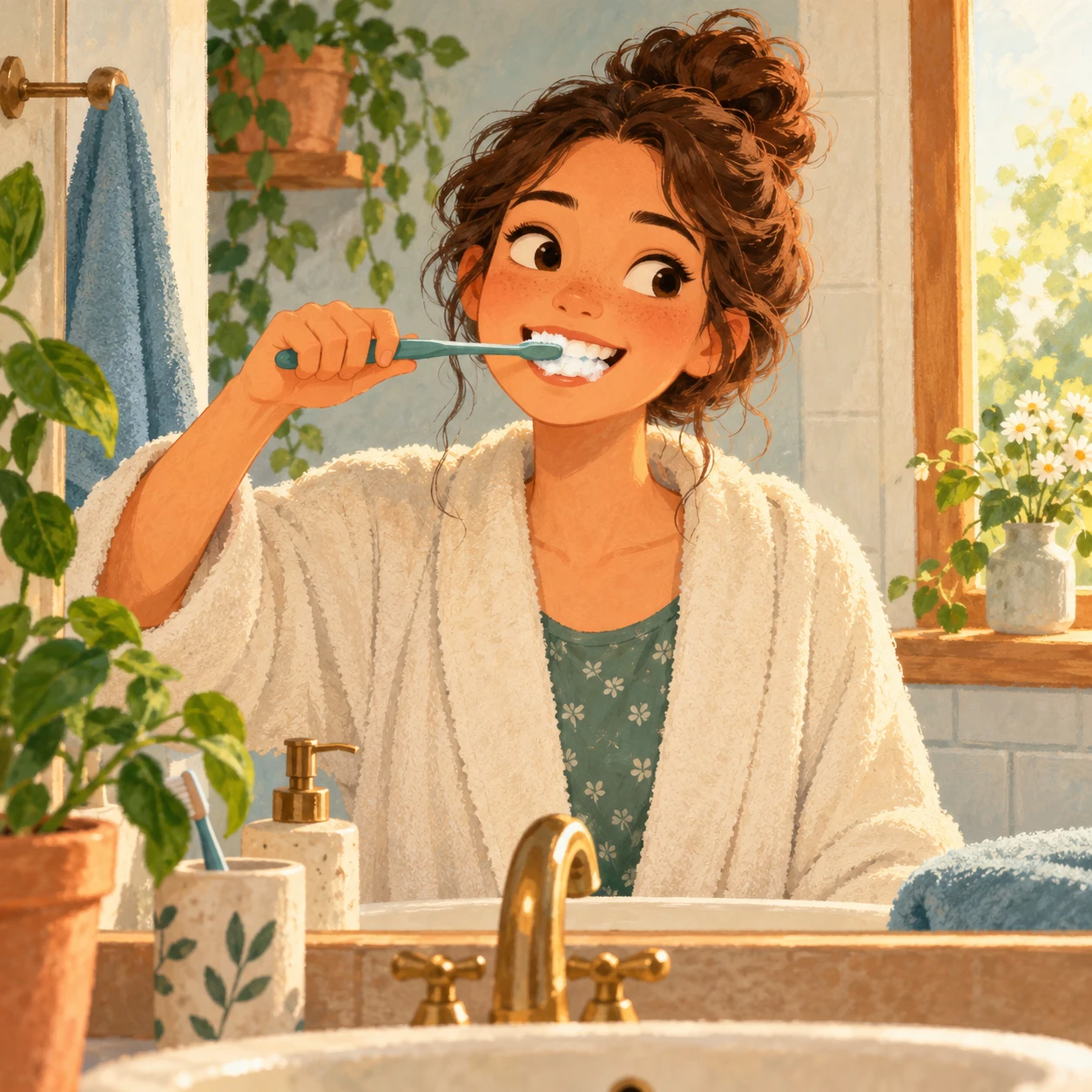
I use a toothbrush and toothpaste. I ___.
「toothbrush and toothpaste」に注目します。ここで必要なのは「歯を磨く」を表す「brush my teeth」です。服を着る・歯を磨く・顔を洗う、という対象と動作で区別します。完成した文:「I use a toothbrush and toothpaste. I brush my teeth.」。
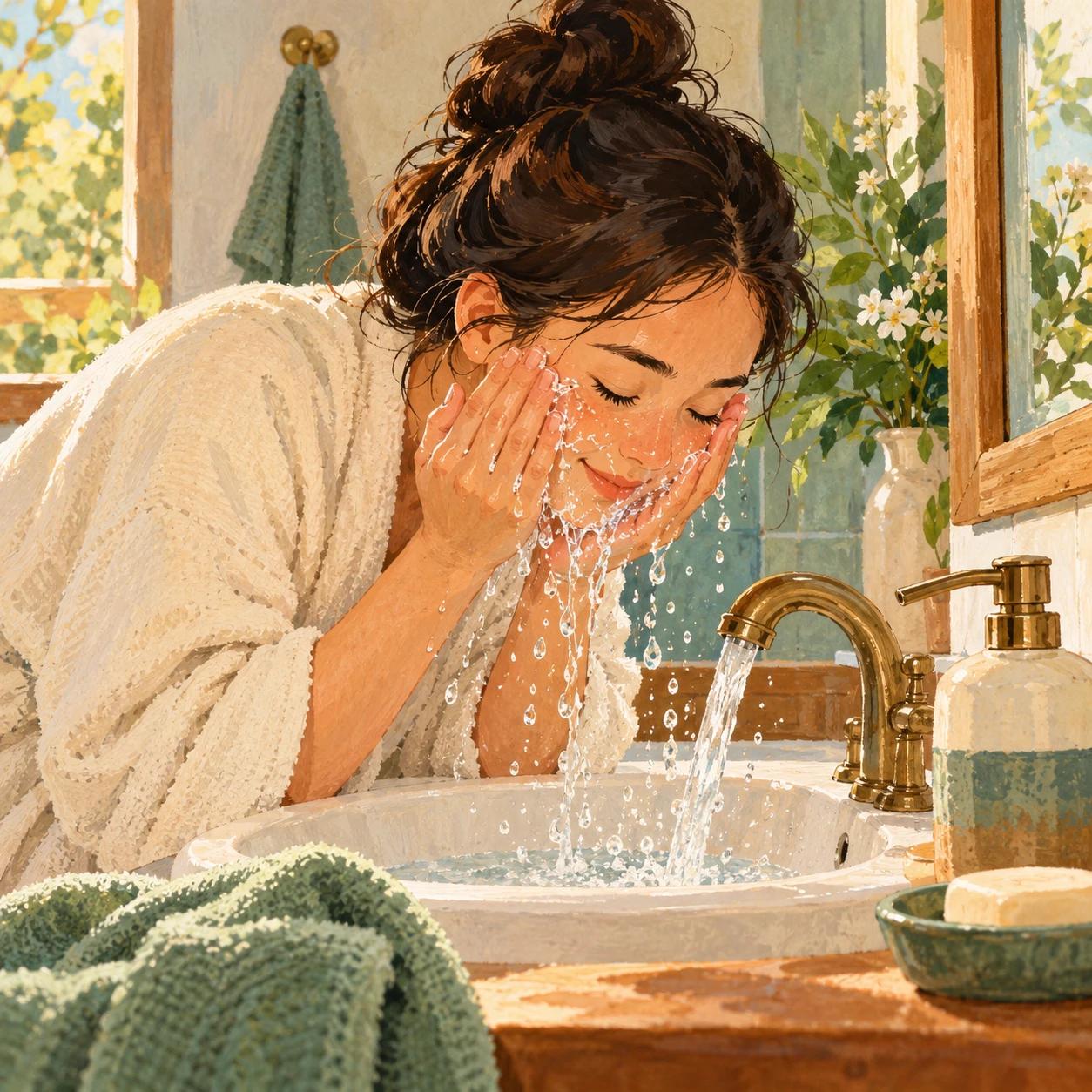
I clean my cheeks and forehead with water. I ___.
「cheeks and forehead」に注目します。ここで必要なのは「顔を洗う」を表す「wash my face」です。服を着る・歯を磨く・顔を洗う、という対象と動作で区別します。完成した文:「I clean my cheeks and forehead with water. I wash my face.」。
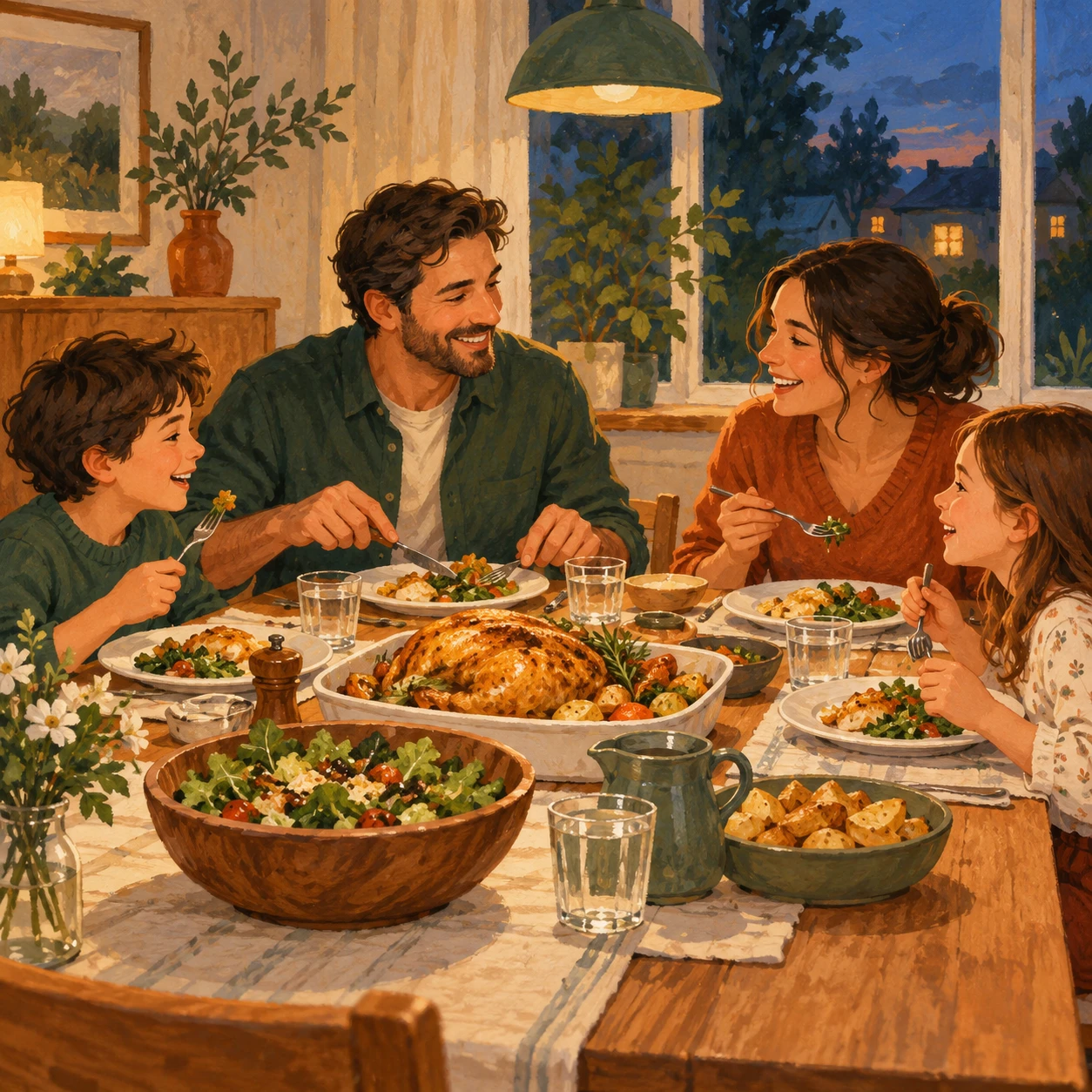
In the evening I sit down for my final main meal. I ___.
「final main meal」に注目します。ここで必要なのは「夕食を取る」を表す「have dinner」です。示された食事の時間を見ます。職場へ行くのは移動で、食事ではありません。完成した文:「In the evening I sit down for my final main meal. I have dinner.」。
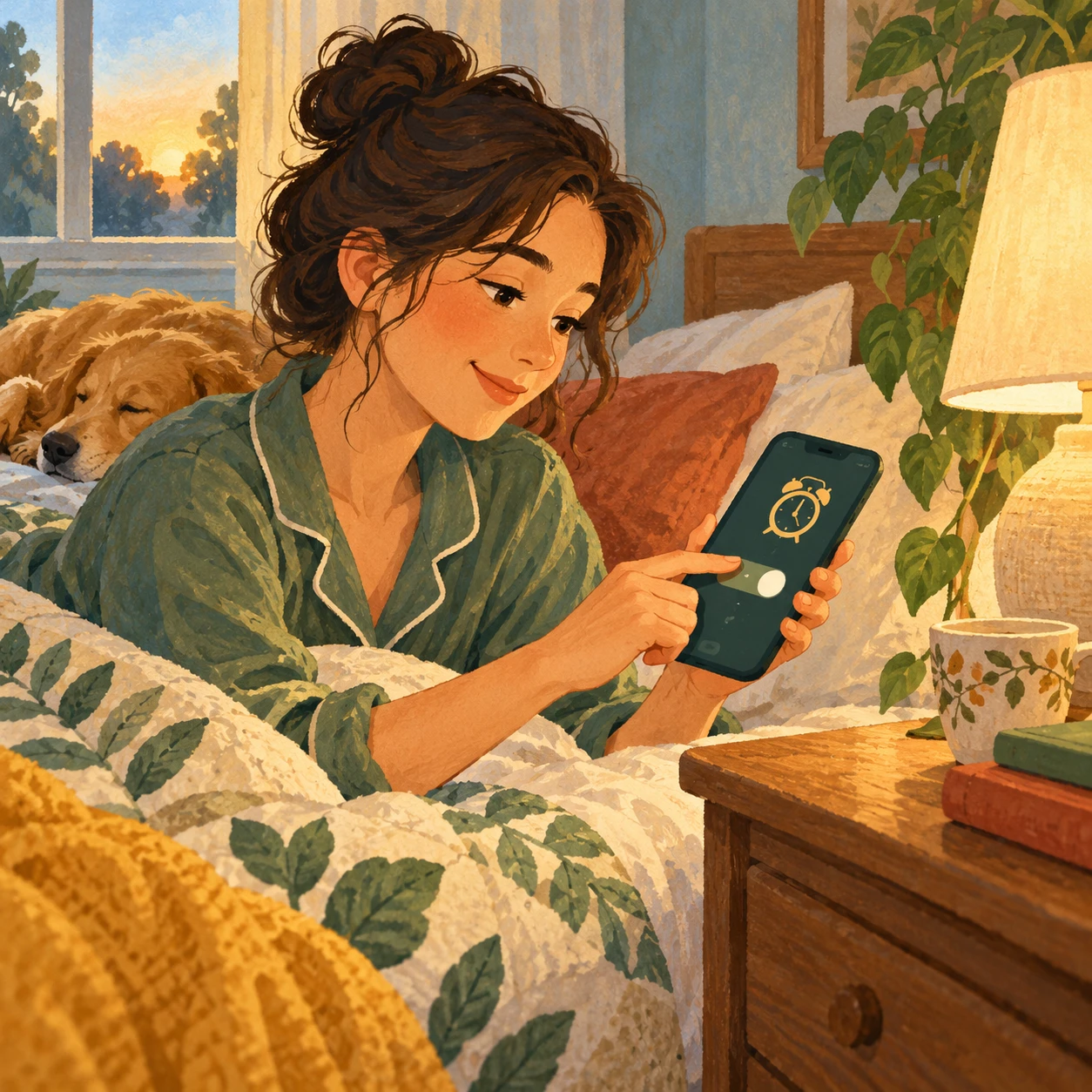
I program my phone to ring at six tomorrow. I ___.
「phone to ring at six」に注目します。ここで必要なのは「目覚ましを設定する」を表す「set an alarm」です。寝床に入る・眠り始める・目覚める、は別です。アラームや照明の操作も別の動作です。完成した文:「I program my phone to ring at six tomorrow. I set an alarm.」。
I leave home and travel to my office for my job. I ___.
「travel to my office」に注目します。ここで必要なのは「仕事に行く」を表す「go to work」です。示された食事の時間を見ます。職場へ行くのは移動で、食事ではありません。完成した文:「I leave home and travel to my office for my job. I go to work.」。
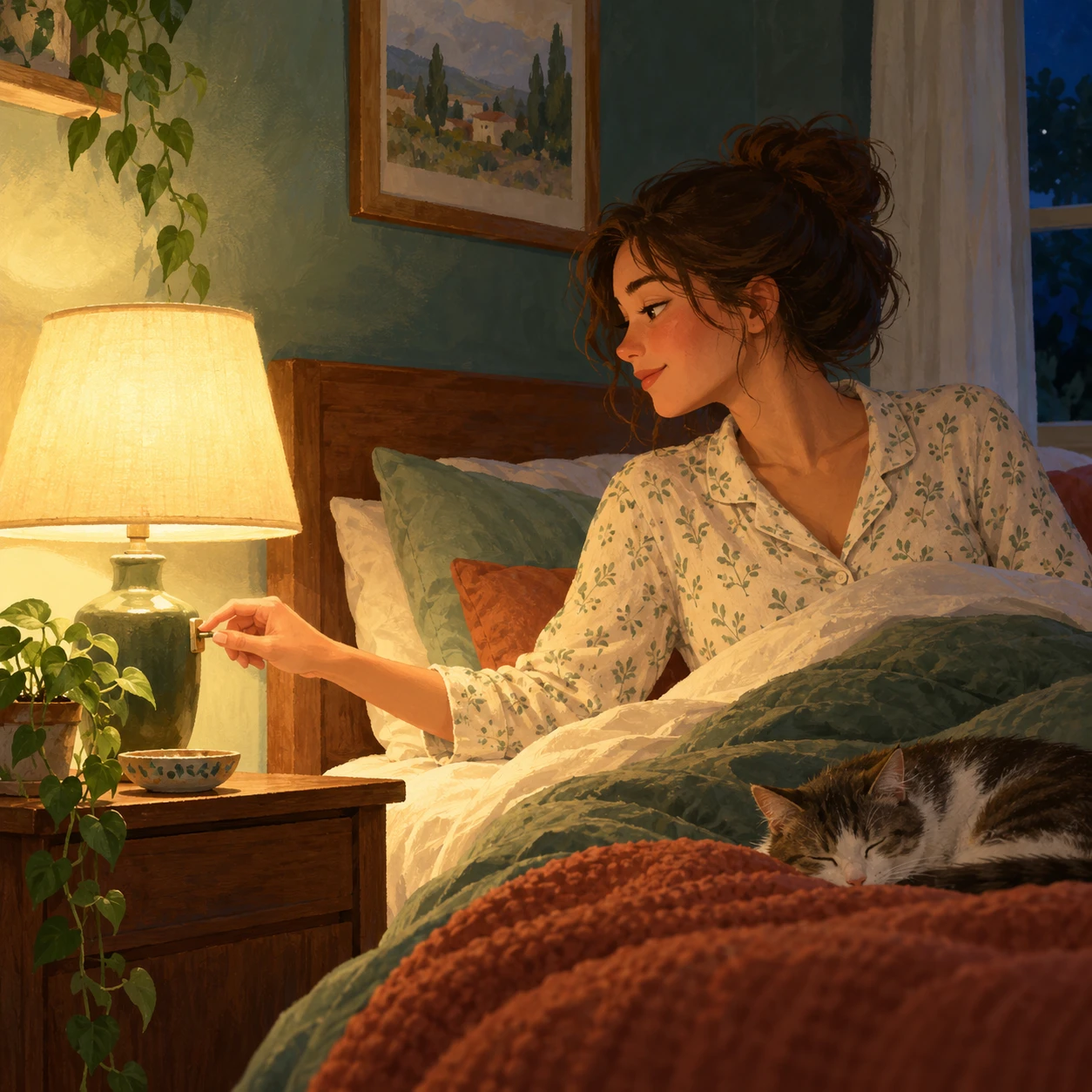
I press the switch so the bedroom becomes dark. I ___.
「room becomes dark」に注目します。ここで必要なのは「明かりを消す」を表す「turn off the light」です。寝床に入る・眠り始める・目覚める、は別です。アラームや照明の操作も別の動作です。完成した文:「I press the switch so the bedroom becomes dark. I turn off the light.」。
My sleep ends at six, but I stay in bed for a minute. I ___ at six.
「sleep ends」に注目します。ここで必要なのは「目覚める」を表す「wake up」です。寝床に入る・眠り始める・目覚める、は別です。アラームや照明の操作も別の動作です。完成した文:「My sleep ends at six, but I stay in bed for a minute. I wake up at six.」。
In the morning, I sit down for my first meal. I ___ before school.
「first meal」に注目します。ここで必要なのは「朝食を取る」を表す「have breakfast」です。示された食事の時間を見ます。職場へ行くのは移動で、食事ではありません。完成した文:「In the morning, I sit down for my first meal. I have breakfast before school.」。
Which phrase means getting into bed to rest, even if you stay awake for a while? I ___.
「even if you stay awake」に注目します。ここで必要なのは「寝床に入る」を表す「go to bed」です。寝床に入る・眠り始める・目覚める、は別です。アラームや照明の操作も別の動作です。完成した文:「Which phrase means getting into bed to rest, even if you stay awake for a while? I go to bed.」。
Before I leave my bedroom, I put on my clothes. I ___.
「put on my clothes」に注目します。ここで必要なのは「服を着る」を表す「get dressed」です。服を着る・歯を磨く・顔を洗う、という対象と動作で区別します。完成した文:「Before I leave my bedroom, I put on my clothes. I get dressed.」。
In my family, breakfast is at seven in the morning and dinner means our evening meal. For the main meal between them, I ___ with my work friends.
「main meal between them」に注目します。ここで必要なのは「昼食を取る」を表す「have lunch」です。示された食事の時間を見ます。職場へ行くのは移動で、食事ではありません。完成した文:「In my family, breakfast is at seven in the morning and dinner means our evening meal. For the main meal between them, I have lunch with my work friends.」。
I am awake at first, but then I begin to sleep. I ___.
「begin to sleep」に注目します。ここで必要なのは「眠りに落ちる」を表す「fall asleep」です。寝床に入る・眠り始める・目覚める、は別です。アラームや照明の操作も別の動作です。完成した文:「I am awake at first, but then I begin to sleep. I fall asleep.」。
I use a toothbrush and toothpaste when I ___.
「toothbrush and toothpaste」に注目します。ここで必要なのは「歯を磨く」を表す「brush my teeth」です。服を着る・歯を磨く・顔を洗う、という対象と動作で区別します。完成した文:「I use a toothbrush and toothpaste when I brush my teeth.」。
I put water on my cheeks and nose when I ___.
「water on my cheeks and nose」に注目します。ここで必要なのは「顔を洗う」を表す「wash my face」です。服を着る・歯を磨く・顔を洗う、という対象と動作で区別します。完成した文:「I put water on my cheeks and nose when I wash my face.」。
In the evening, I sit down for my main meal. I ___ at seven.
「main meal」に注目します。ここで必要なのは「夕食を取る」を表す「have dinner」です。示された食事の時間を見ます。職場へ行くのは移動で、食事ではありません。完成した文:「In the evening, I sit down for my main meal. I have dinner at seven.」。
I want my phone to wake me at six. Before bed, I ___.
「phone to wake me」に注目します。ここで必要なのは「目覚ましを設定する」を表す「set an alarm」です。寝床に入る・眠り始める・目覚める、は別です。アラームや照明の操作も別の動作です。完成した文:「I want my phone to wake me at six. Before bed, I set an alarm.」。
On weekday mornings, I leave home and travel to my office. I ___.
「travel to my office」に注目します。ここで必要なのは「仕事に行く」を表す「go to work」です。示された食事の時間を見ます。職場へ行くのは移動で、食事ではありません。完成した文:「On weekday mornings, I leave home and travel to my office. I go to work.」。
When I leave a bright room, I press the switch to make it dark. I ___.
「make it dark」に注目します。ここで必要なのは「明かりを消す」を表す「turn off the light」です。寝床に入る・眠り始める・目覚める、は別です。アラームや照明の操作も別の動作です。完成した文:「When I leave a bright room, I press the switch to make it dark. I turn off the light.」。