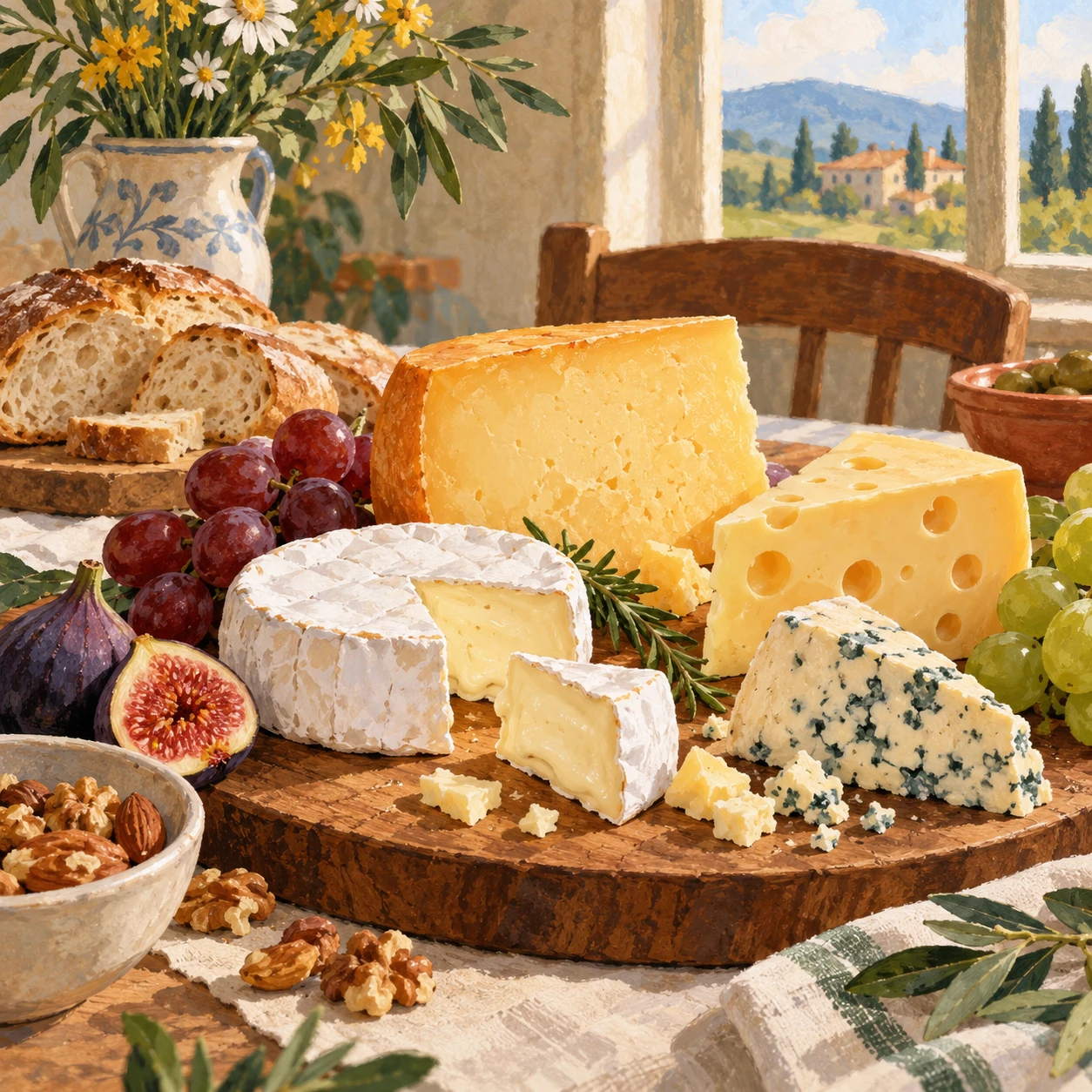
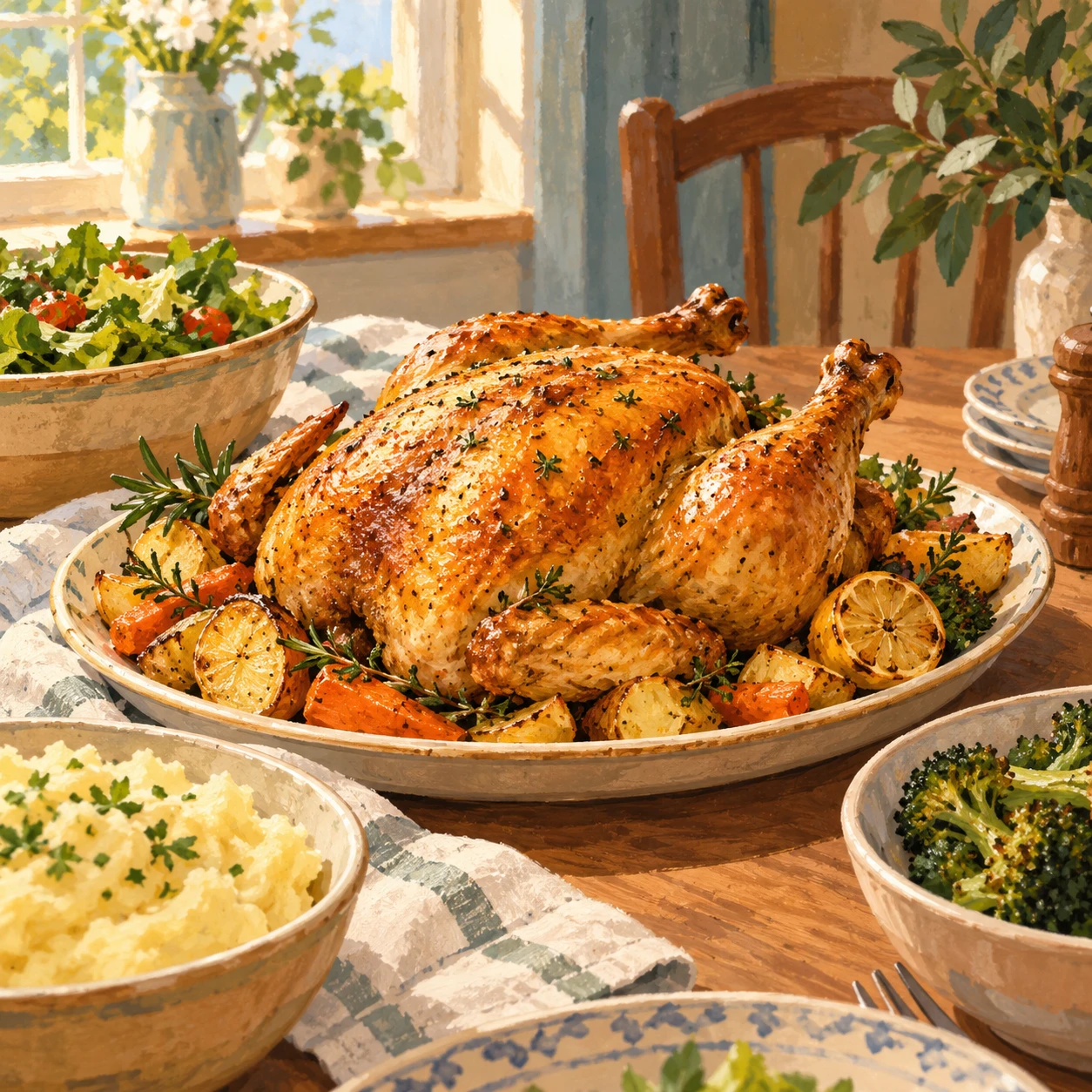
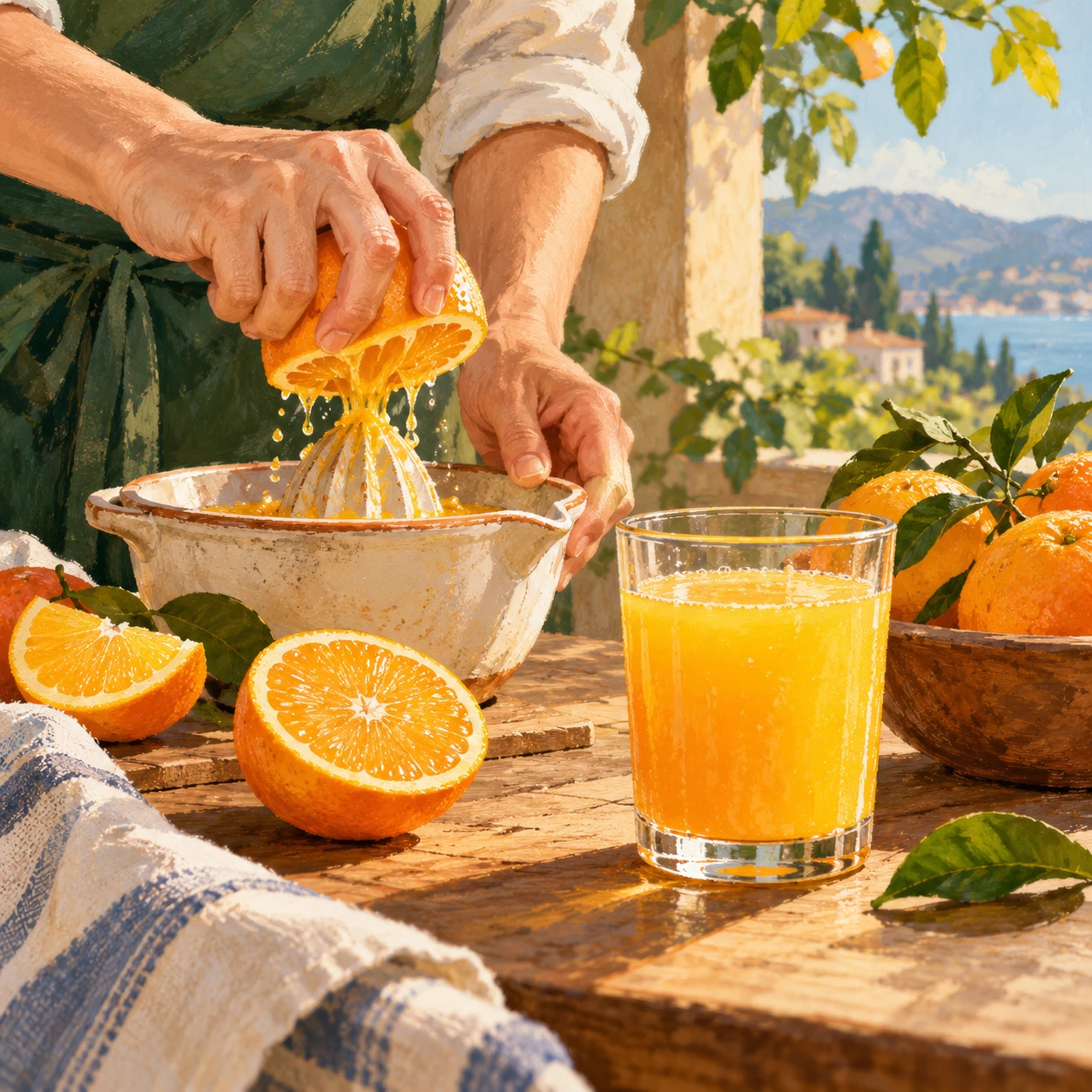
pan · arroz · queso · pollo
Distingue estos significados según la situación: bread = pan; rice = arroz; cheese = queso; chicken = pollo.
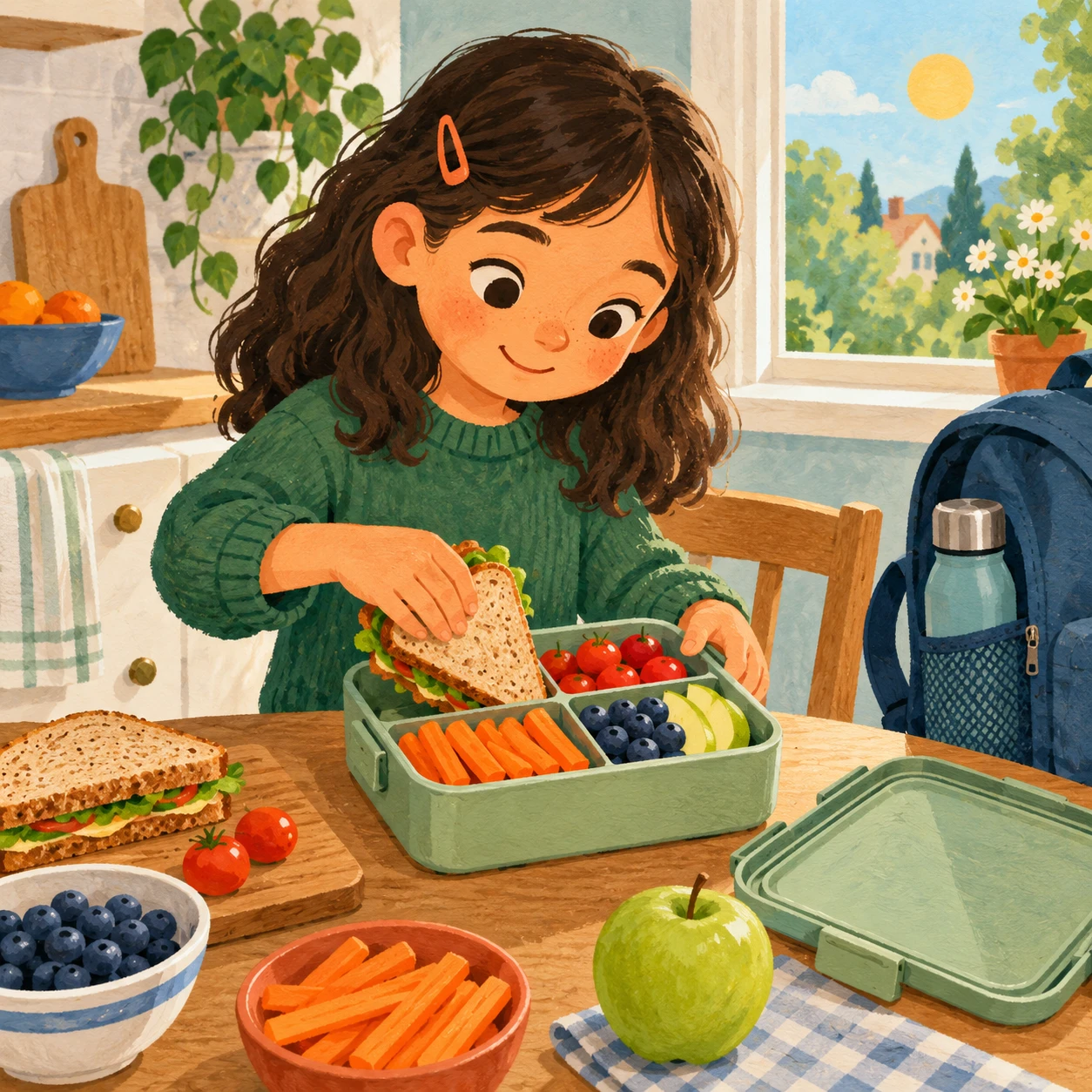
The baker sells loaves of bread.

Comida y bebida · A1. Distingue estos significados según la situación: bread = pan; rice = arroz; cheese = queso; chicken = pollo.
Practica Comida y bebida en situaciones breves. Lee la pista, elige o escribe una forma y revisa la explicación. El nivel es una orientación editorial. Explora 12 tarjetas y 24 preguntas contextualizadas, con nuevas situaciones de repaso y aplicación.
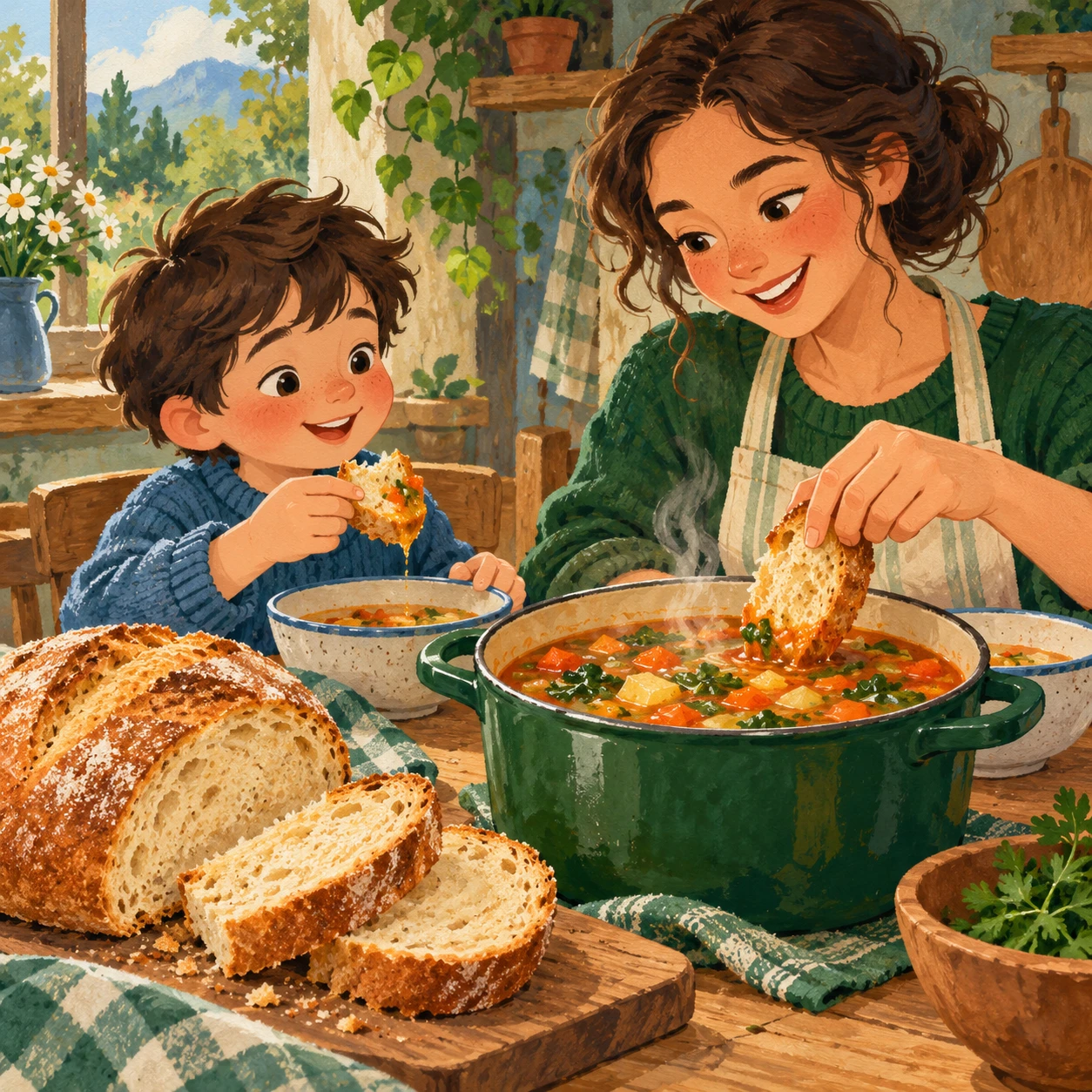
Food baked from flour and water.
We dipped warm bread into the vegetable soup.
Mojamos pan caliente en la sopa de verduras.
Se refieren a este sentido. La familia puede cambiar de significado; las expresiones próximas no siempre son intercambiables.
Usa «bread» para pan. Compáralo con «rice» (arroz); son sentidos distintos.
Distingue estos significados según la situación: bread = pan; rice = arroz; cheese = queso; chicken = pollo.
The baker sells loaves of bread.
Distingue estos significados según la situación: water = agua; milk = leche; juice = zumo; tea = té.
This clear drink comes from the tap: water.
Distingue estos significados según la situación: breakfast = desayuno; lunch = almuerzo; dinner = cena; snack = tentempié. Aquí dinner significa cena. En algunas regiones de habla inglesa también se usa para la comida principal del mediodía.
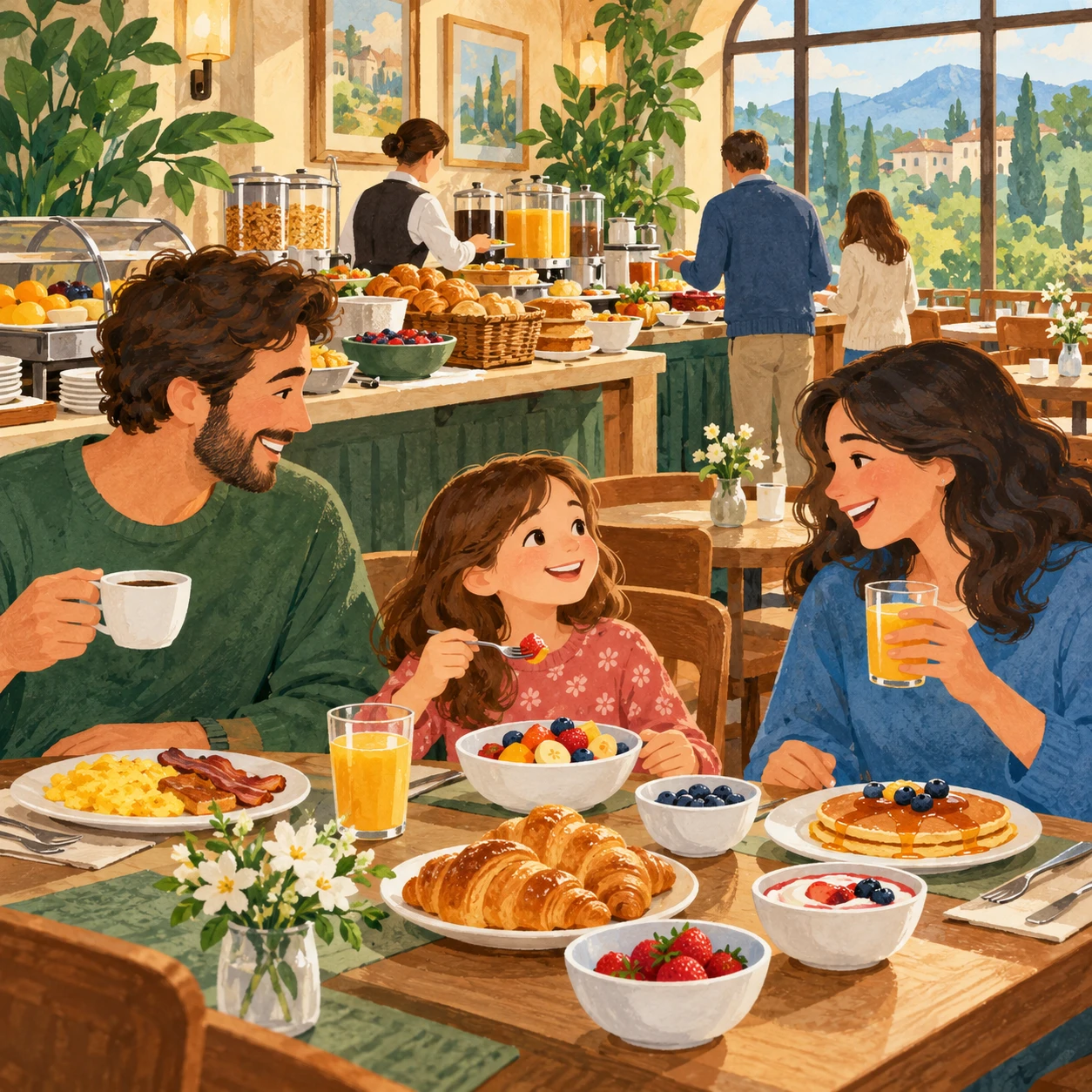
The first meal after waking up is breakfast.
The baker sells loaves of ___.
Distingue estos significados según la situación: bread = pan; rice = arroz; cheese = queso; chicken = pollo.
The baker sells loaves of bread.Distingue estos significados según la situación: water = agua; milk = leche; juice = zumo; tea = té.
This clear drink comes from the tap: water.Distingue estos significados según la situación: breakfast = desayuno; lunch = almuerzo; dinner = cena; snack = tentempié. Aquí dinner significa cena. En algunas regiones de habla inglesa también se usa para la comida principal del mediodía.
The first meal after waking up is breakfast.Conserva el primer intento, entiende el cambio y compruébalo en otra situación.
Aún no hay repasos. Prueba un calentamiento corto.
Abrir una respuesta registra ayuda para esa pregunta.
The baker sells loaves of ___.
Fíjate en «loaves». Aquí se pide «pan»: «bread». Mira los ingredientes y la forma del alimento. Frase completa: «The baker sells loaves of bread.».
This clear drink comes from the tap: ___.
Fíjate en «clear drink comes from the tap». Aquí se pide «agua»: «water». Mira el origen: grifo, animal, fruta exprimida u hojas en agua caliente. Frase completa: «This clear drink comes from the tap: water.».
After sleeping all night, I eat my first main meal in the morning. This meal is ___.
Fíjate en «main meal in the morning». Aquí se pide «desayuno»: «breakfast». Mira hora y comida principal o entre comidas. Dinner puede ser al mediodía; usa la convención familiar indicada. Frase completa: «After sleeping all night, I eat my first main meal in the morning. This meal is breakfast.” / “The first meal after waking up is breakfast.».
We serve small cooked white grains with the curry: ___.
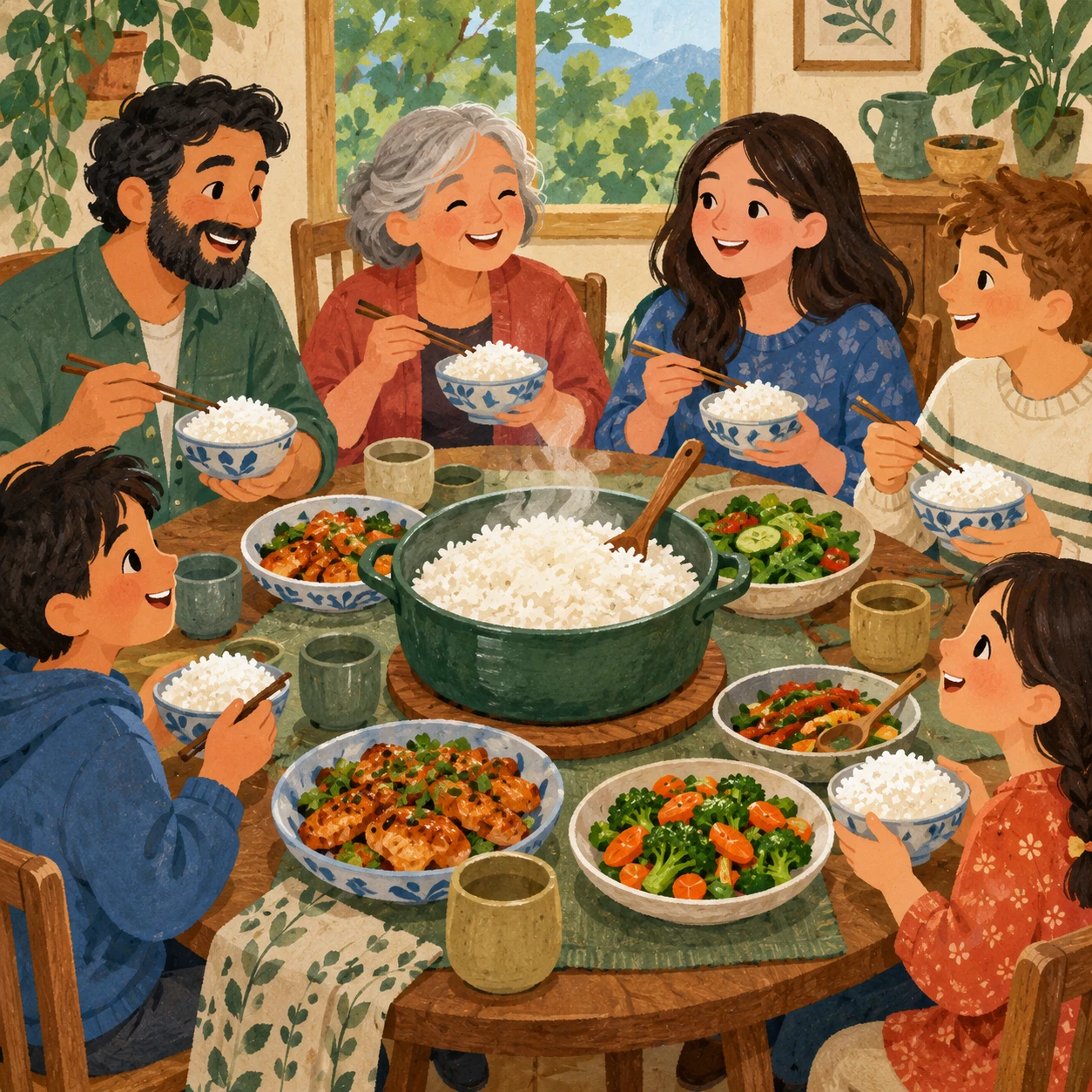
Fíjate en «small cooked white grains». Aquí se pide «arroz»: «rice». Mira los ingredientes y la forma del alimento. Frase completa: «We serve small cooked white grains with the curry: rice.».
The white drink from cows is ___.
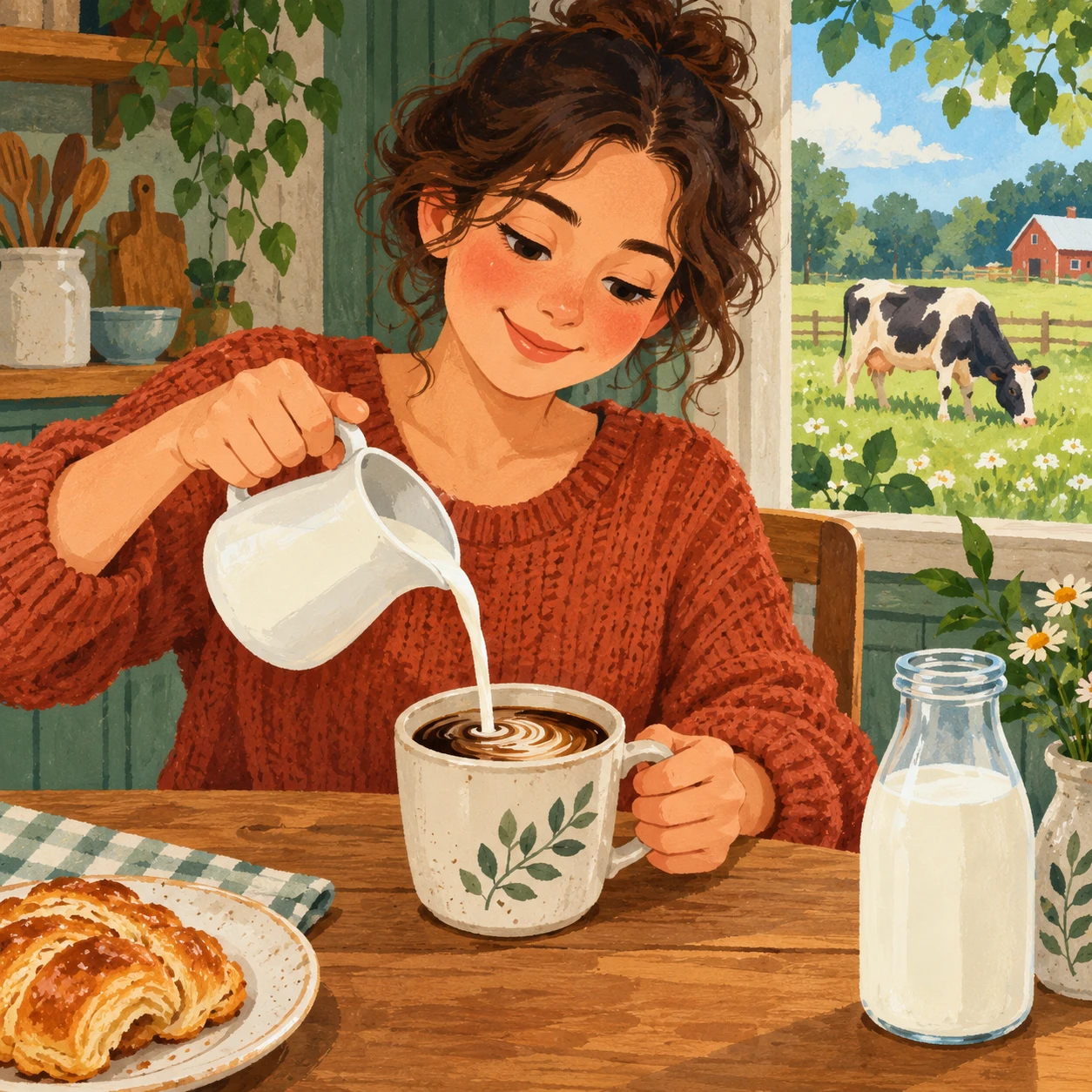
Fíjate en «white drink from cows». Aquí se pide «leche»: «milk». Mira el origen: grifo, animal, fruta exprimida u hojas en agua caliente. Frase completa: «The white drink from cows is milk.».
In this family, dinner means the evening meal. The main meal we eat around midday is ___.
Fíjate en «main meal we eat around midday». Aquí se pide «almuerzo»: «lunch». Mira hora y comida principal o entre comidas. Dinner puede ser al mediodía; usa la convención familiar indicada. Frase completa: «In this family, dinner means the evening meal. The main meal we eat around midday is lunch.” / “The meal we eat around midday is lunch.».
This solid dairy food is sliced for sandwiches: ___.
Fíjate en «solid dairy food». Aquí se pide «queso»: «cheese». Mira los ingredientes y la forma del alimento. Frase completa: «This solid dairy food is sliced for sandwiches: cheese.».
The meat from a hen is ___.
Fíjate en «meat from a hen». Aquí se pide «pollo»: «chicken». Mira los ingredientes y la forma del alimento. Frase completa: «The meat from a hen is chicken.».
A drink made by squeezing oranges is orange ___.
Fíjate en «squeezing oranges». Aquí se pide «zumo»: «juice». Mira el origen: grifo, animal, fruta exprimida u hojas en agua caliente. Frase completa: «A drink made by squeezing oranges is orange juice.».
In this family the main meal at seven in the evening is ___.
Fíjate en «main meal at seven». Aquí se pide «comida principal del día, normalmente por la noche, aunque a veces al mediodía»: «dinner». Mira hora y comida principal o entre comidas. Dinner puede ser al mediodía; usa la convención familiar indicada. Frase completa: «In this family the main meal at seven in the evening is dinner.».
We make this hot drink by pouring water over dried leaves: ___.
Fíjate en «dried leaves». Aquí se pide «té»: «tea». Mira el origen: grifo, animal, fruta exprimida u hojas en agua caliente. Frase completa: «We make this hot drink by pouring water over dried leaves: tea.».
A small amount of food between meals is a ___.
Fíjate en «between meals». Aquí se pide «tentempié»: «snack». Mira hora y comida principal o entre comidas. Dinner puede ser al mediodía; usa la convención familiar indicada. Frase completa: «A small amount of food between meals is a snack.».
From a loaf, the baker cuts two slices of ___ for my sandwich.
Fíjate en «From a loaf». Aquí se pide «pan»: «bread». Mira los ingredientes y la forma del alimento. Frase completa: «From a loaf, the baker cuts two slices of bread for my sandwich.».
I fill a glass from the tap because I want some ___.
Fíjate en «from the tap». Aquí se pide «agua»: «water». Mira el origen: grifo, animal, fruta exprimida u hojas en agua caliente. Frase completa: «I fill a glass from the tap because I want some water.».
After sleeping all night, my first main meal in the morning is ___.
Fíjate en «main meal in the morning». Aquí se pide «desayuno»: «breakfast». Mira hora y comida principal o entre comidas. Dinner puede ser al mediodía; usa la convención familiar indicada. Frase completa: «After sleeping all night, my first main meal in the morning is breakfast.” / “My first meal after getting up is breakfast.».
These small white grains are cooked in water. They are ___.
Fíjate en «small white grains». Aquí se pide «arroz»: «rice». Mira los ingredientes y la forma del alimento. Frase completa: «These small white grains are cooked in water. They are rice.».
The cow on this farm gives ___ that we drink.
Fíjate en «cow on this farm». Aquí se pide «leche»: «milk». Mira el origen: grifo, animal, fruta exprimida u hojas en agua caliente. Frase completa: «The cow on this farm gives milk that we drink.».
Here, “dinner” means only the evening meal. The main meal at midday is ___.
Fíjate en «main meal at midday». Aquí se pide «almuerzo»: «lunch». Mira hora y comida principal o entre comidas. Dinner puede ser al mediodía; usa la convención familiar indicada. Frase completa: «Here, “dinner” means only the evening meal. The main meal at midday is lunch.».
This food is made from milk. I grate some yellow ___ onto my pasta.
Fíjate en «grate some yellow». Aquí se pide «queso»: «cheese». Mira los ingredientes y la forma del alimento. Frase completa: «This food is made from milk. I grate some yellow cheese onto my pasta.».
For dinner we cook meat from a bird: ___.
Fíjate en «meat from a bird». Aquí se pide «pollo»: «chicken». Mira los ingredientes y la forma del alimento. Frase completa: «For dinner we cook meat from a bird: chicken.».
She squeezes oranges to make fresh ___.
Fíjate en «squeezes oranges». Aquí se pide «zumo»: «juice». Mira el origen: grifo, animal, fruta exprimida u hojas en agua caliente. Frase completa: «She squeezes oranges to make fresh juice.».
Our evening meal is ___.
Fíjate en «evening meal». Aquí se pide «comida principal del día, normalmente por la noche, aunque a veces al mediodía»: «dinner». Mira hora y comida principal o entre comidas. Dinner puede ser al mediodía; usa la convención familiar indicada. Frase completa: «Our evening meal is dinner.».
I put a ___ bag into a cup and add hot water.
Fíjate en «bag into a cup». Aquí se pide «té»: «tea». Mira el origen: grifo, animal, fruta exprimida u hojas en agua caliente. Frase completa: «I put a tea bag into a cup and add hot water.».
I am a little hungry between meals, so I have a small ___.
Fíjate en «between meals». Aquí se pide «tentempié»: «snack». Mira hora y comida principal o entre comidas. Dinner puede ser al mediodía; usa la convención familiar indicada. Frase completa: «I am a little hungry between meals, so I have a small snack.».