명시된 세부 정보 · 이유 · 조건과 허용
질문에 나온 사람·시간·장소·수량을 해당 사건과 연결하세요. 실제로 제시된 이유를 찾으세요. 글 밖의 그럴듯한 이유만으로는 부족합니다. 제시된 조건이나 허용 범위를 지키세요. 규칙이 있다고 사건이 실제로 일어났다는 뜻은 아닙니다.
The doors open at eight. The class starts at nine.

관광과 주민이 사는 동네 · B2. 질문에 나온 사람·시간·장소·수량을 해당 사건과 연결하세요.
직접 작성한 영어 자료를 읽고 근거를 찾아 답하세요. 수준 표기는 편집상의 안내이며 인증 결과가 아닙니다.
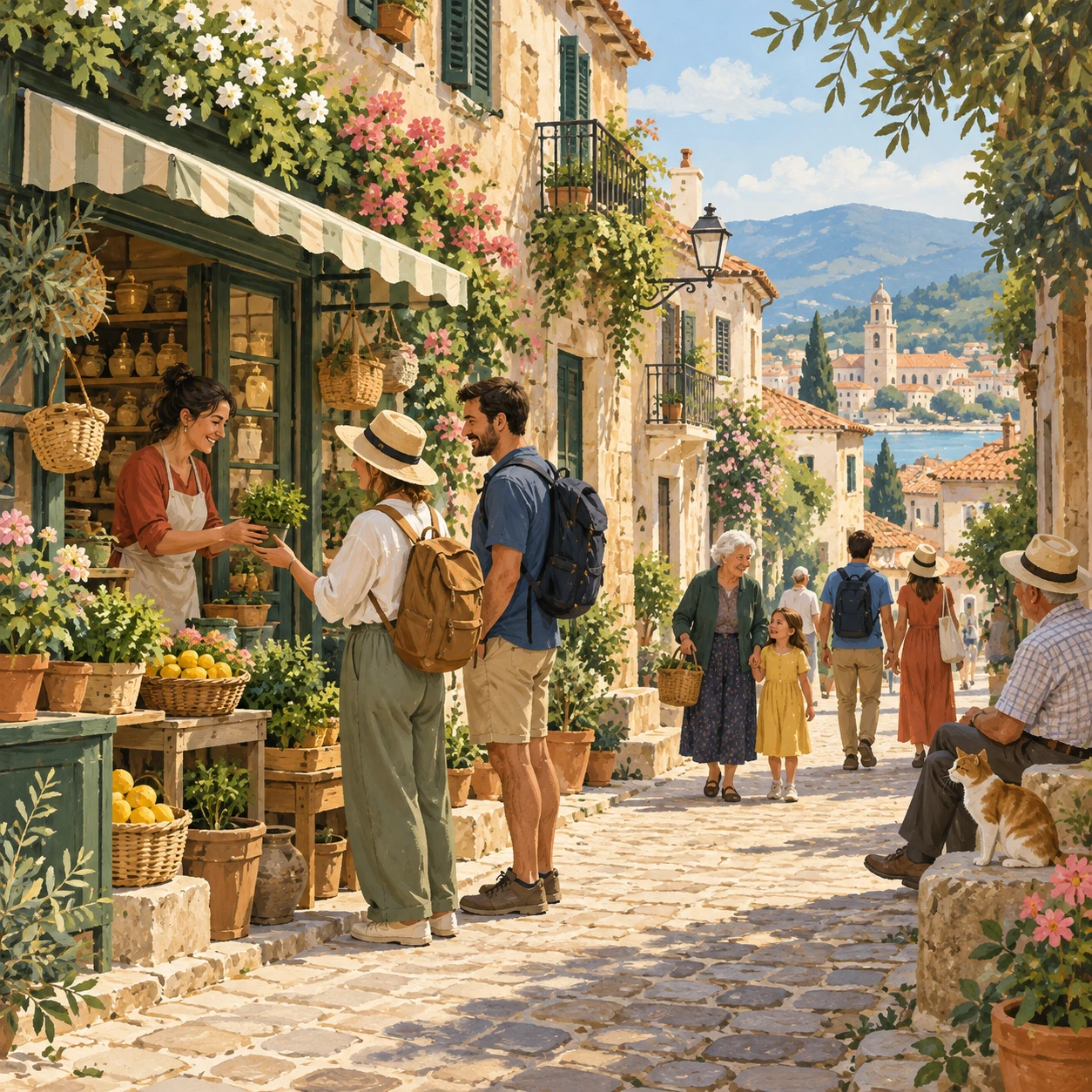
This fictional briefing concerns a proposed visitor scheme in the invented town of Alderhaven.
The old riverside quarter attracts visitors partly because it remains a working neighbourhood. Shops serve residents as well as tourists, and the narrow lanes connect homes, a school and small workshops. The council’s proposal should therefore be judged not only by whether more people visit, but by whether ordinary life can continue alongside them.
The first measure would move large tour-group meeting points from the central square to a courtyard near the river path. The aim is to reduce the periods when several groups block the same crossing. The proposal does not prohibit individual visitors from entering the square, nor does it require every group to follow a single route. Guides would be asked to begin at staggered times, with the effect reviewed after one season.
A second measure concerns delivery access. Residents have reported vans stopping across doorways, while shopkeepers point out that supplies cannot arrive by bicycle in every case. The current draft reserves an early delivery window, but several businesses have explained that their suppliers serve a wider region and cannot guarantee that time. The briefing recommends discussions with suppliers before the window is finalised. A rule that looks orderly on a map may shift costs onto people who had little opportunity to shape it.
The suggested visitor information also needs revision. It describes the quarter as “unchanged for centuries”, a phrase that ignores the changes residents have made to keep their homes usable. Preserving historic buildings does not mean asking people to live as exhibits. Information should explain adaptation as part of the area’s history, rather than presenting all modern features as damage to authenticity.
Monitoring must include more than counts at the river entrance. A fall in complaints, for instance, could mean fewer obstructions, but it could also reflect residents’ loss of confidence that reporting helps. Short interviews and direct observations would provide context for the numbers. Likewise, an increase in visitor spending would not establish that all local businesses benefited equally.
The briefing supports a trial with published review dates and a clear way to amend the arrangements. It advises against advertising the scheme as a completed solution before those reviews occur. Tourism may help support the quarter’s economy, but that possibility does not settle every conflict over space, timing and representation. The proposal’s credibility will depend on whether residents and businesses can see their practical knowledge influencing decisions, not simply appearing in a consultation photograph.
질문에 나온 사람·시간·장소·수량을 해당 사건과 연결하세요. 실제로 제시된 이유를 찾으세요. 글 밖의 그럴듯한 이유만으로는 부족합니다. 제시된 조건이나 허용 범위를 지키세요. 규칙이 있다고 사건이 실제로 일어났다는 뜻은 아닙니다.
The doors open at eight. The class starts at nine.
전체 내용을 보세요. 맞는 세부 정보가 곧 중심 내용은 아닙니다. 실제 단서를 연결하되 근거 없는 사실을 더하지 마세요. 근거가 있는 주장과 아직 모르는 것을 나누세요. 언급이 없다고 없다는 증거는 아닙니다. 행동이 제시된 주장과 그 한계에 맞는지 확인하세요.
The whole message is about a change of plan.
This fictional briefing concerns a proposed visitor scheme in the invented town of Alderhaven.
The old riverside quarter attracts visitors partly because it remains a working neighbourhood. Shops serve residents as well as tourists, and the narrow lanes connect homes, a school and small workshops. The council’s proposal should therefore be judged not only by whether more people visit, but by whether ordinary life can continue alongside them.
The first measure would move large tour-group meeting points from the central square to a courtyard near the river path. The aim is to reduce the periods when several groups block the same crossing. The proposal does not prohibit individual visitors from entering the square, nor does it require every group to follow a single route. Guides would be asked to begin at staggered times, with the effect reviewed after one season.
A second measure concerns delivery access. Residents have reported vans stopping across doorways, while shopkeepers point out that supplies cannot arrive by bicycle in every case. The current draft reserves an early delivery window, but several businesses have explained that their suppliers serve a wider region and cannot guarantee that time. The briefing recommends discussions with suppliers before the window is finalised. A rule that looks orderly on a map may shift costs onto people who had little opportunity to shape it.
The suggested visitor information also needs revision. It describes the quarter as “unchanged for centuries”, a phrase that ignores the changes residents have made to keep their homes usable. Preserving historic buildings does not mean asking people to live as exhibits. Information should explain adaptation as part of the area’s history, rather than presenting all modern features as damage to authenticity.
Monitoring must include more than counts at the river entrance. A fall in complaints, for instance, could mean fewer obstructions, but it could also reflect residents’ loss of confidence that reporting helps. Short interviews and direct observations would provide context for the numbers. Likewise, an increase in visitor spending would not establish that all local businesses benefited equally.
The briefing supports a trial with published review dates and a clear way to amend the arrangements. It advises against advertising the scheme as a completed solution before those reviews occur. Tourism may help support the quarter’s economy, but that possibility does not settle every conflict over space, timing and representation. The proposal’s credibility will depend on whether residents and businesses can see their practical knowledge influencing decisions, not simply appearing in a consultation photograph.
Tourism and a living neighbourhood
질문에 나온 사람·시간·장소·수량을 해당 사건과 연결하세요.
The doors open at eight. The class starts at nine.질문에 나온 사람·시간·장소·수량을 해당 사건과 연결하세요. 실제로 제시된 이유를 찾으세요. 글 밖의 그럴듯한 이유만으로는 부족합니다. 제시된 조건이나 허용 범위를 지키세요. 규칙이 있다고 사건이 실제로 일어났다는 뜻은 아닙니다.
The doors open at eight. The class starts at nine.전체 내용을 보세요. 맞는 세부 정보가 곧 중심 내용은 아닙니다. 실제 단서를 연결하되 근거 없는 사실을 더하지 마세요. 근거가 있는 주장과 아직 모르는 것을 나누세요. 언급이 없다고 없다는 증거는 아닙니다. 행동이 제시된 주장과 그 한계에 맞는지 확인하세요.
The whole message is about a change of plan.첫 답을 남기고 근거를 확인한 뒤 다른 문제를 풀어 보세요. 같은 자료에서 맞혔다고 새 지문에도 적용할 수 있다는 뜻은 아니에요.
아직 복습 노트가 없어요. 짧은 워밍업부터 해보세요.
질문에 나온 사람·시간·장소·수량을 해당 사건과 연결하세요. 실제로 제시된 이유를 찾으세요. 글 밖의 그럴듯한 이유만으로는 부족합니다. 제시된 조건이나 허용 범위를 지키세요. 규칙이 있다고 사건이 실제로 일어났다는 뜻은 아닙니다.
The doors open at eight. The class starts at nine.전체 내용을 보세요. 맞는 세부 정보가 곧 중심 내용은 아닙니다. 실제 단서를 연결하되 근거 없는 사실을 더하지 마세요. 근거가 있는 주장과 아직 모르는 것을 나누세요. 언급이 없다고 없다는 증거는 아닙니다. 행동이 제시된 주장과 그 한계에 맞는지 확인하세요.
The whole message is about a change of plan.정답을 열면 해당 문제에 도움 사용이 기록돼요.
Tourism and a living neighbourhood
근거에 맞는 답은 “It overlooks residents’ adaptations to make homes usable.”입니다. 근거: “a phrase that ignores the changes residents have made to keep their homes usable.”. 다른 선택지 “It replaces the buildings’ actual history with incorrect construction dates.”와 비교하세요. 측정하거나 보고한 결과를 다른 결과로 바꿨습니다. 다른 선택지 “It gives residents’ recent adaptations too prominent a place in the account.”와 비교하세요. 본문에 제시된 관계를 반대로 해석했습니다.
Tourism and a living neighbourhood
근거에 맞는 답은 “To reduce repeated blockages at a crossing.”입니다. 근거: “reduce the periods when several groups block the same crossing.”. 다른 선택지 “To keep individual visitors away from the central crossing throughout the day.”와 비교하세요. 제한이 있는 결과를 예외 없는 주장으로 확대했습니다. 다른 선택지 “To make every tour group follow an identical route through the quarter.”와 비교하세요. 제한이 있는 결과를 예외 없는 주장으로 확대했습니다.
Tourism and a living neighbourhood
근거에 맞는 답은 “Some regional suppliers cannot guarantee that arrival time.”입니다. 근거: “their suppliers serve a wider region and cannot guarantee that time.”. 다른 선택지 “Residents prefer suppliers to unload directly across their doorways.”와 비교하세요. 특징이나 행동을 다른 집단 또는 화자의 것으로 돌렸습니다. 다른 선택지 “The draft has not yet been seen by any of the affected businesses.”와 비교하세요. 본문에 제시된 관계를 반대로 해석했습니다.
Tourism and a living neighbourhood
근거에 맞는 답은 “Their starting times.”입니다. 근거: “Guides would be asked to begin at staggered times”. 다른 선택지 “The meeting point for every individual visitor.”와 비교하세요. 측정하거나 보고한 결과를 다른 결과로 바꿨습니다. 다른 선택지 “The permitted length of each visit to a shop.”와 비교하세요. 측정하거나 보고한 결과를 다른 결과로 바꿨습니다.
Tourism and a living neighbourhood
근거에 맞는 답은 “Discussions with suppliers.”입니다. 근거: “discussions with suppliers before the window is finalised.”. 다른 선택지 “Announcing the early window as the scheme’s completed solution.”와 비교하세요. 본문에서 요구한 추가 근거나 안전장치가 마련되기 전에 실행하자고 합니다. 다른 선택지 “Requiring suppliers serving other towns to change their entire regional route.”와 비교하세요. 제한이 있는 결과를 예외 없는 주장으로 확대했습니다.
Tourism and a living neighbourhood
근거에 맞는 답은 “Whether daily neighbourhood life can continue alongside tourism.”입니다. 근거: “whether ordinary life can continue alongside them.”. 다른 선택지 “Whether the information makes modern adaptations invisible to tourists.”와 비교하세요. 뒷받침하는 사례나 실무적 세부 사항을 질문이 묻는 핵심 목적으로 착각했습니다. 다른 선택지 “Whether shops can replace their ordinary resident customers with visitors.”와 비교하세요. 특징이나 행동을 다른 집단 또는 화자의 것으로 돌렸습니다.
Tourism and a living neighbourhood
근거에 맞는 답은 “Treating residents’ living conditions as a display that must stay frozen.”입니다. 근거: “Preserving historic buildings does not mean asking people to live as exhibits.”. 다른 선택지 “Treating protection of historic buildings as incompatible with residential use.”와 비교하세요. 제한이 있는 결과를 예외 없는 주장으로 확대했습니다. 다른 선택지 “Including changes to people’s homes in the account of local history.”와 비교하세요. 본문에 제시된 관계를 반대로 해석했습니다.
Tourism and a living neighbourhood
근거에 맞는 답은 “Residents might have stopped believing that reporting helps.”입니다. 근거: “it could also reflect residents’ loss of confidence that reporting helps.”. 다른 선택지 “Complaints are too subjective to have any connection to obstructions.”와 비교하세요. 제한이 있는 결과를 예외 없는 주장으로 확대했습니다. 다른 선택지 “A reduction establishes that crossing problems have been eliminated.”와 비교하세요. 이 근거로 판단할 수 있는 확실성이나 적용 범위를 넘어섰습니다.
Tourism and a living neighbourhood
근거에 맞는 답은 “Interviews and direct observations.”입니다. 근거: “Short interviews and direct observations would provide context for the numbers.”. 다른 선택지 “Visitor counts alone at one entrance.”와 비교하세요. 본문은 폭넓은 평가를 요구하지만 하나의 지표만으로 충분하다고 봅니다. 다른 선택지 “Publishing a consultation photograph as evidence that concerns shaped the plan.”와 비교하세요. 이용 가능성·완료·문서의 존재만으로 실제 품질이 충분히 입증된다고 봅니다.
Tourism and a living neighbourhood
근거에 맞는 답은 “That every local business gained equally.”입니다. 근거: “an increase in visitor spending would not establish that all local businesses benefited equally.”. 다른 선택지 “That visitor purchases made a contribution to recorded spending.”와 비교하세요. 이 진술 자체는 본문과 모순되지 않습니다. 하지만 질문은 거부하거나 피하는 주장, 또는 근거로 정당화할 수 없는 주장을 묻습니다. 다른 선택지 “That economic activity is one aspect relevant to the scheme.”와 비교하세요. 이 진술 자체는 본문과 모순되지 않습니다. 하지만 질문은 거부하거나 피하는 주장, 또는 근거로 정당화할 수 없는 주장을 묻습니다.
Tourism and a living neighbourhood
근거에 맞는 답은 “Published review dates and a way to change arrangements.”입니다. 근거: “a trial with published review dates and a clear way to amend the arrangements.”. 다른 선택지 “Advertising the first season as confirmation that the proposal has solved the problem.”와 비교하세요. 본문에서 요구한 추가 근거나 안전장치가 마련되기 전에 실행하자고 합니다. 다른 선택지 “Keeping consultation separate from the decisions made after review.”와 비교하세요. 본문에 제시된 관계를 반대로 해석했습니다.
Tourism and a living neighbourhood
근거에 맞는 답은 “Practical local knowledge visibly affecting decisions.”입니다. 근거: “residents and businesses can see their practical knowledge influencing decisions”. 다른 선택지 “Calling the scheme complete before review.”와 비교하세요. 본문에서 요구한 추가 근거나 안전장치가 마련되기 전에 실행하자고 합니다. 다른 선택지 “Residents appearing in a photograph without influencing the plan.”와 비교하세요. 이용 가능성·완료·문서의 존재만으로 실제 품질이 충분히 입증된다고 봅니다.