명시된 세부 정보
질문에 나온 사람·시간·장소·수량을 해당 사건과 연결하세요.
The doors open at eight. The class starts at nine.

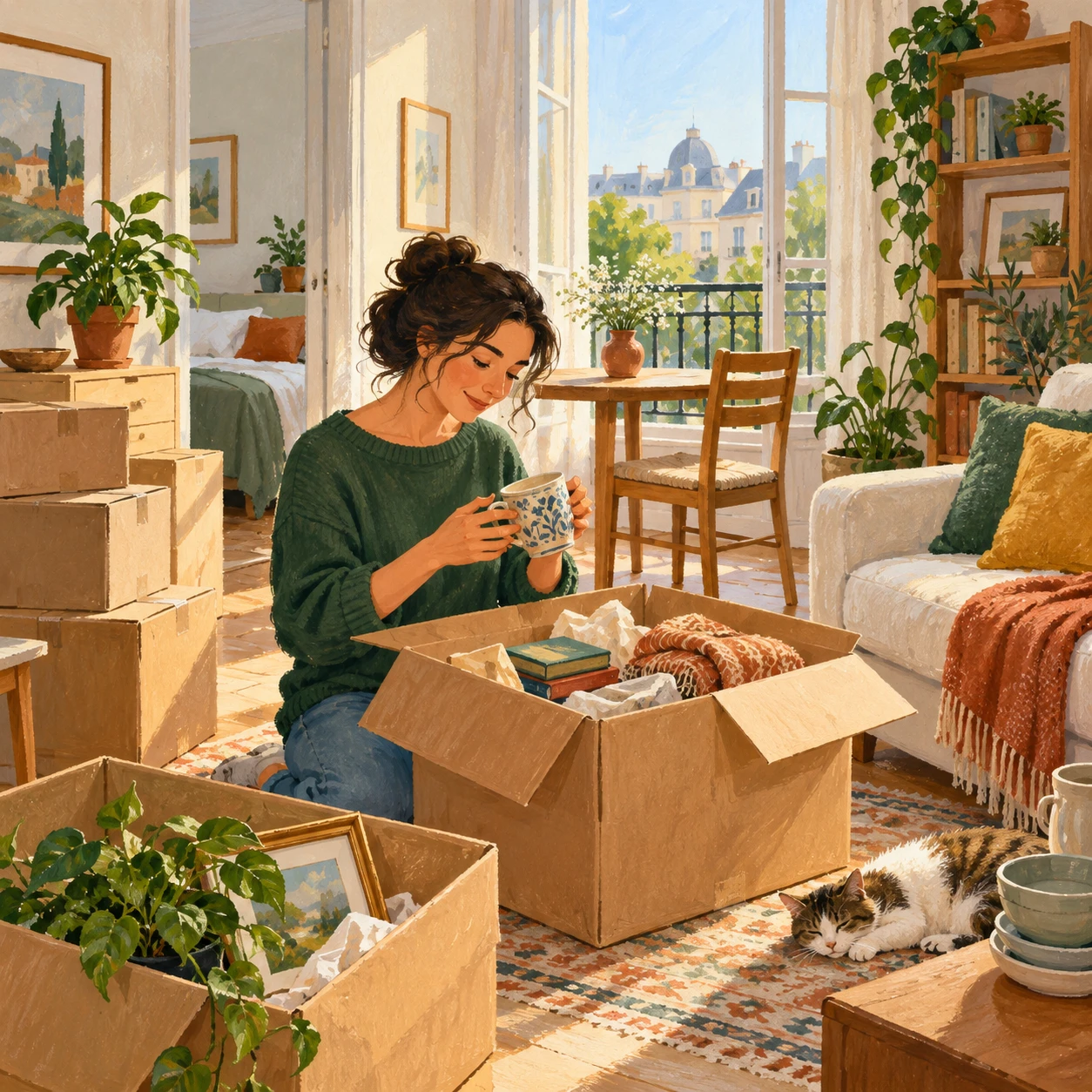
더 작은 집으로 이사하기 · B1. 질문에 나온 사람·시간·장소·수량을 해당 사건과 연결하세요.
직접 작성한 영어 녹음을 듣고 답한 다음 대본을 열어 근거를 확인하세요. 관련 문제는 같은 녹음을 사용합니다. 수준은 편집상 안내이며 공인 결과가 아닙니다.
질문에 나온 사람·시간·장소·수량을 해당 사건과 연결하세요.
The doors open at eight. The class starts at nine.
실제로 제시된 이유를 찾으세요. 글 밖의 그럴듯한 이유만으로는 부족합니다. 질문에 나온 사람·시간·장소·수량을 해당 사건과 연결하세요.
We meet inside because it is raining.
근거가 있는 주장과 아직 모르는 것을 나누세요. 언급이 없다고 없다는 증거는 아닙니다. 전체 내용을 보세요. 맞는 세부 정보가 곧 중심 내용은 아닙니다.
The notice gives a price, but says nothing about delivery.
Choosing what to keep
질문에 나온 사람·시간·장소·수량을 해당 사건과 연결하세요.
The doors open at eight. The class starts at nine.실제로 제시된 이유를 찾으세요. 글 밖의 그럴듯한 이유만으로는 부족합니다. 질문에 나온 사람·시간·장소·수량을 해당 사건과 연결하세요.
We meet inside because it is raining.근거가 있는 주장과 아직 모르는 것을 나누세요. 언급이 없다고 없다는 증거는 아닙니다. 전체 내용을 보세요. 맞는 세부 정보가 곧 중심 내용은 아닙니다.
The notice gives a price, but says nothing about delivery.첫 답을 남기고 근거를 확인한 뒤 다른 문제를 풀어 보세요. 같은 자료에서 맞혔다고 새 지문에도 적용할 수 있다는 뜻은 아니에요.
아직 복습 노트가 없어요. 짧은 워밍업부터 해보세요.
질문에 나온 사람·시간·장소·수량을 해당 사건과 연결하세요.
The doors open at eight. The class starts at nine.실제로 제시된 이유를 찾으세요. 글 밖의 그럴듯한 이유만으로는 부족합니다. 질문에 나온 사람·시간·장소·수량을 해당 사건과 연결하세요.
We meet inside because it is raining.근거가 있는 주장과 아직 모르는 것을 나누세요. 언급이 없다고 없다는 증거는 아닙니다. 전체 내용을 보세요. 맞는 세부 정보가 곧 중심 내용은 아닙니다.
The notice gives a price, but says nothing about delivery.정답을 열면 해당 문제에 도움 사용이 기록돼요.
Choosing what to keep
정답: “To a local charity shop.”. 근거: “I donated many books to a local charity shop”. “To the neighbour who bought the table.” 확인: 행동이나 역할을 다른 사람 또는 집단에 연결했습니다. 근거: “I sold that table to a neighbour”. “To the sister’s own book collection.” 확인: 행동이나 역할을 다른 사람 또는 집단에 연결했습니다.
Choosing what to keep
정답: “Spending less time maintaining unused space.”. 근거: “my main reason was that I no longer wanted to spend most weekends looking after a garden and rooms I rarely used.”. “Reducing bills as the main purpose of the move.” 확인: 일부 세부 정보이지만 핵심 질문에 답하지 못합니다. 근거: “Lower bills were welcome, but my main reason”. “Having more outdoor space to maintain.” 확인: 해당 정보와 반대되는 내용입니다.
Choosing what to keep
정답: “No; cleaning remained and she sometimes missed outdoor space.”. 근거: “it had not solved every problem. I still had to clean, and I sometimes missed sitting outside.”. “Yes; fewer rooms removed the need for routine cleaning.” 확인: 해당 정보와 반대되는 내용입니다. “Yes; using the park replaced every benefit of the old garden.” 확인: 본문이 허용하는 범위나 확실성보다 과장했습니다.
Choosing what to keep
정답: “It was sold to a neighbour.”. 근거: “I sold that table to a neighbour and bought a smaller second-hand one.”. “It was kept because it was a favourite.” 확인: 이 행동에 대해 언급된 물건이 아닙니다. 근거: “I kept my old armchair, though.”. “It was exchanged for the sister’s bookcase.” 확인: 본문에 이 정보는 없습니다. 임의로 덧붙이지 마세요.
Choosing what to keep
정답: “By asking which ones the speaker would open again.”. 근거: “Instead, she asked which ones I would actually open again.”. “By sorting books only according to how important they looked.” 확인: 해당 정보와 반대되는 내용입니다. “By deciding for the speaker which books to donate.” 확인: 이는 처음에 예상한 일입니다. 질문에서 묻는 이후의 예상 밖 결과가 아닙니다. 근거: “expecting her to tell me what to give away.”.
Choosing what to keep
정답: “Consider how you live each day, not only room numbers.”. 근거: “I would advise anyone considering a smaller home to think about daily habits, not just the number of rooms.”. “Decide by comparing the number of rooms alone.” 확인: 해당 정보와 반대되는 내용입니다. “Expect a move to make difficult choices unnecessary.” 확인: 해당 정보와 반대되는 내용입니다. 근거: “it did not make those choices for me.”.
Choosing what to keep
정답: “To make sure it would fit with room to move around.”. 근거: “I began by measuring the furniture and drawing a simple plan of the flat. That stopped me from keeping a large table simply because I liked it, only to discover later that I could not walk around it.”. “To choose the furniture with the greatest personal value.” 확인: 본문과 다른 기준으로 성공을 판단했습니다. “To help the neighbour decide where the large table would fit.” 확인: 행동이나 역할을 다른 사람 또는 집단에 연결했습니다.
Choosing what to keep
정답: “It fitted and was still used every evening.”. 근거: “It fitted into a bright corner, and I still used it every evening.”. “The smaller second-hand armchair was cheaper.” 확인: 이 행동에 대해 언급된 물건이 아닙니다. 근거: “I sold that table to a neighbour and bought a smaller second-hand one.”. “Its value was higher than that of the books.” 확인: 본문에 이 정보는 없습니다. 임의로 덧붙이지 마세요.
Choosing what to keep
정답: “The kettle was in a box that arrived late.”. 근거: “I packed the kettle in a box that arrived after everything else, so I could not make tea while we were unloading.”. “The large table blocked the door of the new flat.” 확인: 본문에 이 정보는 없습니다. 임의로 덧붙이지 마세요. “The essentials bag arrived before the removal boxes.” 확인: 필수품 가방은 나중에 친구들에게 한 조언입니다. 이번 이사 때 그런 가방이 일찍 도착했다고는 하지 않습니다. 근거: “I now tell friends to carry a bag with a kettle, cups and any medicines they need”.
Choosing what to keep
정답: “Visit the park.”. 근거: “I visit the park more often now.”. “Spend weekends caring for unused rooms.” 확인: 해당 정보와 반대되는 내용입니다. 근거: “I no longer wanted to spend most weekends looking after a garden and rooms I rarely used.”. “Use the garden outside the smaller flat.” 확인: 본문에 이 정보는 없습니다. 임의로 덧붙이지 마세요.