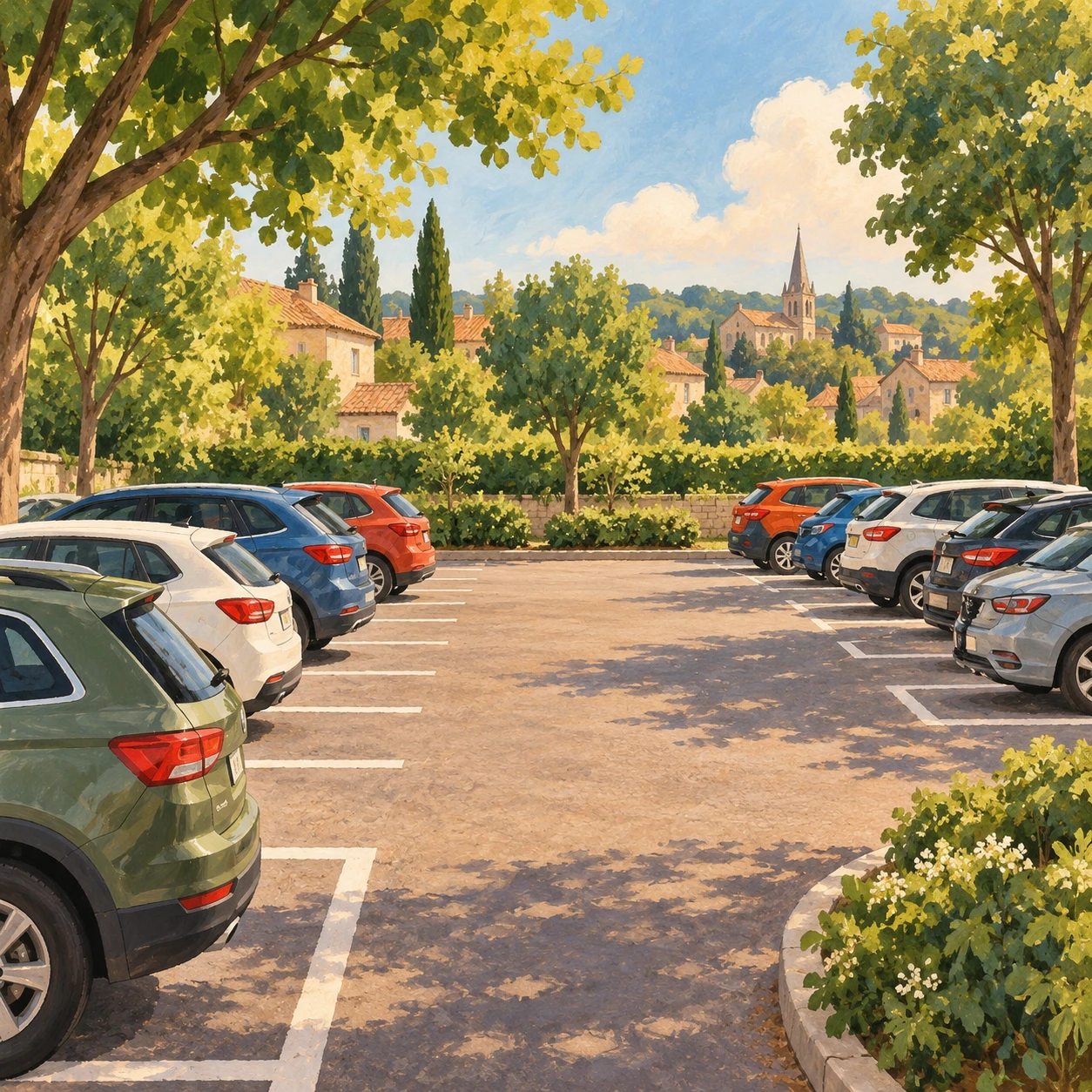
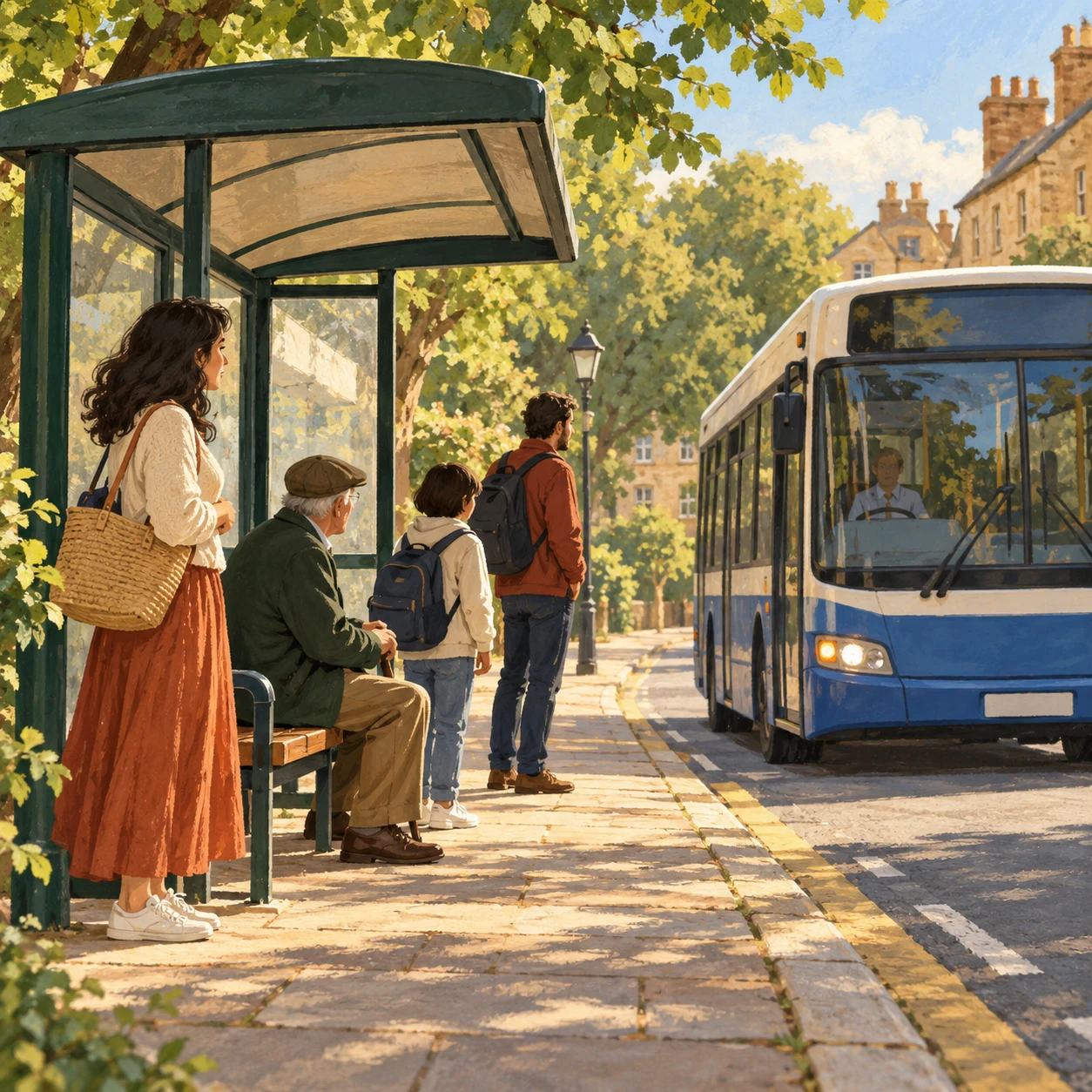
banque · bureau de poste · supermarché · pharmacie
Distingue ces sens à partir de la situation : bank = banque; post office = bureau de poste; supermarket = supermarché; pharmacy = pharmacie.
I go here to open an account and keep my money: the bank.

Lieux en ville · A1. Distingue ces sens à partir de la situation : bank = banque; post office = bureau de poste; supermarket = supermarché; pharmacy = pharmacie.
Travaille Lieux en ville dans de courtes situations. Lis l’indice, choisis ou écris une forme, puis vérifie l’explication. Le niveau est une indication éditoriale. Découvre 12 fiches et 24 questions en contexte, avec de nouvelles situations de révision et de transfert.
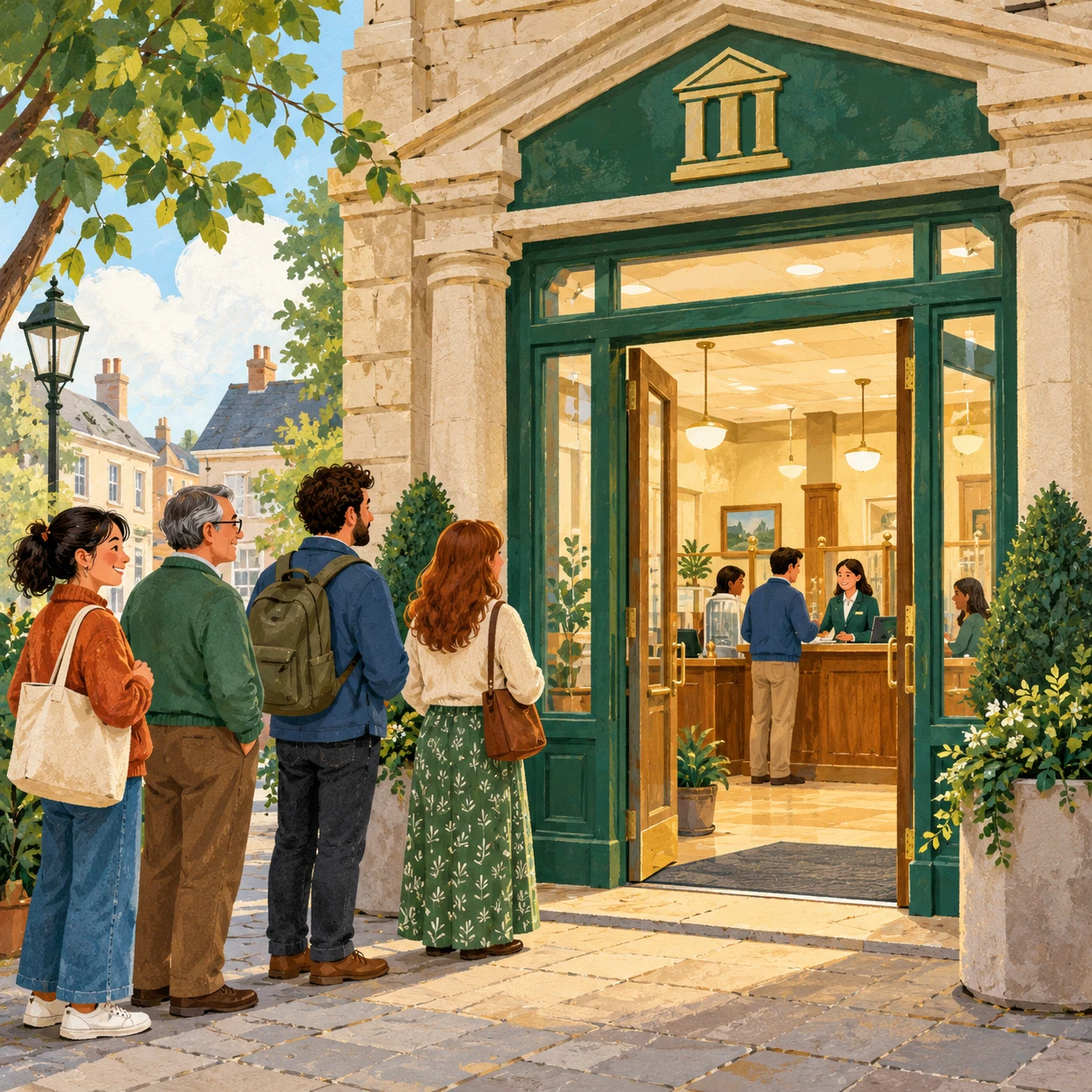
A business that looks after money and provides accounts.
The bank opens an hour later on Saturdays.
La banque ouvre une heure plus tard le samedi.
Ces indications concernent ce sens. Les mots de la famille peuvent changer de sens ; les expressions proches ne sont pas toujours interchangeables.
Utilise «bank» pour banque. Compare avec «post office» (bureau de poste) : les sens diffèrent.
Distingue ces sens à partir de la situation : bank = banque; post office = bureau de poste; supermarket = supermarché; pharmacy = pharmacie.
I go here to open an account and keep my money: the bank.
Distingue ces sens à partir de la situation : library = bibliothèque; museum = musée; cinema = cinéma; park = parc.
I borrow books without buying them at the library.
Distingue ces sens à partir de la situation : station = gare; airport = aéroport; car park = parking; bus stop = arrêt de bus.
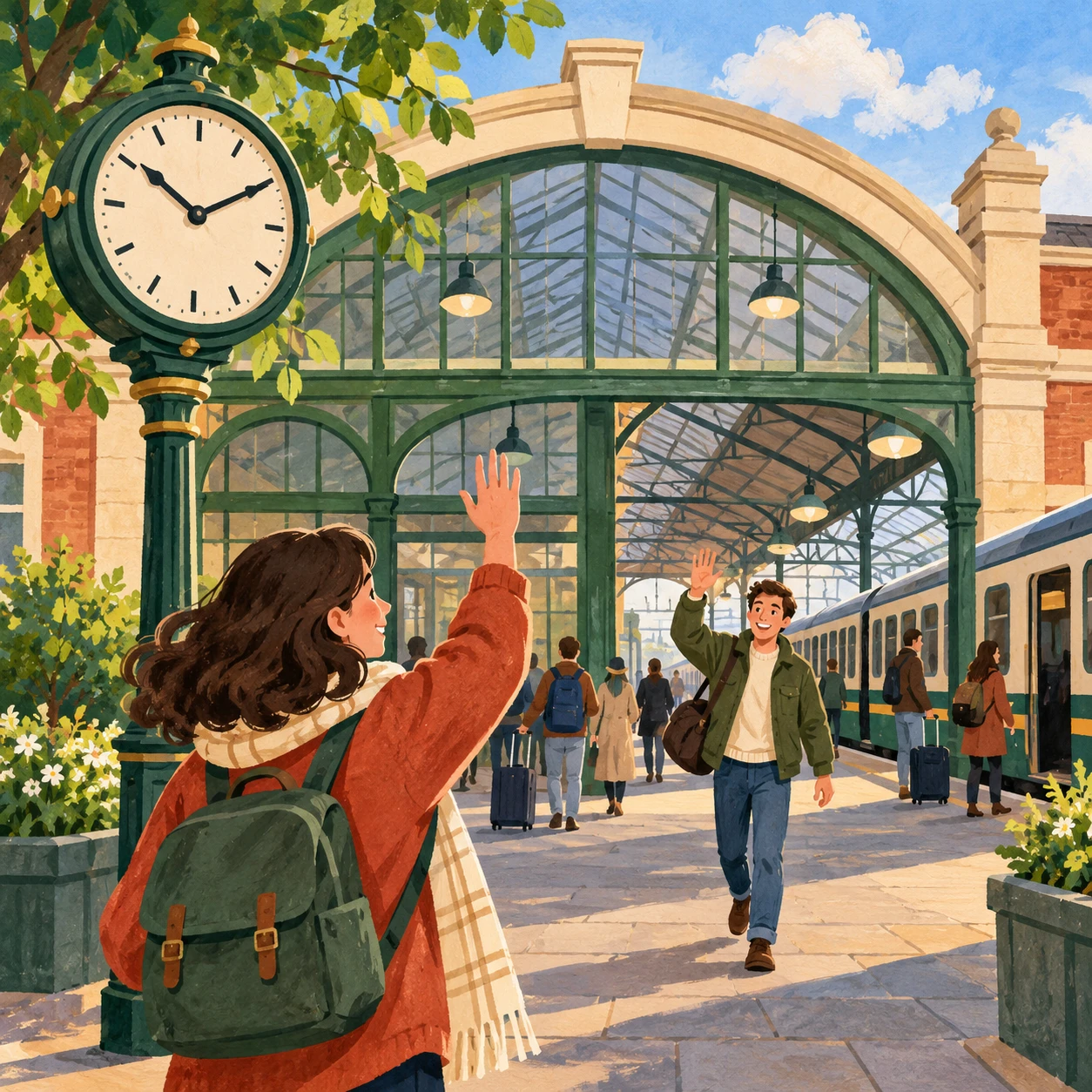
We board trains at the station.
Which business mainly keeps money in accounts and lends money, rather than selling groceries, medicine or postal services? The ___.
Distingue ces sens à partir de la situation : bank = banque; post office = bureau de poste; supermarket = supermarché; pharmacy = pharmacie.
I go here to open an account and keep my money: the bank.Distingue ces sens à partir de la situation : library = bibliothèque; museum = musée; cinema = cinéma; park = parc.
I borrow books without buying them at the library.Distingue ces sens à partir de la situation : station = gare; airport = aéroport; car park = parking; bus stop = arrêt de bus.
We board trains at the station.Gardez la première tentative, comprenez le changement et essayez dans une nouvelle situation.
Pas encore de notes. Essayez un court échauffement.
Ouvrir une réponse enregistre une aide pour cette question.
Which business mainly keeps money in accounts and lends money, rather than selling groceries, medicine or postal services? The ___.
Regarde « mainly keeps money in accounts ». Ici, on cherche « banque » : « bank ». Nomme le service principal du lieu, pas un bâtiment qui pourrait l’abriter. Phrase complète : « Which business mainly keeps money in accounts and lends money, rather than selling groceries, medicine or postal services? The bank.” / “I go here to open an account and keep my money: the bank. ».
I borrow books without buying them at the ___.
Regarde « borrow books ». Ici, on cherche « bibliothèque » : « library ». Nomme le service principal du lieu, pas un bâtiment qui pourrait l’abriter. Phrase complète : « I borrow books without buying them at the library. ».
We board trains at the ___.
Regarde « board trains ». Ici, on cherche « gare » : « station ». Nomme le service principal du lieu, pas un bâtiment qui pourrait l’abriter. Phrase complète : « We board trains at the station. ».
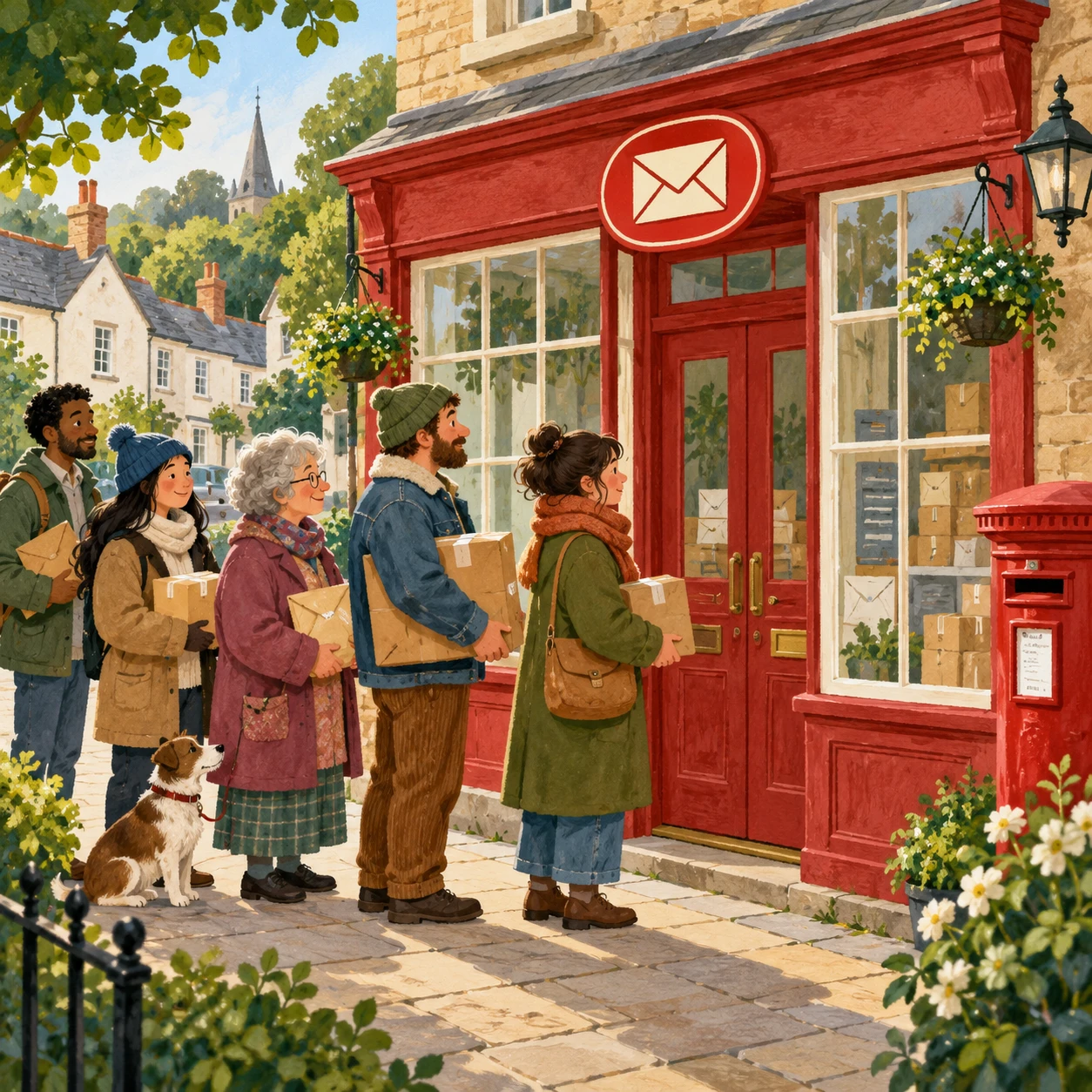
Which place is specifically a postal-service business for buying stamps and sending parcels? The ___.
Regarde « postal-service business ». Ici, on cherche « bureau de poste » : « post office ». Nomme le service principal du lieu, pas un bâtiment qui pourrait l’abriter. Phrase complète : « Which place is specifically a postal-service business for buying stamps and sending parcels? The post office.” / “I buy stamps and send parcels at the post office. ».
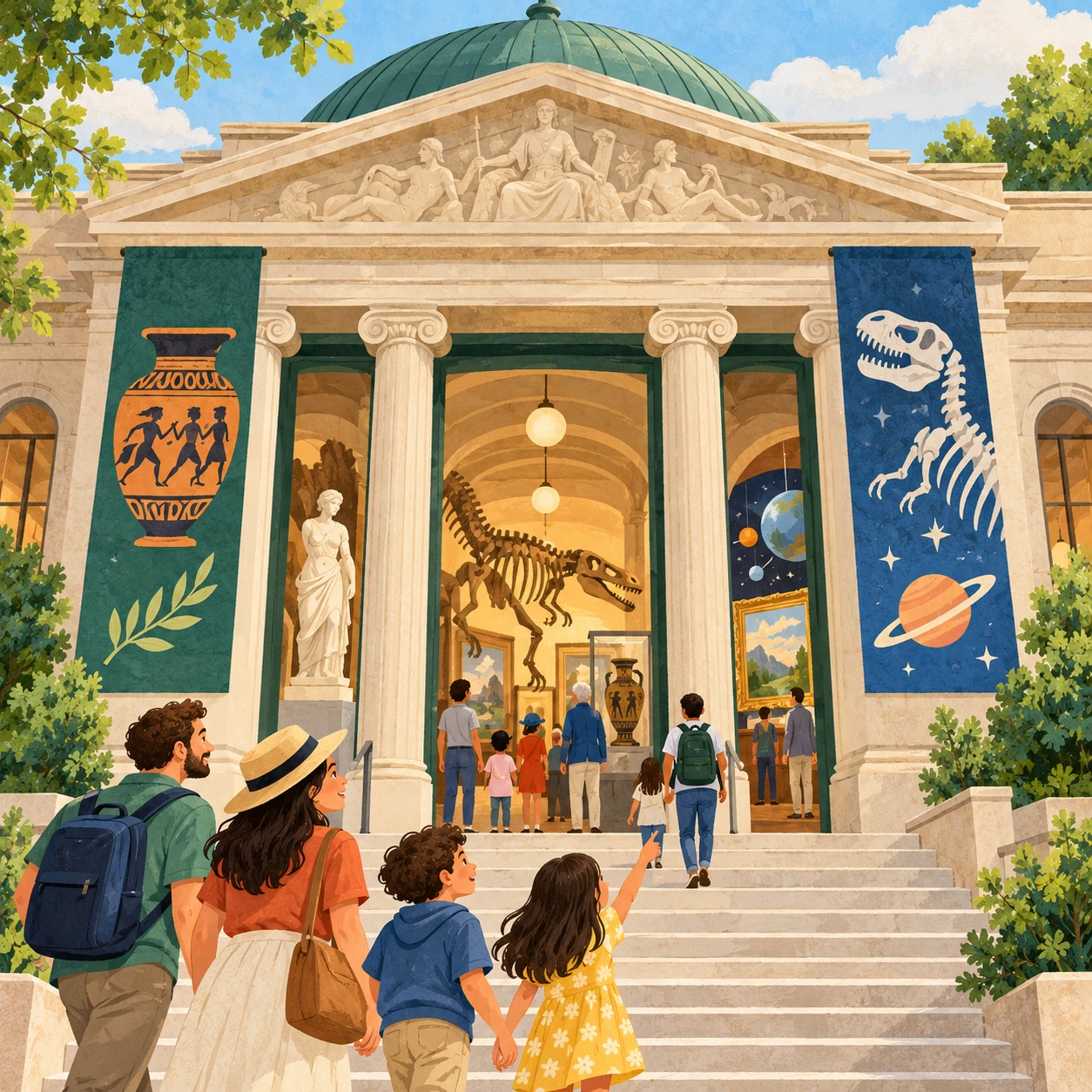
Which place displays collections of ancient objects for visitors to learn about history, rather than lending books? The ___.
Regarde « displays collections of ancient objects ». Ici, on cherche « musée » : « museum ». Nomme le service principal du lieu, pas un bâtiment qui pourrait l’abriter. Phrase complète : « Which place displays collections of ancient objects for visitors to learn about history, rather than lending books? The museum.” / “We look at ancient objects and learn about history in the museum. ».
We catch planes at the ___.
Regarde « catch planes ». Ici, on cherche « aéroport » : « airport ». Nomme le service principal du lieu, pas un bâtiment qui pourrait l’abriter. Phrase complète : « We catch planes at the airport. ».
We push a trolley and buy food from many shelves at the ___.
Regarde « buy food from many shelves ». Ici, on cherche « supermarché » : « supermarket ». Nomme le service principal du lieu, pas un bâtiment qui pourrait l’abriter. Phrase complète : « We push a trolley and buy food from many shelves at the supermarket. ».
The pharmacist at the prescription-medicine counter hands me my medicine. That department is the ___.
Regarde « prescription-medicine counter ». Ici, on cherche « pharmacie » : « pharmacy ». Nomme le service principal du lieu, pas un bâtiment qui pourrait l’abriter. Phrase complète : « The pharmacist at the prescription-medicine counter hands me my medicine. That department is the pharmacy.” / “I collect medicine prescribed by my doctor at the pharmacy. ».
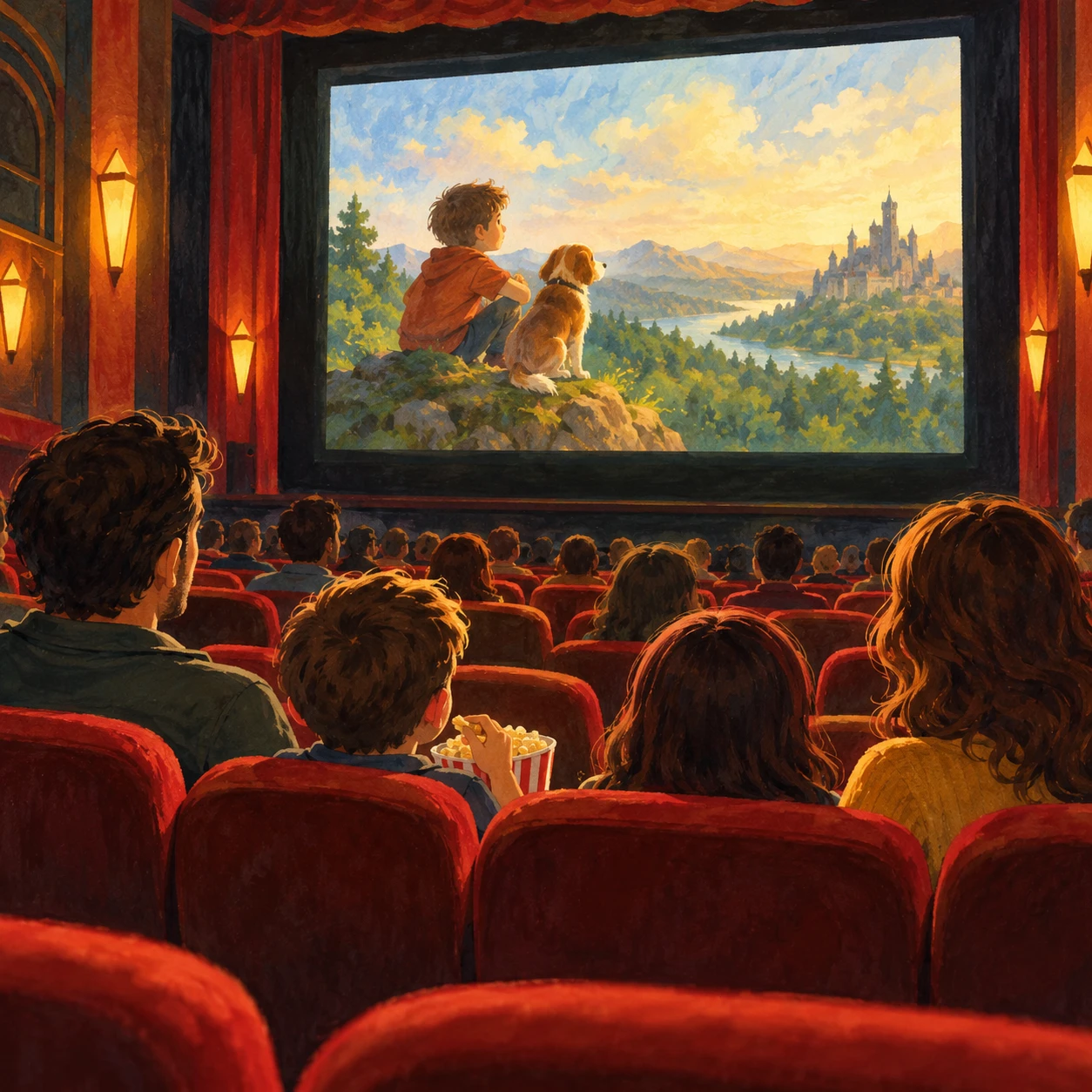
We buy tickets to watch a film on a large screen at the ___.
Regarde « watch a film ». Ici, on cherche « cinéma » : « cinema ». Nomme le service principal du lieu, pas un bâtiment qui pourrait l’abriter. Phrase complète : « We buy tickets to watch a film on a large screen at the cinema. ».
What is the name for the marked area of parking spaces where we leave cars? The ___.
Regarde « marked area of parking spaces ». Ici, on cherche « parking » : « car park ». Nomme le service principal du lieu, pas un bâtiment qui pourrait l’abriter. Phrase complète : « What is the name for the marked area of parking spaces where we leave cars? The car park.” / “We leave our car in a marked space in the car park. ».
We walk outdoors among grass and trees in the public ___.
Regarde « grass and trees ». Ici, on cherche « parc » : « park ». Nomme le service principal du lieu, pas un bâtiment qui pourrait l’abriter. Phrase complète : « We walk outdoors among grass and trees in the public park. ».
We wait beside the road for the number 6 bus at the ___.
Regarde « beside the road ». Ici, on cherche « arrêt de bus » : « bus stop ». Nomme le service principal du lieu, pas un bâtiment qui pourrait l’abriter. Phrase complète : « We wait beside the road for the number 6 bus at the bus stop. ».
Which word names a business whose main job is to keep people’s money in accounts and lend money? A ___.
Regarde « keep people’s money in accounts ». Ici, on cherche « banque » : « bank ». Nomme le service principal du lieu, pas un bâtiment qui pourrait l’abriter. Phrase complète : « Which word names a business whose main job is to keep people’s money in accounts and lend money? A bank. ».
I borrow a book and return it next week at the ___.
Regarde « borrow a book and return ». Ici, on cherche « bibliothèque » : « library ». Nomme le service principal du lieu, pas un bâtiment qui pourrait l’abriter. Phrase complète : « I borrow a book and return it next week at the library. ».
Our train leaves from platform two at the ___.
Regarde « train leaves from platform two ». Ici, on cherche « gare » : « station ». Nomme le service principal du lieu, pas un bâtiment qui pourrait l’abriter. Phrase complète : « Our train leaves from platform two at the station. ».
The counter belongs to a postal-service business where I buy a stamp and send a parcel. That business is the ___.
Regarde « postal-service business ». Ici, on cherche « bureau de poste » : « post office ». Nomme le service principal du lieu, pas un bâtiment qui pourrait l’abriter. Phrase complète : « The counter belongs to a postal-service business where I buy a stamp and send a parcel. That business is the post office.” / “I buy a stamp and send a parcel at the post office. ».
We visit a building whose main purpose is displaying collections of old paintings and historical objects. It is a ___.
Regarde « displaying collections ». Ici, on cherche « musée » : « museum ». Nomme le service principal du lieu, pas un bâtiment qui pourrait l’abriter. Phrase complète : « We visit a building whose main purpose is displaying collections of old paintings and historical objects. It is a museum.” / “We see old paintings and historical objects in the museum. ».
We arrive early to catch our plane at the ___.
Regarde « catch our plane ». Ici, on cherche « aéroport » : « airport ». Nomme le service principal du lieu, pas un bâtiment qui pourrait l’abriter. Phrase complète : « We arrive early to catch our plane at the airport. ».
I push a trolley around a large shop to buy food. It is a ___.
Regarde « large shop to buy food ». Ici, on cherche « supermarché » : « supermarket ». Nomme le service principal du lieu, pas un bâtiment qui pourrait l’abriter. Phrase complète : « I push a trolley around a large shop to buy food. It is a supermarket. ».
The shop department where a pharmacist gives you the medicine on your prescription is called the ___.
Regarde « pharmacist ». Ici, on cherche « pharmacie » : « pharmacy ». Nomme le service principal du lieu, pas un bâtiment qui pourrait l’abriter. Phrase complète : « The shop department where a pharmacist gives you the medicine on your prescription is called the pharmacy. ».
We buy tickets to watch a film on a big screen at the ___.
Regarde « watch a film ». Ici, on cherche « cinéma » : « cinema ». Nomme le service principal du lieu, pas un bâtiment qui pourrait l’abriter. Phrase complète : « We buy tickets to watch a film on a big screen at the cinema. ».
The marked area with rows of spaces specifically for leaving cars is called a ___.
Regarde « spaces specifically for leaving cars ». Ici, on cherche « parking » : « car park ». Nomme le service principal du lieu, pas un bâtiment qui pourrait l’abriter. Phrase complète : « The marked area with rows of spaces specifically for leaving cars is called a car park. ».
This public green place has trees, grass and a playground. It is a ___.
Regarde « public green place ». Ici, on cherche « parc » : « park ». Nomme le service principal du lieu, pas un bâtiment qui pourrait l’abriter. Phrase complète : « This public green place has trees, grass and a playground. It is a park. ».
The small roadside place marked by a bus sign, sometimes with a shelter rather than a station building, is called a ___.
Regarde « roadside place marked by a bus sign ». Ici, on cherche « arrêt de bus » : « bus stop ». Nomme le service principal du lieu, pas un bâtiment qui pourrait l’abriter. Phrase complète : « The small roadside place marked by a bus sign, sometimes with a shelter rather than a station building, is called a bus stop. ».