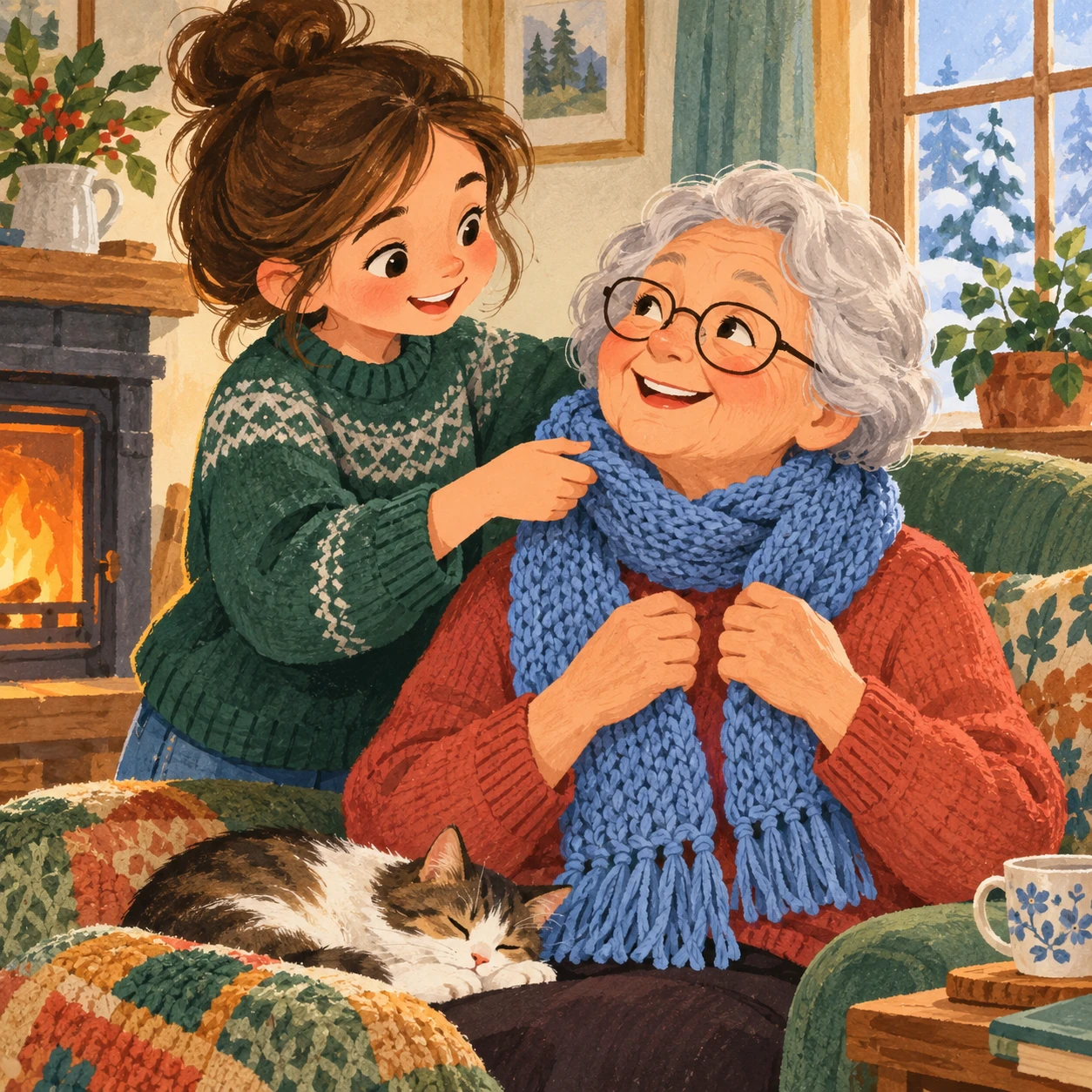
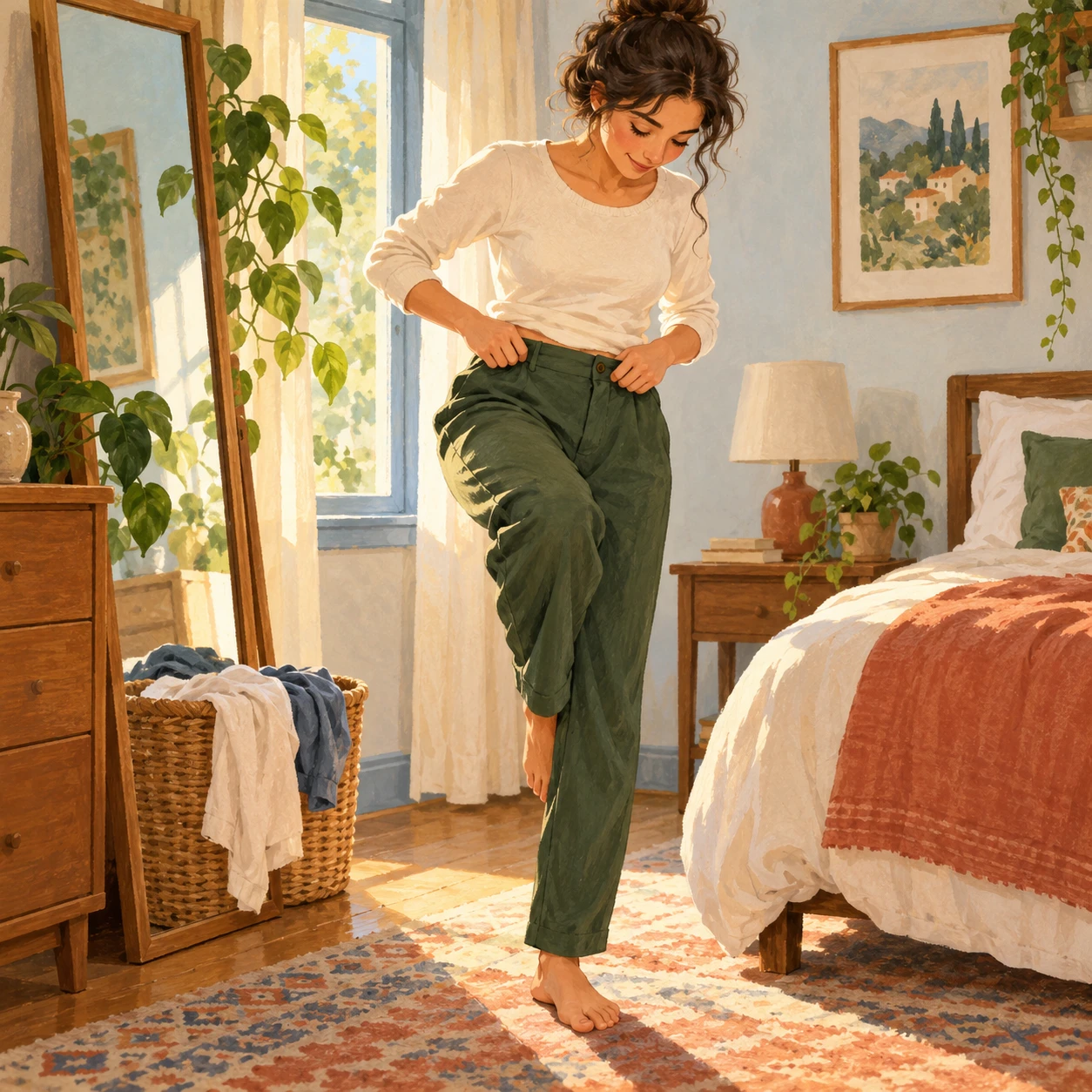
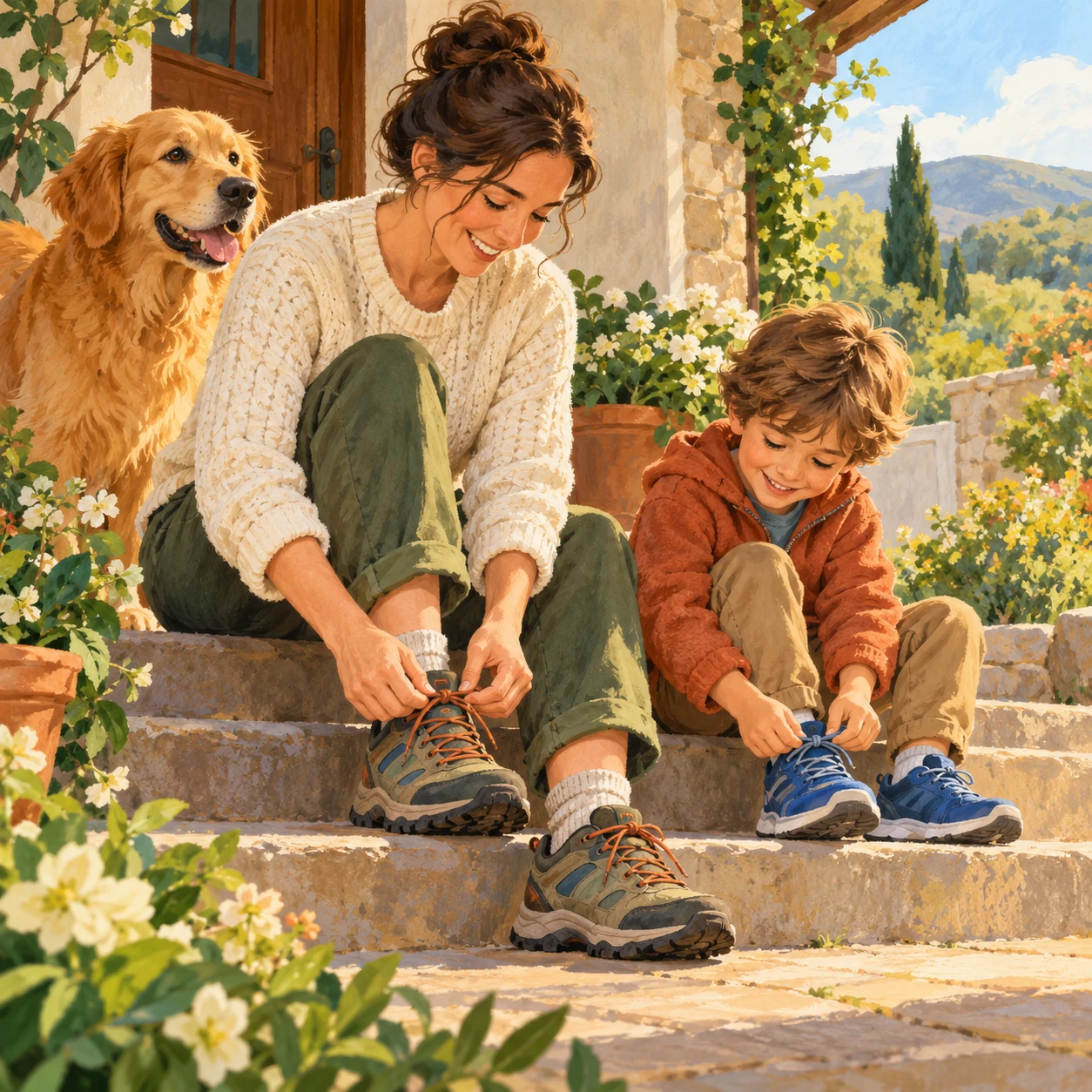
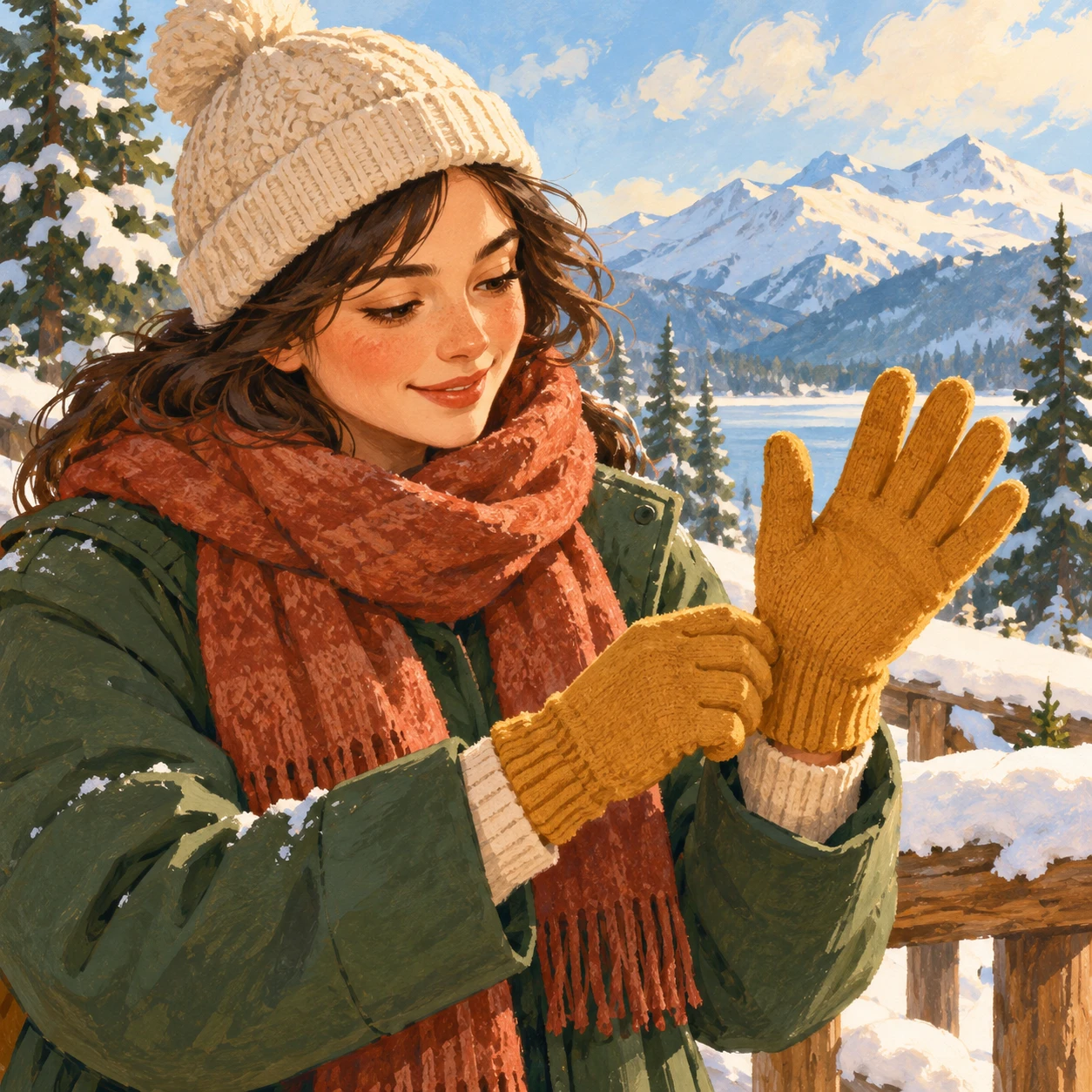
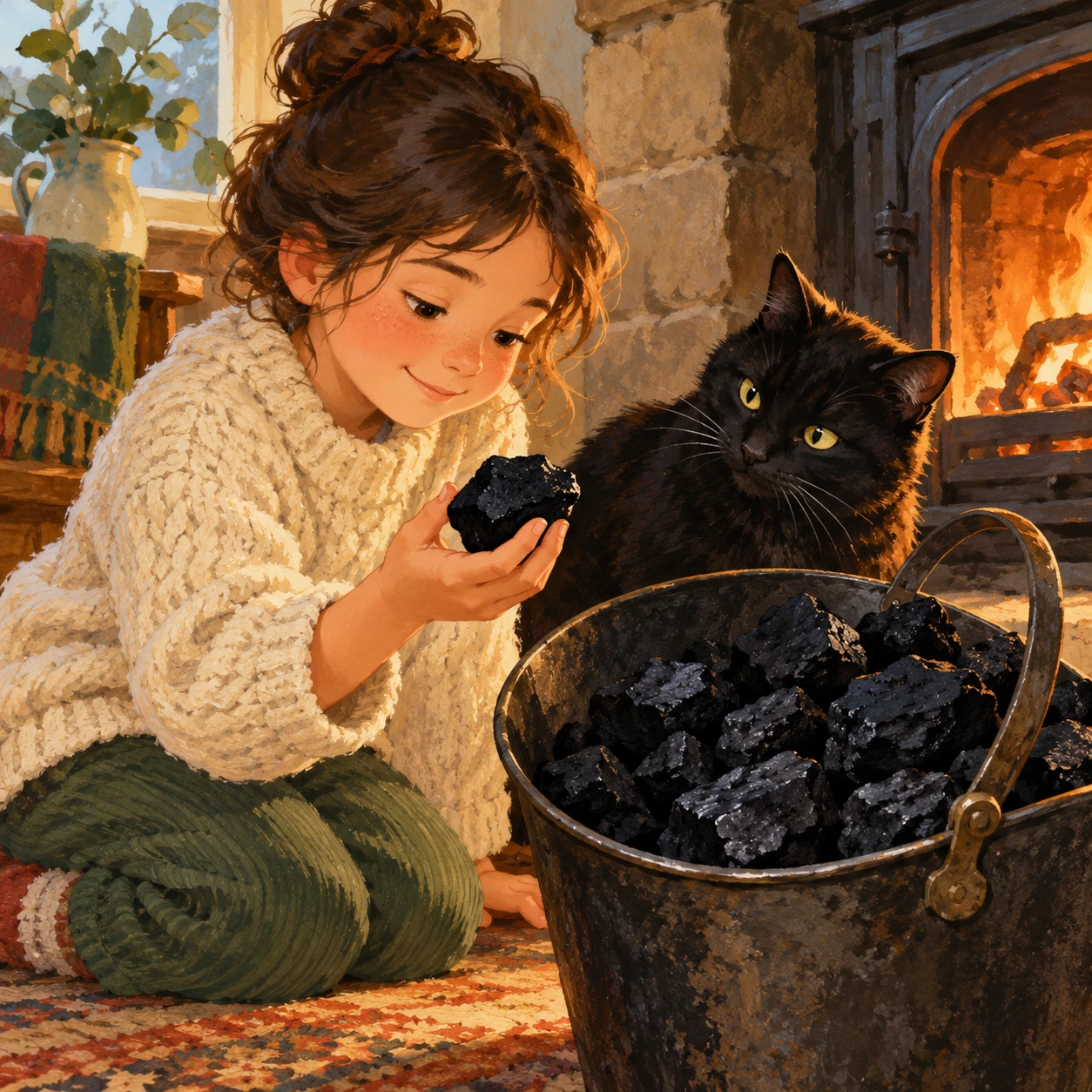
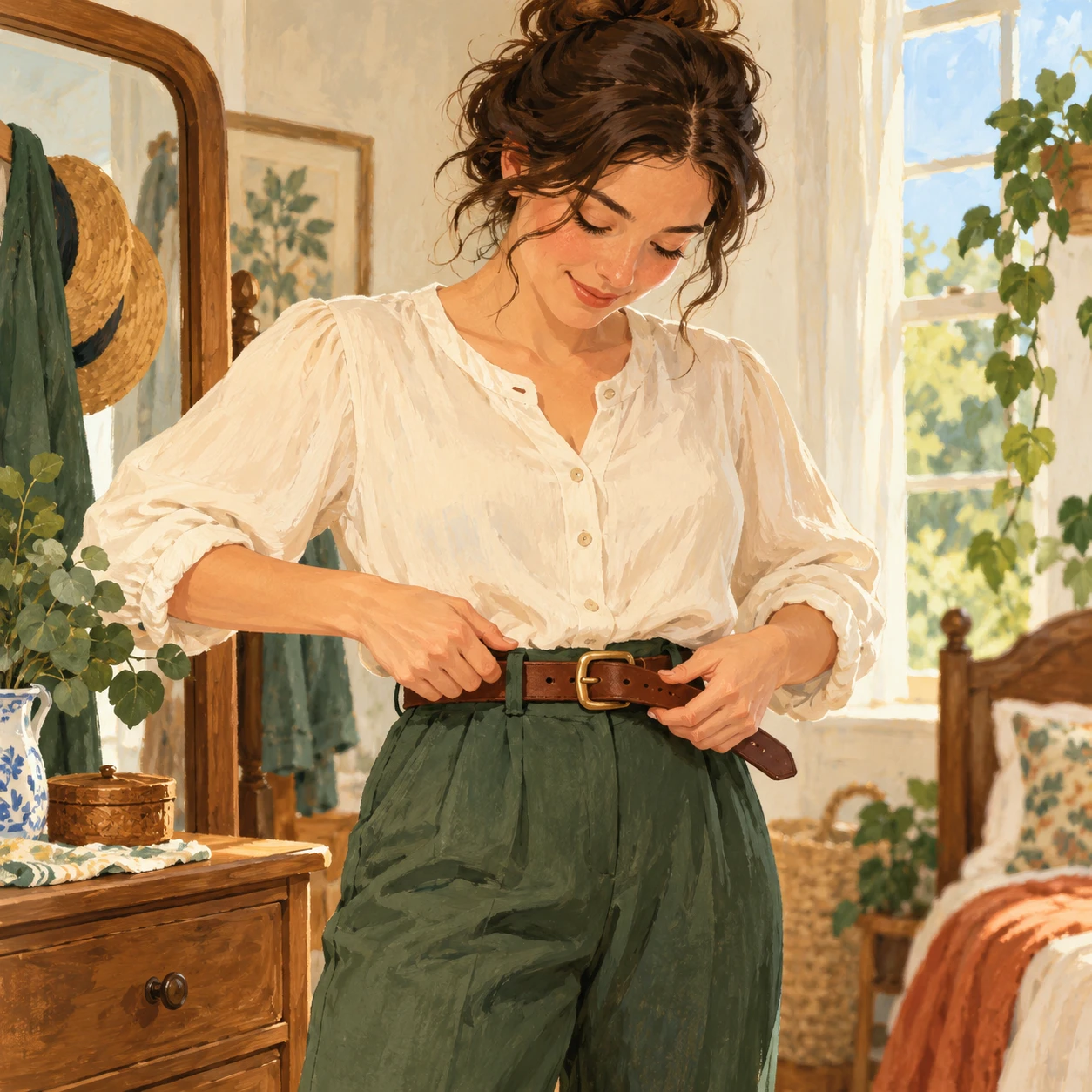
chemise · manteau · pantalon · chaussures
Distingue ces sens à partir de la situation : shirt = chemise; coat = manteau; trousers = pantalon; shoes = chaussures.
This upper-body garment has a collar, buttons and sleeves: a shirt.

Vêtements et couleurs · A1. Distingue ces sens à partir de la situation : shirt = chemise; coat = manteau; trousers = pantalon; shoes = chaussures.
Travaille Vêtements et couleurs dans de courtes situations. Lis l’indice, choisis ou écris une forme, puis vérifie l’explication. Le niveau est une indication éditoriale. Découvre 12 fiches et 24 questions en contexte, avec de nouvelles situations de révision et de transfert.
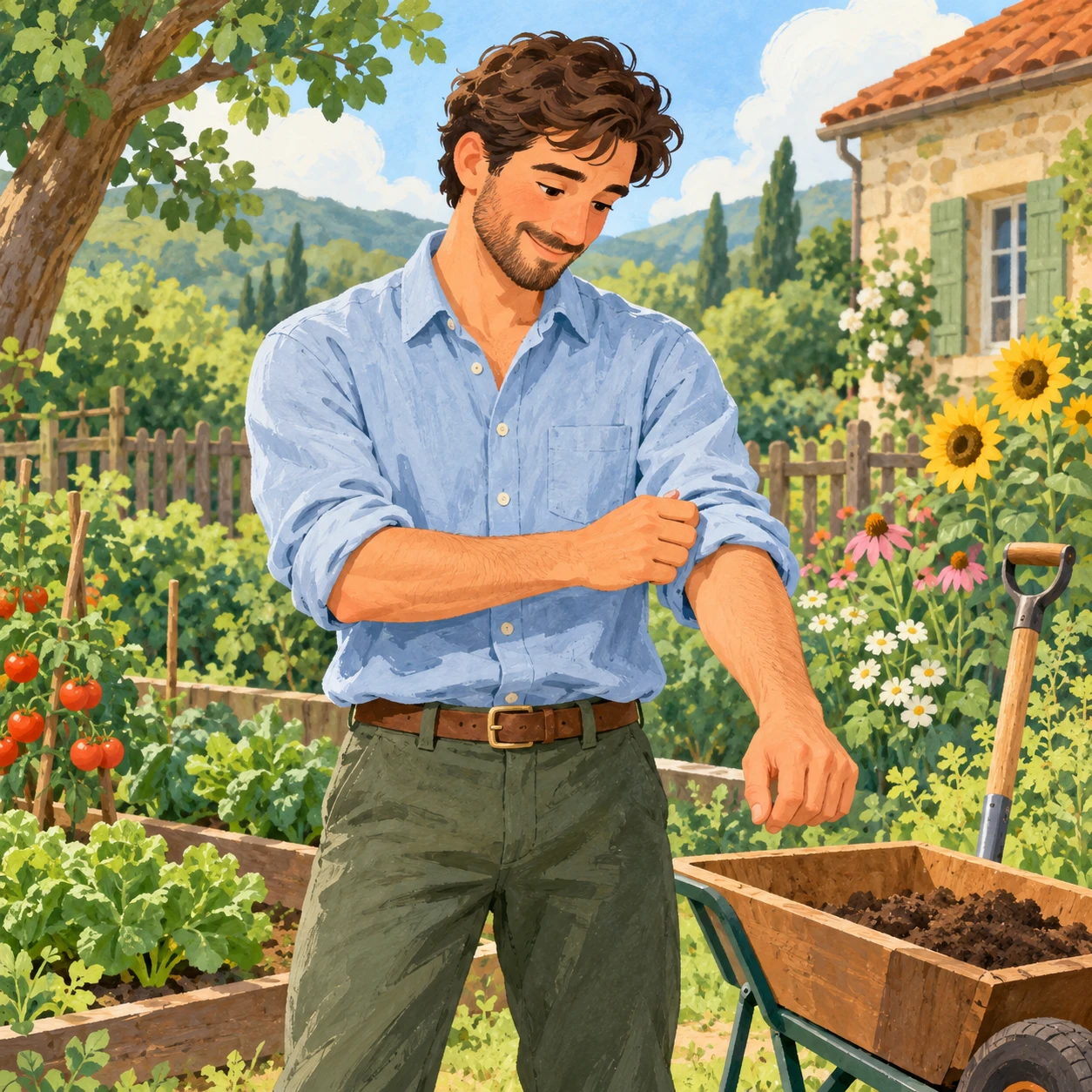
Clothing for the upper body, often with buttons and a collar.
He rolled up the sleeves of his shirt.
Il a retroussé les manches de sa chemise.
Ces indications concernent ce sens. Les mots de la famille peuvent changer de sens ; les expressions proches ne sont pas toujours interchangeables.
Utilise «shirt» pour chemise. Compare avec «coat» (manteau) : les sens diffèrent.
Distingue ces sens à partir de la situation : shirt = chemise; coat = manteau; trousers = pantalon; shoes = chaussures.
This upper-body garment has a collar, buttons and sleeves: a shirt.
Distingue ces sens à partir de la situation : red = rouge; blue = bleu; green = vert; black = noir.
A ripe tomato is usually this colour: red.
Distingue ces sens à partir de la situation : hat = chapeau; scarf = écharpe; gloves = gants; belt = ceinture.
I wear this on top of my head in the sun: a hat.
This light cotton top is worn under a coat. It has a collar, buttons and sleeves. It is a ___.
Distingue ces sens à partir de la situation : shirt = chemise; coat = manteau; trousers = pantalon; shoes = chaussures.
This upper-body garment has a collar, buttons and sleeves: a shirt.Distingue ces sens à partir de la situation : red = rouge; blue = bleu; green = vert; black = noir.
A ripe tomato is usually this colour: red.Distingue ces sens à partir de la situation : hat = chapeau; scarf = écharpe; gloves = gants; belt = ceinture.
I wear this on top of my head in the sun: a hat.Gardez la première tentative, comprenez le changement et essayez dans une nouvelle situation.
Pas encore de notes. Essayez un court échauffement.
Ouvrir une réponse enregistre une aide pour cette question.
This light cotton top is worn under a coat. It has a collar, buttons and sleeves. It is a ___.
Regarde « light cotton top ». Ici, on cherche « chemise » : « shirt ». Utilise la partie du corps, la forme et l’usage du vêtement. Phrase complète : « This light cotton top is worn under a coat. It has a collar, buttons and sleeves. It is a shirt.” / “This upper-body garment has a collar, buttons and sleeves: a shirt. ».
A ripe tomato is usually this colour: ___.
Regarde « ripe tomato ». Ici, on cherche « rouge » : « red ». On demande la couleur habituelle indiquée, pas une exception rare. Phrase complète : « A ripe tomato is usually this colour: red. ».
I wear this covering with a wide brim on top of my head in the sun: a ___.
Regarde « wide brim ». Ici, on cherche « chapeau » : « hat ». Utilise la partie du corps, la forme et l’usage du vêtement. Phrase complète : « I wear this covering with a wide brim on top of my head in the sun: a hat.” / “I wear this on top of my head in the sun: a hat. ».
I wear this warm outer garment over my other clothes in winter: a ___.
Regarde « warm outer garment ». Ici, on cherche « manteau » : « coat ». Utilise la partie du corps, la forme et l’usage du vêtement. Phrase complète : « I wear this warm outer garment over my other clothes in winter: a coat. ».
The clear daytime sky is usually this colour: ___.
Regarde « clear daytime sky ». Ici, on cherche « bleu » : « blue ». On demande la couleur habituelle indiquée, pas une exception rare. Phrase complète : « The clear daytime sky is usually this colour: blue. ».
I wrap this long soft strip around my neck: a ___.
Regarde « strip around my neck ». Ici, on cherche « écharpe » : « scarf ». Utilise la partie du corps, la forme et l’usage du vêtement. Phrase complète : « I wrap this long soft strip around my neck: a scarf. ».
This garment covers both legs separately from waist to ankle: ___.
Regarde « both legs separately ». Ici, on cherche « pantalon » : « trousers ». Utilise la partie du corps, la forme et l’usage du vêtement. Phrase complète : « This garment covers both legs separately from waist to ankle: trousers. ».
We wear these on our feet outdoors: ___.
Regarde « on our feet ». Ici, on cherche « chaussures » : « shoes ». Utilise la partie du corps, la forme et l’usage du vêtement. Phrase complète : « We wear these on our feet outdoors: shoes. ».
Fresh grass is usually this colour: ___.
Regarde « Fresh grass ». Ici, on cherche « vert » : « green ». On demande la couleur habituelle indiquée, pas une exception rare. Phrase complète : « Fresh grass is usually this colour: green. ».
These cover my hands and have separate places for each finger: ___.
Regarde « separate places for each finger ». Ici, on cherche « gants » : « gloves ». Utilise la partie du corps, la forme et l’usage du vêtement. Phrase complète : « These cover my hands and have separate places for each finger: gloves. ».
The darkest colour, like coal, is ___.
Regarde « darkest colour ». Ici, on cherche « noir » : « black ». On demande la couleur habituelle indiquée, pas une exception rare. Phrase complète : « The darkest colour, like coal, is black. ».
This strap goes around my waist to hold up my trousers: a ___.
Regarde « around my waist ». Ici, on cherche « ceinture » : « belt ». Utilise la partie du corps, la forme et l’usage du vêtement. Phrase complète : « This strap goes around my waist to hold up my trousers: a belt. ».
I wear this light cotton top under my jumper. It has a collar and buttons. It is a ___.
Regarde « under my jumper ». Ici, on cherche « chemise » : « shirt ». Utilise la partie du corps, la forme et l’usage du vêtement. Phrase complète : « I wear this light cotton top under my jumper. It has a collar and buttons. It is a shirt. ».
A ripe tomato is usually the colour ___.
Regarde « ripe tomato ». Ici, on cherche « rouge » : « red ». On demande la couleur habituelle indiquée, pas une exception rare. Phrase complète : « A ripe tomato is usually the colour red. ».
I wear a ___ with a wide, round brim on my head to keep the sun off my face.
Regarde « wide, round brim ». Ici, on cherche « chapeau » : « hat ». Utilise la partie du corps, la forme et l’usage du vêtement. Phrase complète : « I wear a hat with a wide, round brim on my head to keep the sun off my face. ».
Which word means a warm, usually long piece of clothing worn over your other clothes outside? A ___.
Regarde « over your other clothes ». Ici, on cherche « manteau » : « coat ». Utilise la partie du corps, la forme et l’usage du vêtement. Phrase complète : « Which word means a warm, usually long piece of clothing worn over your other clothes outside? A coat. ».
On a sunny day at noon, a clear sky is the colour ___.
Regarde « clear sky ». Ici, on cherche « bleu » : « blue ». On demande la couleur habituelle indiquée, pas une exception rare. Phrase complète : « On a sunny day at noon, a clear sky is the colour blue. ».
I wrap a long soft strip of cloth around my neck for warmth. It is a ___.
Regarde « strip of cloth ». Ici, on cherche « écharpe » : « scarf ». Utilise la partie du corps, la forme et l’usage du vêtement. Phrase complète : « I wrap a long soft strip of cloth around my neck for warmth. It is a scarf.” / “I wrap a warm scarf around my neck. ».
These clothes cover both my legs from waist to ankle. They are ___.
Regarde « both my legs ». Ici, on cherche « pantalon » : « trousers ». Utilise la partie du corps, la forme et l’usage du vêtement. Phrase complète : « These clothes cover both my legs from waist to ankle. They are trousers. ».
Before walking outside, I put ___ on my feet.
Regarde « on my feet ». Ici, on cherche « chaussures » : « shoes ». Utilise la partie du corps, la forme et l’usage du vêtement. Phrase complète : « Before walking outside, I put shoes on my feet. ».
Fresh grass is usually the colour ___.
Regarde « Fresh grass ». Ici, on cherche « vert » : « green ». On demande la couleur habituelle indiquée, pas une exception rare. Phrase complète : « Fresh grass is usually the colour green. ».
My hands are cold. I need a pair of ___ for my fingers.
Regarde « hands are cold ». Ici, on cherche « gants » : « gloves ». Utilise la partie du corps, la forme et l’usage du vêtement. Phrase complète : « My hands are cold. I need a pair of gloves for my fingers. ».
The screen is off. It is as dark as the colour ___.
Regarde « as dark as ». Ici, on cherche « noir » : « black ». On demande la couleur habituelle indiquée, pas une exception rare. Phrase complète : « The screen is off. It is as dark as the colour black. ».
My trousers are loose at the waist. I need a ___ to hold them up.
Regarde « hold them up ». Ici, on cherche « ceinture » : « belt ». Utilise la partie du corps, la forme et l’usage du vêtement. Phrase complète : « My trousers are loose at the waist. I need a belt to hold them up. ».