fegen · wischen mit einem Mopp · staubsaugen · abstauben
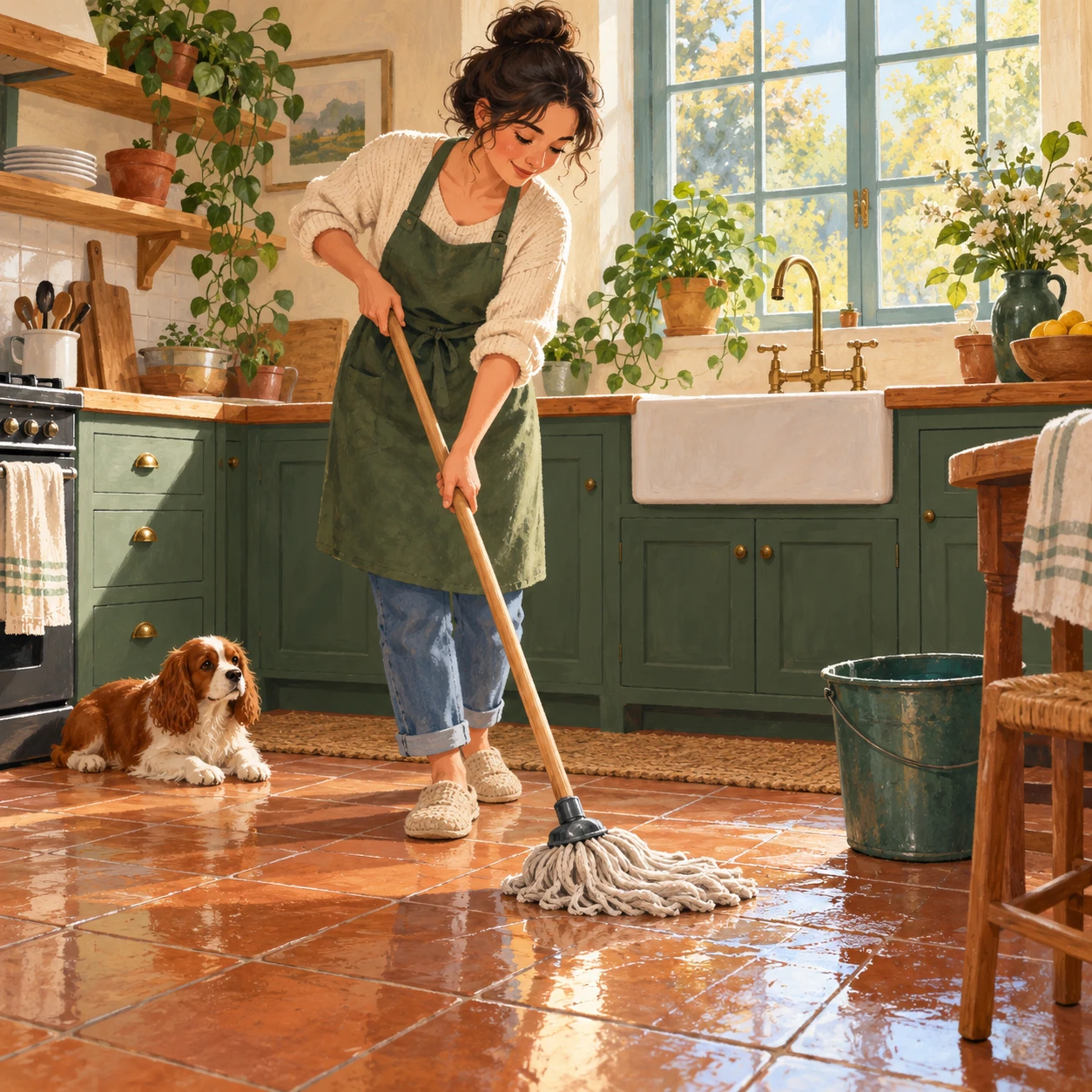
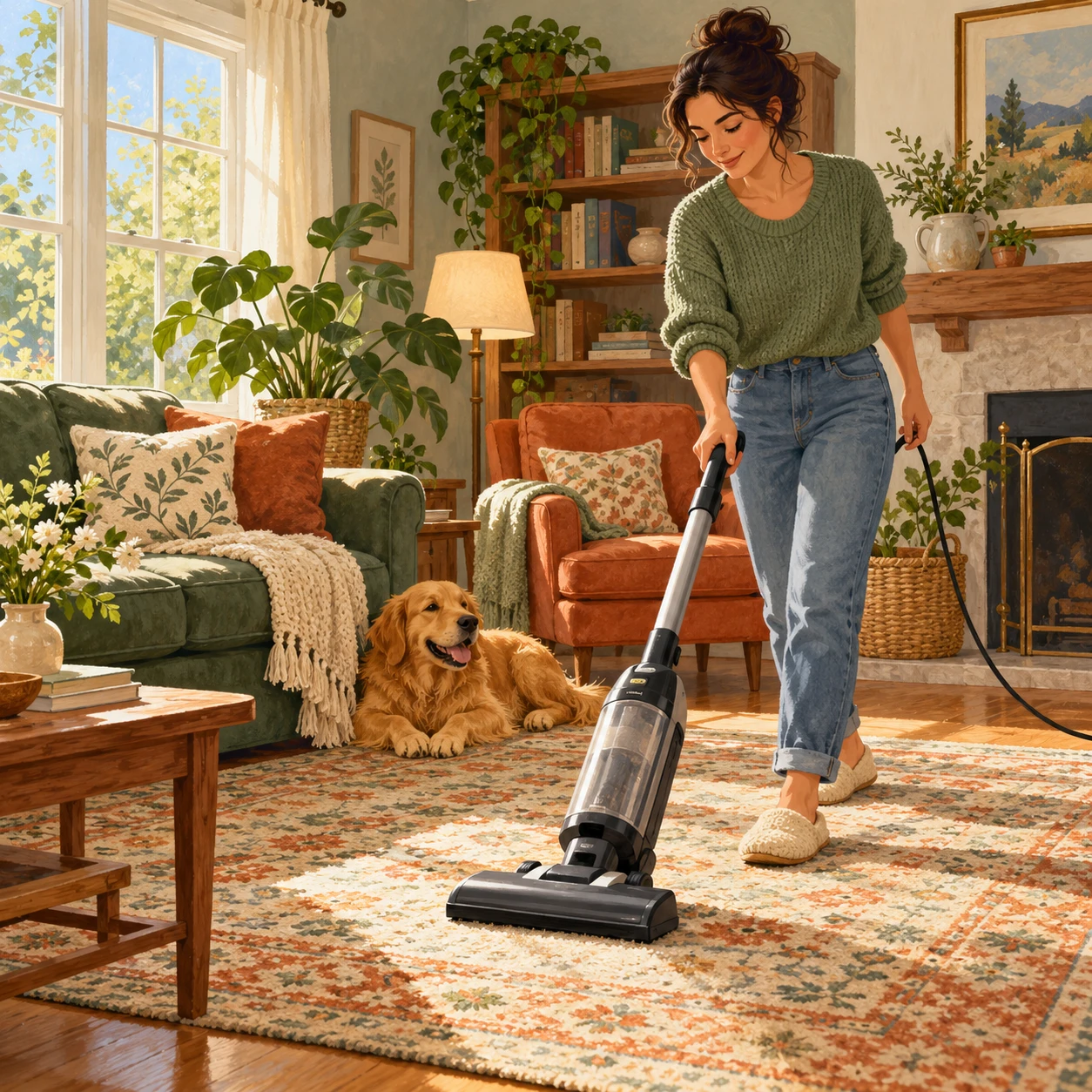
Unterscheide diese Bedeutungen im Zusammenhang: sweep = fegen; mop = wischen mit einem Mopp; vacuum = staubsaugen; dust = abstauben.
We sweep the kitchen every evening.

Hausarbeit · A2. Unterscheide diese Bedeutungen im Zusammenhang: sweep = fegen; mop = wischen mit einem Mopp; vacuum = staubsaugen; dust = abstauben.
Lerne zwölf nützliche Wörter zu diesem Thema. Sieh dir eigenständige Beispiele an und übe dann neue Situationen. Die Stufe ist eine redaktionelle Orientierung, kein Zertifikat.
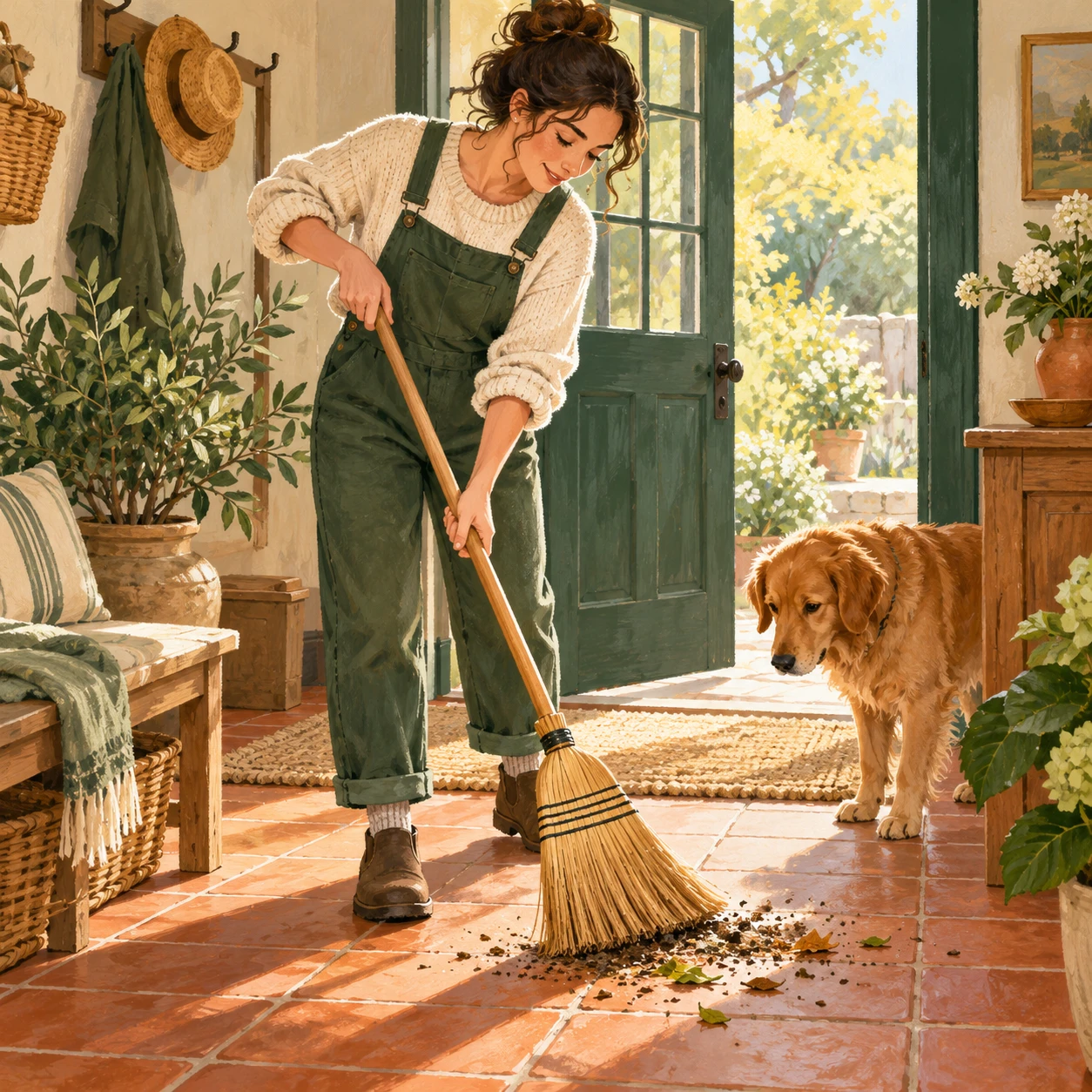
clean a floor using a brush or broom
We sweep the kitchen every evening.
Wir fegen jeden Abend die Küche.
Diese Angaben beziehen sich auf diese Bedeutung. Verwandte Wörter können andere Bedeutungen haben; ähnliche Ausdrücke sind nicht immer austauschbar.
Übe „sweep the floor“ als Wortverbindung. In dieser Einheit bedeutet „sweep“ fegen.
Unterscheide diese Bedeutungen im Zusammenhang: sweep = fegen; mop = wischen mit einem Mopp; vacuum = staubsaugen; dust = abstauben.
We sweep the kitchen every evening.
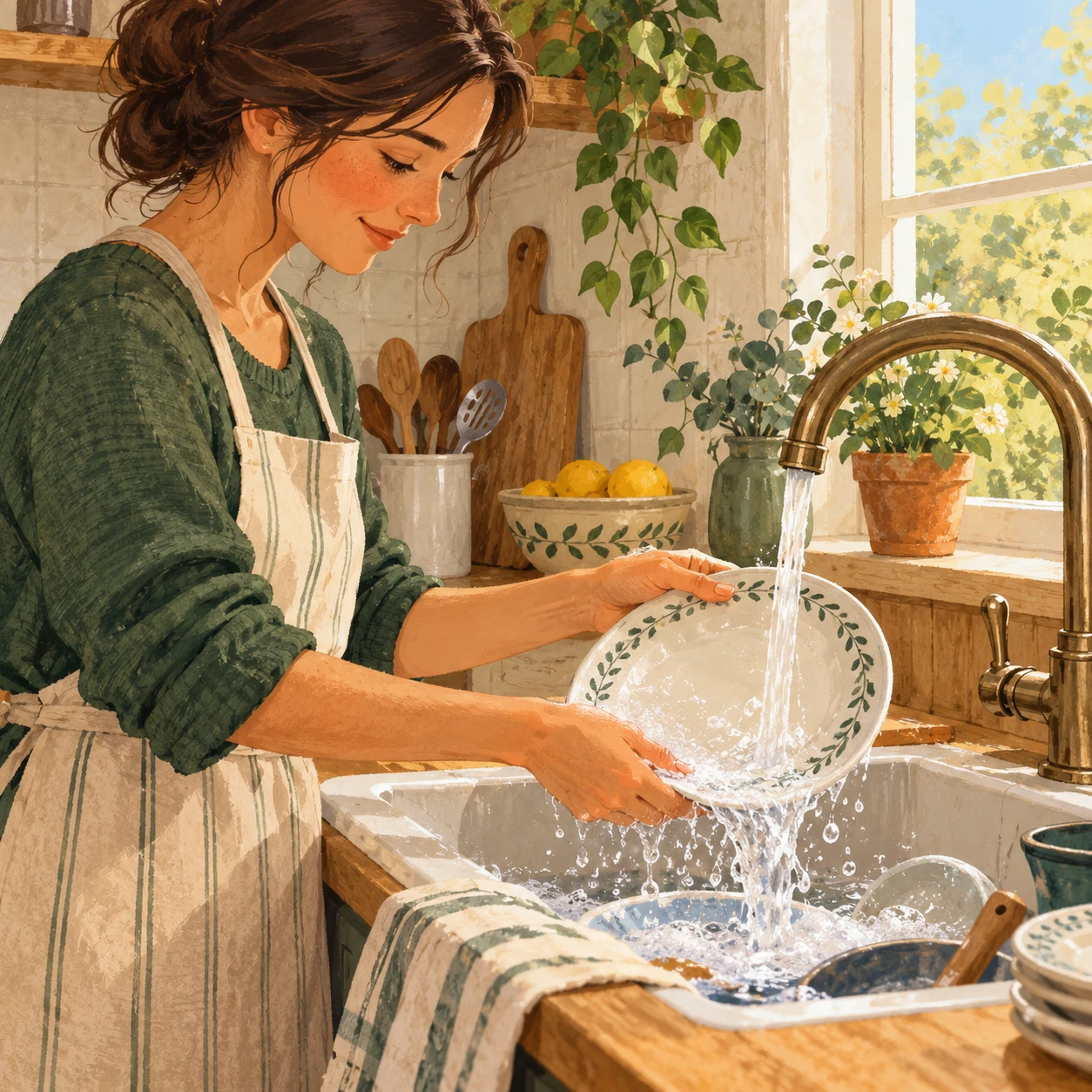
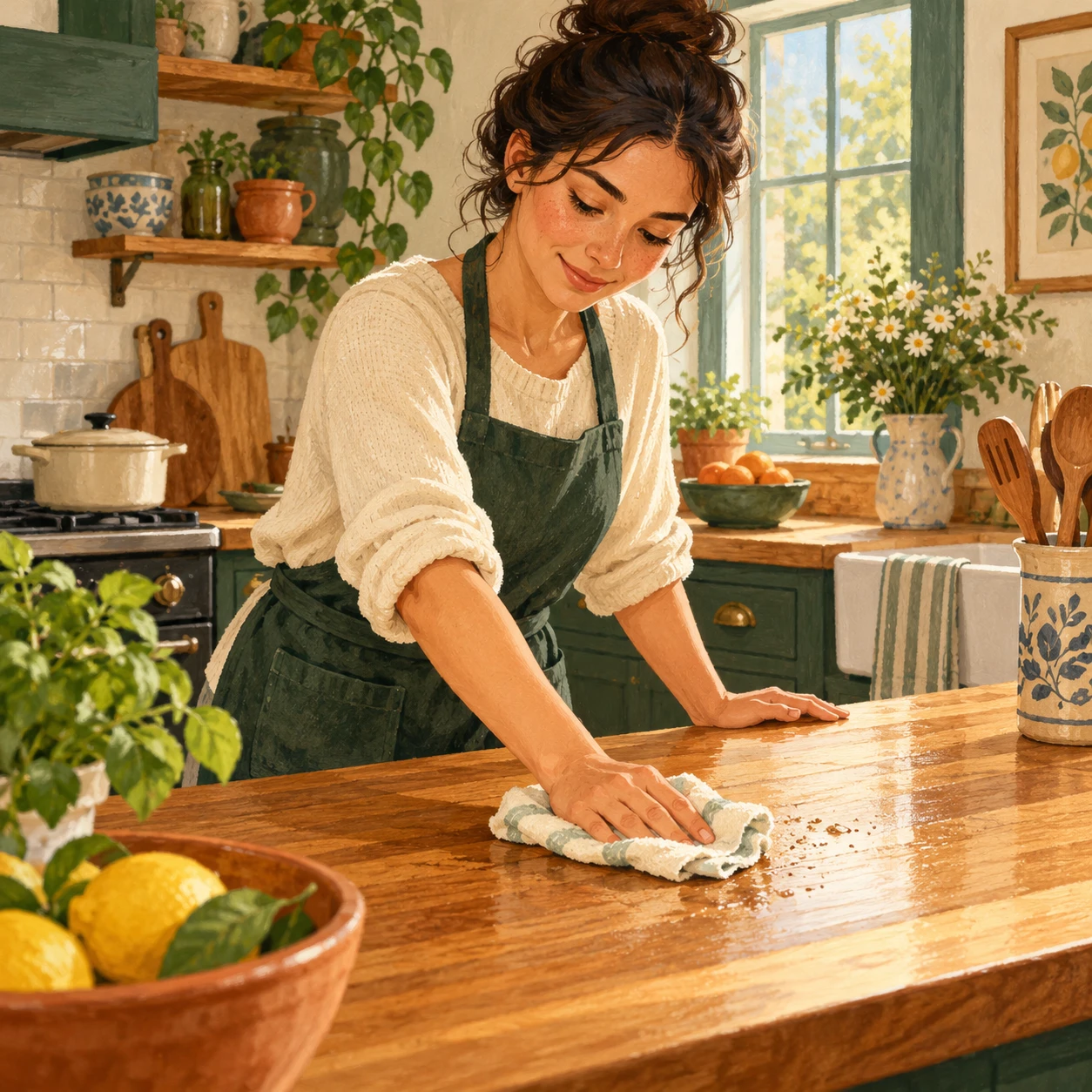
Unterscheide diese Bedeutungen im Zusammenhang: rinse = abspülen; scrub = schrubben; soak = einweichen; wipe = abwischen.
Rinse the cup before you use it.
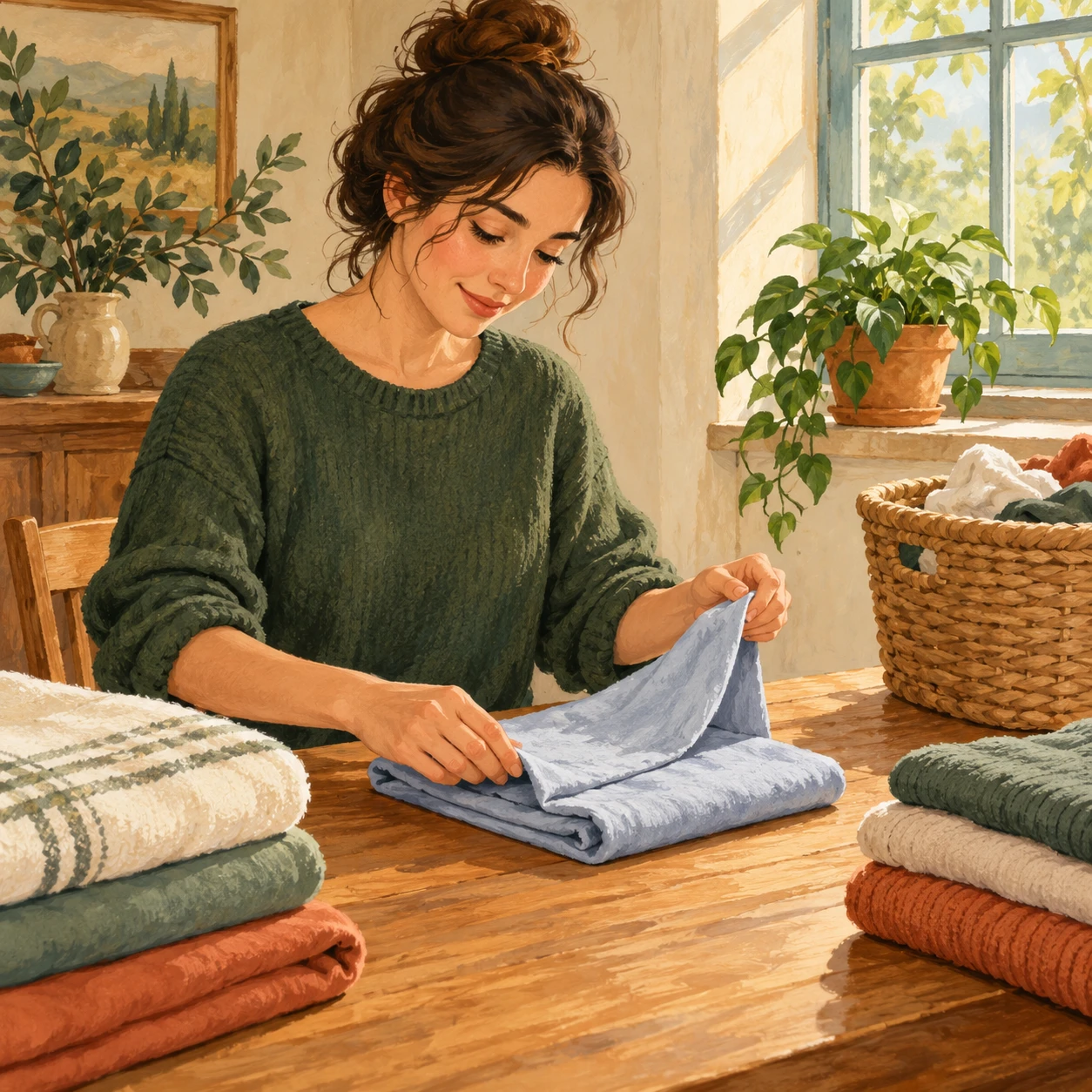
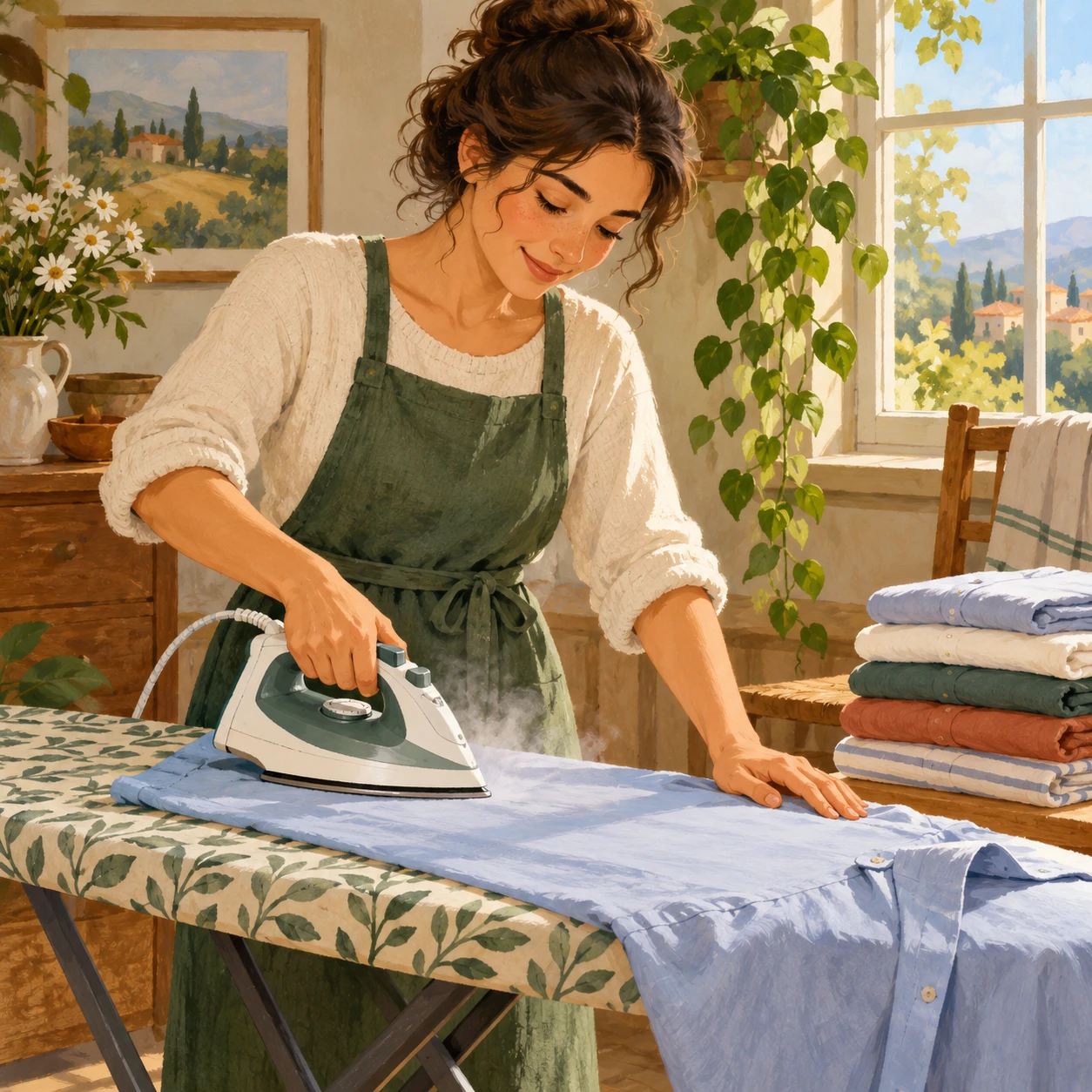
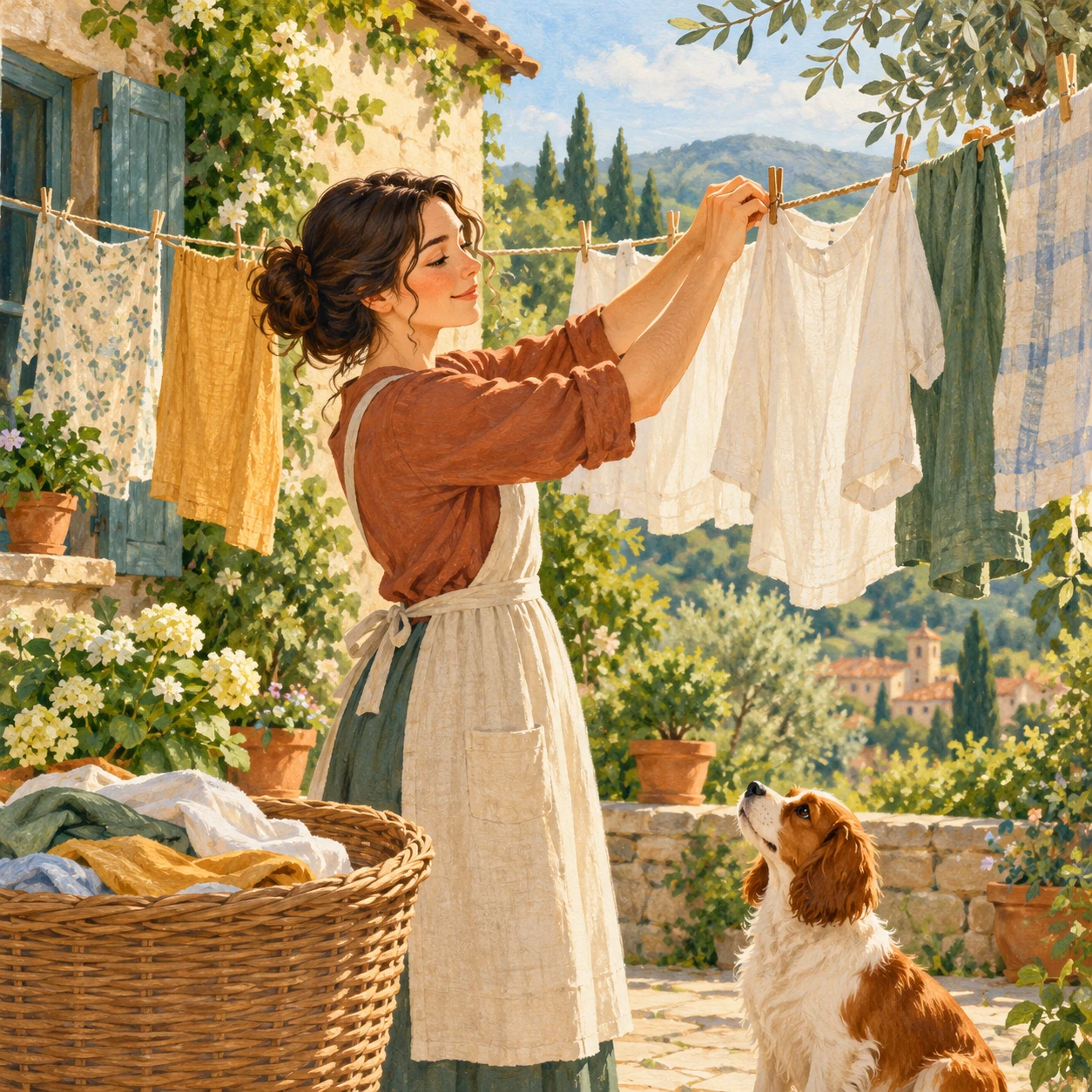
Unterscheide diese Bedeutungen im Zusammenhang: fold = falten; iron = bügeln; hang = aufhängen; mend = flicken.
He folds his shirts carefully.
Use a broom to ___ the dry leaves off the path.
Unterscheide diese Bedeutungen im Zusammenhang: sweep = fegen; mop = wischen mit einem Mopp; vacuum = staubsaugen; dust = abstauben.
We sweep the kitchen every evening.Unterscheide diese Bedeutungen im Zusammenhang: rinse = abspülen; scrub = schrubben; soak = einweichen; wipe = abwischen.
Rinse the cup before you use it.Unterscheide diese Bedeutungen im Zusammenhang: fold = falten; iron = bügeln; hang = aufhängen; mend = flicken.
He folds his shirts carefully.Bewahre den ersten Versuch. Verstehe die Änderung. Prüfe sie in einer neuen Situation.
Noch keine Lernnotizen. Starte mit einem kurzen Einstieg.
Das Öffnen einer Antwort wird für diese Aufgabe als Hilfe erfasst.
Use a broom to ___ the dry leaves off the path.
Achte auf „broom“. Hier ist „fegen“ gemeint: „sweep“. Das Werkzeug zählt: Besen, nasser Moppkopf, Saugmaschine oder trockenes Staubtuch. Vollständiger Satz: „Use a broom to sweep the dry leaves off the path.“.
After washing the plates, let clean water flow over them to remove the soap, without brushing or rubbing them. This final action is to ___ them.
Achte auf „remove the soap“. Hier ist „abspülen“ gemeint: „rinse“. Unterscheide fließendes Wasser, kräftiges wiederholtes Reiben, Liegenlassen in Wasser und Tuchbewegung über eine Fläche. Vollständiger Satz: „After washing the plates, let clean water flow over them to remove the soap, without brushing or rubbing them. This final action is to rinse them.“.
___ each towel in half so it fits neatly on the shelf.
Achte auf „in half“. Hier ist „falten“ gemeint: „fold“. Nutze die Änderung: zusammenlegen, mit Hitze glätten, von oben aufhängen oder Schaden reparieren. Vollständiger Satz: „fold each towel in half so it fits neatly on the shelf.“.
Dip the long-handled tool with cloth strips in water and ___ the muddy tiles.
Achte auf „cloth strips“. Hier ist „wischen mit einem Mopp“ gemeint: „mop“. Das Werkzeug zählt: Besen, nasser Moppkopf, Saugmaschine oder trockenes Staubtuch. Vollständiger Satz: „Dip the long-handled tool with cloth strips in water and mop the muddy tiles.“.
Turn on the machine and ___ the carpet to suck up the dust.
Achte auf „suck up“. Hier ist „staubsaugen“ gemeint: „vacuum“. Das Werkzeug zählt: Besen, nasser Moppkopf, Saugmaschine oder trockenes Staubtuch. Vollständiger Satz: „Turn on the machine and vacuum the carpet to suck up the dust.“.
Which verb specifically means removing the fine powder on a bookshelf with a soft dry cloth or feather duster? ___
Achte auf „soft dry cloth or feather duster“. Hier ist „abstauben“ gemeint: „dust“. Das Werkzeug zählt: Besen, nasser Moppkopf, Saugmaschine oder trockenes Staubtuch. Vollständiger Satz: „Which verb specifically means removing the fine powder on a bookshelf with a soft dry cloth or feather duster? dust“.
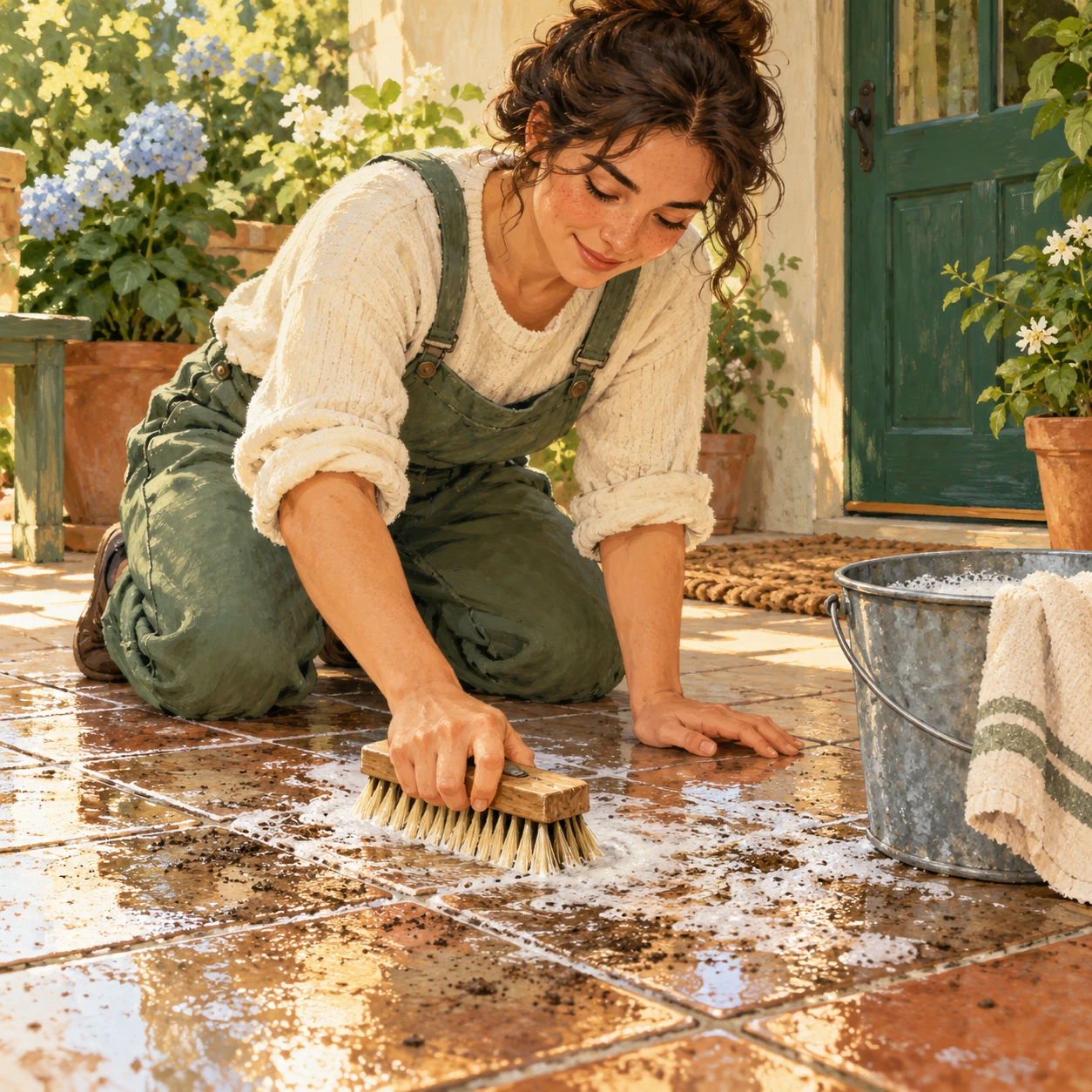
The stain is difficult to remove, so ___ it hard with a stiff brush.
Achte auf „stiff brush“. Hier ist „schrubben“ gemeint: „scrub“. Unterscheide fließendes Wasser, kräftiges wiederholtes Reiben, Liegenlassen in Wasser und Tuchbewegung über eine Fläche. Vollständiger Satz: „The stain is difficult to remove, so scrub it hard with a stiff brush.“.
Leave the dirty pan in warm water to ___ for half an hour.
Achte auf „half an hour“. Hier ist „einweichen“ gemeint: „soak“. Unterscheide fließendes Wasser, kräftiges wiederholtes Reiben, Liegenlassen in Wasser und Tuchbewegung über eine Fläche. Vollständiger Satz: „Leave the dirty pan in warm water to soak for half an hour.“.
With one gentle pass of a soft cloth, remove the fresh milk from the table without rubbing hard. The verb for this cloth movement is ___.
Achte auf „one gentle pass“. Hier ist „abwischen“ gemeint: „wipe“. Unterscheide fließendes Wasser, kräftiges wiederholtes Reiben, Liegenlassen in Wasser und Tuchbewegung über eine Fläche. Vollständiger Satz: „With one gentle pass of a soft cloth, remove the fresh milk from the table without rubbing hard. The verb for this cloth movement is wipe.“.
Use the heated flat metal tool to ___ the creases out of the shirt.
Achte auf „heated flat metal“. Hier ist „bügeln“ gemeint: „iron“. Nutze die Änderung: zusammenlegen, mit Hitze glätten, von oben aufhängen oder Schaden reparieren. Vollständiger Satz: „Use the heated flat metal tool to iron the creases out of the shirt.“.
___ the wet sheets on the washing line to dry.
Achte auf „washing line“. Hier ist „aufhängen“ gemeint: „hang“. Nutze die Änderung: zusammenlegen, mit Hitze glätten, von oben aufhängen oder Schaden reparieren. Vollständiger Satz: „hang the wet sheets on the washing line to dry.“.
Use a needle and thread to ___ the hole in this shirt.
Achte auf „needle and thread“. Hier ist „flicken“ gemeint: „mend“. Nutze die Änderung: zusammenlegen, mit Hitze glätten, von oben aufhängen oder Schaden reparieren. Vollständiger Satz: „Use a needle and thread to mend the hole in this shirt.“.
I will ___ the crumbs into a pile with this long-handled brush.
Achte auf „crumbs into a pile“. Hier ist „fegen“ gemeint: „sweep“. Das Werkzeug zählt: Besen, nasser Moppkopf, Saugmaschine oder trockenes Staubtuch. Vollständiger Satz: „I will sweep the crumbs into a pile with this long-handled brush.“.
We dip the absorbent cloth strips on a long handle into a bucket, then use that wet head to ___ the kitchen floor.
Achte auf „absorbent cloth strips“. Hier ist „wischen mit einem Mopp“ gemeint: „mop“. Das Werkzeug zählt: Besen, nasser Moppkopf, Saugmaschine oder trockenes Staubtuch. Vollständiger Satz: „We dip the absorbent cloth strips on a long handle into a bucket, then use that wet head to mop the kitchen floor.“.
Let clean water run over the soapy shirt to carry away the soap, without rubbing or using a brush. You ___ it.
Achte auf „carry away the soap“. Hier ist „abspülen“ gemeint: „rinse“. Unterscheide fließendes Wasser, kräftiges wiederholtes Reiben, Liegenlassen in Wasser und Tuchbewegung über eine Fläche. Vollständiger Satz: „Let clean water run over the soapy shirt to carry away the soap, without rubbing or using a brush. You rinse it.“.
Rub the burned pan repeatedly and firmly with a stiff brush, rather than a soft wiping cloth. You must ___ it.
Achte auf „repeatedly and firmly“. Hier ist „schrubben“ gemeint: „scrub“. Unterscheide fließendes Wasser, kräftiges wiederholtes Reiben, Liegenlassen in Wasser und Tuchbewegung über eine Fläche. Vollständiger Satz: „Rub the burned pan repeatedly and firmly with a stiff brush, rather than a soft wiping cloth. You must scrub it.“.
Bring the two ends of the blanket together to ___ it into a smaller shape.
Achte auf „two ends“. Hier ist „falten“ gemeint: „fold“. Nutze die Änderung: zusammenlegen, mit Hitze glätten, von oben aufhängen oder Schaden reparieren. Vollständiger Satz: „Bring the two ends of the blanket together to fold it into a smaller shape.“.
The trousers are wrinkled. Press a heated flat metal base over the fabric to remove the creases: ___ them.
Achte auf „heated flat metal base“. Hier ist „bügeln“ gemeint: „iron“. Nutze die Änderung: zusammenlegen, mit Hitze glätten, von oben aufhängen oder Schaden reparieren. Vollständiger Satz: „The trousers are wrinkled. Press a heated flat metal base over the fabric to remove the creases: iron them.“.
We need to ___ the rug; the cleaner’s dust bag is empty and ready.
Achte auf „cleaner’s dust bag“. Hier ist „staubsaugen“ gemeint: „vacuum“. Das Werkzeug zählt: Besen, nasser Moppkopf, Saugmaschine oder trockenes Staubtuch. Vollständiger Satz: „We need to vacuum the rug; the cleaner’s dust bag is empty and ready.“.
Remove the fine powder from the ornaments by gently passing a soft dry cloth over them, without a machine or liquid. You ___ them.
Achte auf „soft dry cloth“. Hier ist „abstauben“ gemeint: „dust“. Das Werkzeug zählt: Besen, nasser Moppkopf, Saugmaschine oder trockenes Staubtuch. Vollständiger Satz: „Remove the fine powder from the ornaments by gently passing a soft dry cloth over them, without a machine or liquid. You dust them.“.
Leave the cloth fully immersed and untouched in still water for ten minutes before washing. You ___ it.
Achte auf „fully immersed and untouched“. Hier ist „einweichen“ gemeint: „soak“. Unterscheide fließendes Wasser, kräftiges wiederholtes Reiben, Liegenlassen in Wasser und Tuchbewegung über eine Fläche. Vollständiger Satz: „Leave the cloth fully immersed and untouched in still water for ten minutes before washing. You soak it.“.
Pass a cloth gently over the mirror once to remove fresh fingerprints, without hard repeated rubbing. You ___ the mirror.
Achte auf „cloth gently“. Hier ist „abwischen“ gemeint: „wipe“. Unterscheide fließendes Wasser, kräftiges wiederholtes Reiben, Liegenlassen in Wasser und Tuchbewegung über eine Fläche. Vollständiger Satz: „Pass a cloth gently over the mirror once to remove fresh fingerprints, without hard repeated rubbing. You wipe the mirror.“.
Put the coat on a hook and ___ it behind the door.
Achte auf „hook“. Hier ist „aufhängen“ gemeint: „hang“. Nutze die Änderung: zusammenlegen, mit Hitze glätten, von oben aufhängen oder Schaden reparieren. Vollständiger Satz: „Put the coat on a hook and hang it behind the door.“.
I will ___ the torn pocket instead of buying a new jacket.
Achte auf „torn pocket“. Hier ist „flicken“ gemeint: „mend“. Nutze die Änderung: zusammenlegen, mit Hitze glätten, von oben aufhängen oder Schaden reparieren. Vollständiger Satz: „I will mend the torn pocket instead of buying a new jacket.“.