A1

At a restaurant Exercises

About this lesson

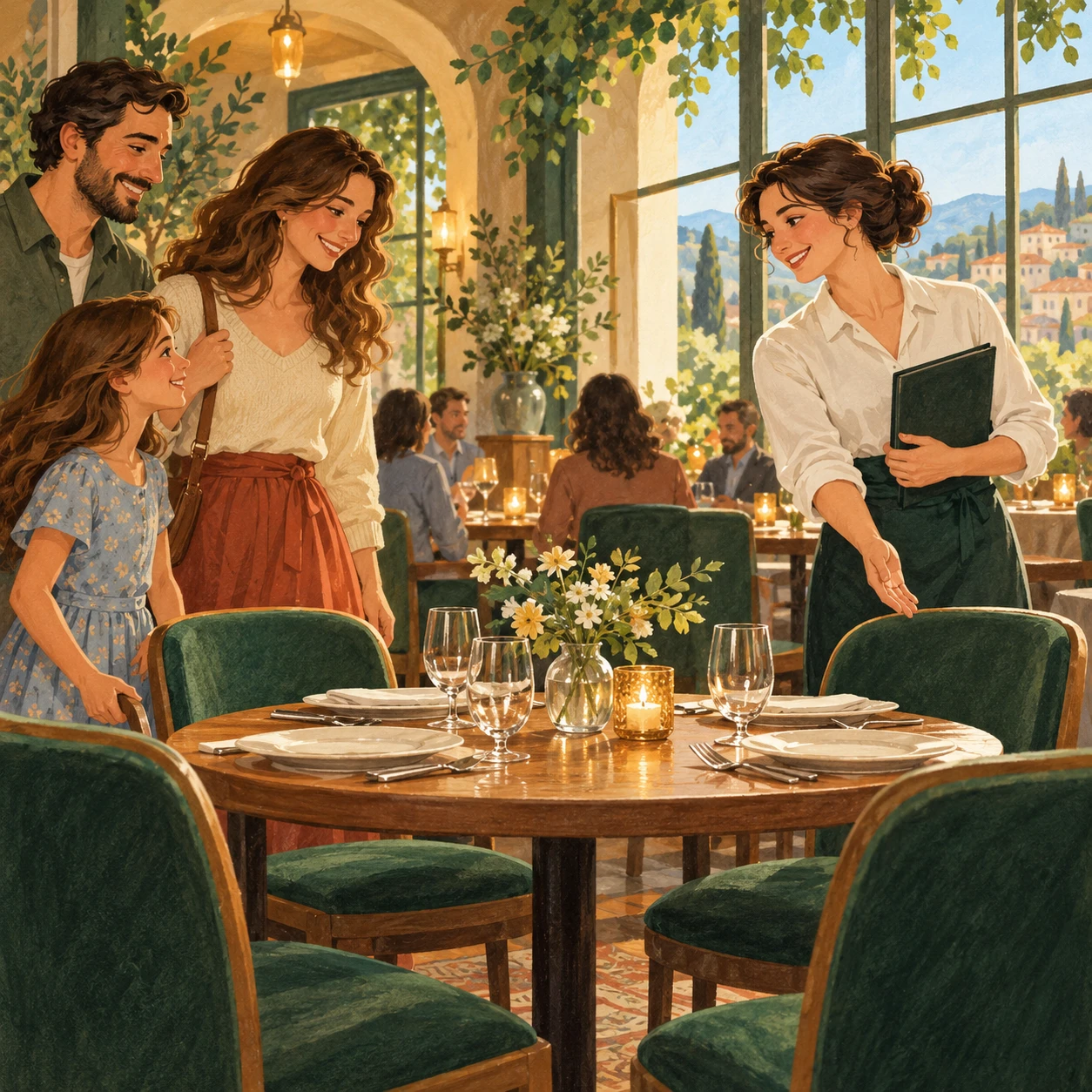
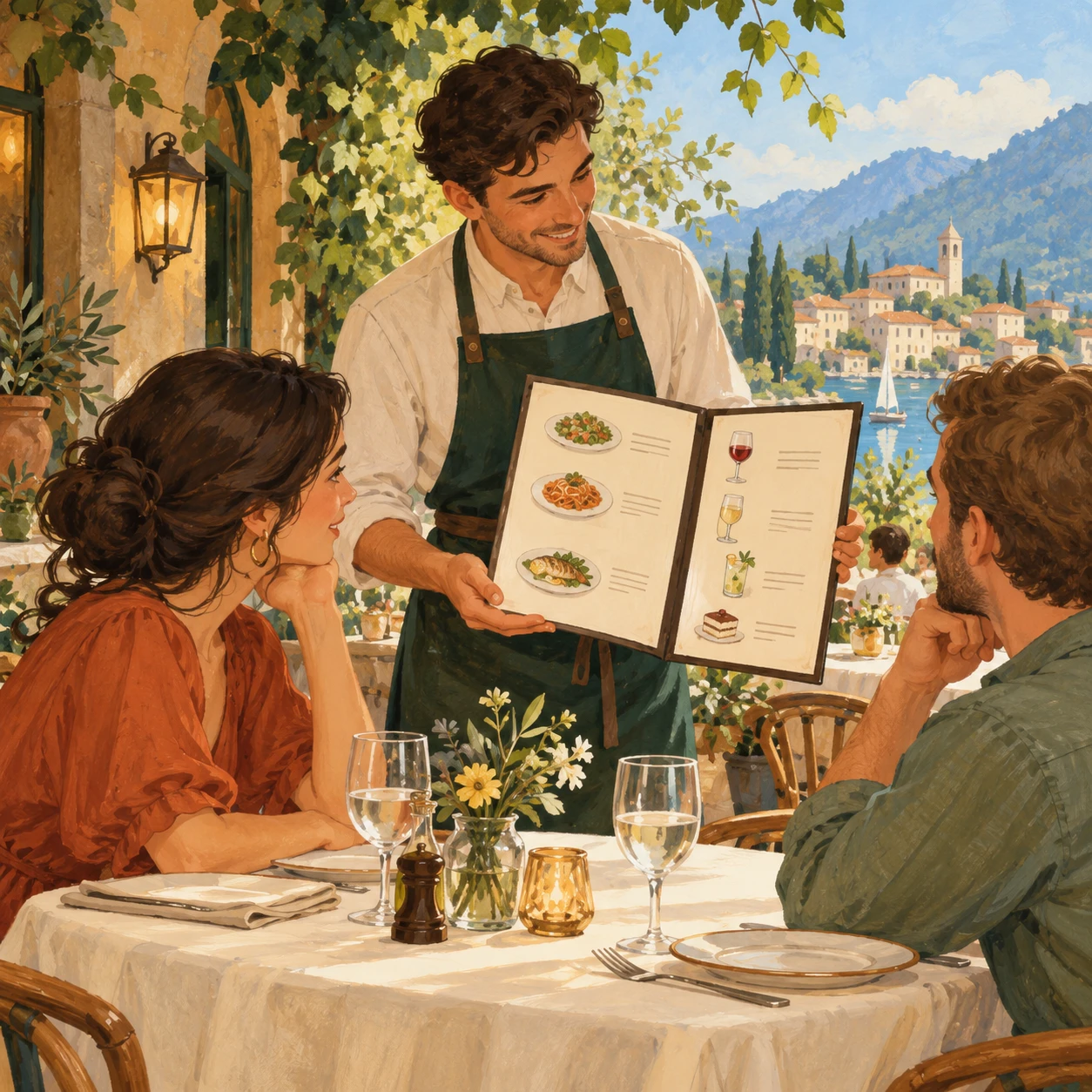
At a restaurant · A1. Distinguish these meanings in context: menu = a list of the food and drinks available; bill = a written statement of how much you must pay; tip = extra money given to a person for their service; reservation = an arrangement to keep a table or room for you.

Learn twelve useful words in this topic. Study independent examples, then practise them in new situations. The level is an editorial guide, not a certification.

24 items
Save it to find it in My collection.
Vocabulary

Learning cards

1/12
menu
menu
A1
01 / 12
Save it to find it in My collection.

menu

a list of the food and drinks available
In a sentence

The menu has pictures of the dishes.

The menu has pictures of the dishes.

Useful combinations
read the menua lunch menu

Word forms & family

menus (n.)

Similar meanings & paraphrases

No common direct equivalent for this sense.

These match this sense. Word families can change meaning; near meanings are not always interchangeable.

Practise “read the menu” as a word partnership. In this unit “menu” means a list of the food and drinks available.

0 Saved words

A little clarity first

menu · bill · tip · reservation

Distinguish these meanings in context: menu = a list of the food and drinks available; bill = a written statement of how much you must pay; tip = extra money given to a person for their service; reservation = an arrangement to keep a table or room for you.

The menu has pictures of the dishes.

fork · knife · spoon · plate

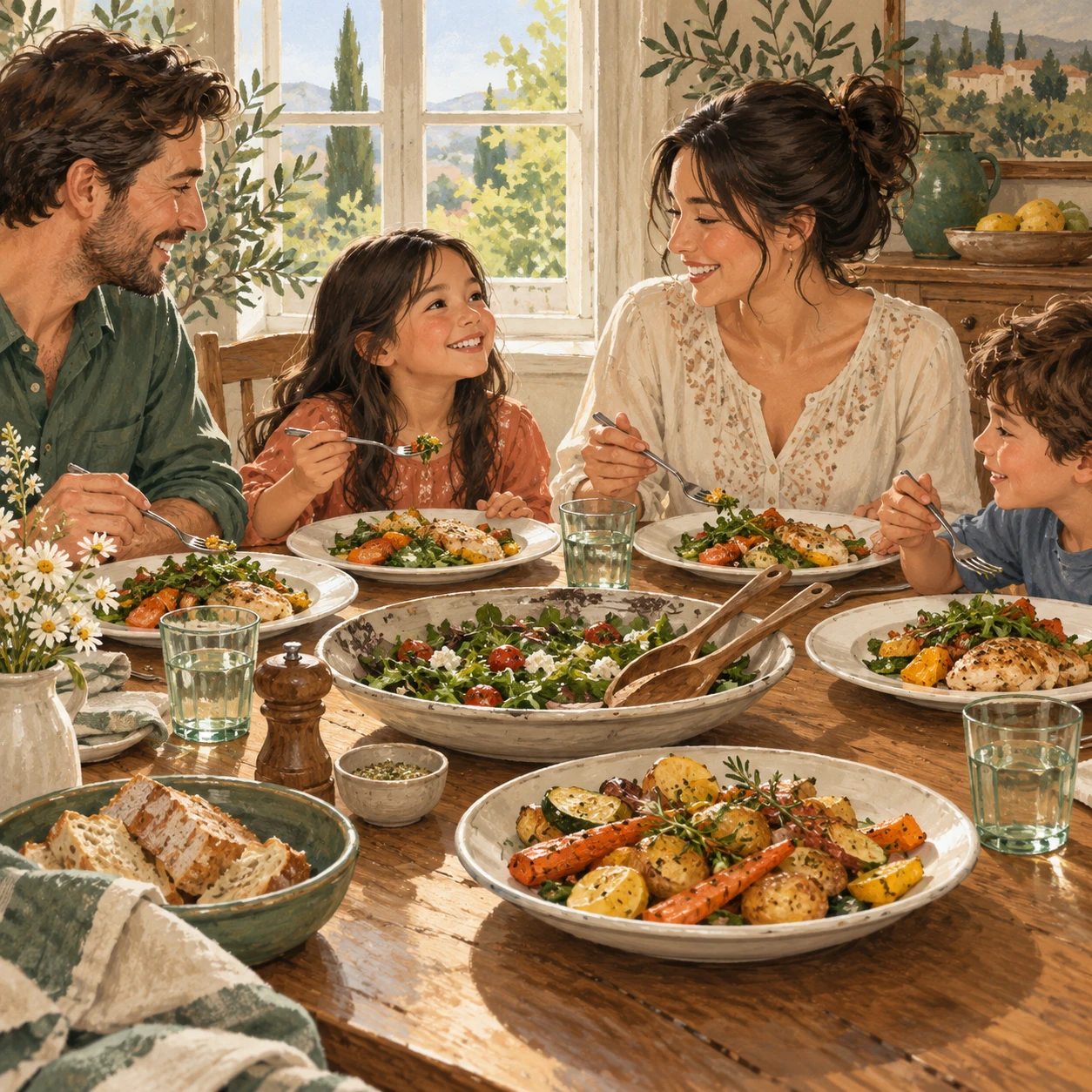
Distinguish these meanings in context: fork = an eating tool with several long pointed parts; knife = a tool with a sharp blade used for cutting; spoon = an eating tool with a small bowl at one end; plate = a flat round dish used for serving food.

I eat the salad with a fork.

bowl · cup · glass · napkin

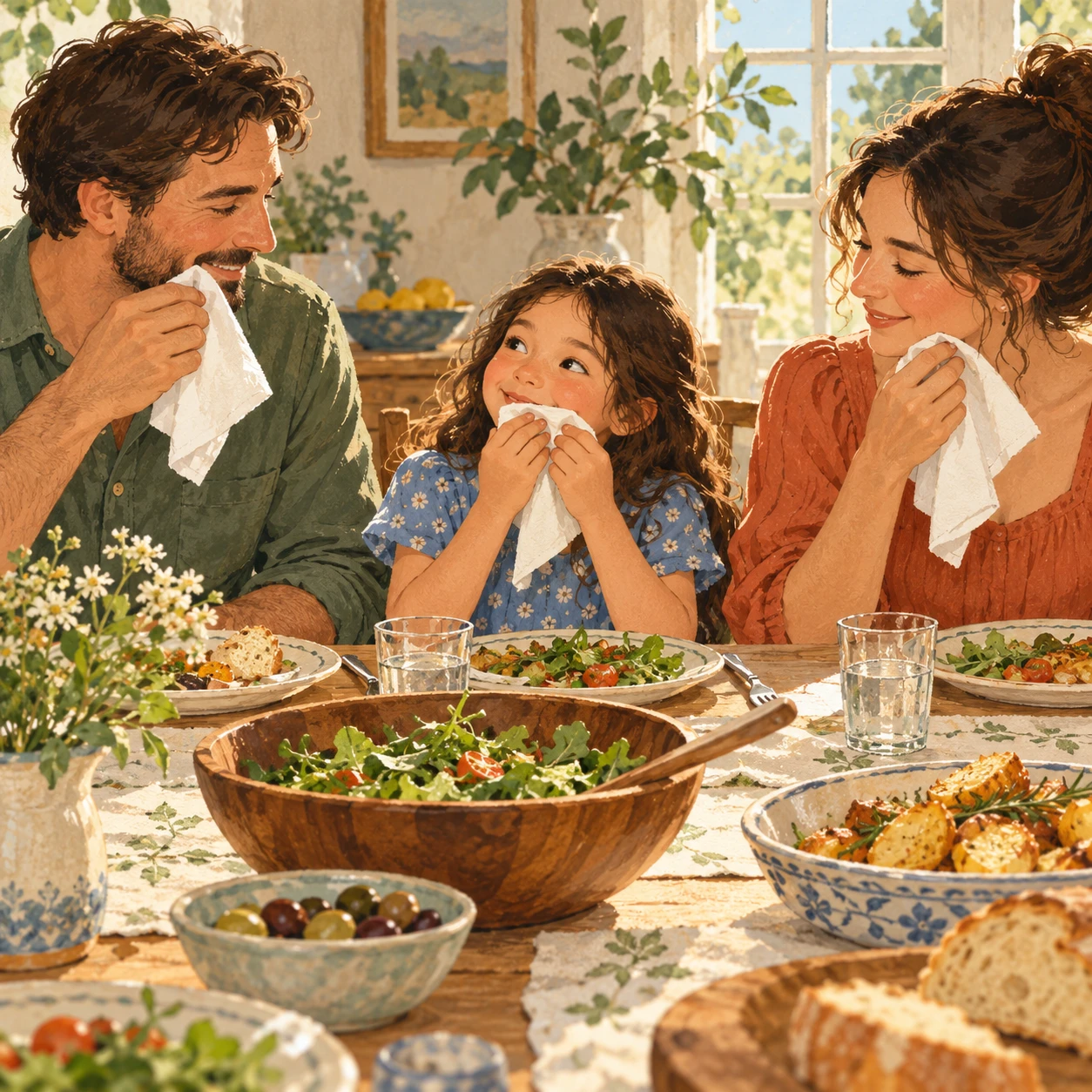
Distinguish these meanings in context: bowl = a deep round dish for food or liquid; cup = a small drinking container usually with a handle; glass = a drinking container made of glass, usually without a handle; napkin = a small piece of cloth or paper used while eating.

The cat drinks from a blue bowl.

0/24
Questions
01 / 24D01Save it to find it in My collection.

We read the ___ to choose our food.

Choose the word that completes the sentence.

Your answer
1 / 24

Your learning route

01
Step 1 · Warm-up

Warm-up

0/3
02
Step 2 · Build the skill

menu · bill · tip · reservation

0/3

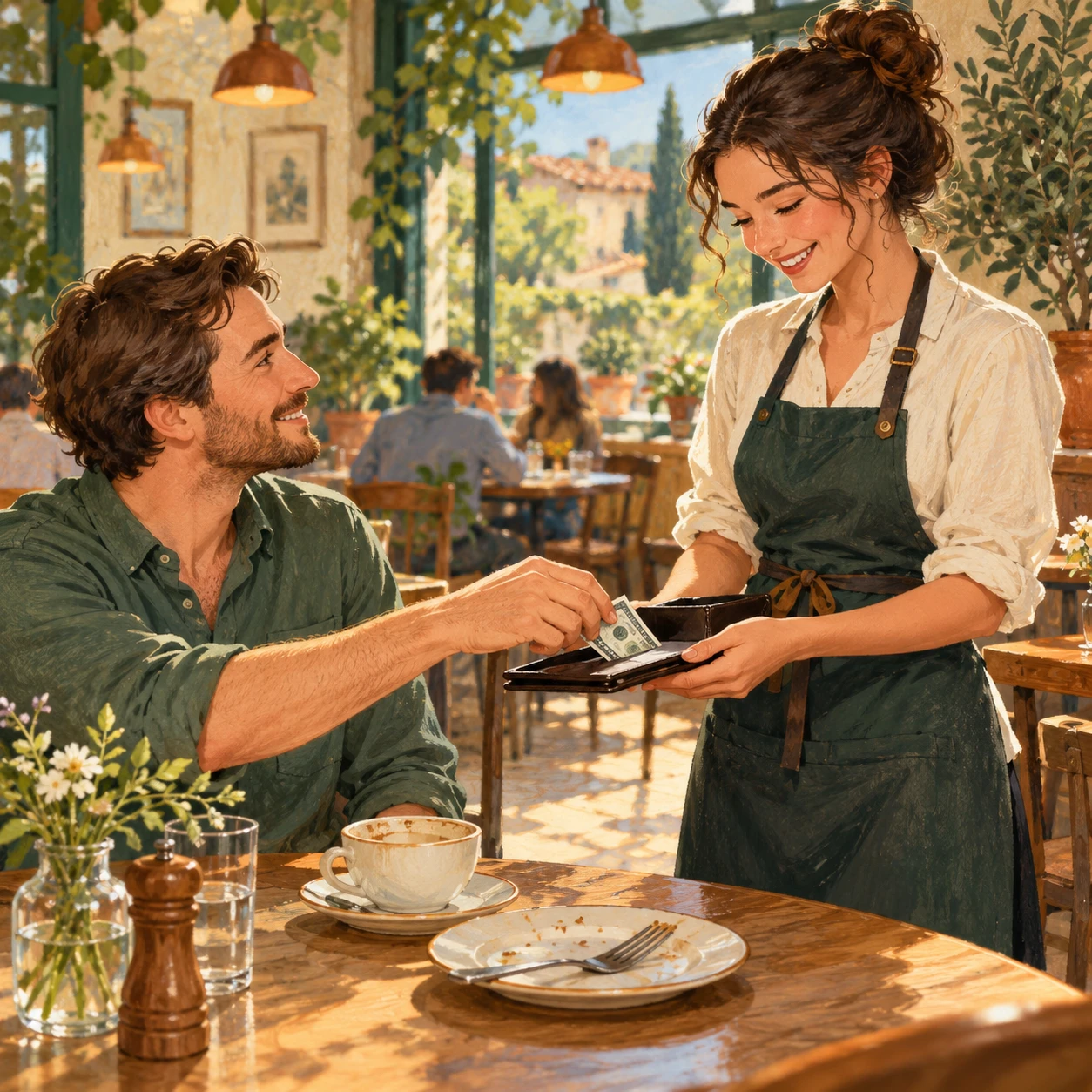
Distinguish these meanings in context: menu = a list of the food and drinks available; bill = a written statement of how much you must pay; tip = extra money given to a person for their service; reservation = an arrangement to keep a table or room for you.

The menu has pictures of the dishes.
03
Step 3 · Build the skill

fork · knife · spoon · plate

0/3

Distinguish these meanings in context: fork = an eating tool with several long pointed parts; knife = a tool with a sharp blade used for cutting; spoon = an eating tool with a small bowl at one end; plate = a flat round dish used for serving food.

I eat the salad with a fork.
04
Step 4 · Build the skill

bowl · cup · glass · napkin

0/3

Distinguish these meanings in context: bowl = a deep round dish for food or liquid; cup = a small drinking container usually with a handle; glass = a drinking container made of glass, usually without a handle; napkin = a small piece of cloth or paper used while eating.

The cat drinks from a blue bowl.
05
Step 5 · New contexts

New contexts

0/6
06
Step 6 · A fresh challenge

A fresh challenge

0/6
Practice notes in this unit

Make mistakes useful.

Keep the first try. Understand the change. Check it in a fresh situation.

0

No practice notes yet. Try a short warm-up.

Questions & answers

Opening an answer records help for that question.

D01 · Warm-up

We read the ___ to choose our food.

Choose the word that completes the sentence.

  1. menu
  2. tip
  3. bill
  4. reservation
Answer & explanation
menu

Look at “choose our food”. Here we need “a list of the food and drinks available”: “menu”. Choosing food, owing a total, paying extra for service and booking ahead are different. Completed sentence: “We read the menu to choose our food.”.

D02 · Warm-up

Use the ___ with four points to pick up the pasta.

Choose the word that completes the sentence.

  1. fork
  2. knife
  3. spoon
  4. plate
Answer & explanation
fork

Look at “four points”. Here we need “an eating tool with several long pointed parts”: “fork”. Check the object’s shape and intended use, not a way you could improvise with it. Completed sentence: “Use the fork with four points to pick up the pasta.”.

D03 · Warm-up

She pours cereal and milk into a wide ___ with curved sides, not a drinking container.

Choose the word that completes the sentence.

  1. napkin
  2. cup
  3. glass
  4. bowl
Answer & explanation
bowl

Look at “wide”. Here we need “a deep round dish for food or liquid”: “bowl”. Check the object’s shape and intended use, not a way you could improvise with it. Completed sentence: “She pours cereal and milk into a wide bowl with curved sides, not a drinking container.”.

P01 · Build the skill

We have finished eating. Could we have the ___ so we can pay?

Choose the word that completes the sentence.

  1. bill
  2. menu
  3. reservation
  4. tip
Answer & explanation
bill

Look at “so we can pay”. Here we need “a written statement of how much you must pay”: “bill”. Choosing food, owing a total, paying extra for service and booking ahead are different. Completed sentence: “We have finished eating. Could we have the bill so we can pay?”.

P02 · Build the skill

The service was excellent, so we left an extra five pounds as a ___.

Choose the word that completes the sentence.

  1. menu
  2. bill
  3. tip
  4. reservation
Answer & explanation
tip

Look at “extra five pounds”. Here we need “extra money given to a person for their service”: “tip”. Choosing food, owing a total, paying extra for service and booking ahead are different. Completed sentence: “The service was excellent, so we left an extra five pounds as a tip.”.

P03 · Build the skill

I called yesterday to book a table. I have a ___ for two people.

Choose the word that completes the sentence.

  1. bill
  2. tip
  3. menu
  4. reservation
Answer & explanation
reservation

Look at “book a table”. Here we need “an arrangement to keep a table or room for you”: “reservation”. Choosing food, owing a total, paying extra for service and booking ahead are different. Completed sentence: “I called yesterday to book a table. I have a reservation for two people.”.

P04 · Build the skill

Which table utensil has a sharp blade for cutting meat into pieces? ___

Choose the word that completes the sentence.

  1. spoon
  2. fork
  3. knife
  4. plate
Answer & explanation
knife

Look at “sharp blade”. Here we need “a tool with a sharp blade used for cutting”: “knife”. Check the object’s shape and intended use, not a way you could improvise with it. Completed sentence: “Which table utensil has a sharp blade for cutting meat into pieces? knife”.

P05 · Build the skill

Use a ___ to lift the soup to your mouth.

Choose the word that completes the sentence.

  1. knife
  2. fork
  3. spoon
  4. plate
Answer & explanation
spoon

Look at “lift the soup”. Here we need “an eating tool with a small bowl at one end”: “spoon”. Check the object’s shape and intended use, not a way you could improvise with it. Completed sentence: “Use a spoon to lift the soup to your mouth.”.

P06 · Build the skill

Put the pizza on a flat ___, not in a deep bowl.

Choose the word that completes the sentence.

  1. plate
  2. knife
  3. fork
  4. spoon
Answer & explanation
plate

Look at “flat”. Here we need “a flat round dish used for serving food”: “plate”. Check the object’s shape and intended use, not a way you could improvise with it. Completed sentence: “Put the pizza on a flat plate, not in a deep bowl.”.

P07 · Build the skill

It has a handle and a saucer. We drink tea from it. It is not a drinking glass. It is a ___.

Choose the word that completes the sentence.

  1. bowl
  2. cup
  3. napkin
  4. glass
Answer & explanation
cup

Look at “handle and a saucer”. Here we need “a small drinking container usually with a handle”: “cup”. Check the object’s shape and intended use, not a way you could improvise with it. Completed sentence: “It has a handle and a saucer. We drink tea from it. It is not a drinking glass. It is a cup.”.

P08 · Build the skill

Windows are made of it. We use the same word for something we drink water from. The word is ___.

Choose the word that completes the sentence.

  1. glass
  2. bowl
  3. napkin
  4. cup
Answer & explanation
glass

Look at “Windows are made of it”. Here we need “a drinking container made of glass, usually without a handle”: “glass”. Check the object’s shape and intended use, not a way you could improvise with it. Completed sentence: “Windows are made of it. We use the same word for something we drink water from. The word is glass.”.

P09 · Build the skill

Wipe the food from your mouth with a ___.

Choose the word that completes the sentence.

  1. cup
  2. bowl
  3. glass
  4. napkin
Answer & explanation
napkin

Look at “Wipe the food”. Here we need “a small piece of cloth or paper used while eating”: “napkin”. Check the object’s shape and intended use, not a way you could improvise with it. Completed sentence: “Wipe the food from your mouth with a napkin.”.

R01 · New contexts

Before we order, the waiter gives us a ___ listing every dish available to choose and its price.

Choose the word that completes the sentence.

  1. tip
  2. menu
  3. bill
  4. reservation
Answer & explanation
menu

Look at “listing every dish”. Here we need “a list of the food and drinks available”: “menu”. Choosing food, owing a total, paying extra for service and booking ahead are different. Completed sentence: “Before we order, the waiter gives us a menu listing every dish available to choose and its price.”.

R02 · New contexts

After the meal, the waiter brings our ___ showing the total amount we owe for what we ate.

Choose the word that completes the sentence.

  1. tip
  2. bill
  3. menu
  4. reservation
Answer & explanation
bill

Look at “total amount we owe”. Here we need “a written statement of how much you must pay”: “bill”. Choosing food, owing a total, paying extra for service and booking ahead are different. Completed sentence: “After the meal, the waiter brings our bill showing the total amount we owe for what we ate.”.

R03 · New contexts

He pushes the points of his ___ into a piece of potato.

Choose the word that completes the sentence.

  1. plate
  2. knife
  3. spoon
  4. fork
Answer & explanation
fork

Look at “points”. Here we need “an eating tool with several long pointed parts”: “fork”. Check the object’s shape and intended use, not a way you could improvise with it. Completed sentence: “He pushes the points of his fork into a piece of potato.”.

R04 · New contexts

Be careful: the blade of that ___ is sharp.

Choose the word that completes the sentence.

  1. knife
  2. spoon
  3. plate
  4. fork
Answer & explanation
knife

Look at “blade”. Here we need “a tool with a sharp blade used for cutting”: “knife”. Check the object’s shape and intended use, not a way you could improvise with it. Completed sentence: “Be careful: the blade of that knife is sharp.”.

R05 · New contexts

Which word names a wide, deep eating dish for soup, rather than a drinking cup or glass? ___

Choose the word that completes the sentence.

  1. cup
  2. glass
  3. bowl
  4. napkin
Answer & explanation
bowl

Look at “wide, deep eating dish”. Here we need “a deep round dish for food or liquid”: “bowl”. Check the object’s shape and intended use, not a way you could improvise with it. Completed sentence: “Which word names a wide, deep eating dish for soup, rather than a drinking cup or glass? bowl”.

R06 · New contexts

She asks for a small handled drinking container with a matching saucer for coffee. It is not a glass. It is a ___.

Choose the word that completes the sentence.

  1. bowl
  2. cup
  3. glass
  4. napkin
Answer & explanation
cup

Look at “handled drinking container”. Here we need “a small drinking container usually with a handle”: “cup”. Check the object’s shape and intended use, not a way you could improvise with it. Completed sentence: “She asks for a small handled drinking container with a matching saucer for coffee. It is not a glass. It is a cup.” / “She asks for a small cup and saucer for her coffee.”.

X01 · A fresh challenge

A ___ is extra money for service, not the price of the meal.

Choose the word that completes the sentence.

  1. menu
  2. reservation
  3. tip
  4. bill
Answer & explanation
tip

Look at “extra money for service”. Here we need “extra money given to a person for their service”: “tip”. Choosing food, owing a total, paying extra for service and booking ahead are different. Completed sentence: “A tip is extra money for service, not the price of the meal.”.

X02 · A fresh challenge

The restaurant is full, but they have kept a table for our ___.

Choose the word that completes the sentence.

  1. menu
  2. reservation
  3. bill
  4. tip
Answer & explanation
reservation

Look at “kept a table”. Here we need “an arrangement to keep a table or room for you”: “reservation”. Choosing food, owing a total, paying extra for service and booking ahead are different. Completed sentence: “The restaurant is full, but they have kept a table for our reservation.”.

X03 · A fresh challenge

Which table utensil has a small rounded hollow end for measuring loose sugar into coffee? ___

Choose the word that completes the sentence.

  1. fork
  2. plate
  3. knife
  4. spoon
Answer & explanation
spoon

Look at “rounded hollow end”. Here we need “an eating tool with a small bowl at one end”: “spoon”. Check the object’s shape and intended use, not a way you could improvise with it. Completed sentence: “Which table utensil has a small rounded hollow end for measuring loose sugar into coffee? spoon”.

X04 · A fresh challenge

The waiter puts a clean flat ___ in front of each person for the main course.

Choose the word that completes the sentence.

  1. fork
  2. spoon
  3. plate
  4. knife
Answer & explanation
plate

Look at “flat”. Here we need “a flat round dish used for serving food”: “plate”. Check the object’s shape and intended use, not a way you could improvise with it. Completed sentence: “The waiter puts a clean flat plate in front of each person for the main course.”.

X05 · A fresh challenge

What is the usual name for a tall, straight-sided drinking container with a flat base and no handle, used for cold water at the table? A ___.

Choose the word that completes the sentence.

  1. napkin
  2. bowl
  3. glass
  4. plate
Answer & explanation
glass

Look at “tall, straight-sided drinking container with a flat base and no handle”. Here we need “a drinking container made of glass, usually without a handle”: “glass”. Check the object’s shape and intended use, not a way you could improvise with it. Completed sentence: “What is the usual name for a tall, straight-sided drinking container with a flat base and no handle, used for cold water at the table? A glass.” / “Her tall, narrow drinking glass is made of glass and has no handle.”.

X06 · A fresh challenge

There is a folded paper ___ next to each plate.

Choose the word that completes the sentence.

  1. glass
  2. napkin
  3. cup
  4. bowl
Answer & explanation
napkin

Look at “folded paper”. Here we need “a small piece of cloth or paper used while eating”: “napkin”. Check the object’s shape and intended use, not a way you could improvise with it. Completed sentence: “There is a folded paper napkin next to each plate.”.