menu · addition · pourboire · réservation
Distinguez ces sens en contexte : menu = menu; bill = addition; tip = pourboire; reservation = réservation.
The menu has pictures of the dishes.

Au restaurant · A1. Distinguez ces sens en contexte : menu = menu; bill = addition; tip = pourboire; reservation = réservation.
Apprenez douze mots utiles sur ce thème. Étudiez des exemples indépendants puis pratiquez de nouvelles situations. Le niveau est indicatif, sans certification.
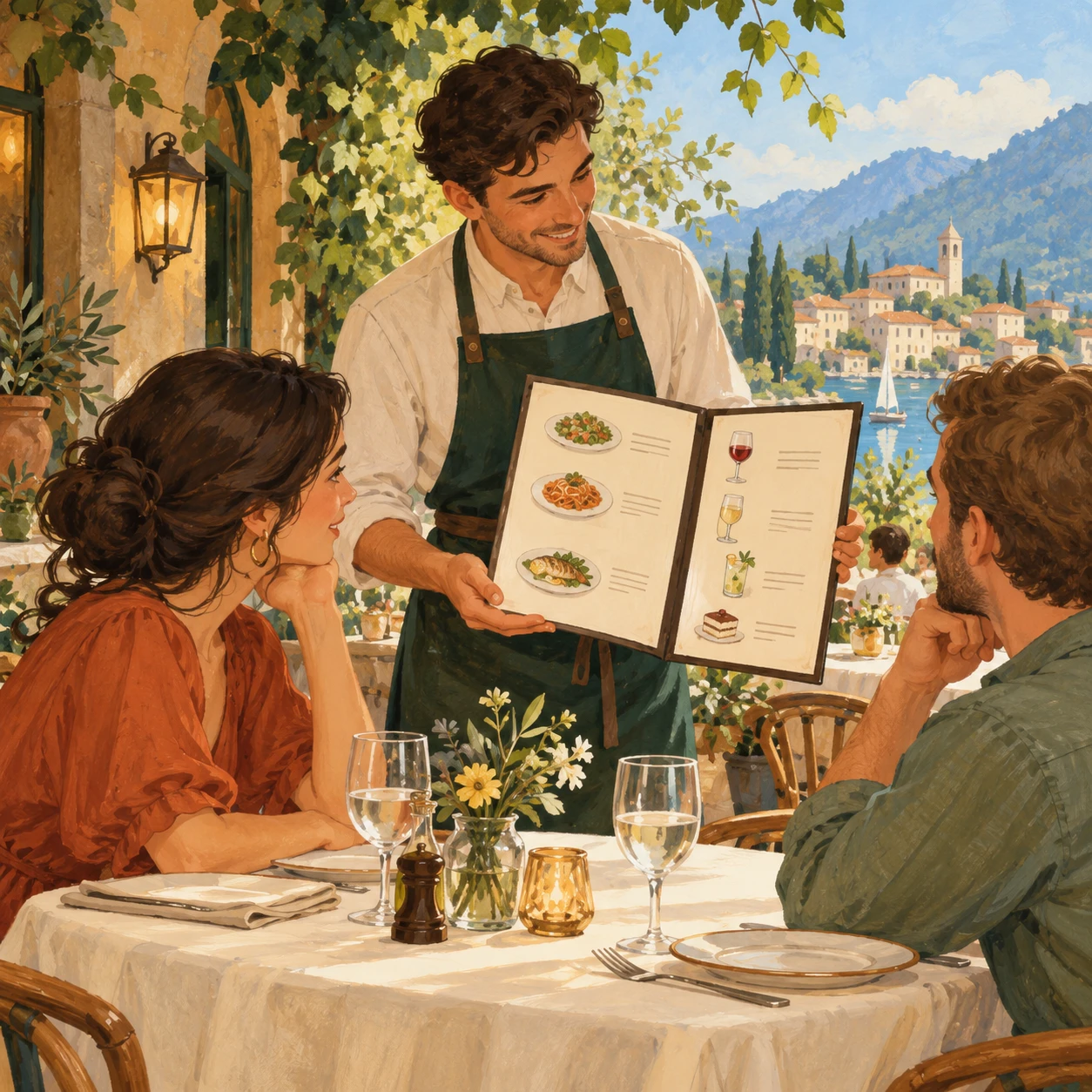
a list of the food and drinks available
The menu has pictures of the dishes.
Le menu contient des photos des plats.
Ces indications concernent ce sens. Les mots de la famille peuvent changer de sens ; les expressions proches ne sont pas toujours interchangeables.
Travaillez l’association « read the menu ». Dans cette unité, « menu » signifie menu.
Distinguez ces sens en contexte : menu = menu; bill = addition; tip = pourboire; reservation = réservation.
The menu has pictures of the dishes.
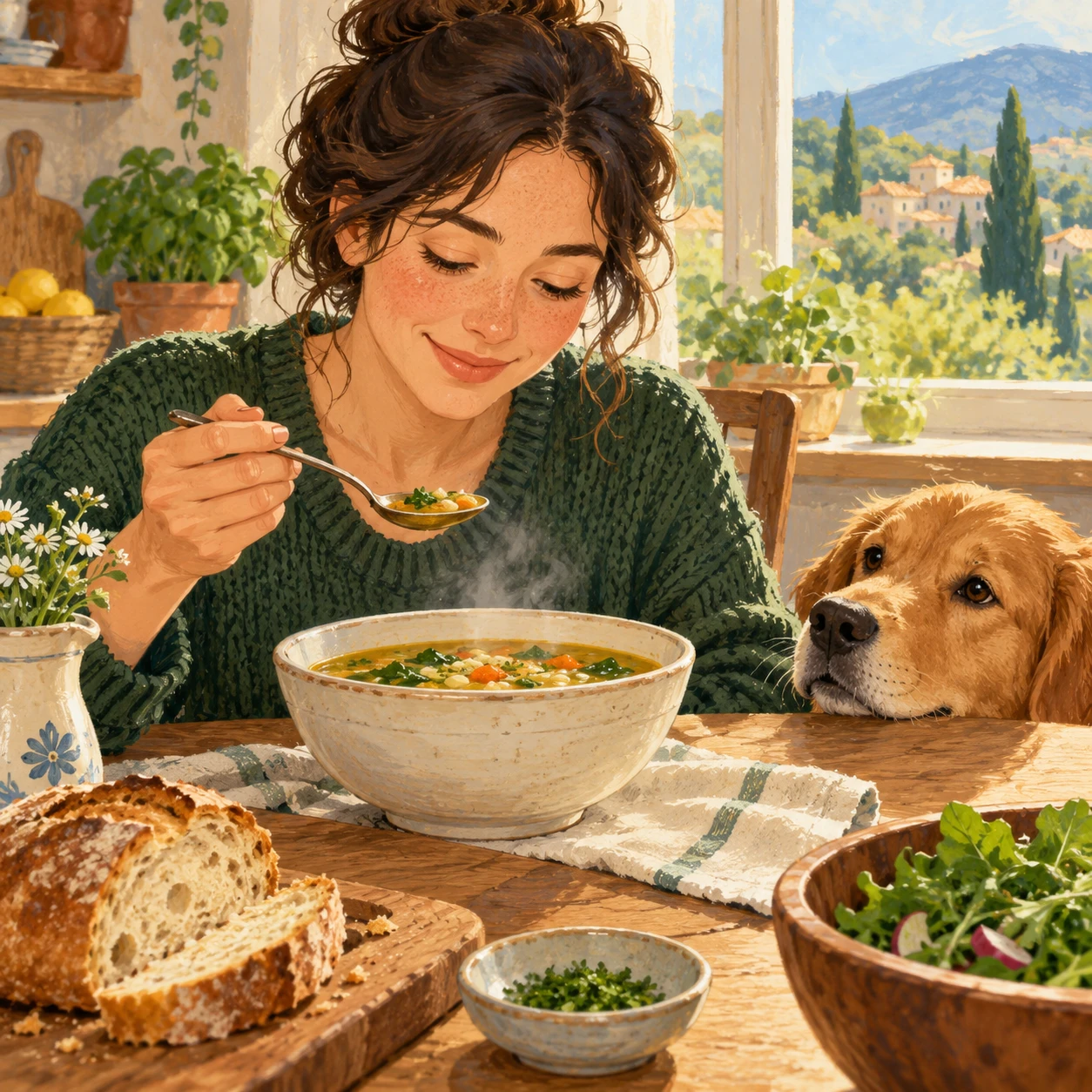
Distinguez ces sens en contexte : fork = fourchette; knife = couteau; spoon = cuillère; plate = assiette.
I eat the salad with a fork.
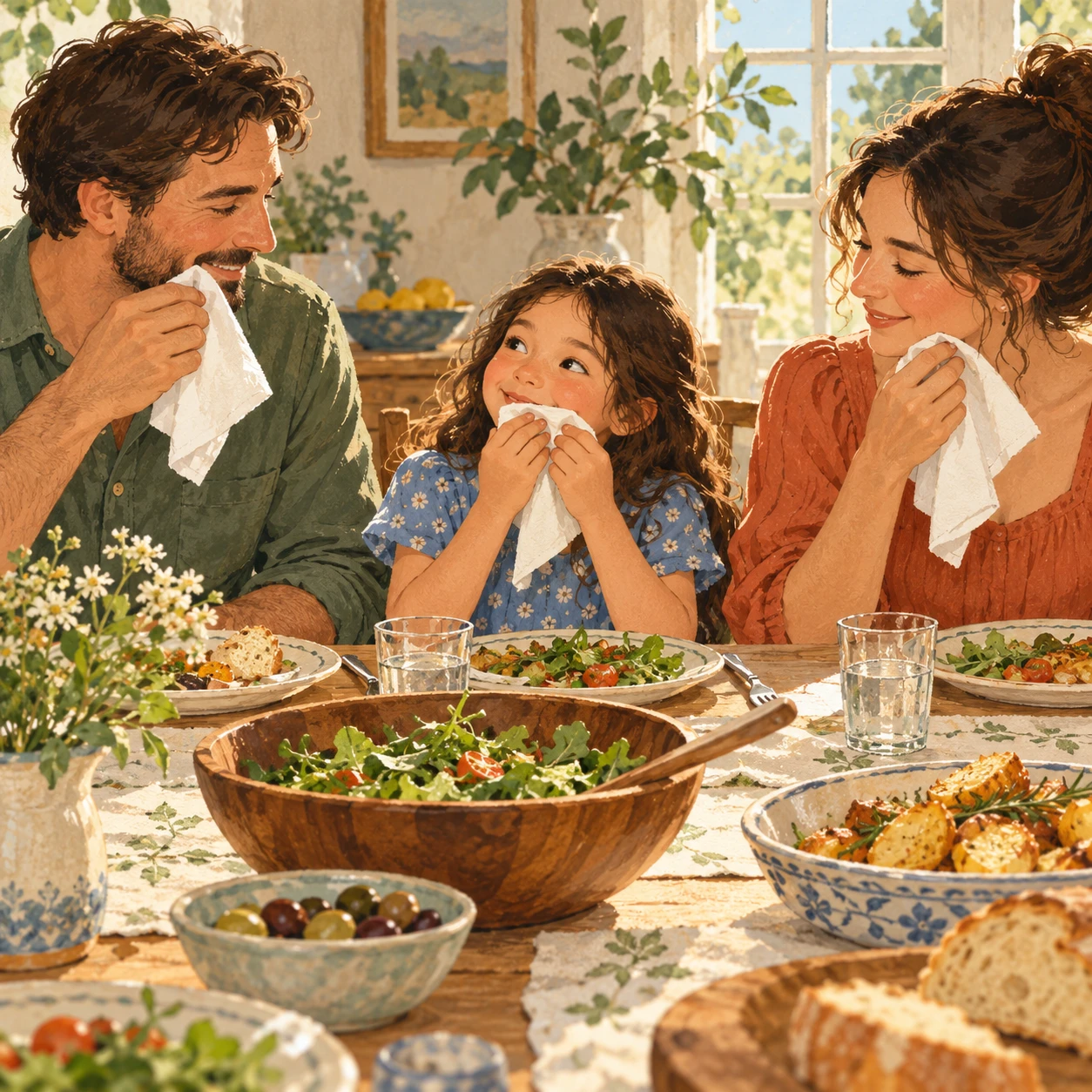
Distinguez ces sens en contexte : bowl = bol; cup = tasse; glass = verre; napkin = serviette de table.
The cat drinks from a blue bowl.
We read the ___ to choose our food.
Distinguez ces sens en contexte : menu = menu; bill = addition; tip = pourboire; reservation = réservation.
The menu has pictures of the dishes.Distinguez ces sens en contexte : fork = fourchette; knife = couteau; spoon = cuillère; plate = assiette.
I eat the salad with a fork.Distinguez ces sens en contexte : bowl = bol; cup = tasse; glass = verre; napkin = serviette de table.
The cat drinks from a blue bowl.Gardez la première tentative, comprenez le changement et essayez dans une nouvelle situation.
Pas encore de notes. Essayez un court échauffement.
Ouvrir une réponse enregistre une aide pour cette question.
We read the ___ to choose our food.
Regarde « choose our food ». Ici, on cherche « menu » : « menu ». Choisir les plats, devoir le total, donner un pourboire et réserver diffèrent. Phrase complète : « We read the menu to choose our food. ».
Use the ___ with four points to pick up the pasta.
Regarde « four points ». Ici, on cherche « fourchette » : « fork ». Vérifie forme et usage prévu, pas un usage improvisé possible. Phrase complète : « Use the fork with four points to pick up the pasta. ».
She pours cereal and milk into a wide ___ with curved sides, not a drinking container.
Regarde « wide ». Ici, on cherche « bol » : « bowl ». Vérifie forme et usage prévu, pas un usage improvisé possible. Phrase complète : « She pours cereal and milk into a wide bowl with curved sides, not a drinking container. ».
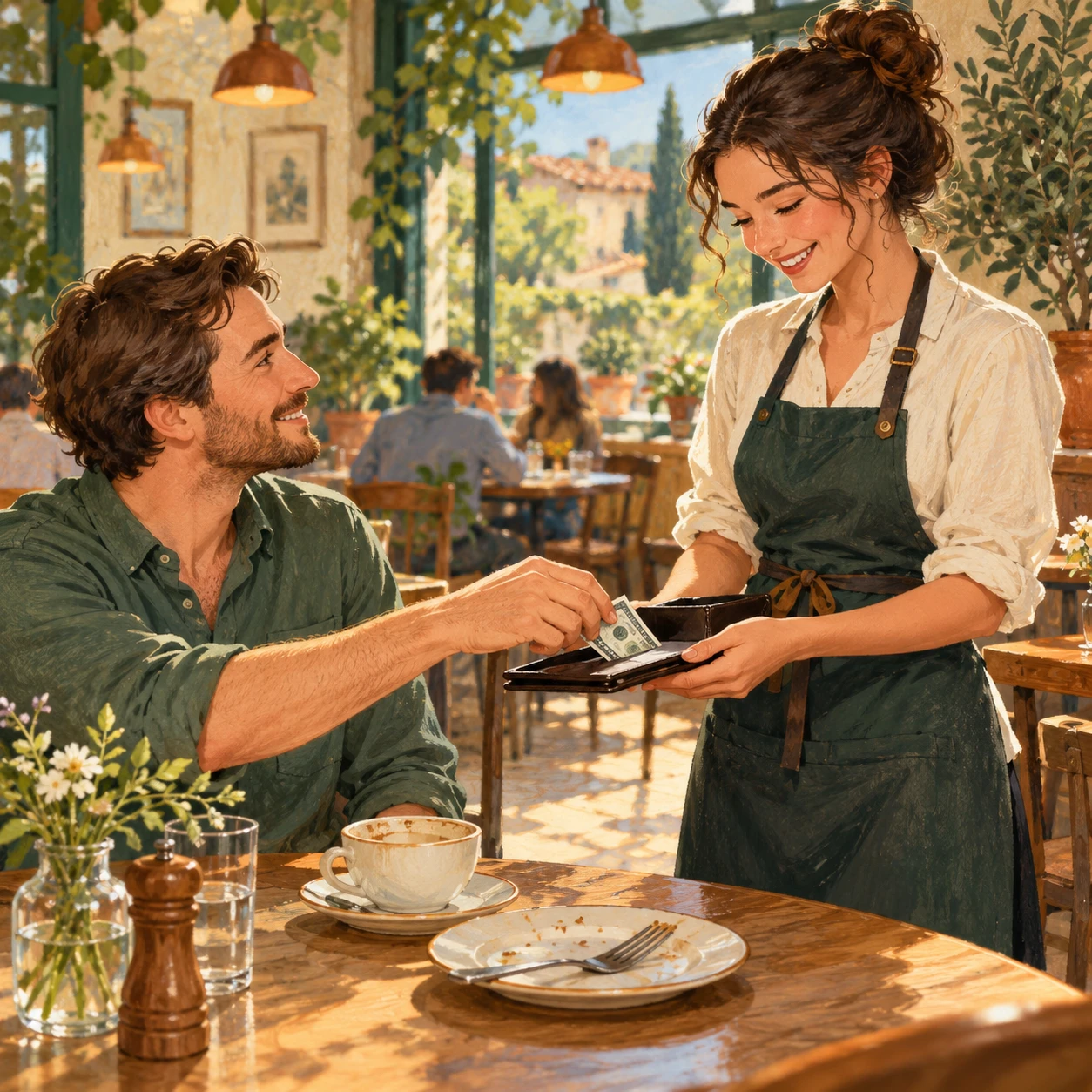
We have finished eating. Could we have the ___ so we can pay?
Regarde « so we can pay ». Ici, on cherche « addition » : « bill ». Choisir les plats, devoir le total, donner un pourboire et réserver diffèrent. Phrase complète : « We have finished eating. Could we have the bill so we can pay? ».
The service was excellent, so we left an extra five pounds as a ___.
Regarde « extra five pounds ». Ici, on cherche « pourboire » : « tip ». Choisir les plats, devoir le total, donner un pourboire et réserver diffèrent. Phrase complète : « The service was excellent, so we left an extra five pounds as a tip. ».
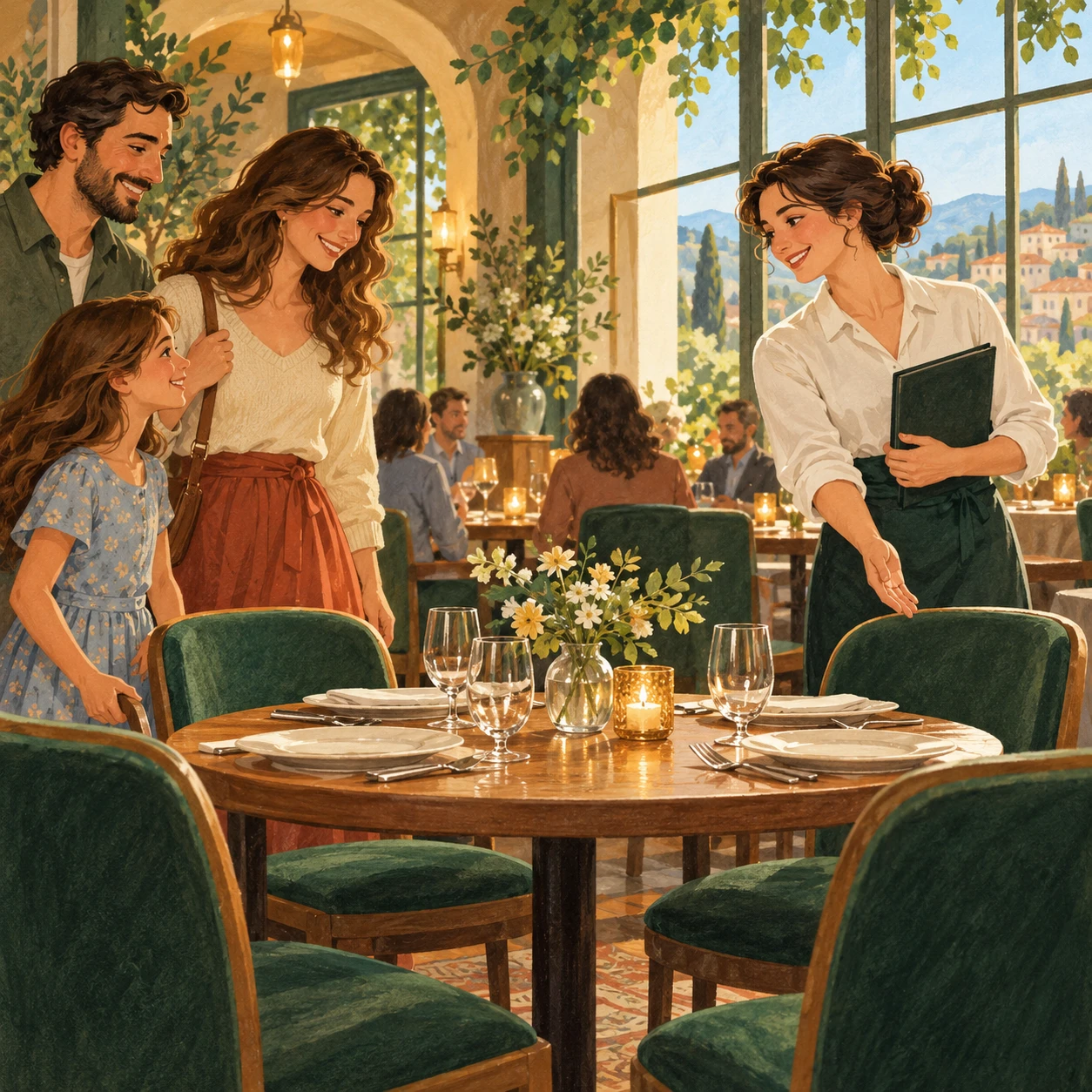
I called yesterday to book a table. I have a ___ for two people.
Regarde « book a table ». Ici, on cherche « réservation » : « reservation ». Choisir les plats, devoir le total, donner un pourboire et réserver diffèrent. Phrase complète : « I called yesterday to book a table. I have a reservation for two people. ».
Which table utensil has a sharp blade for cutting meat into pieces? ___
Regarde « sharp blade ». Ici, on cherche « couteau » : « knife ». Vérifie forme et usage prévu, pas un usage improvisé possible. Phrase complète : « Which table utensil has a sharp blade for cutting meat into pieces? knife ».
Use a ___ to lift the soup to your mouth.
Regarde « lift the soup ». Ici, on cherche « cuillère » : « spoon ». Vérifie forme et usage prévu, pas un usage improvisé possible. Phrase complète : « Use a spoon to lift the soup to your mouth. ».
Put the pizza on a flat ___, not in a deep bowl.
Regarde « flat ». Ici, on cherche « assiette » : « plate ». Vérifie forme et usage prévu, pas un usage improvisé possible. Phrase complète : « Put the pizza on a flat plate, not in a deep bowl. ».
It has a handle and a saucer. We drink tea from it. It is not a drinking glass. It is a ___.
Regarde « handle and a saucer ». Ici, on cherche « tasse » : « cup ». Vérifie forme et usage prévu, pas un usage improvisé possible. Phrase complète : « It has a handle and a saucer. We drink tea from it. It is not a drinking glass. It is a cup. ».
Windows are made of it. We use the same word for something we drink water from. The word is ___.
Regarde « Windows are made of it ». Ici, on cherche « verre » : « glass ». Vérifie forme et usage prévu, pas un usage improvisé possible. Phrase complète : « Windows are made of it. We use the same word for something we drink water from. The word is glass. ».
Wipe the food from your mouth with a ___.
Regarde « Wipe the food ». Ici, on cherche « serviette de table » : « napkin ». Vérifie forme et usage prévu, pas un usage improvisé possible. Phrase complète : « Wipe the food from your mouth with a napkin. ».
Before we order, the waiter gives us a ___ listing every dish available to choose and its price.
Regarde « listing every dish ». Ici, on cherche « menu » : « menu ». Choisir les plats, devoir le total, donner un pourboire et réserver diffèrent. Phrase complète : « Before we order, the waiter gives us a menu listing every dish available to choose and its price. ».
After the meal, the waiter brings our ___ showing the total amount we owe for what we ate.
Regarde « total amount we owe ». Ici, on cherche « addition » : « bill ». Choisir les plats, devoir le total, donner un pourboire et réserver diffèrent. Phrase complète : « After the meal, the waiter brings our bill showing the total amount we owe for what we ate. ».
He pushes the points of his ___ into a piece of potato.
Regarde « points ». Ici, on cherche « fourchette » : « fork ». Vérifie forme et usage prévu, pas un usage improvisé possible. Phrase complète : « He pushes the points of his fork into a piece of potato. ».
Be careful: the blade of that ___ is sharp.
Regarde « blade ». Ici, on cherche « couteau » : « knife ». Vérifie forme et usage prévu, pas un usage improvisé possible. Phrase complète : « Be careful: the blade of that knife is sharp. ».
Which word names a wide, deep eating dish for soup, rather than a drinking cup or glass? ___
Regarde « wide, deep eating dish ». Ici, on cherche « bol » : « bowl ». Vérifie forme et usage prévu, pas un usage improvisé possible. Phrase complète : « Which word names a wide, deep eating dish for soup, rather than a drinking cup or glass? bowl ».
She asks for a small handled drinking container with a matching saucer for coffee. It is not a glass. It is a ___.
Regarde « handled drinking container ». Ici, on cherche « tasse » : « cup ». Vérifie forme et usage prévu, pas un usage improvisé possible. Phrase complète : « She asks for a small handled drinking container with a matching saucer for coffee. It is not a glass. It is a cup.” / “She asks for a small cup and saucer for her coffee. ».
A ___ is extra money for service, not the price of the meal.
Regarde « extra money for service ». Ici, on cherche « pourboire » : « tip ». Choisir les plats, devoir le total, donner un pourboire et réserver diffèrent. Phrase complète : « A tip is extra money for service, not the price of the meal. ».
The restaurant is full, but they have kept a table for our ___.
Regarde « kept a table ». Ici, on cherche « réservation » : « reservation ». Choisir les plats, devoir le total, donner un pourboire et réserver diffèrent. Phrase complète : « The restaurant is full, but they have kept a table for our reservation. ».
Which table utensil has a small rounded hollow end for measuring loose sugar into coffee? ___
Regarde « rounded hollow end ». Ici, on cherche « cuillère » : « spoon ». Vérifie forme et usage prévu, pas un usage improvisé possible. Phrase complète : « Which table utensil has a small rounded hollow end for measuring loose sugar into coffee? spoon ».
The waiter puts a clean flat ___ in front of each person for the main course.
Regarde « flat ». Ici, on cherche « assiette » : « plate ». Vérifie forme et usage prévu, pas un usage improvisé possible. Phrase complète : « The waiter puts a clean flat plate in front of each person for the main course. ».
What is the usual name for a tall, straight-sided drinking container with a flat base and no handle, used for cold water at the table? A ___.
Regarde « tall, straight-sided drinking container with a flat base and no handle ». Ici, on cherche « verre » : « glass ». Vérifie forme et usage prévu, pas un usage improvisé possible. Phrase complète : « What is the usual name for a tall, straight-sided drinking container with a flat base and no handle, used for cold water at the table? A glass.” / “Her tall, narrow drinking glass is made of glass and has no handle. ».
There is a folded paper ___ next to each plate.
Regarde « folded paper ». Ici, on cherche « serviette de table » : « napkin ». Vérifie forme et usage prévu, pas un usage improvisé possible. Phrase complète : « There is a folded paper napkin next to each plate. ».