cheap · pay · fit
cheap = costing little money; pay = give money for something; fit = be the right size or shape
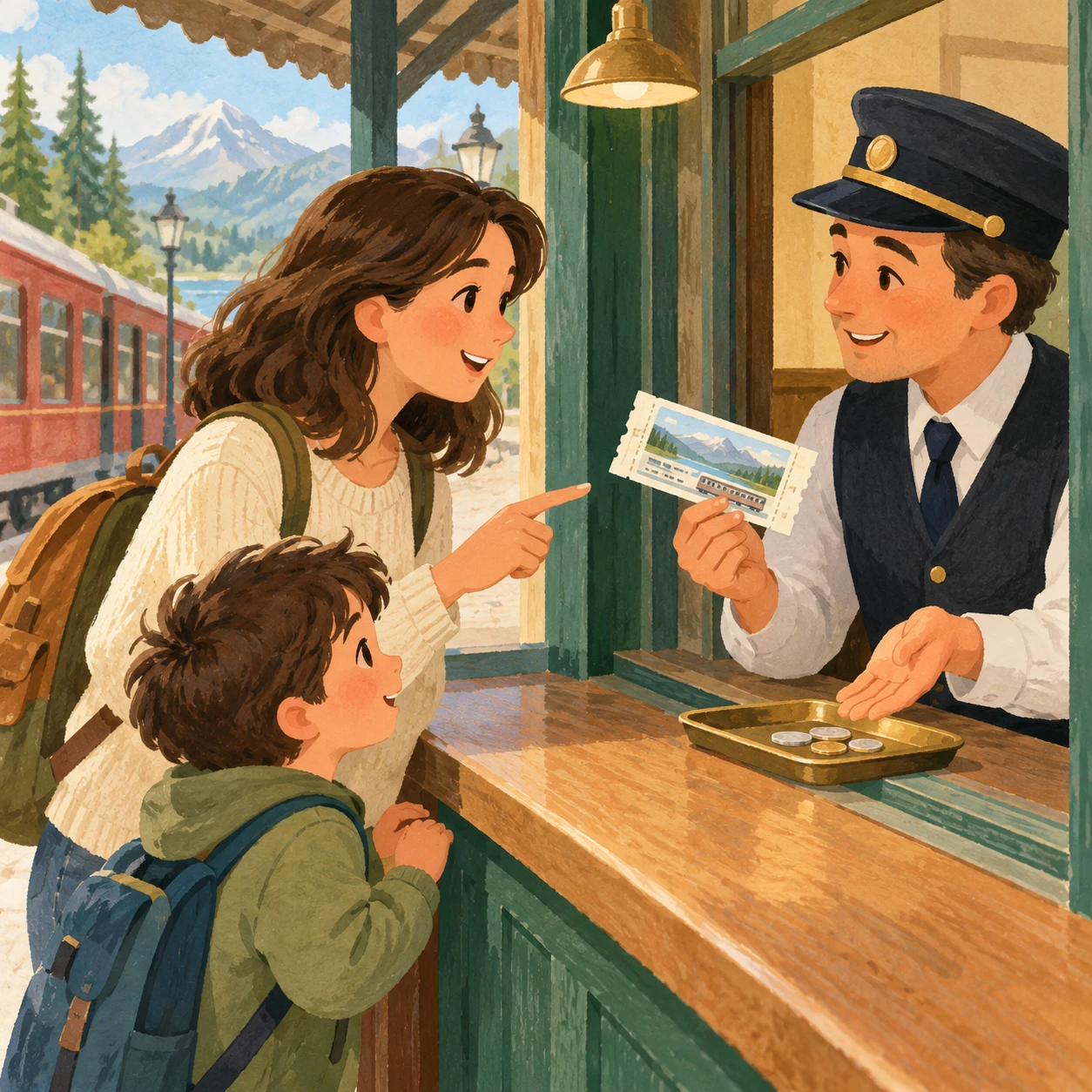
The bus is a cheap way to get there.

Prices, payments and clothing sizes · A2. cheap = costing little money; pay = give money for something; fit = be the right size or shape
Learn the meanings in context, then recognise and recall each expression. A2 is an editorial guide.
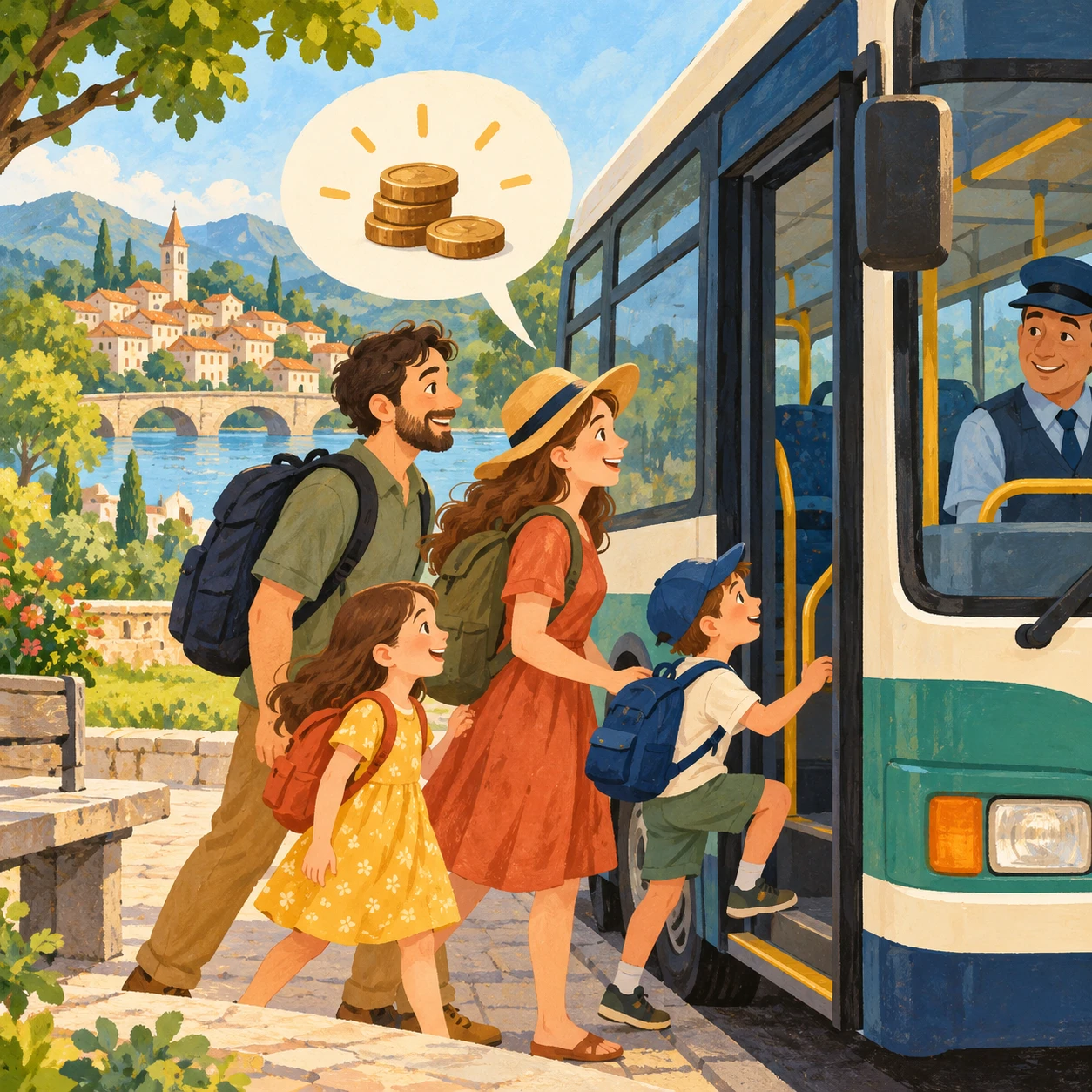
The bus is a cheap way to get there.
The bus is a cheap way to get there.
These match this sense. Word families can change meaning; near meanings are not always interchangeable.
In this lesson: “cheap” = costing little money. Notice the combinations “a cheap ticket” and “cheap to buy”.
cheap = costing little money; pay = give money for something; fit = be the right size or shape
The bus is a cheap way to get there.
expensive = costing a lot of money; spend = use money to buy something; try on = put on clothing briefly to check it before buying
That hotel is too expensive for us.
cost = have a particular price; save = keep money instead of spending it now
How much does this ticket cost?
Which adjective means costing little money, without necessarily saying the quality is poor?
cost = have a particular price; save = keep money instead of spending it now
How much does this ticket cost?cheap = costing little money; pay = give money for something; fit = be the right size or shape
The bus is a cheap way to get there.expensive = costing a lot of money; spend = use money to buy something; try on = put on clothing briefly to check it before buying
That hotel is too expensive for us.Review the meaning and the explanation, then try another question about the same word use.
No practice notes yet. Try a short warm-up.
Opening an answer records help for that question.
Which adjective means costing little money, without necessarily saying the quality is poor?
Here “cheap” means costing little money. Read the clue: “Which adjective means costing little money, without necessarily saying the quality is poor?”.
Here “cheap” means costing little money. Read the clue: “Write the word or phrase from this lesson that means: costing little money. It starts with c.”.
Which adjective means costing a lot of money?
Here “expensive” means costing a lot of money. Read the clue: “Which adjective means costing a lot of money?”.
Here “expensive” means costing a lot of money. Read the clue: “Write the word or phrase from this lesson that means: costing a lot of money. It starts with e.”.
Choose the verb whose subject is the thing with a price: These shoes ___ fifty pounds.
Here “cost” means have a particular price. Read the clue: “Choose the verb whose subject is the thing with a price: These shoes ___ fifty pounds.”. Use thing + cost + amount; person + pay for + thing; person + spend + amount + on + thing. The subject and preposition decide the choice here.
Here “cost” means have a particular price. Read the clue: “Write the word or phrase from this lesson that means: have a particular price. It starts with c.”.
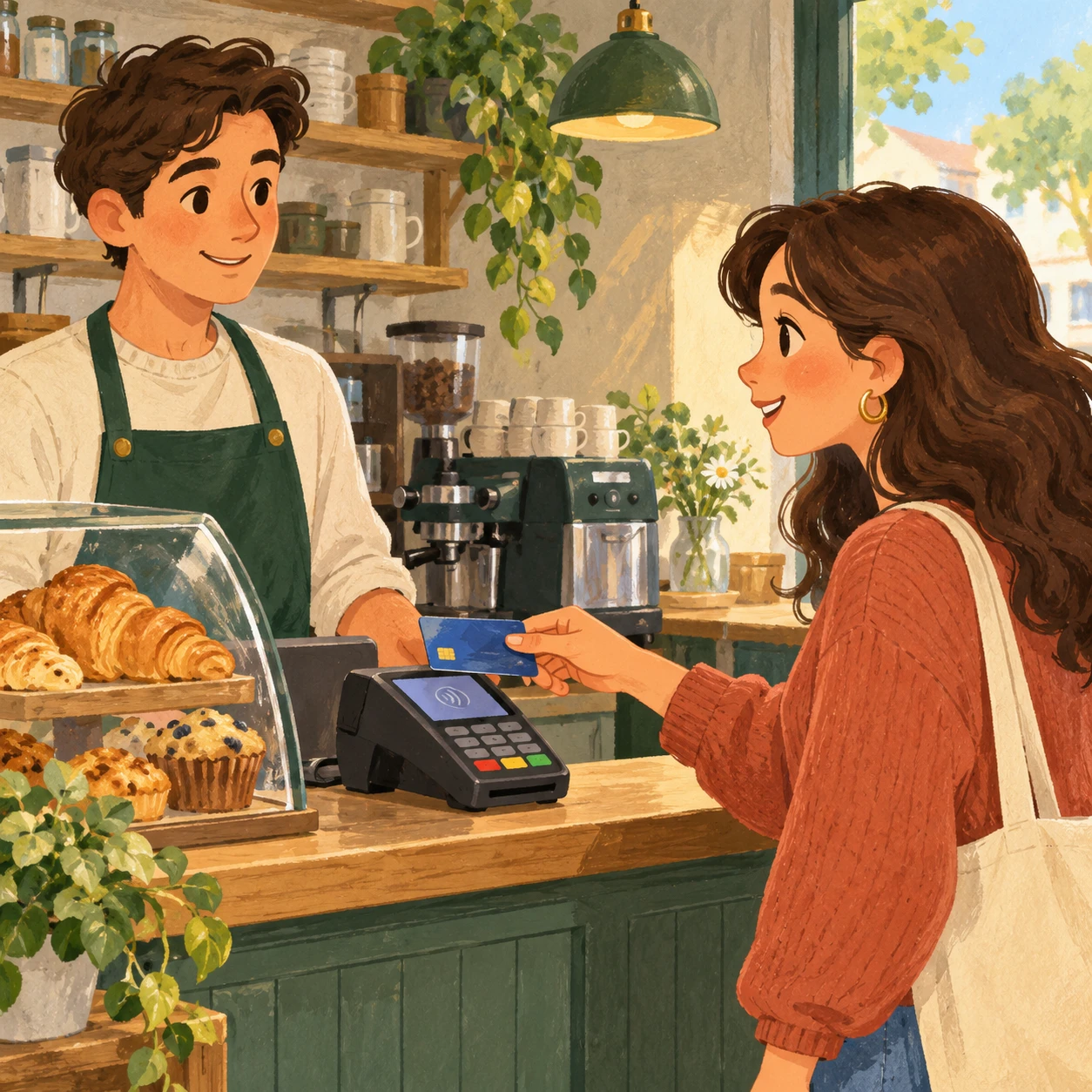
Complete the payment expression: I will ___ for the meal by card.
Here “pay” means give money for something. Read the clue: “Complete the payment expression: I will ___ for the meal by card.”. Use thing + cost + amount; person + pay for + thing; person + spend + amount + on + thing. The subject and preposition decide the choice here.
Here “pay” means give money for something. Read the clue: “Write the word or phrase from this lesson that means: give money for something. It starts with p.”.
Complete the usual structure with on: I ___ ten pounds on lunch every day.
Here “spend” means use money to buy something. Read the clue: “Complete the usual structure with on: I ___ ten pounds on lunch every day.”. Use thing + cost + amount; person + pay for + thing; person + spend + amount + on + thing. The subject and preposition decide the choice here.
Here “spend” means use money to buy something. Read the clue: “Write the word or phrase from this lesson that means: use money to buy something. It starts with s.”.
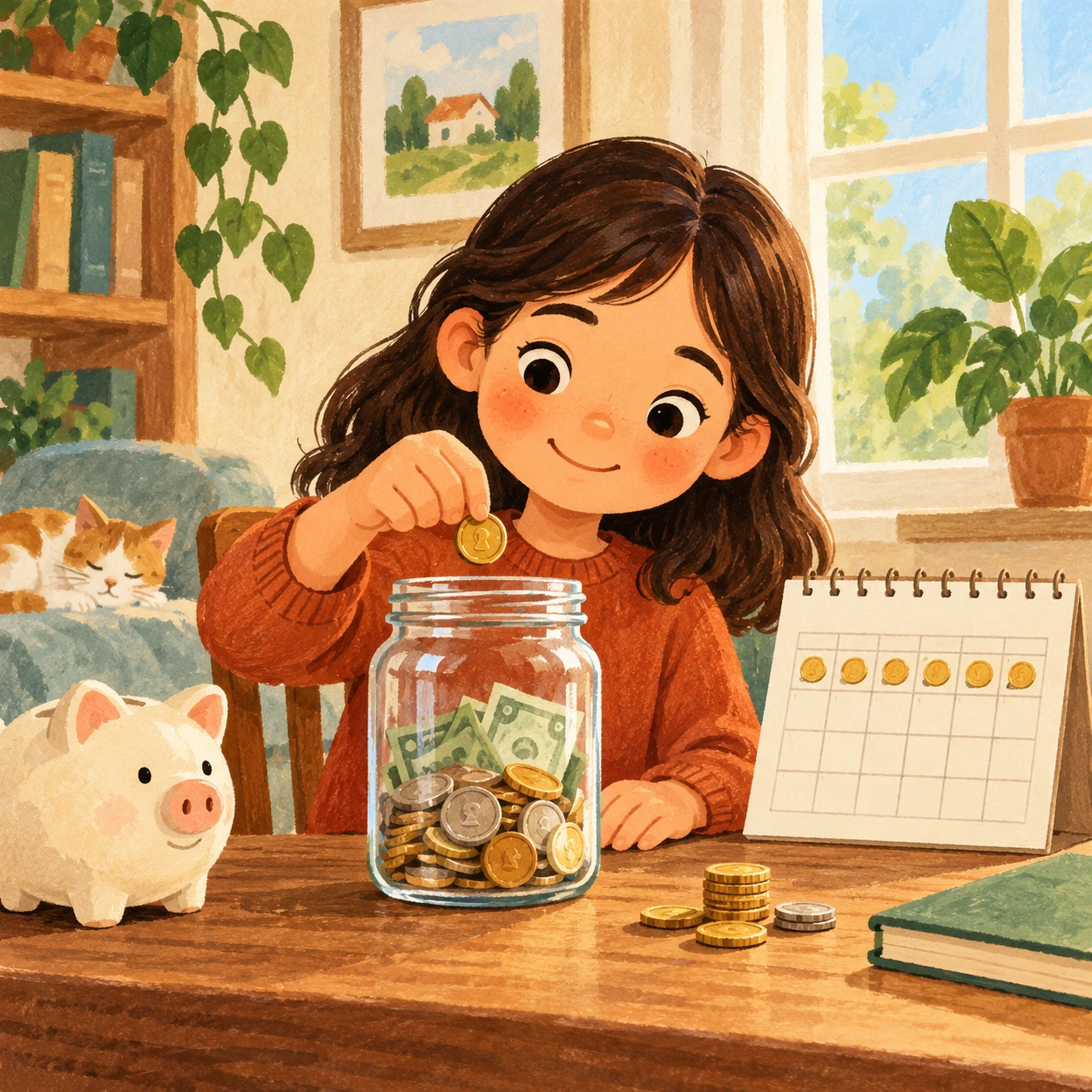
I keep part of my income for a future holiday instead of spending it now. I ___ money for the holiday.
Here “save” means keep money instead of spending it now. Read the clue: “I keep part of my income for a future holiday instead of spending it now. I ___ money for the holiday.”.
Here “save” means keep money instead of spending it now. Read the clue: “Write the word or phrase from this lesson that means: keep money instead of spending it now. It starts with s.”.
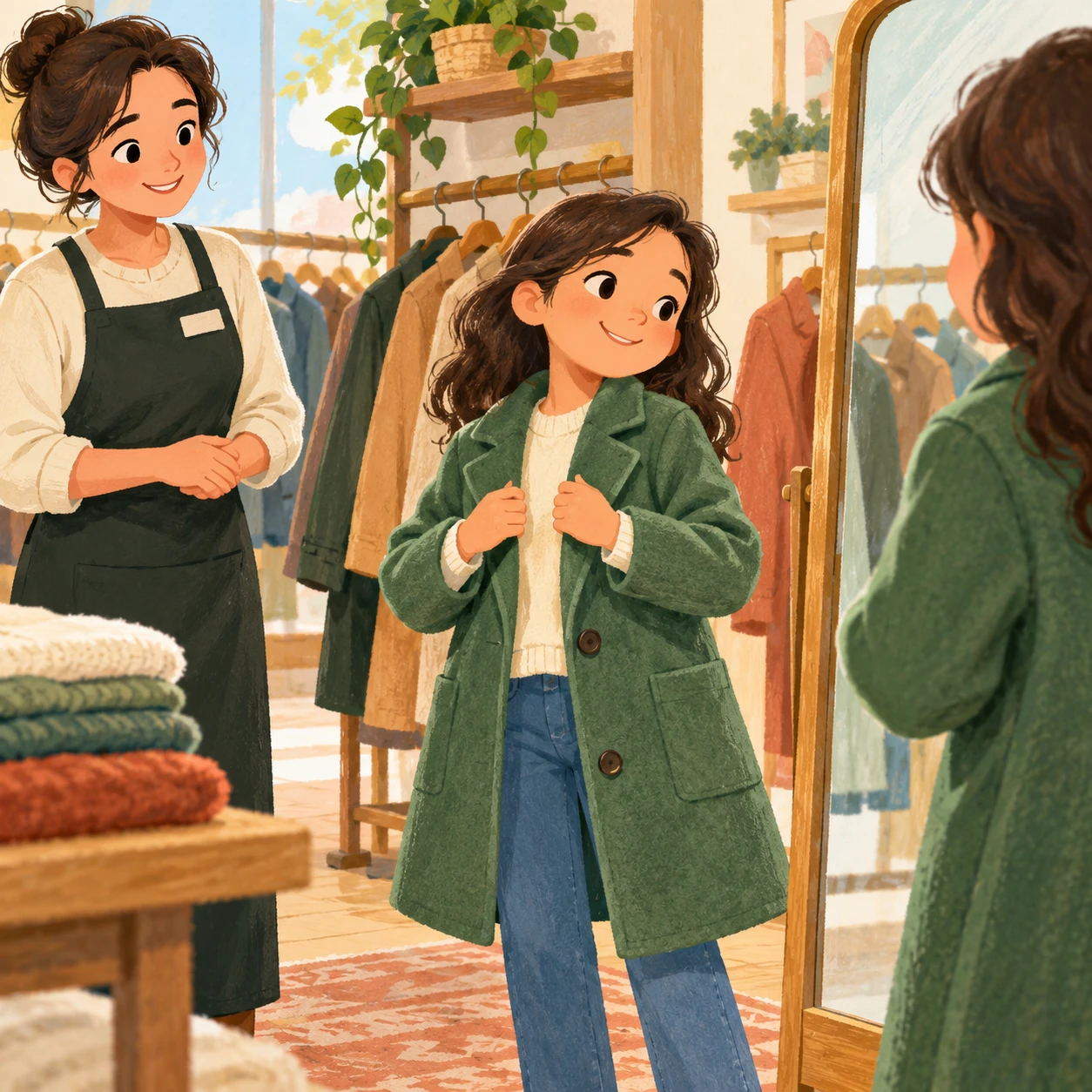
The jacket is exactly the right size for me: it will ___ me.
Here “fit” means be the right size or shape. Read the clue: “The jacket is exactly the right size for me: it will ___ me.”.
Here “fit” means be the right size or shape. Read the clue: “Write the word or phrase from this lesson that means: be the right size or shape. It starts with f.”.
Before buying the trousers, I put them on briefly to check the size. I ___ the trousers.
Here “try on” means put on clothing briefly to check it before buying. Read the clue: “Before buying the trousers, I put them on briefly to check the size. I ___ the trousers.”.
Here “try on” means put on clothing briefly to check it before buying. Read the clue: “Write the word or phrase from this lesson that means: put on clothing briefly to check it before buying. It starts with t.”.