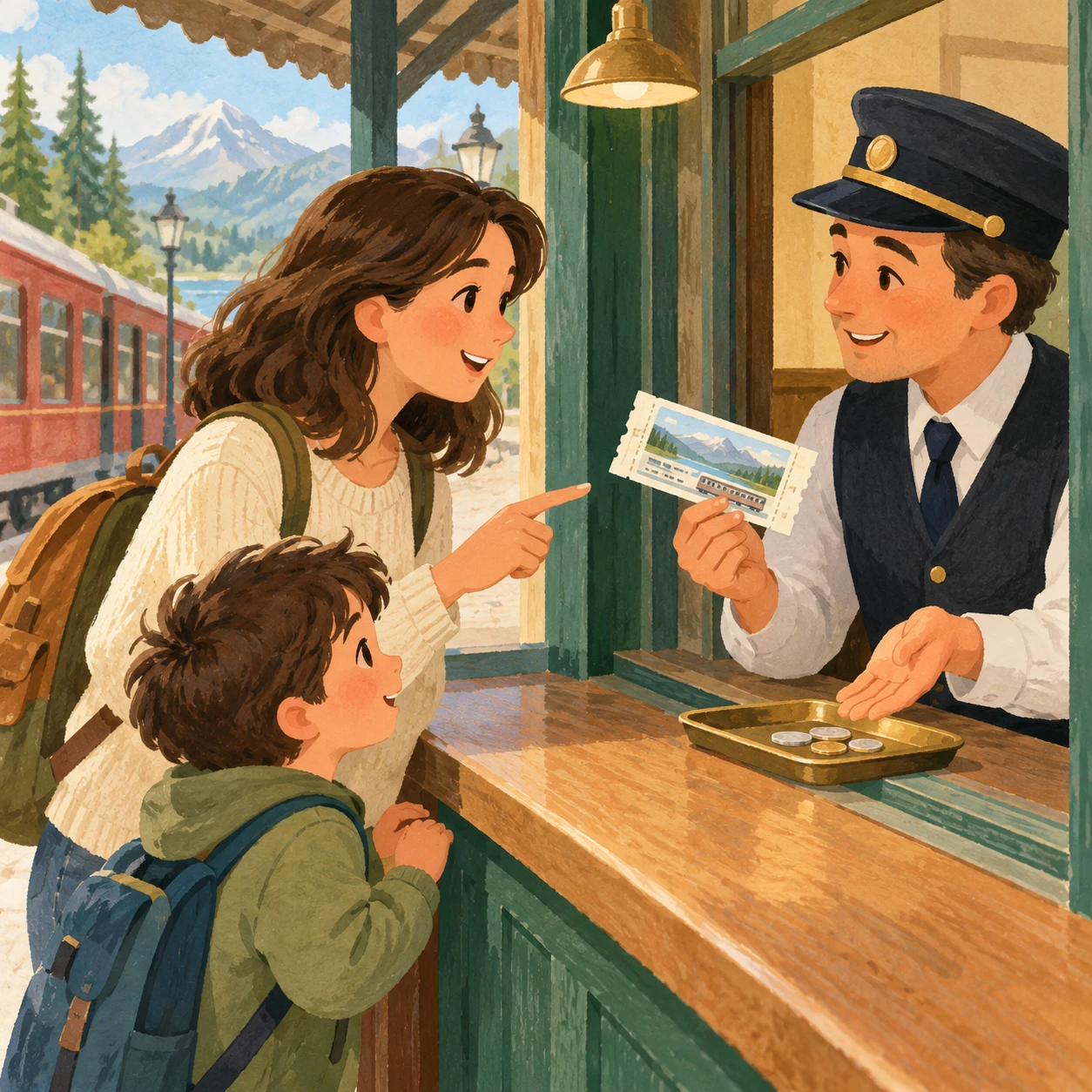
barato · pagar · quedar bien de talla
cheap = barato; pay = pagar; fit = quedar bien de talla
The bus is a cheap way to get there.

Precios, pagos y tallas · A2. cheap = barato; pay = pagar; fit = quedar bien de talla
Aprende los significados en contexto y reconoce y recuerda cada expresión. A2 es una orientación editorial.
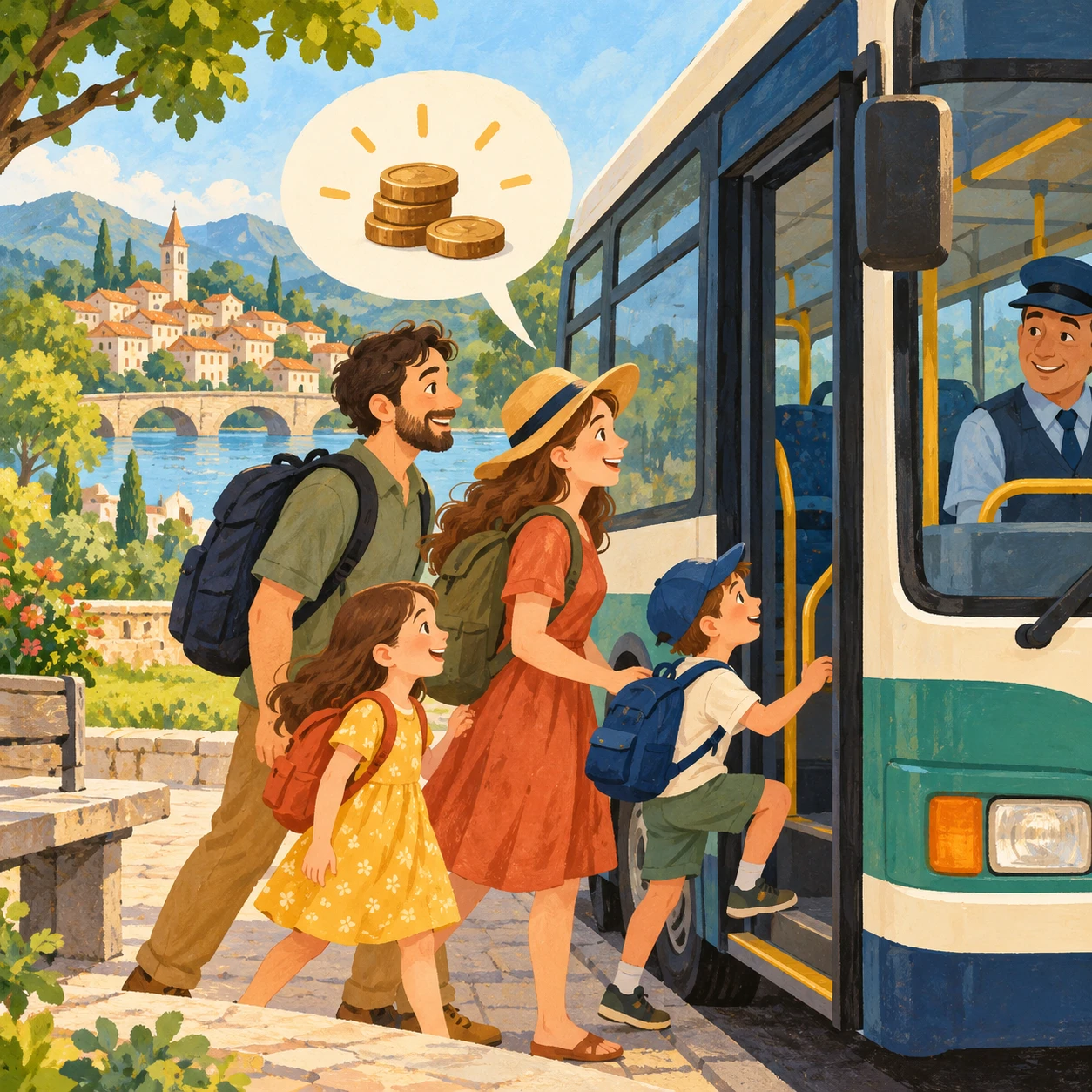
costing little money
The bus is a cheap way to get there.
El autobús es una forma barata de llegar.
Se refieren a este sentido. La familia puede cambiar de significado; las expresiones próximas no siempre son intercambiables.
En esta lección: «cheap» = barato. Observa «a cheap ticket» y «cheap to buy».
cheap = barato; pay = pagar; fit = quedar bien de talla
The bus is a cheap way to get there.
expensive = caro; spend = gastar dinero; try on = probarse ropa
That hotel is too expensive for us.
cost = costar; save = ahorrar dinero
How much does this ticket cost?
Which adjective means costing little money, without necessarily saying the quality is poor?
cost = costar; save = ahorrar dinero
How much does this ticket cost?cheap = barato; pay = pagar; fit = quedar bien de talla
The bus is a cheap way to get there.expensive = caro; spend = gastar dinero; try on = probarse ropa
That hotel is too expensive for us.Repasa el significado y la explicación; después prueba otra pregunta sobre el mismo uso.
Aún no hay repasos. Prueba un calentamiento corto.
Abrir una respuesta registra ayuda para esa pregunta.
Which adjective means costing little money, without necessarily saying the quality is poor?
Aquí «cheap» significa barato. Lee la pista: «Which adjective means costing little money, without necessarily saying the quality is poor?».
Aquí «cheap» significa barato. Lee la pista: «Write the word or phrase from this lesson that means: costing little money. It starts with c.».
Which adjective means costing a lot of money?
Aquí «expensive» significa caro. Lee la pista: «Which adjective means costing a lot of money?».
Aquí «expensive» significa caro. Lee la pista: «Write the word or phrase from this lesson that means: costing a lot of money. It starts with e.».
Choose the verb whose subject is the thing with a price: These shoes ___ fifty pounds.
Aquí «cost» significa costar. Lee la pista: «Choose the verb whose subject is the thing with a price: These shoes ___ fifty pounds.». Usa cosa + cost + cantidad; persona + pay for + cosa; persona + spend + cantidad + on + cosa. Aquí deciden el sujeto y la preposición.
Aquí «cost» significa costar. Lee la pista: «Write the word or phrase from this lesson that means: have a particular price. It starts with c.».
Complete the payment expression: I will ___ for the meal by card.
Aquí «pay» significa pagar. Lee la pista: «Complete the payment expression: I will ___ for the meal by card.». Usa cosa + cost + cantidad; persona + pay for + cosa; persona + spend + cantidad + on + cosa. Aquí deciden el sujeto y la preposición.
Aquí «pay» significa pagar. Lee la pista: «Write the word or phrase from this lesson that means: give money for something. It starts with p.».
Complete the usual structure with on: I ___ ten pounds on lunch every day.
Aquí «spend» significa gastar dinero. Lee la pista: «Complete the usual structure with on: I ___ ten pounds on lunch every day.». Usa cosa + cost + cantidad; persona + pay for + cosa; persona + spend + cantidad + on + cosa. Aquí deciden el sujeto y la preposición.
Aquí «spend» significa gastar dinero. Lee la pista: «Write the word or phrase from this lesson that means: use money to buy something. It starts with s.».
I keep part of my income for a future holiday instead of spending it now. I ___ money for the holiday.
Aquí «save» significa ahorrar dinero. Lee la pista: «I keep part of my income for a future holiday instead of spending it now. I ___ money for the holiday.».
Aquí «save» significa ahorrar dinero. Lee la pista: «Write the word or phrase from this lesson that means: keep money instead of spending it now. It starts with s.».
The jacket is exactly the right size for me: it will ___ me.
Aquí «fit» significa quedar bien de talla. Lee la pista: «The jacket is exactly the right size for me: it will ___ me.».
Aquí «fit» significa quedar bien de talla. Lee la pista: «Write the word or phrase from this lesson that means: be the right size or shape. It starts with f.».
Before buying the trousers, I put them on briefly to check the size. I ___ the trousers.
Aquí «try on» significa probarse ropa. Lee la pista: «Before buying the trousers, I put them on briefly to check the size. I ___ the trousers.».
Aquí «try on» significa probarse ropa. Lee la pista: «Write the word or phrase from this lesson that means: put on clothing briefly to check it before buying. It starts with t.».