おば · おじ · いとこ · めい
場面の手がかりから次の意味を区別しましょう:aunt = おば; uncle = おじ; cousin = いとこ; niece = めい。
My mother’s sister is my aunt.

家族と友人 · A1. 場面の手がかりから次の意味を区別しましょう:aunt = おば; uncle = おじ; cousin = いとこ; niece = めい。
短い場面で「家族と友人」を練習します。手がかりを読み、形を選ぶか入力してから理由を確認しましょう。レベルは編集上の目安です。 12枚の学習カードと24問の場面問題で学びます。新しい復習・応用問題も含みます。
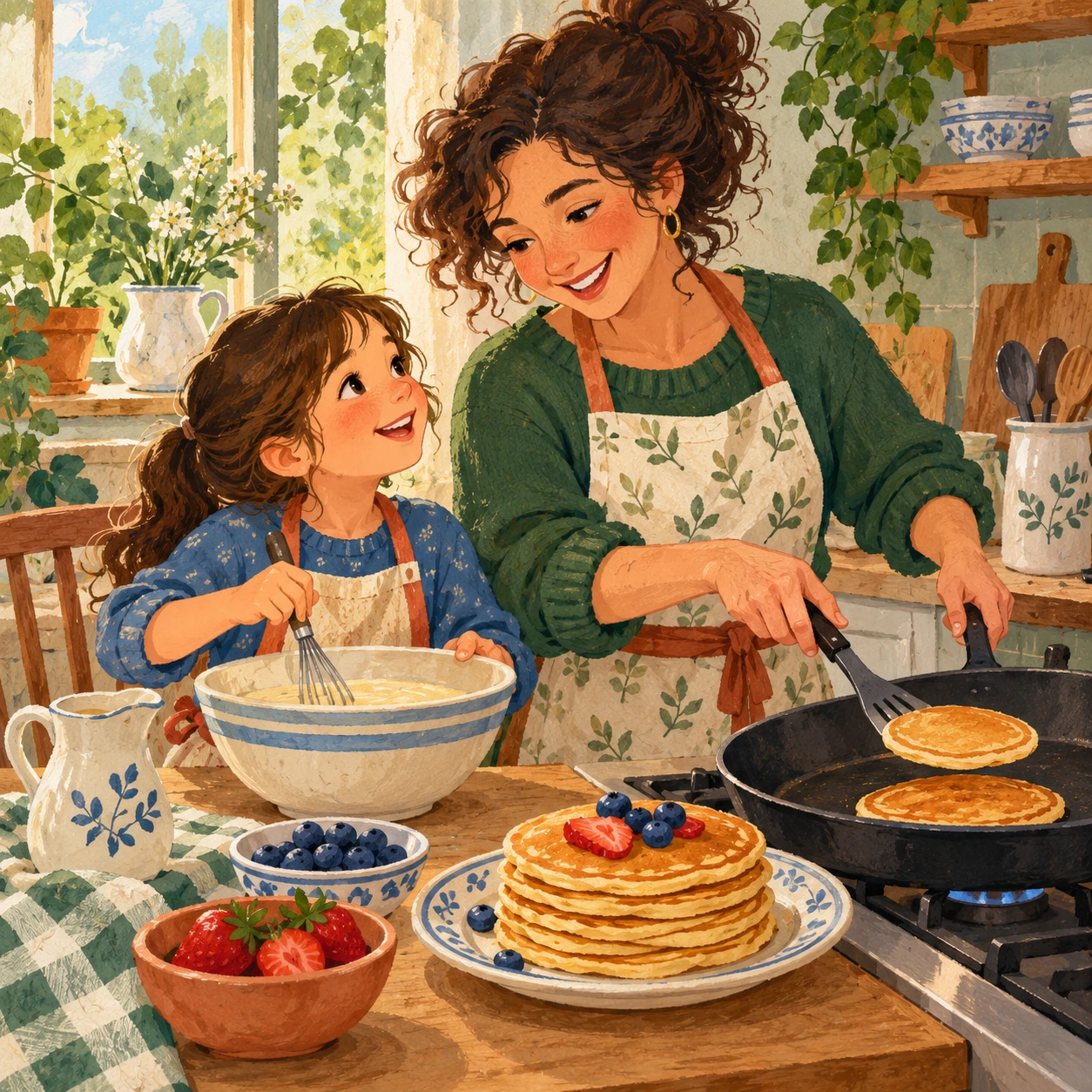
The sister of your mother or father.
My aunt taught me to make pancakes.
おばがパンケーキの作り方を教えてくれました。
このカードの意味に合わせた表現です。関連語では意味が変わる場合があり、言い換えがいつも使えるとは限りません。
「おば」には「aunt」を使います。「uncle」(おじ)とは意味が違います。
場面の手がかりから次の意味を区別しましょう:aunt = おば; uncle = おじ; cousin = いとこ; niece = めい。
My mother’s sister is my aunt.
場面の手がかりから次の意味を区別しましょう:mother = 母; father = 父; daughter = 娘; son = 息子。
My sister and I are both children of the same woman. She is our mother.
場面の手がかりから次の意味を区別しましょう:friend = 友人; neighbour = 近所の人; classmate = 同級生; colleague = 同僚。
A person I like and choose to spend time with is my friend.
My mother’s sister is my ___.
場面の手がかりから次の意味を区別しましょう:aunt = おば; uncle = おじ; cousin = いとこ; niece = めい。
My mother’s sister is my aunt.場面の手がかりから次の意味を区別しましょう:mother = 母; father = 父; daughter = 娘; son = 息子。
My sister and I are both children of the same woman. She is our mother.場面の手がかりから次の意味を区別しましょう:friend = 友人; neighbour = 近所の人; classmate = 同級生; colleague = 同僚。
A person I like and choose to spend time with is my friend.初回答を残し、変化の理由を理解して、別の場面で確かめます。
まだ復習ノートはありません。まずは短いウォームアップを。
解答を開くと、その問題にヒント利用が記録されます。
My mother’s sister is my ___.
「mother’s sister」に注目します。ここで必要なのは「おば」を表す「aunt」です。親の姉妹なので、女性のおばです。完成した文:「My mother’s sister is my aunt.」。
My sister and I are both children of the same woman. She is our ___.
「children of the same woman」に注目します。ここで必要なのは「母」を表す「mother」です。She はその同じ女性を指します。二人の子どもにとって女性の親です。完成した文:「My sister and I are both children of the same woman. She is our mother.」。
I like this person and choose to spend time with them. We do not work together. We do not study together. We live in different towns. This person is my ___.
「like this person and choose to spend time」に注目します。ここで必要なのは「友人」を表す「friend」です。互いを好きで、会いたいから会うことが肯定的な手掛かりです。同じ職場・クラス・近所という関係ではありません。完成した文:「I like this person and choose to spend time with them. We do not work together. We do not study together. We live in different towns. This person is my friend.” / “A person I like and choose to spend time with is my friend.」。
My father’s brother is my ___.
「father’s brother」に注目します。ここで必要なのは「おじ」を表す「uncle」です。親の兄弟なので、男性のおじです。完成した文:「My father’s brother is my uncle.」。
Ben is my male parent. He is my ___.
「male parent」に注目します。ここで必要なのは「父」を表す「father」です。子どもではなく、その親を指しています。男性の親です。完成した文:「Ben is my male parent. He is my father.」。
The woman lives in the flat next door. We are not friends. We do not work together. We do not study together. The word for someone who lives next door is ___.
「lives next door」に注目します。ここで必要なのは「近所の人」を表す「neighbour」です。隣に住むという関係です。一緒に働いたり同じクラスにいたりする必要はありません。完成した文:「The woman lives in the flat next door. We are not friends. We do not work together. We do not study together. The word for someone who lives next door is neighbour.” / “The woman who lives in the flat next door is my neighbour.」。
My aunt’s child is my ___.
「aunt’s child」に注目します。ここで必要なのは「いとこ」を表す「cousin」です。自分のきょうだいの子ではなく、おば・おじの子です。完成した文:「My aunt’s child is my cousin.」。
My brother’s daughter is my ___.
「brother’s daughter」に注目します。ここで必要なのは「めい」を表す「niece」です。おば・おじの子ではなく、自分のきょうだいの娘です。完成した文:「My brother’s daughter is my niece.」。
I am her parent, and she is my female child. She is my ___.
「female child」に注目します。ここで必要なのは「娘」を表す「daughter」です。親ではなく、女の子の子どもを指します。完成した文:「I am her parent, and she is my female child. She is my daughter.」。
Sara and I study in the same school class. We are not friends. We do not work together. We live in different towns. Sara is my ___.
「same school class」に注目します。ここで必要なのは「同級生」を表す「classmate」です。単に友人であることではなく、同じクラスの生徒という関係です。完成した文:「Sara and I study in the same school class. We are not friends. We do not work together. We live in different towns. Sara is my classmate.” / “We study in the same school class. Sara is my classmate.」。
I am his parent, and he is my male child. He is my ___.
「male child」に注目します。ここで必要なのは「息子」を表す「son」です。親ではなく、男の子の子どもを指します。完成した文:「I am his parent, and he is my male child. He is my son.」。
Omar and I work in the same office. We are not friends. We do not study together. We live in different towns. Omar is my ___.
「work in the same office」に注目します。ここで必要なのは「同僚」を表す「colleague」です。好意や近所という関係ではなく、一緒に働くという関係です。完成した文:「Omar and I work in the same office. We are not friends. We do not study together. We live in different towns. Omar is my colleague.” / “We work in the same office. Omar is my colleague.」。
My father has one sister, Rosa. Rosa is my ___.
「father has one sister」に注目します。ここで必要なのは「おば」を表す「aunt」です。親の姉妹なので、女性のおばです。完成した文:「My father has one sister, Rosa. Rosa is my aunt.」。
My female parent is called Helen. Helen is my ___.
「female parent」に注目します。ここで必要なのは「母」を表す「mother」です。子どもではなく、その親を指しています。女性の親です。完成した文:「My female parent is called Helen. Helen is my mother.」。
Leila and I meet because we like each other. We do not work together. We do not study together. We live in different towns. Leila is my ___.
「meet because we like each other」に注目します。ここで必要なのは「友人」を表す「friend」です。互いを好きで、会いたいから会うことが肯定的な手掛かりです。同じ職場・クラス・近所という関係ではありません。完成した文:「Leila and I meet because we like each other. We do not work together. We do not study together. We live in different towns. Leila is my friend.” / “Leila lives in another town. We do not work or study together, but meet because we like each other. Leila is my friend.」。
My mother has one brother. He is my ___.
「mother has one brother」に注目します。ここで必要なのは「おじ」を表す「uncle」です。親の兄弟なので、男性のおじです。完成した文:「My mother has one brother. He is my uncle.」。
The male parent in my family is my ___.
「male parent」に注目します。ここで必要なのは「父」を表す「father」です。子どもではなく、その親を指しています。男性の親です。完成した文:「The male parent in my family is my father.」。
Alex lives in the house next to mine. We are not friends. We do not work together. We do not study together. He is my ___.
「house next to mine」に注目します。ここで必要なのは「近所の人」を表す「neighbour」です。隣に住むという関係です。一緒に働いたり同じクラスにいたりする必要はありません。完成した文:「Alex lives in the house next to mine. We are not friends. We do not work together. We do not study together. He is my neighbour.” / “Alex lives in the house next to mine. He is my neighbour.」。
My uncle has a daughter, Mia. Mia is my ___.
「uncle has a daughter」に注目します。ここで必要なのは「いとこ」を表す「cousin」です。自分のきょうだいの子ではなく、おば・おじの子です。完成した文:「My uncle has a daughter, Mia. Mia is my cousin.」。
My sister has a little girl. The girl is my ___.
「sister has a little girl」に注目します。ここで必要なのは「めい」を表す「niece」です。おば・おじの子ではなく、自分のきょうだいの娘です。完成した文:「My sister has a little girl. The girl is my niece.」。
Tom has a female child called Eva. Eva is his ___.
「female child」に注目します。ここで必要なのは「娘」を表す「daughter」です。親ではなく、女の子の子どもを指します。完成した文:「Tom has a female child called Eva. Eva is his daughter.」。
Dan and I are both students in class 3B. We are not friends. We do not work together. We live in different towns. Dan is my ___.
「class 3B」に注目します。ここで必要なのは「同級生」を表す「classmate」です。単に友人であることではなく、同じクラスの生徒という関係です。完成した文:「Dan and I are both students in class 3B. We are not friends. We do not work together. We live in different towns. Dan is my classmate.” / “We are both students in class 3B. Dan is my classmate.」。
Eva has a male child called Ben. Ben is her ___.
「male child」に注目します。ここで必要なのは「息子」を表す「son」です。親ではなく、男の子の子どもを指します。完成した文:「Eva has a male child called Ben. Ben is her son.」。
Luis and I both work at the same bank. We are not friends. We do not study together. We live in different towns. Luis is my ___.
「work at the same bank」に注目します。ここで必要なのは「同僚」を表す「colleague」です。好意や近所という関係ではなく、一緒に働くという関係です。完成した文:「Luis and I both work at the same bank. We are not friends. We do not study together. We live in different towns. Luis is my colleague.” / “We both work at the same bank. Luis is my colleague.」。