
B1

Actualité et médias : exercices

À propos de cette leçon

Actualité et médias · B1. Distinguez « headline » (titre principal d’un article) de « source » (origine d’une information). Lisez la situation ; ils ne sont pas interchangeables. Distinction supplémentaire : « journalist » signifie journaliste ; « article » signifie article de presse. Comparez leurs usages dans les fiches.

Réalisez 24 exercices originaux. Appuyez-vous sur la situation pour interpréter le sens, pratiquer la forme et la réutiliser dans un nouveau contexte.

24 questions
Retrouvez-le dans Ma collection après enregistrement.
Vocabulaire

Fiches d’apprentissage

1/12
headline
headline
B1
01 / 12
Retrouvez-le dans Ma collection après enregistrement.

headline

titre principal d’un article

main title of a news report

Dans une phrase

The headline omitted the uncertainty described in the final paragraph.

Le titre omettait l’incertitude exposée dans le dernier paragraphe.

Associations utiles
front-page headlinewrite a headline

Formes et famille de mots

headlines (n.)

Sens proches et reformulations

news heading

Ces indications concernent ce sens. Les mots de la famille peuvent changer de sens ; les expressions proches ne sont pas toujours interchangeables.

Pratiquez « front-page headline » comme une unité. Ici, « headline » signifie titre principal d’un article.

0 Mots enregistrés

Quelques repères

titre principal d’un article / origine d’une information

Distinguez « headline » (titre principal d’un article) de « source » (origine d’une information). Lisez la situation ; ils ne sont pas interchangeables. Distinction supplémentaire : « journalist » signifie journaliste ; « article » signifie article de presse. Comparez leurs usages dans les fiches.

The headline attracted many readers.

diffuser une émission au public / personne qui sélectionne et révise les contenus

Distinguez « broadcast » (diffuser une émission au public) de « editor » (personne qui sélectionne et révise les contenus). Lisez la situation ; ils ne sont pas interchangeables. Distinction supplémentaire : « subscription » signifie abonnement ; « caption » signifie légende d'une photo. Comparez leurs usages dans les fiches.

They broadcast the debate live.

information non vérifiée qui circule / traitement médiatique d’un événement

Distinguez « rumour » (information non vérifiée qui circule) de « coverage » (traitement médiatique d’un événement). Lisez la situation ; ils ne sont pas interchangeables. Distinction supplémentaire : « correspondent » signifie correspondant ; « censorship » signifie censure. Comparez leurs usages dans les fiches.

The rumour spread quickly online.

0/24
Questions
01 / 24D01Retrouvez-le dans Ma collection après enregistrement.

The large title above the news article caught readers’ attention. The sentence names that title.

The ___ attracted many readers.

Votre réponse
1 / 24

Votre parcours

01
Étape 1 · Échauffement

Échauffement

0/3
02
Étape 2 · Développer la compétence

diffuser une émission au public / personne qui sélectionne et révise les contenus

0/1

Distinguez « broadcast » (diffuser une émission au public) de « editor » (personne qui sélectionne et révise les contenus). Lisez la situation ; ils ne sont pas interchangeables. Distinction supplémentaire : « subscription » signifie abonnement ; « caption » signifie légende d'une photo. Comparez leurs usages dans les fiches.

They broadcast the debate live.
03
Étape 3 · Développer la compétence

information non vérifiée qui circule / traitement médiatique d’un événement

0/2

Distinguez « rumour » (information non vérifiée qui circule) de « coverage » (traitement médiatique d’un événement). Lisez la situation ; ils ne sont pas interchangeables. Distinction supplémentaire : « correspondent » signifie correspondant ; « censorship » signifie censure. Comparez leurs usages dans les fiches.

The rumour spread quickly online.
04
Étape 4 · Développer la compétence

titre principal d’un article / origine d’une information

0/1

Distinguez « headline » (titre principal d’un article) de « source » (origine d’une information). Lisez la situation ; ils ne sont pas interchangeables. Distinction supplémentaire : « journalist » signifie journaliste ; « article » signifie article de presse. Comparez leurs usages dans les fiches.

The headline attracted many readers.
05
Étape 5 · Nouveaux contextes

Nouveaux contextes

0/9
06
Étape 6 · Un nouveau défi

Un nouveau défi

0/8
Révisions de cette unité

Apprenez de vos erreurs.

Gardez la première tentative, comprenez le changement et essayez dans une nouvelle situation.

0

Pas encore de notes. Essayez un court échauffement.

Questions et réponses

Ouvrir une réponse enregistre une aide pour cette question.

D01 · Échauffement

The large title above the news article caught readers’ attention. The sentence names that title.

The ___ attracted many readers.

  1. source
  2. headline
  3. broadcast
  4. editor
Réponse et explication
headline

Regarde « large title ». Ici, on cherche « titre principal d’un article » : « headline ». Nomme la fonction médiatique : titre, origine de l’information, transmission, édition, affirmation non confirmée ou couverture globale. Phrase complète : « The headline attracted many readers. ».

D02 · Échauffement

The reporter kept secret the identity of the person who supplied her information, not the person who edited the story.

The reporter protected her ___.

  1. editor
  2. rumour
  3. broadcast
  4. source
Réponse et explication
source

Regarde « person who supplied her information ». Ici, on cherche « origine d’une information » : « source ». Nomme la fonction médiatique : titre, origine de l’information, transmission, édition, affirmation non confirmée ou couverture globale. Phrase complète : « The reporter protected her source. ».

D03 · Échauffement

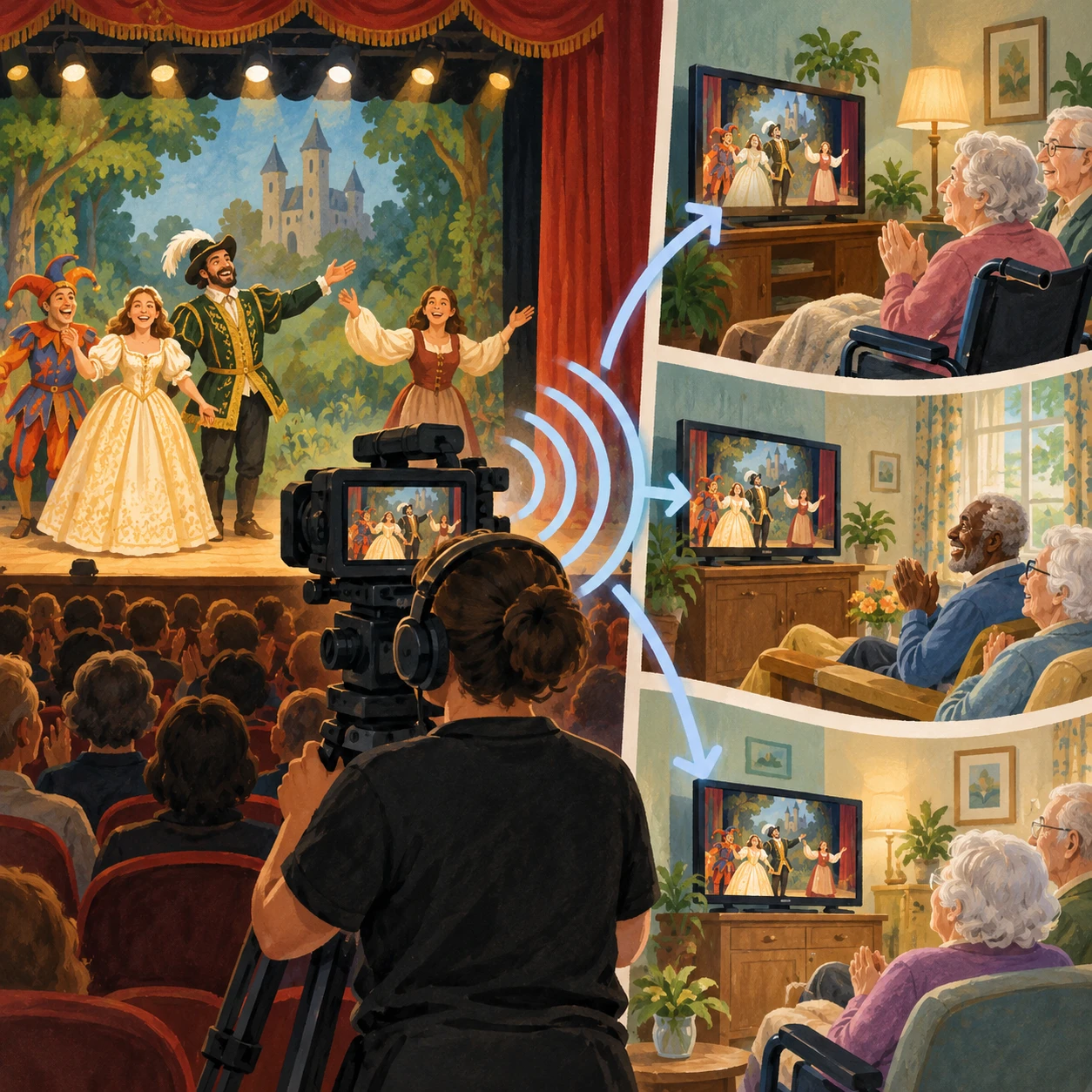
They are sending the debate’s sound and pictures to audiences in real time, not recording it for later, postponing it or cancelling it.

They ___ the debate live.

  1. postpone
  2. broadcast
  3. cancel
  4. record
Réponse et explication
broadcast

Regarde « sound and pictures to audiences in real time ». Ici, on cherche « diffuser une émission au public » : « broadcast ». Envoyer sons ou images au public est diffuser. Les conserver est enregistrer ; changer la date est reporter ; supprimer le projet est annuler. Phrase complète : « They broadcast the debate live. ».

P01 · Développer la compétence

The person responsible for selecting and revising newspaper content shortened the article.

The ___ shortened the article.

  1. rumour
  2. editor
  3. coverage
  4. headline
Réponse et explication
editor

Regarde « selecting and revising ». Ici, on cherche « personne qui sélectionne et révise les contenus » : « editor ». Nomme la fonction médiatique : titre, origine de l’information, transmission, édition, affirmation non confirmée ou couverture globale. Phrase complète : « The editor shortened the article. ».

P02 · Développer la compétence

An unconfirmed story, with no reliable evidence that it was true, spread quickly online.

The ___ spread quickly online.

  1. source
  2. headline
  3. rumour
  4. coverage
Réponse et explication
rumour

Regarde « no reliable evidence ». Ici, on cherche « information non vérifiée qui circule » : « rumour ». Nomme la fonction médiatique : titre, origine de l’information, transmission, édition, affirmation non confirmée ou couverture globale. Phrase complète : « The rumour spread quickly online. ».

P03 · Développer la compétence

Many journalists reported the election in detail across newspapers, radio and television. The sentence names this reporting as a whole, not a single programme.

The election received extensive ___.

  1. source
  2. coverage
  3. broadcast
  4. headline
Réponse et explication
coverage

Regarde « reporting as a whole ». Ici, on cherche « traitement médiatique d’un événement » : « coverage ». Nomme la fonction médiatique : titre, origine de l’information, transmission, édition, affirmation non confirmée ou couverture globale. Phrase complète : « The election received extensive coverage. ».

P04 · Développer la compétence

Complete the sentence with the expression that matches the stated situation.

The large title above the article is its ___.

  1. source
  2. headline
  3. broadcast
  4. editor
Réponse et explication
headline

Regarde « large title ». Ici, on cherche « titre principal d’un article » : « headline ». Nomme la fonction médiatique : titre, origine de l’information, transmission, édition, affirmation non confirmée ou couverture globale. Phrase complète : « The large title above the article is its headline. ».

R01 · Nouveaux contextes

Complete the sentence with the expression that matches the stated situation.

Who first supplied this information? We need to identify the ___.

  1. source
  2. rumour
  3. broadcast
  4. editor
Réponse et explication
source

Regarde « supplied this information ». Ici, on cherche « origine d’une information » : « source ». Nomme la fonction médiatique : titre, origine de l’information, transmission, édition, affirmation non confirmée ou couverture globale. Phrase complète : « Who first supplied this information? We need to identify the source. ».

R02 · Nouveaux contextes

The station’s aim is to transmit the concert to listeners throughout the country, not save a recording or change the concert’s date.

The station will ___ the concert across the country.

  1. record
  2. postpone
  3. broadcast
  4. cancel
Réponse et explication
broadcast

Regarde « transmit the concert ». Ici, on cherche « diffuser une émission au public » : « broadcast ». Envoyer sons ou images au public est diffuser. Les conserver est enregistrer ; changer la date est reporter ; supprimer le projet est annuler. Phrase complète : « The station will broadcast the concert across the country. ».

R03 · Nouveaux contextes

Complete the sentence with the expression that matches the stated situation.

The ___ decides which stories appear in tomorrow’s newspaper.

  1. rumour
  2. coverage
  3. editor
  4. headline
Réponse et explication
editor

Regarde « decides which stories ». Ici, on cherche « personne qui sélectionne et révise les contenus » : « editor ». Nomme la fonction médiatique : titre, origine de l’information, transmission, édition, affirmation non confirmée ou couverture globale. Phrase complète : « The editor decides which stories appear in tomorrow’s newspaper. ».

X01 · Un nouveau défi

Complete the sentence with the expression that matches the stated situation.

There is no evidence that the shop will close; it is only a ___.

  1. coverage
  2. headline
  3. source
  4. rumour
Réponse et explication
rumour

Regarde « no evidence ». Ici, on cherche « information non vérifiée qui circule » : « rumour ». Nomme la fonction médiatique : titre, origine de l’information, transmission, édition, affirmation non confirmée ou couverture globale. Phrase complète : « There is no evidence that the shop will close; it is only a rumour. ».

X02 · Un nouveau défi

Several channels spent hours reporting and analysing the summit. The sentence asks for the uncountable name for that reporting, not a programme or title.

Several channels devoted hours of ___ to the summit.

  1. headline
  2. broadcast
  3. coverage
  4. source
Réponse et explication
coverage

Regarde « reporting and analysing ». Ici, on cherche « traitement médiatique d’un événement » : « coverage ». Nomme la fonction médiatique : titre, origine de l’information, transmission, édition, affirmation non confirmée ou couverture globale. Phrase complète : « Several channels devoted hours of coverage to the summit. ».

R04 · Nouveaux contextes

Choose the expression that matches the situation.

A ___ interviewed local residents and wrote a news report about the flood.

  1. article
  2. caption
  3. subscription
  4. journalist
Réponse et explication
journalist

Regarde « interviewed local residents ». Ici, on cherche « journaliste » : « journalist ». Distingue journaliste, texte, accès périodique, légende d’image, journaliste basé sur place et restriction officielle de publication. Phrase complète : « A journalist interviewed local residents and wrote a news report about the flood. ».

R05 · Nouveaux contextes

Choose the expression that matches the situation.

The magazine published a two-page ___ about local history.

  1. correspondent
  2. caption
  3. article
  4. subscription
Réponse et explication
article

Regarde « two-page ». Ici, on cherche « article de presse » : « article ». Distingue journaliste, texte, accès périodique, légende d’image, journaliste basé sur place et restriction officielle de publication. Phrase complète : « The magazine published a two-page article about local history. ».

R06 · Nouveaux contextes

Choose the expression that matches the situation.

A monthly ___ gives you access to all the newspaper's online articles.

  1. caption
  2. subscription
  3. correspondent
  4. censorship
Réponse et explication
subscription

Regarde « monthly ». Ici, on cherche « abonnement » : « subscription ». Distingue journaliste, texte, accès périodique, légende d’image, journaliste basé sur place et restriction officielle de publication. Phrase complète : « A monthly subscription gives you access to all the newspaper's online articles. ».

R07 · Nouveaux contextes

Choose the expression that matches the situation.

The ___ beneath the photograph tells us where and when it was taken.

  1. caption
  2. censorship
  3. journalist
  4. correspondent
Réponse et explication
caption

Regarde « beneath the photograph ». Ici, on cherche « légende d'une photo » : « caption ». Distingue journaliste, texte, accès périodique, légende d’image, journaliste basé sur place et restriction officielle de publication. Phrase complète : « The caption beneath the photograph tells us where and when it was taken. ».

R08 · Nouveaux contextes

Choose the expression that matches the situation.

Our Paris ___ lives in France and sends us regular reports from there.

  1. caption
  2. correspondent
  3. subscription
  4. article
Réponse et explication
correspondent

Regarde « lives in France ». Ici, on cherche « correspondant » : « correspondent ». Distingue journaliste, texte, accès périodique, légende d’image, journaliste basé sur place et restriction officielle de publication. Phrase complète : « Our Paris correspondent lives in France and sends us regular reports from there. ».

R09 · Nouveaux contextes

Choose the expression that matches the situation.

Government ___ prevented newspapers from printing criticism of the president.

  1. subscription
  2. article
  3. censorship
  4. journalist
Réponse et explication
censorship

Regarde « prevented newspapers ». Ici, on cherche « censure » : « censorship ». Distingue journaliste, texte, accès périodique, légende d’image, journaliste basé sur place et restriction officielle de publication. Phrase complète : « Government censorship prevented newspapers from printing criticism of the president. ».

X03 · Un nouveau défi

Choose the expression that matches the situation.

The newspaper sent a ___ to ask the mayor questions for tomorrow's report.

  1. censorship
  2. caption
  3. journalist
  4. subscription
Réponse et explication
journalist

Regarde « ask the mayor questions ». Ici, on cherche « journaliste » : « journalist ». Distingue journaliste, texte, accès périodique, légende d’image, journaliste basé sur place et restriction officielle de publication. Phrase complète : « The newspaper sent a journalist to ask the mayor questions for tomorrow's report. ».

X04 · Un nouveau défi

Choose the expression that matches the situation.

I read an ___ in the newspaper explaining the new transport plan.

  1. censorship
  2. article
  3. correspondent
  4. caption
Réponse et explication
article

Regarde « read an ». Ici, on cherche « article de presse » : « article ». Distingue journaliste, texte, accès périodique, légende d’image, journaliste basé sur place et restriction officielle de publication. Phrase complète : « I read an article in the newspaper explaining the new transport plan. ».

X05 · Un nouveau défi

Choose the expression that matches the situation.

She cancelled her magazine ___, so no more issues arrived each month.

  1. journalist
  2. subscription
  3. censorship
  4. correspondent
Réponse et explication
subscription

Regarde « no more issues ». Ici, on cherche « abonnement » : « subscription ». Distingue journaliste, texte, accès périodique, légende d’image, journaliste basé sur place et restriction officielle de publication. Phrase complète : « She cancelled her magazine subscription, so no more issues arrived each month. ».

X06 · Un nouveau défi

Choose the expression that matches the situation.

Without the ___ under the image, readers would not know who the people were.

  1. article
  2. journalist
  3. censorship
  4. caption
Réponse et explication
caption

Regarde « under the image ». Ici, on cherche « légende d'une photo » : « caption ». Distingue journaliste, texte, accès périodique, légende d’image, journaliste basé sur place et restriction officielle de publication. Phrase complète : « Without the caption under the image, readers would not know who the people were. ».

X07 · Un nouveau défi

Choose the expression that matches the situation.

The network's foreign ___ reported live from her base in Tokyo.

  1. censorship
  2. correspondent
  3. caption
  4. subscription
Réponse et explication
correspondent

Regarde « base in Tokyo ». Ici, on cherche « correspondant » : « correspondent ». Distingue journaliste, texte, accès périodique, légende d’image, journaliste basé sur place et restriction officielle de publication. Phrase complète : « The network's foreign correspondent reported live from her base in Tokyo. ».

X08 · Un nouveau défi

Choose the expression that matches the situation.

The report described official ___ in which authorities removed passages before publication.

  1. subscription
  2. caption
  3. censorship
  4. article
Réponse et explication
censorship

Regarde « authorities removed passages ». Ici, on cherche « censure » : « censorship ». Distingue journaliste, texte, accès périodique, légende d’image, journaliste basé sur place et restriction officielle de publication. Phrase complète : « The report described official censorship in which authorities removed passages before publication. ».