B1

Noticias y medios: ejercicios

Sobre esta lección

Noticias y medios · B1. Distingue «headline» (título principal de una noticia) de «source» (origen de una información). Lee la situación; no son intercambiables. Contraste adicional: «journalist» significa periodista; «article» significa artículo periodístico. Compara sus usos en las tarjetas.

Completa 24 tareas originales. Deduce el sentido por la situación, practica la forma y aplícala en un contexto nuevo.

24 preguntas
Guárdalo para encontrarlo en Mi colección.
Vocabulario

Tarjetas de aprendizaje

1/12
headline
headline
B1
01 / 12
Guárdalo para encontrarlo en Mi colección.

headline

título principal de una noticia

main title of a news report

En una frase

The headline omitted the uncertainty described in the final paragraph.

El titular omitió la incertidumbre descrita en el último párrafo.

Combinaciones útiles
front-page headlinewrite a headline

Formas y familia de palabras

headlines (n.)

Significados próximos y paráfrasis

news heading

Se refieren a este sentido. La familia puede cambiar de significado; las expresiones próximas no siempre son intercambiables.

Practica «front-page headline» como unidad. Aquí «headline» significa título principal de una noticia.

0 Palabras guardadas

Un poco de claridad

título principal de una noticia / origen de una información

Distingue «headline» (título principal de una noticia) de «source» (origen de una información). Lee la situación; no son intercambiables. Contraste adicional: «journalist» significa periodista; «article» significa artículo periodístico. Compara sus usos en las tarjetas.

The headline attracted many readers.

transmitir un programa al público / persona que selecciona y revisa contenidos

Distingue «broadcast» (transmitir un programa al público) de «editor» (persona que selecciona y revisa contenidos). Lee la situación; no son intercambiables. Contraste adicional: «subscription» significa suscripción; «caption» significa pie de foto. Compara sus usos en las tarjetas.

They broadcast the debate live.

información no verificada que circula / tratamiento de un hecho en los medios

Distingue «rumour» (información no verificada que circula) de «coverage» (tratamiento de un hecho en los medios). Lee la situación; no son intercambiables. Contraste adicional: «correspondent» significa corresponsal; «censorship» significa censura. Compara sus usos en las tarjetas.

The rumour spread quickly online.

0/24
Preguntas
01 / 24D01Guárdalo para encontrarlo en Mi colección.

The large title above the news article caught readers’ attention. The sentence names that title.

The ___ attracted many readers.

Tu respuesta
1 / 24

Tu ruta de aprendizaje

01
Paso 1 · Calentamiento

Calentamiento

0/3
02
Paso 2 · Practicar la habilidad

transmitir un programa al público / persona que selecciona y revisa contenidos

0/1

Distingue «broadcast» (transmitir un programa al público) de «editor» (persona que selecciona y revisa contenidos). Lee la situación; no son intercambiables. Contraste adicional: «subscription» significa suscripción; «caption» significa pie de foto. Compara sus usos en las tarjetas.

They broadcast the debate live.
03
Paso 3 · Practicar la habilidad

información no verificada que circula / tratamiento de un hecho en los medios

0/2

Distingue «rumour» (información no verificada que circula) de «coverage» (tratamiento de un hecho en los medios). Lee la situación; no son intercambiables. Contraste adicional: «correspondent» significa corresponsal; «censorship» significa censura. Compara sus usos en las tarjetas.

The rumour spread quickly online.
04
Paso 4 · Practicar la habilidad

título principal de una noticia / origen de una información

0/1

Distingue «headline» (título principal de una noticia) de «source» (origen de una información). Lee la situación; no son intercambiables. Contraste adicional: «journalist» significa periodista; «article» significa artículo periodístico. Compara sus usos en las tarjetas.

The headline attracted many readers.
05
Paso 5 · Nuevos contextos

Nuevos contextos

0/9
06
Paso 6 · Un nuevo reto

Un nuevo reto

0/8
Repasos de esta unidad

Haz que los errores sirvan.

Conserva el primer intento, entiende el cambio y compruébalo en otra situación.

0

Aún no hay repasos. Prueba un calentamiento corto.

Preguntas y respuestas

Abrir una respuesta registra ayuda para esa pregunta.

D01 · Calentamiento

The large title above the news article caught readers’ attention. The sentence names that title.

The ___ attracted many readers.

  1. source
  2. headline
  3. broadcast
  4. editor
Respuesta y explicación
headline

Fíjate en «large title». Aquí se pide «título principal de una noticia»: «headline». Nombra la función mediática: título, origen de información, transmisión, edición, afirmación sin confirmar o cobertura global. Frase completa: «The headline attracted many readers.».

D02 · Calentamiento

The reporter kept secret the identity of the person who supplied her information, not the person who edited the story.

The reporter protected her ___.

  1. editor
  2. rumour
  3. broadcast
  4. source
Respuesta y explicación
source

Fíjate en «person who supplied her information». Aquí se pide «origen de una información»: «source». Nombra la función mediática: título, origen de información, transmisión, edición, afirmación sin confirmar o cobertura global. Frase completa: «The reporter protected her source.».

D03 · Calentamiento

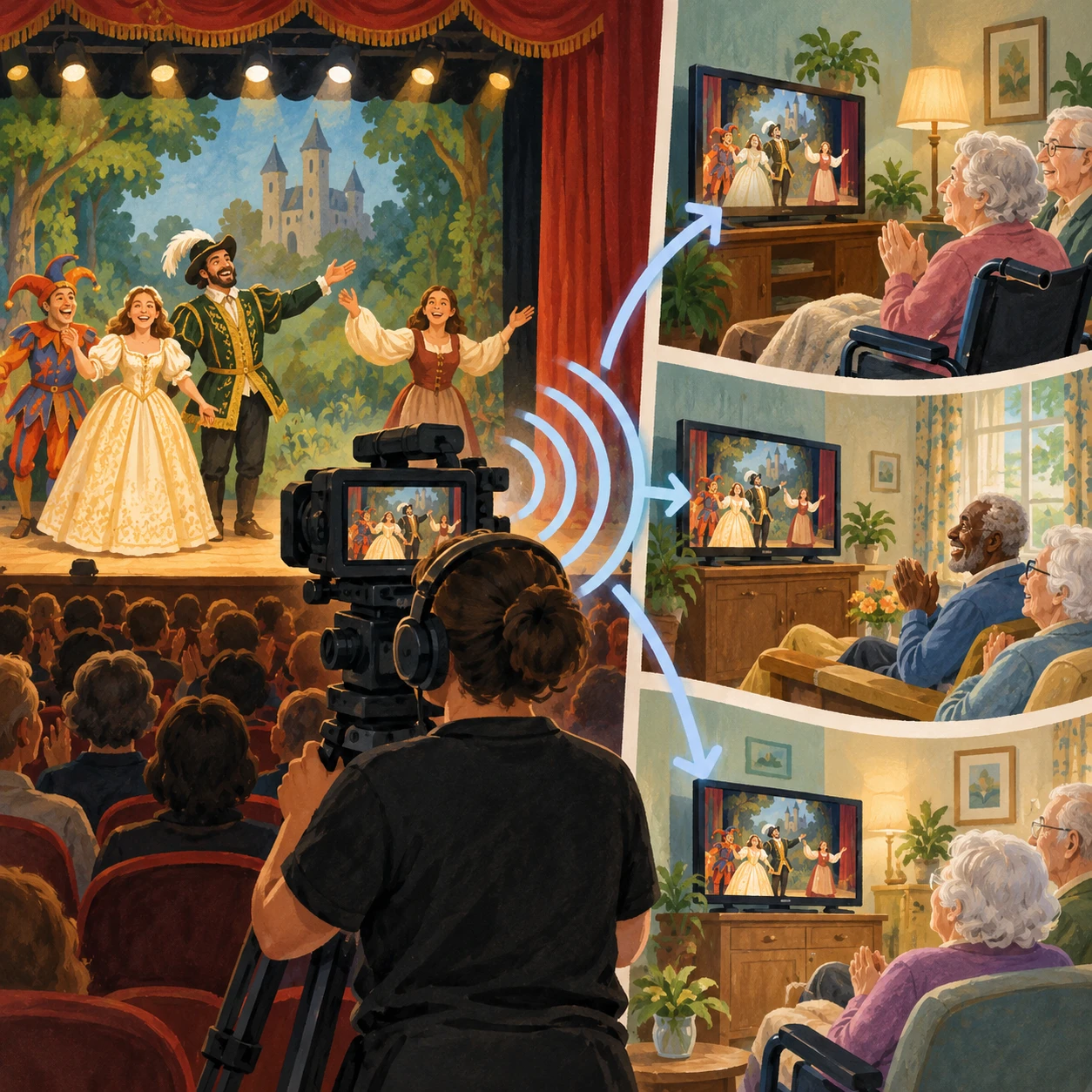
They are sending the debate’s sound and pictures to audiences in real time, not recording it for later, postponing it or cancelling it.

They ___ the debate live.

  1. postpone
  2. broadcast
  3. cancel
  4. record
Respuesta y explicación
broadcast

Fíjate en «sound and pictures to audiences in real time». Aquí se pide «transmitir un programa al público»: «broadcast». Enviar sonido o imágenes al público es transmitir. Guardarlos es grabar; cambiar la fecha es posponer; suprimir el plan es cancelar. Frase completa: «They broadcast the debate live.».

P01 · Practicar la habilidad

The person responsible for selecting and revising newspaper content shortened the article.

The ___ shortened the article.

  1. rumour
  2. editor
  3. coverage
  4. headline
Respuesta y explicación
editor

Fíjate en «selecting and revising». Aquí se pide «persona que selecciona y revisa contenidos»: «editor». Nombra la función mediática: título, origen de información, transmisión, edición, afirmación sin confirmar o cobertura global. Frase completa: «The editor shortened the article.».

P02 · Practicar la habilidad

An unconfirmed story, with no reliable evidence that it was true, spread quickly online.

The ___ spread quickly online.

  1. source
  2. headline
  3. rumour
  4. coverage
Respuesta y explicación
rumour

Fíjate en «no reliable evidence». Aquí se pide «información no verificada que circula»: «rumour». Nombra la función mediática: título, origen de información, transmisión, edición, afirmación sin confirmar o cobertura global. Frase completa: «The rumour spread quickly online.».

P03 · Practicar la habilidad

Many journalists reported the election in detail across newspapers, radio and television. The sentence names this reporting as a whole, not a single programme.

The election received extensive ___.

  1. source
  2. coverage
  3. broadcast
  4. headline
Respuesta y explicación
coverage

Fíjate en «reporting as a whole». Aquí se pide «tratamiento de un hecho en los medios»: «coverage». Nombra la función mediática: título, origen de información, transmisión, edición, afirmación sin confirmar o cobertura global. Frase completa: «The election received extensive coverage.».

P04 · Practicar la habilidad

Complete the sentence with the expression that matches the stated situation.

The large title above the article is its ___.

  1. source
  2. headline
  3. broadcast
  4. editor
Respuesta y explicación
headline

Fíjate en «large title». Aquí se pide «título principal de una noticia»: «headline». Nombra la función mediática: título, origen de información, transmisión, edición, afirmación sin confirmar o cobertura global. Frase completa: «The large title above the article is its headline.».

R01 · Nuevos contextos

Complete the sentence with the expression that matches the stated situation.

Who first supplied this information? We need to identify the ___.

  1. source
  2. rumour
  3. broadcast
  4. editor
Respuesta y explicación
source

Fíjate en «supplied this information». Aquí se pide «origen de una información»: «source». Nombra la función mediática: título, origen de información, transmisión, edición, afirmación sin confirmar o cobertura global. Frase completa: «Who first supplied this information? We need to identify the source.».

R02 · Nuevos contextos

The station’s aim is to transmit the concert to listeners throughout the country, not save a recording or change the concert’s date.

The station will ___ the concert across the country.

  1. record
  2. postpone
  3. broadcast
  4. cancel
Respuesta y explicación
broadcast

Fíjate en «transmit the concert». Aquí se pide «transmitir un programa al público»: «broadcast». Enviar sonido o imágenes al público es transmitir. Guardarlos es grabar; cambiar la fecha es posponer; suprimir el plan es cancelar. Frase completa: «The station will broadcast the concert across the country.».

R03 · Nuevos contextos

Complete the sentence with the expression that matches the stated situation.

The ___ decides which stories appear in tomorrow’s newspaper.

  1. rumour
  2. coverage
  3. editor
  4. headline
Respuesta y explicación
editor

Fíjate en «decides which stories». Aquí se pide «persona que selecciona y revisa contenidos»: «editor». Nombra la función mediática: título, origen de información, transmisión, edición, afirmación sin confirmar o cobertura global. Frase completa: «The editor decides which stories appear in tomorrow’s newspaper.».

X01 · Un nuevo reto

Complete the sentence with the expression that matches the stated situation.

There is no evidence that the shop will close; it is only a ___.

  1. coverage
  2. headline
  3. source
  4. rumour
Respuesta y explicación
rumour

Fíjate en «no evidence». Aquí se pide «información no verificada que circula»: «rumour». Nombra la función mediática: título, origen de información, transmisión, edición, afirmación sin confirmar o cobertura global. Frase completa: «There is no evidence that the shop will close; it is only a rumour.».

X02 · Un nuevo reto

Several channels spent hours reporting and analysing the summit. The sentence asks for the uncountable name for that reporting, not a programme or title.

Several channels devoted hours of ___ to the summit.

  1. headline
  2. broadcast
  3. coverage
  4. source
Respuesta y explicación
coverage

Fíjate en «reporting and analysing». Aquí se pide «tratamiento de un hecho en los medios»: «coverage». Nombra la función mediática: título, origen de información, transmisión, edición, afirmación sin confirmar o cobertura global. Frase completa: «Several channels devoted hours of coverage to the summit.».

R04 · Nuevos contextos

Choose the expression that matches the situation.

A ___ interviewed local residents and wrote a news report about the flood.

  1. article
  2. caption
  3. subscription
  4. journalist
Respuesta y explicación
journalist

Fíjate en «interviewed local residents». Aquí se pide «periodista»: «journalist». Distingue reportero, texto escrito, acceso periódico, pie de imagen, reportero destinado en un lugar y restricción oficial de publicación. Frase completa: «A journalist interviewed local residents and wrote a news report about the flood.».

R05 · Nuevos contextos

Choose the expression that matches the situation.

The magazine published a two-page ___ about local history.

  1. correspondent
  2. caption
  3. article
  4. subscription
Respuesta y explicación
article

Fíjate en «two-page». Aquí se pide «artículo periodístico»: «article». Distingue reportero, texto escrito, acceso periódico, pie de imagen, reportero destinado en un lugar y restricción oficial de publicación. Frase completa: «The magazine published a two-page article about local history.».

R06 · Nuevos contextos

Choose the expression that matches the situation.

A monthly ___ gives you access to all the newspaper's online articles.

  1. caption
  2. subscription
  3. correspondent
  4. censorship
Respuesta y explicación
subscription

Fíjate en «monthly». Aquí se pide «suscripción»: «subscription». Distingue reportero, texto escrito, acceso periódico, pie de imagen, reportero destinado en un lugar y restricción oficial de publicación. Frase completa: «A monthly subscription gives you access to all the newspaper's online articles.».

R07 · Nuevos contextos

Choose the expression that matches the situation.

The ___ beneath the photograph tells us where and when it was taken.

  1. caption
  2. censorship
  3. journalist
  4. correspondent
Respuesta y explicación
caption

Fíjate en «beneath the photograph». Aquí se pide «pie de foto»: «caption». Distingue reportero, texto escrito, acceso periódico, pie de imagen, reportero destinado en un lugar y restricción oficial de publicación. Frase completa: «The caption beneath the photograph tells us where and when it was taken.».

R08 · Nuevos contextos

Choose the expression that matches the situation.

Our Paris ___ lives in France and sends us regular reports from there.

  1. caption
  2. correspondent
  3. subscription
  4. article
Respuesta y explicación
correspondent

Fíjate en «lives in France». Aquí se pide «corresponsal»: «correspondent». Distingue reportero, texto escrito, acceso periódico, pie de imagen, reportero destinado en un lugar y restricción oficial de publicación. Frase completa: «Our Paris correspondent lives in France and sends us regular reports from there.».

R09 · Nuevos contextos

Choose the expression that matches the situation.

Government ___ prevented newspapers from printing criticism of the president.

  1. subscription
  2. article
  3. censorship
  4. journalist
Respuesta y explicación
censorship

Fíjate en «prevented newspapers». Aquí se pide «censura»: «censorship». Distingue reportero, texto escrito, acceso periódico, pie de imagen, reportero destinado en un lugar y restricción oficial de publicación. Frase completa: «Government censorship prevented newspapers from printing criticism of the president.».

X03 · Un nuevo reto

Choose the expression that matches the situation.

The newspaper sent a ___ to ask the mayor questions for tomorrow's report.

  1. censorship
  2. caption
  3. journalist
  4. subscription
Respuesta y explicación
journalist

Fíjate en «ask the mayor questions». Aquí se pide «periodista»: «journalist». Distingue reportero, texto escrito, acceso periódico, pie de imagen, reportero destinado en un lugar y restricción oficial de publicación. Frase completa: «The newspaper sent a journalist to ask the mayor questions for tomorrow's report.».

X04 · Un nuevo reto

Choose the expression that matches the situation.

I read an ___ in the newspaper explaining the new transport plan.

  1. censorship
  2. article
  3. correspondent
  4. caption
Respuesta y explicación
article

Fíjate en «read an». Aquí se pide «artículo periodístico»: «article». Distingue reportero, texto escrito, acceso periódico, pie de imagen, reportero destinado en un lugar y restricción oficial de publicación. Frase completa: «I read an article in the newspaper explaining the new transport plan.».

X05 · Un nuevo reto

Choose the expression that matches the situation.

She cancelled her magazine ___, so no more issues arrived each month.

  1. journalist
  2. subscription
  3. censorship
  4. correspondent
Respuesta y explicación
subscription

Fíjate en «no more issues». Aquí se pide «suscripción»: «subscription». Distingue reportero, texto escrito, acceso periódico, pie de imagen, reportero destinado en un lugar y restricción oficial de publicación. Frase completa: «She cancelled her magazine subscription, so no more issues arrived each month.».

X06 · Un nuevo reto

Choose the expression that matches the situation.

Without the ___ under the image, readers would not know who the people were.

  1. article
  2. journalist
  3. censorship
  4. caption
Respuesta y explicación
caption

Fíjate en «under the image». Aquí se pide «pie de foto»: «caption». Distingue reportero, texto escrito, acceso periódico, pie de imagen, reportero destinado en un lugar y restricción oficial de publicación. Frase completa: «Without the caption under the image, readers would not know who the people were.».

X07 · Un nuevo reto

Choose the expression that matches the situation.

The network's foreign ___ reported live from her base in Tokyo.

  1. censorship
  2. correspondent
  3. caption
  4. subscription
Respuesta y explicación
correspondent

Fíjate en «base in Tokyo». Aquí se pide «corresponsal»: «correspondent». Distingue reportero, texto escrito, acceso periódico, pie de imagen, reportero destinado en un lugar y restricción oficial de publicación. Frase completa: «The network's foreign correspondent reported live from her base in Tokyo.».

X08 · Un nuevo reto

Choose the expression that matches the situation.

The report described official ___ in which authorities removed passages before publication.

  1. subscription
  2. caption
  3. censorship
  4. article
Respuesta y explicación
censorship

Fíjate en «authorities removed passages». Aquí se pide «censura»: «censorship». Distingue reportero, texto escrito, acceso periódico, pie de imagen, reportero destinado en un lugar y restricción oficial de publicación. Frase completa: «The report described official censorship in which authorities removed passages before publication.».