tornozelo · pulso · joelho · ombro
Use a situação para distinguir estes sentidos: ankle = tornozelo; wrist = pulso; knee = joelho; shoulder = ombro.
The joint joining the foot to the leg is the ankle.

Saúde e corpo · A2. Use a situação para distinguir estes sentidos: ankle = tornozelo; wrist = pulso; knee = joelho; shoulder = ombro.
Pratique Saúde e corpo em situações curtas. Leia a pista, escolha ou escreva uma forma e confira a explicação. O nível é uma orientação editorial. Explore 12 cartões e 24 questões contextualizadas, com novas situações de revisão e aplicação.

The joint between the foot and the leg.
There is a small scar on my left ankle.
Tenho uma pequena cicatriz no tornozelo esquerdo.
Estas indicações se referem a este sentido. Palavras da mesma família podem mudar de sentido; expressões próximas nem sempre são intercambiáveis.
Use “ankle” para tornozelo. Compare com “wrist” (pulso); os sentidos são diferentes.
Use a situação para distinguir estes sentidos: ankle = tornozelo; wrist = pulso; knee = joelho; shoulder = ombro.
The joint joining the foot to the leg is the ankle.
Use a situação para distinguir estes sentidos: headache = dor de cabeça; cough = tosse; fever = febre; cold = resfriado.
Pain in the head is called a headache.
Use a situação para distinguir estes sentidos: appointment = consulta marcada; prescription = receita médica; treatment = tratamento; recovery = recuperação.
We agreed that I will see the doctor at three. I have an appointment.
The joint joining the foot to the leg is the ___.
Use a situação para distinguir estes sentidos: ankle = tornozelo; wrist = pulso; knee = joelho; shoulder = ombro.
The joint joining the foot to the leg is the ankle.Use a situação para distinguir estes sentidos: headache = dor de cabeça; cough = tosse; fever = febre; cold = resfriado.
Pain in the head is called a headache.Use a situação para distinguir estes sentidos: appointment = consulta marcada; prescription = receita médica; treatment = tratamento; recovery = recuperação.
We agreed that I will see the doctor at three. I have an appointment.Guarde a primeira tentativa, entenda a mudança e confira em outra situação.
Ainda não há revisões. Faça um aquecimento curto.
Abrir uma resposta registra ajuda para essa questão.
The joint joining the foot to the leg is the ___.
Observe “foot to the leg”. Aqui precisamos de “tornozelo”: “ankle”. Localize a articulação pelas partes que conecta. Frase completa: “The joint joining the foot to the leg is the ankle.”.
Pain in the head is called a ___.
Observe “Pain in the head”. Aqui precisamos de “dor de cabeça”: “headache”. Nomeie o sintoma ou doença descrita, não outro problema que possa coexistir. Frase completa: “Pain in the head is called a headache.”.
We agreed that I will see the doctor at three. I have an ___.
Observe “see the doctor at three”. Aqui precisamos de “consulta marcada”: “appointment”. Separe consulta marcada, receita, tratamento e recuperação. Frase completa: “We agreed that I will see the doctor at three. I have an appointment.”.
The joint joining the hand to the arm is the ___.
Observe “hand to the arm”. Aqui precisamos de “pulso”: “wrist”. Localize a articulação pelas partes que conecta. Frase completa: “The joint joining the hand to the arm is the wrist.”.
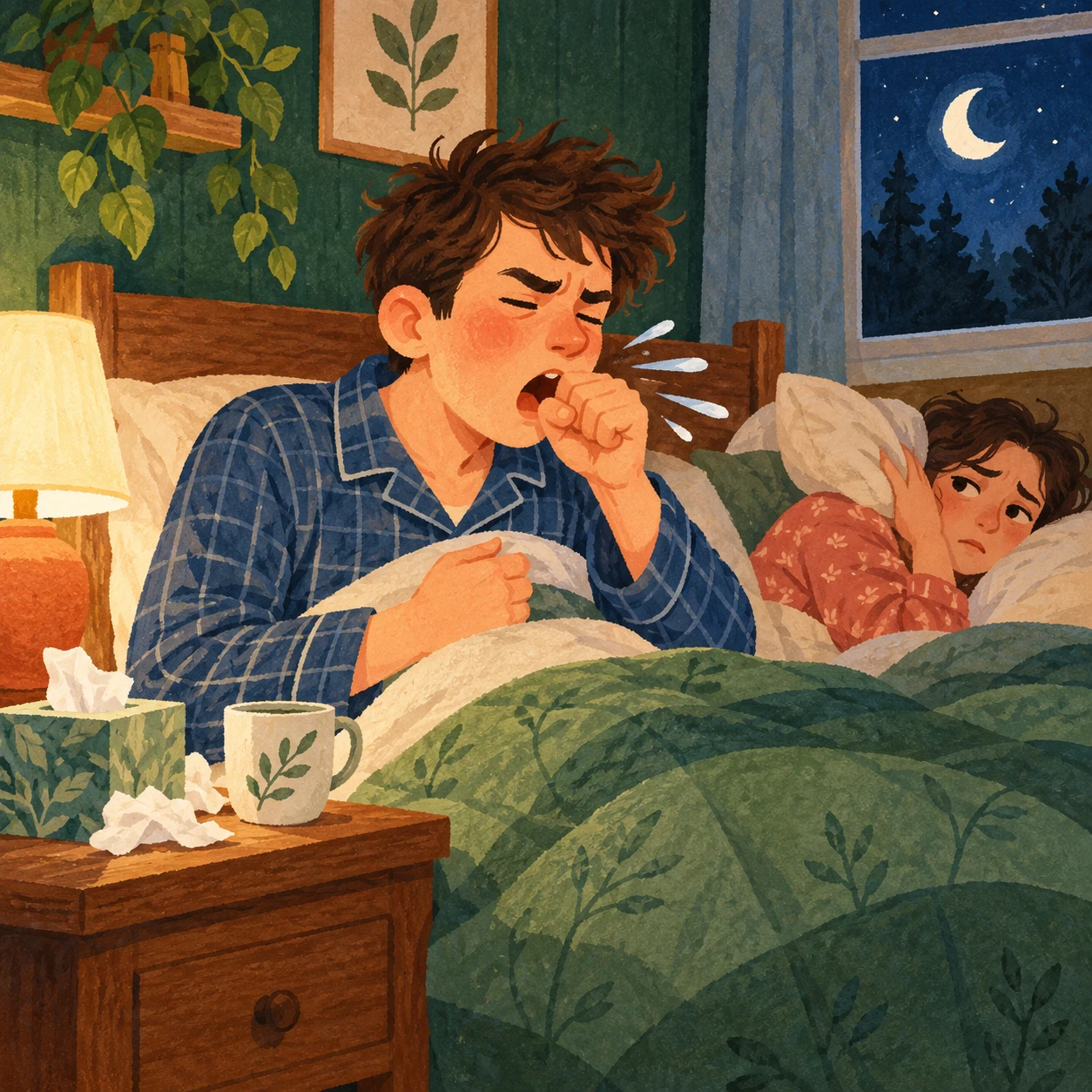
A sudden noisy push of air from your throat is a ___.
Observe “push of air from your throat”. Aqui precisamos de “tosse”: “cough”. Nomeie o sintoma ou doença descrita, não outro problema que possa coexistir. Frase completa: “A sudden noisy push of air from your throat is a cough.”.
The doctor’s written order that authorises specific medicine is a ___.
Observe “written order”. Aqui precisamos de “receita médica”: “prescription”. Separe consulta marcada, receita, tratamento e recuperação. Frase completa: “The doctor’s written order that authorises specific medicine is a prescription.”.
The joint in the middle of the leg that bends is the ___.
Observe “middle of the leg”. Aqui precisamos de “joelho”: “knee”. Localize a articulação pelas partes que conecta. Frase completa: “The joint in the middle of the leg that bends is the knee.”.
The joint where the upper arm meets the body is the ___.
Observe “upper arm meets the body”. Aqui precisamos de “ombro”: “shoulder”. Localize a articulação pelas partes que conecta. Frase completa: “The joint where the upper arm meets the body is the shoulder.”.
A body temperature higher than normal is called a ___.
Observe “temperature higher than normal”. Aqui precisamos de “febre”: “fever”. Nomeie o sintoma ou doença descrita, não outro problema que possa coexistir. Frase completa: “A body temperature higher than normal is called a fever.”.
Medical care given to improve an illness or injury is called ___.
Observe “Medical care”. Aqui precisamos de “tratamento”: “treatment”. Separe consulta marcada, receita, tratamento e recuperação. Frase completa: “Medical care given to improve an illness or injury is called treatment.”.
A common minor illness with a runny nose and sneezing is a ___.
Observe “runny nose and sneezing”. Aqui precisamos de “resfriado”: “cold”. Nomeie o sintoma ou doença descrita, não outro problema que possa coexistir. Frase completa: “A common minor illness with a runny nose and sneezing is a cold.”.
The process of getting well after an illness is ___.
Observe “getting well”. Aqui precisamos de “recuperação”: “recovery”. Separe consulta marcada, receita, tratamento e recuperação. Frase completa: “The process of getting well after an illness is recovery.”.
The joint between my foot and my lower leg is my ___.
Observe “foot and my lower leg”. Aqui precisamos de “tornozelo”: “ankle”. Localize a articulação pelas partes que conecta. Frase completa: “The joint between my foot and my lower leg is my ankle.”.
I have a pain in my head. I have a ___.
Observe “pain in my head”. Aqui precisamos de “dor de cabeça”: “headache”. Nomeie o sintoma ou doença descrita, não outro problema que possa coexistir. Frase completa: “I have a pain in my head. I have a headache.”.
My doctor has agreed to see me at a fixed time tomorrow. I have an ___.
Observe “fixed time”. Aqui precisamos de “consulta marcada”: “appointment”. Separe consulta marcada, receita, tratamento e recuperação. Frase completa: “My doctor has agreed to see me at a fixed time tomorrow. I have an appointment.”.
The joint between my hand and my arm is my ___.
Observe “hand and my arm”. Aqui precisamos de “pulso”: “wrist”. Localize a articulação pelas partes que conecta. Frase completa: “The joint between my hand and my arm is my wrist.”.
Air comes out of my mouth suddenly with a rough sound. This action is a ___.
Observe “rough sound”. Aqui precisamos de “tosse”: “cough”. Nomeie o sintoma ou doença descrita, não outro problema que possa coexistir. Frase completa: “Air comes out of my mouth suddenly with a rough sound. This action is a cough.”.
The doctor gives me written instructions for the pharmacy to supply medicine: a ___.
Observe “pharmacy to supply medicine”. Aqui precisamos de “receita médica”: “prescription”. Separe consulta marcada, receita, tratamento e recuperação. Frase completa: “The doctor gives me written instructions for the pharmacy to supply medicine: a prescription.”.
The joint in the middle of my leg, where it bends, is my ___.
Observe “middle of my leg”. Aqui precisamos de “joelho”: “knee”. Localize a articulação pelas partes que conecta. Frase completa: “The joint in the middle of my leg, where it bends, is my knee.”.
The part where my arm joins the top of my body is my ___.
Observe “arm joins the top”. Aqui precisamos de “ombro”: “shoulder”. Localize a articulação pelas partes que conecta. Frase completa: “The part where my arm joins the top of my body is my shoulder.”.
A body temperature much higher than normal is called a ___.
Observe “temperature much higher”. Aqui precisamos de “febre”: “fever”. Nomeie o sintoma ou doença descrita, não outro problema que possa coexistir. Frase completa: “A body temperature much higher than normal is called a fever.”.
Care or medicine given to help an illness is ___.
Observe “Care or medicine”. Aqui precisamos de “tratamento”: “treatment”. Separe consulta marcada, receita, tratamento e recuperação. Frase completa: “Care or medicine given to help an illness is treatment.”.
I have a common minor illness with a runny nose and sneezing. I have a ___.
Observe “runny nose and sneezing”. Aqui precisamos de “resfriado”: “cold”. Nomeie o sintoma ou doença descrita, não outro problema que possa coexistir. Frase completa: “I have a common minor illness with a runny nose and sneezing. I have a cold.”.
The process of becoming well again after being ill is ___.
Observe “becoming well again”. Aqui precisamos de “recuperação”: “recovery”. Separe consulta marcada, receita, tratamento e recuperação. Frase completa: “The process of becoming well again after being ill is recovery.”.