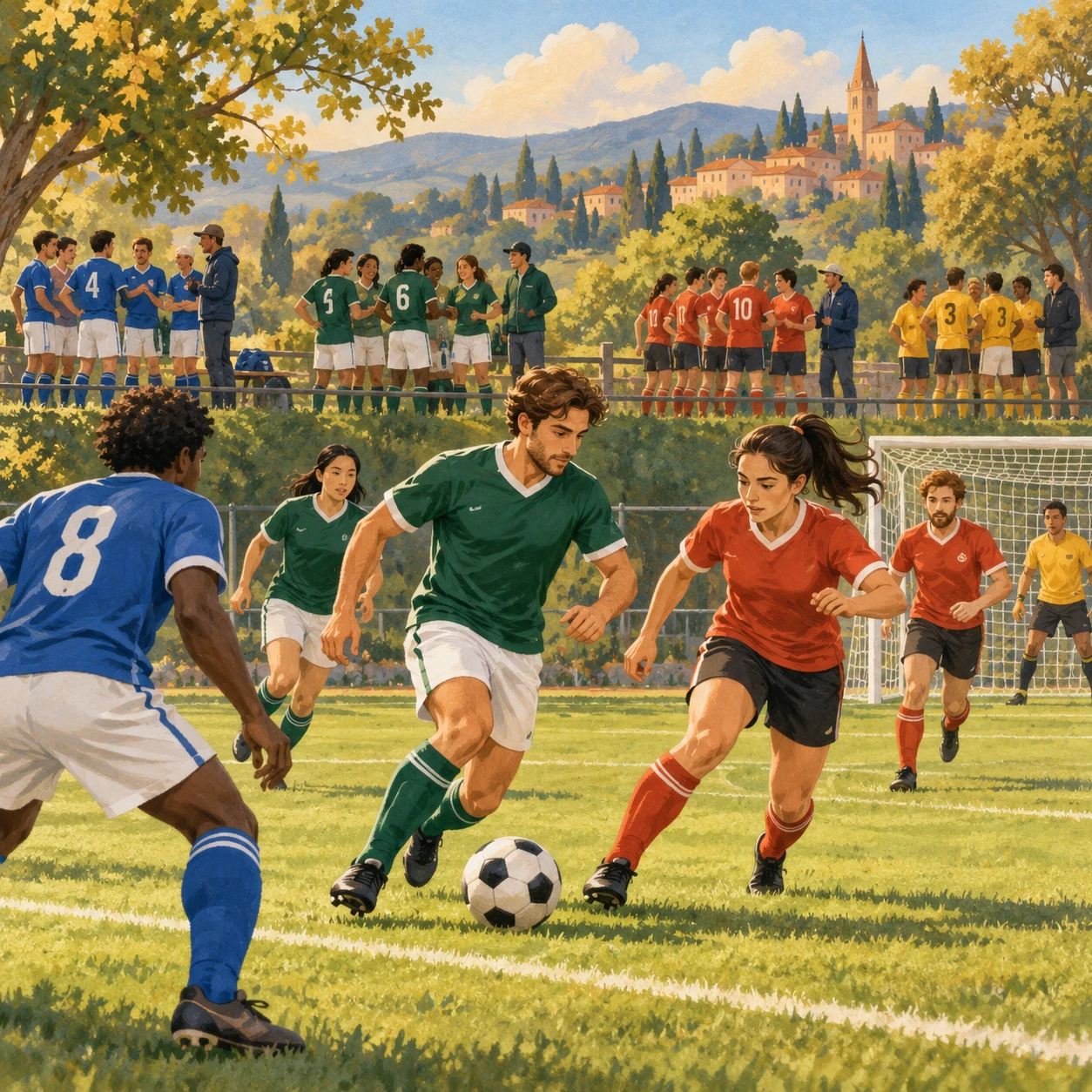
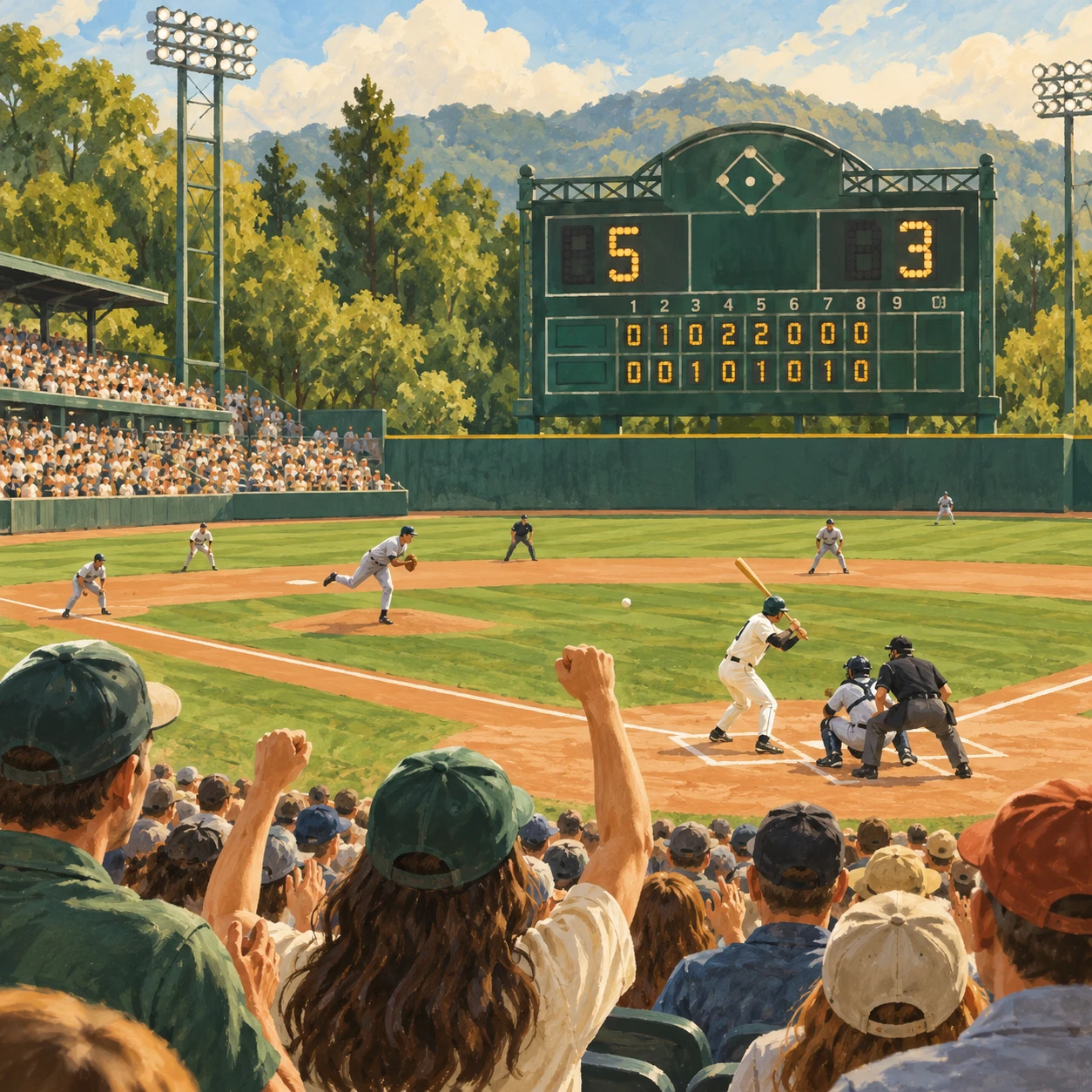
árbitro · goleiro · adversário · colega de equipe
Diferencie estes sentidos no contexto: referee = árbitro; goalkeeper = goleiro; opponent = adversário; teammate = colega de equipe.
The referee stopped the match.

Esporte e condicionamento · B1. Diferencie estes sentidos no contexto: referee = árbitro; goalkeeper = goleiro; opponent = adversário; teammate = colega de equipe.
Aprenda doze palavras úteis sobre o tema. Estude exemplos independentes e pratique em novas situações. O nível é uma referência editorial, não uma certificação.
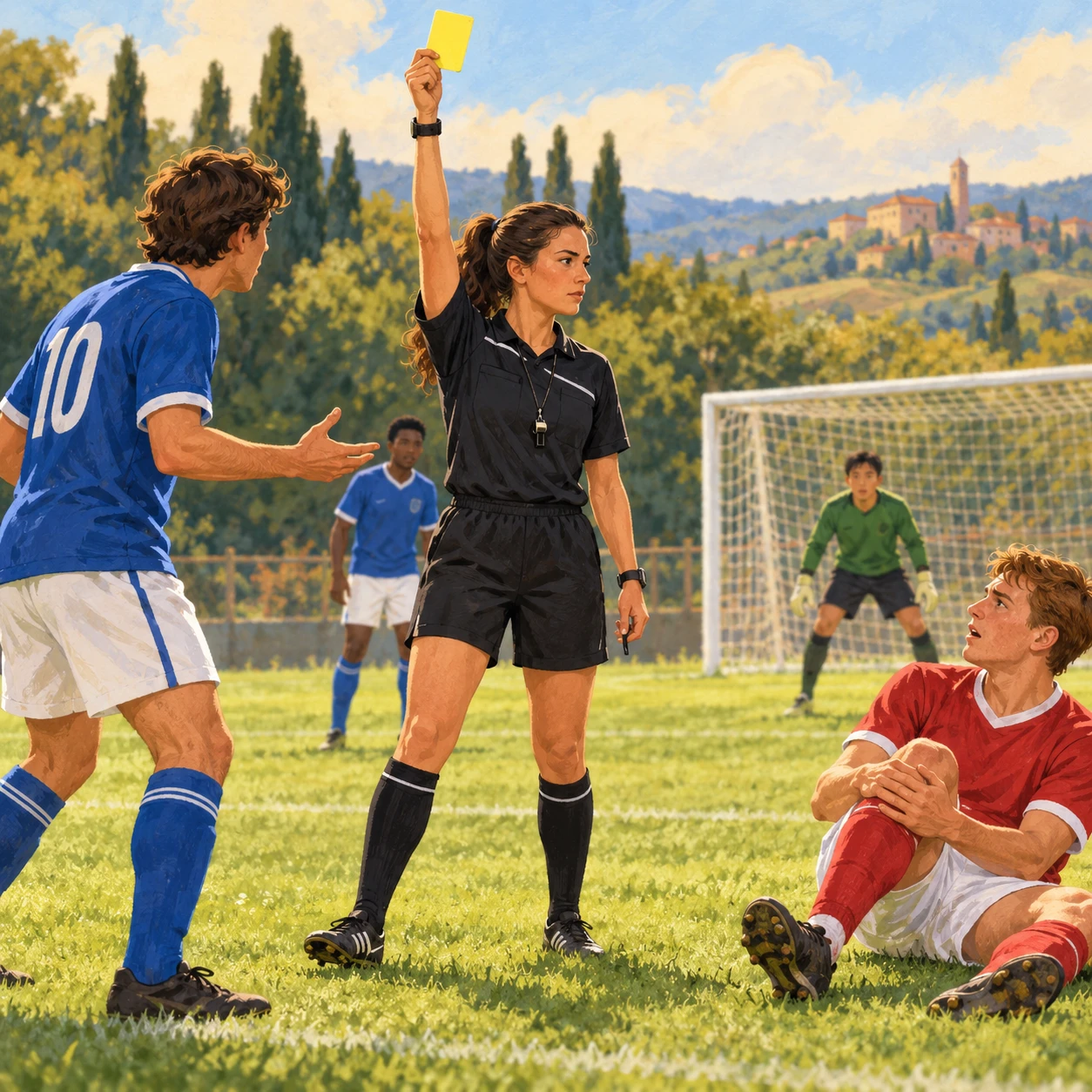
an official who enforces rules in a sporting match
The referee stopped the match.
O árbitro interrompeu a partida.
Estas indicações se referem a este sentido. Palavras da mesma família podem mudar de sentido; expressões próximas nem sempre são intercambiáveis.
Pratique a combinação “a football referee”. Nesta unidade, “referee” significa árbitro.
Diferencie estes sentidos no contexto: referee = árbitro; goalkeeper = goleiro; opponent = adversário; teammate = colega de equipe.
The referee stopped the match.
Diferencie estes sentidos no contexto: tournament = torneio; league = liga; fixture = partida marcada; scoreboard = placar.
Sixty players entered the tournament.
Diferencie estes sentidos no contexto: stamina = resistência física; strength = força; flexibility = flexibilidade; balance = equilíbrio.
Long walks help build my stamina.
The ___ blew the whistle and gave the player a yellow card.
Diferencie estes sentidos no contexto: referee = árbitro; goalkeeper = goleiro; opponent = adversário; teammate = colega de equipe.
The referee stopped the match.Diferencie estes sentidos no contexto: tournament = torneio; league = liga; fixture = partida marcada; scoreboard = placar.
Sixty players entered the tournament.Diferencie estes sentidos no contexto: stamina = resistência física; strength = força; flexibility = flexibilidade; balance = equilíbrio.
Long walks help build my stamina.Guarde a primeira tentativa, entenda a mudança e confira em outra situação.
Ainda não há revisões. Faça um aquecimento curto.
Abrir uma resposta registra ajuda para essa questão.
The ___ blew the whistle and gave the player a yellow card.
Observe “gave the player a yellow card”. Aqui precisamos de “árbitro”: “referee”. Use o papel pedido: árbitro, posição no gol, adversário ou colega. Um goleiro também é colega; posição e relação de equipe são questões diferentes. Frase completa: “The referee blew the whistle and gave the player a yellow card.”.
This knockout ___ ends with a final between the last two players.
Observe “knockout”. Aqui precisamos de “torneio”: “tournament”. Separe torneio, grupo de temporada, partida marcada e placar. Frase completa: “This knockout tournament ends with a final between the last two players.”.
The ability to keep running for several hours without becoming exhausted is called ___.
Observe “several hours”. Aqui precisamos de “resistência física”: “stamina”. Resistência prolongada, força máxima, amplitude de movimento e estabilidade são capacidades diferentes. Frase completa: “The ability to keep running for several hours without becoming exhausted is called stamina.”.
The name of the playing position responsible for guarding the goal and stopping goals is ___.
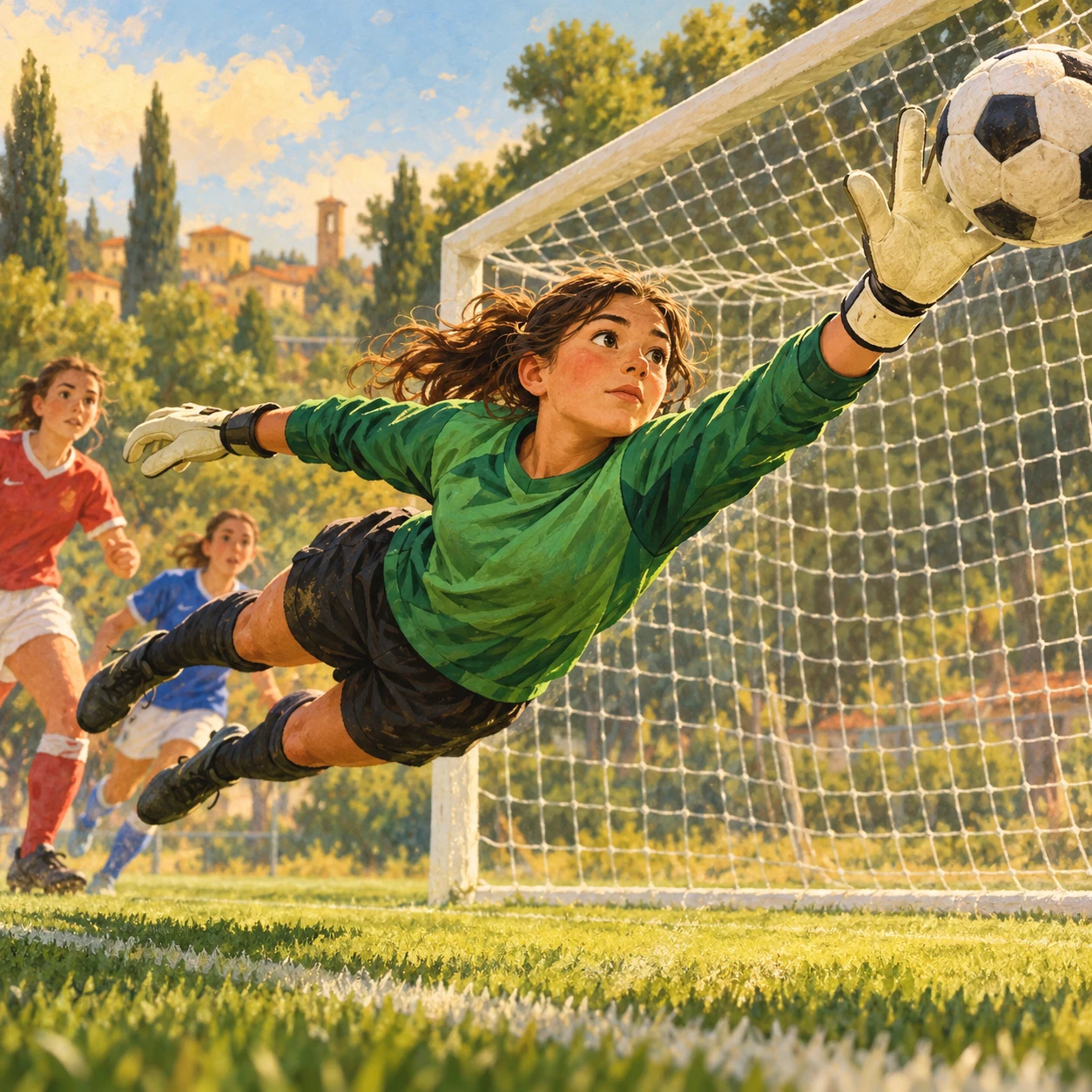
Observe “playing position”. Aqui precisamos de “goleiro”: “goalkeeper”. Use o papel pedido: árbitro, posição no gol, adversário ou colega. Um goleiro também é colega; posição e relação de equipe são questões diferentes. Frase completa: “The name of the playing position responsible for guarding the goal and stopping goals is goalkeeper.”.
In the tennis final, what do I call the player competing against me on the other side of the net? My ___.
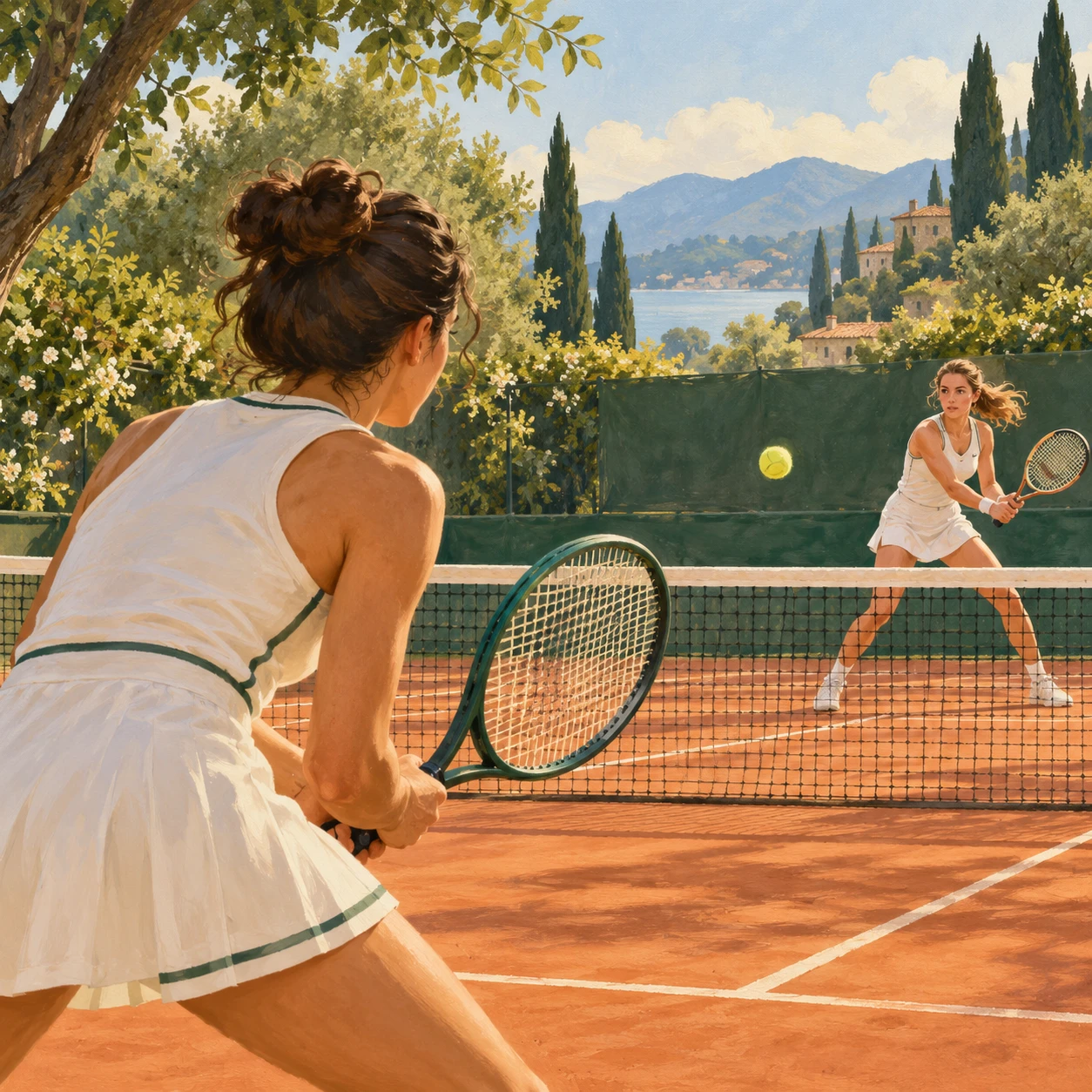
Observe “player competing against me”. Aqui precisamos de “adversário”: “opponent”. Use o papel pedido: árbitro, posição no gol, adversário ou colega. Um goleiro também é colega; posição e relação de equipe são questões diferentes. Frase completa: “In the tennis final, what do I call the player competing against me on the other side of the net? My opponent.” / “In the tennis final, my opponent stood on the other side of the net.”.
The general term for any player on your own team, regardless of position, is ___.
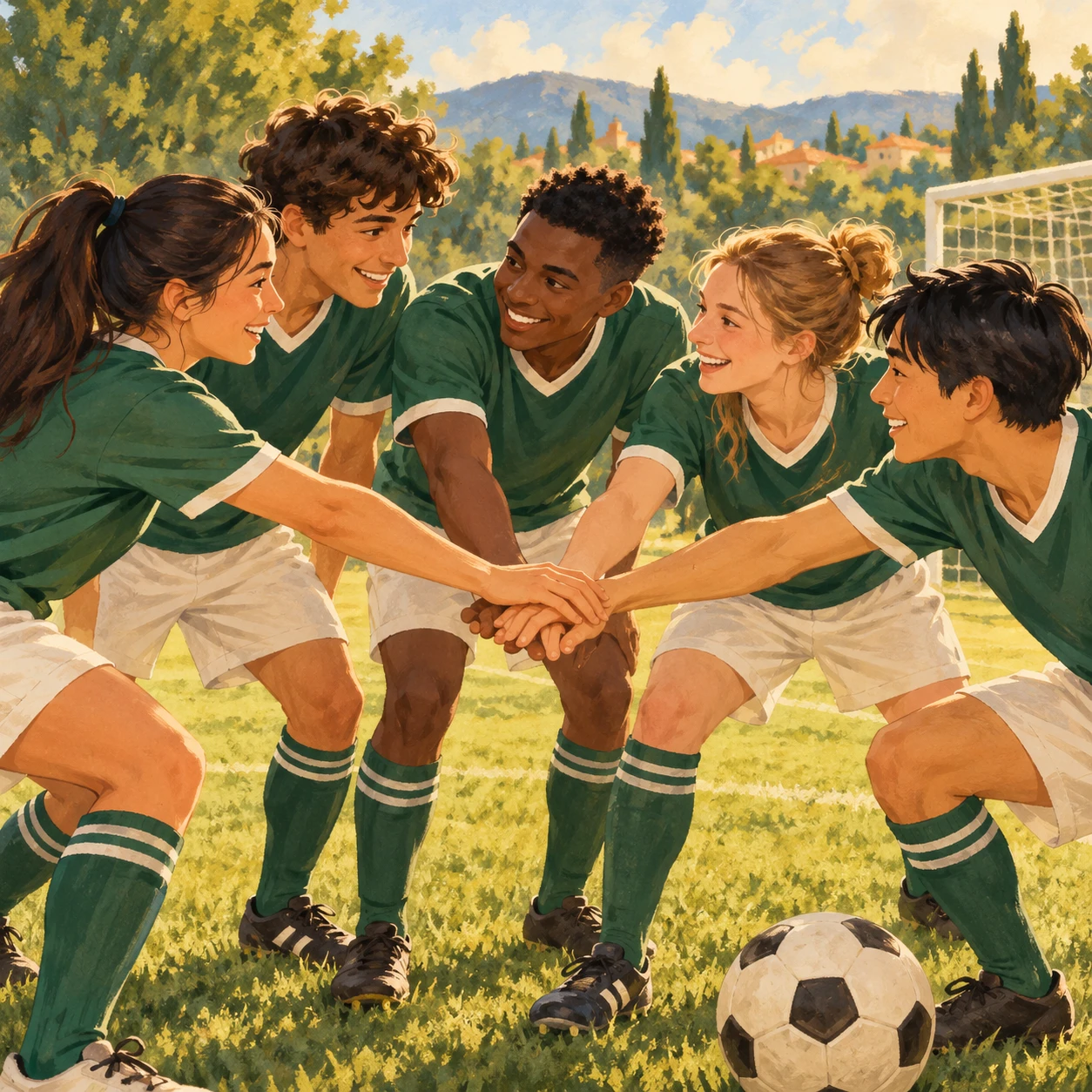
Observe “general term”. Aqui precisamos de “colega de equipe”: “teammate”. Use o papel pedido: árbitro, posição no gol, adversário ou colega. Um goleiro também é colega; posição e relação de equipe são questões diferentes. Frase completa: “The general term for any player on your own team, regardless of position, is teammate.”.
Our club belongs to a ___: a group of teams that compete regularly through a season and earn points in a table.
Observe “season and earn points”. Aqui precisamos de “liga”: “league”. Separe torneio, grupo de temporada, partida marcada e placar. Frase completa: “Our club belongs to a league: a group of teams that compete regularly through a season and earn points in a table.”.
Saturday’s ___ against City United has been postponed until Tuesday.
Observe “postponed”. Aqui precisamos de “partida marcada”: “fixture”. Separe torneio, grupo de temporada, partida marcada e placar. Frase completa: “Saturday’s fixture against City United has been postponed until Tuesday.”.
Look at the electronic ___ above the court: we are winning 21–18.
Observe “21–18”. Aqui precisamos de “placar”: “scoreboard”. Separe torneio, grupo de temporada, partida marcada e placar. Frase completa: “Look at the electronic scoreboard above the court: we are winning 21–18.”.
The amount of force your muscles can produce is called muscle ___.
Observe “force your muscles”. Aqui precisamos de “força”: “strength”. Resistência prolongada, força máxima, amplitude de movimento e estabilidade são capacidades diferentes. Frase completa: “The amount of force your muscles can produce is called muscle strength.”.
A gymnast needs ___ to bend her body into a wide range of positions.
Observe “bend her body”. Aqui precisamos de “flexibilidade”: “flexibility”. Resistência prolongada, força máxima, amplitude de movimento e estabilidade são capacidades diferentes. Frase completa: “A gymnast needs flexibility to bend her body into a wide range of positions.”.
The ability to remain steady on one leg without falling is called ___.
Observe “without falling”. Aqui precisamos de “equilíbrio”: “balance”. Resistência prolongada, força máxima, amplitude de movimento e estabilidade são capacidades diferentes. Frase completa: “The ability to remain steady on one leg without falling is called balance.”.
A neutral ___ checks that both teams follow the rules.
Observe “follow the rules”. Aqui precisamos de “árbitro”: “referee”. Use o papel pedido: árbitro, posição no gol, adversário ou colega. Um goleiro também é colega; posição e relação de equipe são questões diferentes. Frase completa: “A neutral referee checks that both teams follow the rules.”.
What is the specific playing-position name for the player who guards our football goal, even though that person is also a teammate? ___.
Observe “specific playing-position”. Aqui precisamos de “goleiro”: “goalkeeper”. Use o papel pedido: árbitro, posição no gol, adversário ou colega. Um goleiro também é colega; posição e relação de equipe são questões diferentes. Frase completa: “What is the specific playing-position name for the player who guards our football goal, even though that person is also a teammate? goalkeeper.” / “Only the goalkeeper in our football team wears gloves and guards the goal.”.
Eight teams entered a knockout ___ held over one weekend, ending in a final on Sunday.
Observe “knockout”. Aqui precisamos de “torneio”: “tournament”. Separe torneio, grupo de temporada, partida marcada e placar. Frase completa: “Eight teams entered a knockout tournament held over one weekend, ending in a final on Sunday.”.
The club hopes to move to a higher ___ after finishing top of the table.
Observe “higher”. Aqui precisamos de “liga”: “league”. Separe torneio, grupo de temporada, partida marcada e placar. Frase completa: “The club hopes to move to a higher league after finishing top of the table.”.
He can cycle all afternoon without tiring; this ability to keep going for a long time is called ___.
Observe “all afternoon”. Aqui precisamos de “resistência física”: “stamina”. Resistência prolongada, força máxima, amplitude de movimento e estabilidade são capacidades diferentes. Frase completa: “He can cycle all afternoon without tiring; this ability to keep going for a long time is called stamina.”.
She increased the maximum force her arms could produce in one short lift; this means greater arm ___.
Observe “maximum force”. Aqui precisamos de “força”: “strength”. Resistência prolongada, força máxima, amplitude de movimento e estabilidade são capacidades diferentes. Frase completa: “She increased the maximum force her arms could produce in one short lift; this means greater arm strength.”.
What is the general name for the player or team competing against us, whose points count against ours? Our ___.
Observe “player or team competing against us”. Aqui precisamos de “adversário”: “opponent”. Use o papel pedido: árbitro, posição no gol, adversário ou colega. Um goleiro também é colega; posição e relação de equipe são questões diferentes. Frase completa: “What is the general name for the player or team competing against us, whose points count against ours? Our opponent.” / “We lost because our opponent scored more points than we did.”.
A fellow player on the same team is called a ___, whether they play in goal or elsewhere.
Observe “whether they play in goal or elsewhere”. Aqui precisamos de “colega de equipe”: “teammate”. Use o papel pedido: árbitro, posição no gol, adversário ou colega. Um goleiro também é colega; posição e relação de equipe são questões diferentes. Frase completa: “A fellow player on the same team is called a teammate, whether they play in goal or elsewhere.”.
The club’s list of arranged individual matches is its ___ list.
Observe “arranged individual matches”. Aqui precisamos de “partida marcada”: “fixture”. Separe torneio, grupo de temporada, partida marcada e placar. Frase completa: “The club’s list of arranged individual matches is its fixture list.”.
The ___ stopped working, so nobody could see the score from the seats.
Observe “see the score”. Aqui precisamos de “placar”: “scoreboard”. Separe torneio, grupo de temporada, partida marcada e placar. Frase completa: “The scoreboard stopped working, so nobody could see the score from the seats.”.
He stretches his tight muscles to improve his range of movement and ___.
Observe “range of movement”. Aqui precisamos de “flexibilidade”: “flexibility”. Resistência prolongada, força máxima, amplitude de movimento e estabilidade são capacidades diferentes. Frase completa: “He stretches his tight muscles to improve his range of movement and flexibility.”.
The surfer kept his ___ and stayed upright on the moving board.
Observe “stayed upright”. Aqui precisamos de “equilíbrio”: “balance”. Resistência prolongada, força máxima, amplitude de movimento e estabilidade são capacidades diferentes. Frase completa: “The surfer kept his balance and stayed upright on the moving board.”.