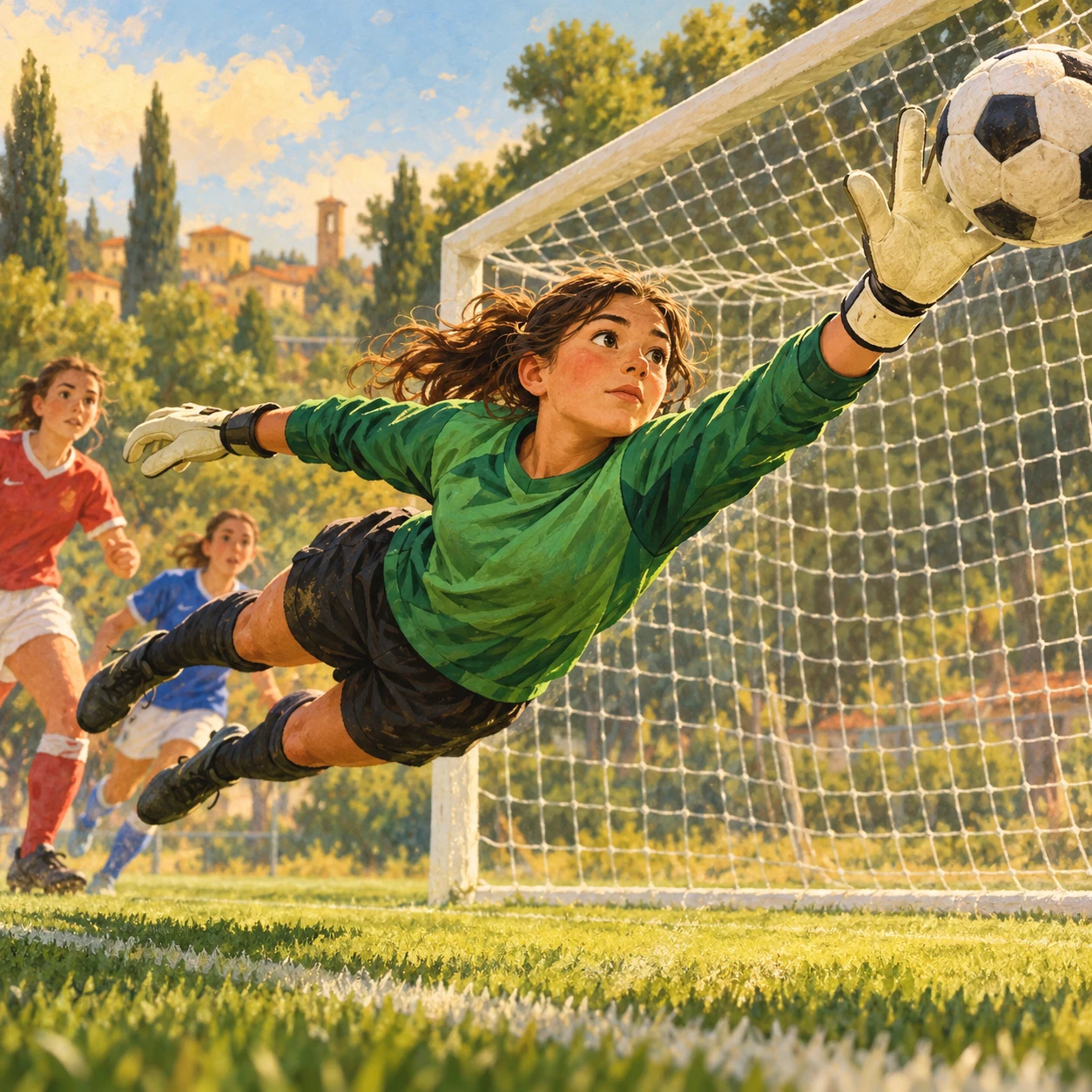
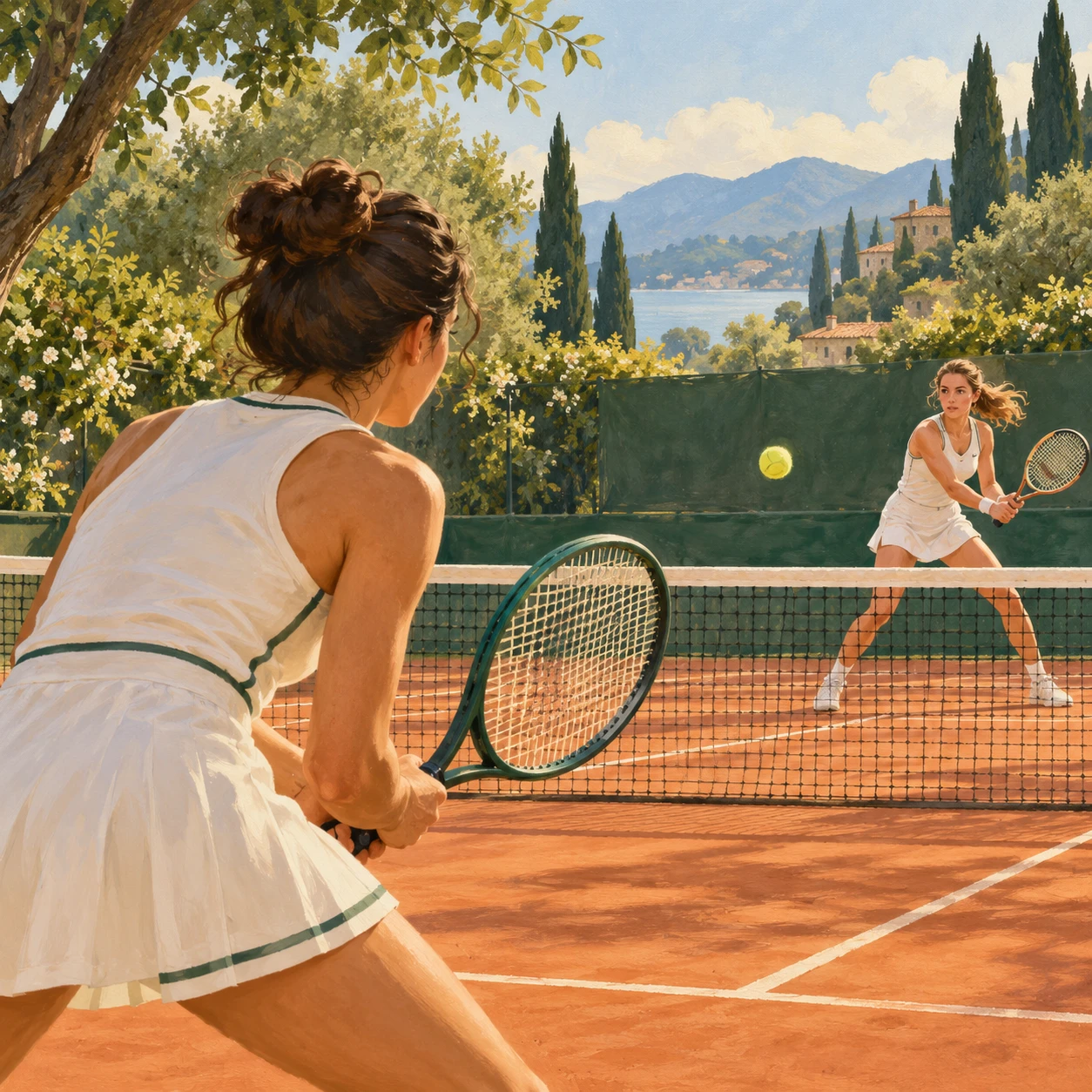
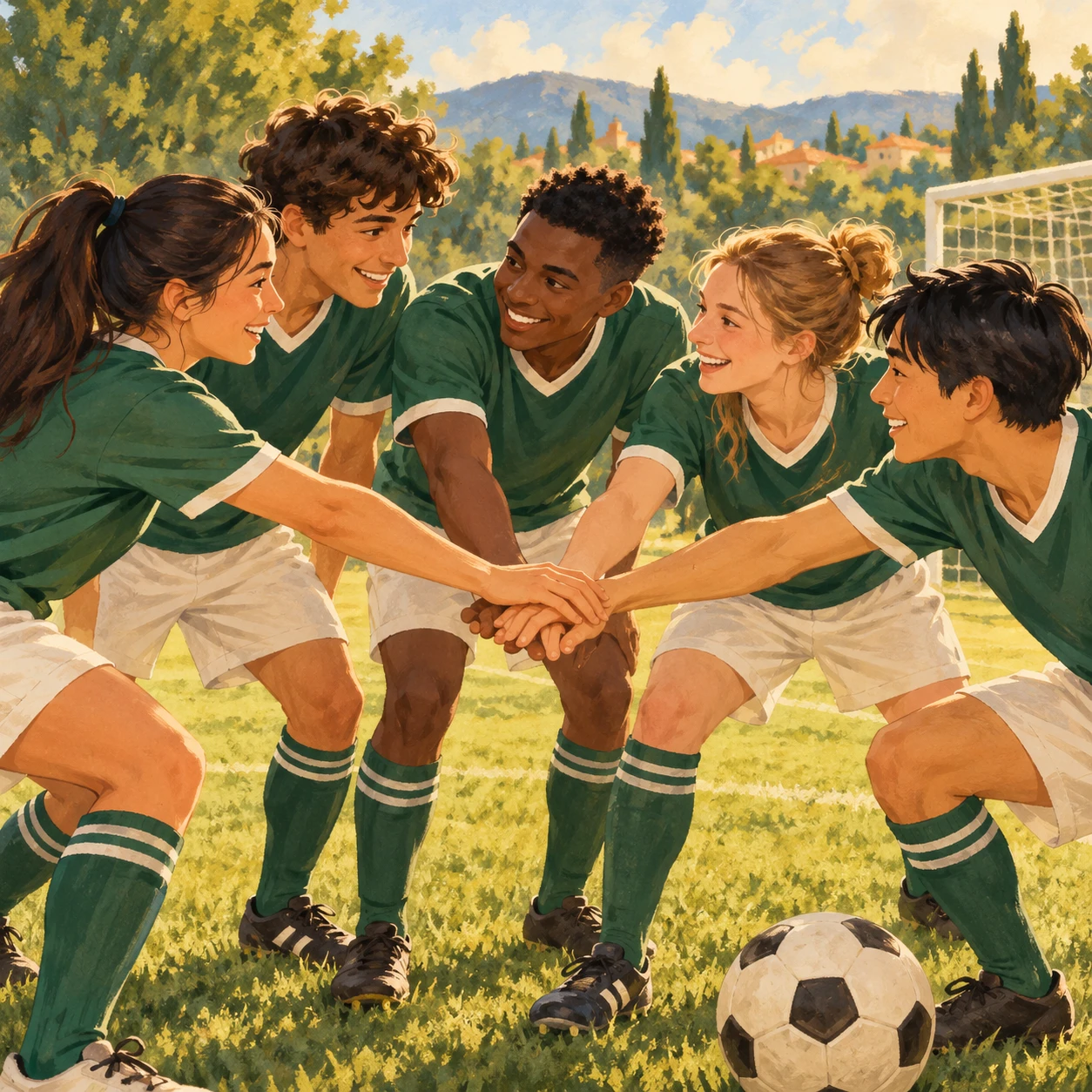
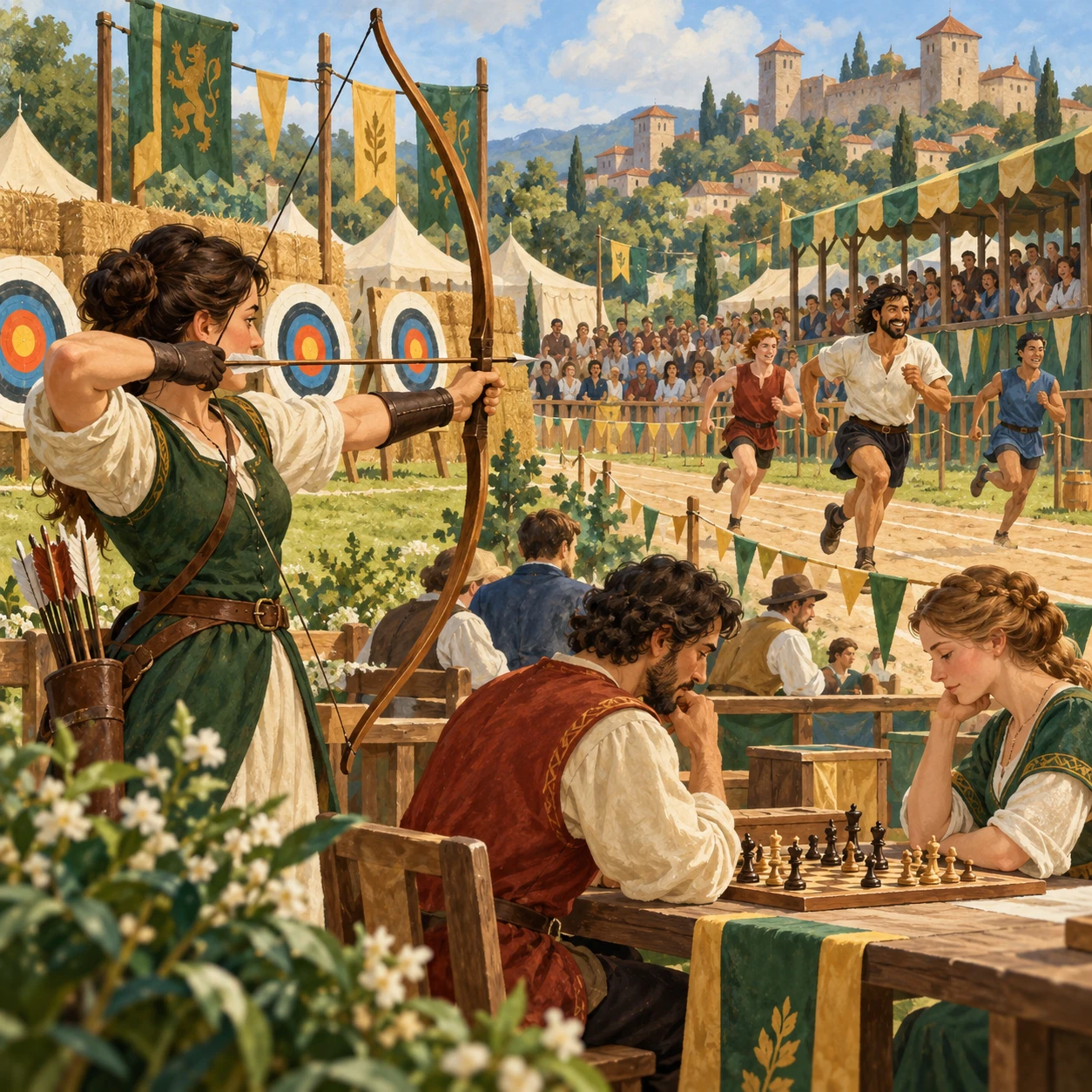
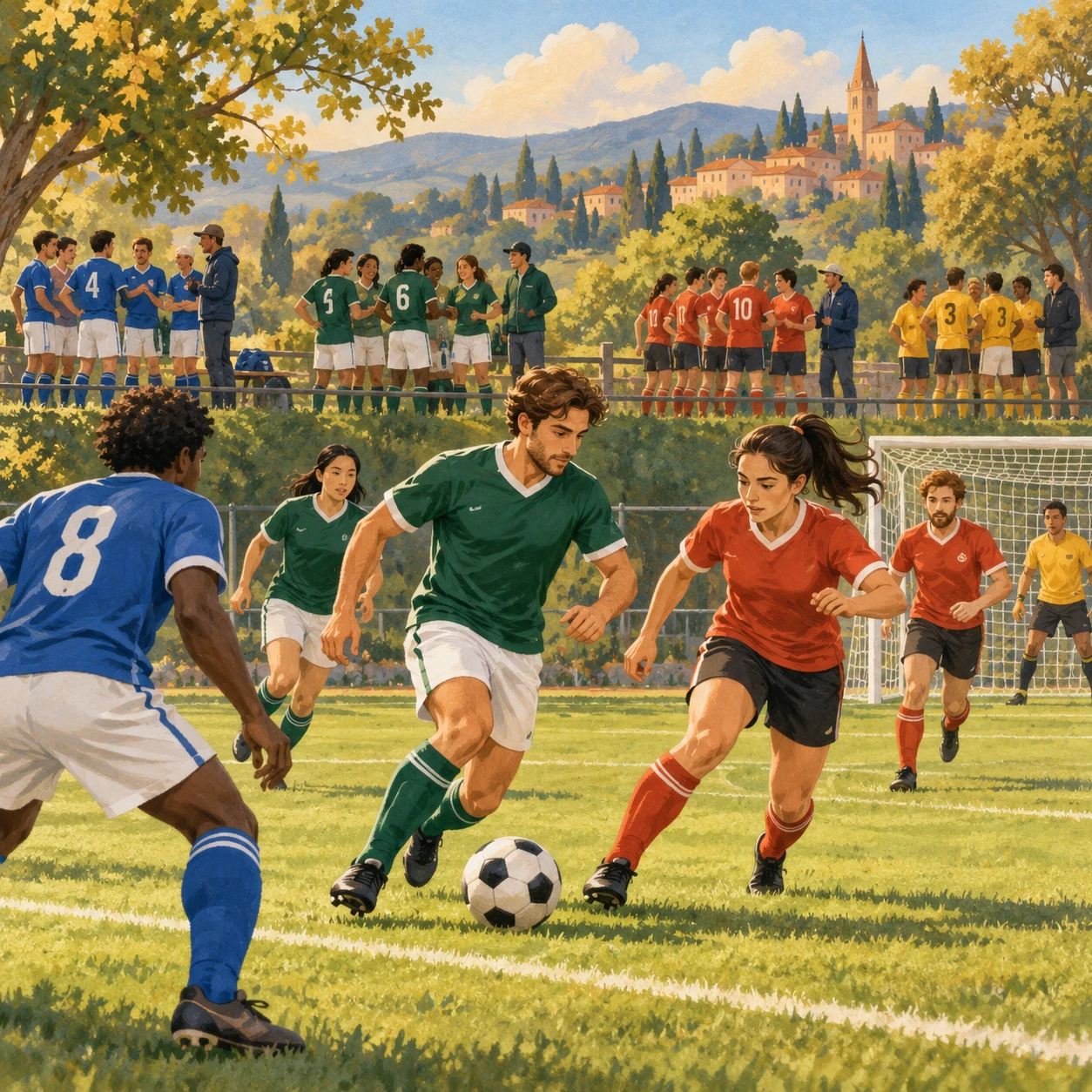
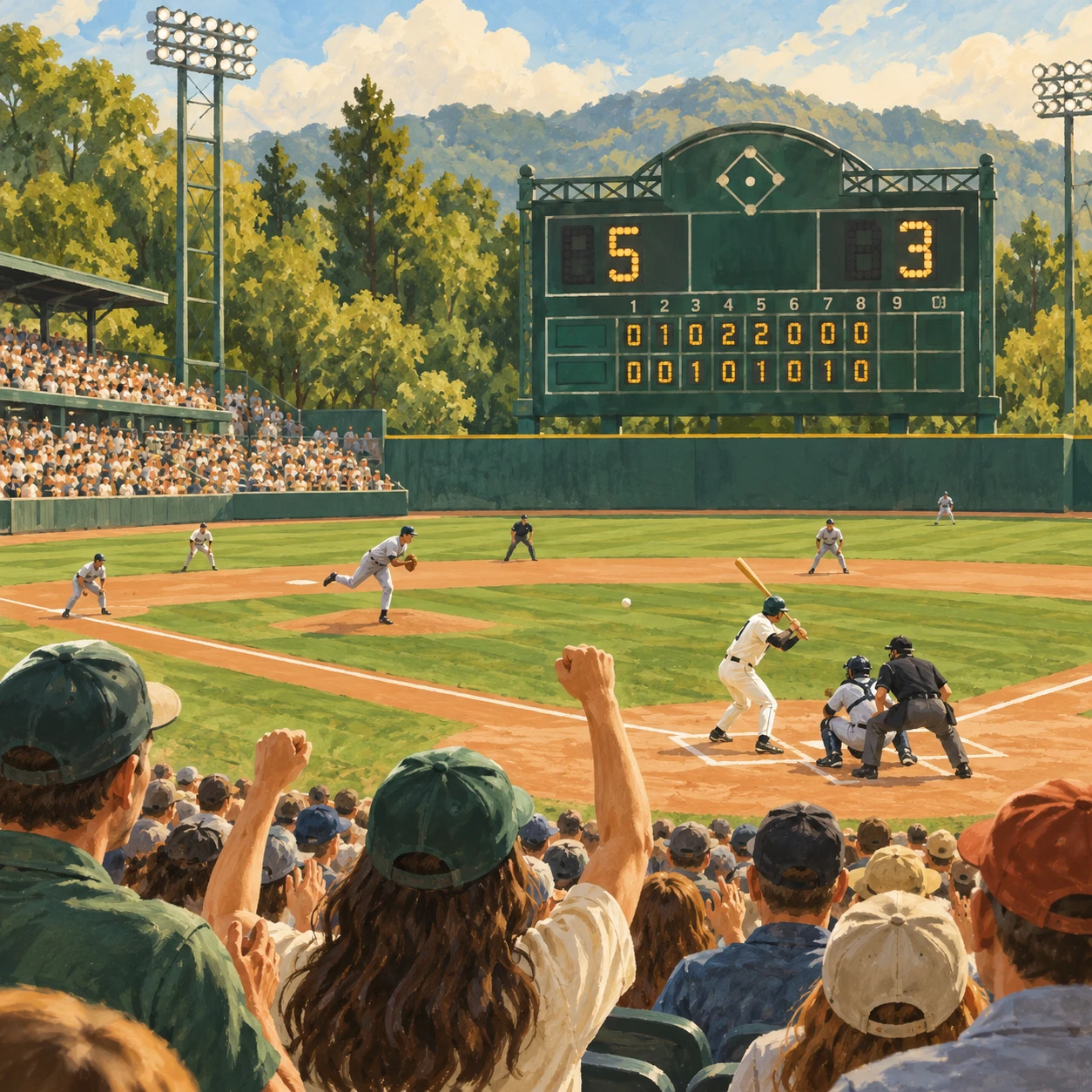
arbitre · gardien de but · adversaire · coéquipier
Distinguez ces sens en contexte : referee = arbitre; goalkeeper = gardien de but; opponent = adversaire; teammate = coéquipier.
The referee stopped the match.

Sport et forme physique · B1. Distinguez ces sens en contexte : referee = arbitre; goalkeeper = gardien de but; opponent = adversaire; teammate = coéquipier.
Apprenez douze mots utiles sur ce thème. Étudiez des exemples indépendants puis pratiquez de nouvelles situations. Le niveau est indicatif, sans certification.
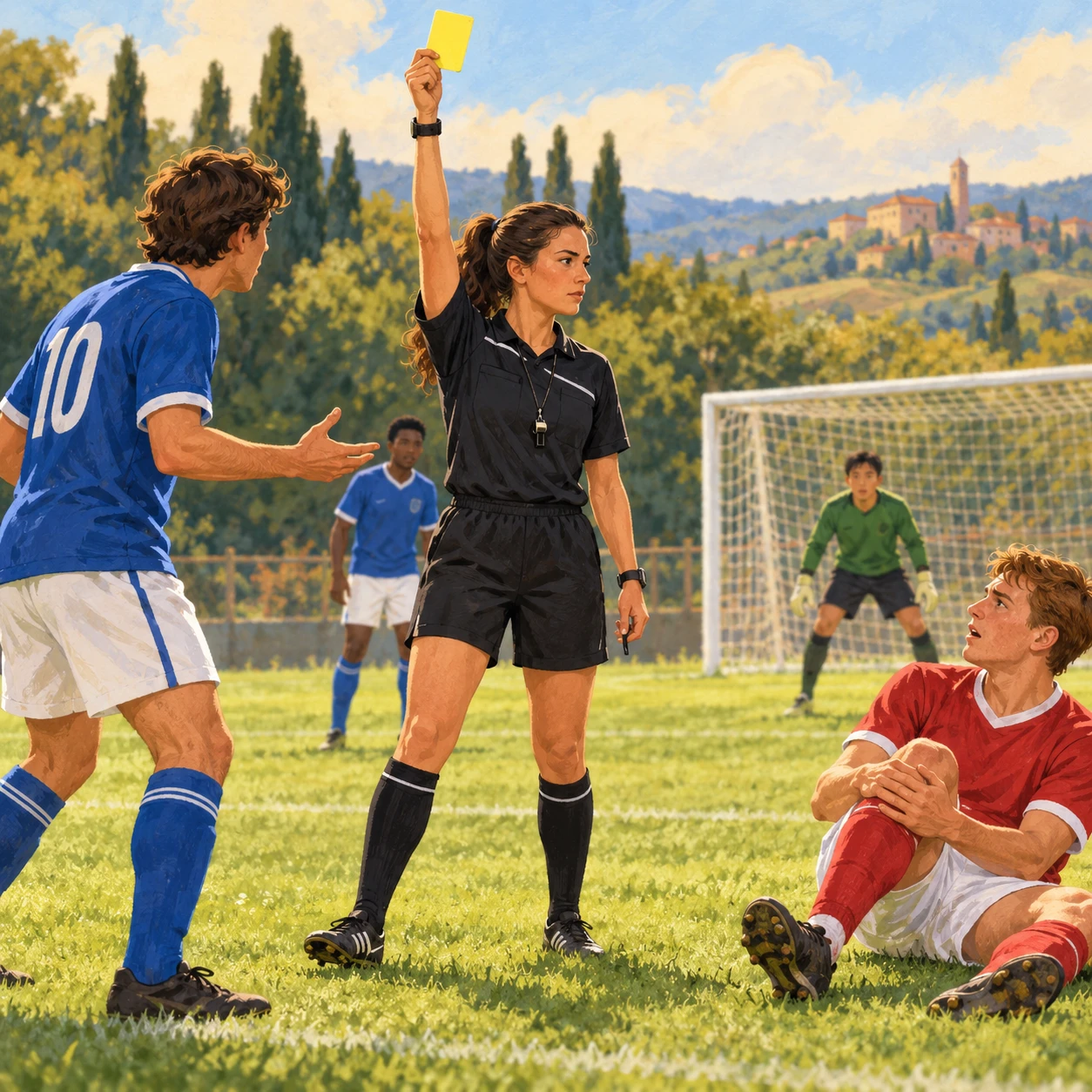
an official who enforces rules in a sporting match
The referee stopped the match.
L’arbitre a arrêté le match.
Ces indications concernent ce sens. Les mots de la famille peuvent changer de sens ; les expressions proches ne sont pas toujours interchangeables.
Travaillez l’association « a football referee ». Dans cette unité, « referee » signifie arbitre.
Distinguez ces sens en contexte : referee = arbitre; goalkeeper = gardien de but; opponent = adversaire; teammate = coéquipier.
The referee stopped the match.
Distinguez ces sens en contexte : tournament = tournoi; league = championnat régulier; fixture = rencontre programmée; scoreboard = tableau d’affichage du score.
Sixty players entered the tournament.
Distinguez ces sens en contexte : stamina = endurance; strength = force musculaire; flexibility = souplesse; balance = équilibre.
Long walks help build my stamina.
The ___ blew the whistle and gave the player a yellow card.
Distinguez ces sens en contexte : referee = arbitre; goalkeeper = gardien de but; opponent = adversaire; teammate = coéquipier.
The referee stopped the match.Distinguez ces sens en contexte : tournament = tournoi; league = championnat régulier; fixture = rencontre programmée; scoreboard = tableau d’affichage du score.
Sixty players entered the tournament.Distinguez ces sens en contexte : stamina = endurance; strength = force musculaire; flexibility = souplesse; balance = équilibre.
Long walks help build my stamina.Gardez la première tentative, comprenez le changement et essayez dans une nouvelle situation.
Pas encore de notes. Essayez un court échauffement.
Ouvrir une réponse enregistre une aide pour cette question.
The ___ blew the whistle and gave the player a yellow card.
Regarde « gave the player a yellow card ». Ici, on cherche « arbitre » : « referee ». Utilise le rôle demandé : arbitre, poste de gardien, adversaire ou coéquipier. Un gardien est aussi coéquipier ; poste et relation d’équipe sont différents. Phrase complète : « The referee blew the whistle and gave the player a yellow card. ».
This knockout ___ ends with a final between the last two players.
Regarde « knockout ». Ici, on cherche « tournoi » : « tournament ». Distingue tournoi, groupe de saison, match programmé et affichage du score. Phrase complète : « This knockout tournament ends with a final between the last two players. ».
The ability to keep running for several hours without becoming exhausted is called ___.
Regarde « several hours ». Ici, on cherche « endurance » : « stamina ». Endurance, force maximale, amplitude de mouvement et stabilité sont des capacités différentes. Phrase complète : « The ability to keep running for several hours without becoming exhausted is called stamina. ».
The name of the playing position responsible for guarding the goal and stopping goals is ___.
Regarde « playing position ». Ici, on cherche « gardien de but » : « goalkeeper ». Utilise le rôle demandé : arbitre, poste de gardien, adversaire ou coéquipier. Un gardien est aussi coéquipier ; poste et relation d’équipe sont différents. Phrase complète : « The name of the playing position responsible for guarding the goal and stopping goals is goalkeeper. ».
In the tennis final, what do I call the player competing against me on the other side of the net? My ___.
Regarde « player competing against me ». Ici, on cherche « adversaire » : « opponent ». Utilise le rôle demandé : arbitre, poste de gardien, adversaire ou coéquipier. Un gardien est aussi coéquipier ; poste et relation d’équipe sont différents. Phrase complète : « In the tennis final, what do I call the player competing against me on the other side of the net? My opponent.” / “In the tennis final, my opponent stood on the other side of the net. ».
The general term for any player on your own team, regardless of position, is ___.
Regarde « general term ». Ici, on cherche « coéquipier » : « teammate ». Utilise le rôle demandé : arbitre, poste de gardien, adversaire ou coéquipier. Un gardien est aussi coéquipier ; poste et relation d’équipe sont différents. Phrase complète : « The general term for any player on your own team, regardless of position, is teammate. ».
Our club belongs to a ___: a group of teams that compete regularly through a season and earn points in a table.
Regarde « season and earn points ». Ici, on cherche « championnat régulier » : « league ». Distingue tournoi, groupe de saison, match programmé et affichage du score. Phrase complète : « Our club belongs to a league: a group of teams that compete regularly through a season and earn points in a table. ».
Saturday’s ___ against City United has been postponed until Tuesday.
Regarde « postponed ». Ici, on cherche « rencontre programmée » : « fixture ». Distingue tournoi, groupe de saison, match programmé et affichage du score. Phrase complète : « Saturday’s fixture against City United has been postponed until Tuesday. ».
Look at the electronic ___ above the court: we are winning 21–18.
Regarde « 21–18 ». Ici, on cherche « tableau d’affichage du score » : « scoreboard ». Distingue tournoi, groupe de saison, match programmé et affichage du score. Phrase complète : « Look at the electronic scoreboard above the court: we are winning 21–18. ».
The amount of force your muscles can produce is called muscle ___.
Regarde « force your muscles ». Ici, on cherche « force musculaire » : « strength ». Endurance, force maximale, amplitude de mouvement et stabilité sont des capacités différentes. Phrase complète : « The amount of force your muscles can produce is called muscle strength. ».
A gymnast needs ___ to bend her body into a wide range of positions.
Regarde « bend her body ». Ici, on cherche « souplesse » : « flexibility ». Endurance, force maximale, amplitude de mouvement et stabilité sont des capacités différentes. Phrase complète : « A gymnast needs flexibility to bend her body into a wide range of positions. ».
The ability to remain steady on one leg without falling is called ___.
Regarde « without falling ». Ici, on cherche « équilibre » : « balance ». Endurance, force maximale, amplitude de mouvement et stabilité sont des capacités différentes. Phrase complète : « The ability to remain steady on one leg without falling is called balance. ».
A neutral ___ checks that both teams follow the rules.
Regarde « follow the rules ». Ici, on cherche « arbitre » : « referee ». Utilise le rôle demandé : arbitre, poste de gardien, adversaire ou coéquipier. Un gardien est aussi coéquipier ; poste et relation d’équipe sont différents. Phrase complète : « A neutral referee checks that both teams follow the rules. ».
What is the specific playing-position name for the player who guards our football goal, even though that person is also a teammate? ___.
Regarde « specific playing-position ». Ici, on cherche « gardien de but » : « goalkeeper ». Utilise le rôle demandé : arbitre, poste de gardien, adversaire ou coéquipier. Un gardien est aussi coéquipier ; poste et relation d’équipe sont différents. Phrase complète : « What is the specific playing-position name for the player who guards our football goal, even though that person is also a teammate? goalkeeper.” / “Only the goalkeeper in our football team wears gloves and guards the goal. ».
Eight teams entered a knockout ___ held over one weekend, ending in a final on Sunday.
Regarde « knockout ». Ici, on cherche « tournoi » : « tournament ». Distingue tournoi, groupe de saison, match programmé et affichage du score. Phrase complète : « Eight teams entered a knockout tournament held over one weekend, ending in a final on Sunday. ».
The club hopes to move to a higher ___ after finishing top of the table.
Regarde « higher ». Ici, on cherche « championnat régulier » : « league ». Distingue tournoi, groupe de saison, match programmé et affichage du score. Phrase complète : « The club hopes to move to a higher league after finishing top of the table. ».
He can cycle all afternoon without tiring; this ability to keep going for a long time is called ___.
Regarde « all afternoon ». Ici, on cherche « endurance » : « stamina ». Endurance, force maximale, amplitude de mouvement et stabilité sont des capacités différentes. Phrase complète : « He can cycle all afternoon without tiring; this ability to keep going for a long time is called stamina. ».
She increased the maximum force her arms could produce in one short lift; this means greater arm ___.
Regarde « maximum force ». Ici, on cherche « force musculaire » : « strength ». Endurance, force maximale, amplitude de mouvement et stabilité sont des capacités différentes. Phrase complète : « She increased the maximum force her arms could produce in one short lift; this means greater arm strength. ».
What is the general name for the player or team competing against us, whose points count against ours? Our ___.
Regarde « player or team competing against us ». Ici, on cherche « adversaire » : « opponent ». Utilise le rôle demandé : arbitre, poste de gardien, adversaire ou coéquipier. Un gardien est aussi coéquipier ; poste et relation d’équipe sont différents. Phrase complète : « What is the general name for the player or team competing against us, whose points count against ours? Our opponent.” / “We lost because our opponent scored more points than we did. ».
A fellow player on the same team is called a ___, whether they play in goal or elsewhere.
Regarde « whether they play in goal or elsewhere ». Ici, on cherche « coéquipier » : « teammate ». Utilise le rôle demandé : arbitre, poste de gardien, adversaire ou coéquipier. Un gardien est aussi coéquipier ; poste et relation d’équipe sont différents. Phrase complète : « A fellow player on the same team is called a teammate, whether they play in goal or elsewhere. ».
The club’s list of arranged individual matches is its ___ list.
Regarde « arranged individual matches ». Ici, on cherche « rencontre programmée » : « fixture ». Distingue tournoi, groupe de saison, match programmé et affichage du score. Phrase complète : « The club’s list of arranged individual matches is its fixture list. ».
The ___ stopped working, so nobody could see the score from the seats.
Regarde « see the score ». Ici, on cherche « tableau d’affichage du score » : « scoreboard ». Distingue tournoi, groupe de saison, match programmé et affichage du score. Phrase complète : « The scoreboard stopped working, so nobody could see the score from the seats. ».
He stretches his tight muscles to improve his range of movement and ___.
Regarde « range of movement ». Ici, on cherche « souplesse » : « flexibility ». Endurance, force maximale, amplitude de mouvement et stabilité sont des capacités différentes. Phrase complète : « He stretches his tight muscles to improve his range of movement and flexibility. ».
The surfer kept his ___ and stayed upright on the moving board.
Regarde « stayed upright ». Ici, on cherche « équilibre » : « balance ». Endurance, force maximale, amplitude de mouvement et stabilité sont des capacités différentes. Phrase complète : « The surfer kept his balance and stayed upright on the moving board. ».