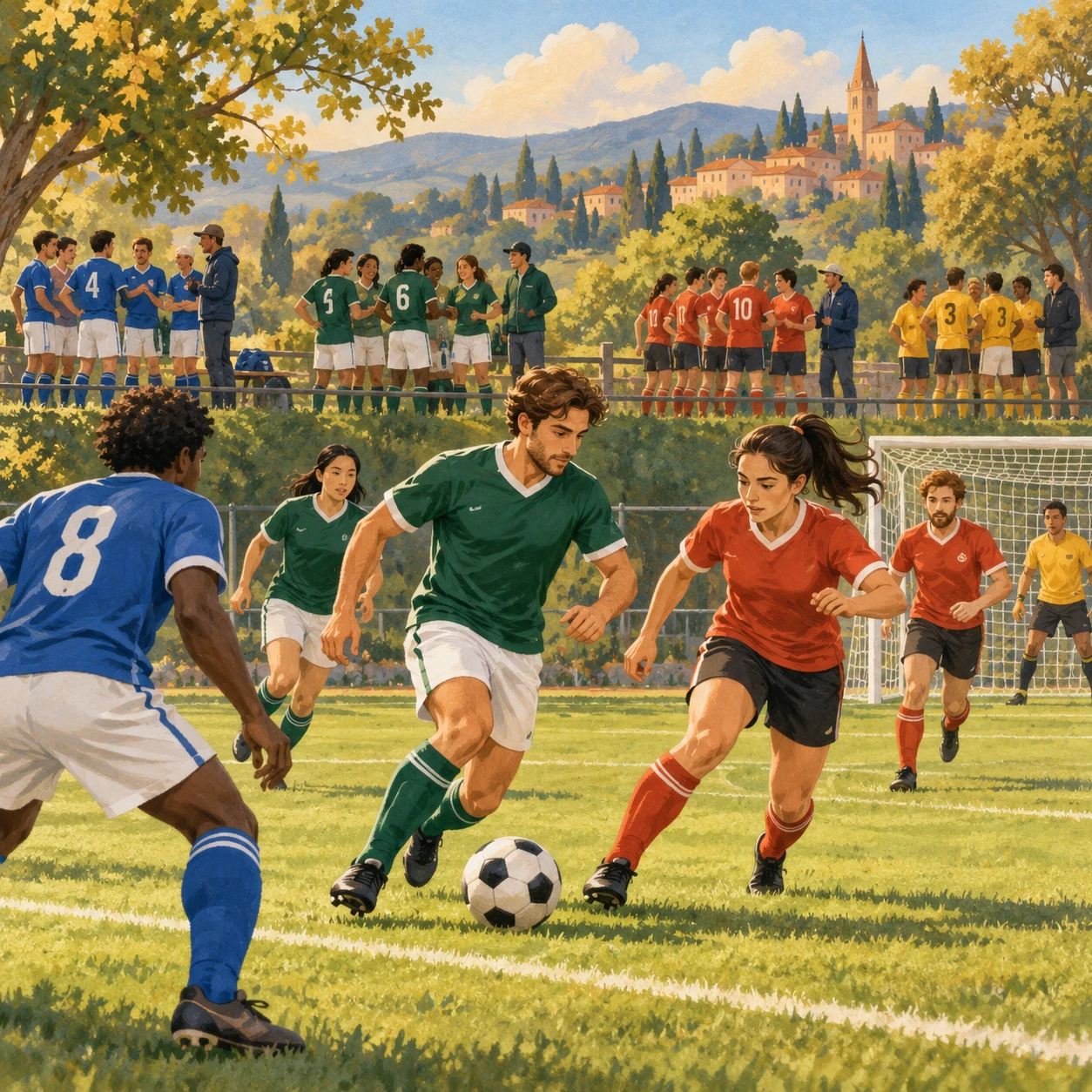
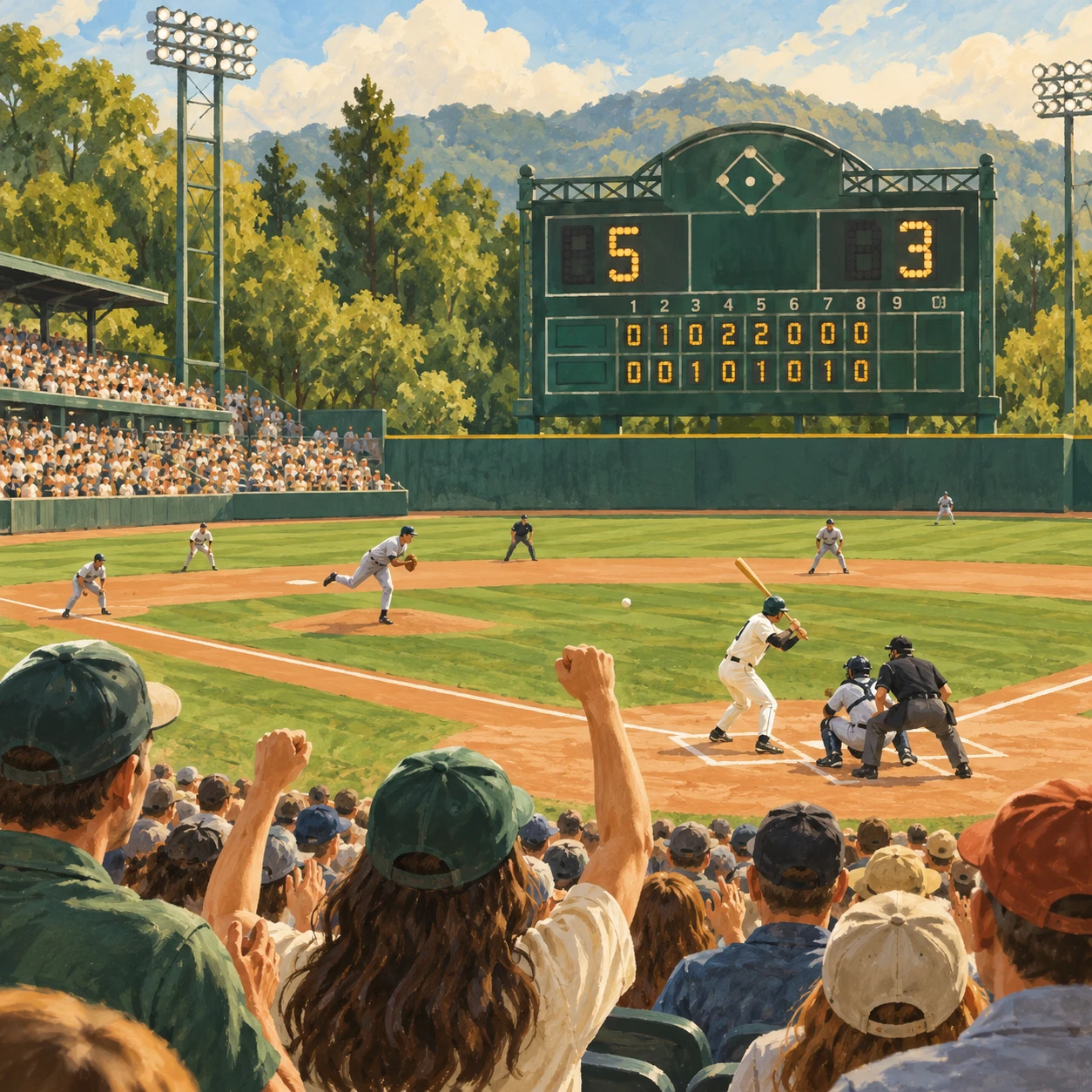
árbitro · portero · rival · compañero de equipo
Distingue estos significados en su contexto: referee = árbitro; goalkeeper = portero; opponent = rival; teammate = compañero de equipo.
The referee stopped the match.

Deporte y forma física · B1. Distingue estos significados en su contexto: referee = árbitro; goalkeeper = portero; opponent = rival; teammate = compañero de equipo.
Aprende doce palabras útiles del tema. Estudia ejemplos independientes y practica en situaciones nuevas. El nivel es orientativo, no una certificación.
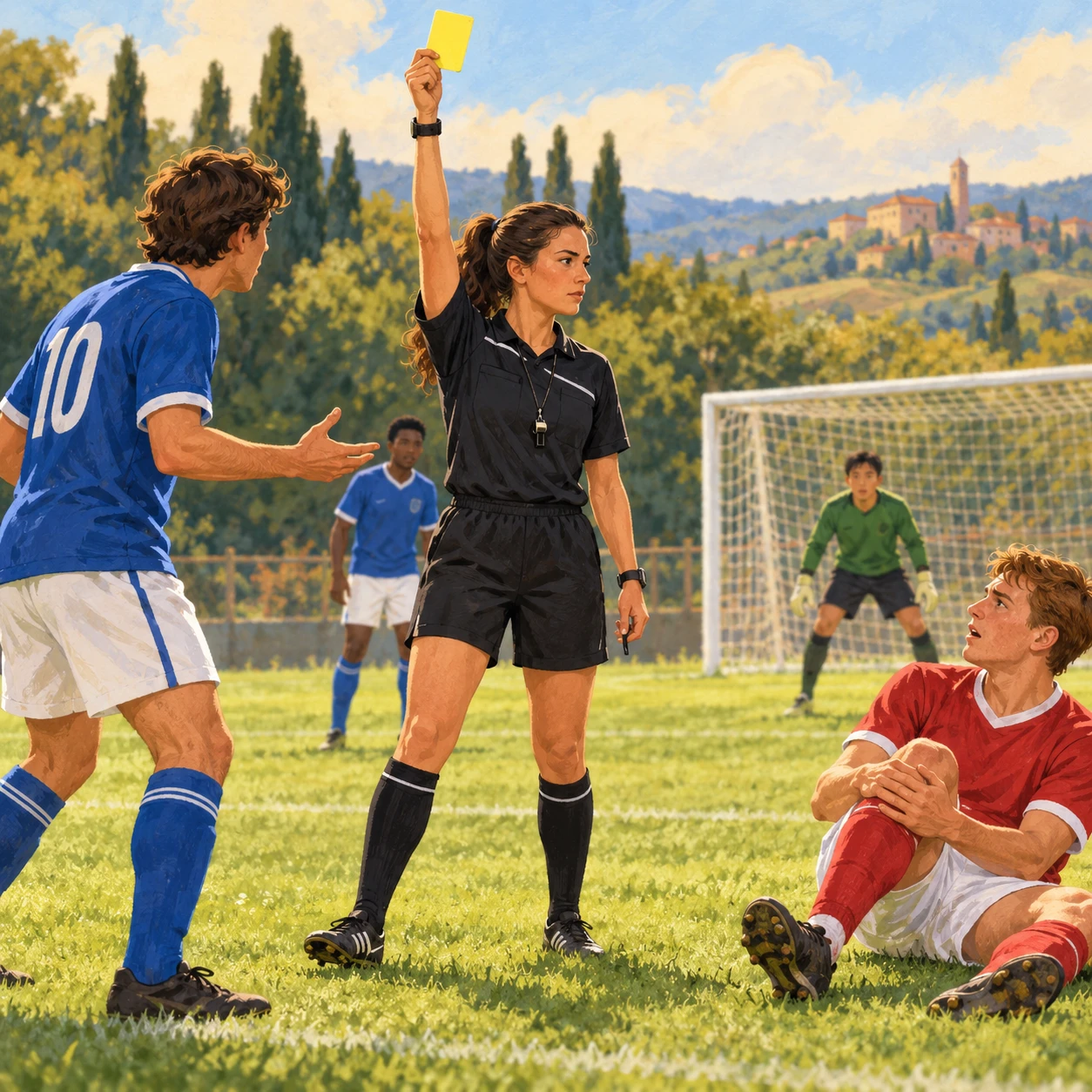
an official who enforces rules in a sporting match
The referee stopped the match.
El árbitro detuvo el partido.
Se refieren a este sentido. La familia puede cambiar de significado; las expresiones próximas no siempre son intercambiables.
Practica «a football referee» como combinación. En esta unidad «referee» significa árbitro.
Distingue estos significados en su contexto: referee = árbitro; goalkeeper = portero; opponent = rival; teammate = compañero de equipo.
The referee stopped the match.
Distingue estos significados en su contexto: tournament = torneo; league = liga; fixture = partido programado; scoreboard = marcador.
Sixty players entered the tournament.
Distingue estos significados en su contexto: stamina = resistencia física; strength = fuerza; flexibility = flexibilidad; balance = equilibrio.
Long walks help build my stamina.
The ___ blew the whistle and gave the player a yellow card.
Distingue estos significados en su contexto: referee = árbitro; goalkeeper = portero; opponent = rival; teammate = compañero de equipo.
The referee stopped the match.Distingue estos significados en su contexto: tournament = torneo; league = liga; fixture = partido programado; scoreboard = marcador.
Sixty players entered the tournament.Distingue estos significados en su contexto: stamina = resistencia física; strength = fuerza; flexibility = flexibilidad; balance = equilibrio.
Long walks help build my stamina.Conserva el primer intento, entiende el cambio y compruébalo en otra situación.
Aún no hay repasos. Prueba un calentamiento corto.
Abrir una respuesta registra ayuda para esa pregunta.
The ___ blew the whistle and gave the player a yellow card.
Fíjate en «gave the player a yellow card». Aquí se pide «árbitro»: «referee». Usa el papel pedido: árbitro, puesto de portero, rival o compañero. Un portero también es compañero; posición y relación de equipo son preguntas distintas. Frase completa: «The referee blew the whistle and gave the player a yellow card.».
This knockout ___ ends with a final between the last two players.
Fíjate en «knockout». Aquí se pide «torneo»: «tournament». Distingue torneo, grupo de temporada, partido programado y marcador. Frase completa: «This knockout tournament ends with a final between the last two players.».
The ability to keep running for several hours without becoming exhausted is called ___.
Fíjate en «several hours». Aquí se pide «resistencia física»: «stamina». Resistencia prolongada, fuerza máxima, amplitud de movimiento y estabilidad son capacidades distintas. Frase completa: «The ability to keep running for several hours without becoming exhausted is called stamina.».
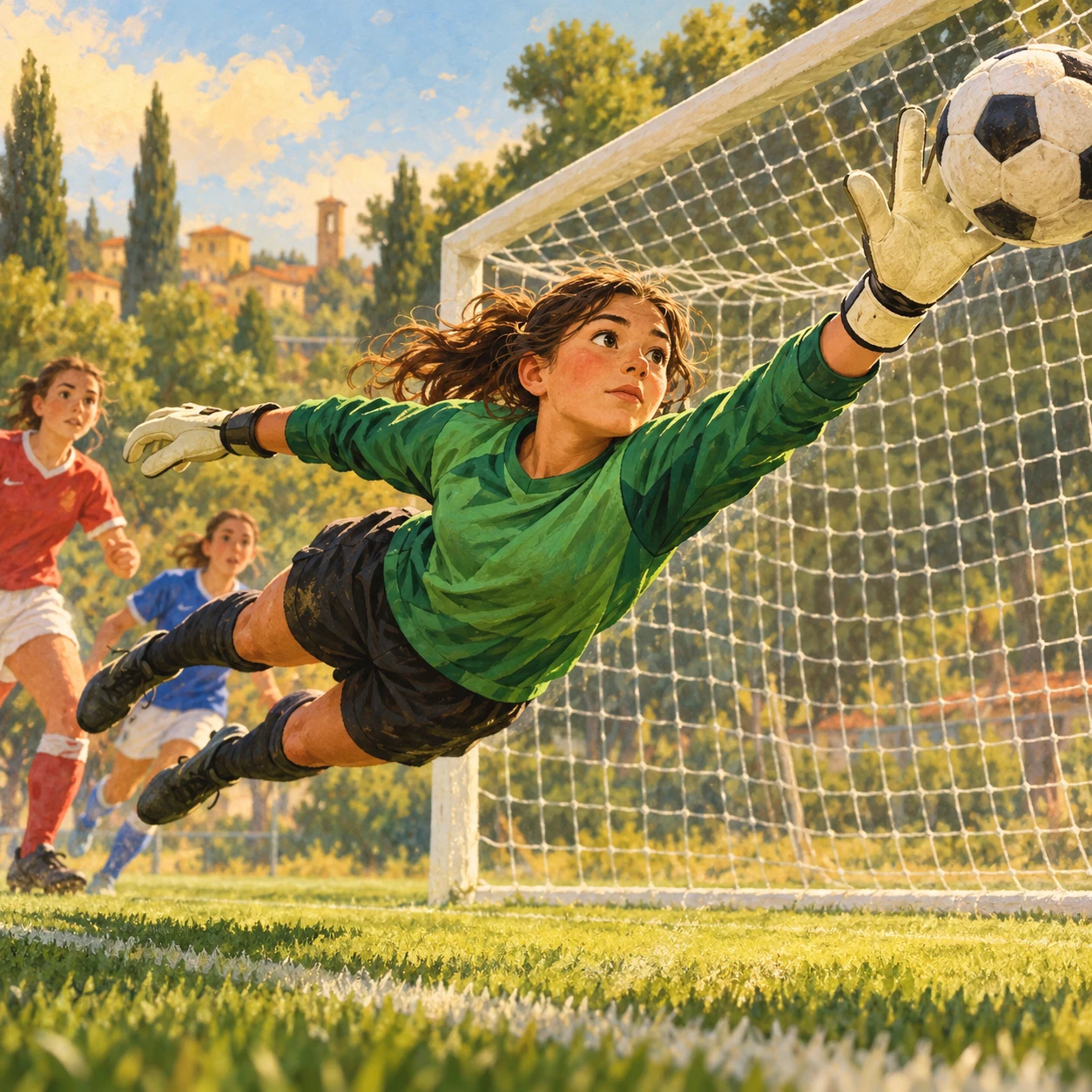
The name of the playing position responsible for guarding the goal and stopping goals is ___.
Fíjate en «playing position». Aquí se pide «portero»: «goalkeeper». Usa el papel pedido: árbitro, puesto de portero, rival o compañero. Un portero también es compañero; posición y relación de equipo son preguntas distintas. Frase completa: «The name of the playing position responsible for guarding the goal and stopping goals is goalkeeper.».
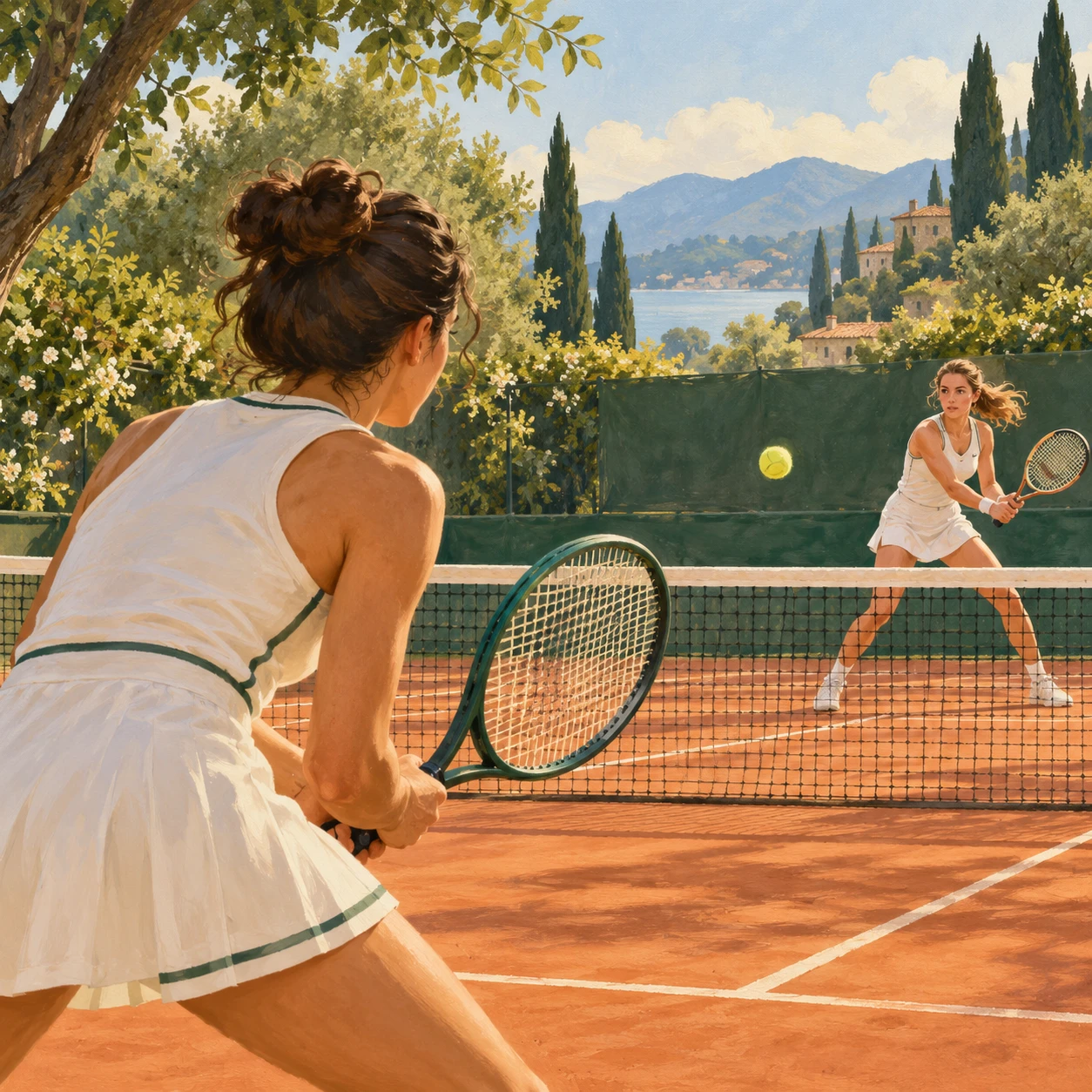
In the tennis final, what do I call the player competing against me on the other side of the net? My ___.
Fíjate en «player competing against me». Aquí se pide «rival»: «opponent». Usa el papel pedido: árbitro, puesto de portero, rival o compañero. Un portero también es compañero; posición y relación de equipo son preguntas distintas. Frase completa: «In the tennis final, what do I call the player competing against me on the other side of the net? My opponent.” / “In the tennis final, my opponent stood on the other side of the net.».
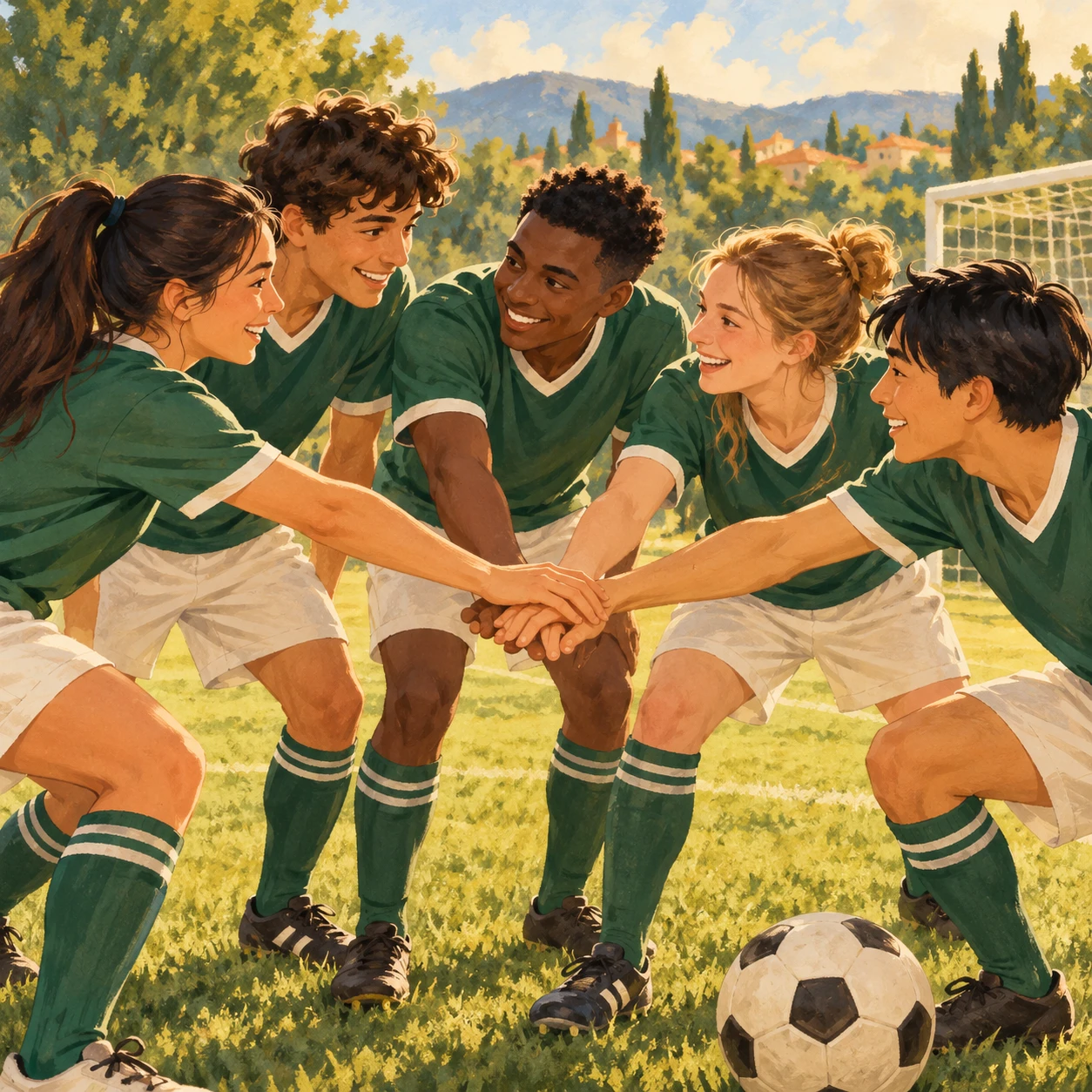
The general term for any player on your own team, regardless of position, is ___.
Fíjate en «general term». Aquí se pide «compañero de equipo»: «teammate». Usa el papel pedido: árbitro, puesto de portero, rival o compañero. Un portero también es compañero; posición y relación de equipo son preguntas distintas. Frase completa: «The general term for any player on your own team, regardless of position, is teammate.».
Our club belongs to a ___: a group of teams that compete regularly through a season and earn points in a table.
Fíjate en «season and earn points». Aquí se pide «liga»: «league». Distingue torneo, grupo de temporada, partido programado y marcador. Frase completa: «Our club belongs to a league: a group of teams that compete regularly through a season and earn points in a table.».
Saturday’s ___ against City United has been postponed until Tuesday.
Fíjate en «postponed». Aquí se pide «partido programado»: «fixture». Distingue torneo, grupo de temporada, partido programado y marcador. Frase completa: «Saturday’s fixture against City United has been postponed until Tuesday.».
Look at the electronic ___ above the court: we are winning 21–18.
Fíjate en «21–18». Aquí se pide «marcador»: «scoreboard». Distingue torneo, grupo de temporada, partido programado y marcador. Frase completa: «Look at the electronic scoreboard above the court: we are winning 21–18.».
The amount of force your muscles can produce is called muscle ___.
Fíjate en «force your muscles». Aquí se pide «fuerza»: «strength». Resistencia prolongada, fuerza máxima, amplitud de movimiento y estabilidad son capacidades distintas. Frase completa: «The amount of force your muscles can produce is called muscle strength.».
A gymnast needs ___ to bend her body into a wide range of positions.
Fíjate en «bend her body». Aquí se pide «flexibilidad»: «flexibility». Resistencia prolongada, fuerza máxima, amplitud de movimiento y estabilidad son capacidades distintas. Frase completa: «A gymnast needs flexibility to bend her body into a wide range of positions.».
The ability to remain steady on one leg without falling is called ___.
Fíjate en «without falling». Aquí se pide «equilibrio»: «balance». Resistencia prolongada, fuerza máxima, amplitud de movimiento y estabilidad son capacidades distintas. Frase completa: «The ability to remain steady on one leg without falling is called balance.».
A neutral ___ checks that both teams follow the rules.
Fíjate en «follow the rules». Aquí se pide «árbitro»: «referee». Usa el papel pedido: árbitro, puesto de portero, rival o compañero. Un portero también es compañero; posición y relación de equipo son preguntas distintas. Frase completa: «A neutral referee checks that both teams follow the rules.».
What is the specific playing-position name for the player who guards our football goal, even though that person is also a teammate? ___.
Fíjate en «specific playing-position». Aquí se pide «portero»: «goalkeeper». Usa el papel pedido: árbitro, puesto de portero, rival o compañero. Un portero también es compañero; posición y relación de equipo son preguntas distintas. Frase completa: «What is the specific playing-position name for the player who guards our football goal, even though that person is also a teammate? goalkeeper.” / “Only the goalkeeper in our football team wears gloves and guards the goal.».
Eight teams entered a knockout ___ held over one weekend, ending in a final on Sunday.
Fíjate en «knockout». Aquí se pide «torneo»: «tournament». Distingue torneo, grupo de temporada, partido programado y marcador. Frase completa: «Eight teams entered a knockout tournament held over one weekend, ending in a final on Sunday.».
The club hopes to move to a higher ___ after finishing top of the table.
Fíjate en «higher». Aquí se pide «liga»: «league». Distingue torneo, grupo de temporada, partido programado y marcador. Frase completa: «The club hopes to move to a higher league after finishing top of the table.».
He can cycle all afternoon without tiring; this ability to keep going for a long time is called ___.
Fíjate en «all afternoon». Aquí se pide «resistencia física»: «stamina». Resistencia prolongada, fuerza máxima, amplitud de movimiento y estabilidad son capacidades distintas. Frase completa: «He can cycle all afternoon without tiring; this ability to keep going for a long time is called stamina.».
She increased the maximum force her arms could produce in one short lift; this means greater arm ___.
Fíjate en «maximum force». Aquí se pide «fuerza»: «strength». Resistencia prolongada, fuerza máxima, amplitud de movimiento y estabilidad son capacidades distintas. Frase completa: «She increased the maximum force her arms could produce in one short lift; this means greater arm strength.».
What is the general name for the player or team competing against us, whose points count against ours? Our ___.
Fíjate en «player or team competing against us». Aquí se pide «rival»: «opponent». Usa el papel pedido: árbitro, puesto de portero, rival o compañero. Un portero también es compañero; posición y relación de equipo son preguntas distintas. Frase completa: «What is the general name for the player or team competing against us, whose points count against ours? Our opponent.” / “We lost because our opponent scored more points than we did.».
A fellow player on the same team is called a ___, whether they play in goal or elsewhere.
Fíjate en «whether they play in goal or elsewhere». Aquí se pide «compañero de equipo»: «teammate». Usa el papel pedido: árbitro, puesto de portero, rival o compañero. Un portero también es compañero; posición y relación de equipo son preguntas distintas. Frase completa: «A fellow player on the same team is called a teammate, whether they play in goal or elsewhere.».
The club’s list of arranged individual matches is its ___ list.
Fíjate en «arranged individual matches». Aquí se pide «partido programado»: «fixture». Distingue torneo, grupo de temporada, partido programado y marcador. Frase completa: «The club’s list of arranged individual matches is its fixture list.».
The ___ stopped working, so nobody could see the score from the seats.
Fíjate en «see the score». Aquí se pide «marcador»: «scoreboard». Distingue torneo, grupo de temporada, partido programado y marcador. Frase completa: «The scoreboard stopped working, so nobody could see the score from the seats.».
He stretches his tight muscles to improve his range of movement and ___.
Fíjate en «range of movement». Aquí se pide «flexibilidad»: «flexibility». Resistencia prolongada, fuerza máxima, amplitud de movimiento y estabilidad son capacidades distintas. Frase completa: «He stretches his tight muscles to improve his range of movement and flexibility.».
The surfer kept his ___ and stayed upright on the moving board.
Fíjate en «stayed upright». Aquí se pide «equilibrio»: «balance». Resistencia prolongada, fuerza máxima, amplitud de movimiento y estabilidad son capacidades distintas. Frase completa: «The surfer kept his balance and stayed upright on the moving board.».