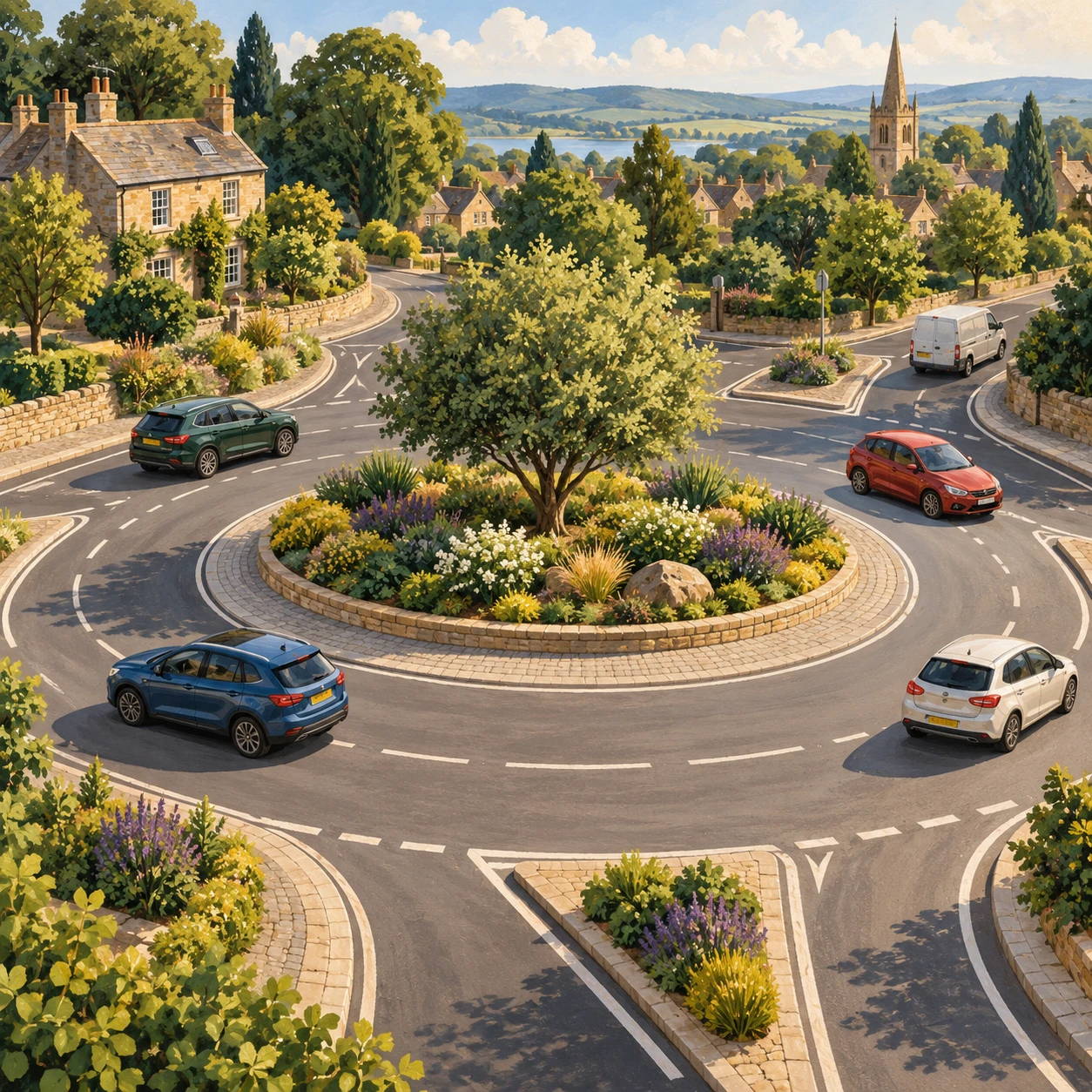
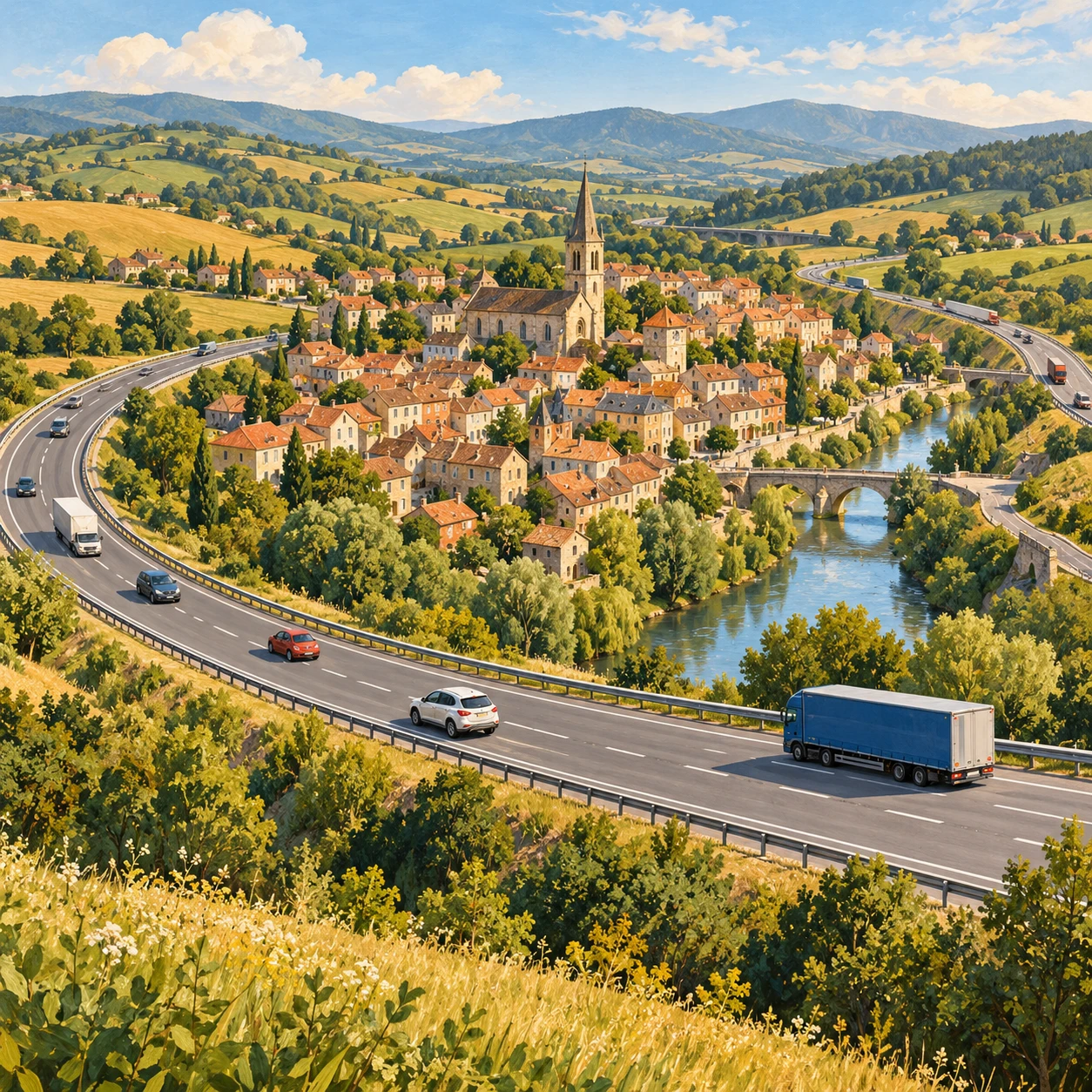
도로가 만나는 지점 · 회전 교차로 · 우회 도로 · 사거리
문맥에서 다음 뜻을 구별하세요: junction = 도로가 만나는 지점; roundabout = 회전 교차로; bypass = 우회 도로; crossroads = 사거리.
Turn left at the next junction.

도로와 교통 · B2. 문맥에서 다음 뜻을 구별하세요: junction = 도로가 만나는 지점; roundabout = 회전 교차로; bypass = 우회 도로; crossroads = 사거리.
이 주제의 유용한 단어 열두 개를 배웁니다. 별도의 예문을 공부하고 새로운 상황에서 연습하세요. 수준은 편집상 참고이며 인증이 아닙니다.

a place where roads meet
Turn left at the next junction.
다음 교차 지점에서 좌회전하세요.
이 카드의 뜻을 기준으로 정리했어요. 어족 단어는 뜻이 달라질 수 있고, 비슷한 표현도 항상 서로 바꿔 쓸 수는 없어요.
“a T-junction”를 단어 결합으로 연습하세요. 이 단원에서 “junction”는 ‘도로가 만나는 지점’입니다.
문맥에서 다음 뜻을 구별하세요: junction = 도로가 만나는 지점; roundabout = 회전 교차로; bypass = 우회 도로; crossroads = 사거리.
Turn left at the next junction.
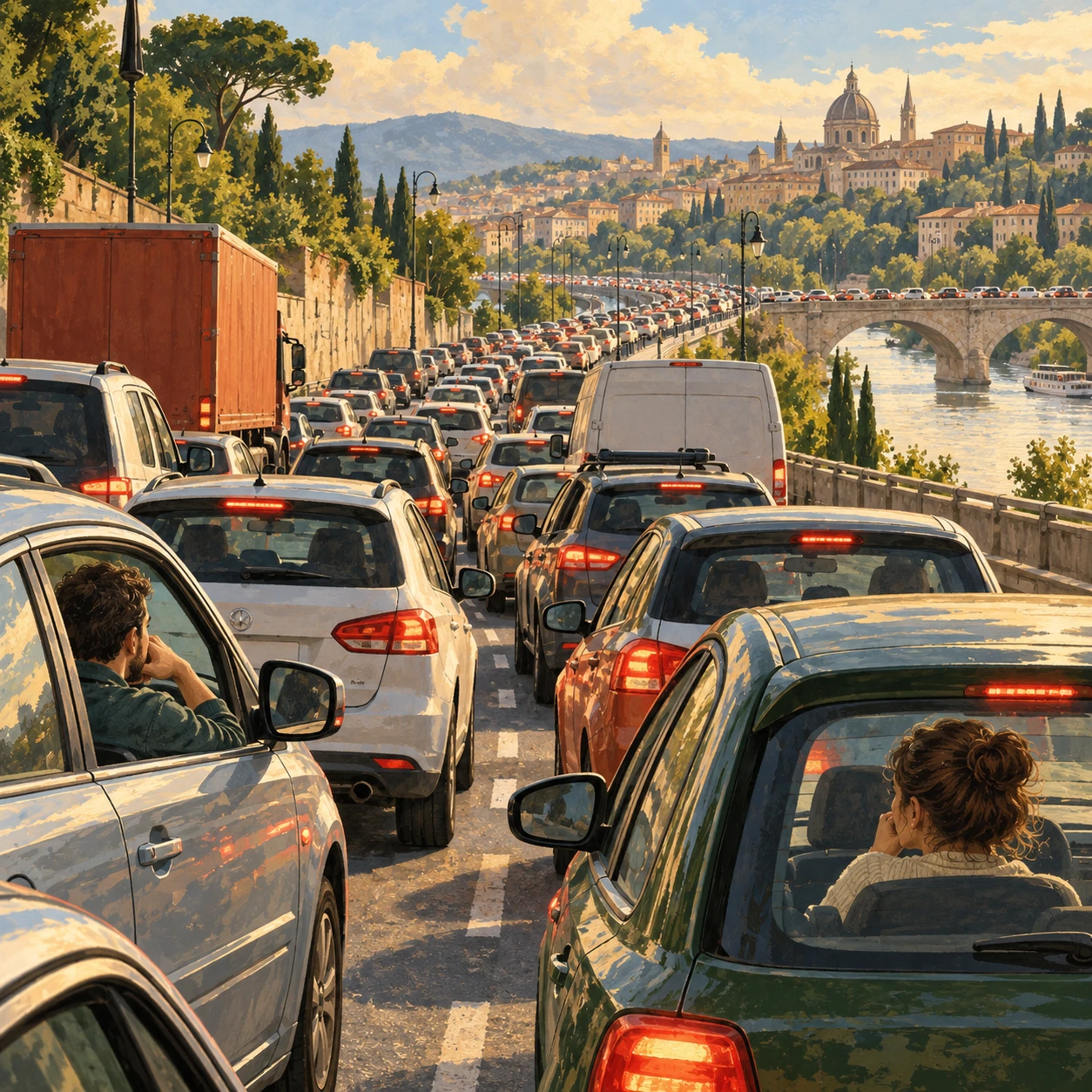
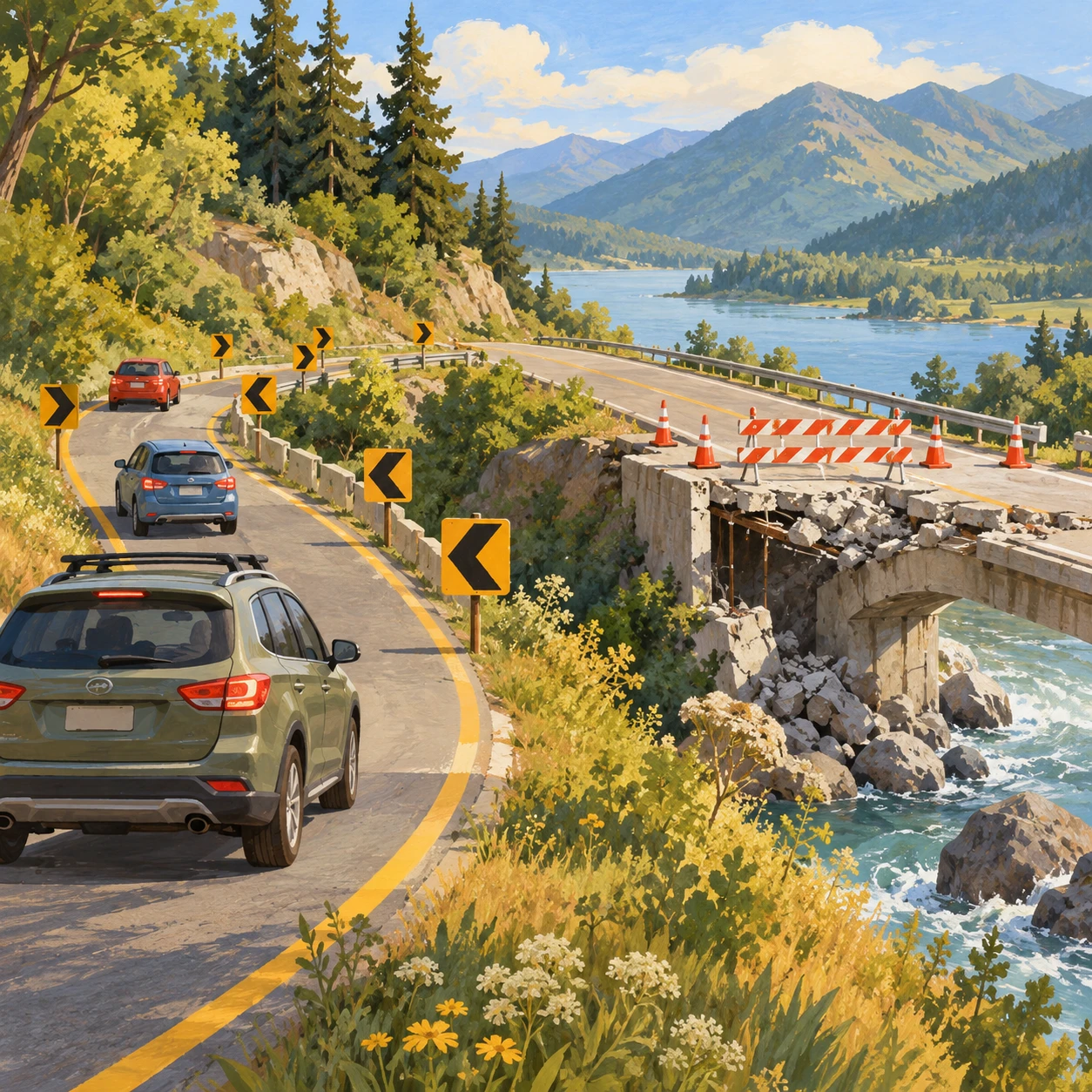
문맥에서 다음 뜻을 구별하세요: congestion = 교통 체증; diversion = 임시 우회로; collision = 충돌 사고; breakdown = 차량 고장.
Traffic congestion makes the journey longer.
문맥에서 다음 뜻을 구별하세요: pedestrian = 보행자; cyclist = 자전거 이용자; motorist = 자동차 운전자; commuter = 통근자.
The pedestrian waited for the green light.
The side road ends where it meets the main road, forming a T-___.
문맥에서 다음 뜻을 구별하세요: junction = 도로가 만나는 지점; roundabout = 회전 교차로; bypass = 우회 도로; crossroads = 사거리.
Turn left at the next junction.문맥에서 다음 뜻을 구별하세요: congestion = 교통 체증; diversion = 임시 우회로; collision = 충돌 사고; breakdown = 차량 고장.
Traffic congestion makes the journey longer.문맥에서 다음 뜻을 구별하세요: pedestrian = 보행자; cyclist = 자전거 이용자; motorist = 자동차 운전자; commuter = 통근자.
The pedestrian waited for the green light.첫 시도를 남기고 변화의 이유를 이해한 뒤 새로운 상황에서 확인해 보세요.
아직 복습 노트가 없어요. 짧은 워밍업부터 해보세요.
정답을 열면 해당 문제에 도움 사용이 기록돼요.
The side road ends where it meets the main road, forming a T-___.
핵심 단서는 “T-”입니다. 가리키는 뜻은 ‘도로가 만나는 지점’입니다. 다음 구별을 확인하세요: 도로가 만나는 일반 범주, 특정 교차로 형태, 도심을 피하는 도로의 차이. 이 맥락에서 맞는 표현은 “junction”입니다. 완성된 표현: “The side road ends where it meets the main road, forming a T-junction.”.
Too many cars trying to use the same road caused severe ___.
핵심 단서는 “Too many cars”입니다. 가리키는 뜻은 ‘교통 체증’입니다. 다음 구별을 확인하세요: 도로 형태, 문제의 원인 또는 명시된 이동 방식. 이 맥락에서 맞는 표현은 “congestion”입니다. 완성된 표현: “Too many cars trying to use the same road caused severe congestion.”.
A ___ travels on foot, rather than on a bicycle or in a vehicle.
핵심 단서는 “on foot”입니다. 가리키는 뜻은 ‘보행자’입니다. 다음 구별을 확인하세요: 이동의 목적·반복 패턴과 그 순간의 이동 수단 사이의 차이. 이 맥락에서 맞는 표현은 “pedestrian”입니다. 완성된 표현: “A pedestrian travels on foot, rather than on a bicycle or in a vehicle.”.
What is the specific name for a circular road junction where traffic moves around a central island? ___
핵심 단서는 “circular road junction”입니다. 가리키는 뜻은 ‘회전 교차로’입니다. 다음 구별을 확인하세요: 도로가 만나는 일반 범주, 특정 교차로 형태, 도심을 피하는 도로의 차이. 이 맥락에서 맞는 표현은 “roundabout”입니다. 완성된 표현: “What is the specific name for a circular road junction where traffic moves around a central island? roundabout”.
Use the ___ to travel around the town instead of through its centre.
핵심 단서는 “around the town”입니다. 가리키는 뜻은 ‘우회 도로’입니다. 다음 구별을 확인하세요: 도로가 만나는 일반 범주, 특정 교차로 형태, 도심을 피하는 도로의 차이. 이 맥락에서 맞는 표현은 “bypass”입니다. 완성된 표현: “Use the bypass to travel around the town instead of through its centre.”.
The most specific name for a junction where two straight roads cross at right angles is a ___.
핵심 단서는 “most specific name”입니다. 가리키는 뜻은 ‘사거리’입니다. 다음 구별을 확인하세요: 도로가 만나는 일반 범주, 특정 교차로 형태, 도심을 피하는 도로의 차이. 이 맥락에서 맞는 표현은 “crossroads”입니다. 완성된 표현: “The most specific name for a junction where two straight roads cross at right angles is a crossroads.”.
The bridge is closed for repairs, so follow the temporary ___.
핵심 단서는 “temporary”입니다. 가리키는 뜻은 ‘임시 우회로’입니다. 다음 구별을 확인하세요: 도로 형태, 문제의 원인 또는 명시된 이동 방식. 이 맥락에서 맞는 표현은 “diversion”입니다. 완성된 표현: “The bridge is closed for repairs, so follow the temporary diversion.”.
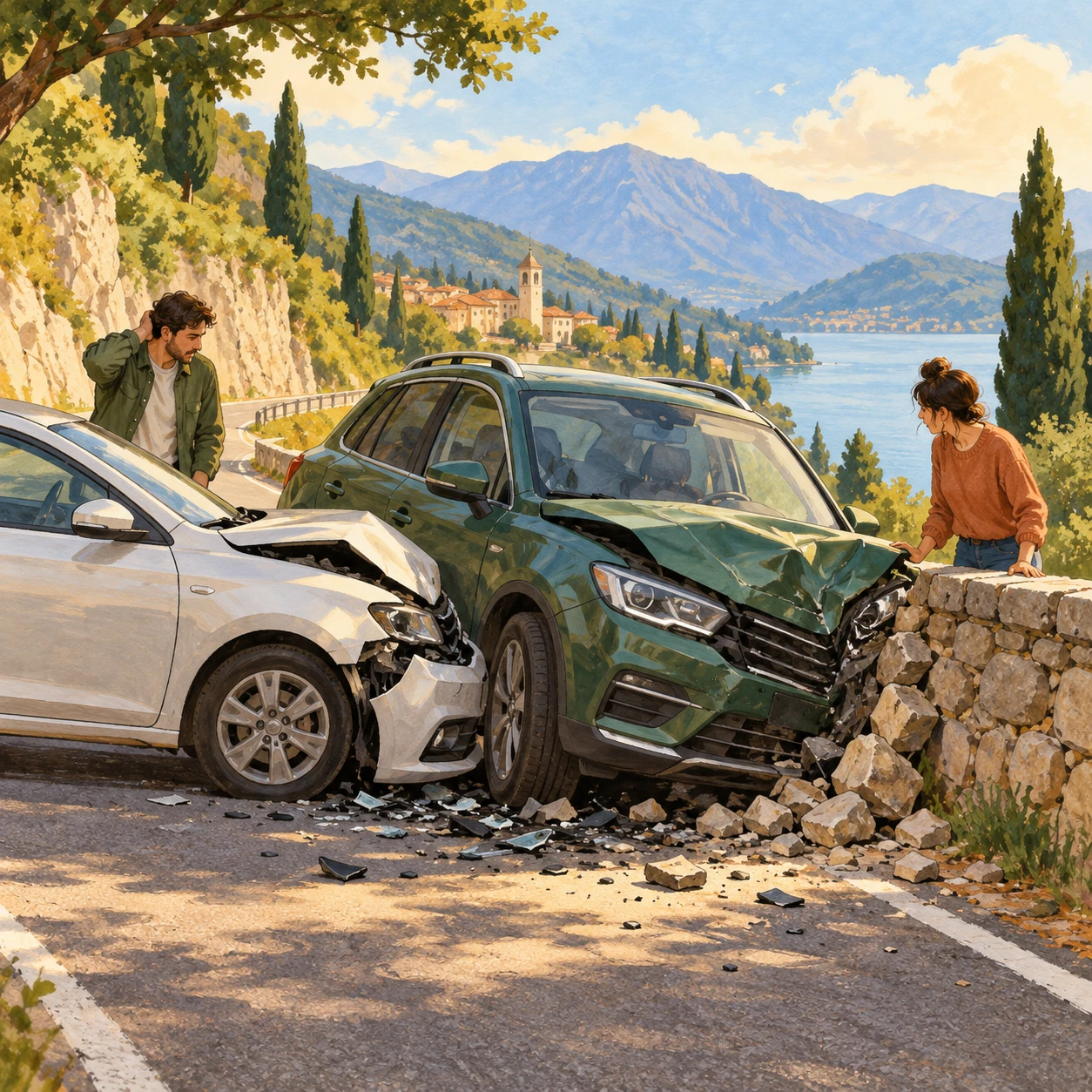
Two cars hit each other at the crossing in a head-on ___.
핵심 단서는 “hit each other”입니다. 가리키는 뜻은 ‘충돌 사고’입니다. 다음 구별을 확인하세요: 도로 형태, 문제의 원인 또는 명시된 이동 방식. 이 맥락에서 맞는 표현은 “collision”입니다. 완성된 표현: “Two cars hit each other at the crossing in a head-on collision.”.
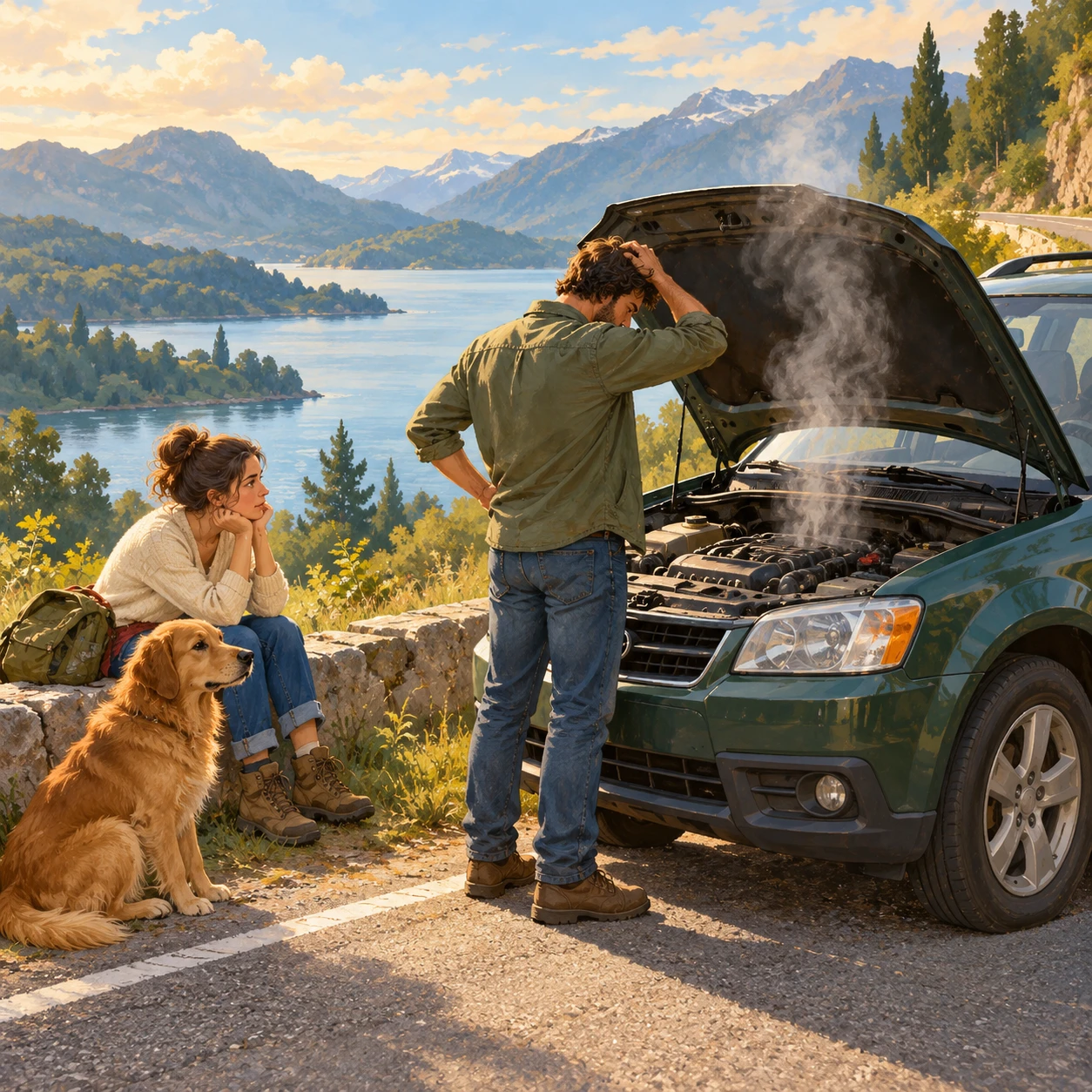
The engine stopped working, so we called for ___ assistance.
핵심 단서는 “engine stopped working”입니다. 가리키는 뜻은 ‘차량 고장’입니다. 다음 구별을 확인하세요: 도로 형태, 문제의 원인 또는 명시된 이동 방식. 이 맥락에서 맞는 표현은 “breakdown”입니다. 완성된 표현: “The engine stopped working, so we called for breakdown assistance.”.
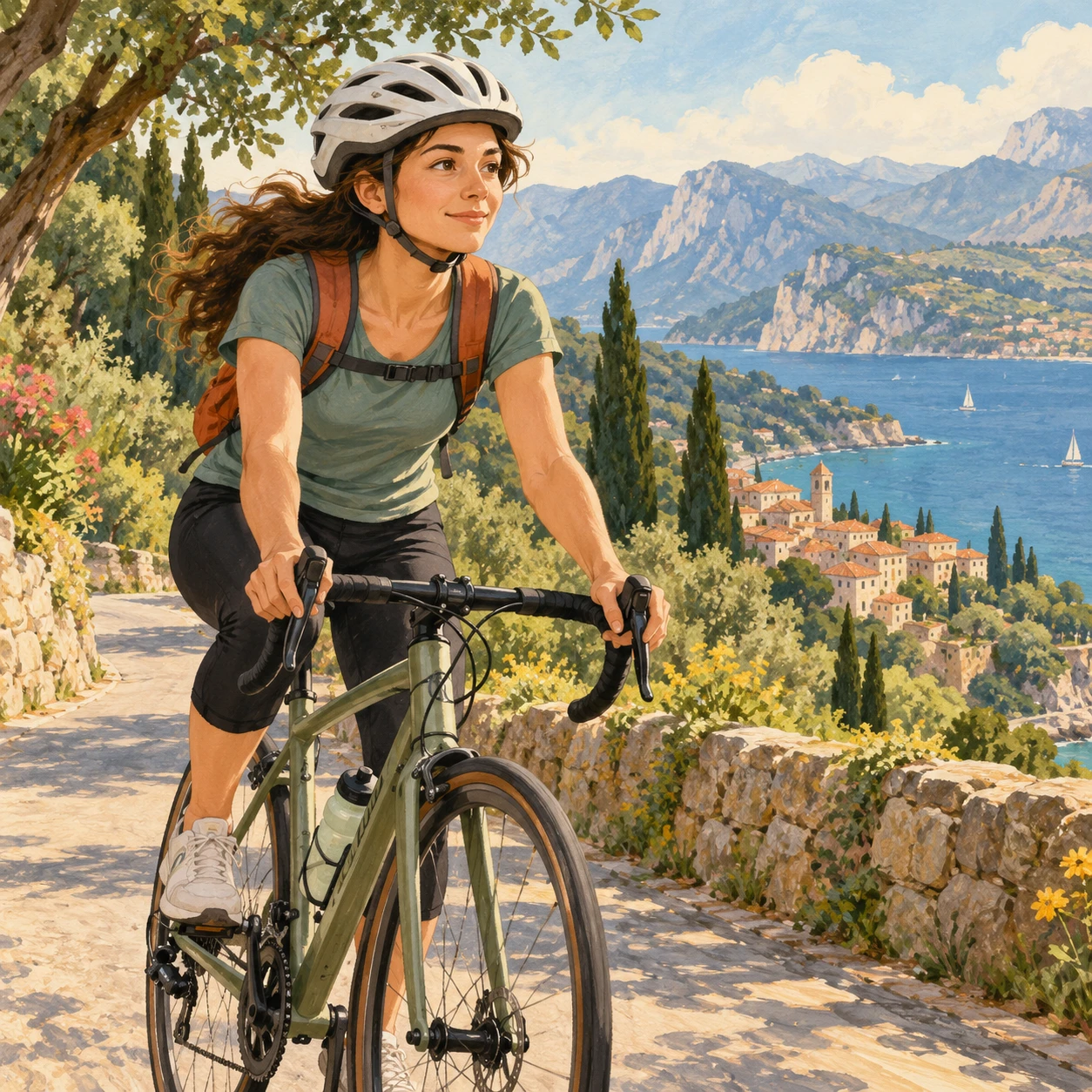
The ___ pedalled up the hill in the cycle lane.
핵심 단서는 “pedalled”입니다. 가리키는 뜻은 ‘자전거 이용자’입니다. 다음 구별을 확인하세요: 이동의 목적·반복 패턴과 그 순간의 이동 수단 사이의 차이. 이 맥락에서 맞는 표현은 “cyclist”입니다. 완성된 표현: “The cyclist pedalled up the hill in the cycle lane.”.
A ___ is specifically a person driving a car, not someone walking or cycling.
핵심 단서는 “person driving a car”입니다. 가리키는 뜻은 ‘자동차 운전자’입니다. 다음 구별을 확인하세요: 이동의 목적·반복 패턴과 그 순간의 이동 수단 사이의 차이. 이 맥락에서 맞는 표현은 “motorist”입니다. 완성된 표현: “A motorist is specifically a person driving a car, not someone walking or cycling.”.
Someone who regularly travels from home to a workplace is a ___.
핵심 단서는 “regularly travels”입니다. 가리키는 뜻은 ‘통근자’입니다. 다음 구별을 확인하세요: 이동의 목적·반복 패턴과 그 순간의 이동 수단 사이의 차이. 이 맥락에서 맞는 표현은 “commuter”입니다. 완성된 표현: “Someone who regularly travels from home to a workplace is a commuter.”.
A road ___ is the general term for a point where roads meet, including T-shaped layouts.
핵심 단서는 “general term”입니다. 가리키는 뜻은 ‘도로가 만나는 지점’입니다. 다음 구별을 확인하세요: 도로가 만나는 일반 범주, 특정 교차로 형태, 도심을 피하는 도로의 차이. 이 맥락에서 맞는 표현은 “junction”입니다. 완성된 표현: “A road junction is the general term for a point where roads meet, including T-shaped layouts.”.
Drivers follow circular arrows around a central island and choose an exit. What is the specific name of this type of junction? ___
핵심 단서는 “central island”입니다. 가리키는 뜻은 ‘회전 교차로’입니다. 다음 구별을 확인하세요: 도로가 만나는 일반 범주, 특정 교차로 형태, 도심을 피하는 도로의 차이. 이 맥락에서 맞는 표현은 “roundabout”입니다. 완성된 표현: “Drivers follow circular arrows around a central island and choose an exit. What is the specific name of this type of junction? roundabout”.
Rush-hour ___ eased when fewer vehicles entered the city centre.
핵심 단서는 “fewer vehicles”입니다. 가리키는 뜻은 ‘교통 체증’입니다. 다음 구별을 확인하세요: 도로 형태, 문제의 원인 또는 명시된 이동 방식. 이 맥락에서 맞는 표현은 “congestion”입니다. 완성된 표현: “Rush-hour congestion eased when fewer vehicles entered the city centre.”.
Yellow signs mark a ___ that takes drivers around the roadworks.
핵심 단서는 “roadworks”입니다. 가리키는 뜻은 ‘임시 우회로’입니다. 다음 구별을 확인하세요: 도로 형태, 문제의 원인 또는 명시된 이동 방식. 이 맥락에서 맞는 표현은 “diversion”입니다. 완성된 표현: “Yellow signs mark a diversion that takes drivers around the roadworks.”.
What term classifies a person’s current mode of travel when they use the pavement and cross the road on foot, regardless of their usual driving habits? ___
핵심 단서는 “current mode of travel”입니다. 가리키는 뜻은 ‘보행자’입니다. 다음 구별을 확인하세요: 이동의 목적·반복 패턴과 그 순간의 이동 수단 사이의 차이. 이 맥락에서 맞는 표현은 “pedestrian”입니다. 완성된 표현: “What term classifies a person’s current mode of travel when they use the pavement and cross the road on foot, regardless of their usual driving habits? pedestrian”.
A ___ on a bicycle rang her bell to warn people ahead.
핵심 단서는 “on a bicycle”입니다. 가리키는 뜻은 ‘자전거 이용자’입니다. 다음 구별을 확인하세요: 이동의 목적·반복 패턴과 그 순간의 이동 수단 사이의 차이. 이 맥락에서 맞는 표현은 “cyclist”입니다. 완성된 표현: “A cyclist on a bicycle rang her bell to warn people ahead.”.
The council built a permanent ___ so lorries could avoid the town’s narrow streets.
핵심 단서는 “permanent”입니다. 가리키는 뜻은 ‘우회 도로’입니다. 다음 구별을 확인하세요: 도로가 만나는 일반 범주, 특정 교차로 형태, 도심을 피하는 도로의 차이. 이 맥락에서 맞는 표현은 “bypass”입니다. 완성된 표현: “The council built a permanent bypass so lorries could avoid the town’s narrow streets.”.
The most specific name for the four-armed shape where two straight roads cross is a ___.
핵심 단서는 “four-armed shape”입니다. 가리키는 뜻은 ‘사거리’입니다. 다음 구별을 확인하세요: 도로가 만나는 일반 범주, 특정 교차로 형태, 도심을 피하는 도로의 차이. 이 맥락에서 맞는 표현은 “crossroads”입니다. 완성된 표현: “The most specific name for the four-armed shape where two straight roads cross is a crossroads.”.
The driver avoided a ___ by braking before hitting the vehicle ahead.
핵심 단서는 “hitting the vehicle ahead”입니다. 가리키는 뜻은 ‘충돌 사고’입니다. 다음 구별을 확인하세요: 도로 형태, 문제의 원인 또는 명시된 이동 방식. 이 맥락에서 맞는 표현은 “collision”입니다. 완성된 표현: “The driver avoided a collision by braking before hitting the vehicle ahead.”.
There was no crash; a mechanical ___ simply prevented the car from moving.
핵심 단서는 “mechanical”입니다. 가리키는 뜻은 ‘차량 고장’입니다. 다음 구별을 확인하세요: 도로 형태, 문제의 원인 또는 명시된 이동 방식. 이 맥락에서 맞는 표현은 “breakdown”입니다. 완성된 표현: “There was no crash; a mechanical breakdown simply prevented the car from moving.”.
The word ___ means a car driver, whether that person is travelling to work, shopping or on holiday.
핵심 단서는 “whether that person is travelling”입니다. 가리키는 뜻은 ‘자동차 운전자’입니다. 다음 구별을 확인하세요: 이동의 목적·반복 패턴과 그 순간의 이동 수단 사이의 차이. 이 맥락에서 맞는 표현은 “motorist”입니다. 완성된 표현: “The word motorist means a car driver, whether that person is travelling to work, shopping or on holiday.”.
She regularly travels from home to her city office every weekday. Which term classifies her by that repeated home-to-work journey, rather than by whether she walks, cycles or drives? ___
핵심 단서는 “repeated home-to-work journey”입니다. 가리키는 뜻은 ‘통근자’입니다. 다음 구별을 확인하세요: 이동의 목적·반복 패턴과 그 순간의 이동 수단 사이의 차이. 이 맥락에서 맞는 표현은 “commuter”입니다. 완성된 표현: “She regularly travels from home to her city office every weekday. Which term classifies her by that repeated home-to-work journey, rather than by whether she walks, cycles or drives? commuter”.