B2

Roads and traffic Exercises

About this lesson

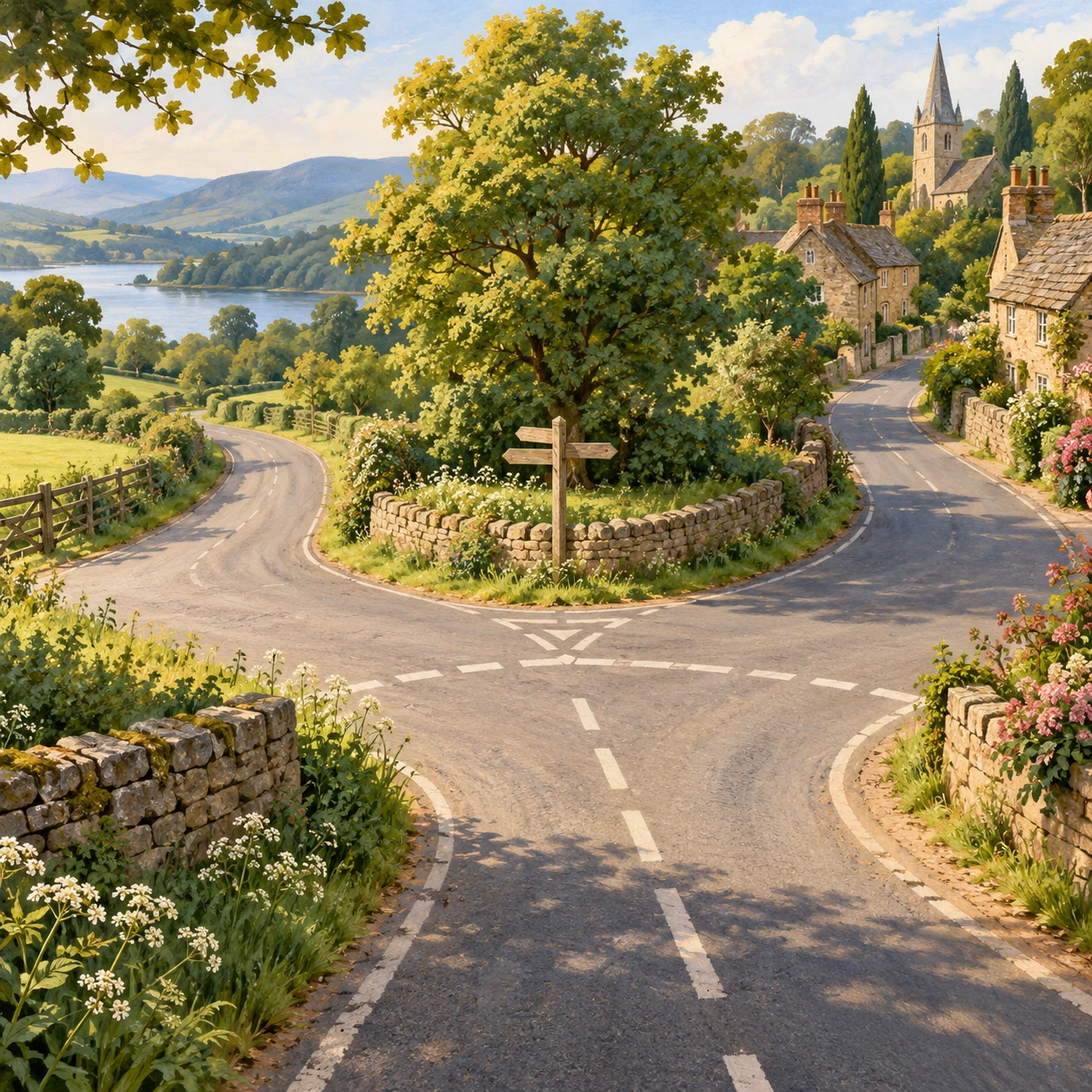
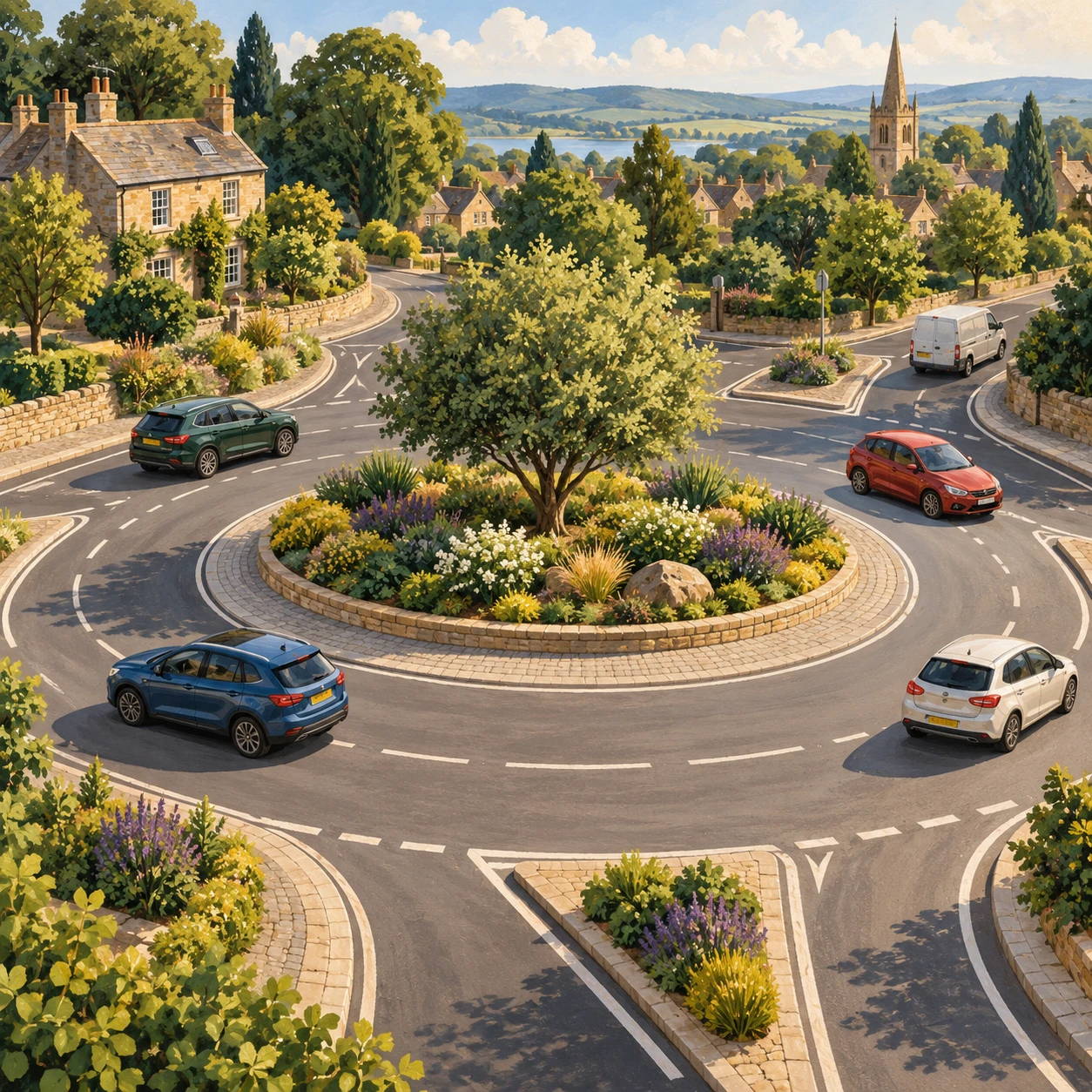
Roads and traffic · B2. Distinguish these meanings in context: junction = a place where roads meet; roundabout = a circular road junction with traffic moving around a central island; bypass = a road that carries traffic around a town; crossroads = a place where two roads cross each other.

Learn twelve useful words in this topic. Study independent examples, then practise them in new situations. The level is an editorial guide, not a certification.

24 items
Save it to find it in My collection.
Vocabulary

Learning cards

1/12
junction
junction
B2
01 / 12
Save it to find it in My collection.

junction

a place where roads meet
In a sentence

Turn left at the next junction.

Turn left at the next junction.

Useful combinations
a T-junctiona busy junction

Word forms & family

junctions (n.)

Similar meanings & paraphrases

intersection

These match this sense. Word families can change meaning; near meanings are not always interchangeable.

Practise “a T-junction” as a word partnership. In this unit “junction” means a place where roads meet.

0 Saved words

A little clarity first

junction · roundabout · bypass · crossroads

Distinguish these meanings in context: junction = a place where roads meet; roundabout = a circular road junction with traffic moving around a central island; bypass = a road that carries traffic around a town; crossroads = a place where two roads cross each other.

Turn left at the next junction.
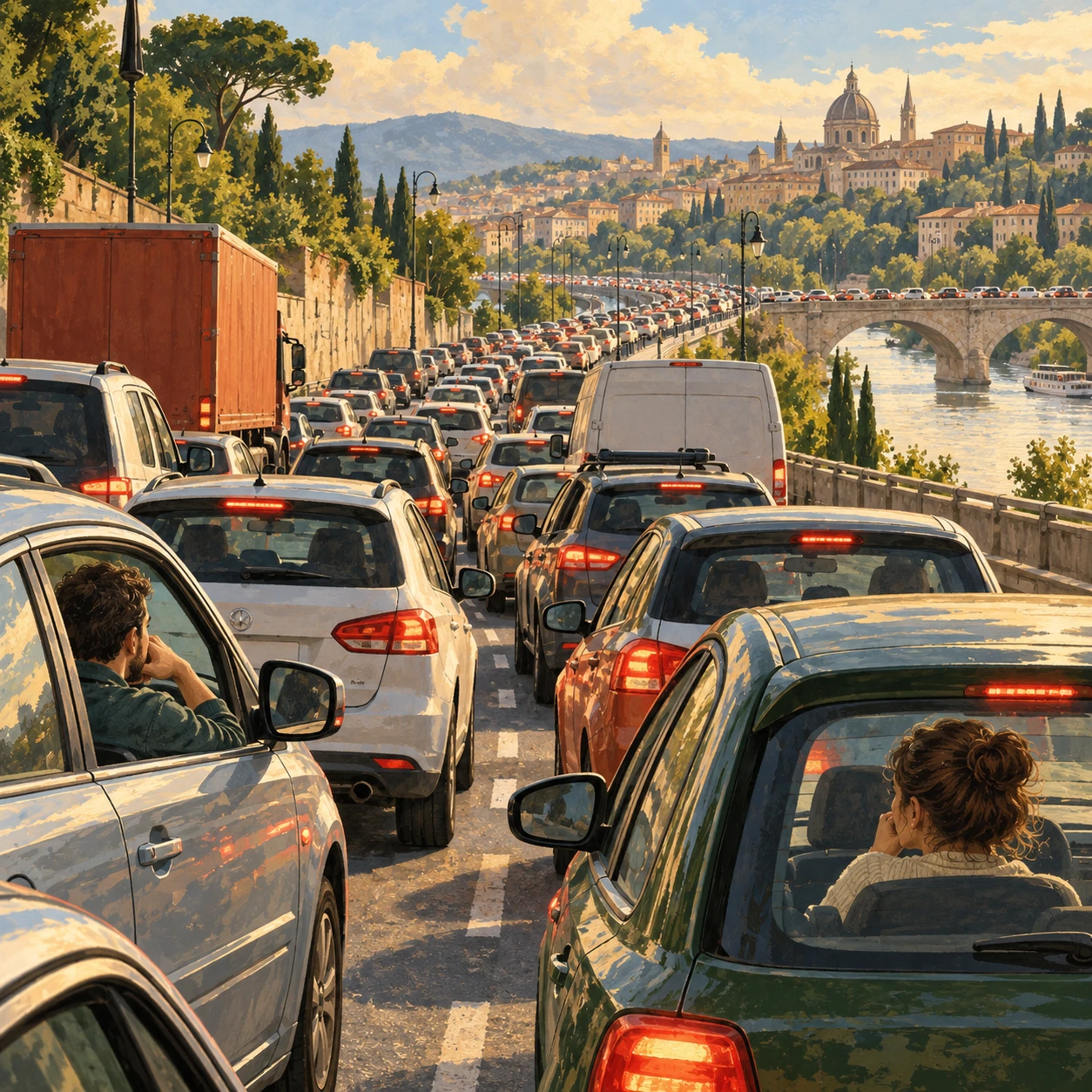
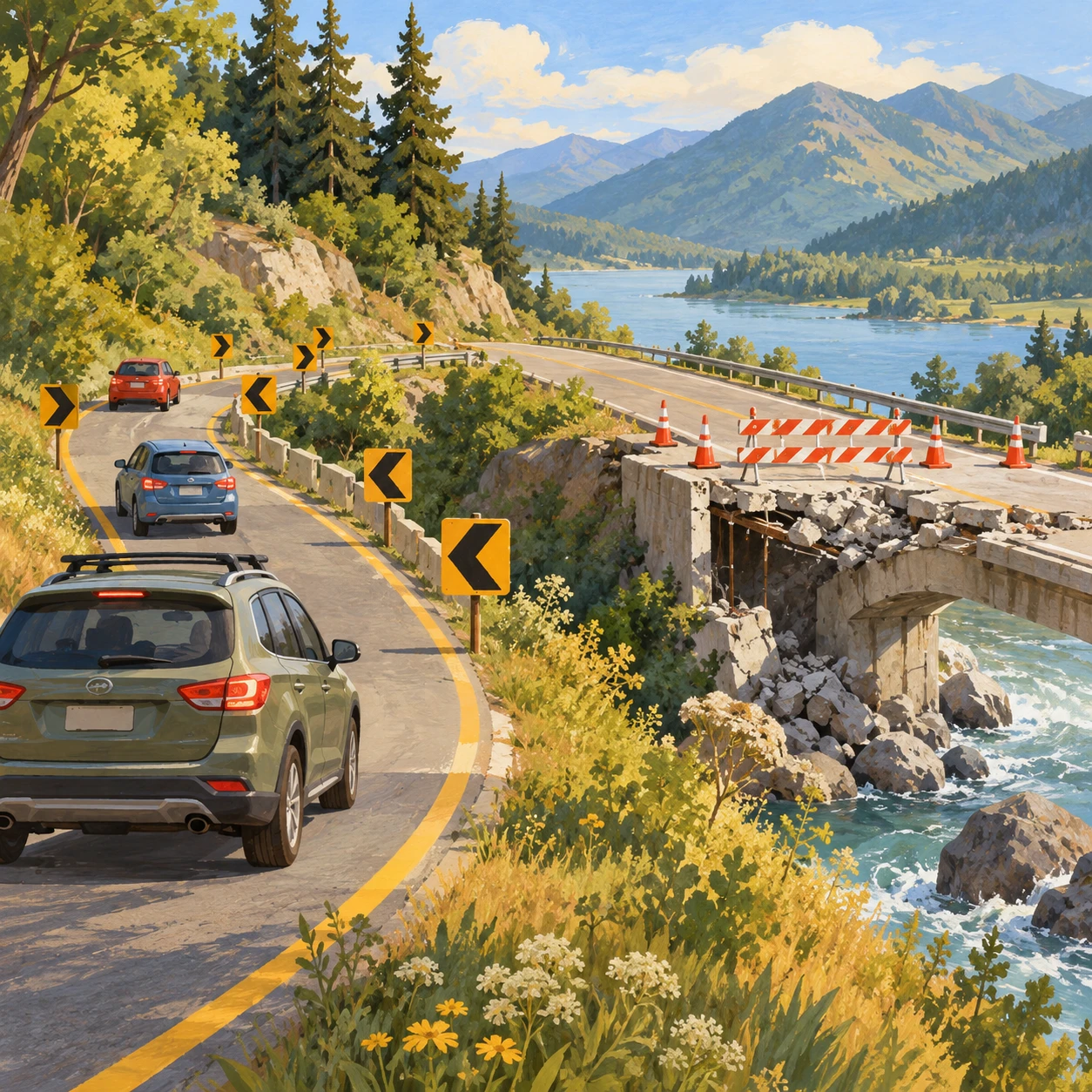
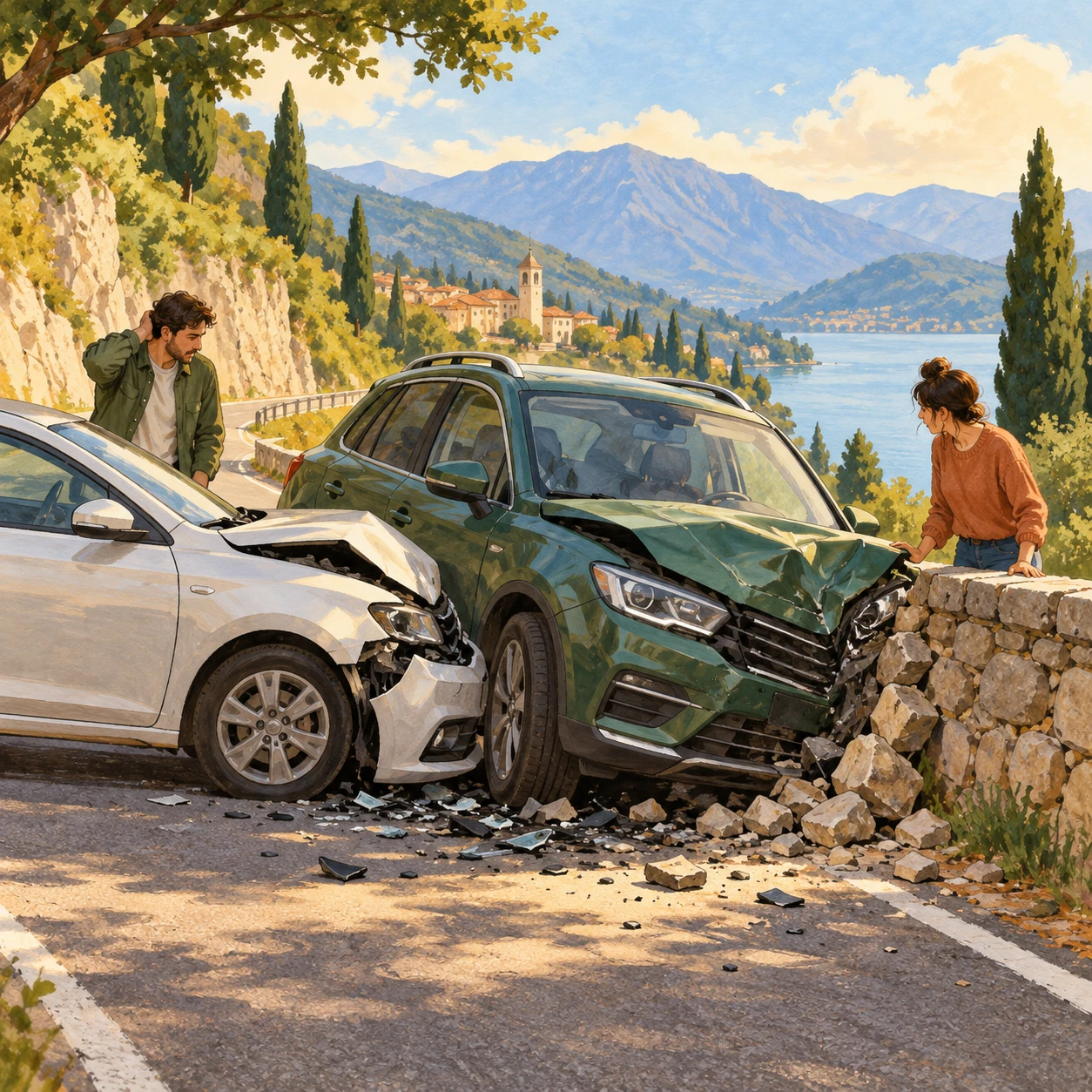
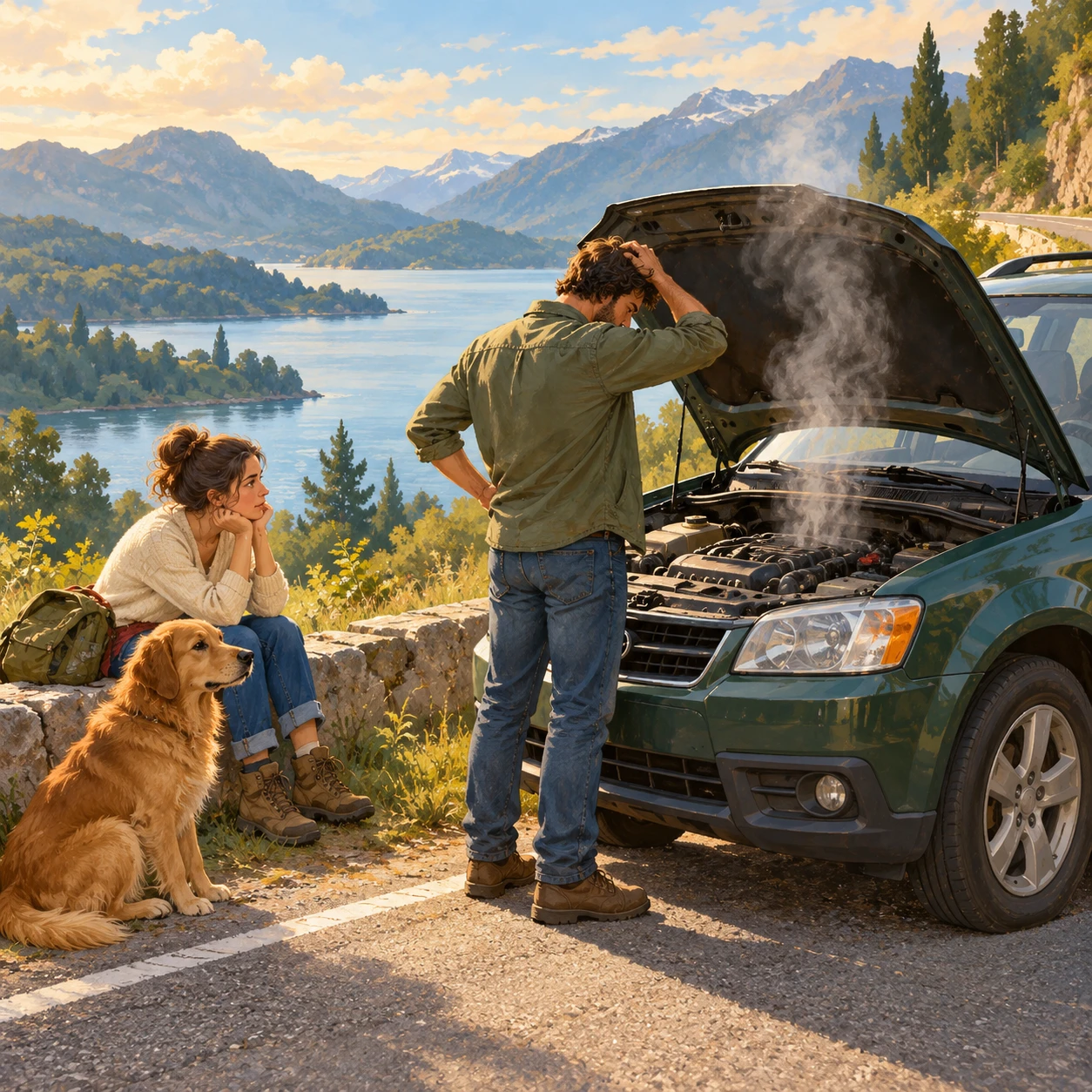
congestion · diversion · collision · breakdown

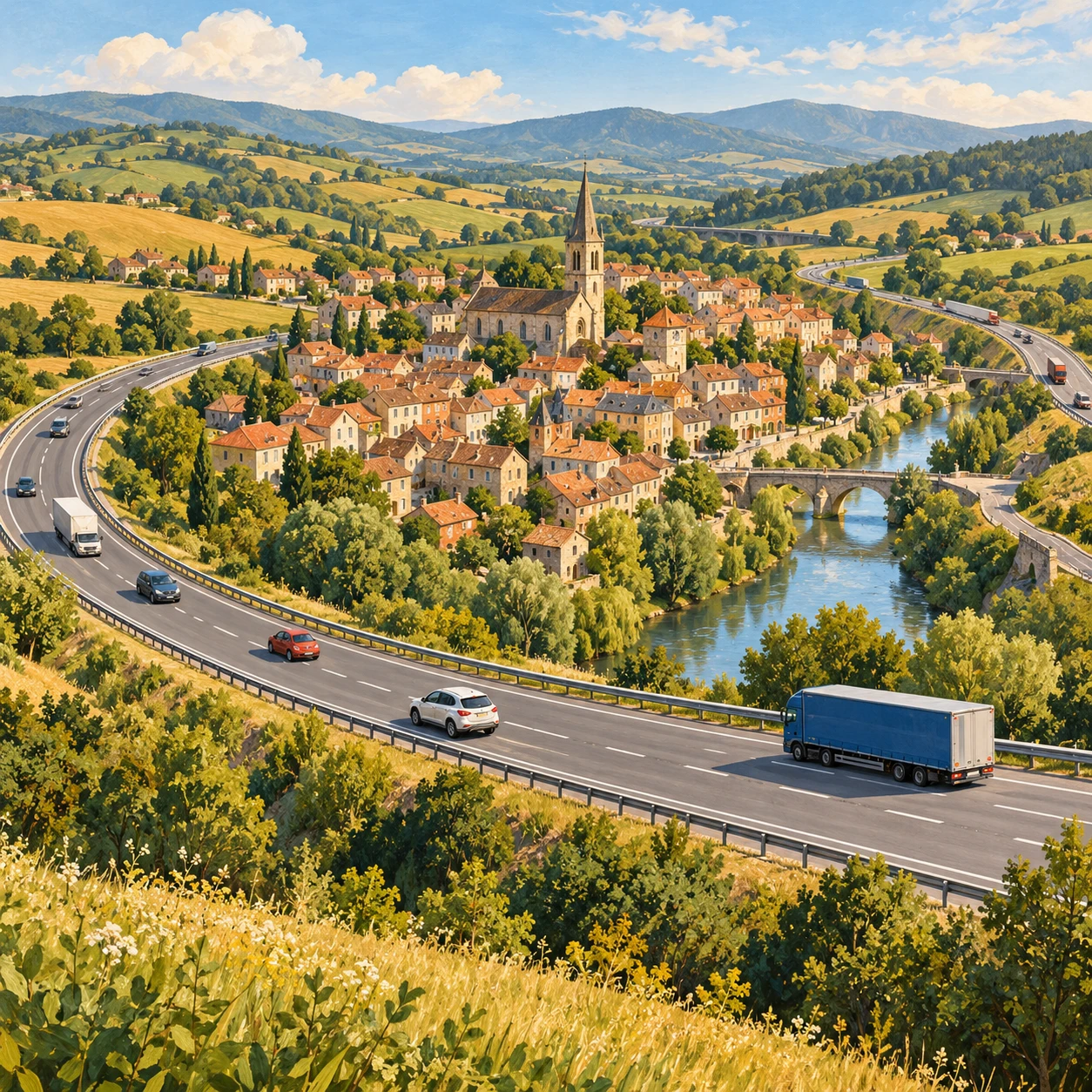
Distinguish these meanings in context: congestion = a condition in which traffic is blocked by too many vehicles; diversion = a temporary alternative route when the usual road is closed; collision = an accident in which vehicles hit something; breakdown = a failure of a vehicle’s engine or machinery.

Traffic congestion makes the journey longer.

pedestrian · cyclist · motorist · commuter

Distinguish these meanings in context: pedestrian = a person travelling on foot; cyclist = a person riding a bicycle; motorist = a person driving a car; commuter = a person who regularly travels between home and work.

The pedestrian waited for the green light.

0/24
Questions
01 / 24D01Save it to find it in My collection.

The side road ends where it meets the main road, forming a T-___.

Choose the word that completes the sentence.

Your answer
1 / 24

Your learning route

01
Step 1 · Warm-up

Warm-up

0/3
02
Step 2 · Build the skill

junction · roundabout · bypass · crossroads

0/3

Distinguish these meanings in context: junction = a place where roads meet; roundabout = a circular road junction with traffic moving around a central island; bypass = a road that carries traffic around a town; crossroads = a place where two roads cross each other.

Turn left at the next junction.
03
Step 3 · Build the skill

congestion · diversion · collision · breakdown

0/3

Distinguish these meanings in context: congestion = a condition in which traffic is blocked by too many vehicles; diversion = a temporary alternative route when the usual road is closed; collision = an accident in which vehicles hit something; breakdown = a failure of a vehicle’s engine or machinery.

Traffic congestion makes the journey longer.
04
Step 4 · Build the skill

pedestrian · cyclist · motorist · commuter

0/3

Distinguish these meanings in context: pedestrian = a person travelling on foot; cyclist = a person riding a bicycle; motorist = a person driving a car; commuter = a person who regularly travels between home and work.

The pedestrian waited for the green light.
05
Step 5 · New contexts

New contexts

0/6
06
Step 6 · A fresh challenge

A fresh challenge

0/6
Practice notes in this unit

Make mistakes useful.

Keep the first try. Understand the change. Check it in a fresh situation.

0

No practice notes yet. Try a short warm-up.

Questions & answers

Opening an answer records help for that question.

D01 · Warm-up

The side road ends where it meets the main road, forming a T-___.

Choose the word that completes the sentence.

  1. junction
  2. roundabout
  3. bypass
  4. crossroads
Answer & explanation
junction

The deciding cue is “T-”: it identifies the meaning “a place where roads meet”. Check the general category of meeting roads, a specific junction shape, or a road avoiding the town centre; “junction” expresses that specific meaning here. Completed wording: “The side road ends where it meets the main road, forming a T-junction.”.

D02 · Warm-up

Too many cars trying to use the same road caused severe ___.

Choose the word that completes the sentence.

  1. congestion
  2. breakdown
  3. diversion
  4. collision
Answer & explanation
congestion

The deciding cue is “Too many cars”: it identifies the meaning “a condition in which traffic is blocked by too many vehicles”. Check the road layout, cause of the problem or stated way of travelling; “congestion” expresses that specific meaning here. Completed wording: “Too many cars trying to use the same road caused severe congestion.”.

D03 · Warm-up

A ___ travels on foot, rather than on a bicycle or in a vehicle.

Choose the word that completes the sentence.

  1. cyclist
  2. motorist
  3. pedestrian
  4. passenger
Answer & explanation
pedestrian

The deciding cue is “on foot”: it identifies the meaning “a person travelling on foot”. Check the purpose and repeated pattern of a journey versus the mode of travel at the moment; “pedestrian” expresses that specific meaning here. Completed wording: “A pedestrian travels on foot, rather than on a bicycle or in a vehicle.”.

P01 · Build the skill

What is the specific name for a circular road junction where traffic moves around a central island? ___

Choose the word that completes the sentence.

  1. bypass
  2. roundabout
  3. junction
  4. crossroads
Answer & explanation
roundabout

The deciding cue is “circular road junction”: it identifies the meaning “a circular road junction with traffic moving around a central island”. Check the general category of meeting roads, a specific junction shape, or a road avoiding the town centre; “roundabout” expresses that specific meaning here. Completed wording: “What is the specific name for a circular road junction where traffic moves around a central island? roundabout”.

P02 · Build the skill

Use the ___ to travel around the town instead of through its centre.

Choose the word that completes the sentence.

  1. roundabout
  2. crossroads
  3. junction
  4. bypass
Answer & explanation
bypass

The deciding cue is “around the town”: it identifies the meaning “a road that carries traffic around a town”. Check the general category of meeting roads, a specific junction shape, or a road avoiding the town centre; “bypass” expresses that specific meaning here. Completed wording: “Use the bypass to travel around the town instead of through its centre.”.

P03 · Build the skill

The most specific name for a junction where two straight roads cross at right angles is a ___.

Choose the word that completes the sentence.

  1. bypass
  2. crossroads
  3. roundabout
  4. junction
Answer & explanation
crossroads

The deciding cue is “most specific name”: it identifies the meaning “a place where two roads cross each other”. Check the general category of meeting roads, a specific junction shape, or a road avoiding the town centre; “crossroads” expresses that specific meaning here. Completed wording: “The most specific name for a junction where two straight roads cross at right angles is a crossroads.”.

P04 · Build the skill

The bridge is closed for repairs, so follow the temporary ___.

Choose the word that completes the sentence.

  1. diversion
  2. congestion
  3. collision
  4. breakdown
Answer & explanation
diversion

The deciding cue is “temporary”: it identifies the meaning “a temporary alternative route when the usual road is closed”. Check the road layout, cause of the problem or stated way of travelling; “diversion” expresses that specific meaning here. Completed wording: “The bridge is closed for repairs, so follow the temporary diversion.”.

P05 · Build the skill

Two cars hit each other at the crossing in a head-on ___.

Choose the word that completes the sentence.

  1. breakdown
  2. collision
  3. diversion
  4. congestion
Answer & explanation
collision

The deciding cue is “hit each other”: it identifies the meaning “an accident in which vehicles hit something”. Check the road layout, cause of the problem or stated way of travelling; “collision” expresses that specific meaning here. Completed wording: “Two cars hit each other at the crossing in a head-on collision.”.

P06 · Build the skill

The engine stopped working, so we called for ___ assistance.

Choose the word that completes the sentence.

  1. collision
  2. breakdown
  3. congestion
  4. diversion
Answer & explanation
breakdown

The deciding cue is “engine stopped working”: it identifies the meaning “a failure of a vehicle’s engine or machinery”. Check the road layout, cause of the problem or stated way of travelling; “breakdown” expresses that specific meaning here. Completed wording: “The engine stopped working, so we called for breakdown assistance.”.

P07 · Build the skill

The ___ pedalled up the hill in the cycle lane.

Choose the word that completes the sentence.

  1. pedestrian
  2. cyclist
  3. passenger
  4. motorist
Answer & explanation
cyclist

The deciding cue is “pedalled”: it identifies the meaning “a person riding a bicycle”. Check the purpose and repeated pattern of a journey versus the mode of travel at the moment; “cyclist” expresses that specific meaning here. Completed wording: “The cyclist pedalled up the hill in the cycle lane.”.

P08 · Build the skill

A ___ is specifically a person driving a car, not someone walking or cycling.

Choose the word that completes the sentence.

  1. pedestrian
  2. passenger
  3. motorist
  4. cyclist
Answer & explanation
motorist

The deciding cue is “person driving a car”: it identifies the meaning “a person driving a car”. Check the purpose and repeated pattern of a journey versus the mode of travel at the moment; “motorist” expresses that specific meaning here. Completed wording: “A motorist is specifically a person driving a car, not someone walking or cycling.”.

P09 · Build the skill

Someone who regularly travels from home to a workplace is a ___.

Choose the word that completes the sentence.

  1. pedestrian
  2. commuter
  3. cyclist
  4. motorist
Answer & explanation
commuter

The deciding cue is “regularly travels”: it identifies the meaning “a person who regularly travels between home and work”. Check the purpose and repeated pattern of a journey versus the mode of travel at the moment; “commuter” expresses that specific meaning here. Completed wording: “Someone who regularly travels from home to a workplace is a commuter.”.

R01 · New contexts

A road ___ is the general term for a point where roads meet, including T-shaped layouts.

Choose the word that completes the sentence.

  1. junction
  2. crossroads
  3. roundabout
  4. bypass
Answer & explanation
junction

The deciding cue is “general term”: it identifies the meaning “a place where roads meet”. Check the general category of meeting roads, a specific junction shape, or a road avoiding the town centre; “junction” expresses that specific meaning here. Completed wording: “A road junction is the general term for a point where roads meet, including T-shaped layouts.”.

R02 · New contexts

Drivers follow circular arrows around a central island and choose an exit. What is the specific name of this type of junction? ___

Choose the word that completes the sentence.

  1. bypass
  2. roundabout
  3. junction
  4. crossroads
Answer & explanation
roundabout

The deciding cue is “central island”: it identifies the meaning “a circular road junction with traffic moving around a central island”. Check the general category of meeting roads, a specific junction shape, or a road avoiding the town centre; “roundabout” expresses that specific meaning here. Completed wording: “Drivers follow circular arrows around a central island and choose an exit. What is the specific name of this type of junction? roundabout”.

R03 · New contexts

Rush-hour ___ eased when fewer vehicles entered the city centre.

Choose the word that completes the sentence.

  1. diversion
  2. breakdown
  3. collision
  4. congestion
Answer & explanation
congestion

The deciding cue is “fewer vehicles”: it identifies the meaning “a condition in which traffic is blocked by too many vehicles”. Check the road layout, cause of the problem or stated way of travelling; “congestion” expresses that specific meaning here. Completed wording: “Rush-hour congestion eased when fewer vehicles entered the city centre.”.

R04 · New contexts

Yellow signs mark a ___ that takes drivers around the roadworks.

Choose the word that completes the sentence.

  1. diversion
  2. congestion
  3. breakdown
  4. collision
Answer & explanation
diversion

The deciding cue is “roadworks”: it identifies the meaning “a temporary alternative route when the usual road is closed”. Check the road layout, cause of the problem or stated way of travelling; “diversion” expresses that specific meaning here. Completed wording: “Yellow signs mark a diversion that takes drivers around the roadworks.”.

R05 · New contexts

What term classifies a person’s current mode of travel when they use the pavement and cross the road on foot, regardless of their usual driving habits? ___

Choose the word that completes the sentence.

  1. pedestrian
  2. passenger
  3. motorist
  4. cyclist
Answer & explanation
pedestrian

The deciding cue is “current mode of travel”: it identifies the meaning “a person travelling on foot”. Check the purpose and repeated pattern of a journey versus the mode of travel at the moment; “pedestrian” expresses that specific meaning here. Completed wording: “What term classifies a person’s current mode of travel when they use the pavement and cross the road on foot, regardless of their usual driving habits? pedestrian”.

R06 · New contexts

A ___ on a bicycle rang her bell to warn people ahead.

Choose the word that completes the sentence.

  1. pedestrian
  2. cyclist
  3. passenger
  4. motorist
Answer & explanation
cyclist

The deciding cue is “on a bicycle”: it identifies the meaning “a person riding a bicycle”. Check the purpose and repeated pattern of a journey versus the mode of travel at the moment; “cyclist” expresses that specific meaning here. Completed wording: “A cyclist on a bicycle rang her bell to warn people ahead.”.

X01 · A fresh challenge

The council built a permanent ___ so lorries could avoid the town’s narrow streets.

Choose the word that completes the sentence.

  1. bypass
  2. roundabout
  3. junction
  4. crossroads
Answer & explanation
bypass

The deciding cue is “permanent”: it identifies the meaning “a road that carries traffic around a town”. Check the general category of meeting roads, a specific junction shape, or a road avoiding the town centre; “bypass” expresses that specific meaning here. Completed wording: “The council built a permanent bypass so lorries could avoid the town’s narrow streets.”.

X02 · A fresh challenge

The most specific name for the four-armed shape where two straight roads cross is a ___.

Choose the word that completes the sentence.

  1. junction
  2. crossroads
  3. roundabout
  4. bypass
Answer & explanation
crossroads

The deciding cue is “four-armed shape”: it identifies the meaning “a place where two roads cross each other”. Check the general category of meeting roads, a specific junction shape, or a road avoiding the town centre; “crossroads” expresses that specific meaning here. Completed wording: “The most specific name for the four-armed shape where two straight roads cross is a crossroads.”.

X03 · A fresh challenge

The driver avoided a ___ by braking before hitting the vehicle ahead.

Choose the word that completes the sentence.

  1. congestion
  2. breakdown
  3. diversion
  4. collision
Answer & explanation
collision

The deciding cue is “hitting the vehicle ahead”: it identifies the meaning “an accident in which vehicles hit something”. Check the road layout, cause of the problem or stated way of travelling; “collision” expresses that specific meaning here. Completed wording: “The driver avoided a collision by braking before hitting the vehicle ahead.”.

X04 · A fresh challenge

There was no crash; a mechanical ___ simply prevented the car from moving.

Choose the word that completes the sentence.

  1. collision
  2. breakdown
  3. diversion
  4. congestion
Answer & explanation
breakdown

The deciding cue is “mechanical”: it identifies the meaning “a failure of a vehicle’s engine or machinery”. Check the road layout, cause of the problem or stated way of travelling; “breakdown” expresses that specific meaning here. Completed wording: “There was no crash; a mechanical breakdown simply prevented the car from moving.”.

X05 · A fresh challenge

The word ___ means a car driver, whether that person is travelling to work, shopping or on holiday.

Choose the word that completes the sentence.

  1. cyclist
  2. motorist
  3. passenger
  4. pedestrian
Answer & explanation
motorist

The deciding cue is “whether that person is travelling”: it identifies the meaning “a person driving a car”. Check the purpose and repeated pattern of a journey versus the mode of travel at the moment; “motorist” expresses that specific meaning here. Completed wording: “The word motorist means a car driver, whether that person is travelling to work, shopping or on holiday.”.

X06 · A fresh challenge

She regularly travels from home to her city office every weekday. Which term classifies her by that repeated home-to-work journey, rather than by whether she walks, cycles or drives? ___

Choose the word that completes the sentence.

  1. cyclist
  2. commuter
  3. pedestrian
  4. motorist
Answer & explanation
commuter

The deciding cue is “repeated home-to-work journey”: it identifies the meaning “a person who regularly travels between home and work”. Check the purpose and repeated pattern of a journey versus the mode of travel at the moment; “commuter” expresses that specific meaning here. Completed wording: “She regularly travels from home to her city office every weekday. Which term classifies her by that repeated home-to-work journey, rather than by whether she walks, cycles or drives? commuter”.