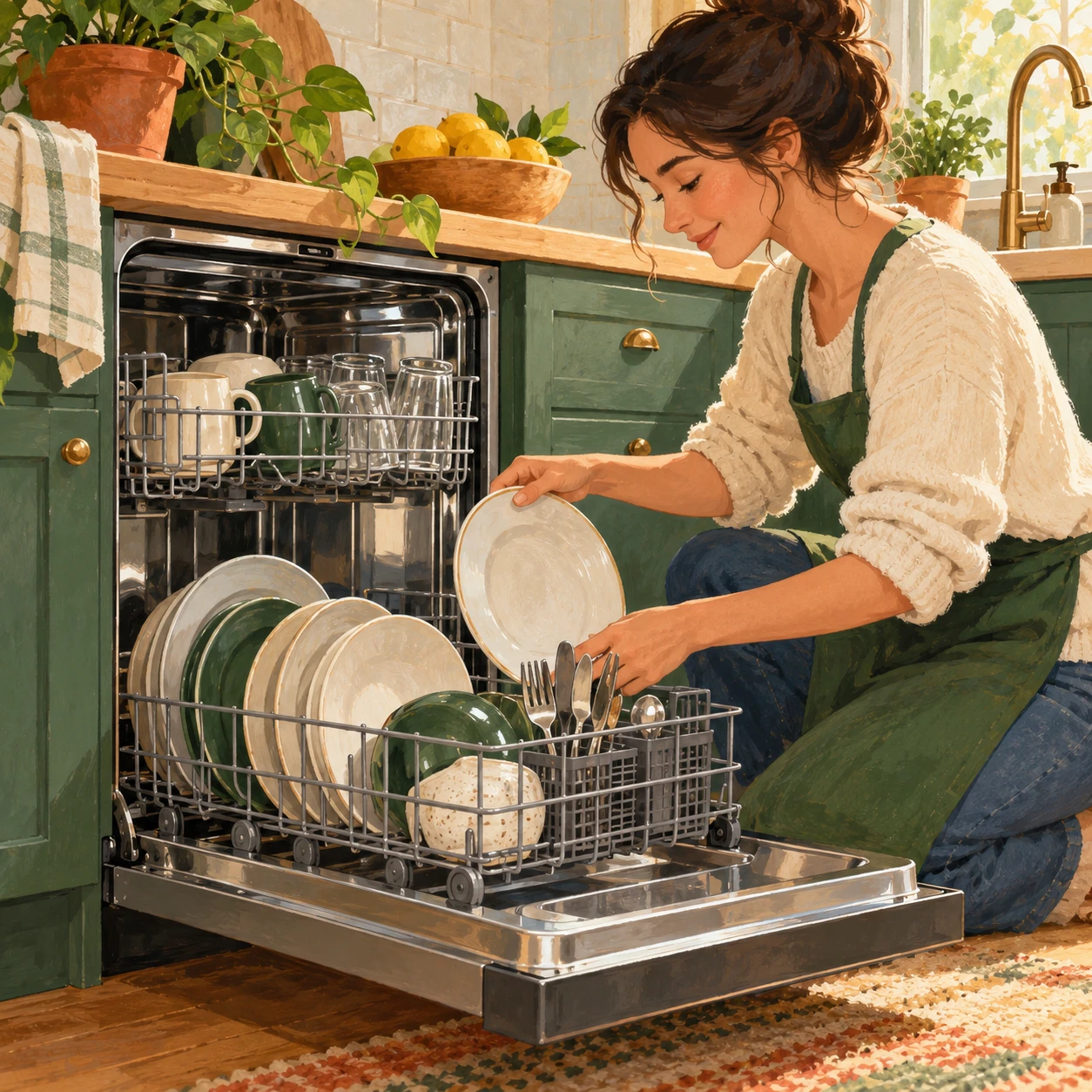
cozinha · quarto · banheiro · sala de estar
Use a situação para distinguir estes sentidos: kitchen = cozinha; bedroom = quarto; bathroom = banheiro; living room = sala de estar.
The room where we cook is the kitchen.

Casa e móveis · A1. Use a situação para distinguir estes sentidos: kitchen = cozinha; bedroom = quarto; bathroom = banheiro; living room = sala de estar.
Pratique Casa e móveis em situações curtas. Leia a pista, escolha ou escreva uma forma e confira a explicação. O nível é uma orientação editorial. Explore 12 cartões e 24 questões contextualizadas, com novas situações de revisão e aplicação.
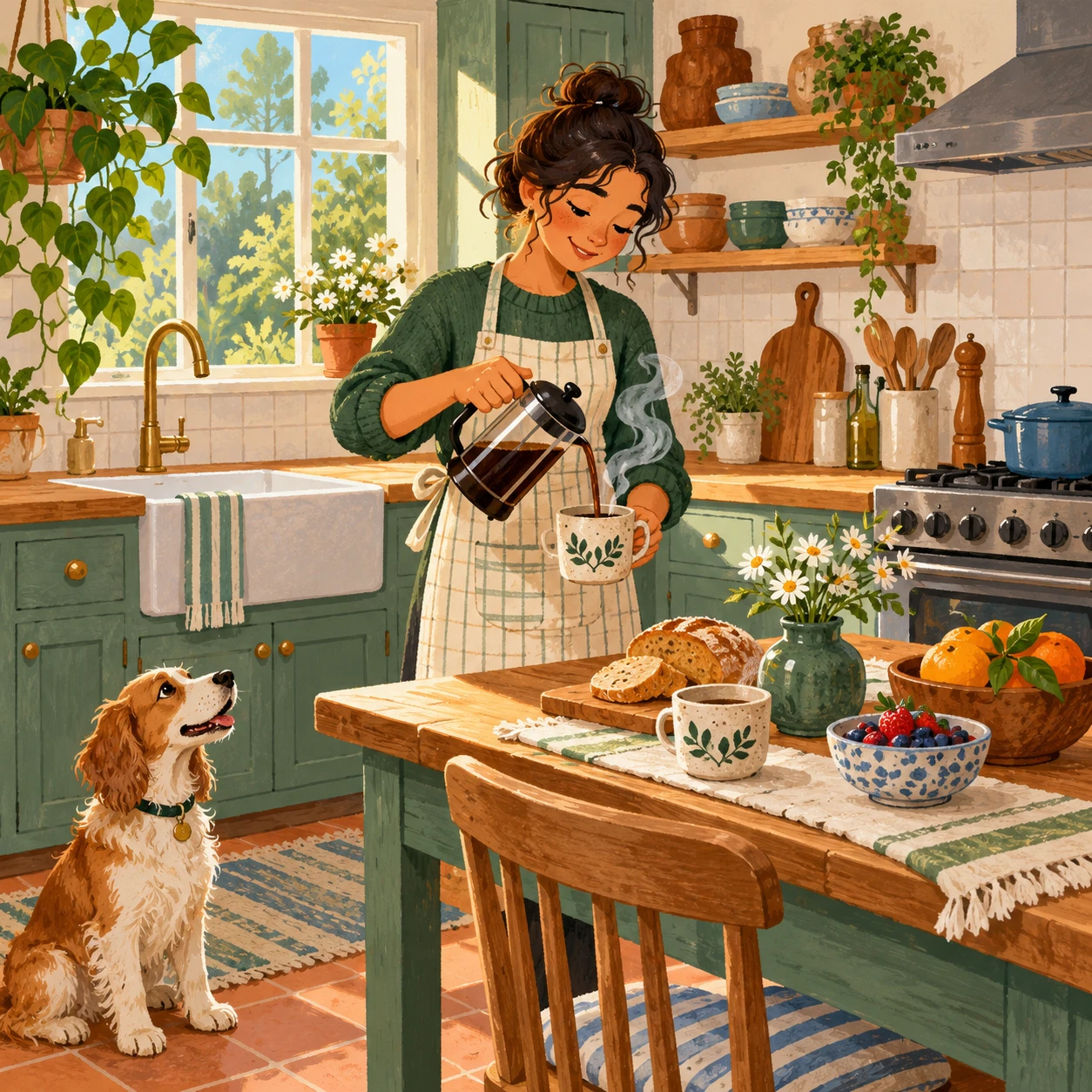
A room used for preparing food.
The smell of fresh coffee filled the kitchen.
O cheiro de café fresco tomou conta da cozinha.
Estas indicações se referem a este sentido. Palavras da mesma família podem mudar de sentido; expressões próximas nem sempre são intercambiáveis.
Use “kitchen” para cozinha. Compare com “bedroom” (quarto); os sentidos são diferentes.
Use a situação para distinguir estes sentidos: kitchen = cozinha; bedroom = quarto; bathroom = banheiro; living room = sala de estar.
The room where we cook is the kitchen.
Use a situação para distinguir estes sentidos: sofa = sofá; bed = cama; wardrobe = guarda-roupa; desk = escrivaninha.
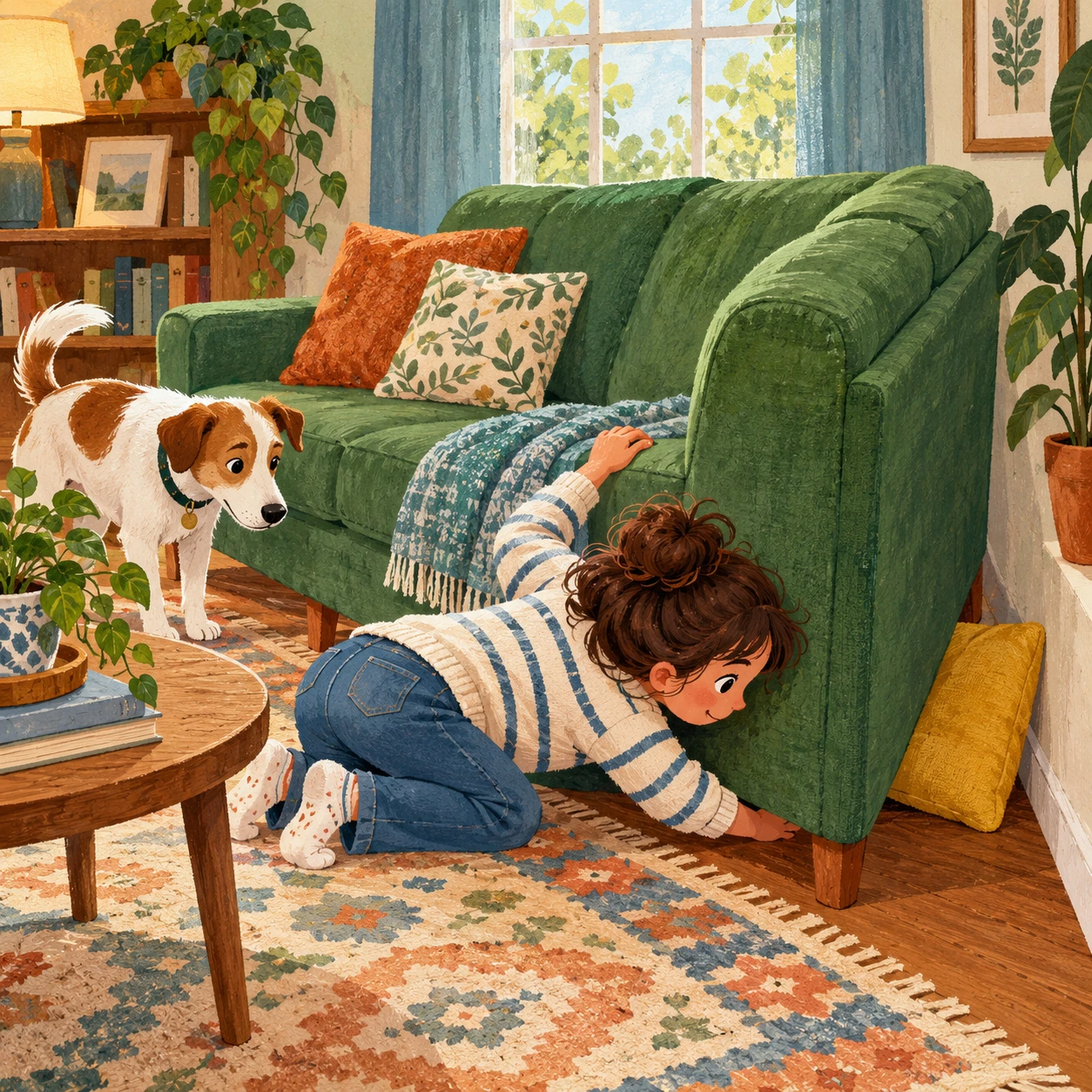
Three people can sit on this long soft seat: a sofa.
Use a situação para distinguir estes sentidos: fridge = geladeira; cooker = fogão; washing machine = máquina de lavar roupa; dishwasher = lava-louças.
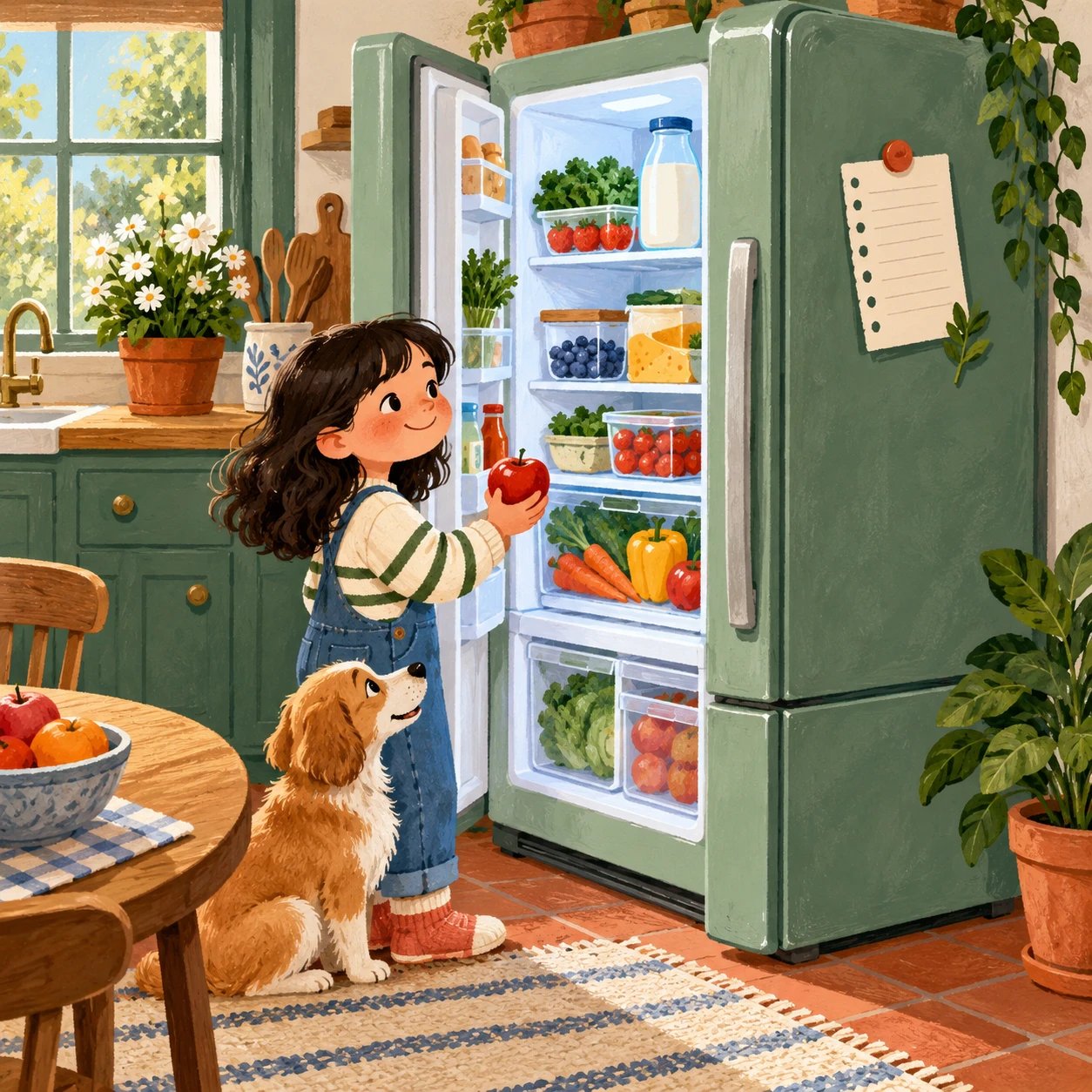
We keep milk cold in the fridge.
The room where we cook is the ___.
Use a situação para distinguir estes sentidos: kitchen = cozinha; bedroom = quarto; bathroom = banheiro; living room = sala de estar.
The room where we cook is the kitchen.Use a situação para distinguir estes sentidos: sofa = sofá; bed = cama; wardrobe = guarda-roupa; desk = escrivaninha.
Three people can sit on this long soft seat: a sofa.Use a situação para distinguir estes sentidos: fridge = geladeira; cooker = fogão; washing machine = máquina de lavar roupa; dishwasher = lava-louças.
We keep milk cold in the fridge.Guarde a primeira tentativa, entenda a mudança e confira em outra situação.
Ainda não há revisões. Faça um aquecimento curto.
Abrir uma resposta registra ajuda para essa questão.
The room where we cook is the ___.
Observe “room where we cook”. Aqui precisamos de “cozinha”: “kitchen”. O cômodo é nomeado pela função habitual. Frase completa: “The room where we cook is the kitchen.”.
Three people can sit on this long soft seat: a ___.
Observe “long soft seat”. Aqui precisamos de “sofá”: “sofa”. Veja se o móvel serve para sentar, dormir, escrever ou guardar roupas. Frase completa: “Three people can sit on this long soft seat: a sofa.”.
We keep milk cold in the ___.
Observe “keep milk cold”. Aqui precisamos de “geladeira”: “fridge”. Resfriar comida, aquecer comida, lavar roupas e lavar louça são funções diferentes. Frase completa: “We keep milk cold in the fridge.”.
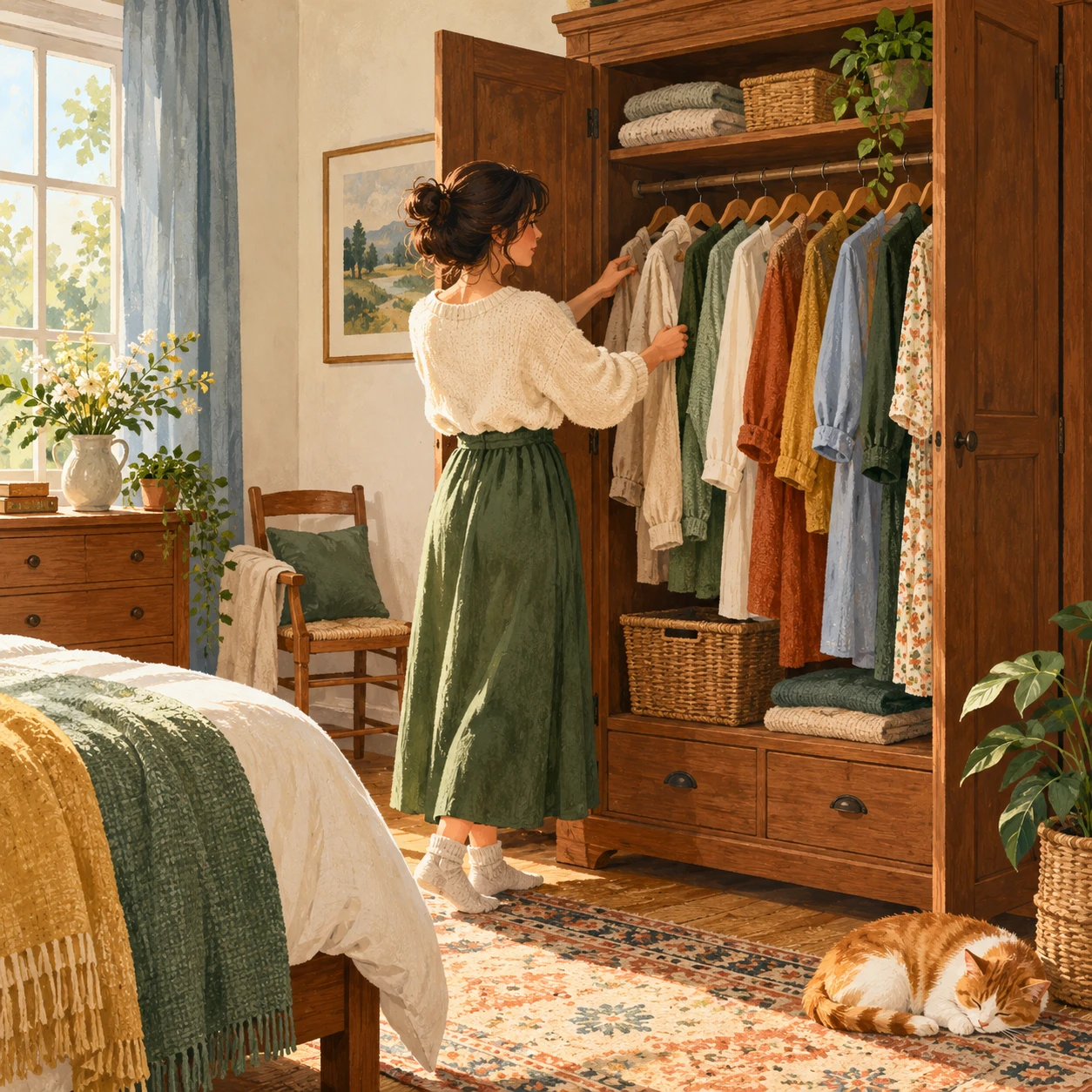
What is the usual name for a room mainly intended for sleeping? My ___.
Observe “room mainly intended for sleeping”. Aqui precisamos de “quarto”: “bedroom”. O cômodo é nomeado pela função habitual. Frase completa: “What is the usual name for a room mainly intended for sleeping? My bedroom.” / “The room where I sleep is my bedroom.”.
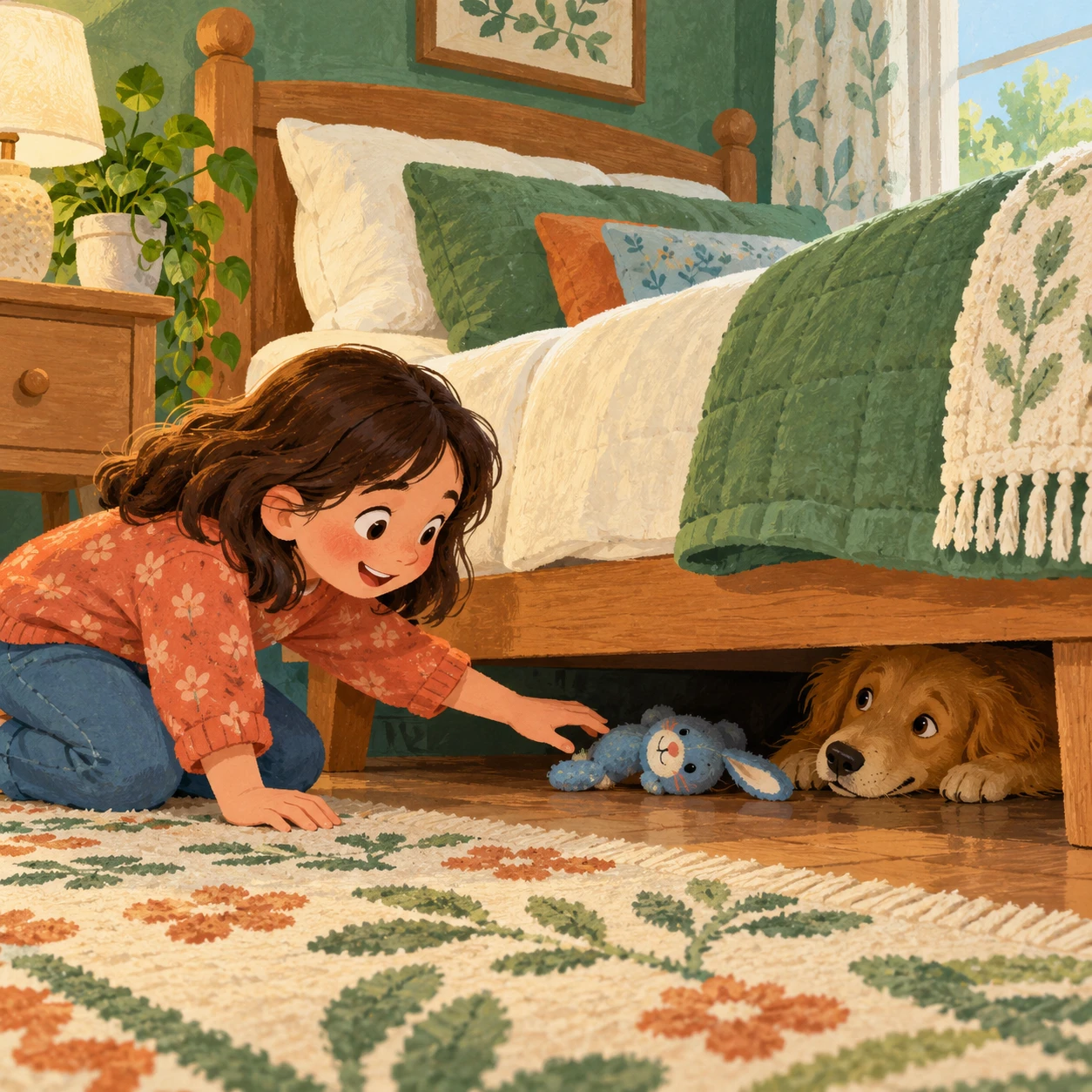
In my bedroom, a frame holds my mattress. This furniture is made for sleeping in every night. I sleep under a blanket on my ___.
Observe “frame holds my mattress”. Aqui precisamos de “cama”: “bed”. Veja se o móvel serve para sentar, dormir, escrever ou guardar roupas. Frase completa: “In my bedroom, a frame holds my mattress. This furniture is made for sleeping in every night. I sleep under a blanket on my bed.” / “I sleep under a blanket on my bed.”.
We heat pans and cook meals on the ___.
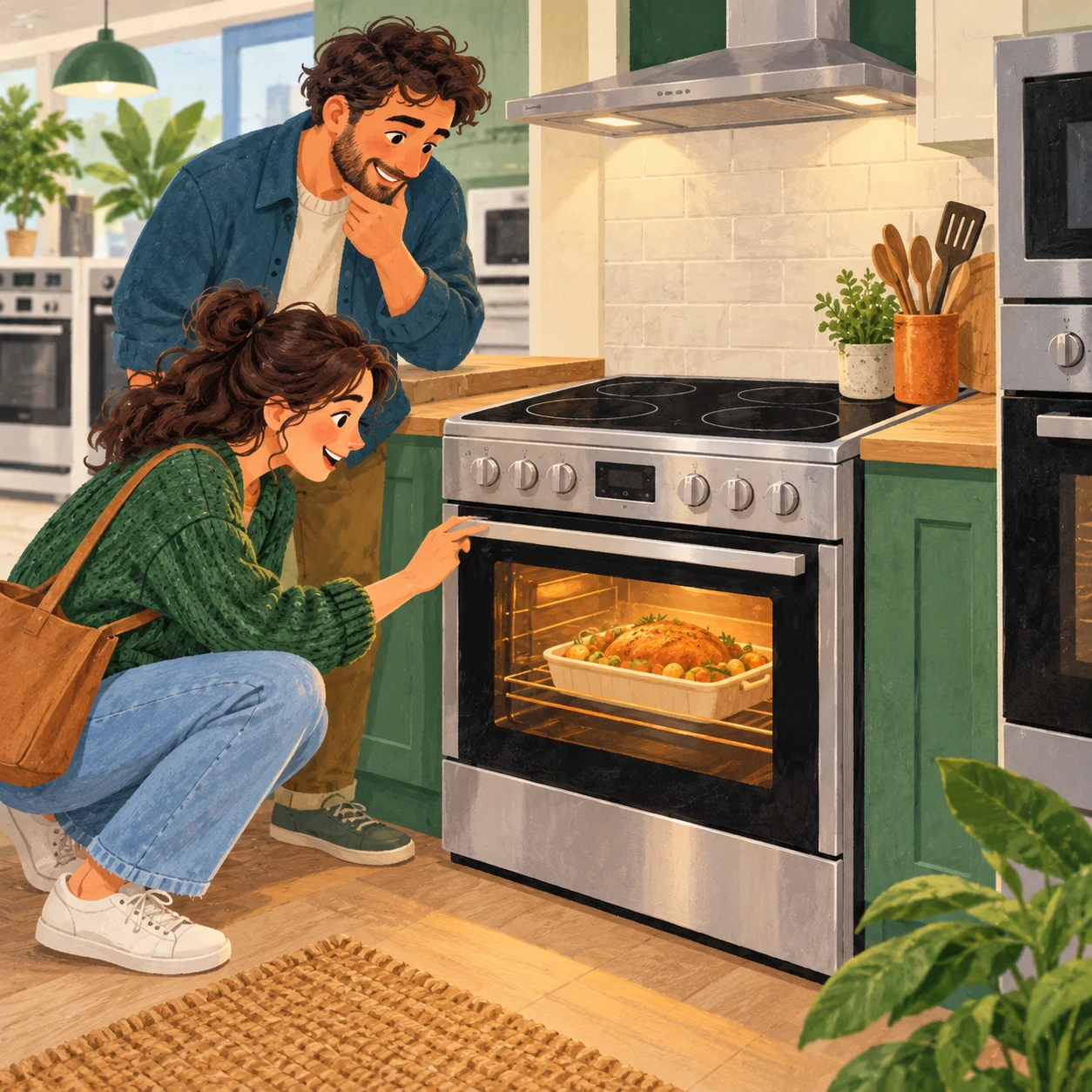
Observe “heat pans and cook meals”. Aqui precisamos de “fogão”: “cooker”. Resfriar comida, aquecer comida, lavar roupas e lavar louça são funções diferentes. Frase completa: “We heat pans and cook meals on the cooker.”.
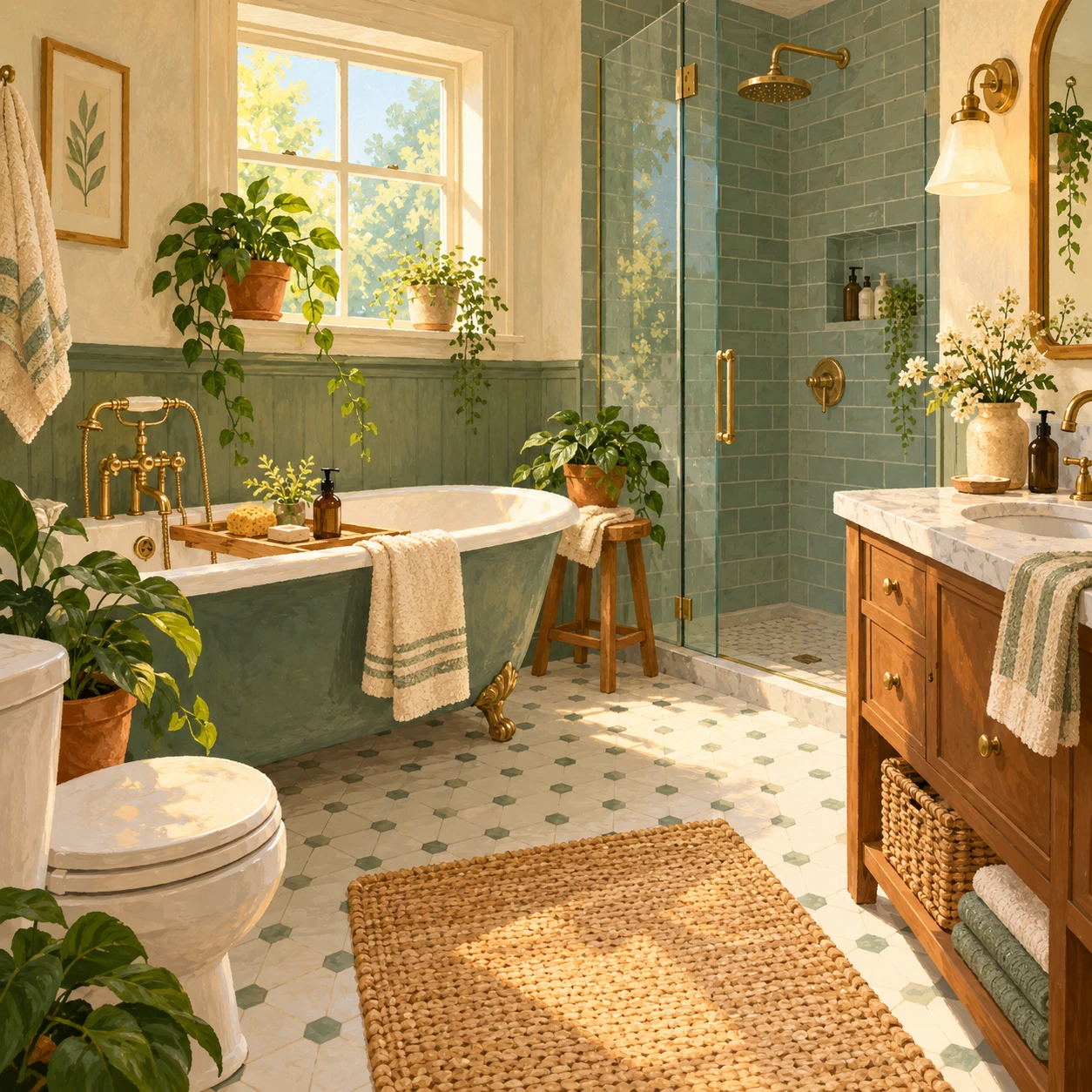
The room with the shower and washbasin is the ___.
Observe “shower and washbasin”. Aqui precisamos de “banheiro”: “bathroom”. O cômodo é nomeado pela função habitual. Frase completa: “The room with the shower and washbasin is the bathroom.”.
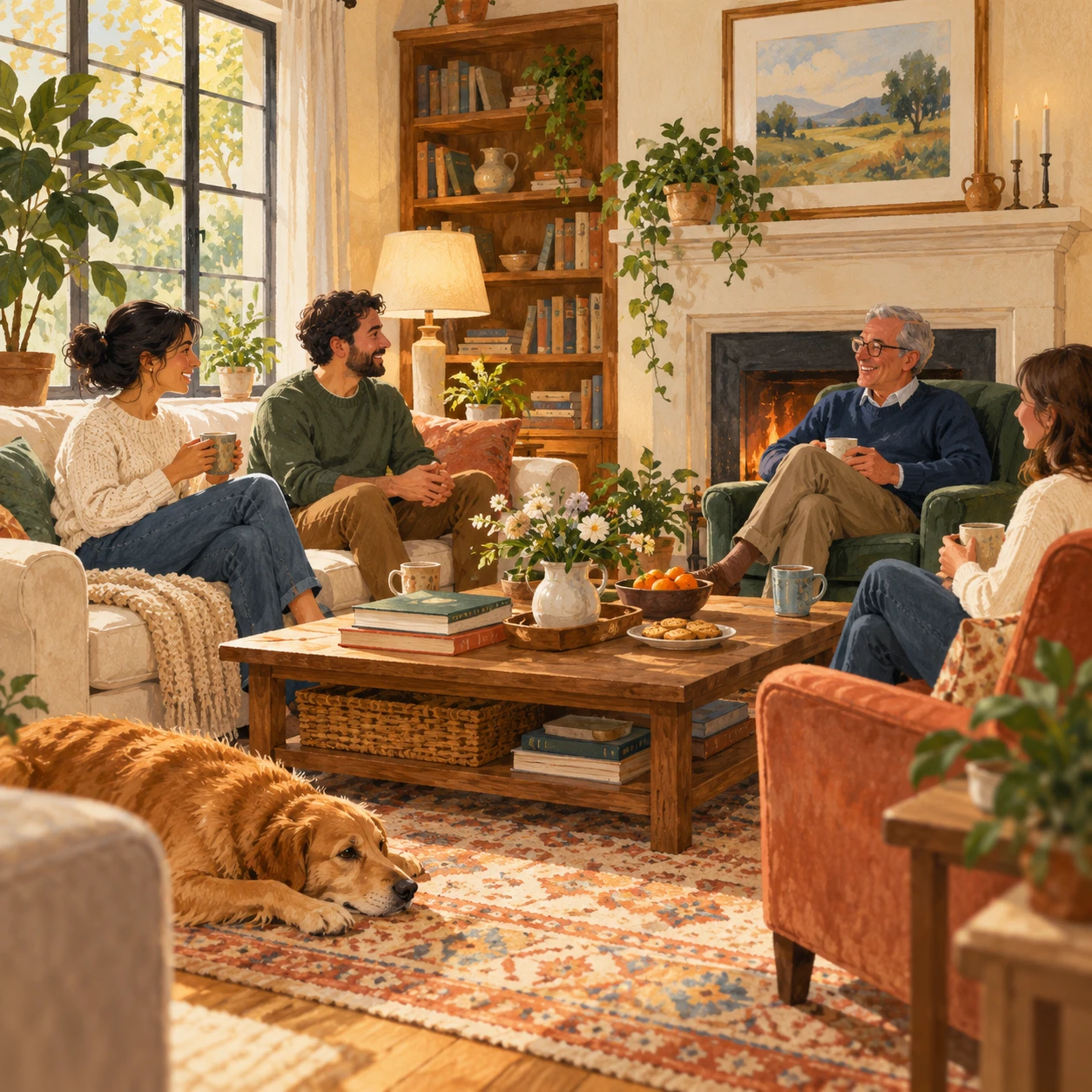
What is the usual name for the main sitting room of a home, where the family relaxes together? The ___.
Observe “main sitting room”. Aqui precisamos de “sala de estar”: “living room”. O cômodo é nomeado pela função habitual. Frase completa: “What is the usual name for the main sitting room of a home, where the family relaxes together? The living room.” / “We relax together on the sofa in the living room.”.
I hang my coats inside the tall ___.
Observe “hang my coats”. Aqui precisamos de “guarda-roupa”: “wardrobe”. Veja se o móvel serve para sentar, dormir, escrever ou guardar roupas. Frase completa: “I hang my coats inside the tall wardrobe.”.
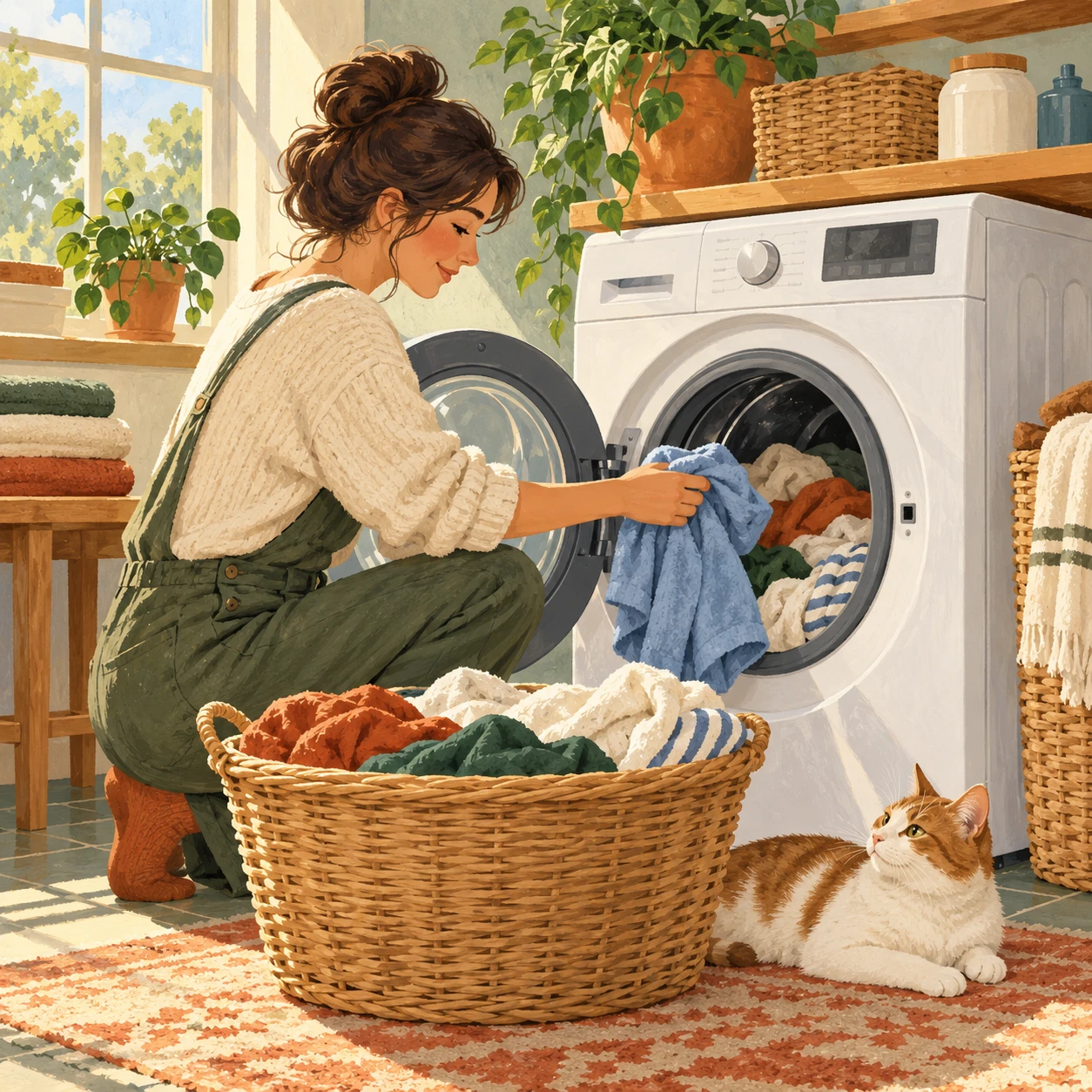
The ___ washes our dirty clothes.
Observe “dirty clothes”. Aqui precisamos de “máquina de lavar roupa”: “washing machine”. Resfriar comida, aquecer comida, lavar roupas e lavar louça são funções diferentes. Frase completa: “The washing machine washes our dirty clothes.”.
This piece of furniture is a table made for writing and schoolwork. I write and do my homework at my ___.
Observe “table made for writing and schoolwork”. Aqui precisamos de “escrivaninha”: “desk”. Veja se o móvel serve para sentar, dormir, escrever ou guardar roupas. Frase completa: “This piece of furniture is a table made for writing and schoolwork. I write and do my homework at my desk.” / “I write and do my homework at my desk.”.
We put dirty plates in the ___ to wash them automatically.
Observe “dirty plates”. Aqui precisamos de “lava-louças”: “dishwasher”. Resfriar comida, aquecer comida, lavar roupas e lavar louça são funções diferentes. Frase completa: “We put dirty plates in the dishwasher to wash them automatically.”.
We make breakfast in the room with the cooker. This room is the ___.
Observe “room with the cooker”. Aqui precisamos de “cozinha”: “kitchen”. O cômodo é nomeado pela função habitual. Frase completa: “We make breakfast in the room with the cooker. This room is the kitchen.”.
There is a long soft seat for three people in our living room. It is a ___.
Observe “seat for three people”. Aqui precisamos de “sofá”: “sofa”. Veja se o móvel serve para sentar, dormir, escrever ou guardar roupas. Frase completa: “There is a long soft seat for three people in our living room. It is a sofa.”.
Put the fresh milk in the ___ so it stays cold.
Observe “stays cold”. Aqui precisamos de “geladeira”: “fridge”. Resfriar comida, aquecer comida, lavar roupas e lavar louça são funções diferentes. Frase completa: “Put the fresh milk in the fridge so it stays cold.”.
The room where Anna sleeps has a bed and a wardrobe. It is her ___.
Observe “room where Anna sleeps”. Aqui precisamos de “quarto”: “bedroom”. O cômodo é nomeado pela função habitual. Frase completa: “The room where Anna sleeps has a bed and a wardrobe. It is her bedroom.”.
This bedroom furniture has a frame holding my mattress and is made for sleeping in every night. It is my ___.
Observe “frame holding my mattress”. Aqui precisamos de “cama”: “bed”. Veja se o móvel serve para sentar, dormir, escrever ou guardar roupas. Frase completa: “This bedroom furniture has a frame holding my mattress and is made for sleeping in every night. It is my bed.”.
The kitchen has an electric ___ with four rings for pans.
Observe “four rings for pans”. Aqui precisamos de “fogão”: “cooker”. Resfriar comida, aquecer comida, lavar roupas e lavar louça são funções diferentes. Frase completa: “The kitchen has an electric cooker with four rings for pans.”.
The shower, toilet and washbasin are in our ___.
Observe “shower, toilet and washbasin”. Aqui precisamos de “banheiro”: “bathroom”. O cômodo é nomeado pela função habitual. Frase completa: “The shower, toilet and washbasin are in our bathroom.”.
What is the usual name for a home’s main sitting room, where the family relaxes together? The ___.
Observe “main sitting room”. Aqui precisamos de “sala de estar”: “living room”. O cômodo é nomeado pela função habitual. Frase completa: “What is the usual name for a home’s main sitting room, where the family relaxes together? The living room.”.
I open the ___ to choose a coat from the clothes hanging inside.
Observe “clothes hanging inside”. Aqui precisamos de “guarda-roupa”: “wardrobe”. Veja se o móvel serve para sentar, dormir, escrever ou guardar roupas. Frase completa: “I open the wardrobe to choose a coat from the clothes hanging inside.”.
My shirts are dirty. I put them in the ___ and choose a wash programme.
Observe “shirts are dirty”. Aqui precisamos de “máquina de lavar roupa”: “washing machine”. Resfriar comida, aquecer comida, lavar roupas e lavar louça são funções diferentes. Frase completa: “My shirts are dirty. I put them in the washing machine and choose a wash programme.”.
At school, each student has a table made for writing and schoolwork. Each student sits at a ___ to write.
Observe “table made for writing and schoolwork”. Aqui precisamos de “escrivaninha”: “desk”. Veja se o móvel serve para sentar, dormir, escrever ou guardar roupas. Frase completa: “At school, each student has a table made for writing and schoolwork. Each student sits at a desk to write.” / “At school, each student sits at a desk to write.”.
The plates are dirty. Put them in the ___ and start the cleaning programme.
Observe “plates are dirty”. Aqui precisamos de “lava-louças”: “dishwasher”. Resfriar comida, aquecer comida, lavar roupas e lavar louça são funções diferentes. Frase completa: “The plates are dirty. Put them in the dishwasher and start the cleaning programme.”.