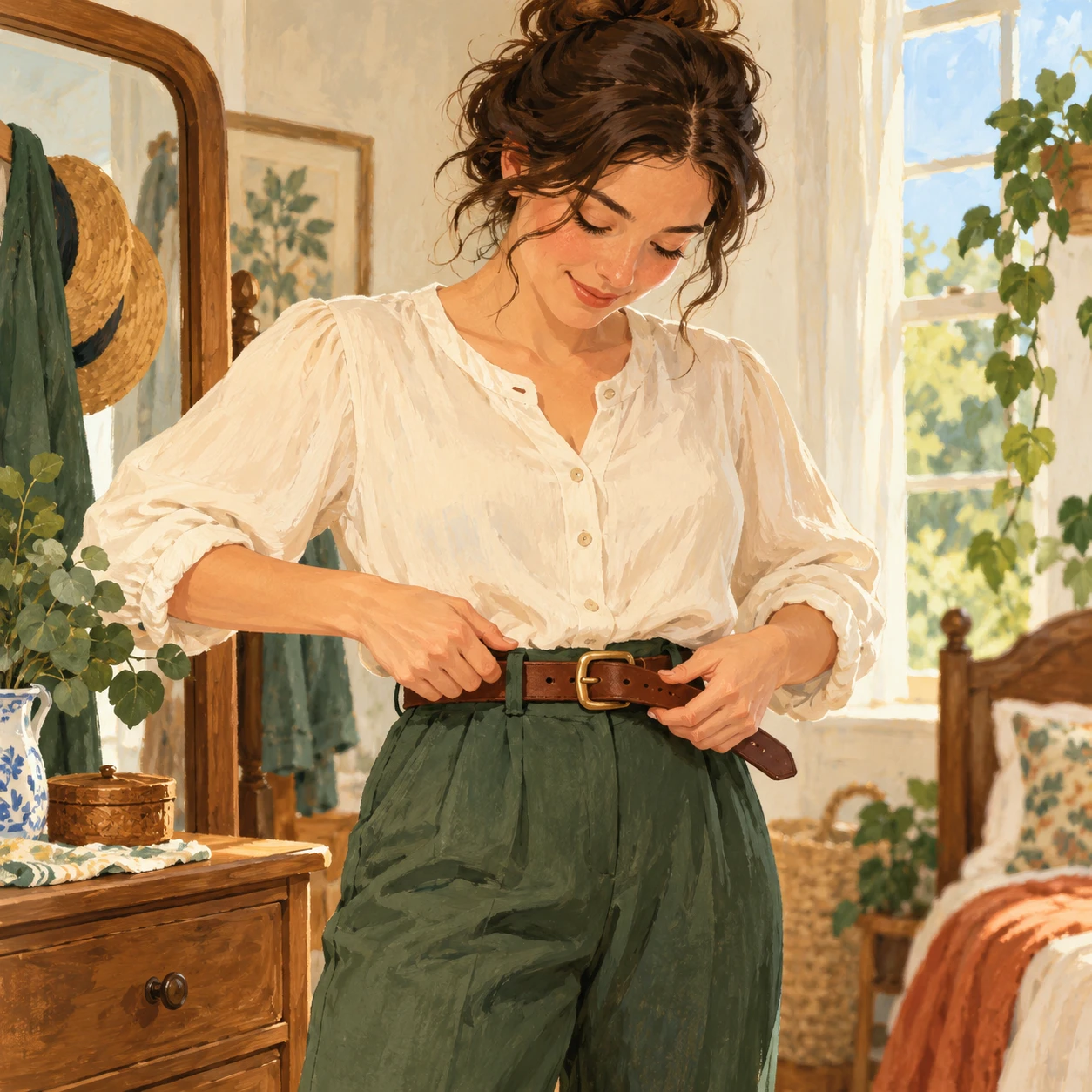
Hemd · Mantel · Hose · Schuhe
Unterscheide diese Bedeutungen anhand der Situation: shirt = Hemd; coat = Mantel; trousers = Hose; shoes = Schuhe.
This upper-body garment has a collar, buttons and sleeves: a shirt.

Kleidung und Farben · A1. Unterscheide diese Bedeutungen anhand der Situation: shirt = Hemd; coat = Mantel; trousers = Hose; shoes = Schuhe.
Übe Kleidung und Farben in kurzen Situationen. Lies den Hinweis, wähle oder schreibe eine Form und prüfe die Begründung. Die Stufe dient der redaktionellen Orientierung. Erkunde 12 Lernkarten und 24 Kontextfragen, einschließlich neuer Wiederholungs- und Transferaufgaben.
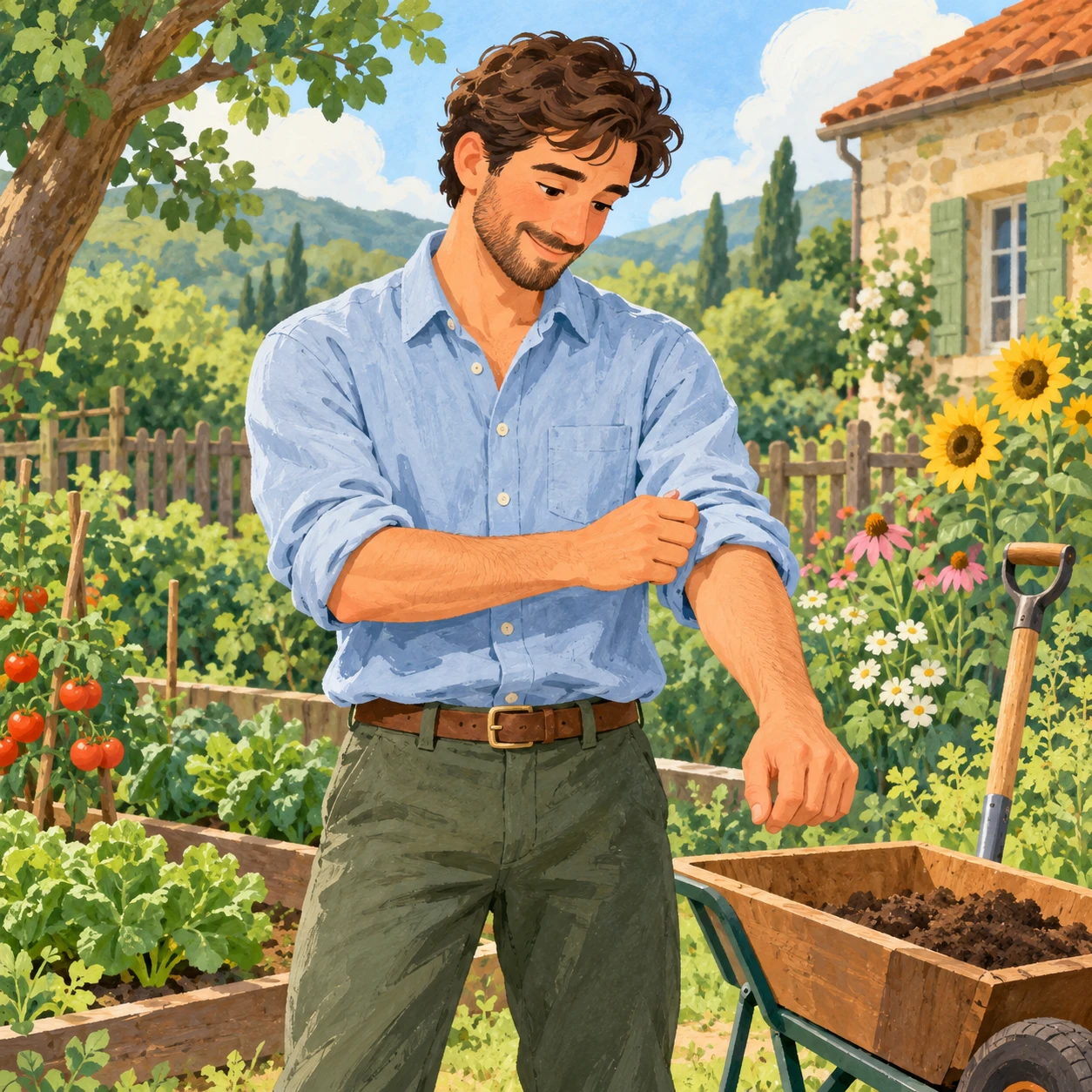
Clothing for the upper body, often with buttons and a collar.
He rolled up the sleeves of his shirt.
Er hat die Ärmel seines Hemdes hochgekrempelt.
Diese Angaben beziehen sich auf diese Bedeutung. Verwandte Wörter können andere Bedeutungen haben; ähnliche Ausdrücke sind nicht immer austauschbar.
Verwende „shirt“ für Hemd. Vergleiche „coat“ (Mantel); die Bedeutungen sind verschieden.
Unterscheide diese Bedeutungen anhand der Situation: shirt = Hemd; coat = Mantel; trousers = Hose; shoes = Schuhe.
This upper-body garment has a collar, buttons and sleeves: a shirt.
Unterscheide diese Bedeutungen anhand der Situation: red = rot; blue = blau; green = grün; black = schwarz.
A ripe tomato is usually this colour: red.
Unterscheide diese Bedeutungen anhand der Situation: hat = Hut; scarf = Schal; gloves = Handschuhe; belt = Gürtel.
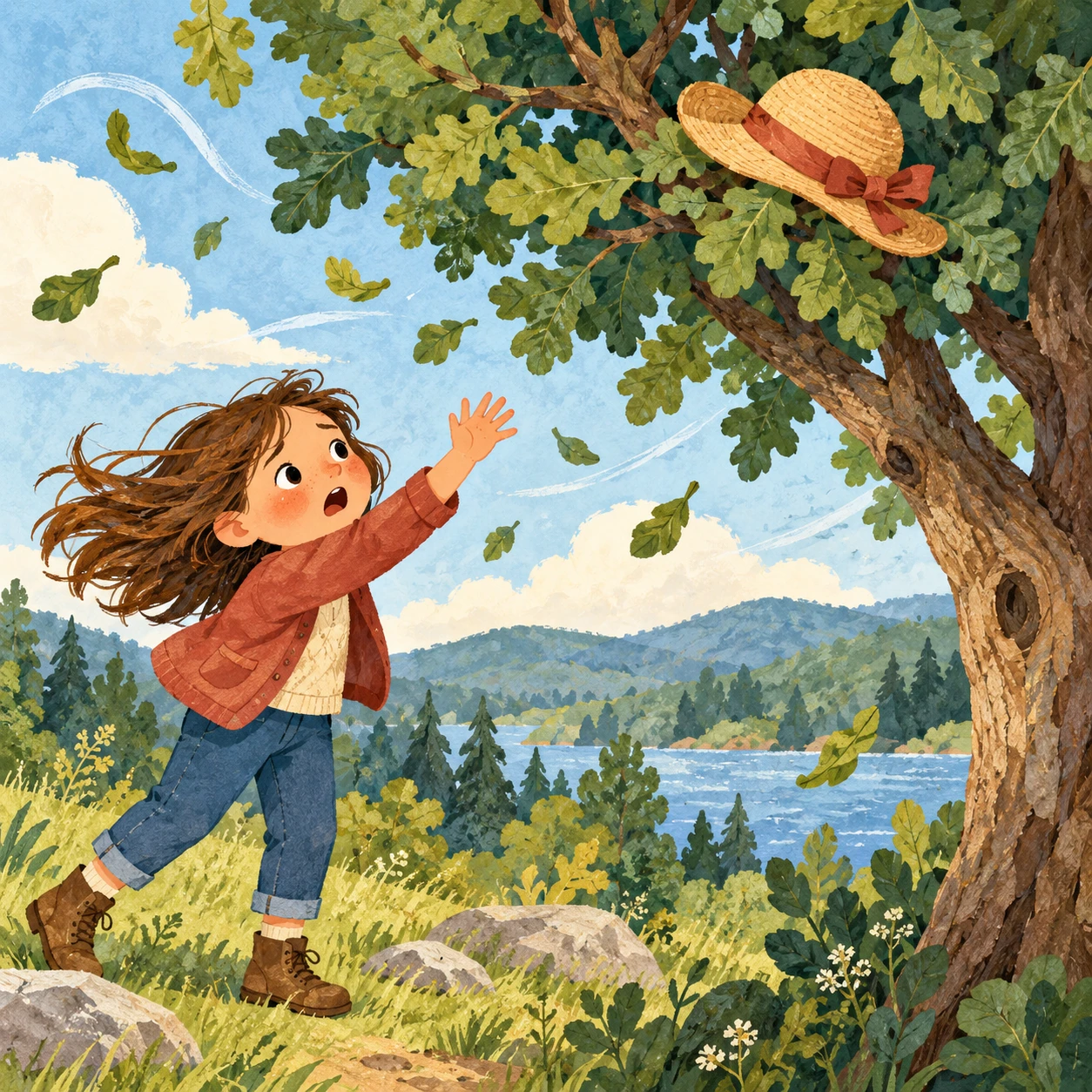
I wear this on top of my head in the sun: a hat.
This light cotton top is worn under a coat. It has a collar, buttons and sleeves. It is a ___.
Unterscheide diese Bedeutungen anhand der Situation: shirt = Hemd; coat = Mantel; trousers = Hose; shoes = Schuhe.
This upper-body garment has a collar, buttons and sleeves: a shirt.Unterscheide diese Bedeutungen anhand der Situation: red = rot; blue = blau; green = grün; black = schwarz.
A ripe tomato is usually this colour: red.Unterscheide diese Bedeutungen anhand der Situation: hat = Hut; scarf = Schal; gloves = Handschuhe; belt = Gürtel.
I wear this on top of my head in the sun: a hat.Bewahre den ersten Versuch. Verstehe die Änderung. Prüfe sie in einer neuen Situation.
Noch keine Lernnotizen. Starte mit einem kurzen Einstieg.
Das Öffnen einer Antwort wird für diese Aufgabe als Hilfe erfasst.
This light cotton top is worn under a coat. It has a collar, buttons and sleeves. It is a ___.
Achte auf „light cotton top“. Hier ist „Hemd“ gemeint: „shirt“. Nutze Körperstelle, Form und Zweck der Kleidung. Vollständiger Satz: „This light cotton top is worn under a coat. It has a collar, buttons and sleeves. It is a shirt.” / “This upper-body garment has a collar, buttons and sleeves: a shirt.“.
A ripe tomato is usually this colour: ___.
Achte auf „ripe tomato“. Hier ist „rot“ gemeint: „red“. Gefragt ist die genannte typische Farbe, nicht ein seltener Sonderfall. Vollständiger Satz: „A ripe tomato is usually this colour: red.“.
I wear this covering with a wide brim on top of my head in the sun: a ___.
Achte auf „wide brim“. Hier ist „Hut“ gemeint: „hat“. Nutze Körperstelle, Form und Zweck der Kleidung. Vollständiger Satz: „I wear this covering with a wide brim on top of my head in the sun: a hat.” / “I wear this on top of my head in the sun: a hat.“.
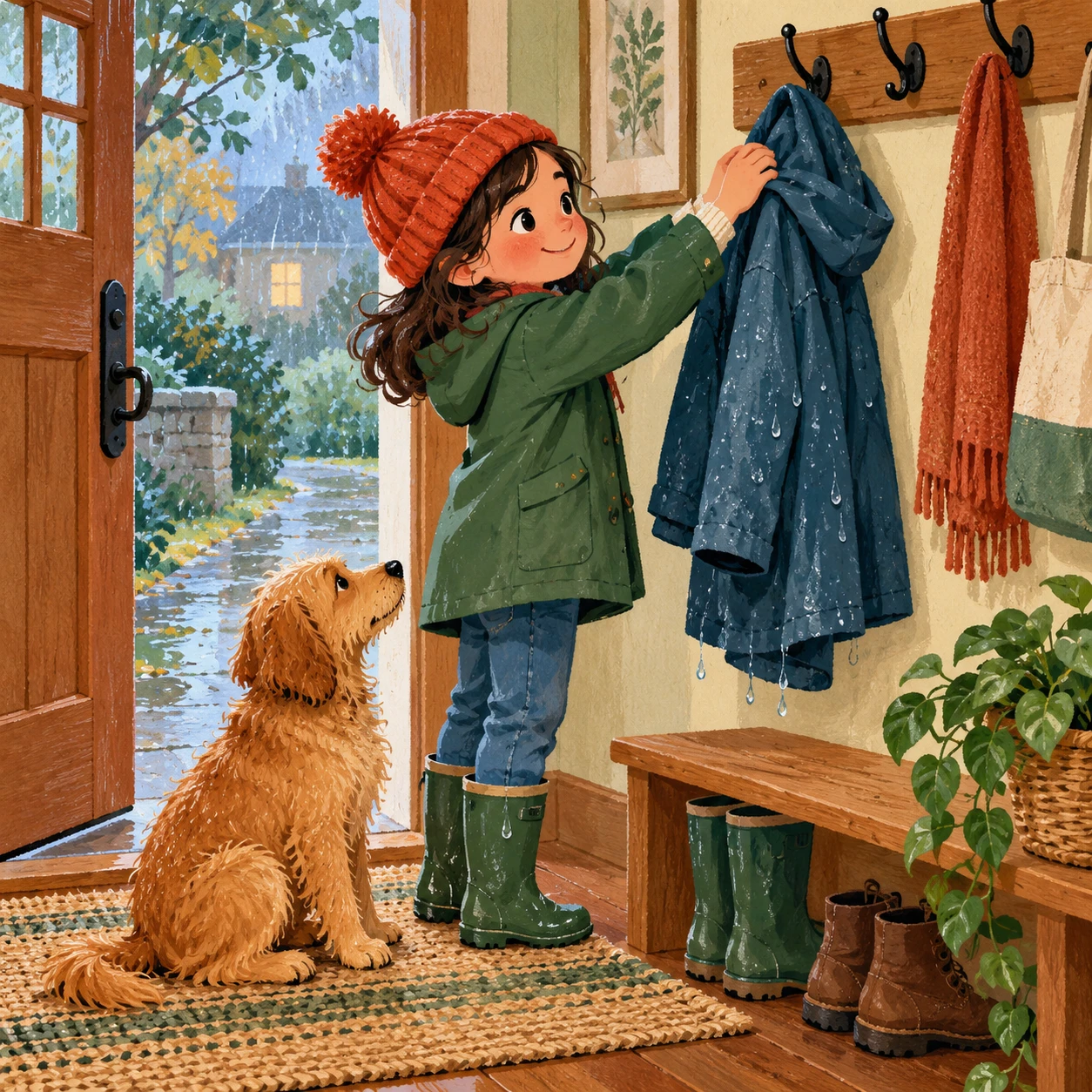
I wear this warm outer garment over my other clothes in winter: a ___.
Achte auf „warm outer garment“. Hier ist „Mantel“ gemeint: „coat“. Nutze Körperstelle, Form und Zweck der Kleidung. Vollständiger Satz: „I wear this warm outer garment over my other clothes in winter: a coat.“.
The clear daytime sky is usually this colour: ___.
Achte auf „clear daytime sky“. Hier ist „blau“ gemeint: „blue“. Gefragt ist die genannte typische Farbe, nicht ein seltener Sonderfall. Vollständiger Satz: „The clear daytime sky is usually this colour: blue.“.
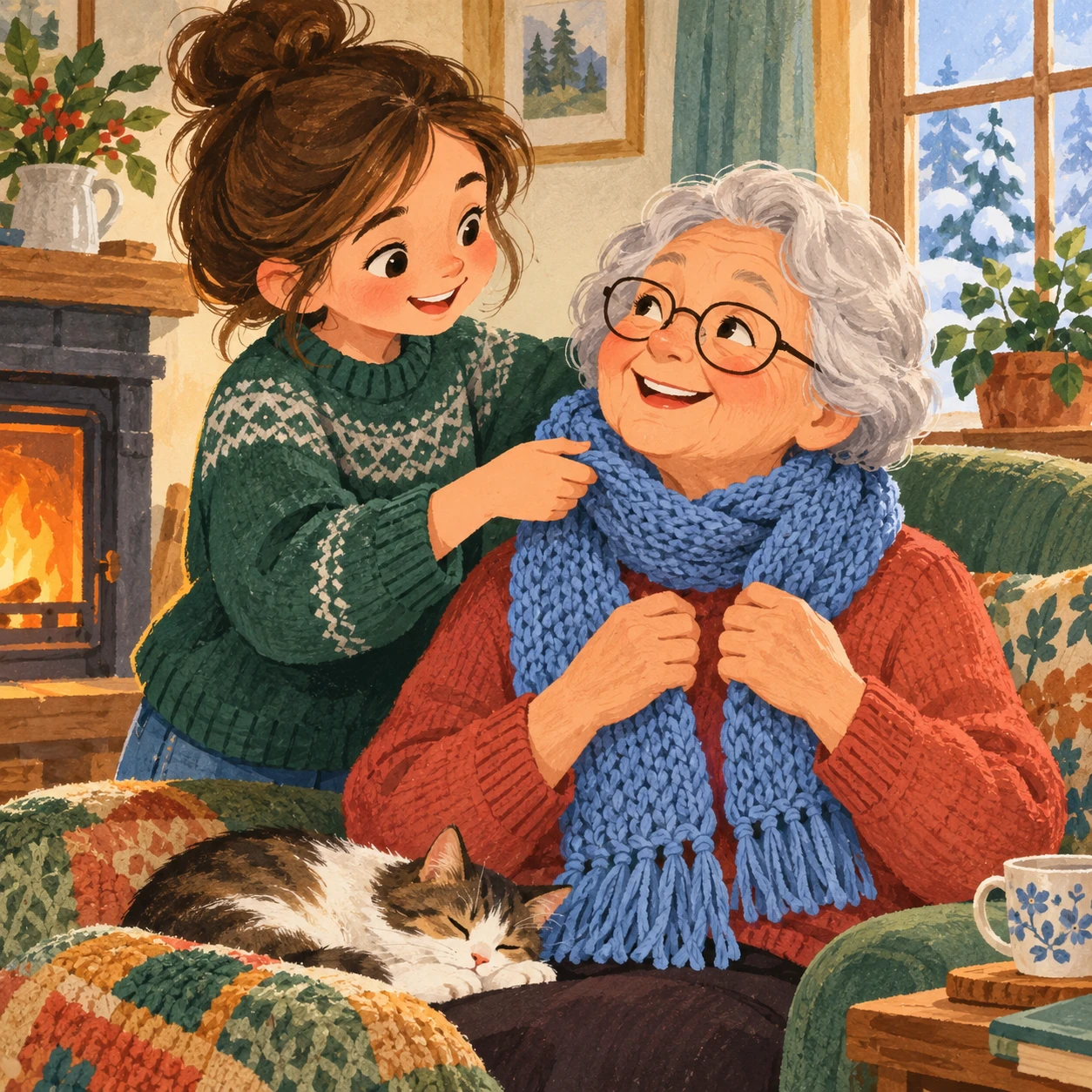
I wrap this long soft strip around my neck: a ___.
Achte auf „strip around my neck“. Hier ist „Schal“ gemeint: „scarf“. Nutze Körperstelle, Form und Zweck der Kleidung. Vollständiger Satz: „I wrap this long soft strip around my neck: a scarf.“.
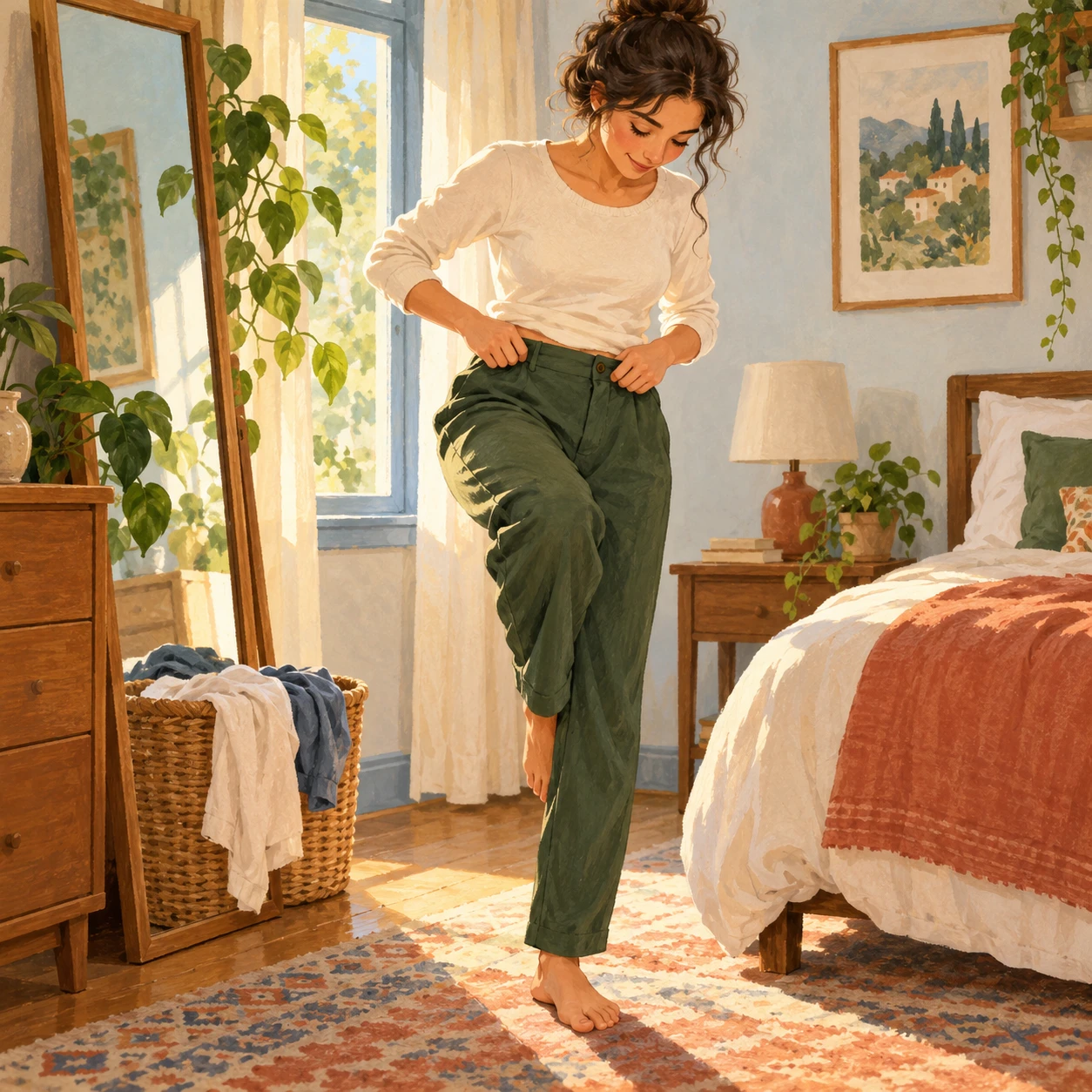
This garment covers both legs separately from waist to ankle: ___.
Achte auf „both legs separately“. Hier ist „Hose“ gemeint: „trousers“. Nutze Körperstelle, Form und Zweck der Kleidung. Vollständiger Satz: „This garment covers both legs separately from waist to ankle: trousers.“.
We wear these on our feet outdoors: ___.
Achte auf „on our feet“. Hier ist „Schuhe“ gemeint: „shoes“. Nutze Körperstelle, Form und Zweck der Kleidung. Vollständiger Satz: „We wear these on our feet outdoors: shoes.“.
Fresh grass is usually this colour: ___.
Achte auf „Fresh grass“. Hier ist „grün“ gemeint: „green“. Gefragt ist die genannte typische Farbe, nicht ein seltener Sonderfall. Vollständiger Satz: „Fresh grass is usually this colour: green.“.
These cover my hands and have separate places for each finger: ___.
Achte auf „separate places for each finger“. Hier ist „Handschuhe“ gemeint: „gloves“. Nutze Körperstelle, Form und Zweck der Kleidung. Vollständiger Satz: „These cover my hands and have separate places for each finger: gloves.“.
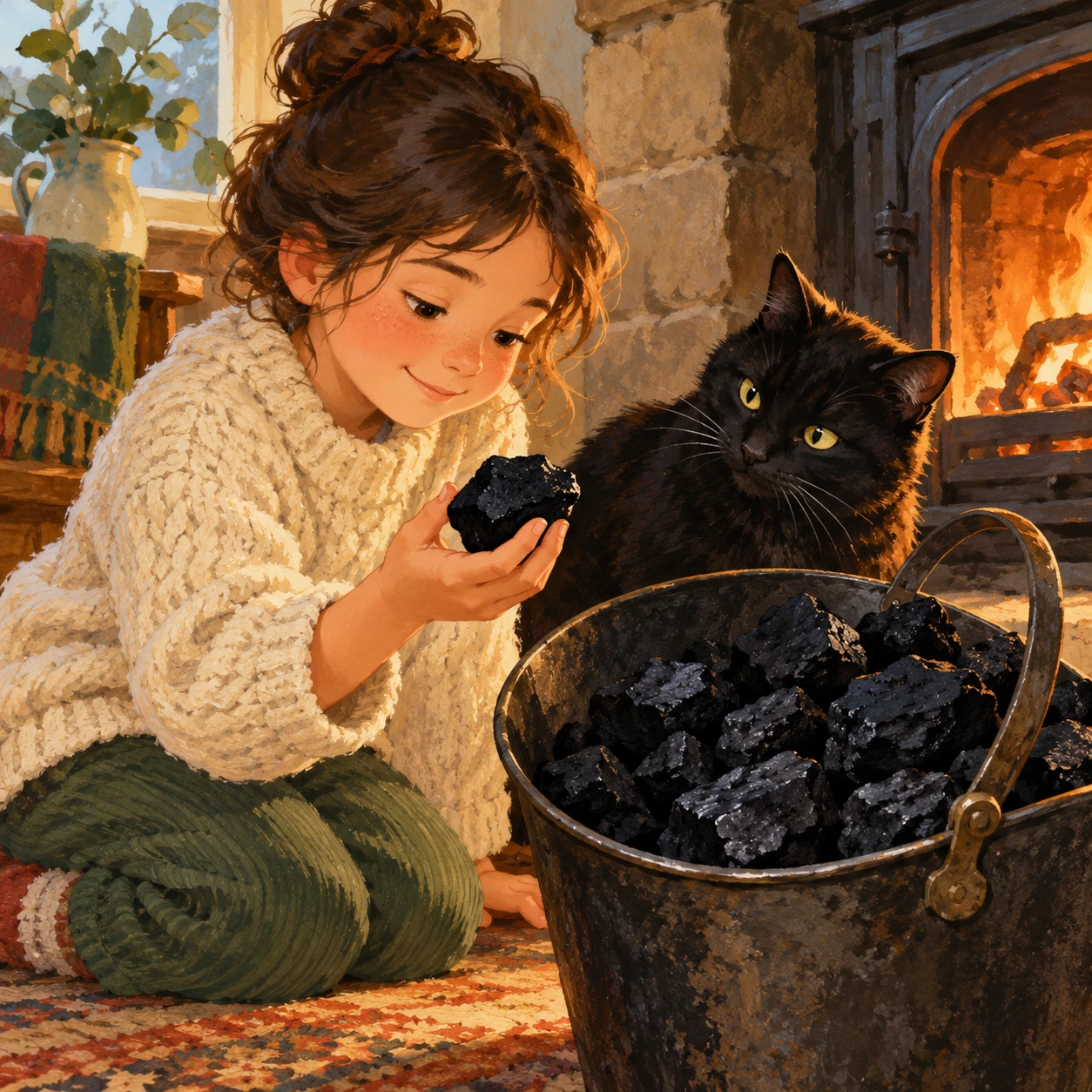
The darkest colour, like coal, is ___.
Achte auf „darkest colour“. Hier ist „schwarz“ gemeint: „black“. Gefragt ist die genannte typische Farbe, nicht ein seltener Sonderfall. Vollständiger Satz: „The darkest colour, like coal, is black.“.
This strap goes around my waist to hold up my trousers: a ___.
Achte auf „around my waist“. Hier ist „Gürtel“ gemeint: „belt“. Nutze Körperstelle, Form und Zweck der Kleidung. Vollständiger Satz: „This strap goes around my waist to hold up my trousers: a belt.“.
I wear this light cotton top under my jumper. It has a collar and buttons. It is a ___.
Achte auf „under my jumper“. Hier ist „Hemd“ gemeint: „shirt“. Nutze Körperstelle, Form und Zweck der Kleidung. Vollständiger Satz: „I wear this light cotton top under my jumper. It has a collar and buttons. It is a shirt.“.
A ripe tomato is usually the colour ___.
Achte auf „ripe tomato“. Hier ist „rot“ gemeint: „red“. Gefragt ist die genannte typische Farbe, nicht ein seltener Sonderfall. Vollständiger Satz: „A ripe tomato is usually the colour red.“.
I wear a ___ with a wide, round brim on my head to keep the sun off my face.
Achte auf „wide, round brim“. Hier ist „Hut“ gemeint: „hat“. Nutze Körperstelle, Form und Zweck der Kleidung. Vollständiger Satz: „I wear a hat with a wide, round brim on my head to keep the sun off my face.“.
Which word means a warm, usually long piece of clothing worn over your other clothes outside? A ___.
Achte auf „over your other clothes“. Hier ist „Mantel“ gemeint: „coat“. Nutze Körperstelle, Form und Zweck der Kleidung. Vollständiger Satz: „Which word means a warm, usually long piece of clothing worn over your other clothes outside? A coat.“.
On a sunny day at noon, a clear sky is the colour ___.
Achte auf „clear sky“. Hier ist „blau“ gemeint: „blue“. Gefragt ist die genannte typische Farbe, nicht ein seltener Sonderfall. Vollständiger Satz: „On a sunny day at noon, a clear sky is the colour blue.“.
I wrap a long soft strip of cloth around my neck for warmth. It is a ___.
Achte auf „strip of cloth“. Hier ist „Schal“ gemeint: „scarf“. Nutze Körperstelle, Form und Zweck der Kleidung. Vollständiger Satz: „I wrap a long soft strip of cloth around my neck for warmth. It is a scarf.” / “I wrap a warm scarf around my neck.“.
These clothes cover both my legs from waist to ankle. They are ___.
Achte auf „both my legs“. Hier ist „Hose“ gemeint: „trousers“. Nutze Körperstelle, Form und Zweck der Kleidung. Vollständiger Satz: „These clothes cover both my legs from waist to ankle. They are trousers.“.
Before walking outside, I put ___ on my feet.
Achte auf „on my feet“. Hier ist „Schuhe“ gemeint: „shoes“. Nutze Körperstelle, Form und Zweck der Kleidung. Vollständiger Satz: „Before walking outside, I put shoes on my feet.“.
Fresh grass is usually the colour ___.
Achte auf „Fresh grass“. Hier ist „grün“ gemeint: „green“. Gefragt ist die genannte typische Farbe, nicht ein seltener Sonderfall. Vollständiger Satz: „Fresh grass is usually the colour green.“.
My hands are cold. I need a pair of ___ for my fingers.
Achte auf „hands are cold“. Hier ist „Handschuhe“ gemeint: „gloves“. Nutze Körperstelle, Form und Zweck der Kleidung. Vollständiger Satz: „My hands are cold. I need a pair of gloves for my fingers.“.
The screen is off. It is as dark as the colour ___.
Achte auf „as dark as“. Hier ist „schwarz“ gemeint: „black“. Gefragt ist die genannte typische Farbe, nicht ein seltener Sonderfall. Vollständiger Satz: „The screen is off. It is as dark as the colour black.“.
My trousers are loose at the waist. I need a ___ to hold them up.
Achte auf „hold them up“. Hier ist „Gürtel“ gemeint: „belt“. Nutze Körperstelle, Form und Zweck der Kleidung. Vollständiger Satz: „My trousers are loose at the waist. I need a belt to hold them up.“.