doce · veinte · treinta · cuarenta
Distingue estos significados según la situación: twelve = doce; twenty = veinte; thirty = treinta; forty = cuarenta.
There are ten pens plus two more: twelve pens.

Números y fechas · A1. Distingue estos significados según la situación: twelve = doce; twenty = veinte; thirty = treinta; forty = cuarenta.
Practica Números y fechas en situaciones breves. Lee la pista, elige o escribe una forma y revisa la explicación. El nivel es una orientación editorial. Explora 12 tarjetas y 24 preguntas contextualizadas, con nuevas situaciones de repaso y aplicación.
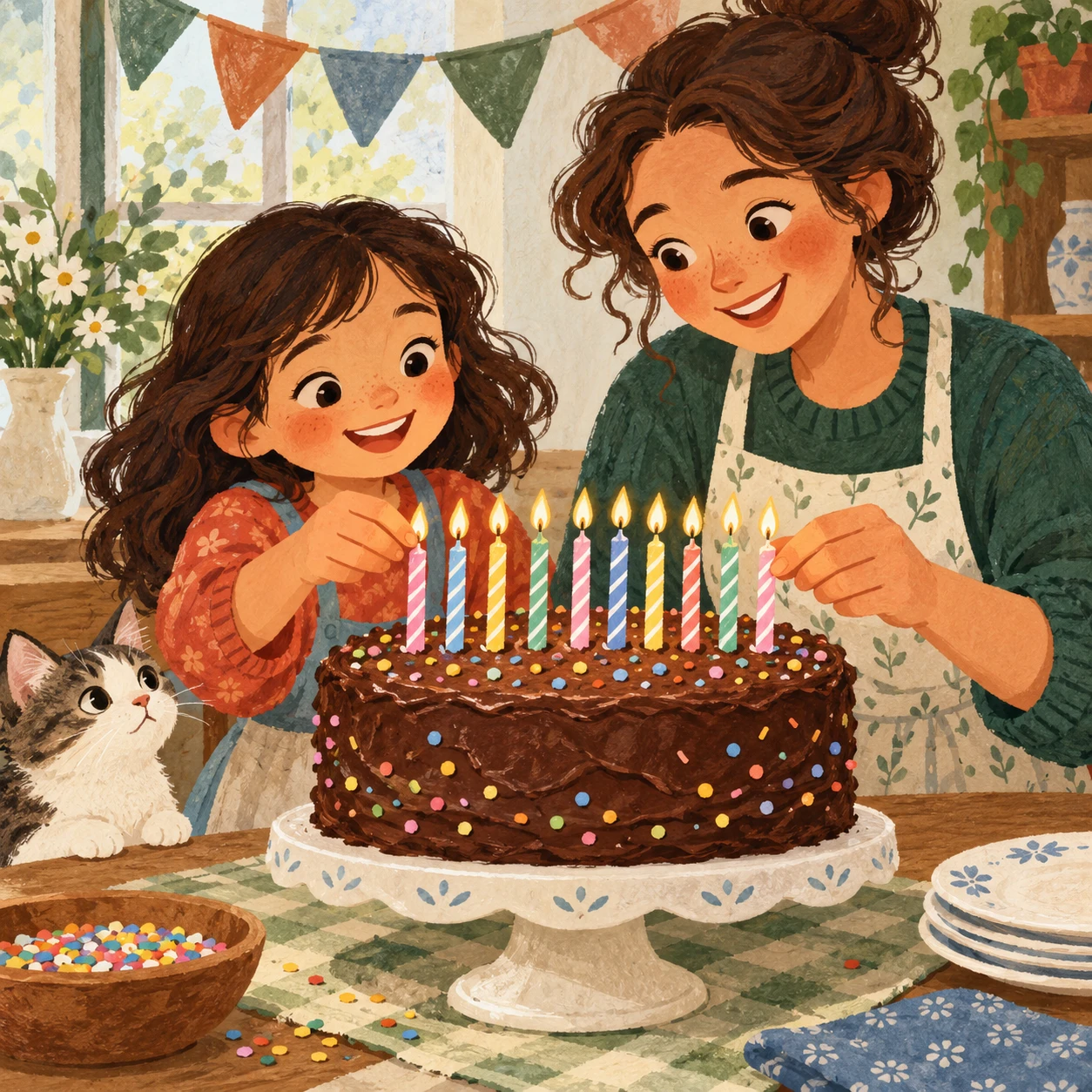
The number 12.
We need twelve candles for the birthday cake.
Necesitamos doce velas para la tarta de cumpleaños.
Se refieren a este sentido. La familia puede cambiar de significado; las expresiones próximas no siempre son intercambiables.
Usa «twelve» para doce. Compáralo con «twenty» (veinte); son sentidos distintos.
Distingue estos significados según la situación: twelve = doce; twenty = veinte; thirty = treinta; forty = cuarenta.
There are ten pens plus two more: twelve pens.
Distingue estos significados según la situación: first = primero; second = segundo; third = tercero; fourth = cuarto.
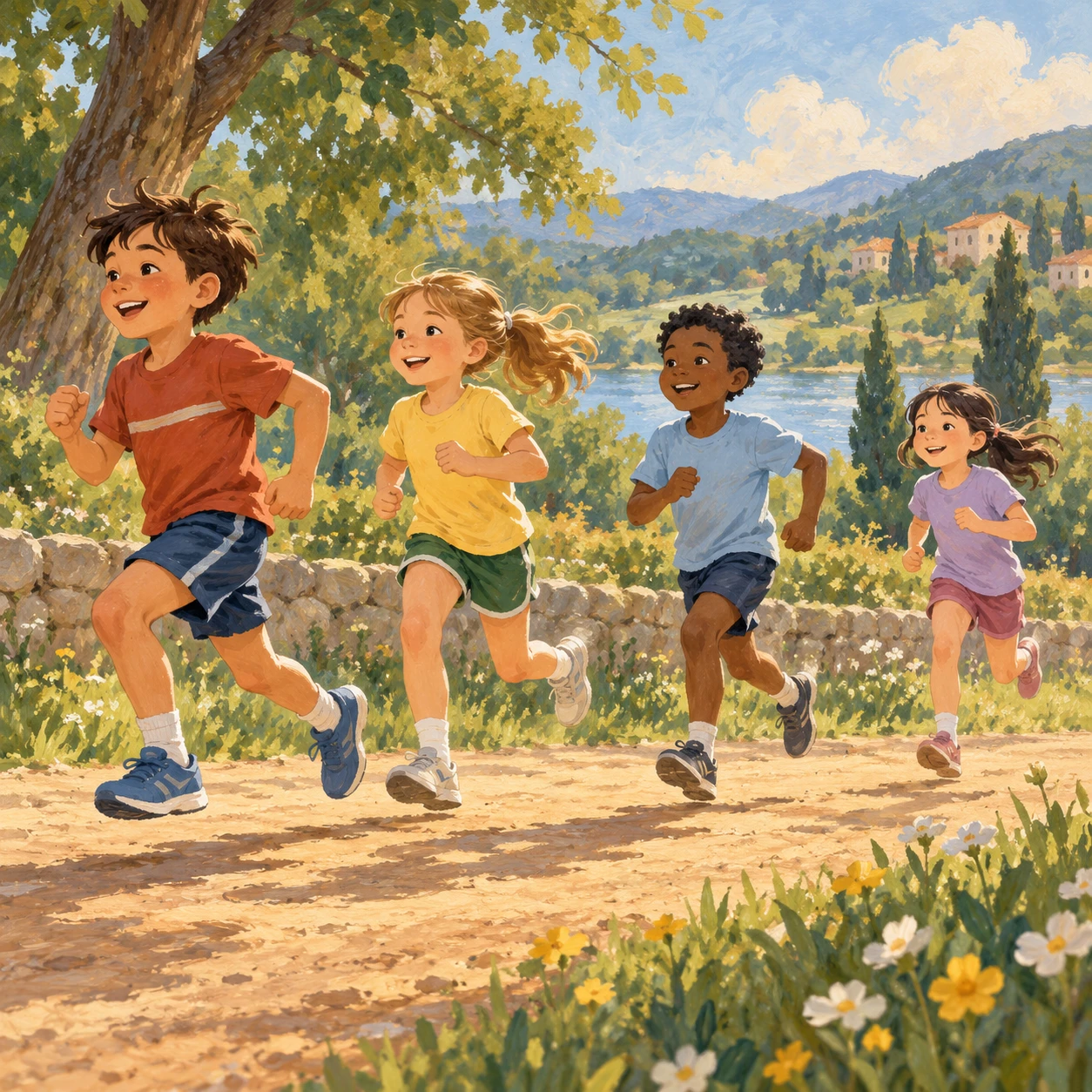
The runner who finishes before everyone else comes first.
Distingue estos significados según la situación: Monday = lunes; January = enero; December = diciembre; Friday = viernes.
The day after Sunday is Monday.
There are ten pens plus two more: ___ pens.
Distingue estos significados según la situación: twelve = doce; twenty = veinte; thirty = treinta; forty = cuarenta.
There are ten pens plus two more: twelve pens.Distingue estos significados según la situación: first = primero; second = segundo; third = tercero; fourth = cuarto.
The runner who finishes before everyone else comes first.Distingue estos significados según la situación: Monday = lunes; January = enero; December = diciembre; Friday = viernes.
The day after Sunday is Monday.Conserva el primer intento, entiende el cambio y compruébalo en otra situación.
Aún no hay repasos. Prueba un calentamiento corto.
Abrir una respuesta registra ayuda para esa pregunta.
There are ten pens plus two more: ___ pens.
Fíjate en «ten pens plus two». Aquí se pide «doce»: «twelve». Cuenta el total. No confundas doce con veinte. Frase completa: «There are ten pens plus two more: twelve pens.».
The runner who finishes before everyone else comes ___.
Fíjate en «before everyone else». Aquí se pide «primero»: «first». Tu puesto es uno más que el número de personas delante de ti. Frase completa: «The runner who finishes before everyone else comes first.».
The day after Sunday is ___.
Fíjate en «after Sunday». Aquí se pide «lunes»: «Monday». Usa el orden fijo de los días o meses indicados. Frase completa: «The day after Sunday is Monday.».
Ten plus ten equals ___.
Fíjate en «Ten plus ten». Aquí se pide «veinte»: «twenty». Cuenta el total. No confundas doce con veinte. Frase completa: «Ten plus ten equals twenty.».
I finish after the winner but before everyone else. I come ___.
Fíjate en «after the winner». Aquí se pide «segundo»: «second». Tu puesto es uno más que el número de personas delante de ti. Frase completa: «I finish after the winner but before everyone else. I come second.».
The first month of the year is ___.
Fíjate en «first month». Aquí se pide «enero»: «January». Usa el orden fijo de los días o meses indicados. Frase completa: «The first month of the year is January.».
Three groups of ten make ___.
Fíjate en «Three groups of ten». Aquí se pide «treinta»: «thirty». Cuenta el total. No confundas doce con veinte. Frase completa: «Three groups of ten make thirty.».
Four groups of ten make ___.
Fíjate en «Four groups of ten». Aquí se pide «cuarenta»: «forty». Cuenta el total. No confundas doce con veinte. Frase completa: «Four groups of ten make forty.».
Two people finish ahead of me. I come ___.
Fíjate en «Two people finish ahead». Aquí se pide «tercero»: «third». Tu puesto es uno más que el número de personas delante de ti. Frase completa: «Two people finish ahead of me. I come third.».
The final month of the year is ___.
Fíjate en «final month». Aquí se pide «diciembre»: «December». Usa el orden fijo de los días o meses indicados. Frase completa: «The final month of the year is December.».
Three people finish ahead of me. I come ___.
Fíjate en «Three people finish ahead». Aquí se pide «cuarto»: «fourth». Tu puesto es uno más que el número de personas delante de ti. Frase completa: «Three people finish ahead of me. I come fourth.».
The day between Thursday and Saturday is ___.
Fíjate en «Thursday and Saturday». Aquí se pide «viernes»: «Friday». Usa el orden fijo de los días o meses indicados. Frase completa: «The day between Thursday and Saturday is Friday.».
There are 12 eggs in this box. In words, there are ___ eggs.
Fíjate en «12 eggs». Aquí se pide «doce»: «twelve». Cuenta el total. No confundas doce con veinte. Frase completa: «There are 12 eggs in this box. In words, there are twelve eggs.».
In the race, Sara finishes before everyone else. She is ___.
Fíjate en «before everyone else». Aquí se pide «primero»: «first». Tu puesto es uno más que el número de personas delante de ti. Frase completa: «In the race, Sara finishes before everyone else. She is first.».
The day immediately after Sunday is ___.
Fíjate en «after Sunday». Aquí se pide «lunes»: «Monday». Usa el orden fijo de los días o meses indicados. Frase completa: «The day immediately after Sunday is Monday.».
Ten plus ten is ___.
Fíjate en «Ten plus ten». Aquí se pide «veinte»: «twenty». Cuenta el total. No confundas doce con veinte. Frase completa: «Ten plus ten is twenty.».
I finish after the winner but before the third runner. I am ___.
Fíjate en «before the third runner». Aquí se pide «segundo»: «second». Tu puesto es uno más que el número de personas delante de ti. Frase completa: «I finish after the winner but before the third runner. I am second.».
New Year’s Day is on the first of ___.
Fíjate en «New Year’s Day». Aquí se pide «enero»: «January». Usa el orden fijo de los días o meses indicados. Frase completa: «New Year’s Day is on the first of January.».
Ten plus twenty is ___.
Fíjate en «Ten plus twenty». Aquí se pide «treinta»: «thirty». Cuenta el total. No confundas doce con veinte. Frase completa: «Ten plus twenty is thirty.».
Twenty plus twenty is ___.
Fíjate en «Twenty plus twenty». Aquí se pide «cuarenta»: «forty». Cuenta el total. No confundas doce con veinte. Frase completa: «Twenty plus twenty is forty.».
Only two people finish the race before me. I finish ___.
Fíjate en «Only two people». Aquí se pide «tercero»: «third». Tu puesto es uno más que el número de personas delante de ti. Frase completa: «Only two people finish the race before me. I finish third.».
The last month of the year is ___.
Fíjate en «last month». Aquí se pide «diciembre»: «December». Usa el orden fijo de los días o meses indicados. Frase completa: «The last month of the year is December.».
Three runners finish before me, and I finish next. I am ___.
Fíjate en «Three runners finish before me». Aquí se pide «cuarto»: «fourth». Tu puesto es uno más que el número de personas delante de ti. Frase completa: «Three runners finish before me, and I finish next. I am fourth.».
The day immediately after Thursday is ___.
Fíjate en «after Thursday». Aquí se pide «viernes»: «Friday». Usa el orden fijo de los días o meses indicados. Frase completa: «The day immediately after Thursday is Friday.».