
A2

Alquilar una bicicleta

Sobre esta lección

Alquilar una bicicleta · A2. Relaciona la persona, hora, lugar o cantidad con el hecho correcto. Conserva la condición o permiso indicados; una norma no demuestra que un hecho ocurriera.

Escucha la grabación original en inglés, responde y abre después la transcripción para comprobar las pruebas. Estas preguntas relacionadas usan la misma grabación; el nivel es orientativo, no un resultado certificado.

10 preguntas
Guárdalo para encontrarlo en Mi colección.
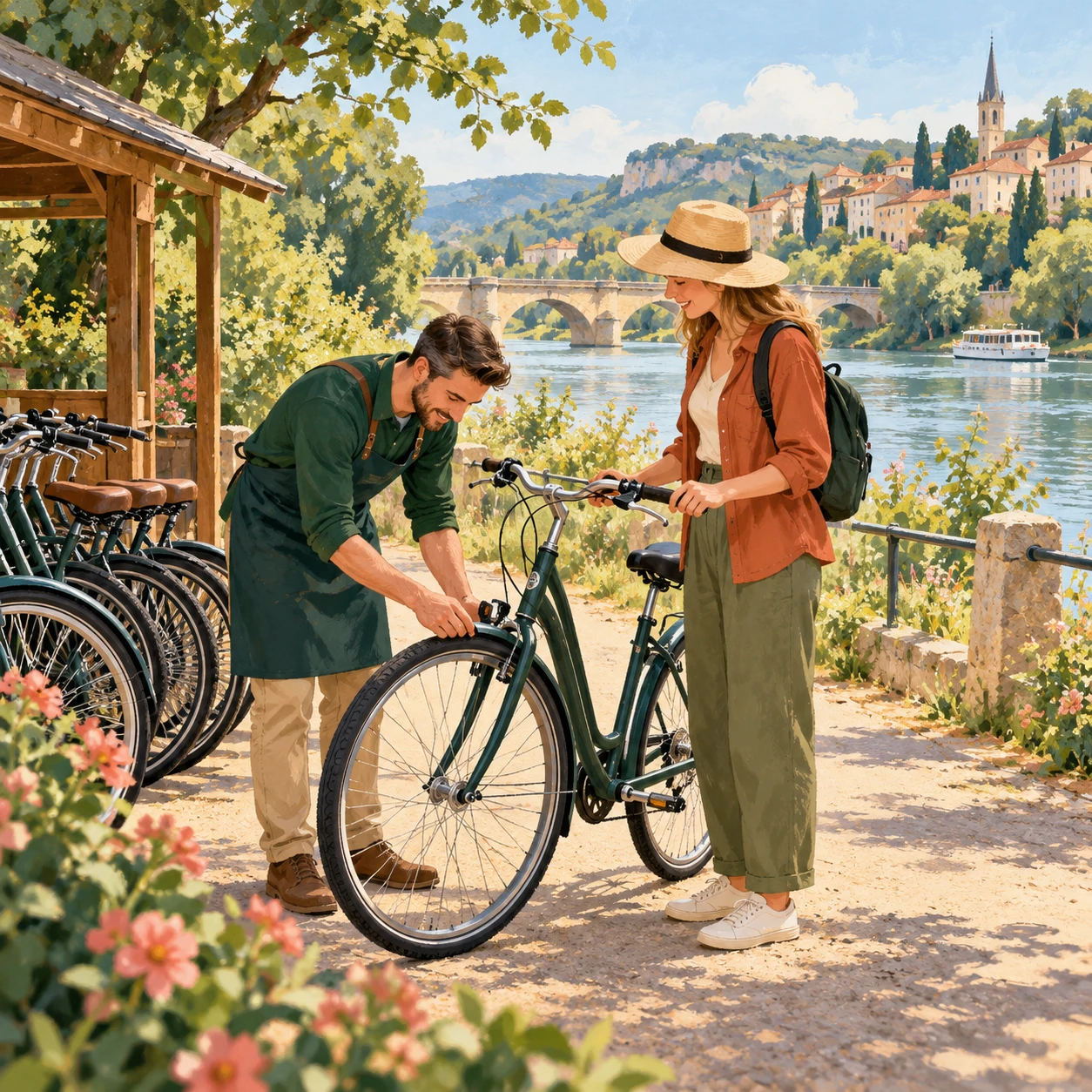
Hiring a bicycle — context illustration
Comprensión oralA2

Before you leave the cycle shop

Escucha la grabación original en inglés, responde y abre después la transcripción para comprobar las pruebas. Estas preguntas relacionadas usan la misma grabación; el nivel es orientativo, no un resultado certificado.

Un poco de claridad

Detalles explícitos · Condiciones y permisos

Relaciona la persona, hora, lugar o cantidad con el hecho correcto. Conserva la condición o permiso indicados; una norma no demuestra que un hecho ocurriera.

The doors open at eight. The class starts at nine.

Detalles explícitos · Razones

Relaciona la persona, hora, lugar o cantidad con el hecho correcto. Usa la razón dada; una razón externa que parece posible no basta.

The doors open at eight. The class starts at nine.

Límites de la evidencia · Propósito y resultado buscado

Distingue lo respaldado de lo desconocido. Que algo no se mencione no prueba que no exista. Piensa qué intenta conseguir la persona o el mensaje y para quién.

The notice gives a price, but says nothing about delivery.

Material de aprendizaje
Hiring a bicycle — context illustration
Comprensión oralA2

Before you leave the cycle shop

Escucha la grabación original en inglés, responde y abre después la transcripción para comprobar las pruebas. Estas preguntas relacionadas usan la misma grabación; el nivel es orientativo, no un resultado certificado.

0/10
Preguntas
01 / 10D01Guárdalo para encontrarlo en Mi colección.

Before you leave the cycle shop

Will the customer pay for the additional hour?

Tu respuesta
1 / 10

Tu ruta de aprendizaje

01
Paso 1 · Calentamiento

Calentamiento

0/3
02
Paso 2 · Practicar la habilidad

Detalles explícitos · Condiciones y permisos

0/1

Relaciona la persona, hora, lugar o cantidad con el hecho correcto. Conserva la condición o permiso indicados; una norma no demuestra que un hecho ocurriera.

The doors open at eight. The class starts at nine.
03
Paso 3 · Practicar la habilidad

Detalles explícitos · Razones

0/1

Relaciona la persona, hora, lugar o cantidad con el hecho correcto. Usa la razón dada; una razón externa que parece posible no basta.

The doors open at eight. The class starts at nine.
04
Paso 4 · Practicar la habilidad

Límites de la evidencia · Propósito y resultado buscado

0/1

Distingue lo respaldado de lo desconocido. Que algo no se mencione no prueba que no exista. Piensa qué intenta conseguir la persona o el mensaje y para quién.

The notice gives a price, but says nothing about delivery.
05
Paso 5 · Práctica relacionada

Práctica relacionada

0/2
06
Paso 6 · Reto del texto

Reto del texto

0/2
Repasos de esta unidad

Haz que los errores sirvan.

Conserva el primer intento, comprueba la evidencia y prueba otra pregunta. Responder sobre el mismo material no demuestra transferencia a otro texto.

0

Aún no hay repasos. Prueba un calentamiento corto.

Mapa de la lección

Alquilar una bicicleta

A2
Hiring a bicycle

Puntos de la lección

01

Detalles explícitos · Condiciones y permisos

Relaciona la persona, hora, lugar o cantidad con el hecho correcto. Conserva la condición o permiso indicados; una norma no demuestra que un hecho ocurriera.

The doors open at eight. The class starts at nine.
02

Detalles explícitos · Razones

Relaciona la persona, hora, lugar o cantidad con el hecho correcto. Usa la razón dada; una razón externa que parece posible no basta.

The doors open at eight. The class starts at nine.
03

Límites de la evidencia · Propósito y resultado buscado

Distingue lo respaldado de lo desconocido. Que algo no se mencione no prueba que no exista. Piensa qué intenta conseguir la persona o el mensaje y para quién.

The notice gives a price, but says nothing about delivery.

Preguntas y respuestas

Abrir una respuesta registra ayuda para esa pregunta.

D01 · Calentamiento

Before you leave the cycle shop

Will the customer pay for the additional hour?

  1. Only if the river path opens again.
  2. No, the additional hour is free.
  3. Yes, but only when returning the bicycle.
  4. Yes, at the normal hourly price.
Respuesta y explicación
No, the additional hour is free.

Respuesta: «No, the additional hour is free.». Prueba: «we have added an extra hour at no charge.». Revisa «Yes, at the normal hourly price.»: Dice lo contrario del dato pertinente. Revisa «Yes, but only when returning the bicycle.»: Dice lo contrario del dato pertinente.

D02 · Calentamiento

Before you leave the cycle shop

By what time should the bicycle now be returned?

  1. Five in the afternoon.
  2. Four in the afternoon.
  3. Three in the afternoon.
  4. Six in the evening.
Respuesta y explicación
Five in the afternoon.

Respuesta: «Five in the afternoon.». Prueba: «Please return it by five.». Revisa «Three in the afternoon.»: El texto no da este dato. No lo añadas. Revisa «Six in the evening.»: Comprueba el cálculo con las horas o cantidades indicadas.

D03 · Calentamiento

Before you leave the cycle shop

What can the shop promise if the customer calls about a problem?

  1. A visit before any advice is given.
  2. An immediate visit to every possible location.
  3. Advice only after the customer returns to the shop.
  4. Advice by phone, but not an immediate visit everywhere.
Respuesta y explicación
Advice by phone, but not an immediate visit everywhere.

Respuesta: «Advice by phone, but not an immediate visit everywhere.». Prueba: «We can advise you by phone, but we cannot promise to reach every place immediately.». Revisa «Advice only after the customer returns to the shop.»: Dice lo contrario del dato pertinente. Revisa «An immediate visit to every possible location.»: Amplía o refuerza la afirmación más de lo que permite el texto.

P01 · Practicar la habilidad

Before you leave the cycle shop

What should the customer check by riding around the yard?

  1. Whether the seat is at the right height.
  2. Whether the map shows the quickest route.
  3. Whether the electric motor works.
  4. Whether the brakes have already been checked.
Respuesta y explicación
Whether the seat is at the right height.

Respuesta: «Whether the seat is at the right height.». Prueba: «please ride slowly around the yard so you can see whether the seat is at the right height.». Revisa «Whether the brakes have already been checked.»: Da un dato distinto del que se pregunta. Prueba: «We have already checked the brakes». Revisa «Whether the map shows the quickest route.»: El texto no da este dato. No lo añadas. Prueba: «I have marked a quieter route on the paper map in the front basket.».

P02 · Practicar la habilidad

Before you leave the cycle shop

Why has the shop added an extra hour?

  1. The staff have not checked the brakes.
  2. Part of the river path is closed.
  3. The customer arrived an hour late.
  4. The bicycle lock is missing.
Respuesta y explicación
Part of the river path is closed.

Respuesta: «Part of the river path is closed.». Prueba: «Because the river path is closed near the old bridge, we have added an extra hour at no charge.». Revisa «The customer arrived an hour late.»: El texto no da este dato. No lo añadas. Revisa «The bicycle lock is missing.»: Dice lo contrario del dato pertinente. Prueba: «A helmet and a bicycle lock are included in the hire price.».

P03 · Practicar la habilidad

Before you leave the cycle shop

What is the main purpose of the speaker’s instructions?

  1. To arrange a new bicycle booking for tomorrow.
  2. To explain how to use and return the hired bicycle.
  3. To persuade the customer to buy an electric bicycle.
  4. To explain how to repair the closed river path.
Respuesta y explicación
To explain how to use and return the hired bicycle.

Respuesta: «To explain how to use and return the hired bicycle.». Prueba: «Before you leave the shop, let me explain how our bicycle hire works.». Revisa «To explain how to repair the closed river path.»: No es el propósito principal del mensaje o texto. Revisa «To arrange a new bicycle booking for tomorrow.»: No es el propósito principal del mensaje o texto.

R01 · Práctica relacionada

Before you leave the cycle shop

Where is the paper map?

  1. Under the seat.
  2. Inside the customer’s helmet.
  3. In the front basket.
  4. At the side entrance.
Respuesta y explicación
In the front basket.

Respuesta: «In the front basket.». Prueba: «the paper map in the front basket.». Revisa «Inside the customer’s helmet.»: No es el lugar indicado para esta acción. Revisa «Under the seat.»: No es el lugar indicado para esta acción.

R02 · Práctica relacionada

Before you leave the cycle shop

What is included in the hire price?

  1. An electric bicycle and a lock.
  2. A lunch and a helmet.
  3. A repair visit anywhere on the route.
  4. A helmet and a bicycle lock.
Respuesta y explicación
A helmet and a bicycle lock.

Respuesta: «A helmet and a bicycle lock.». Prueba: «A helmet and a bicycle lock are included in the hire price.». Revisa «A lunch and a helmet.»: El texto no da este dato. No lo añadas. Revisa «An electric bicycle and a lock.»: Dice lo contrario del dato pertinente. Prueba: «Your booking is for a city bicycle, not an electric one.».

X01 · Reto del texto

Before you leave the cycle shop

Where should the bicycle be locked during lunch?

  1. To its own basket without using a stand.
  2. To a fixed bicycle stand.
  3. Nowhere; leave it unlocked while eating nearby.
  4. To another hired bicycle.
Respuesta y explicación
To a fixed bicycle stand.

Respuesta: «To a fixed bicycle stand.». Prueba: «lock the bicycle to a fixed bicycle stand, not to another hired bicycle.». Revisa «To another hired bicycle.»: Dice lo contrario del dato pertinente. Revisa «To its own basket without using a stand.»: Da un dato distinto del que se pregunta.

X02 · Reto del texto

Before you leave the cycle shop

Where should the bicycle be returned?

  1. To the old bridge.
  2. To the bicycle stand by the river.
  3. To the front door.
  4. To the side entrance.
Respuesta y explicación
To the side entrance.

Respuesta: «To the side entrance.». Prueba: «Please return the bicycle to the side entrance, where a member of staff will check it.». Revisa «To the front door.»: No es el lugar indicado para esta acción. Prueba: «The front door may be busy with customers buying bicycles.». Revisa «To the bicycle stand by the river.»: El texto no da este dato. No lo añadas.