A2

Ein Wochenmarktführer

Über diese Lektion

Ein Wochenmarktführer · A2. Ordne die gefragte Person, Zeit, den Ort oder Betrag dem richtigen Ereignis zu.

Lies das originale englische Material und antworte mit Belegen. Die Stufe ist eine redaktionelle Orientierung, kein zertifiziertes Ergebnis.

12 Aufgaben
Speichere es für deine Sammlung.
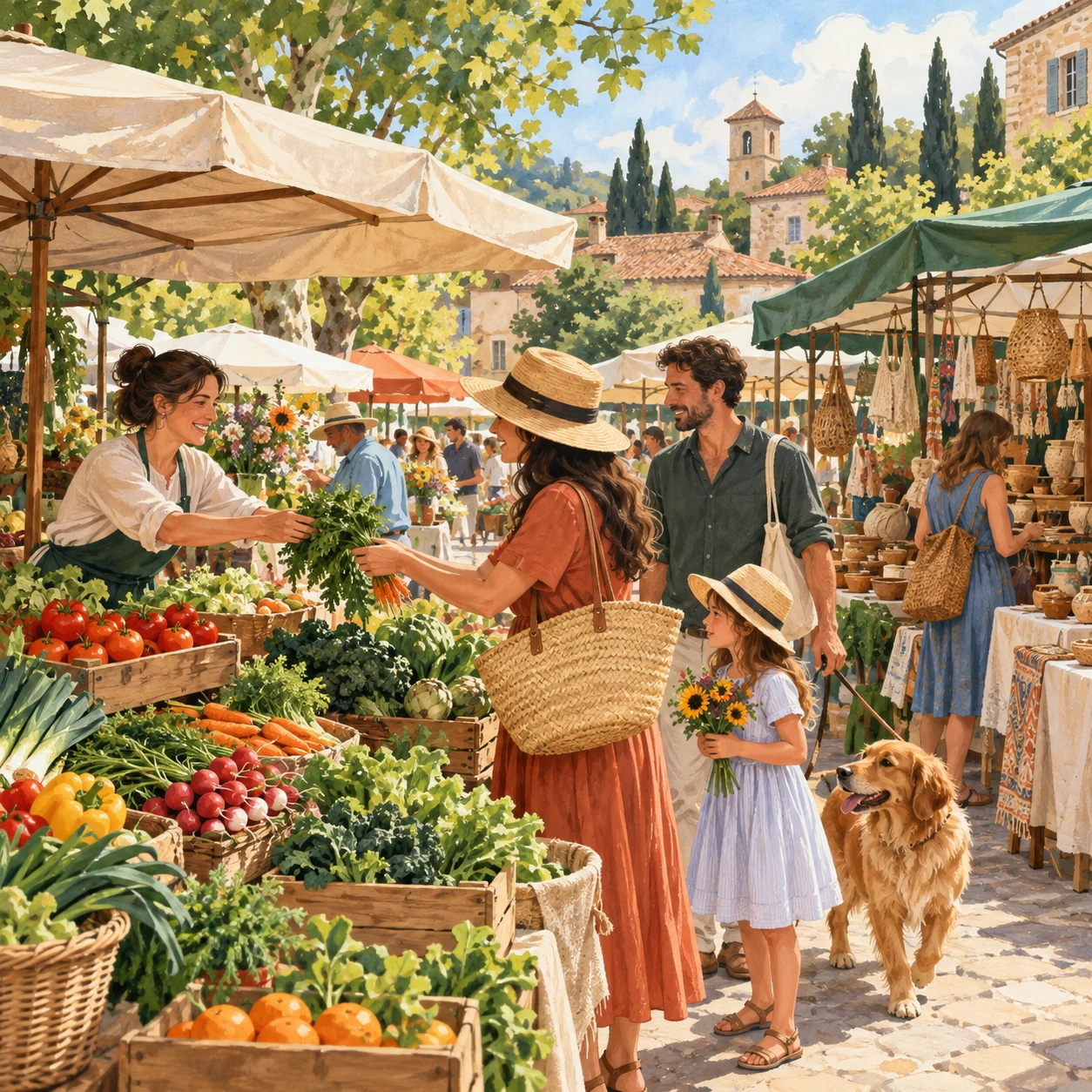
A weekend market guide — context illustration
LesenA2

A weekend market guide

Lies das originale englische Material und antworte mit Belegen. Die Stufe ist eine redaktionelle Orientierung, kein zertifiziertes Ergebnis.

The new Riverside Market opens every Sunday from nine until two. The organisers first planned to use the old station yard, but building work there is taking longer than expected. For the next three months, you will find the market in the school playground. The school is a ten-minute walk from the station. There is no parking inside the school gates, so drivers should use the public car park by the bridge.

Food stalls are outside, while craft sellers use the covered area beside the hall. If it rains, the food stalls will still open, but the outdoor music will be cancelled. The school hall is not open to visitors because students’ work is stored there. Toilets are in the small building behind the covered area.

Most sellers accept cards, but the bread stall takes cash only. You can buy breakfast at the market, although hot food is not sold after one. Bring your own shopping bag. Sellers can provide paper bags for small items, but not large bags for a full week’s shopping.

Each Sunday, a different local group runs the welcome desk. The first week’s group is collecting clean children’s coats. Please take donations to the desk rather than leaving them at a food stall. The market website lists the collection planned for the following week.

Erst ein wenig Klarheit

Genannte Einzelheiten · Gründe · Bedingungen und Erlaubnis

Ordne die gefragte Person, Zeit, den Ort oder Betrag dem richtigen Ereignis zu. Nutze den tatsächlich genannten Grund; ein nur plausibler Grund von außen reicht nicht. Behalte die genannte Bedingung oder Erlaubnis bei; eine Regel beweist nicht, dass etwas geschehen ist.

The doors open at eight. The class starts at nine.

Bedingungen und Erlaubnis

Behalte die genannte Bedingung oder Erlaubnis bei; eine Regel beweist nicht, dass etwas geschehen ist.

If the front door is locked, use the side entrance.

Lernmaterial
A weekend market guide — context illustration
LesenA2

A weekend market guide

Lies das originale englische Material und antworte mit Belegen. Die Stufe ist eine redaktionelle Orientierung, kein zertifiziertes Ergebnis.

The new Riverside Market opens every Sunday from nine until two. The organisers first planned to use the old station yard, but building work there is taking longer than expected. For the next three months, you will find the market in the school playground. The school is a ten-minute walk from the station. There is no parking inside the school gates, so drivers should use the public car park by the bridge.

Food stalls are outside, while craft sellers use the covered area beside the hall. If it rains, the food stalls will still open, but the outdoor music will be cancelled. The school hall is not open to visitors because students’ work is stored there. Toilets are in the small building behind the covered area.

Most sellers accept cards, but the bread stall takes cash only. You can buy breakfast at the market, although hot food is not sold after one. Bring your own shopping bag. Sellers can provide paper bags for small items, but not large bags for a full week’s shopping.

Each Sunday, a different local group runs the welcome desk. The first week’s group is collecting clean children’s coats. Please take donations to the desk rather than leaving them at a food stall. The market website lists the collection planned for the following week.

0/12
Aufgaben
01 / 12D01Speichere es für deine Sammlung.

A weekend market guide

Where is the market during its first three months?

Deine Antwort
1 / 12

Dein Lernweg

01
Schritt 1 · Einstieg

Einstieg

0/3
02
Schritt 2 · Gezielt üben

Genannte Einzelheiten · Gründe · Bedingungen und Erlaubnis

0/2

Ordne die gefragte Person, Zeit, den Ort oder Betrag dem richtigen Ereignis zu. Nutze den tatsächlich genannten Grund; ein nur plausibler Grund von außen reicht nicht. Behalte die genannte Bedingung oder Erlaubnis bei; eine Regel beweist nicht, dass etwas geschehen ist.

The doors open at eight. The class starts at nine.
03
Schritt 3 · Gezielt üben

Bedingungen und Erlaubnis

0/1

Behalte die genannte Bedingung oder Erlaubnis bei; eine Regel beweist nicht, dass etwas geschehen ist.

If the front door is locked, use the side entrance.
04
Schritt 4 · Gezielt üben

Genannte Einzelheiten

0/1

Ordne die gefragte Person, Zeit, den Ort oder Betrag dem richtigen Ereignis zu.

The doors open at eight. The class starts at nine.
05
Schritt 5 · Passende Übungen

Passende Übungen

0/3
06
Schritt 6 · Textaufgabe

Textaufgabe

0/2
Lernnotizen dieser Einheit

Aus Fehlern lernen.

Behalte den Erstversuch, prüfe den Beleg und versuche eine weitere Frage. Eine Folgefrage zum selben Material belegt keinen Transfer auf einen neuen Text.

0

Noch keine Lernnotizen. Starte mit einem kurzen Einstieg.

Lernübersicht

Ein Wochenmarktführer

A2
A weekend market guide

Lektionspunkte

01

Genannte Einzelheiten · Gründe · Bedingungen und Erlaubnis

Ordne die gefragte Person, Zeit, den Ort oder Betrag dem richtigen Ereignis zu. Nutze den tatsächlich genannten Grund; ein nur plausibler Grund von außen reicht nicht. Behalte die genannte Bedingung oder Erlaubnis bei; eine Regel beweist nicht, dass etwas geschehen ist.

The doors open at eight. The class starts at nine.
02

Bedingungen und Erlaubnis

Behalte die genannte Bedingung oder Erlaubnis bei; eine Regel beweist nicht, dass etwas geschehen ist.

If the front door is locked, use the side entrance.

Fragen & Antworten

Das Öffnen einer Antwort wird für diese Aufgabe als Hilfe erfasst.

D01 · Einstieg

A weekend market guide

Where is the market during its first three months?

  1. In the car park by the bridge.
  2. In the school playground.
  3. In the old station yard.
  4. Inside the school hall.
Antwort und Erklärung
In the school playground.

Antwort: „In the school playground.“. Beleg: „For the next three months, you will find the market in the school playground.“. Prüfe „In the old station yard.“: Dies war der frühere Plan, nicht der endgültige. Beleg: „The organisers first planned to use the old station yard“. Prüfe „Inside the school hall.“: Dies ist nicht der für diese Handlung genannte Ort. Beleg: „The school hall is not open to visitors“.

D02 · Einstieg

A weekend market guide

Why is the original site unavailable?

  1. Food sellers do not like the site.
  2. The station is too far from the school.
  3. Building work is taking longer than expected.
  4. The bridge car park has closed.
Antwort und Erklärung
Building work is taking longer than expected.

Antwort: „Building work is taking longer than expected.“. Beleg: „The organisers first planned to use the old station yard, but building work there is taking longer than expected.“. Prüfe „The station is too far from the school.“: Der Text nennt diese Einzelheit nicht. Ergänze sie nicht. Prüfe „Food sellers do not like the site.“: Der Text nennt diese Einzelheit nicht. Ergänze sie nicht.

D03 · Einstieg

A weekend market guide

Where should visitors arriving by car park?

  1. Inside the school gates.
  2. Under the covered craft area.
  3. In the public car park by the bridge.
  4. Behind the school hall.
Antwort und Erklärung
In the public car park by the bridge.

Antwort: „In the public car park by the bridge.“. Beleg: „There is no parking inside the school gates, so drivers should use the public car park by the bridge.“. Prüfe „Under the covered craft area.“: Dies ist nicht der für diese Handlung genannte Ort. Prüfe „Behind the school hall.“: Dies ist nicht der für diese Handlung genannte Ort.

P01 · Gezielt üben

A weekend market guide

Which sellers work under cover?

  1. All sellers and musicians.
  2. The bread stall alone.
  3. Craft sellers.
  4. Only food sellers.
Antwort und Erklärung
Craft sellers.

Antwort: „Craft sellers.“. Beleg: „Food stalls are outside, while craft sellers use the covered area beside the hall.“. Prüfe „All sellers and musicians.“: Dies fasst die Aussage weiter oder stärker, als es der Text erlaubt. Prüfe „Only food sellers.“: Dies ordnet die Handlung oder Rolle der falschen Person oder Gruppe zu. Beleg: „Food stalls are outside“.

P02 · Gezielt üben

A weekend market guide

What changes if it rains?

  1. The market moves to the station.
  2. Visitors can shop inside the hall.
  3. The outdoor music is cancelled.
  4. All food stalls close.
Antwort und Erklärung
The outdoor music is cancelled.

Antwort: „The outdoor music is cancelled.“. Beleg: „If it rains, the food stalls will still open, but the outdoor music will be cancelled.“. Prüfe „All food stalls close.“: Dies sagt das Gegenteil der betreffenden Angabe. Prüfe „Visitors can shop inside the hall.“: Dies sagt das Gegenteil der betreffenden Angabe. Beleg: „The school hall is not open to visitors“.

P03 · Gezielt üben

A weekend market guide

What should someone buying bread bring?

  1. Cash.
  2. A paper shopping bag instead of payment.
  3. A payment card instead of cash.
  4. A ticket from the welcome desk.
Antwort und Erklärung
Cash.

Antwort: „Cash.“. Beleg: „Most sellers accept cards, but the bread stall takes cash only.“. Prüfe „A payment card instead of cash.“: Dies ist nicht der für diese Handlung genannte Gegenstand. Beleg: „the bread stall takes cash only.“. Prüfe „A paper shopping bag instead of payment.“: Dies ist nicht der für diese Handlung genannte Gegenstand.

P04 · Gezielt üben

A weekend market guide

Where are the toilets?

  1. At the welcome desk.
  2. Inside the closed school hall.
  3. Behind the covered area.
  4. By the station platform.
Antwort und Erklärung
Behind the covered area.

Antwort: „Behind the covered area.“. Beleg: „Toilets are in the small building behind the covered area.“. Prüfe „By the station platform.“: Dies ist nicht der für diese Handlung genannte Ort. Prüfe „At the welcome desk.“: Dies ist nicht der für diese Handlung genannte Ort.

R01 · Passende Übungen

A weekend market guide

Why may visitors not enter the school hall?

  1. Students’ work is stored there.
  2. The toilets are being repaired.
  3. A concert is taking place there.
  4. The market has no craft sellers.
Antwort und Erklärung
Students’ work is stored there.

Antwort: „Students’ work is stored there.“. Beleg: „The school hall is not open to visitors because students’ work is stored there.“. Prüfe „A concert is taking place there.“: Der Text nennt diese Einzelheit nicht. Ergänze sie nicht. Prüfe „The toilets are being repaired.“: Der Text nennt diese Einzelheit nicht. Ergänze sie nicht.

R02 · Passende Übungen

A weekend market guide

What can a visitor not buy after one?

  1. Bread of any kind.
  2. Craft items.
  3. Hot food.
  4. Small items in paper bags.
Antwort und Erklärung
Hot food.

Antwort: „Hot food.“. Beleg: „You can buy breakfast at the market, although hot food is not sold after one.“. Prüfe „Bread of any kind.“: Dies fasst die Aussage weiter oder stärker, als es der Text erlaubt. Prüfe „Craft items.“: Der Text nennt diese Einzelheit nicht. Ergänze sie nicht. Beleg: „craft sellers use the covered area beside the hall.“.

R03 · Passende Übungen

A weekend market guide

Why is bringing a large shopping bag useful?

  1. Visitors must carry their coats in it.
  2. Sellers do not provide bags for a full week’s shopping.
  3. Every bag is checked at the school gate.
  4. Paper bags are banned at the market.
Antwort und Erklärung
Sellers do not provide bags for a full week’s shopping.

Antwort: „Sellers do not provide bags for a full week’s shopping.“. Beleg: „Sellers can provide paper bags for small items, but not large bags for a full week’s shopping.“. Prüfe „Paper bags are banned at the market.“: Dies sagt das Gegenteil der betreffenden Angabe. Beleg: „Sellers can provide paper bags for small items“. Prüfe „Visitors must carry their coats in it.“: Der Text nennt diese Einzelheit nicht. Ergänze sie nicht. Beleg: „The first week’s group is collecting clean children’s coats.“.

X01 · Textaufgabe

A weekend market guide

Where should the first week’s coat donations go?

  1. To any food stall.
  2. To the bread seller.
  3. Inside the school hall.
  4. To the welcome desk.
Antwort und Erklärung
To the welcome desk.

Antwort: „To the welcome desk.“. Beleg: „Each Sunday, a different local group runs the welcome desk. The first week’s group is collecting clean children’s coats. Please take donations to the desk rather than leaving them at a food stall.“. Prüfe „Inside the school hall.“: Dies sagt das Gegenteil der betreffenden Angabe. Beleg: „The school hall is not open to visitors“. Prüfe „To the bread seller.“: Dies ist nicht der für diese Handlung genannte Ort.

X02 · Textaufgabe

A weekend market guide

What can visitors check on the website?

  1. A promise that every week collects coats.
  2. The result of the old station’s building inspection.
  3. The collection planned for the next week.
  4. The names of all students using the hall.
Antwort und Erklärung
The collection planned for the next week.

Antwort: „The collection planned for the next week.“. Beleg: „The market website lists the collection planned for the following week.“. Prüfe „The result of the old station’s building inspection.“: Der Text nennt diese Einzelheit nicht. Ergänze sie nicht. Prüfe „A promise that every week collects coats.“: Dies fasst die Aussage weiter oder stärker, als es der Text erlaubt. Beleg: „The first week’s group is collecting clean children’s coats.“.