B2

Social change Exercises

About this lesson

Social change · B2. Distinguish “inequality” (unequal access to resources or opportunities) from “mobility” (movement between social positions or locations). Read the situation before choosing; these words are not interchangeable. Additional contrast: “integration” means participation of different groups in shared society; “gentrification” means neighbourhood change involving higher prices and displacement. Compare their uses in the learning cards.

Complete 24 original tasks. Use the situation to choose the intended meaning, practise the form, then apply it in a fresh context.

24 items
Save it to find it in My collection.
Vocabulary

Learning cards

1/12
inequality
inequality
B2
01 / 12
Save it to find it in My collection.

inequality

unequal access to resources or opportunities
In a sentence

The map reveals inequality in access to green space across the city.

The map reveals inequality in access to green space across the city.

Useful combinations
income inequalityreduce inequality

Word forms & family

inequalities (n.)unequal (adj.)unequally (adv.)

Similar meanings & paraphrases

disparity

These match this sense. Word families can change meaning; near meanings are not always interchangeable.

Practise “income inequality” as a whole phrase. Here “inequality” has the sense unequal access to resources or opportunities.

0 Saved words

A little clarity first

unequal access to resources or opportunities / movement between social positions or locations

Distinguish “inequality” (unequal access to resources or opportunities) from “mobility” (movement between social positions or locations). Read the situation before choosing; these words are not interchangeable. Additional contrast: “integration” means participation of different groups in shared society; “gentrification” means neighbourhood change involving higher prices and displacement. Compare their uses in the learning cards.

The policy aims to reduce income inequality.
active participation of previously excluded groups / forced movement away from home or place

Distinguish “inclusion” (active participation of previously excluded groups) from “displacement” (forced movement away from home or place). Read the situation before choosing; these words are not interchangeable. Additional contrast: “polarisation” means division into strongly opposing groups; “marginalisation” means exclusion of a group from power or participation. Compare their uses in the learning cards.

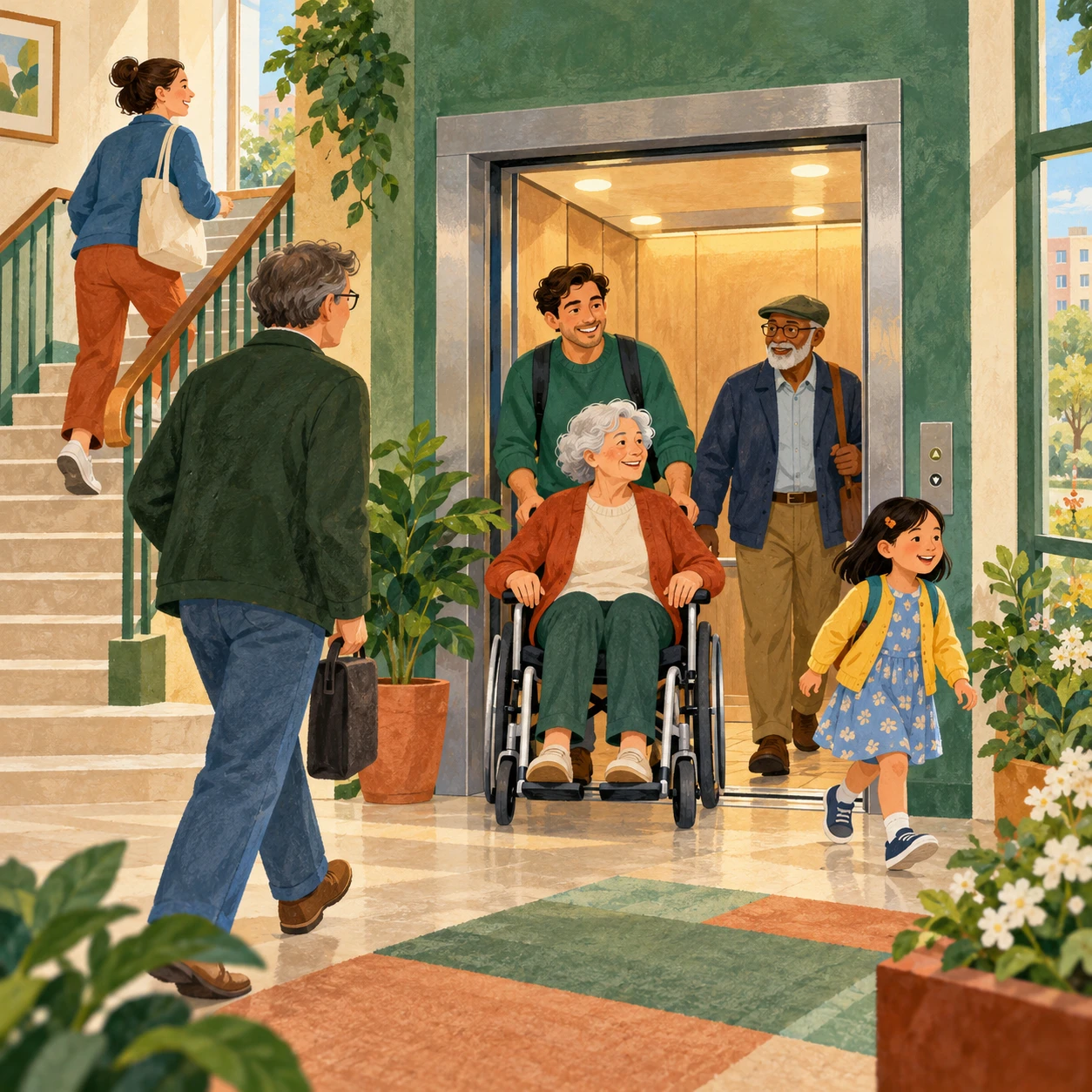
Accessible transport supports inclusion.

relating to the composition of a population / ability to recover after disruption

Distinguish “demographic” (relating to the composition of a population) from “resilience” (ability to recover after disruption). Read the situation before choosing; these words are not interchangeable. Additional contrast: “activism” means organised action to bring social or political change; “welfare” means state support for people in financial need. Compare their uses in the learning cards.

The town is experiencing demographic change.

0/24
Questions
01 / 24D01Save it to find it in My collection.

The policy targets the gap between high and low earners. It is not intended to reduce people’s ability to move into a higher social position.

The policy aims to reduce income ___.

Your answer
1 / 24

Your learning route

01
Step 1 · Warm-up

Warm-up

0/3
02
Step 2 · Build the skill

active participation of previously excluded groups / forced movement away from home or place

0/1

Distinguish “inclusion” (active participation of previously excluded groups) from “displacement” (forced movement away from home or place). Read the situation before choosing; these words are not interchangeable. Additional contrast: “polarisation” means division into strongly opposing groups; “marginalisation” means exclusion of a group from power or participation. Compare their uses in the learning cards.

Accessible transport supports inclusion.
03
Step 3 · Build the skill

relating to the composition of a population / ability to recover after disruption

0/2

Distinguish “demographic” (relating to the composition of a population) from “resilience” (ability to recover after disruption). Read the situation before choosing; these words are not interchangeable. Additional contrast: “activism” means organised action to bring social or political change; “welfare” means state support for people in financial need. Compare their uses in the learning cards.

The town is experiencing demographic change.
04
Step 4 · Build the skill

unequal access to resources or opportunities / movement between social positions or locations

0/1

Distinguish “inequality” (unequal access to resources or opportunities) from “mobility” (movement between social positions or locations). Read the situation before choosing; these words are not interchangeable. Additional contrast: “integration” means participation of different groups in shared society; “gentrification” means neighbourhood change involving higher prices and displacement. Compare their uses in the learning cards.

The policy aims to reduce income inequality.

05
Step 5 · New contexts

New contexts

0/9
06
Step 6 · A fresh challenge

A fresh challenge

0/8
Practice notes in this unit

Make mistakes useful.

Keep the first try. Understand the change. Check it in a fresh situation.

0

No practice notes yet. Try a short warm-up.

Questions & answers

Opening an answer records help for that question.

D01 · Warm-up

The policy targets the gap between high and low earners. It is not intended to reduce people’s ability to move into a higher social position.

The policy aims to reduce income ___.

  1. inequality
  2. displacement
  3. mobility
  4. inclusion
Answer & explanation
inequality

The deciding cue is “gap between high and low earners”: it identifies the meaning “unequal access to resources or opportunities”. Check the process described, rather than any possible social benefit or problem; “inequality” expresses that specific meaning here. Completed wording: “The policy aims to reduce income inequality.”.

D02 · Warm-up

The focus is on helping someone born into a low-income household move into a higher social position, not simply take part in community activities.

Education can improve social ___.

  1. mobility
  2. inclusion
  3. displacement
  4. demographic
Answer & explanation
mobility

The deciding cue is “move into a higher social position”: it identifies the meaning “movement between social positions or locations”. Check the process described, rather than any possible social benefit or problem; “mobility” expresses that specific meaning here. Completed wording: “Education can improve social mobility.”.

D03 · Warm-up

The transport scheme lets residents who were previously unable to join local activities participate fully. The point here is participation, not recovery after a disaster.

Accessible transport supports ___.

  1. inclusion
  2. resilience
  3. displacement
  4. demographic
Answer & explanation
inclusion

The deciding cue is “residents who were previously unable”: it identifies the meaning “active participation of previously excluded groups”. Check the process described, rather than any possible social benefit or problem; “inclusion” expresses that specific meaning here. Completed wording: “Accessible transport supports inclusion.”.

P01 · Build the skill

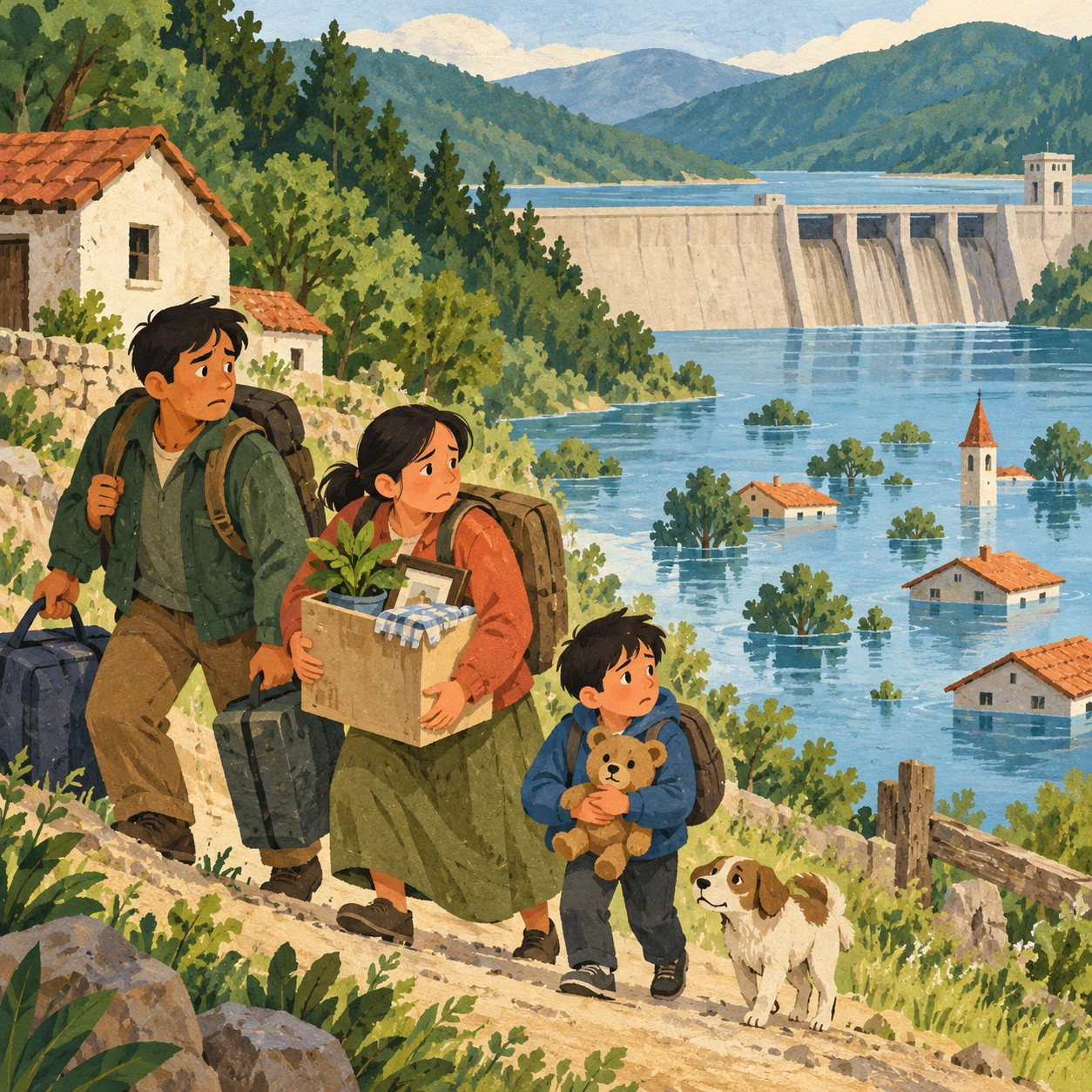
The residents could no longer afford the higher rent and were forced to move out of their homes. The gap names that forced move, not a comparison of incomes.

Rising rents caused the ___ of residents.

  1. resilience
  2. inequality
  3. displacement
  4. demographic
Answer & explanation
displacement

The deciding cue is “were forced to move out”: it identifies the meaning “forced movement away from home or place”. Check the process described, rather than any possible social benefit or problem; “displacement” expresses that specific meaning here. Completed wording: “Rising rents caused the displacement of residents.”.

P02 · Build the skill

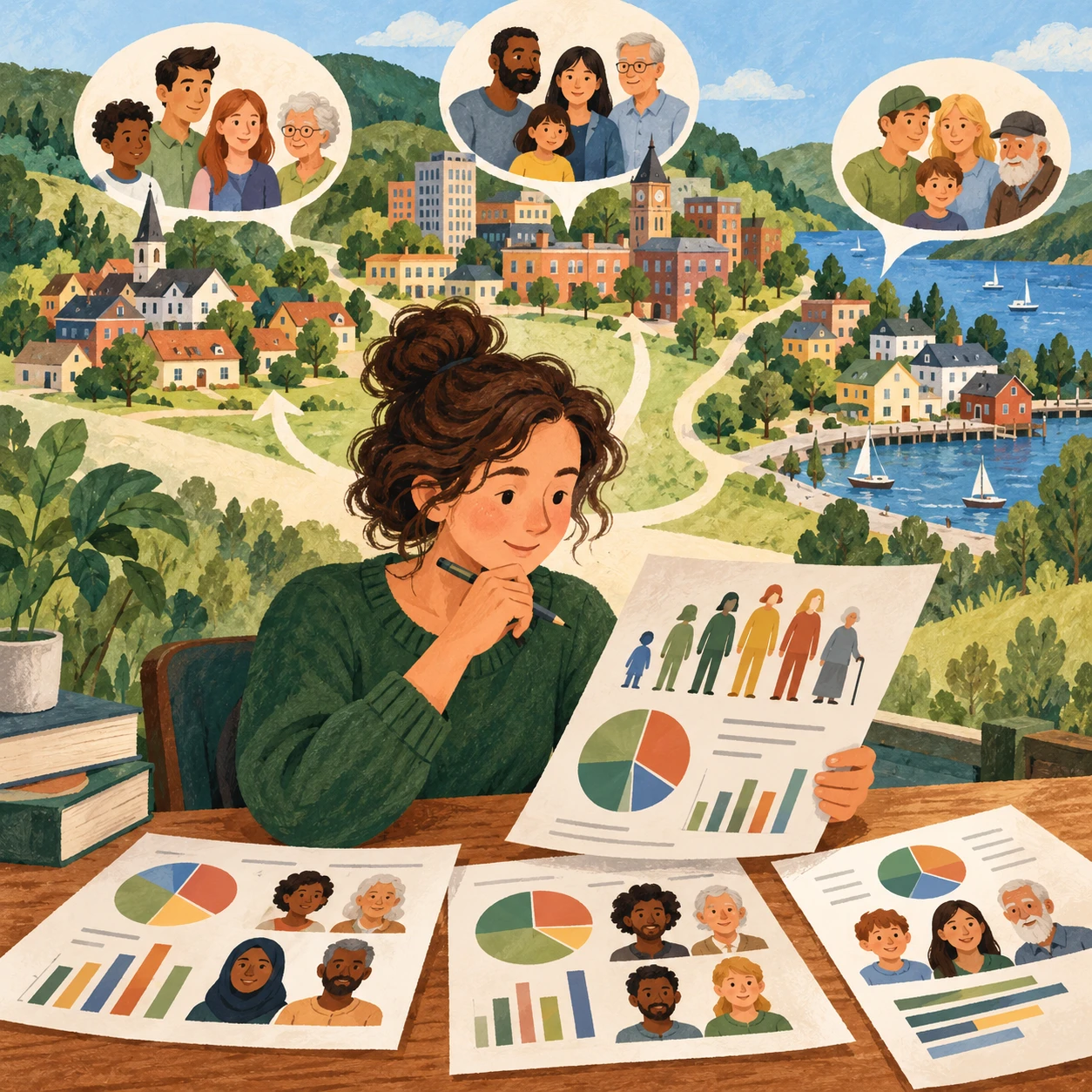
The town’s age structure, birth rate and population composition are changing. The sentence is specifically about those population characteristics.

The town is experiencing ___ change.

  1. political
  2. geographical
  3. demographic
  4. economic
Answer & explanation
demographic

The deciding cue is “population composition”: it identifies the meaning “relating to the composition of a population”. Check the process described, rather than any possible social benefit or problem; “demographic” expresses that specific meaning here. Completed wording: “The town is experiencing demographic change.”.

P03 · Build the skill

After a severe flood, local networks helped residents recover and restore everyday services. The focus is the community’s capacity to recover.

Local networks strengthened community ___.

  1. inclusion
  2. mobility
  3. inequality
  4. resilience
Answer & explanation
resilience

The deciding cue is “capacity to recover”: it identifies the meaning “ability to recover after disruption”. Check the process described, rather than any possible social benefit or problem; “resilience” expresses that specific meaning here. Completed wording: “Local networks strengthened community resilience.”.

P04 · Build the skill

Complete the sentence with the expression that matches the stated situation.

A widening gap between rich and poor indicates rising economic ___.

  1. displacement
  2. inequality
  3. mobility
  4. inclusion
Answer & explanation
inequality

The deciding cue is “gap between rich and poor”: it identifies the meaning “unequal access to resources or opportunities”. Check the process described, rather than any possible social benefit or problem; “inequality” expresses that specific meaning here. Completed wording: “A widening gap between rich and poor indicates rising economic inequality.”.

R01 · New contexts

Complete the sentence with the expression that matches the stated situation.

The ability to move from a low-income background to a higher social position is social ___.

  1. demographic
  2. mobility
  3. displacement
  4. inclusion
Answer & explanation
mobility

The deciding cue is “higher social position”: it identifies the meaning “movement between social positions or locations”. Check the process described, rather than any possible social benefit or problem; “mobility” expresses that specific meaning here. Completed wording: “The ability to move from a low-income background to a higher social position is social mobility.”.

R02 · New contexts

Complete the sentence with the expression that matches the stated situation.

Giving marginalised residents a genuine role in decisions promotes ___.

  1. inclusion
  2. displacement
  3. resilience
  4. demographic
Answer & explanation
inclusion

The deciding cue is “genuine role in decisions”: it identifies the meaning “active participation of previously excluded groups”. Check the process described, rather than any possible social benefit or problem; “inclusion” expresses that specific meaning here. Completed wording: “Giving marginalised residents a genuine role in decisions promotes inclusion.”.

R03 · New contexts

Complete the sentence with the expression that matches the stated situation.

When redevelopment forces people out of their homes, it causes ___.

  1. resilience
  2. inequality
  3. displacement
  4. demographic
Answer & explanation
displacement

The deciding cue is “forces people out”: it identifies the meaning “forced movement away from home or place”. Check the process described, rather than any possible social benefit or problem; “displacement” expresses that specific meaning here. Completed wording: “When redevelopment forces people out of their homes, it causes displacement.”.

X01 · A fresh challenge

Complete the sentence with the expression that matches the stated situation.

An ageing population is a ___ trend, concerning population composition.

  1. geographical
  2. political
  3. demographic
  4. economic
Answer & explanation
demographic

The deciding cue is “ageing population”: it identifies the meaning “relating to the composition of a population”. Check the process described, rather than any possible social benefit or problem; “demographic” expresses that specific meaning here. Completed wording: “An ageing population is a demographic trend, concerning population composition.”.

X02 · A fresh challenge

Complete the sentence with the expression that matches the stated situation.

The neighbourhood recovered rapidly after the flood, showing considerable ___.

  1. resilience
  2. inclusion
  3. inequality
  4. mobility
Answer & explanation
resilience

The deciding cue is “recovered rapidly”: it identifies the meaning “ability to recover after disruption”. Check the process described, rather than any possible social benefit or problem; “resilience” expresses that specific meaning here. Completed wording: “The neighbourhood recovered rapidly after the flood, showing considerable resilience.”.

R04 · New contexts

Choose the expression that matches the situation.

Programmes that help newcomers participate in local schools, work and community life promote ___.

  1. gentrification
  2. integration
  3. marginalisation
  4. polarisation
Answer & explanation
integration

The deciding cue is “newcomers participate”: it identifies the meaning “participation of different groups in shared society”. Check the process described, rather than any possible social benefit or problem; “integration” expresses that specific meaning here. Completed wording: “Programmes that help newcomers participate in local schools, work and community life promote integration.”.

R05 · New contexts

Choose the expression that matches the situation.

The specific term for a poorer neighbourhood’s transformation by wealthier newcomers, rising rents and new upmarket services is ___.

  1. gentrification
  2. marginalisation
  3. polarisation
  4. activism
Answer & explanation
gentrification

The deciding cue is “wealthier newcomers”: it identifies the meaning “neighbourhood change involving higher prices and displacement”. Check the process described, rather than any possible social benefit or problem; “gentrification” expresses that specific meaning here. Completed wording: “The specific term for a poorer neighbourhood’s transformation by wealthier newcomers, rising rents and new upmarket services is gentrification.”.

R06 · New contexts

Choose the expression that matches the situation.

The division of voters into two hostile camps with little common ground is called political ___.

  1. welfare
  2. polarisation
  3. activism
  4. marginalisation
Answer & explanation
polarisation

The deciding cue is “two hostile camps”: it identifies the meaning “division into strongly opposing groups”. Check the process described, rather than any possible social benefit or problem; “polarisation” expresses that specific meaning here. Completed wording: “The division of voters into two hostile camps with little common ground is called political polarisation.”.

R07 · New contexts

Choose the expression that matches the situation.

The process of excluding a minority from decision-making and denying it a public voice is called ___.

  1. marginalisation
  2. welfare
  3. integration
  4. activism
Answer & explanation
marginalisation

The deciding cue is “denying it a public voice”: it identifies the meaning “exclusion of a group from power or participation”. Check the process described, rather than any possible social benefit or problem; “marginalisation” expresses that specific meaning here. Completed wording: “The process of excluding a minority from decision-making and denying it a public voice is called marginalisation.”.

R08 · New contexts

Choose the expression that matches the situation.

Organising petitions, demonstrations and campaigns for political change is a form of ___.

  1. activism
  2. integration
  3. welfare
  4. gentrification
Answer & explanation
activism

The deciding cue is “petitions, demonstrations and campaigns”: it identifies the meaning “organised action to bring social or political change”. Check the process described, rather than any possible social benefit or problem; “activism” expresses that specific meaning here. Completed wording: “Organising petitions, demonstrations and campaigns for political change is a form of activism.”.

R09 · New contexts

Choose the expression that matches the situation.

The government provides ___ benefits to help people who cannot afford basic living costs.

  1. gentrification
  2. integration
  3. polarisation
  4. welfare
Answer & explanation
welfare

The deciding cue is “basic living costs”: it identifies the meaning “state support for people in financial need”. Check the process described, rather than any possible social benefit or problem; “welfare” expresses that specific meaning here. Completed wording: “The government provides welfare benefits to help people who cannot afford basic living costs.”.

X03 · A fresh challenge

Choose the expression that matches the situation.

Social ___ means enabling different groups to take part in shared institutions rather than keeping them apart.

  1. integration
  2. activism
  3. polarisation
  4. marginalisation
Answer & explanation
integration

The deciding cue is “shared institutions”: it identifies the meaning “participation of different groups in shared society”. Check the process described, rather than any possible social benefit or problem; “integration” expresses that specific meaning here. Completed wording: “Social integration means enabling different groups to take part in shared institutions rather than keeping them apart.”.

X04 · A fresh challenge

Choose the expression that matches the situation.

Local shops serving long-term residents closed as ___ brought expensive housing and new boutiques.

  1. marginalisation
  2. activism
  3. gentrification
  4. welfare
Answer & explanation
gentrification

The deciding cue is “expensive housing and new boutiques”: it identifies the meaning “neighbourhood change involving higher prices and displacement”. Check the process described, rather than any possible social benefit or problem; “gentrification” expresses that specific meaning here. Completed wording: “Local shops serving long-term residents closed as gentrification brought expensive housing and new boutiques.”.

X05 · A fresh challenge

Choose the expression that matches the situation.

The growing division of public opinion into opposing extremes is known as ___.

  1. integration
  2. polarisation
  3. welfare
  4. activism
Answer & explanation
polarisation

The deciding cue is “opposing extremes”: it identifies the meaning “division into strongly opposing groups”. Check the process described, rather than any possible social benefit or problem; “polarisation” expresses that specific meaning here. Completed wording: “The growing division of public opinion into opposing extremes is known as polarisation.”.

X06 · A fresh challenge

Choose the expression that matches the situation.

The group experienced ___ because it was repeatedly kept outside institutions of power.

  1. gentrification
  2. welfare
  3. integration
  4. marginalisation
Answer & explanation
marginalisation

The deciding cue is “kept outside institutions of power”: it identifies the meaning “exclusion of a group from power or participation”. Check the process described, rather than any possible social benefit or problem; “marginalisation” expresses that specific meaning here. Completed wording: “The group experienced marginalisation because it was repeatedly kept outside institutions of power.”.

X07 · A fresh challenge

Choose the expression that matches the situation.

Environmental ___ involves taking organised action to influence policy, not merely holding a private opinion.

  1. polarisation
  2. integration
  3. gentrification
  4. activism
Answer & explanation
activism

The deciding cue is “organised action”: it identifies the meaning “organised action to bring social or political change”. Check the process described, rather than any possible social benefit or problem; “activism” expresses that specific meaning here. Completed wording: “Environmental activism involves taking organised action to influence policy, not merely holding a private opinion.”.

X08 · A fresh challenge

Choose the expression that matches the situation.

She applied for state ___ after losing her income and being unable to meet essential expenses.

  1. gentrification
  2. polarisation
  3. welfare
  4. marginalisation
Answer & explanation
welfare

The deciding cue is “state”: it identifies the meaning “state support for people in financial need”. Check the process described, rather than any possible social benefit or problem; “welfare” expresses that specific meaning here. Completed wording: “She applied for state welfare after losing her income and being unable to meet essential expenses.”.