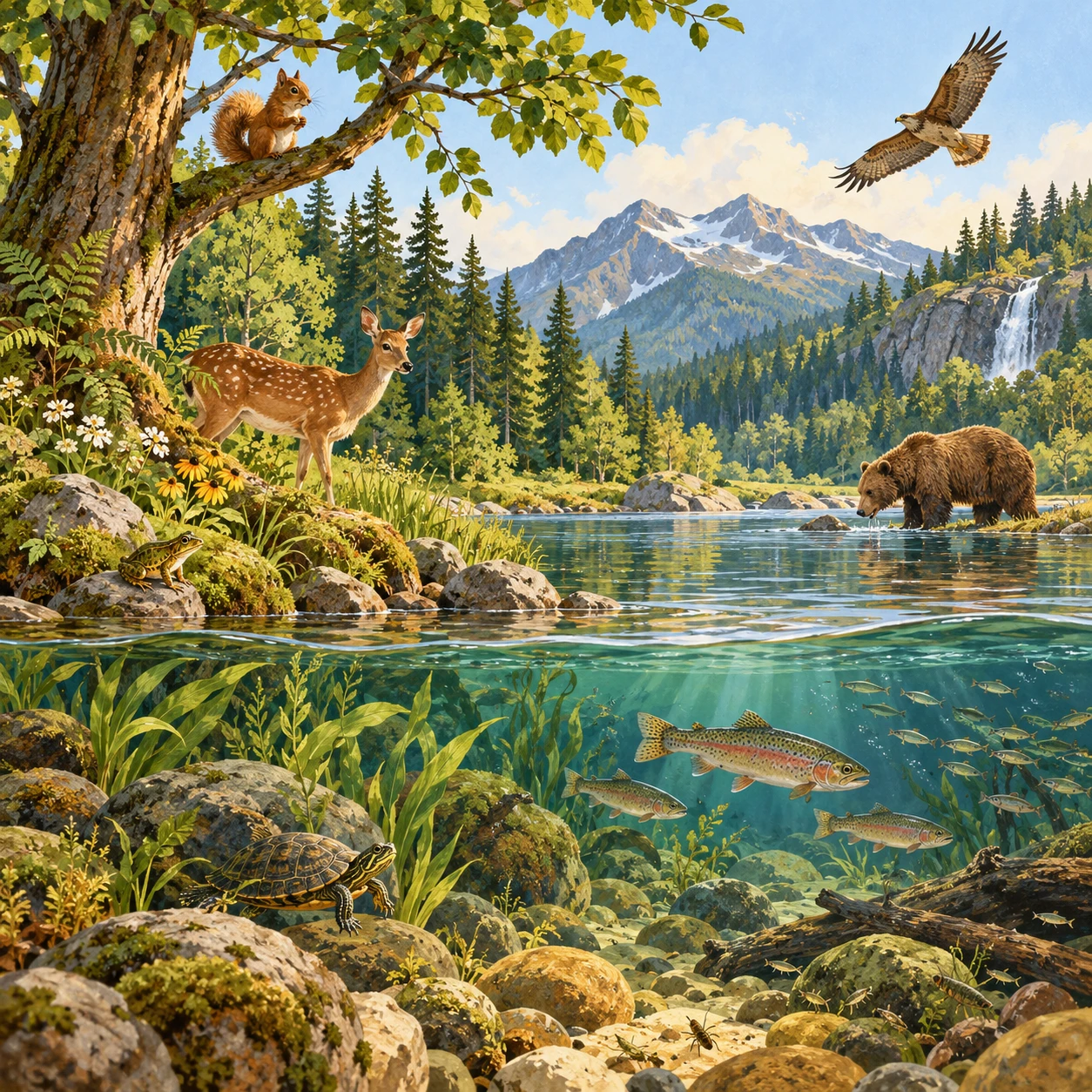
生物の自然な生息地 / 雨不足が長く続くこと
「habitat」(生物の自然な生息地)と「drought」(雨不足が長く続くこと)を区別します。状況を読み、置き換えられない意味の違いを確かめましょう。 追加の使い分け:「wildlife」は「野生生物」、「recycling」は「リサイクル」です。学習カードで用法を比べましょう。
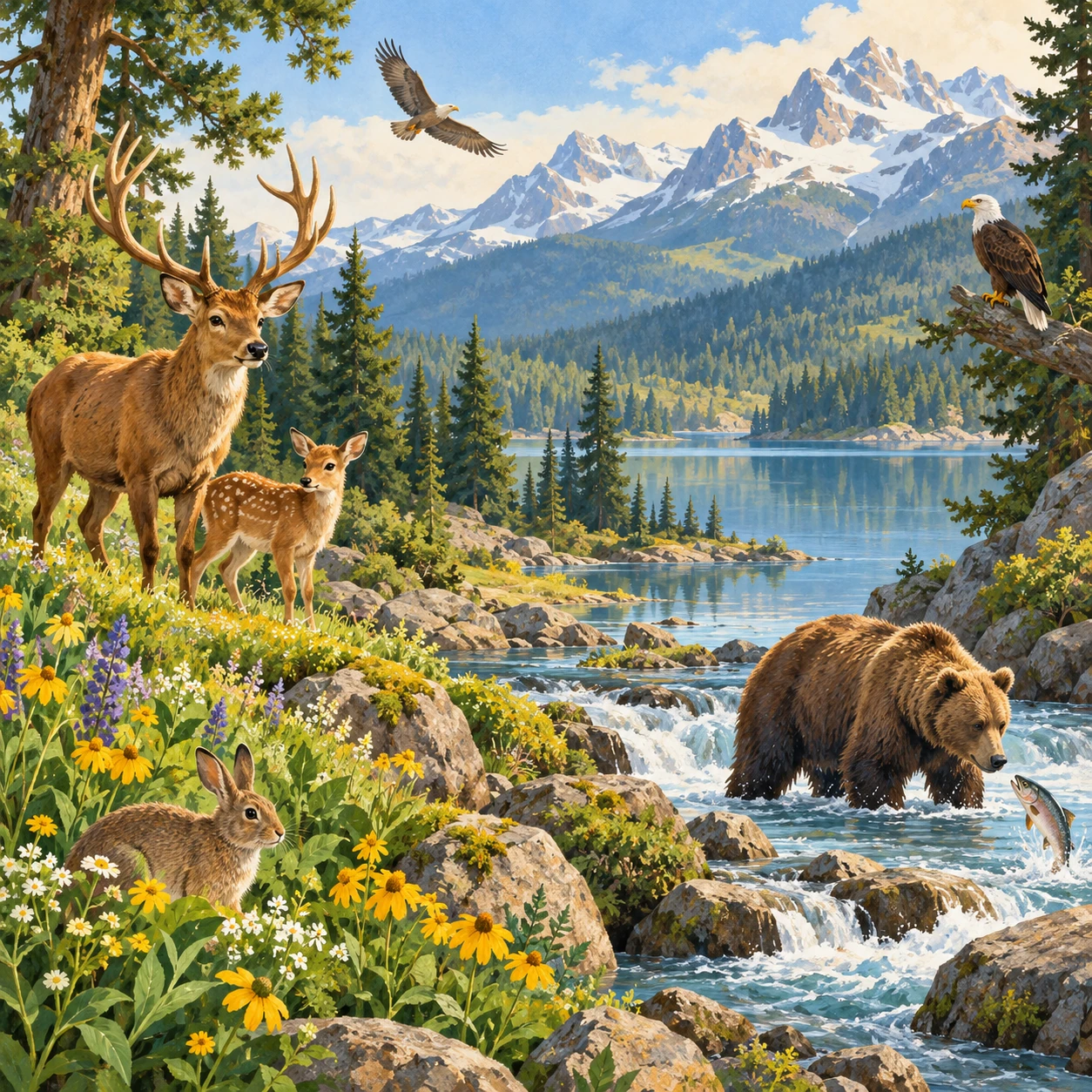
The wetland is an important habitat for frogs.

環境と自然 · B1. 「habitat」(生物の自然な生息地)と「drought」(雨不足が長く続くこと)を区別します。状況を読み、置き換えられない意味の違いを確かめましょう。 追加の使い分け:「wildlife」は「野生生物」、「recycling」は「リサイクル」です。学習カードで用法を比べましょう。
24問のオリジナル問題です。状況から意味を読み取り、形を練習して、新しい場面で応用します。
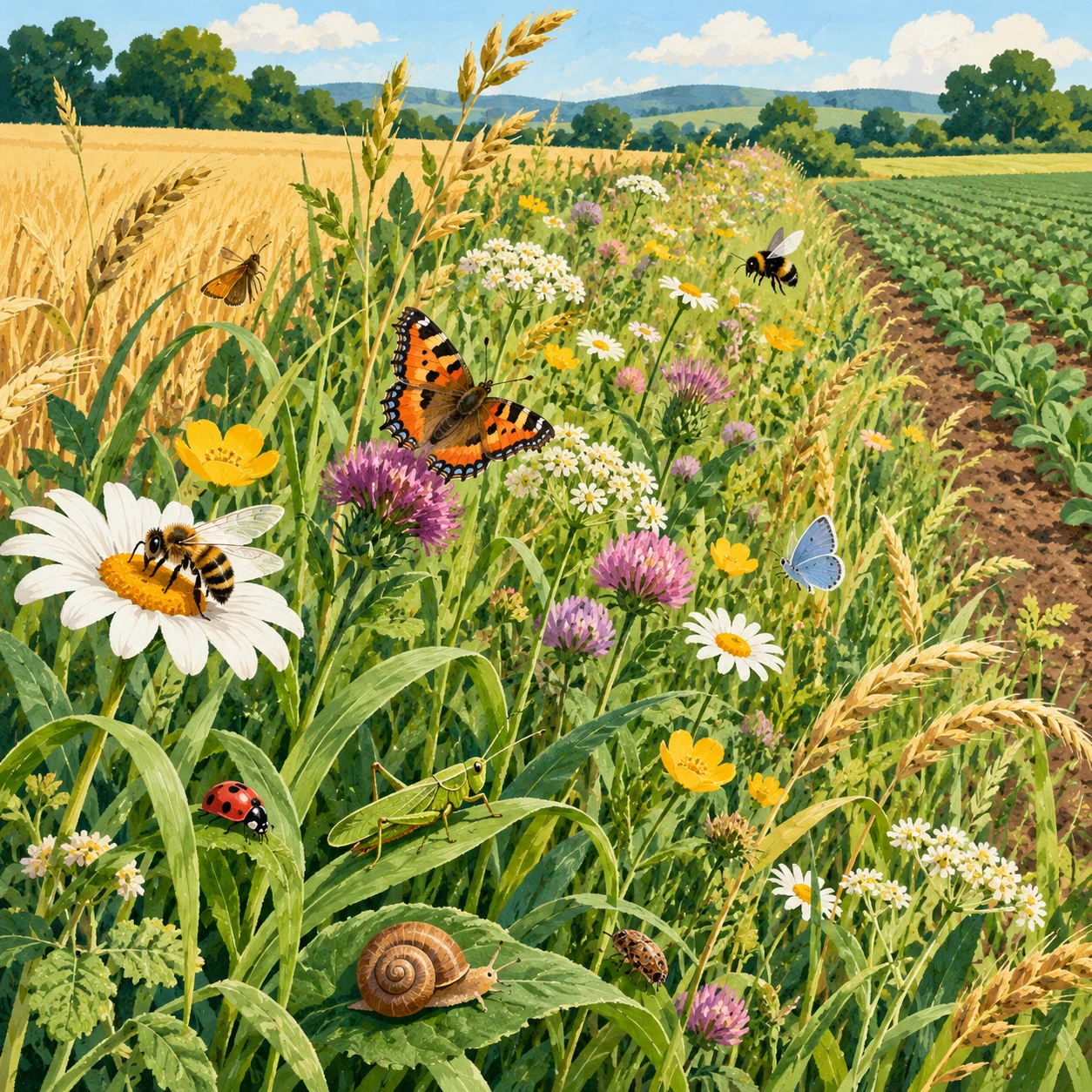
natural home of a species
A strip of wild grass can provide a habitat for insects between fields.
畑の間の野草帯は、昆虫の生息地になります。
このカードの意味に合わせた表現です。関連語では意味が変わる場合があり、言い換えがいつも使えるとは限りません。
「natural habitat」をまとまりで練習しましょう。ここで「habitat」は「生物の自然な生息地」です。
「habitat」(生物の自然な生息地)と「drought」(雨不足が長く続くこと)を区別します。状況を読み、置き換えられない意味の違いを確かめましょう。 追加の使い分け:「wildlife」は「野生生物」、「recycling」は「リサイクル」です。学習カードで用法を比べましょう。
The wetland is an important habitat for frogs.
「flood」(通常は乾いた土地を覆う水)と「pollution」(環境の有害な汚染)を区別します。状況を読み、置き換えられない意味の違いを確かめましょう。 追加の使い分け:「deforestation」は「森林破壊」、「landfill」は「ごみ埋立地」です。学習カードで用法を比べましょう。
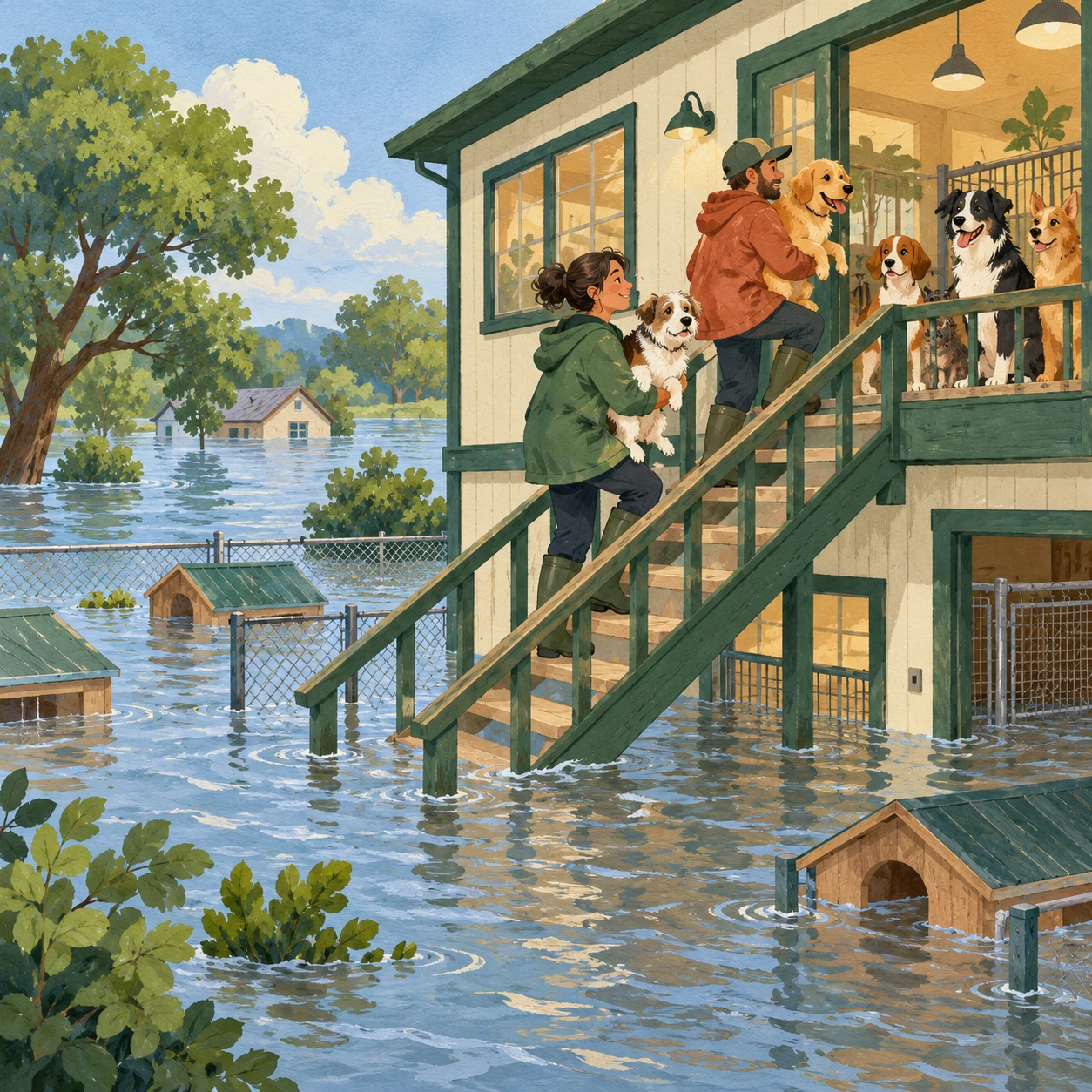
The flood covered the road with water.
「conservation」(自然や資源の保護)と「renewable」(自然に補充される)を区別します。状況を読み、置き換えられない意味の違いを確かめましょう。 追加の使い分け:「emission」は「気体の排出」、「ecosystem」は「生態系」です。学習カードで用法を比べましょう。
The park supports wildlife conservation.
Complete the sentence with the expression that matches the stated situation.
「flood」(通常は乾いた土地を覆う水)と「pollution」(環境の有害な汚染)を区別します。状況を読み、置き換えられない意味の違いを確かめましょう。 追加の使い分け:「deforestation」は「森林破壊」、「landfill」は「ごみ埋立地」です。学習カードで用法を比べましょう。
The flood covered the road with water.「conservation」(自然や資源の保護)と「renewable」(自然に補充される)を区別します。状況を読み、置き換えられない意味の違いを確かめましょう。 追加の使い分け:「emission」は「気体の排出」、「ecosystem」は「生態系」です。学習カードで用法を比べましょう。
The park supports wildlife conservation.「habitat」(生物の自然な生息地)と「drought」(雨不足が長く続くこと)を区別します。状況を読み、置き換えられない意味の違いを確かめましょう。 追加の使い分け:「wildlife」は「野生生物」、「recycling」は「リサイクル」です。学習カードで用法を比べましょう。
The wetland is an important habitat for frogs.初回答を残し、変化の理由を理解して、別の場面で確かめます。
まだ復習ノートはありません。まずは短いウォームアップを。
解答を開くと、その問題にヒント利用が記録されます。
Complete the sentence with the expression that matches the stated situation.
「wetland」に注目します。ここで必要なのは「生物の自然な生息地」を表す「habitat」です。生息場所、水不足、あふれる水、汚染、保護、補充されるエネルギーを区別します。完成した文:「The wetland is an important habitat for frogs.」。
Months without rain have dried out the fields; there has been no overflow of water.
「Months without rain」に注目します。ここで必要なのは「雨不足が長く続くこと」を表す「drought」です。生息場所、水不足、あふれる水、汚染、保護、補充されるエネルギーを区別します。完成した文:「The drought left the fields dry.」。
The river overflowed and a large amount of water spread over the road.
「river overflowed」に注目します。ここで必要なのは「通常は乾いた土地を覆う水」を表す「flood」です。生息場所、水不足、あふれる水、汚染、保護、補充されるエネルギーを区別します。完成した文:「The flood covered the road with water.」。
Complete the sentence with the expression that matches the stated situation.
「filtering its waste」に注目します。ここで必要なのは「環境の有害な汚染」を表す「pollution」です。生息場所、水不足、あふれる水、汚染、保護、補充されるエネルギーを区別します。完成した文:「The factory reduced pollution by filtering its waste.」。
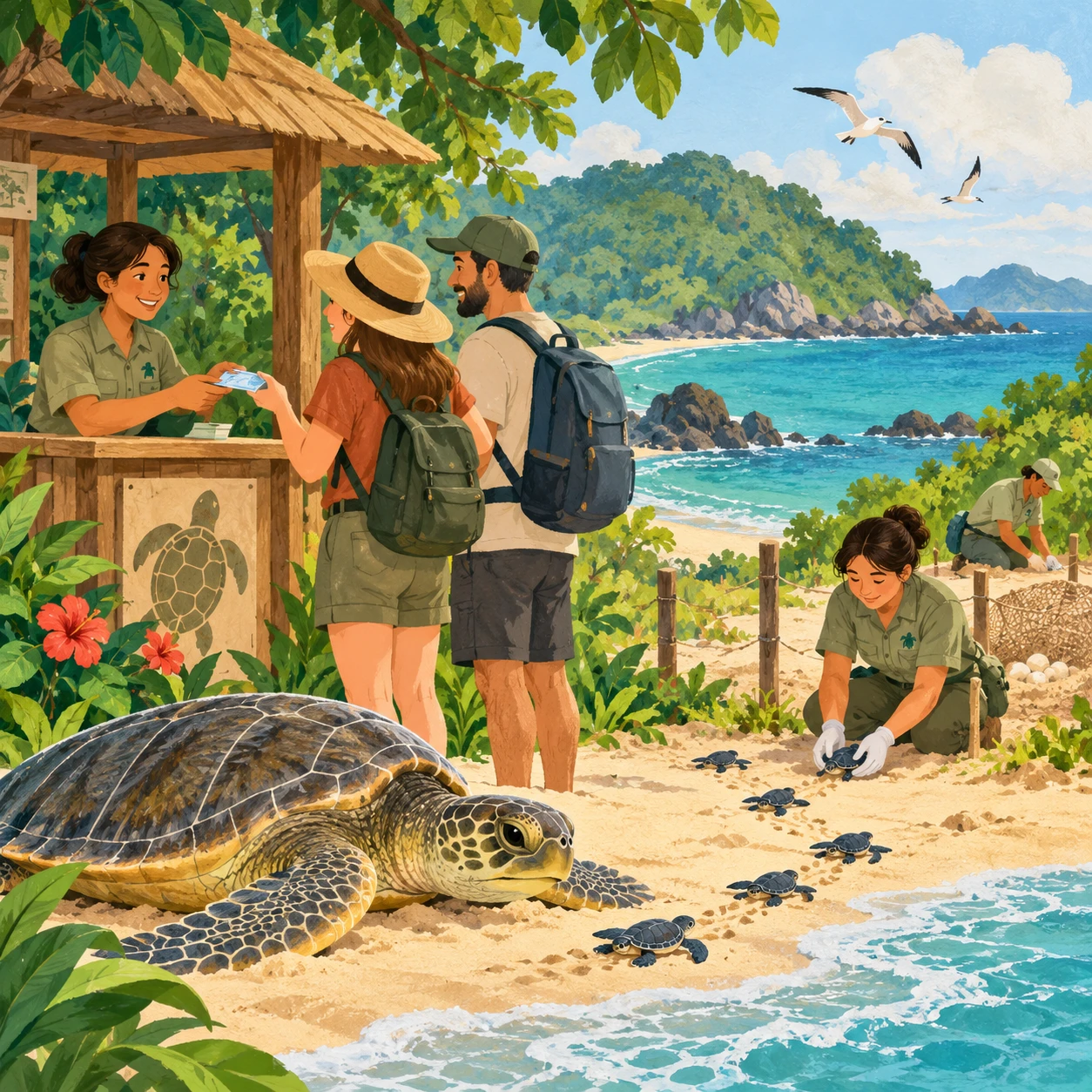
The park funds work to protect wildlife and prevent species from disappearing.
「protect wildlife」に注目します。ここで必要なのは「自然や資源の保護」を表す「conservation」です。生息場所、水不足、あふれる水、汚染、保護、補充されるエネルギーを区別します。完成した文:「The park supports wildlife conservation.」。
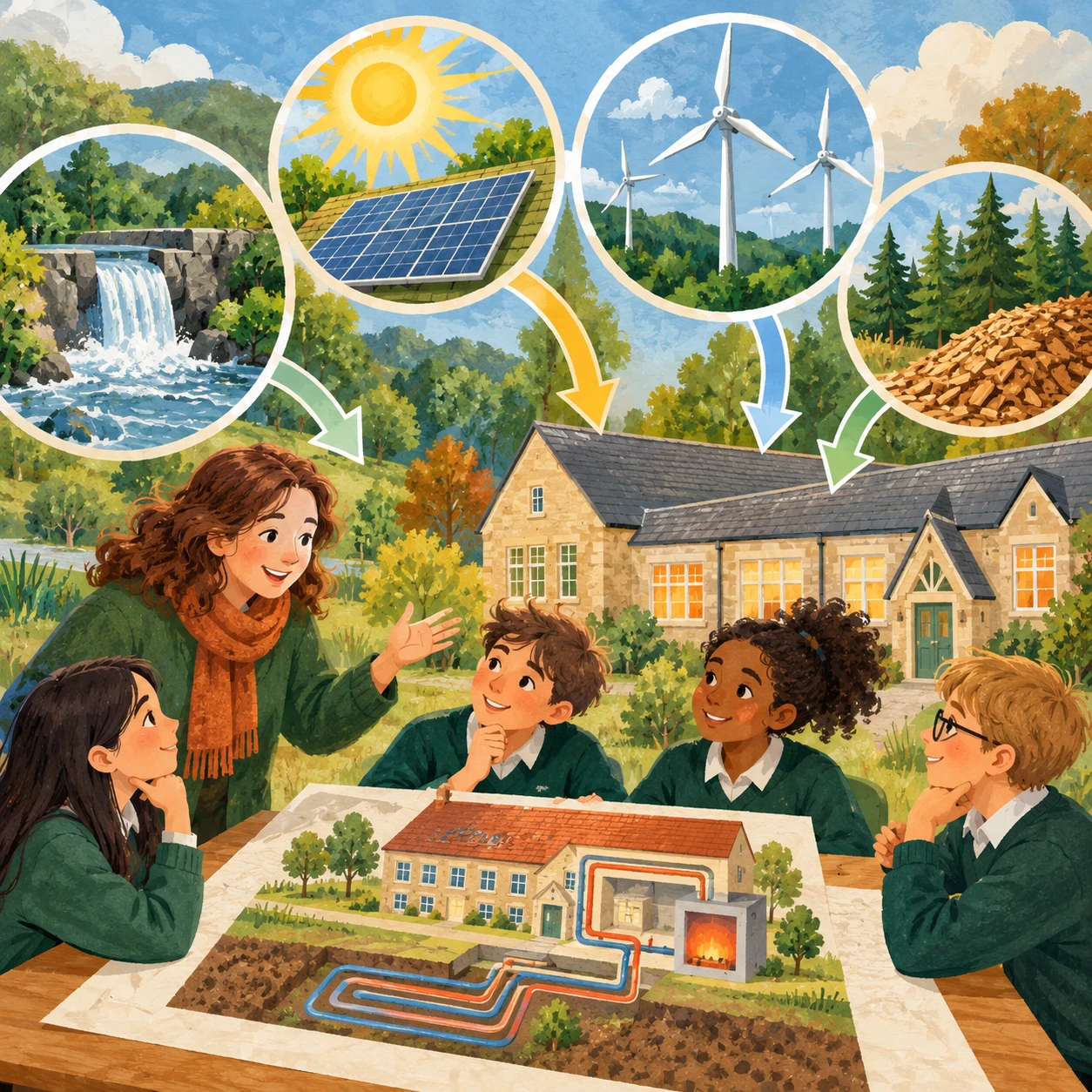
The gap asks for the energy category meaning naturally replenished, not based on a finite fuel reserve.
「naturally replenished」に注目します。ここで必要なのは「自然に補充される」を表す「renewable」です。自然に補充される性質を表す語です。fossil-based と nuclear は燃料や方式の種類、non-renewable は十分に補充されないことを表します。完成した文:「Wind is a renewable source of energy.」。
Complete the sentence with the expression that matches the stated situation.
「birds’ natural」に注目します。ここで必要なのは「生物の自然な生息地」を表す「habitat」です。生息場所、水不足、あふれる水、汚染、保護、補充されるエネルギーを区別します。完成した文:「Cutting down the forest destroyed the birds’ natural habitat.」。
Complete the sentence with the expression that matches the stated situation.
「months without rain」に注目します。ここで必要なのは「雨不足が長く続くこと」を表す「drought」です。生息場所、水不足、あふれる水、汚染、保護、補充されるエネルギーを区別します。完成した文:「After months without rain, farmers faced a severe drought.」。
Complete the sentence with the expression that matches the stated situation.
「river overflowed」に注目します。ここで必要なのは「通常は乾いた土地を覆う水」を表す「flood」です。生息場所、水不足、あふれる水、汚染、保護、補充されるエネルギーを区別します。完成した文:「The river overflowed and caused a flood in the village.」。
Complete the sentence with the expression that matches the stated situation.
「Dirty smoke」に注目します。ここで必要なのは「環境の有害な汚染」を表す「pollution」です。生息場所、水不足、あふれる水、汚染、保護、補充されるエネルギーを区別します。完成した文:「Dirty smoke from traffic contributes to air pollution.」。
Complete the sentence with the expression that matches the stated situation.
「Protecting endangered species」に注目します。ここで必要なのは「自然や資源の保護」を表す「conservation」です。生息場所、水不足、あふれる水、汚染、保護、補充されるエネルギーを区別します。完成した文:「Protecting endangered species is a central aim of nature conservation.」。
The gap asks for the energy category meaning naturally replenished, in contrast to a finite fuel reserve.
「naturally replenished」に注目します。ここで必要なのは「自然に補充される」を表す「renewable」です。自然に補充される性質を表す語です。fossil-based と nuclear は燃料や方式の種類、non-renewable は十分に補充されないことを表します。完成した文:「Unlike coal, sunlight provides renewable energy.」。
Choose the expression that matches the situation.
「foxes, owls and wild flowers」に注目します。ここで必要なのは「野生生物」を表す「wildlife」です。生物だけでは生態系全体にはなりません。材料再生、森林除去、廃棄物埋立、気体の放出も区別します。完成した文:「The reserve protects local wildlife, including foxes, owls and wild flowers.」。
Choose the expression that matches the situation.
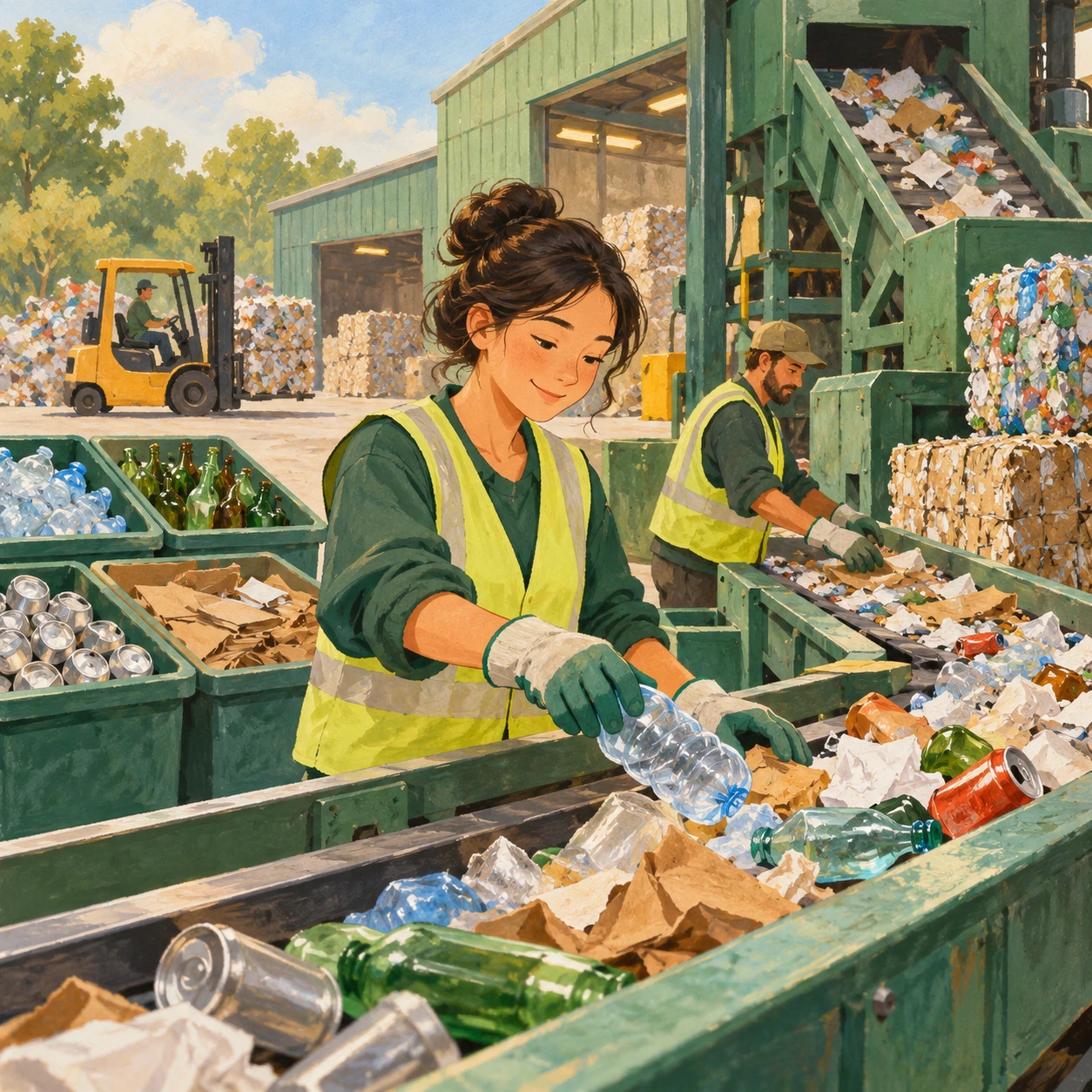
「new paper from used newspapers」に注目します。ここで必要なのは「リサイクル」を表す「recycling」です。生物だけでは生態系全体にはなりません。材料再生、森林除去、廃棄物埋立、気体の放出も区別します。完成した文:「Making new paper from used newspapers is an example of recycling.」。
Choose the expression that matches the situation.
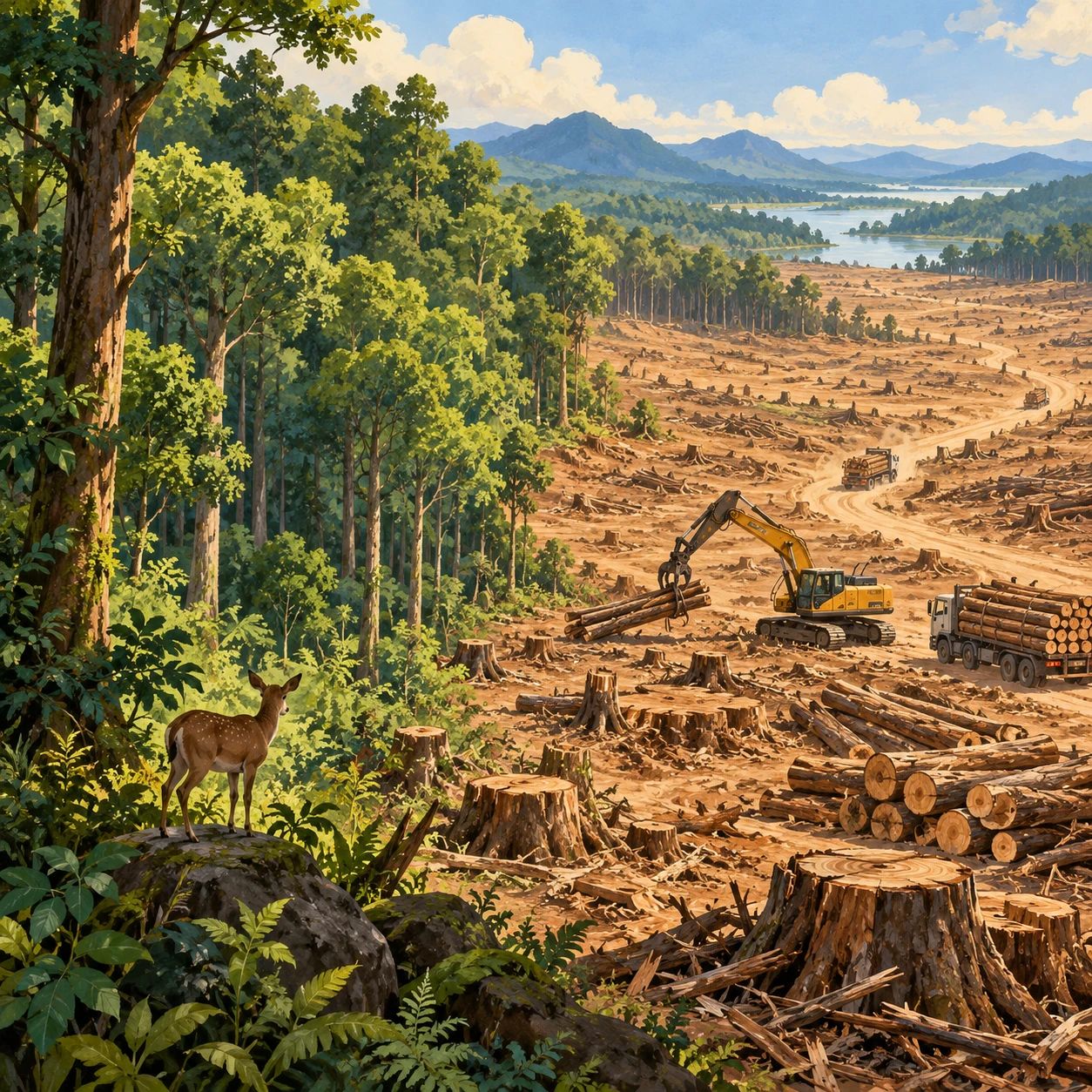
「removal of thousands of trees」に注目します。ここで必要なのは「森林破壊」を表す「deforestation」です。生物だけでは生態系全体にはなりません。材料再生、森林除去、廃棄物埋立、気体の放出も区別します。完成した文:「The removal of thousands of trees to create farmland has caused severe deforestation.」。
Choose the expression that matches the situation.
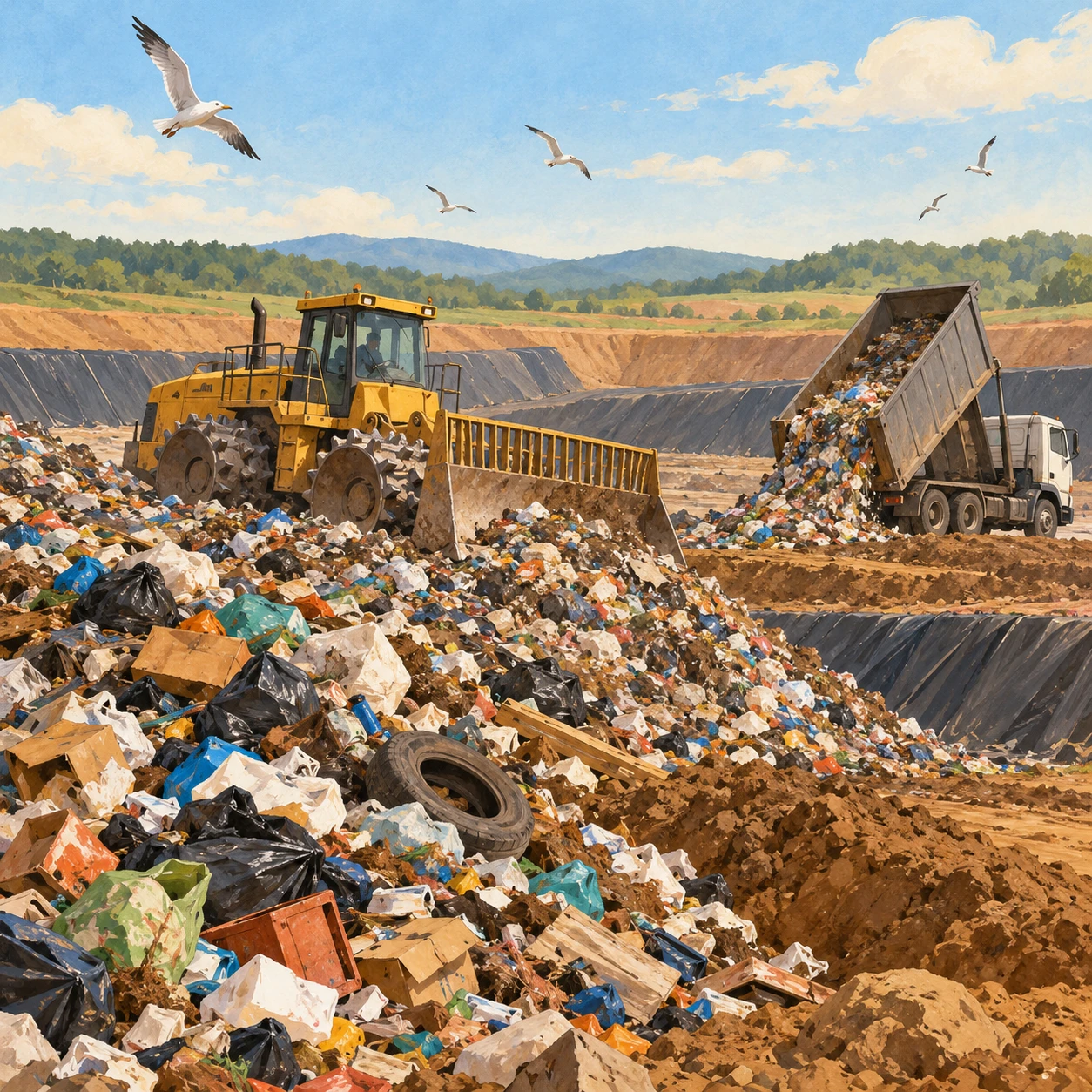
「rubbish」に注目します。ここで必要なのは「ごみ埋立地」を表す「landfill」です。生物だけでは生態系全体にはなりません。材料再生、森林除去、廃棄物埋立、気体の放出も区別します。完成した文:「The rubbish that cannot be recycled is buried in a landfill outside town.」。
Choose the expression that matches the situation.
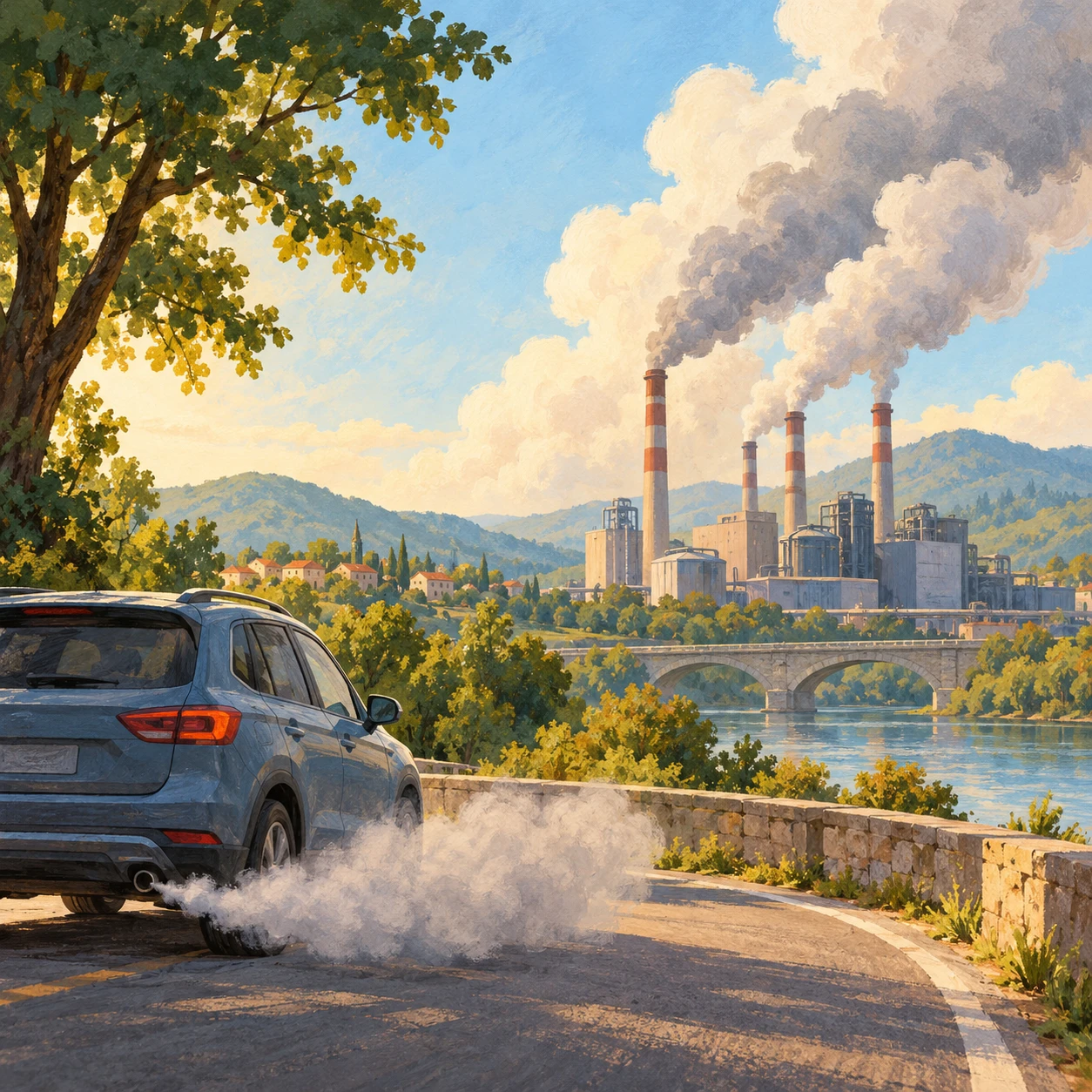
「release of carbon dioxide」に注目します。ここで必要なのは「気体の排出」を表す「emission」です。生物だけでは生態系全体にはなりません。材料再生、森林除去、廃棄物埋立、気体の放出も区別します。完成した文:「The release of carbon dioxide from the factory is a gas emission.」。
Choose the expression that matches the situation.
「living things, together with the water」に注目します。ここで必要なのは「生態系」を表す「ecosystem」です。生物だけでは生態系全体にはなりません。材料再生、森林除去、廃棄物埋立、気体の放出も区別します。完成した文:「The coral, fish and other living things, together with the water around them, form a marine ecosystem.」。
Choose the expression that matches the situation.
「deer」に注目します。ここで必要なのは「野生生物」を表す「wildlife」です。生物だけでは生態系全体にはなりません。材料再生、森林除去、廃棄物埋立、気体の放出も区別します。完成した文:「Drivers should slow down here because wildlife such as deer often cross the road.」。
Choose the expression that matches the situation.
「made into new bottles」に注目します。ここで必要なのは「リサイクル」を表す「recycling」です。生物だけでは生態系全体にはなりません。材料再生、森林除去、廃棄物埋立、気体の放出も区別します。完成した文:「Put empty glass bottles in this bin so the glass can be melted and made into new bottles through recycling.」。
The images show that trees have been removed across a large area, leaving stumps and bare ground, not a gas cloud.
「trees have been removed」に注目します。ここで必要なのは「森林破壊」を表す「deforestation」です。生物だけでは生態系全体にはなりません。材料再生、森林除去、廃棄物埋立、気体の放出も区別します。完成した文:「Satellite images showed widespread deforestation where dense forest once stood.」。
Choose the expression that matches the situation.
「bury less household waste」に注目します。ここで必要なのは「ごみ埋立地」を表す「landfill」です。生物だけでは生態系全体にはなりません。材料再生、森林除去、廃棄物埋立、気体の放出も区別します。完成した文:「The council wants to bury less household waste in landfill and reuse more of it.」。
Choose the expression that matches the situation.
「toxic gas」に注目します。ここで必要なのは「気体の排出」を表す「emission」です。生物だけでは生態系全体にはなりません。材料再生、森林除去、廃棄物埋立、気体の放出も区別します。完成した文:「A sensor detected a sudden emission of toxic gas from the pipe.」。
Choose the expression that matches the situation.
「living parts depend on each other」に注目します。ここで必要なのは「生態系」を表す「ecosystem」です。生物だけでは生態系全体にはなりません。材料再生、森林除去、廃棄物埋立、気体の放出も区別します。完成した文:「Removing one species can affect the whole ecosystem because its living parts depend on each other.」。